
What are they? How do you follow up one of the best horror movies in history -make that one of the best movies, period – by the master of suspense Alfred Hitchcock? Let’s do a two-fer in this occasional blog series by looking at the first two long-gestated sequels to Hitchcock’s classic 1960 Psycho. The original remains a near-perfect thriller, forever changing how we think about showers, with Anthony Perkins’ mother-fixated psychopath Norman Bates firmly fixed in the screen slasher movie pantheon. But, you might ask, what happened to Norman after he was hauled off to the asylum at the end of Psycho? Although Hitch died in 1980, Psycho II eventually came out in 1983 and Psycho III followed in 1986 to answer those questions.
Why I never saw them: Sequels made years, nay, decades after the original generally stink. There’s the occasional Top Gun: Maverick or Mad Max: Fury Road, sure, but there’s also an awful lot of Terminator: Genisys and Independence Day: Resurgences out there. And Psycho was so smoothly crafted, from its bait-and-switch premise to the haunting final grin on Norman Bates’ face – why mess with it? Yet over the years Psycho II has been rehabilitated online as a kind of lost rough gem, and I decided it was time to head back to the Bates Motel.

Do they measure up to their rep? The smartest thing these sequels do is NOT turning Norman Bates into some Michael Myers pantomime unkillable villain rampaging again and again. As in the original, we see Perkins wrestling with Norman’s demons, and the audience weirdly finds itself rooting for him. Both sequels are better than you might expect, and Psycho II in particular is a clever, absorbing pick up of Norman Bates’ story, 23 years on. Recently “cured” and released from the mental institution, an older, fragile Bates attempts to pick up the pieces at his life at the old Bates Motel. But Norman faces scorn and suspicion from the community, and relatives of his victims aren’t willing to give him a chance to start over. Psycho II is about whether or not redemption is truly possible or if we’re all trapped by our pasts, and it tells its story in a cunning, thoughtful way. There’s blood and murder, sure, but it’s fairly restrained.
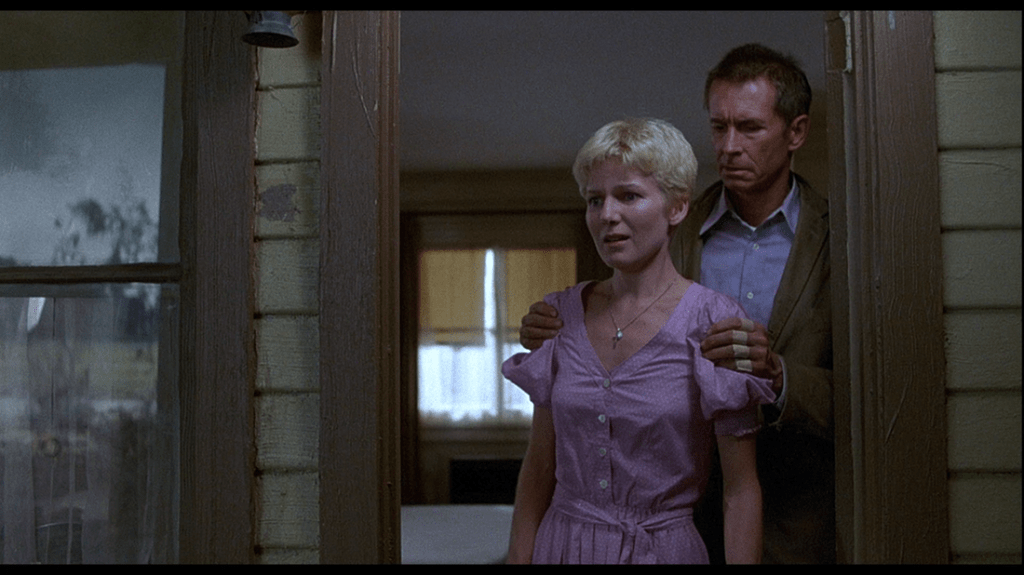
Psycho III, directed by its star Perkins himself, takes a swerve away from the understated tension of the first sequel to craft a gorier, sexier tale, one that feels very much of a vibe with other ‘80s slasher horror flicks. But it also gives Norman a surprisingly touching love story with a troubled ex-nun who strongly resembles his 1960 victim Marion Crane. Colourful and with a fair helping of black humour, it’s an interesting louder and bolder counterpoint to Psycho II, even if, by the end, it kind of feels like we’ve reached the logical end of the line for Norman’s story. (One final sequel/prequel featuring Perkins, Psycho IV: The Beginning, would follow in 1990 not long before Perkins’ sadly young death at age 60 from AIDS-related causes, but I haven’t seen that one yet.)
The sequels are tremendously helped by the dark charisma of Perkins, who added whole new layers to Norman’s complicated character. His portrayal in Psycho II is heartbreaking as the damaged Norman tries, valiantly, to have a normal life, while the nastier Psycho III gives him a more menacing, debauched air. (The disease that soon would kill him was perhaps already having effects on Perkins, who looks dramatically older despite a mere three years passing between Psycho II and III.)
Worth seeing? Psycho II is absolutely worth checking out for any fan of the original, of Perkins’ nervy acting, or sequels that don’t go in expected paths. Psycho III is a little more conventional but it still has enough neon-soaked gaudy charm to make it an interesting diversion. While the original remains impossible to surpass, seeing Anthony Perkins’ Norman Bates at that creaky old hotel after so many years turns out to be a lot more entertaining than anyone could reasonably expect.

 Nik Dirga