The Bride and why I love all the Frankenstein’s monsters

Frankenstein’s Monster is dead, but he’ll also really never die. 

I love it when a character hits the cultural level of a Sherlock Holmes or a Batman, and can be endlessly reinvented for new eras. 

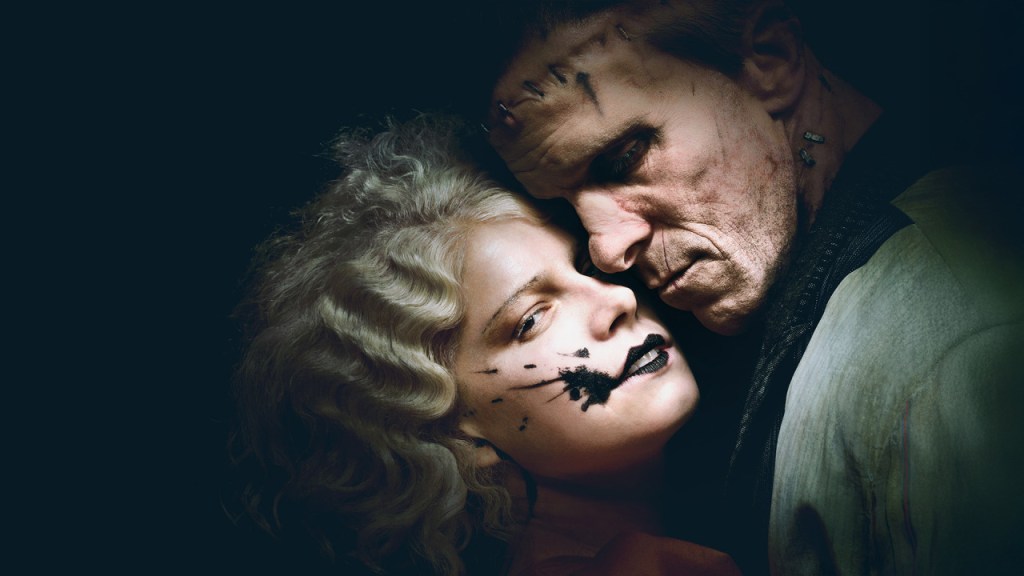
Maggie Gyllenhaal’s The Bride is the latest reimagining of the bones of Mary Shelley’s tale, a wild, anarchic creation myth and love story. It’s as loose and freaky as major Hollywood productions ever get these days, and while it’s sure to be divisive, I kind of loved it. 

Very loosely retelling the events of Bride of Frankenstein in the 1930s, Oscar nominee Jessie Buckley gives a delightfully unhinged performance as a new “Bride” to Christian Bale’s wounded and lonesome Frankenstein’s monster. The Bride at times feels as rough and patched together as the monster himself, but that’s what charmed me – it tells something new by stitching together ghostly possession, a screwball musical, a blood-spattered romance and a Bonnie and Clyde-style violent lovers on the run arc. 
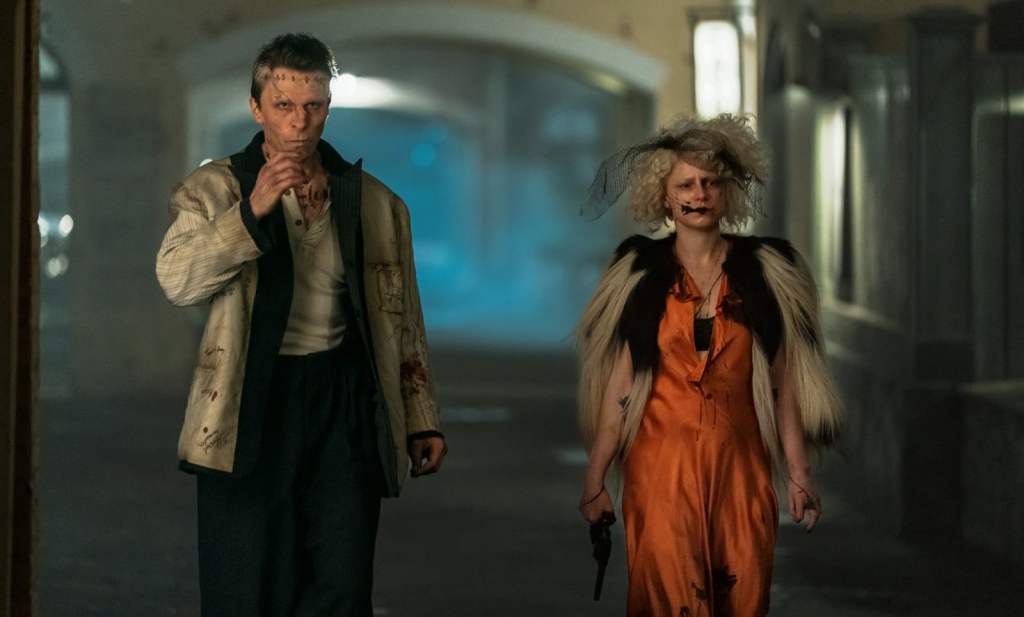
The monster and his bride tear through polite society, and while the plot is sprawling and doesn’t always add up, terrific turns by Bale, Buckley and Annette Bening as this movie’s “mad doctor” work well. A truly insane homage dance number to Mel Brooks’ Young Frankenstein is the most audaciously strange scene I’ve seen so far this year. This one’s for the sickos, and I’m proud to be among them. 

I’m here for all the Frankensteins, to be honest, right on down to campy ‘60s kaiju romp Frankenstein Conquers The World and the ultra-sleazy Frankenhooker. 

There remains endless potential in the story of man creating life, and how it (usually) all goes horribly wrong. 

We’re only a few months from the last great Frankenstein movie, Guillermo Del Toro’s Gothic Oscar-nominated epic of an adaptation of Shelley’s novel with a committed and curiously sexy performance by Jacob Elordi as the monster. That one is as overwrought and passionate as The Bride, but in a completely different way. Those great lonesome Arctic chase sequences – always my favourite part of the original novel – sparkle on the big screen. 
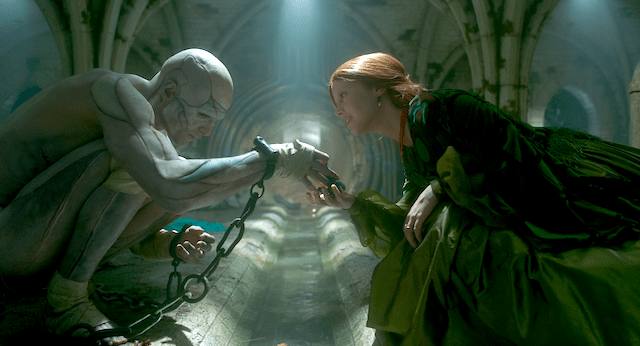
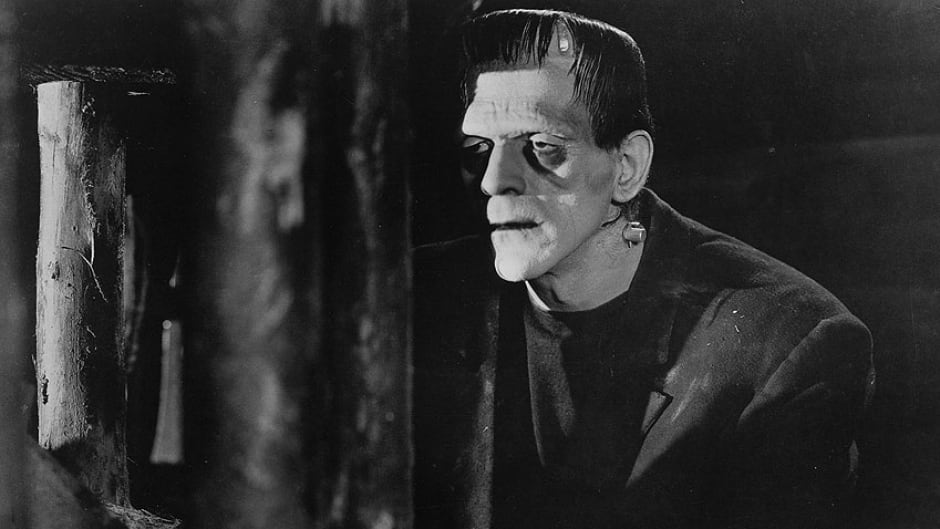
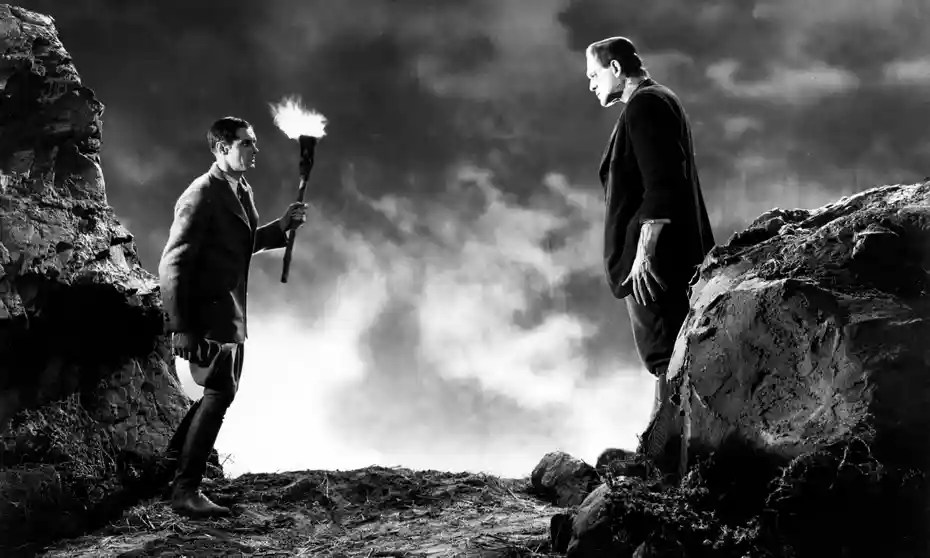
A rough Google estimate tells me there’s been close to 500 spins on the Frankenstein story. Boris Karloff set the standard, of course, and his performance, closing in on a century ago now, remains the template for investing the monster with both humanity and menace. Christopher Lee played the creature as a hurt, abused animal, with melting-egg makeup that seemed startlingly grotesque in 1957’s Hammer production The Curse of Frankenstein – then followed by a half-dozen more Hammer movies that totally reimagined the creature’s story each time, even as a woman and once as a New Zealand wrestler with the world’s worst makeup job

Every era has its Frankenstein – splattery gore from Andy Warhol in the ‘70s, kid-friendly spoofs like The Monster Squad in the 1980s, bombastic excess like Kenneth Branagh’s 1990s take. I like the weirder angles, like Roger Corman’s Frankenstein Bound from 1990 that throws time travel and metafiction into the mix. 

I’m even fascinated by the schlocky look of 1910’s Frankenstein by Edison Studios, the first adaptation of the creature’s story done in a mere 16-minute silent film, with Charles Stanton Ogle as a shaggy, deformed monster that’s memorably bizarre. A mere 116 years old now, it’s more of a curio than a successful film, but it sets the template for many a Frankenstein story in the century-plus since. 

And that doesn’t even get into the non-film realms, like DC Comics turning Frankenstein’s monster into a kind of immortal holy warrior, queer fiction imaginings like Jeanette Winterson’s Frankissstein and the novel and movie of Gods And Monsters, or modern-day parables like Ahmed Saadawi’s Frankenstein in Baghdad. 
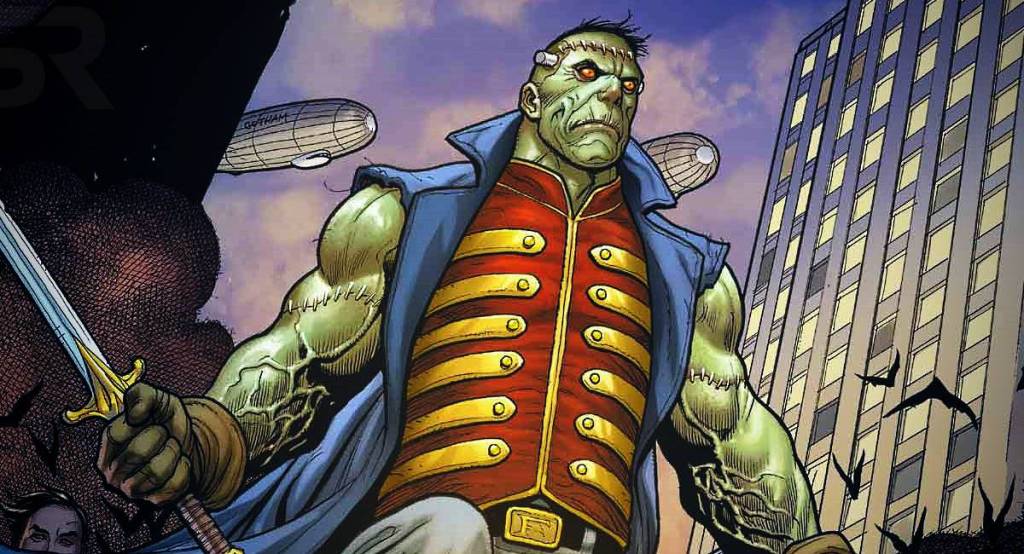
The Bride builds on all these flocks of Frankensteins, and Gyllenhaal’s weird delight of a film embraces the shimmering fluid identities of the monsters – her romantic duo are alternately enraged and peaceful, needy and fiercely independent. I expect The Bride is the kind of movie a lot of people will hate, and it’s certainly not flawless, but it’s brave in its own weird way.

For a book that came out 208 years ago, Shelley’s Frankenstein is still remarkably futile ground for birthing all kinds of stories about mankind’s hopes and dreams, and nightmares. 
Monsters, madness and heroes – My favourite movies of 2025

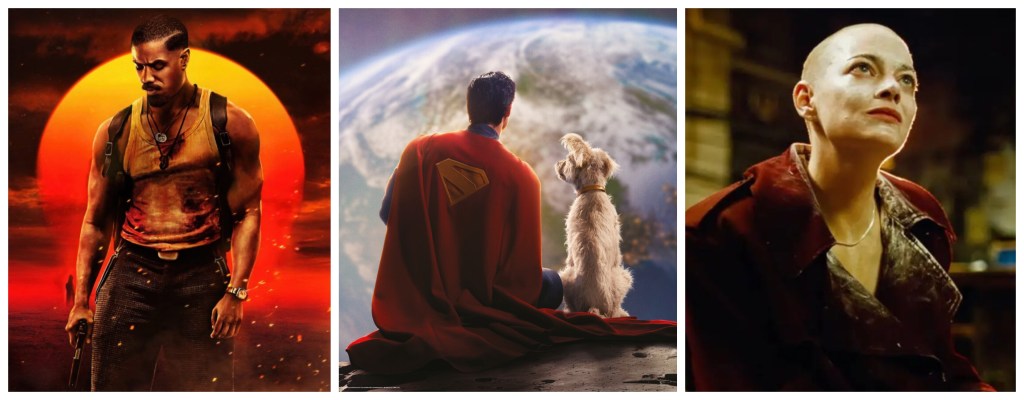
The calendar is on its last page yet again and it’s Year In Review week here. Let’s kick it off with my 10 favourite movies of 2025* – a surprisingly excellent year for mainstream Hollywood where a lot of clever and edgy horror and drama managed to sneak into cinemas. 

*Despite the modern age we live in, New Zealand still sometimes gets movies a bit later, so a few releases that were officially in 2024 didn’t make it to our screens until this year. Still, I’m including them, because I’m in charge here!  (This also means there’s more than a few acclaimed 2025 films that haven’t gotten here just yet like Hamnet and Marty Supreme.) 

My top 10 of 2025:

1. One Battle After AnotherWas there any other choice, really? Paul Thomas Anderson has been one of the world’s finest directors for the past 25 years, and this year feels like the year that everyone finally noticed. I wish it had been a bigger box office hit but in the American shitshow of 2025 the mere fact this exists is awesome. 

2. Sinners – After Black Panther and Creed, we should’ve already known Ryan Coogler was the real deal, but he takes it to another level in this unexpected smash hit that tackles America’s blood-spattered history and marries it with the power of music, the horror of the unexpected and a series of achingly romantic tragedies. 

3. Frankenstein – Trust Guillermo Del Toro to give fresh new blood to a frequently filmed tale. With darkly gorgeous and tactile lush design and a heartbreaking turn by Jacob Elordi as an oddly sexy version of the monster, Del Toro’s passion project is lush, gory and epic, like a fusion of the Universal and Hammer-era Frankenstein tales. Kind of like his Shape of Water, I very much felt like Guillermo made this movie just for me as a cool little secret to share between mates. 

4. Superman – Thank god, for the first time in decades we’ve got a Superman movie that’s light in spirit and doesn’t hammer us with dreary Jesus symbolism. Embracing the silliness of the Silver Age comics – Metamorpho! – and anchored by David Corenswet’s endearingly cheerful performance, Superman was the freshest comic book movie of the year

5. Prime Minister – The rise and fall and rise again of a New Zealand politician, the story of Jacinda Ardern is far more candid than I’d imagined it could be. It’s a wonderful documentary but it’s also kind of heart-breaking, because in the world we’re currently in I can’t see politicians who act like actual human beings instead of sneering hypocritical grifters ever getting anywhere again.

6. A Complete Unknown This one didn’t open in NZ until early 2025, and left a big grin on my face the whole time. The music biopic is a cliche by now but this succeeds by giving us a single slice of Bob Dylan’s career, and fantastic performances by Timothee Chalamet, Ed Norton and Monica Barbaro. Rose-coloured and sanitised like all biopics, but delightful all the same. 

7. Pavements – A film festival favourite that finally showed up in New Zealand this year, this uncategorisable mockumentary is probably the best possible movie that could be made about Pavement, reimagining their slacker anthem songs as fodder for rock musicals, a museum and pretentious Hollywood biopic, and sloshing fake and real together in the perfect tribute to this beautifully eccentric band. 

8. Bugonia – We don’t talk enough about how awesome Emma Stone has become, and how wild this former romantic comedy star’s career choices have been – a conniving commoner in The Favourite, a sexual Frankenstein in Poor Things, and then a career woman who might just be an alien in the wild Bugonia, the latest button-pushing insanity from Stone’s welcome muse Yorgos Lanthimos. 

9. 28 Years Later – A zombie movie three-quel that goes in incredibly unexpected directions, deep into a post-extinction Britain and anchored by a riveting family drama and an all-time third act performance by Ralph Fiennes. Not at all what anyone expected 23 years after 28 Days Later – like everyone else, I’m still unpacking the Jimmys – but I loved its crazy swerves, and am dying to see where it goes in the upcoming 28 Years Later: The Bone Temple

10. Eddington – Ari Aster’s blunt weapon of a satire about America during Covid is never subtle, but it’s confrontingly hilarious in its story of a small town sheriff (Joaquin Phoenix, excellent) caught up in pandemic unrest. It escalates somewhere beyond cringe comedy to the point of being truly uncomfortable, just like watching America has been this year. I haven’t seen another film yet that so starkly confronts that American society has, well, kind of lost its bloody mind in the last few years. 

And just all lurking around #11, the runners up: The Phoenician Scheme, Conclave, Thunderbolts*, Sentimental Value, Wake Up Dead Man, Weapons, The Brutalist, Companion, Pee Wee As Himself, Fantastic Four: First Steps 

The New Zealand wrestler who played Frankenstein’s monster

Everyone knows that Boris Karloff played Frankenstein’s monster. Most horror fans remember the late, great Christopher Lee, as well. Benedict Cumberbatch has played the creature. Heck, even Oscar winner Robert DeNiro has played the monster.

But did you know about the New Zealand wrestler who once played Baron Frankenstein’s horrific creation?

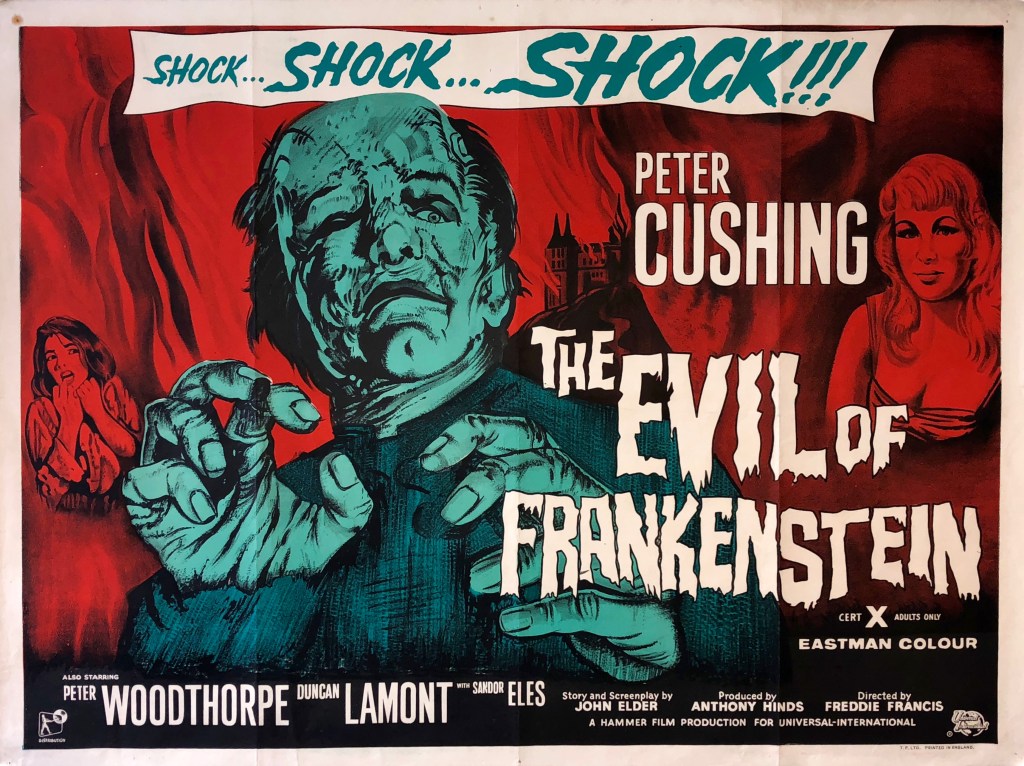
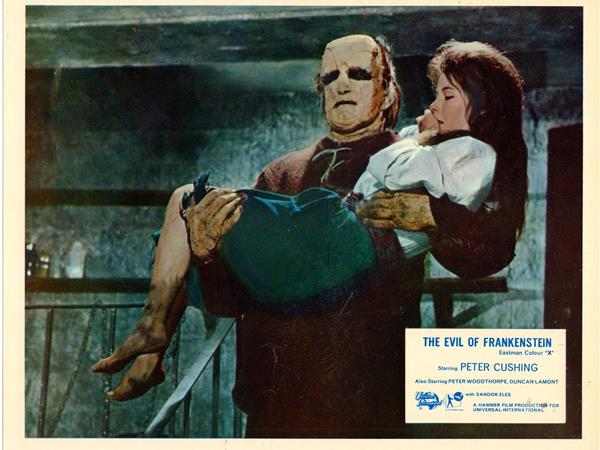
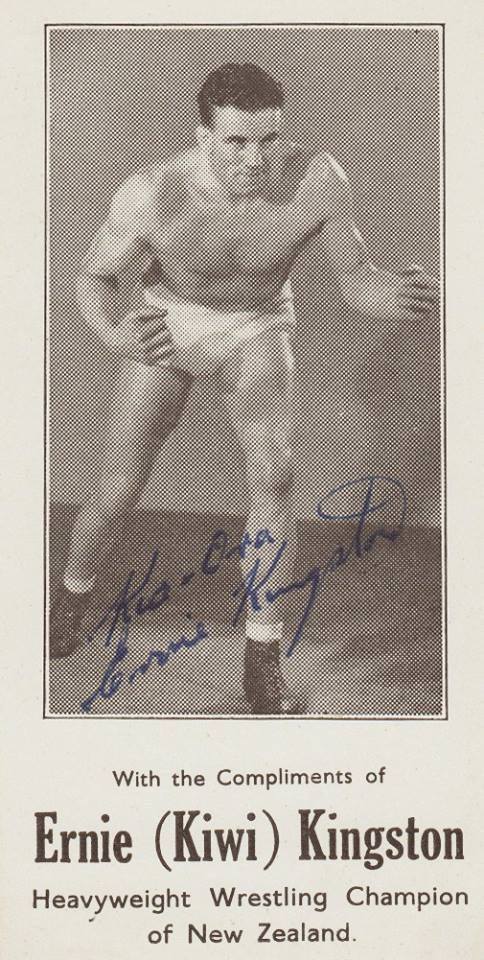
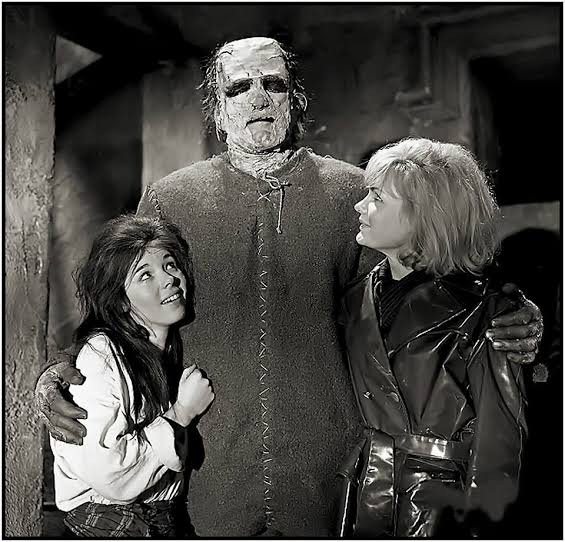
Ernie “Kiwi” Kingston’s turn as the monster in 1964’s The Evil Of Frankenstein by Hammer Films earned him a small but notable place in horror history, but the wrestler’s acting turn is shrouded in obscurity, nearly 60 years on. It was pretty much the only film he performed in. 

The Hammer Frankenstein cycle of movies from 1957-1974 still hold up well as a colourful Gothic series of chilling tales about man’s desire to play God, led by the inimitable Peter Cushing as Baron Frankenstein. Unlike the earlier Universal Frankenstein films, the focus on these was squarely on the evil doctor himself and his mad obsessions as he creates monster after monster in his quest to unlock the secrets of life and death. 

Evil of Frankenstein was the third of six films Cushing starred in, and a kind of weird outlier – the story didn’t seem connected to the two previous movies, and it’s the only one of the series not directed by Hammer maestro Terence Fisher.

A professional wrestler, 6 foot, 5 inch “Kiwi” Kingston, as he was credited, played a hulking, grotesque version of the monster, freed from frozen ice and abused by a rogue hypnotist (as you do). 

“As a person to work with, quite timid, gentle, quite reserved,” costar Katy Wild, who played a mute girl that befriended the monster, in a documentary on the Evil of Frankenstein blu-ray.  

Unfortunately for Kingston, his turn as the monster is hampered by what is probably the worst makeup in any major Frankenstein movie I’ve seen. Inspired by Karloff’s iconic look, it’s a sloppy, blocky mask that looks a bit like a grocery bag soaked in papier-mâché. The too-huge brow and lack of mobility prevents much in the way of facial expression. You can just barely see Kingston’s eyes poking out from under all the goop. 

It’s a shame because it’s possible less oppressive makeup might have given Kingston more to work with other than lurching around a lot … although he wasn’t exactly a trained actor. 

“Kiwi Kingston was actually cast for his hulking frame and not his acting ability,” the documentary on the movie notes. 

While he was indeed a Kiwi, he seems to have spent most of his life overseas.

A Christchurch history page says he was “born in 1914, to Ernest John Kingston and Edith Emily (nee) Hammond. As an amateur boxer in New Zealand Ernie had been runner-up in the heavyweight division at the N.Z. champs in 1938. He was also a top rugby player and general all round sportsman.”

He made a name for himself in NZ sport, as seen in a very fit photo from 1940 in the national archives. Like a lot of kiwis, Kingston went on a big OE (overseas experience) but in his case, it sounds like he never really returned. A wrestling blog from 2005 tells a little of his background:

“… Towards the end of the 30’s, a big strong rugby player, boxer, and wrestler, did some service in the air force and ended up in Britain. He was a (wrestler) Anton Koolman pupil in Wellington in the late 30’s, and it is sad that he was almost unknown in his own country. I refer to big Ernie Kingston, who ended up a huge name in Britain and all over Europe. He became known as ‘Kiwi’ Kingston, a big rough diamond from Banks Peninsula.”

He loved horses – “he had a pony field where he collected ponies that had been discarded and looked after them until they died,” his Evil co-star Caron Gardner remembered. 

Evil of Frankenstein was just about it in terms of movie stardom for Kingston, who only appeared in a tiny role in another Hammer film, Hysteria. He did apparently later wrestle under the stage name “The Great Karloff” which is a kind of awesome tip of the hat to his Franken-forefather, though.

Ernie Kingston died in 1992, and there’s not much out there on the internet about his life in later years I could find. 

But there’s only a handful of people out there who can say they played Frankenstein’s monster in a major Hollywood movie over a century or so of films. Kiwi Kingston’s turn as the monster long before Peter Jackson helped put New Zealand horror movies on the global map is a small but fascinating little piece of film history. Not bad for a lad from the bottom of the world.

After 204 years, Mary Shelley’s Frankenstein still haunts us

The thing about Mary Shelley’s Frankenstein is it’s not the story you think it is.

Mary Shelley was only a teenager when she wrote the book that has led some to call her “the inventor of science fiction.” At the very least, she certainly helped create some foundations for it. However, if you’ve binged on old Boris Karloff movies and are expecting Frankenstein the novel to be the same animal, you’re likely to be a bit befuddled. 

The book has a rather average 3.8-star rating on GoodReads, with critics saying it’s “like watching paint dry” and “tedious.” Published in 1818, it does get off to a somewhat slow start, with a series of nesting first-person narratives from an Arctic ship captain, then Victor Frankenstein, and then finally the monster itself. There’s not a lot of what we jaded 2022 folk would call “action” and a lot of flowery romantic language.  

But once you abandon expectations of a silent Karloff-ian zombie lurking in the shadows and Colin Clive shrieking “It’s alive!”, Frankenstein is still a pretty remarkable book which I return to every few years. It turned 200 years old just a few years back, so keep in mind its voice is almost closer to the era of Shakespeare than it is 2022. It is a novel of ideas and debate, rather than straight horror, although god knows plenty of horrible things happen to Victor Frankenstein and his creation. 

The first time I “read” Frankenstein was in one of those adapted great works of literature children’s books, which stripped the story down to the essentials and ran some evocative illustrations to go with it. These days, my go-to version of Frankenstein is one with utterly gorgeous macabre drawings by the late, great Bernie Wrightson to go with Shelley’s text. More than some classic novels, I’ve always felt like Frankenstein cries out for a little art to complement the wordy text. 

Like Bram Stoker’s Dracula, it’s another classic horror book that is quite different in tone than its many adaptations. So much of our image of what “Frankenstein” is comes from James Whale’s 1931 film – which I utterly adore, don’t get me wrong. Even the idea that the monster itself is somehow actually called “Frankenstein” emerged from those old Universal films. (In the books, he refers to himself as Adam at least once.)

The bones of Shelley’s story still stick with me years later. When I first read it, I was obsessed by the image of Frankenstein chasing his monster across the Arctic wastes that frames Shelley’s story, the idea of monster and creator pursuing each other into the frozen wastelands throughout eternity. I love Shelley’s questing monologues for the Creature, who is the polar opposite of Karloff’s silent, mournful monster. The Creature is violently angry at the world that scorned him but also gorgeously descriptive about his cursed place in it: “I was benevolent and good; misery made me a fiend.” 

One of the most notable things about reading Frankenstein the novel is how all the scientific explanations for the monster’s creation we are so used to don’t appear at all. There’s no Igor, no labs filled with lightning, only a hint of grave-robbing. Shelley is almost coy about how the monster came to be, dismissing the technical details within a sentence or two. She is more interested in the question of duality – are monsters made, or are they created by the world’s reaction to them? The spark her book lit has fuelled a thousand other interpretations and expansions of her dark tragedy. 

Hollywood has taken many, many swings at the Frankenstein story in the past century but never quite captures the book. Kenneth Branagh’s overwrought 1994 film has its moments of fidelity, but still piles on laboratories sparking and its campy excess misses the book’s haunted, spartan tone. 

But I’m happy with that. There’s many great Frankenstein movies out there, but the novel that birthed all these monsters is very much its own animal, two centuries old now and still filled with wonder and horror and mystery about the world around us. 

Frankenstein at 90: The genius of Boris Karloff

One of the greatest horror movies of all time debuted 90 years ago today. In its honour, here’s a post I originally wrote in 2010 about the enduring power of Frankenstein:

It’s a little late for Halloween, but I’ve been in a monster movie frame of mind. The classic monster movies, that is, which to me have always been the Universal Pictures horror of the 1930s to 1950s — Frankenstein, Dracula, The Wolf Man, et cetera. I loved ’em as a kid in the 1980s and lately have been on a jag watching some of these classic black and white flicks for the first time in 25 years or so. What’s amazing is how well many of them still hold up, particularly those starring the man who I’d say was the king of monster movies — the original and best Frankenstein’s Monster, Boris Karloff.

Bela Lugosi‘s immortal Dracula seems to get more ink today, and Lon Chaney Jr‘s tragic self-loathing Wolf Man was also great, but Boris Karloff created a monster who defines horror. Try not to imagine Frankenstein’s Monster as the cliched star of everything from breakfast cereals to video games to really bad Hugh Jackman movies. Instead picture the Monster as he first appeared in 1931, looming from the darkened screens. An abomination against life, a morality tale about man’s desire to play god, a creature cursed for the way he looks.

The very first scene when we see the Monster in “Frankenstein” is remarkable. The Monster walks eerily backwards into a dark and gloomy room, almost unnoticed for a fraction of a second — then the camera abruptly quick-cuts inward, two beats, to an extreme, silent close-up of Karloff’s heavy-lidded, haunting eyes. It’s still chilling 80 years after it was filmed.

Karloff’s portrayal is a marvel of economic emotion, terror and innocence all bundled together. The physicality Karloff brought to the Monster defines it; the locked-kneed, lurching walk, flailing hand movements, the monosyllabic grunts and groans. 

The famous “monster meets the blind hermit” sequence in “Bride of Frankenstein” is a bit hard to watch without bias today because Mel Brooks’ “Young Frankenstein” did such a glorious job of sending it up, but try to picture it as it seemed in 1933. It’s an amazing little character arc, as the Monster learns and grows an astounding amount in just a short time, from guttural grunts to emotion-packed short sentences. Treated with brief kindness, we see his potential, which makes what happens next that much more stinging.

The naked emotional need of the blind man and the Monster is startling. But what we’re seeing here is a real attempt at human connection between two utter outcasts, a connection that is of course shattered by the outside world’s cruelty. “Alone: bad. Friend: good.” That line could have sounded awful done wrong, but Karloff puts just the right spin of hope and sadness on it. The genius of Karloff is in full flight in this scene, as he’s alternately savage, needy and rocked with childlike glee. He helped form the whole “monster you feel kind of sorry for” motif we’ve seen everywhere from “King Kong” to “Twilight.”

Karloff’s skill is more notable when you compare his portrayal to that of other actors who’ve played the Monster — in the many sequels to the 1931 movie we saw actors like Glenn Strange and Lon Chaney Jr. take on the role, but they lacked that almost-sweet innocence Karloff brought. What was a character of real tragic depth became the more familiar lumbering monster we now know, still cool, but not quite as shocking and strange as the half-human Monster Karloff created in the first three films. And Frankenstein’s Monster on film since has never quite managed the power of the Karloff years.