
In theory, he should’ve been the perfect James Bond. He looked great. He was groomed for the role and talked about it far longer than other actors, and yet, 30 years on after his 1995 debut in Goldeneye, Pierce Brosnan feels like the 007 who never quite hit his target.
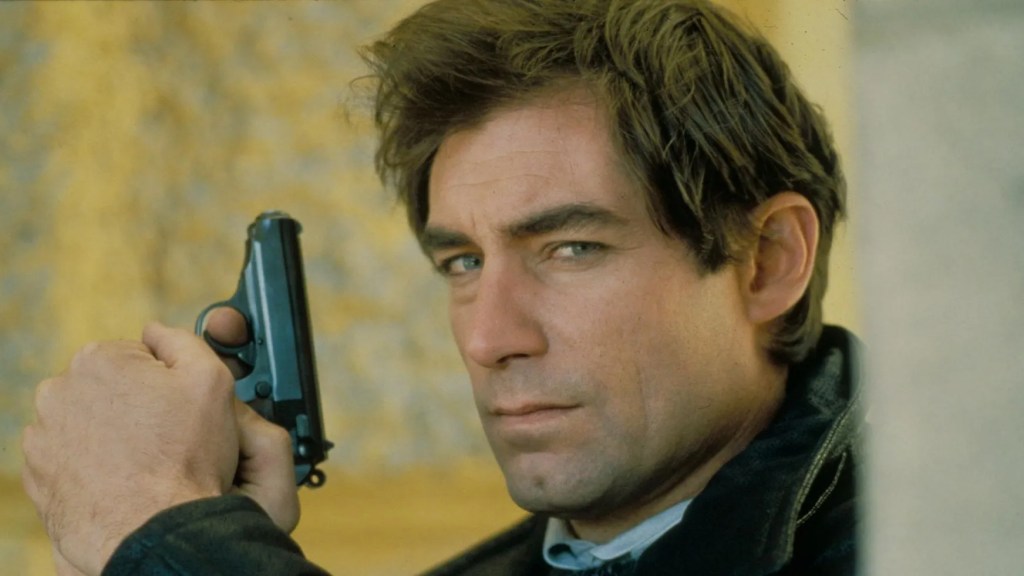
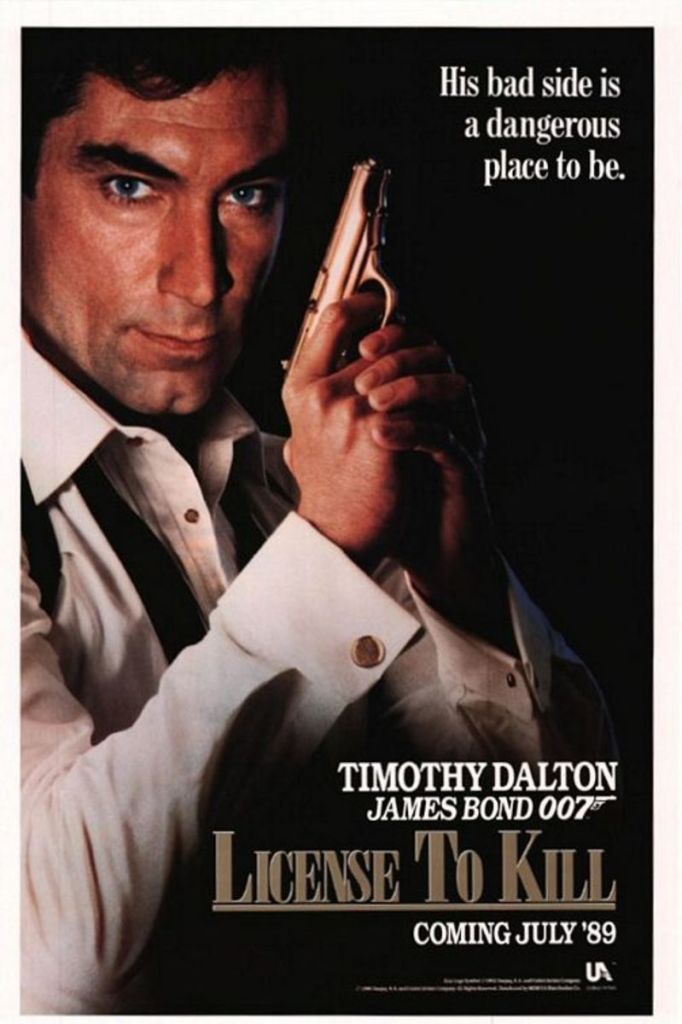
Rewatching all four Brosnan James Bond adventures recently, the main fact I was struck by was how inessential they all seem – even the best regarded of them, Goldeneye. They feel like corporate IP placeholders between Timothy Dalton’s harder-edged Bond in his last hurrah in 1989’s Licence To Kill and Daniel Craig shoulder-charging onto the screen as Dalton’s spiritual successor in 2006’s Casino Royale.
There was talk of Brosnan playing Bond for years going back to his Bond-adjacent turn on TV series Remington Steele. But when NBC wouldn’t release him from his contact, Dalton became the new Bond after Roger Moore retired, and Brosnan wouldn’t get his chance until 1995’s Goldeneye. He was anointed. It all felt so promising. Yet in the end, he was also disappointing.
Sean Connery was the sexy and brutal Alpha Bond all others came from, while Roger Moore was the more genial killer, Dalton the cunning professional and Craig excelled at giving us a haunted, bruised Bond. But too often Brosnan was asked to imitate elements of his predecessors. He started to develop a kind of professional, cooly slick James Bond archetype which never quite came into full focus.
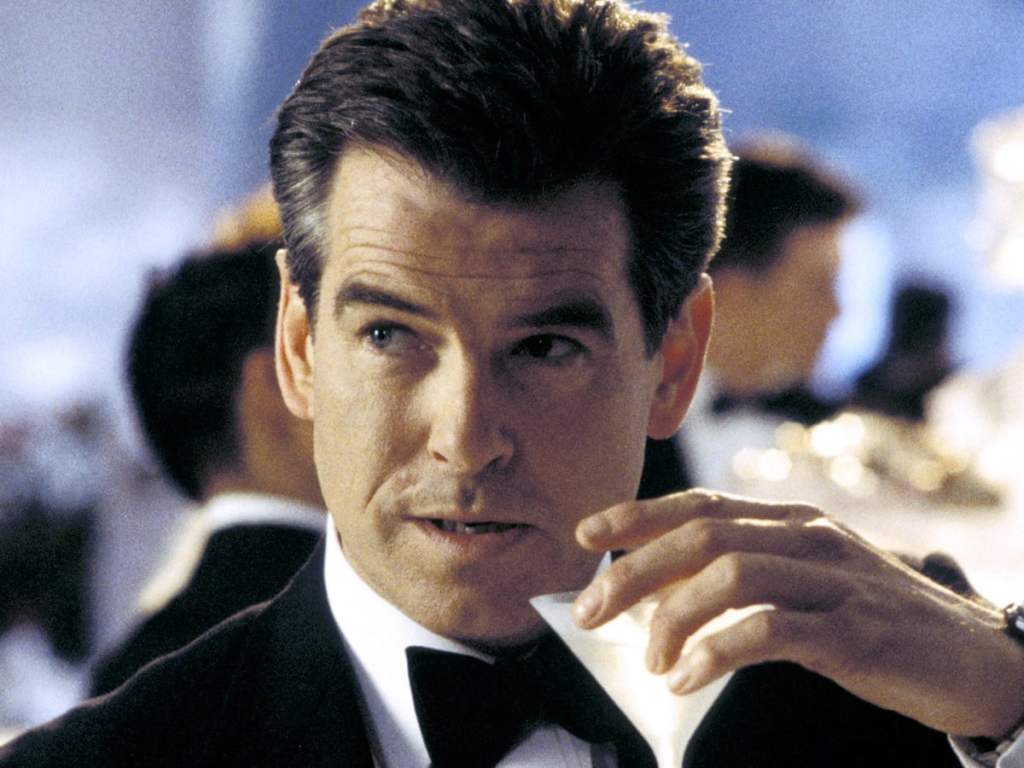
The horny sexism and one-liners of Sean Connery and Roger Moore are products of their time, but when Brosnan tried them on in the 1990s, he always looked vaguely pained to be making awful jokes like “I thought Christmas only comes once a year.” His quips generally come off as lame or needlessly cruel. There’s a lot of performative posturing about Bond being an antiquated dinosaur (mostly coming from Judi Dench’s M, who’s the true MVP of the Brosnan era) but little true interrogation into what that would actually mean.

Goldeneye, like most of the Brosnan Bonds, starts with a banger sequence including a still-classic motorcycle leap onto a moving plane, Sean Bean makes a solid villain and Famke Janssen’s feral thrill-seeker is one of my favourite sexy villains. It’s a very good Bond movie that doesn’t quite make it to great, and in his debut, Brosnan too often just seems like a pretty guy in a nice suit to me.
An overpowering ‘90s excess hangs over most of the Brosnan era, with huge action set pieces but a general lack of any strong character moments to let the story breathe. In Tomorrow Never Dies, it all starts to feel strained. Jonathan Pryce’s scenery-chewing media mogul is a little too over the top, even seen today in the world of Elon Musk. And Brosnan, if anything, is more wooden than he was in Goldeneye, while Teri Hatcher is a dismal Bond girl. Michelle Yeoh, however, is a delight as a Chinese secret agent. It’s all decent enough mid-tier Bond antics, really.

The third Brosnan picture, The World Is Not Enough gets a lot of slagging off for Denise Richards’ godawful performance as Lara Croft-cosplaying “nuclear scientist” Christmas Jones, but that aside, it’s actually a pretty good Bond romp – Sophie Marceau is terrific as one of Bond’s few female main adversaries and Brosnan finally begins to loosen up and give a little emotional depth to his Bond in his scenes with her. Embrace the camp value of Christmas Jones for what it is, and this underrated one is nearly as good as Goldeneye, I think.

Die Another Day, however, is a sloppy mess. Helmed by the late NZ director Lee Tamahori, it’s wildly all over the show in tone, a bloated and unsatisfying clunker that ranks with the worst in the series. It starts so promisingly – Bond is captured on a mission in North Korea and held prisoner for more than a year, and when freed his 007 status is revoked and he’s out in the cold. But the promising germ of that idea, and haunted Bond with his bushy hostage beard, gets lost – within minutes Bond’s shaved and back to his usual wisecracking self. I’m not a fan of Halle Berry’s co-starring role as shallow quip machine Jinx, and think Yeoh did the “allied secret agent” thing much better. Toss in a terrible cameo by Madonna (!), an invisible car, a rogue’s gallery of absurd race-swapped villains, combine it with some truly awful CGI sequences to all make the campy Moonraker feel like a Nobel Prize winner by comparison.
The Brosnan years also became when the Bond series caretakers started worrying too much about legacy, and legal battles and infighting that keep derailing the series started to come into play. Nobody ran a focus group on whether Roger Moore really should dress as a clown for the climax of Octopussy, but starting with the unceremonious dumping of Timothy Dalton the corporate hand began to weigh awfully heavy on Bond. It’s a big reason why Daniel Craig’s reign feels so choppy and obsessed with canon and continuing subplots.
Brosnan’s James Bond comes off as a cool, unruffled professional, with the potential to seem as unstoppable as Connery did, and he truly does try with the scripts he’s given – I’m thinking of the brief brutal climax where he confronts Sophie Marceau’s Elektra at the end of World, or the few moments Die Another Day gives him to portray a broken Bond after months of torture.

In the terrific oral history of the Bond franchise, Nobody Does It Better, Brosnan frequently mentions trying to find Bond in what were often still-in-progress scripts. “As I was playing the role, I always said to them, ‘Just what is the character about? Where’s the character? What’s the interaction between them?’” Brosnan is a good actor, but the movies rarely let him lean into his own distinctive qualities. Brosnan’s handsome face isn’t as expressive as Moore’s or Connery’s, to be honest, and perhaps leaning into his sometimes stoic presentation more could’ve given us a scarier, more mysterious Bond.
In the end, I’d rank Goldeneye and The World Is Not Enough as flawed fairly good Bonds, Tomorrow Never Dies as mediocre, and Die Another Day as a true misfire. Other than one-and-done Bond actor George Lazenby, no other James Bond actor’s run feels quite like such a missed opportunity.
Maybe it is about more than just looking the part, in the end.

 Nik Dirga