Why Pierce Brosnan never quite worked as James Bond

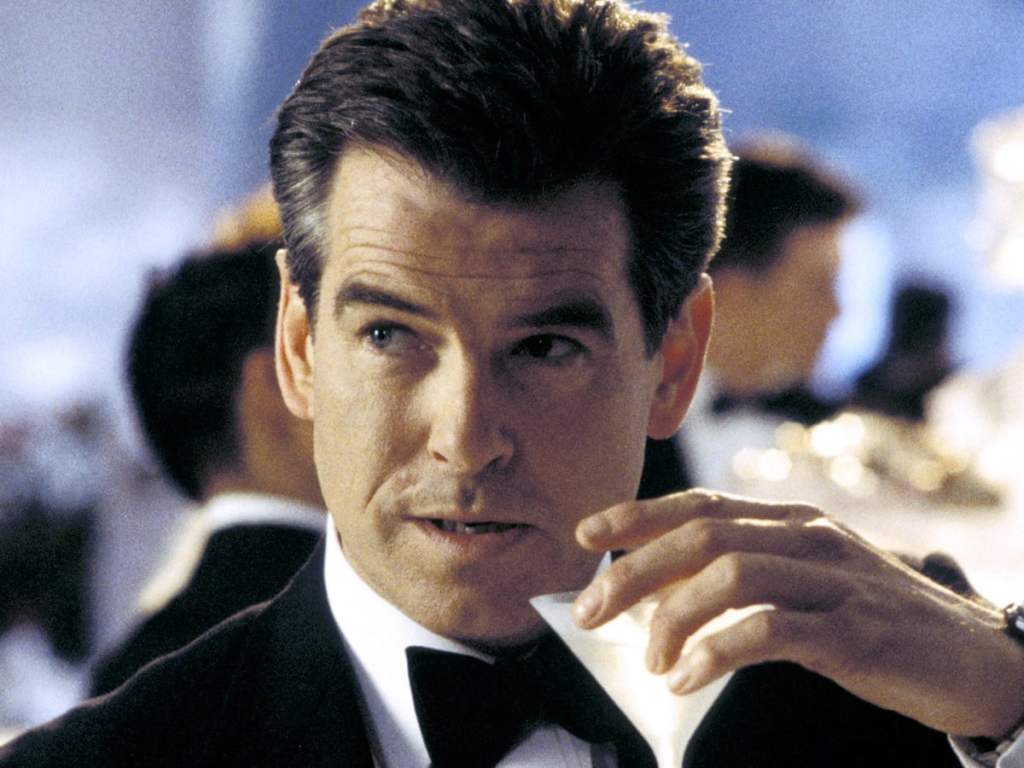
In theory, he should’ve been the perfect James Bond. He looked great. He was groomed for the role and talked about it far longer than other actors, and yet, 30 years on after his 1995 debut in Goldeneye, Pierce Brosnan feels like the 007 who never quite hit his target.

Rewatching all four Brosnan James Bond adventures recently, the main fact I was struck by was how inessential they all seem – even the best regarded of them, Goldeneye. They feel like corporate IP placeholders between Timothy Dalton’s harder-edged Bond in his last hurrah in 1989’s Licence To Kill and Daniel Craig shoulder-charging onto the screen as Dalton’s spiritual successor in 2006’s Casino Royale. 

There was talk of Brosnan playing Bond for years going back to his Bond-adjacent turn on TV series Remington Steele. But when NBC wouldn’t release him from his contact, Dalton became the new Bond after Roger Moore retired, and Brosnan wouldn’t get his chance until 1995’s Goldeneye. He was anointed. It all felt so promising. Yet in the end, he was also disappointing. 

Sean Connery was the sexy and brutal Alpha Bond all others came from, while Roger Moore was the more genial killer, Dalton the cunning professional and Craig excelled at giving us a haunted, bruised Bond. But too often Brosnan was asked to imitate elements of his predecessors. He started to develop a kind of professional, cooly slick James Bond archetype which never quite came into full focus. 

The horny sexism and one-liners of Sean Connery and Roger Moore are products of their time, but when Brosnan tried them on in the 1990s, he always looked vaguely pained to be making awful jokes like “I thought Christmas only comes once a year.” His quips generally come off as lame or needlessly cruel. There’s a lot of performative posturing about Bond being an antiquated dinosaur (mostly coming from Judi Dench’s M, who’s the true MVP of the Brosnan era) but little true interrogation into what that would actually mean. 

Goldeneye, like most of the Brosnan Bonds, starts with a banger sequence including a still-classic motorcycle leap onto a moving plane, Sean Bean makes a solid villain and Famke Janssen’s feral thrill-seeker is one of my favourite sexy villains. It’s a very good Bond movie that doesn’t quite make it to great, and in his debut, Brosnan too often just seems like a pretty guy in a nice suit to me. 

An overpowering ‘90s excess hangs over most of the Brosnan era, with huge action set pieces but a general lack of any strong character moments to let the story breathe. In Tomorrow Never Dies, it all starts to feel strained. Jonathan Pryce’s scenery-chewing media mogul is a little too over the top, even seen today in the world of Elon Musk. And Brosnan, if anything, is more wooden than he was in Goldeneye, while Teri Hatcher is a dismal Bond girl. Michelle Yeoh, however, is a delight as a Chinese secret agent. It’s all decent enough mid-tier Bond antics, really. 

The third Brosnan picture, The World Is Not Enough gets a lot of slagging off for Denise Richards’ godawful performance as Lara Croft-cosplaying “nuclear scientist” Christmas Jones, but that aside, it’s actually a pretty good Bond romp – Sophie Marceau is terrific as one of Bond’s few female main adversaries and Brosnan finally begins to loosen up and give a little emotional depth to his Bond in his scenes with her. Embrace the camp value of Christmas Jones for what it is, and this underrated one is nearly as good as Goldeneye, I think.

Die Another Day, however, is a sloppy mess. Helmed by the late NZ director Lee Tamahori, it’s wildly all over the show in tone, a bloated and unsatisfying clunker that ranks with the worst in the series. It starts so promisingly – Bond is captured on a mission in North Korea and held prisoner for more than a year, and when freed his 007 status is revoked and he’s out in the cold. But the promising germ of that idea, and haunted Bond with his bushy hostage beard, gets lost – within minutes Bond’s shaved and back to his usual wisecracking self. I’m not a fan of Halle Berry’s co-starring role as shallow quip machine Jinx, and think Yeoh did the “allied secret agent” thing much better. Toss in a terrible cameo by Madonna (!), an invisible car, a rogue’s gallery of absurd race-swapped villains, combine it with some truly awful CGI sequences to all make the campy Moonraker feel like a Nobel Prize winner by comparison.

The Brosnan years also became when the Bond series caretakers started worrying too much about legacy, and legal battles and infighting that keep derailing the series started to come into play. Nobody ran a focus group on whether Roger Moore really should dress as a clown for the climax of Octopussy, but starting with the unceremonious dumping of Timothy Dalton the corporate hand began to weigh awfully heavy on Bond. It’s a big reason why Daniel Craig’s reign feels so choppy and obsessed with canon and continuing subplots.

Brosnan’s James Bond comes off as a cool, unruffled professional, with the potential to seem as unstoppable as Connery did, and he truly does try with the scripts he’s given – I’m thinking of the brief brutal climax where he confronts Sophie Marceau’s Elektra at the end of World, or the few moments Die Another Day gives him to portray a broken Bond after months of torture. 

In the terrific oral history of the Bond franchise, Nobody Does It Better, Brosnan frequently mentions trying to find Bond in what were often still-in-progress scripts. “As I was playing the role, I always said to them, ‘Just what is the character about? Where’s the character? What’s the interaction between them?’” Brosnan is a good actor, but the movies rarely let him lean into his own distinctive qualities. Brosnan’s handsome face isn’t as expressive as Moore’s or Connery’s, to be honest, and perhaps leaning into his sometimes stoic presentation more could’ve given us a scarier, more mysterious Bond. 

In the end, I’d rank Goldeneye and The World Is Not Enough as flawed fairly good Bonds, Tomorrow Never Dies as mediocre, and Die Another Day as a true misfire. Other than one-and-done Bond actor George Lazenby, no other James Bond actor’s run feels quite like such a missed opportunity.

Maybe it is about more than just looking the part, in the end. 

Why sometimes we all feel like Lloyd Dobler’s girlfriend’s dad

Cameron Crowe’s Say Anything is a great movie and one of the best teen romance movies ever made – quirky yet sincere, witty yet honest. John Cusack’s Lloyd Dobler and Ione Skye’s Diane Court feel real in a way so many ‘80s teen movies never manage to. I saw it at least three times in the theatre back in 1989 when I was deeply underwater in my own series of doomed high school love affairs and I love to revisit it in the years since.

And yet – I think just about my favourite little moment in the movie, even more than that whole iconic boombox scene, isn’t anything to do with teen romance at all.

Instead, it’s Diane’s father Jim, played by the late great John Mahoney, singing alone in his car off-key along to Steely Dan’s “Rikki Don’t Lose That Number” just before his life is about to fall apart. 

Poor old Diane’s dad has been defrauding the rest home he manages and will soon be arrested, and it’s a tragic little twist in the movie that the father she idolises turns out to be an inept con man. At this point, Jim probably knows there’s bad things coming, and they do, but just for a moment, he’s in a car and Steely Dan comes on the radio and that’s everything. 

Diane’s dad sings happily along with Steely Dan with all his heart, not caring that he sounds awful, but the music has snagged something deep inside of him and it won’t let go. Sometimes a song gets you like that, usually when you’re alone, and you feel it pulling you inside whether you want it to or not. I have a frickin’ awful singing voice, but sometimes you move on sheer primal instinct. 

Music hits on a different level than most things, and it can break you open in new ways when you least expect it. 

A song by the great Neutral Milk Hotel came on Spotify while I was out exercising a year or so back, and Jeff Magnum’s strained and aching voice hit me hard, bringing to mind all the love and loss we go through and the things we just can’t fix. Almost unconsciously I started singing along with “In The Aeroplane Over The Sea” and damn it, the lines “How strange is it to be anything at all” got me suddenly choking up in the middle of a suburban walk, sucked in. It felt wonderful and painful all at the same time, in an inchoate way I can’t even fully explain.  

Or the other day that ‘80s chestnut “Head Over Heels” by Tears For Fears came on and for some reason this time the chorus got me, and I began singing along alone in the car, ecstatic and sad and nostalgic and hopeful in all the ways a good song can unearth in you. And don’t even get me started about Peter Gabriel’s “In Your Eyes” also featured so prominently in Say Anything… that song contains entire multiverses for me.

There’s a part of everyone that sometimes is just like Lloyd Dobler’s girlfriend’s dad, singing along by yourself about Rikki, hoping she doesn’t lose that number, knowing she probably will, but maybe she’ll send it off in a letter to herself. 

There’s a beautiful loneliness to Jim Court’s car singalong, but there’s also the music, keeping him company and for just a few seconds, making everything all right again. 

That cinematic jolt: Spike Lee and those double dolly shots

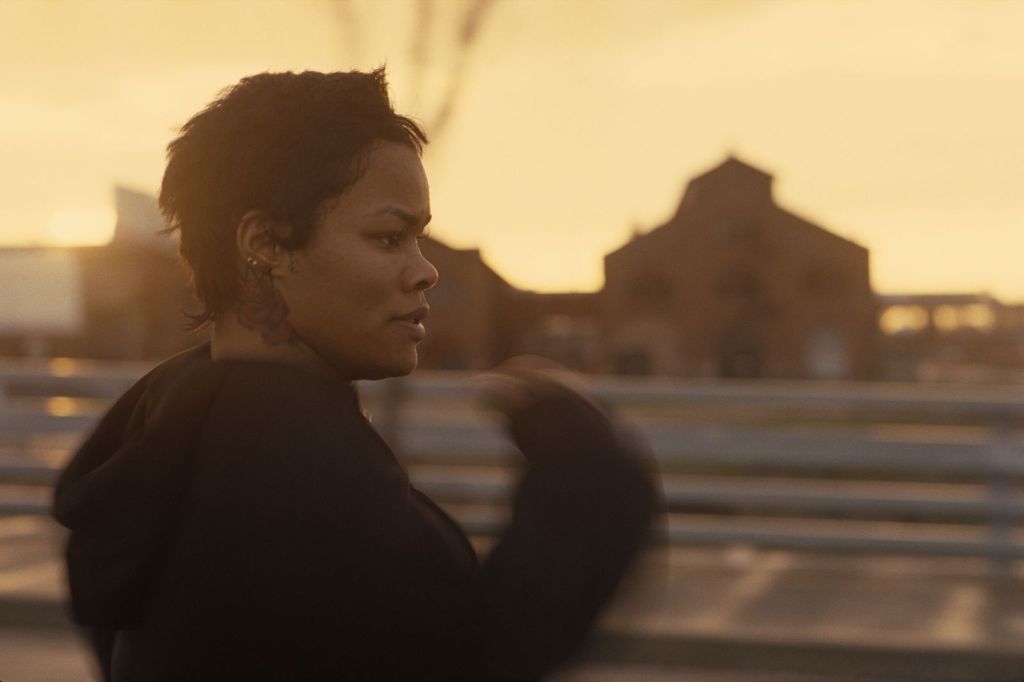
I’ve been on a bit of a Spike Lee binge lately, re-watching some of my favourites like Do The Right Thing and The 25th Hour and BlacKkKlansman and dipping into some of the more obscure byways of his filmography. I’ve been a fan since first having the sweaty chaos of Do The Right Thing blow my mind more than 30 years ago and even when Spike swings and misses, it’s usually worth a watch.

And there’s one thing that always gets me, whenever it pops up in his films – the jolt of the double dolly shot. For non-film nerds, dollies are basically cameras mounted on carts to capture fluid movement. In Spike’s films, he’s popularised using the “double dolly,” where two cameras on dollies work together to create an eerie sense of actors “floating” through the background, like they’re on an unseen riverboat wafting downstream. 

I love the double-dolly moments in Spike’s movies, which frequently illustrate emotional chaos like in Inside Man or foreshadowing fate as in Malcolm X. They’re kind of a cold splash of water that burst the fourth wall of film, like the kick of a 3-D movie effect without having to wear those dorky glasses.

When Malcolm X, shortly before he meets his brutal death, suddenly begins to glide through the New York streets, he no longer seems quite human – and yet, you can’t take your eyes off the effect.

Lee has always liked to shake the audience to remind them they’re watching a film, with those confrontational to-the-camera monologues in movies like Do The Right Thing. Sometimes it doesn’t work – as much as I like his coming-of-age comedy/drama Crooklyn, a bizarre choice to distort the aspect ratio to an elongated box for 20 minutes or so of the movie almost derails the whole thing. 

But when it works, for me, Lee’s double dolly shots deliver a shock to the system of passive film watching. In that same Crooklyn, there’s a few shots when the young girl Troy has vivid nightmarish dreams driven by double-dolly shots, which seem to emphasise how little control she has over her swirling life. At the movie’s end, the double dolly shot bursts into the real world in a cathartic moment when Troy and her brother attack the neighbourhood drug addicts. 

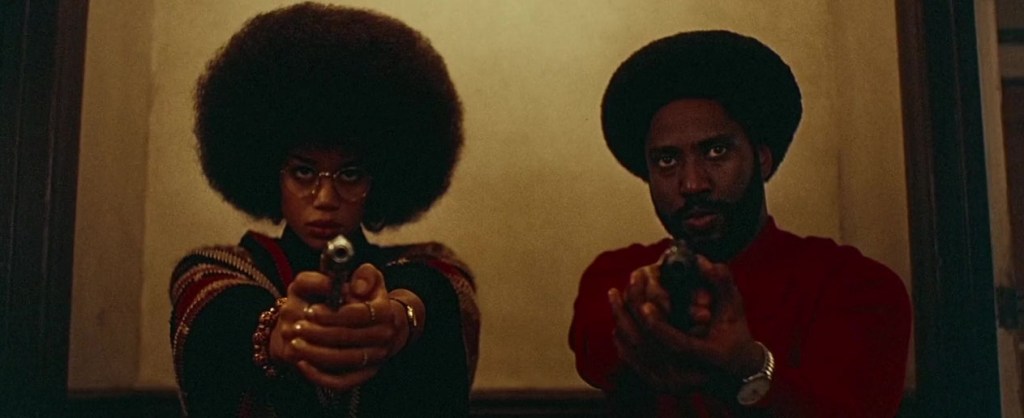
Is it a bit flashy and show-offy as a film technique? Certainly, and it’s a good thing generally Spike uses it sparingly, and not in every film. But if you save it for those critical moments – Philip Seymour Hoffman’s existential despair in The 25th Hour, or the startling burst of violent anticipation that ends BlacKkKlansman – it lands with a sharp impact.

The cinema screen often bends but it doesn’t quite break, but for me, in the quick brief moments of those trippy double dolly shots, Spike Lee comes very close to exploding the whole idea of what a movie can be. 

Swamp Thing: The forgotten comic book movie franchise

As part of my annual Halloween month monster movie marathon, I went back to the swamp. Swamp Thing, that is, who starred in two almost forgotten comic book movies that oozed their way through the ‘80s. Nobody would ever call them timeless classics, but I’m weirdly fond of them. 

Swamp Thing and Return Of The Swamp Thing came in that kind of interregnum in superhero movies through much of the ‘80s, in the period between the last good Christopher Reeve Superman movie Superman II in 1981 and the Tim Burton Batman-palooza of 1989. In that grim limbo we comics geeks made do, dimly, with unsatisfying stuff like Howard The Duck, Supergirl and Sheena: Queen Of The Jungle. 

Neither Swamp Thing movie is really great, but there’s something about them I’ve always found cheesily enjoyable, from their campy humour to their amiably low-fi practical effects. Now, Swamp Thing has starred in some of the greatest and most out-there comics of all time, and the basic muck-monster idea has exploded into existential horror, cosmic wonder, time travel, LSD-tinted romance and much more. But on screen, there’s still something loveable about just having a guy in a rubber suit wandering around the swamps. 

There was an attempt to make 1982’s Swamp Thing the next Superman, with adverts on the back of every comic and awesome poster art. The movie closely follows the comic plotline about a scientist, Alec Holland, (the great Ray Wise, who I kinda wish had been allowed to suit up as Swamp Thing himself) whose groundbreaking research is targeted by thieves. In one of those only-in-comics accidents Holland is set on fire, doused in his mysterious chemical formulas and thrown into a swamp, where he re-emerges as a half-man, half-man muck monster. With the aid of another researcher (Adrienne Barbeau), the Swamp Thing (played by Dick Durock) seeks revenge on Anton Arcane, the evil mad scientist behind all his troubles (Louis Jourdan). 

Swamp Thing is a breezy monster mash of a movie, with a costume where the seams are clearly visible and the steamy swamp setting is one of the film’s biggest assets. Swamp Thing is a monster, but a good guy, and in the end he gets into a classic monster-movie throwdown wrestling match with Arcane, who inexplicably ends up turned into this wild bug-eyed shrew/rat man hybrid when he overdoses on Holland’s formula. It’s a so-bad-it’s-good moment.

Maybe it’s because it was one of the first real “horror” type movies I saw, but I still love Swamp Thing, flaws and rubber costumes and all. Barbeau is a great steely kick-ass heroine, Jourdan is smoothly menacing and Dick Durock gives Swampy a melancholy charm. It’s a movie that just gets to the point, pure popcorn cinema with a dash of sadness over poor Alec Holland’s fate.

The sequel Return Of The Swamp Thing pretty much gives up at being serious at all. It starts off, weirdly, with a credits montage that features lots of glorious art from Alan Moore’s legendary 1980s Saga of The Swamp Thing comics. As these images by Steve Bissette and John Totleben pass across the screen you think whoa, is this movie going to boldly reinvent the whole idea of a swamp monster hero like Moore’s comics did?

But nope, it’s a tease. Return Of The Swamp Thing is a far campier and sillier sequel that feels like it came straight from a USA Up All Night! marathon. It opened up, very briefly, in theatres a month or so before Batman in summer 1989, and it’s a plucky last gasp of the slapdash amateurism most superhero movies had until Tim Burton came along. 

This time, Swamp Thing has a much cooler leafy costume that apes the looks of the Alan Moore comics, but that and an eerie scene where Swampy slithers out of a bathtub drain and puts himself back together are about all that this one has in common with the Moore stuff. 

In one of the weirdest castings of all time, Heather Locklear plays a hilariously broad valley-girl version of the comics’ goth girl love interest Abby Arcane, while poor old Louis Jourdan looks half-dead in his sleepy return as Anton Arcane, rather inexplicably no longer a shrew-man. The henchmen are ridiculous action movie parodies and the movie features two of the most obnoxious child actors you’ll ever see and a far more talkative Swamp Thing who feels like some chill surfer dude rather than the rumbly monster of the first movie. (Seeing Swamp Thing laugh like a businessman at a cocktail party is one of the most off-model moments of the film.) It’s a ramshackle, small-scale story that basically seems to consist of Arcane doing more goofy evil science stuff, and Swamp Thing defeating the rather physically unimpressive bad guy by… throwing a chair at him. We don’t even get a return of the bizarre shrew-man costume. 

…And yet, I don’t know. Perhaps it’s just my love for Swamp Thing as a character and the low-stakes vibe of these movies, but it’s far more entertaining than the plodding, overly serious and dull attempt to bring Swamp Thing back in a very short-lived TV series a couple years back. Word is James Gunn wants to do a new Swamp Thing movie as part of his DC universe empire. I know these days everything is done with CGI and motion-capture but I still kind of hope that if they do a new flick, we still get a guy in a somewhat sloppy rubbery costume stomping about in the muck.

When it comes to Swamp Thing on film, the dirtier, the better. 

Diane Keaton was always my first love

God, where to start with Diane Keaton.

She was perhaps my first big Hollywood crush, because I was a budding teenage intellectual who caught Annie Hall on the TV sometime in the mid-1980s and recorded it on a VHS tape, watching it over and over until the image began to break down into jittery lines. 

It was a movie that spoke to me of a wider, more glamorous world than small-town California, with wide Manhattan streets and everybody dropping witty banter and watching foreign movies that would surely change your life.

Her death yesterday at age 79 shocked me, when I shouldn’t really be too shocked anymore about us slowly losing all those great ‘70s and ‘80s stars of my youth. But Diane Keaton always felt so fervently alive, that for her to suddenly cease felt immensely wrong. 

I’ve watched Annie Hall dozens of times and it sparked a lifelong love for the films of Woody Allen and Diane’s impressively light touch as an actress. (I know, I know, there’s a lot of pitfalls about being a Woody Allen fan these days, but despite many problematic concerns and allegations and my rather mixed feelings about the man himself, I can’t ignore that his movies shaped a hell of a lot of my teenage worldview, and that’s all I’m gonna say about that.) 

Diane’s “Annie Hall” character was the grand template for so many of Keaton’s comic characters in her wonderful Woody collaborations and more – a manic pixie-dream girl prototype who actually was often far wiser than those around her. Take her ditzy pleasure addict in Sleeper, who ends up a devoted revolutionary warrior, or her hilarious turn in the Russian mock comedy Love and Death, where her deadpan wit often blows everyone else off the screen. 

She never quite played the same character in any of these films despite her style becoming a bit of a stereotype – look at her nuanced turn in Woody’s tricky dramedy Manhattan as a spurned ex or her delightful mid-career return to Woody as a paranoid, dissatisfied wife in the detective comic romp Manhattan Murder Mystery.

A natural successor to Katherine Hepburn, like her, Keaton always had a keen intelligence shining away behind that “la-de-da” exterior. You’d see it in films like The Godfather or Reds, where she turned that comic energy inwards to create vivid dramatic roles. 

The same year as Annie Hall, she also starred in the incredibly dark Looking For Mr Goodbar as the anti-Annie. It’s a depressing, bleak film that aims to show the seamy underside of ‘70s swinger culture, but Keaton, as always, is very good – playing a character who isn’t as confident or cunning as she thinks, who ends up lost in a nightmare.  

But it’s Keaton the comic I fell in love with watching Annie Hall over and over as the VHS tape juddered, and her great willingness to marry her stunning beauty with undignified pratfalls. Even in a middling ‘80s workplace comedy like Baby Boom, she sells her character’s turn from stoic yuppie to loving mother with an unforced ease. 

As Keaton got older she played lots of moms and winter romances, not all of them great movies, but she was never better than in her final Oscar-nominated turn in 2003’s Something’s Gotta Give. All of the classic elements of those silly rich white folks rom-coms are here – houses in the Hamptons, characters swanning through privilege without a care in the world – but again, Keaton takes the material and makes it so much better with her wit and sincerity. Was there ever a sexier comic love triangle than both Jack Nicholson and hot young doctor Keanu Reeves falling for Diane Keaton? And why wouldn’t they?

Keaton grew old gracefully, even if she left a little too soon, and there’s as much to love in the middle-aged longing of Something’s Gotta Give as there is in the bright-eyed unwitting fashion icon of Annie Hall. I kind of loved them all – after all, you never forget your first love. 

Five years, that’s all we got: Jacinda Ardern and being Prime Minister

There’s something spooky about watching a documentary covering events you lived through and still haven’t quite processed yourself. 

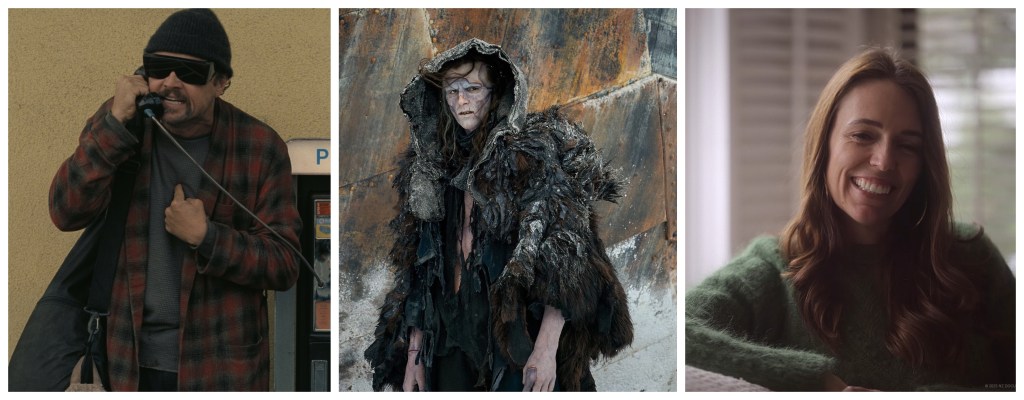
Jacinda Ardern was New Zealand’s leader up until about 2 1/2 years ago, but somehow that already feels like a few centuries ago in the current grim timeline. Watching the excellent, if starry-eyed, new documentary Prime Minister takes us back through the whirlwind of 2017-2023, when New Zealand was often buffeted by a series of tragedies that all felt sadly outside our control.

Prime Minister is a startlingly intimate portrait of the Jacinda years, and what it’s like to be a young pregnant woman suddenly lifted up to the corridors of power. Whether or not you agreed with Ardern’s administration – and it was ultimately as flawed as most governments, in the end, but not as bad as some – Prime Minister is a movie that is somehow bittersweet and optimistic all at the same time. 

So it’s weird watching Prime Minister and seeing the history of your country retold when it feels like it’s all not even quite ended yet, to see everything unfold again as it did in those crazy five years.

I was in the thick of the Ardern years as a journalist, typing away news alerts and quick takes from the day she surprisingly came out on top of government coalition negotiations in 2017. I watched with horror the shocking mosque shootings of Christchurch in 2019, helped cover her massive re-election win in 2020 and watched as Covid crept in and everything in the world seemed to grind to a blurry halt. We journalists waited for the “1pm update” on what the pandemic had to say today, and saw the creeping dissatisfaction grow in some corners.

I watched Parliament’s grounds become occupied by a collection of protesters for weeks in 2022 and I had the curious fortune to be running a live-blog the morning that the police came and that occupation came to a violent, fiery end. For a journalist, the moments when you think, “I’m watching history right now” come with an electric charge.

We’re very much all still living in the societal and cultural upheaval the pandemic left behind and the swamp of populist rants, conspiracy theories and anger-fueled online bile feels like it will never end. Did New Zealand get everything right? Probably not, but the overriding fact is that all the rewriting of history going on at the moment ignores that at the time nobody knew what might happen, and in the end, a whole lot of people could have died in a small island country like ours. Ultimately less than 6000 died of Covid-19 here – while in America, 1.2 million did.

Prime Minister boasts a candid access that it’s hard to imagine a lot of political leaders allowing. Ardern’s partner Clarke shot lots of footage of her over the years, as she sits in bed worn out after long days or works through the exhaustion of pregnancy. Even though I spent so much time covering Ardern and writing about the events of the day, it’s all a very different perspective that sheds new light on the burdens of power and Jacinda’s – perhaps impossible – attempts to remain kind at heart in a world that frowns on that. 

Again, I won’t argue New Zealand was some magical utopia when Jacinda Ardern was in power. But to be honest, a lot of politicians running the world at the moment seem barely human, let alone humane to me. We dehumanise politicians, and Prime Minister aims to correct that. Ardern has been turned into some unrecognisable demon avatar in some corners of NZ to this day. It’s hard to reconcile that with the images of a young mum playing with her daughter we see in Prime Minister. It’s also easy to see why Jacinda quit when she did, having no more petrol in the tank

Prime Minister isn’t a deep investigative dive into NZ politics. It’s glossy and aims to make Ardern the hero without really diving into the intricacies of politics here. And yet, in its own way, it feels a bit like an elegy for a lost world. Why would anyone want to be a politician these days? 

Power costs, and in the end, you have to wonder if, in a timeline crowded with blustering authoritarians, grim bottom-liners, hucksters and grifters and outrage merchants, that the eminently human scale of Jacinda’s politics is something we may never see again. 

The Evil Dead and the evolution of Ash, from shy boy to demon slayer

I love the original Evil Dead trilogy and its splattery slapstick charms, so you’d better bet I was down for a marathon of the whole shebang at the legendary Hollywood Avondale this weekend, featuring an introduction by producer and honorary New Zealander Rob Tapert.

Tapert was right there, along with his mates director Sam Raimi and star Bruce Campbell in the Tennessee woods when the extremely low-fi 1981 original was shot, and has since gone on to be a producer of many great flicks in the years since – and also created a little character called Xena The Warrior Princess and married a Kiwi named Lucy Lawless, so he’s got some serious Kiwi bona fides.

Watching five hours of Evil Dead flicks on a rainy, windy Saturday night is my idea of a good time. Evil Dead (1981), Evil Dead II (1986) and Army Of Darkness (1992) form a trilogy which starts off as a group of young folks facing evil in a cabin in the woods and ends up with an army of skeletons battling knights in armor while a blustery guy with a robot hand eggs them on. 

I recommend a strong stomach and plenty of caffeine if you’re going to mainline all three movies at once, but it’s also fascinating to watch how different they are – the original is more straight existential horror, while the second almost remakes it but with a much more comic eye, while the third almost abandons horror and gore entirely for a straight out slapstick parody of all those old Ray Harryhausen flicks with sword-fighting skeletons. In these days of carefully plotted cinematic universes and decade-long “phases,” the Evil Dead trilogy is a monument to just making up shit as you go along. 

The only constant through it all is Ash, swaggeringly portrayed by Bruce Campbell. Images of Ash with a shotgun in one hand and his chainsaw taking the place of his other hand are iconic in comic horror, and his adventures have continued long after the original trilogy in plenty of comic books and videogames – and the surprisingly great 2015-2018 Ash Vs Evil Dead series that gave us everything and more the long-promised Evil Dead IV could have. 

Continuity is not a strong suit in the Dead trilogy – the success of the dimestore-cheap production of Evil Dead led Raimi and company to make a sequel, but it’s kind of bolted together with what Tapert called a “condensed” recap of the original in the first 10 minutes or so that reimagines the movie and streamlines it, then picks it all up again with Ash still battling those demons in the woods. 

And yet, watching the whole trilogy is also like watching Campbell and Ash find their way into a character. The catchphrase-shouting arrogant Ash we all “think” of when we think of Evil Dead only really comes into focus halfway through Evil Dead II, and becomes his most ideal self in Army Of Darkness.

When we first meet Campbell in Evil Dead, he’s a bland non-entity sitting in the back seat of the car heading to that infamous cabin in the woods, a sidekick to his more extroverted pal Scotty. You think Scotty’s going to be the big hero but then it’s quiet background Ash who ends up the “final girl.” It’s always a shock rewatching Evil Dead to see an almost shy Ash at first, who barely cracks a joke and who becomes the series’ focus only by his lucky knack for surviving the demonic chaos that consumes his friends. 

How did Ash go from shy boy in backseat to the alpha male in Army Of Darkness spitting out lines like “Gimme some sugar, baby” and “Yo, she-bitch! Let’s go!” The endearingly choppy nature of storytelling in the Evil Dead trilogy ignores rather than tries to fill in the contradictions of how Ash became, well, Ash, but in my own mental backstory I like to paper in the cracks of it all to be a tale of how Ash survives the incredible trauma of having his girlfriends, best pals and total strangers literally torn to pieces in front of him, of having to chop off his own demon-possessed hand and horrors that would drive anyone bonkers. 

In my head canon, Ash was the shy college boy when all the Deadite doings started – he’s actually repeatedly rather a coward in the climax of the original Evil Dead – but when the evil never stopped, he forces himself to become what he thinks of as a hero. Trauma remakes Ash, body and soul.

By the time Army of Darkness rolls around Ash is stranded in the year 1300 surrounded by “primitives,” and has completely reinvented his own personality to be the hero he probably saw in lots of late-night zombie movies. You can’t imagine Evil Dead 1981 Ash lecturing crowds of peasants about his superiority like Army of Darkness Ash does. He spouts bull-headed cliches and romances the pretty girl and stomps around with his “boomstick” but it’s all a bit of an act, really. He’s putting on the Ash, savior of humanity act to survive. 

That’s my theory, anyway. It could also be that the Evil Dead trilogy, as wildly entertaining and inspirational to creative folks as it is, is also just a slapdash bag of gags, gore and grit stapled together from film to film with no real deep concerns about how the cliffhanger end of Evil Dead II and Army of Darkness literally don’t mesh together at all, or whatever happened to Ash’s friends in the car in the first movie who’ve been erased from history by the second. I thought as I watched all three movies back to back that if they’d come out in this social media age of endless fanboy dissection, every clickbait website in the cosmos would be bashing out hate essays about the canon “mess ups” and “Evil Dead contradictions EXPLAINED!!!” videos. 

But whether or not it all makes a lick of sense or not, I do love how Bruce Campbell turned the gawky background guy in the back seat into a towering icon of horror movie heroism. As he’d put it – it’s pretty groovy. 

The Toxic Avenger, still the world’s most disgusting superhero

For a series that literally stinks of radioactive ooze, the Toxic Avenger sure has had a long half-life. 

The Toxic Avenger movies are often objectively terrible films, working hard to be as nasty and dumb as they can be, and yet the franchise has somehow lasted more than 40 years and now is reborn in a moderately big-budget Hollywood movie.

I first came across 1984’s The Toxic Avenger at a high-school late-night party devoted to cheesy movies like Attack Of The Killer Tomatoes and Night of the Lepus. It’s an airhorn blast of crude comedy and gore, the story of a screeching nerd who’s bullied relentlessly and falls into a vat of toxic waste, transforming him into the Toxic Avenger, “New Jersey’s first superhero.” Armed with a janitor’s mop, he dispatches crowds of bad guys in nastily inventive ways, with splattery violence and slapstick lowbrow humour all crashing together into a swampy mess. 

Within the first 10 minutes of The Toxic Avenger a bunch of thugs run down an innocent teenager on a bike in sick, lingering detail, played for comedy, and you know what kind of trash-flick you’re in for. It feels like the only proper way to watch these movies is on a battered VHS tape in your Mom’s basement, hopped up on Nerds candy and Jolt cola. 

Troma, the studio behind Toxie, made its calling card its splattery punk-rock ethos B-movie horror comedies, calculated to outrage and offend.

 And yet, there’s a bit of ugly charm to some of the Toxic Avenger series if you’re in the right twisted frame of mind. It’s got this “let’s put on a show” amateur enthusiasm that evokes the days I’d spend as a pre-teenager hacking together terrible comedy cassette tapes with pals, or scribbling my early comic books. It’s the appeal of doing something, anything, even if it isn’t very good.

The first movie is so in-your-face with its offensiveness and broad comedy that it’s curiously watchable, but the three sequels spewed out from 1989 to 2000 are generally a case of diminishing returns (and they’re also all way too long – 87 minutes is the scientifically correct length for this kind of movie, not nearly two hours).

Toxic Avenger Part II takes our hero to Japan for some amusingly silly equal opportunity offensiveness, while in the proudly inept Toxic Avenger Part III: The Last Temptation of Toxie, our hero battles Satan himself. Both of these movies – shot at the same time and even oddly duplicating a few scenes – are choppily directed, terribly acted and gleefully stupid, although the sleazy sheer malice of the first movie fades away for a bumbling sloppiness. I gather Troma was trying to “mainstream” Toxie a bit – heck, there was even a short-lived Saturday morning cartoon and a Marvel comic book of this most un-mainstream saga. 

Ultimately, the twistedness all comes roaring back with 2000’s Citizen Toxie: The Toxic Avenger IV which is easily the grossest, most offensive movie of the franchise, ramping everything up to 11. A mad story that claims to be the only “real sequel,” it’s about Toxie and his evil alternate universe doppelgänger, and overflows with bodily fluids, gratuitous nudity, rape, rancid racial stereotypes and gore, to the point where the satire gets pretty lost in the sheer ugliness. Maybe I’m a snowflake, but lingeringly gross scenes showing a school shooting in a classroom of mentally disabled students or riffing on racist hate crimes just go too damned far. I get what they’re going for, but not sure I want to go there. Citizen Toxie is definitely an experience, but also an endurance test for most people. 

After the nihilistic stench of Citizen Toxie it’s strange indeed to see the character “redeemed” in a way with the new moderately gentler, family-focused reboot.

It’s strange to contrast director Mason Blair’s The Toxic Avenger 2025 with its predecessors. It’s far more of an actual movie, for one thing, with decent special effects and recognisable stars like Peter Dinklage, Kevin Bacon and Elijah Wood. It’s got gore and a few raunchy bits but held up against the sleazy originals, it feels positively tame. While it follows a similar arc – bullied Winston Gooze (Dinklage) is transformed into a working-class deformed hero taking on corrupt businessmen – it’s all slicker and less eccentric. 

There’s a core sense of sadism to much of the Troma Avenger years that simply doesn’t fly for many viewers in 2025. It’s funny to me that apparently the new Toxic Avenger, which was first released in 2023 but only now hitting cinemas, couldn’t find a distributor because it was “unreleasable” due to violence. Honestly, it’s about 1/10th as offensive and gross as Citizen Toxie. Times change. 

Toxic 2025 is still a pretty good time, although ultimately it’s far more conventional and lacks the outsider-art reek of the original movies. In the first four Toxic Avenger movies, everyone is pretty loathsome, even our hero (the incredibly unappealing performance by Mitch Cohen as the nerdy pre-Toxie in the first movie honestly makes you want to root for the bullies). It’s a world that feels tangibly rotten, with cackling moronic extras, gibbering villains and bumbling anti-heroes. 

Dinklage’s excellent performance here fills you with actual sympathy for his Toxie, and his relationship with his bullied son (a great Jacob Tremblay) gives the movie some serious heart, while Bacon and Wood have a lot of fun playing the sneering bad guys. There’s righteous vengeance and over-the-top villains (my favourite was the endlessly parkouring thug), but also a bit of a moral about acceptance. 

I can’t say I would ever feel the urge to rewatch anything but the first and most recent Toxic Avenger movies, to be honest, but I am oddly captivated by the strange longevity of Toxie’s warped world, where everything is shit, even the superheroes. The original Toxic Avenger series doesn’t have a serious bone in its body, mocking everything from the blind and disabled to the very concept of heroism. The new movie ends with a father bonding with his defiantly different son, on a kind of elegant note of optimism despite all the chaos that came before. 

As nice as all that feels – and it doesn’t leave you feeling like you want to wash your hands afterwards like the Troma movies do – it’s also not very Toxic, I guess. Then again, the world is a toxic enough place these days as it is, isn’t it? Perhaps a gentler Toxic Avenger is the hero we need. 

Universal Monster endings: The Creature Walks Among Us

I’ve written many a time before about my love of the classic 1930s-1950s Universal Horror monster movies, which almost a century on still cast a spooky spell. And my sentimental favourite has always been Creature From The Black Lagoon, whose 1954 debut came at the end of Universal’s classic run.

Creature is in my mind an almost perfect old-school horror movie – it’s got exploration of the unknown, man meddling where he shouldn’t, a sexy lady in a swimsuit and a monster who is ultimately a tragic figure. In a tidy 79 minutes it tells a classic beauty and the beast story with a kind of haunting elegance (especially those gorgeous underwater scenes) and gives us one of cinema’s most memorable monster designs. I’ve watched it countless times and get a kick out of it every time.

It’s a shame the two sequels never felt very essential, although in one choking last gasp, the franchise finale The Creature Walks Among Us is almost a good movie. 

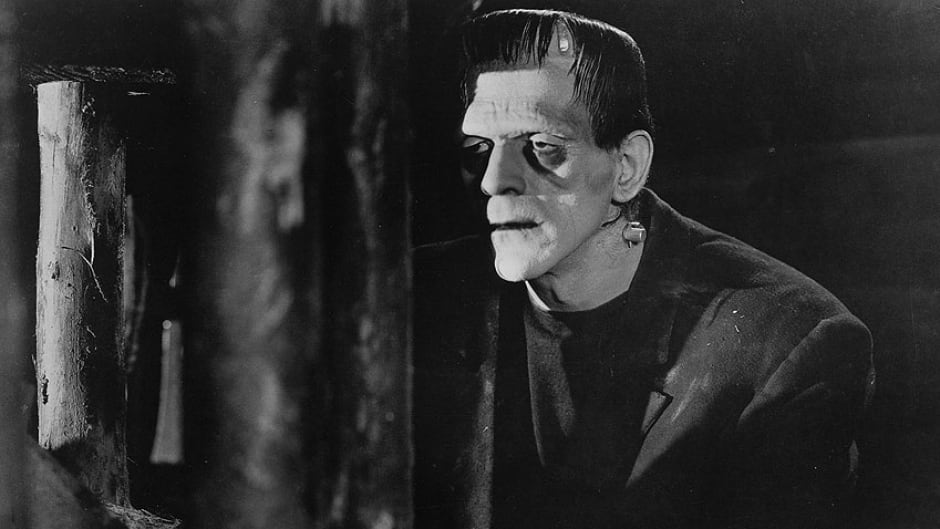
Universal Horror movies were the best, but they weren’t usually very good at sequels. Other than the original Frankenstein, which boasted great follow-ups in Bride Of and Son Of Frankenstein, most of them fumbled at sequels. They foolishly didn’t bring back the iconic Bela Lugosi for a sequel to 1931’s Dracula until 1948’s Abbott and Costello Meet Frankenstein, which while fun, isn’t exactly top-tier. Lon Chaney Jr’s melancholy Wolf Man ended up as a supporting player against other monsters after the first Wolf Man, Claude Rains’ Invisible Man died and sequels to that were bland bores, while Boris Karloff’s Mummy was reborn again and again without Karloff in a series of increasingly silly riffs. By monster mash House of Frankenstein – where the monster barely does a thing until the final 5 minutes – everything was increasingly played out.

A clutching claw at the heart of civilization! They don’t make tag lines like they used to.

The same problem befell the Creature of the Black Lagoon, who was enough of a hit to come back for two more sequels. The uninspired 1955 quickie Revenge Of The Creature is basically a remake with a Florida aquatic park setting and a brief cameo by Clint Eastwood in his movie debut. 

The last sequel – and the last of Universal’s classic monster era in general – was 1956’s The Creature Walks Among Us, which took an intriguing idea and dropped the ball, but left us just enough hints to imagine a much better movie. 

In this one, the Creature is once again captured by pesky humans – but this time by a fanatical scientist, Dr Barton (Jeff Morrow), who wants to experiment on him, turning him into from an aquatic creature into a more human organism. (The pseudo-science explanation given is this would somehow prepare humans for interstellar travel.) The Creature is captured but badly burned, which gives Barton the excuse to alter his genetics. Of course, being a monster movie, things go badly for everyone in the end.

It’s an interesting idea but the execution is limp – far too much time is spent on irritating scientist Barton’s marriage troubles, and the Creature feels like an afterthought in his own movie. Also, the end game appears to simply be to set the Creature up in a kind of petting zoo enclosure, so not sure what all that science was really for. 

In the encyclopaedic book The Creature Chronicles by Tom Weaver – an insanely comprehensive green-scaled bible that’s a must for any fan of the movies – it’s revealed that earlier drafts had a fair bit more Creature action and debate over what it means to play god with such a being. Little of that shows in the finished movie, which is workmanlike and slow and padded out with dull humans. Only the Creature himself – despite the alterations, still an unforgettable look – is worth paying attention to. The Creature’s sad journey – given short shrift in the film – is the movie that should’ve been made.

There is something haunting about the repeated images of the mutilated monster, who now has very human eyes, reduced from a sleek underwater god to a hulking, out of place figure in a world he doesn’t fit in. Creature Walks is a monster movie with very little monster action – the final minutes kick in with the Creature framed for a murder by nasty Dr Barton – who he then, of course, kills himself. The Creature evades punishment, unusually for a monster movie – he is last seen lonesomely on a beach, advancing towards the ocean, where in his altered form he will surely die. Is this the end of the Creature? It’s a pleasantly open-ended and evocative ending. 

And even though the movie is a pale imitation of the original Creature and much better Universal Monster movies, those final moments feel like they could sum up the appeal of classic monsters in general – a misunderstood creature alone, on a beach, staring at the sea, trying to find a place to belong. 

Why Eddington is the movie America deserves in 2025

Look, the world kind of lost its mind in 2020, didn’t it? And we’re all still dealing with that. 

We’re all very much living in the aftermath of the pandemic, which seemed to break apart the bonds we imagined held the world together. Everyone’s got a relative or friend whose opinions seemed to go down weird rabbit-holes, or topics you just don’t discuss anymore. Covid, culture wars, digital disinformation – a dozen tangled threads all seemed to bloom and spread beginning in 2020. 

But so far, there haven’t been a lot of major motion pictures looking at this age of weirdness. We need satire and storytelling to process the societal earthquakes that hit us. After Watergate in the 1970s we saw a surge in paranoid cinema, while it took America until the 1980s to really unpack its Vietnam traumas with films like Platoon, Full Metal Jacket, Born On The Fourth of July and the like.  There were even a slew of (mostly kind of dire) 9/11 reenactment movies after those 2001 attacks or smarter ones like The Hurt Locker processing how terrorism spreads.

But on Covid, lockdowns and the fractured, polarised world that’s come out of it all, Hollywood’s been pretty silent. Ari Aster’s new film Eddington – a black comedy Western pandemic dystopian frenzy of a film – boasts two Oscar winners and a hot director and seems to be the first major Hollywood take on the year everything went, for lack of a better word, batshit. 

Even now, I don’t like thinking back to the strangled tenseness of the pandemic years, to masks fogging up my glasses, to queues at the supermarket, social distancing and the lurking rise of protest movements galore and the latching on to conspiracies. No matter what your views are on how it’s all turned out, it ain’t a time anyone fondly remembers now. 

The pandemic still feels raw, the culture war battles are still raging strong under Trump 2.0, so is it really time for satire? Yet Eddington feels like the movie America deserves in 2025. It’s shocking and slapstick in equal measures. “More distance will make it easier to laugh,” the LA Times’ Amy Nicholson wrote in her positive review of Eddington, and I can’t disagree.

Joaquin Phoenix stars as New Mexico sheriff Joe Cross, a tense conservative who doesn’t care for masks and social distancing and who despises the town’s charming mayor (Pedro Pascal) and decides to run against him. His wife (Emma Stone) is going down online rabbit holes and Joe feels like everything in his world is changing. Black Lives Matter protests come to town, Covid is here, and big tech is making a play for a giant start-up facility in town. Because this is an Ari Aster movie, and Aster is the patron saint of dread in film right now, everything escalates very quickly into a violent, unpredictable mess. 

Joe posts Facebook campaign videos saying “we need to free each others hearts” but soon starts ranting about sexual predators and driving around in a truck plastered with slogans like “Your (sic) being manipulated.” Pascal’s perky mayor slaps up pandering inclusive videos featuring smiling Black extras in a town with almost no Black population. A lovestruck white teenager who dives into BLM activism to win over a girl ends up bemoaning his white privilege to a crowd, yelling “My job is to sit down and listen! As soon as I finish this speech! Which I have no right to make!” 

Eddington is an equal-opportunity satire that sees the absurd in all viewpoints. It hits all the bases – mask mandates, pedophiles, artificial intelligence, police racism, Bitcoin and Antifa – offending left and right with equal measures. 

But ultimately, Eddington is really about how social media has rotted our brains, turning us all into circus animals hooked on dopamine and conflict. It’s bad here in New Zealand but exponentially feels far worse in the far bigger America, where politicians and celebs now spew conspiracies and hate speech that felt unthinkable 10 years back. 

America doesn’t make much sense to me at the moment, and Eddington is an exhausted grim chuckle at how fractured it’s all gotten. 

“I am a much better human being than you,” Joe sneers at one point to his opponent, and that arrogant phrase seems to capture so much of the vibe of America 2020 and Social Media 2025. 

I wouldn’t argue that Eddington is a masterpiece – it’s too long, a bit scattered and overstuffed, the ending ramps up the violence to a kind of incoherent mess, and Aster’s “everyone’s an idiot” worldview will probably rub some the wrong way … but in its bleakly comic way, it captures the moment in a way that cinema kind of needs to help us process whatever the hell has happened to the world the last few years. And Phoenix, who never feels better on screen than when he’s falling apart, is terrific.

Eddington shows how community and dialogue vanishes as we all get sucked into our little tech bubble windows, how performative our lives have become and how lonely we’re all getting as a result. “All of these people are kind of living on the Internet and they are sort of all seeing the world through these strange, individualized windows,” Aster said in an interview.

Sometimes you just need to see it all splayed out before you under a hot desert sun, and marvel at the endless foibles of humans and how easy it is for the things that hold us together to prove as flimsy as a tumbleweed in the breeze. 

Eddington is not here to make conclusions, other than that perhaps we’re all kind of ridiculous creatures. At the moment, still trying to process the world we all live in now, laughing a little about that feels like enough for me.