And now, it’s my top 10 pop culture moments of 2025!
At this point, complaining about what a terrible year life has thrown at us is a bit of a cliche, eh? So yeah, bad things happened in 2025, oh boy did they … but if you try to doomscroll less and open your eyes a little more to everyday goodness, sometimes things can feel like they even out.  

As always, the soothing balm of pop culture – a good book, a great album, a rad comic or a mind-blowing movie – helps make the world go down a little smoother sometimes. So, at the end of year in review week for me, let’s hopescroll, with the 10 best pop culture moments I had this year! 

Photo Brenna Jo Gotje/The 13th Floor

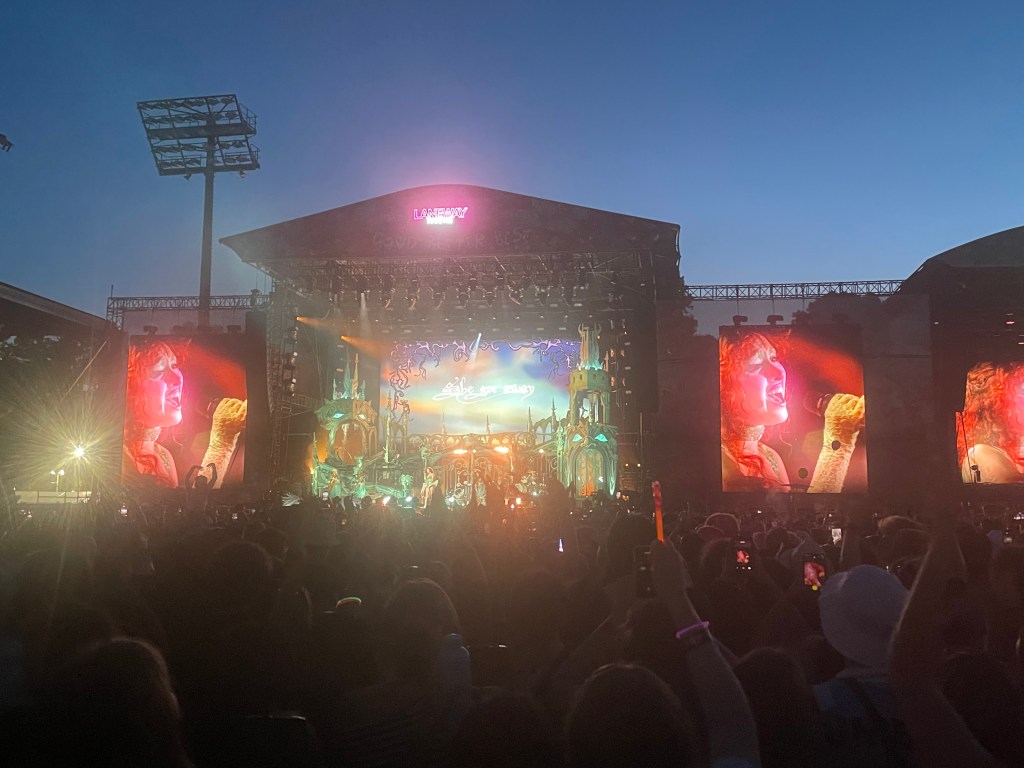
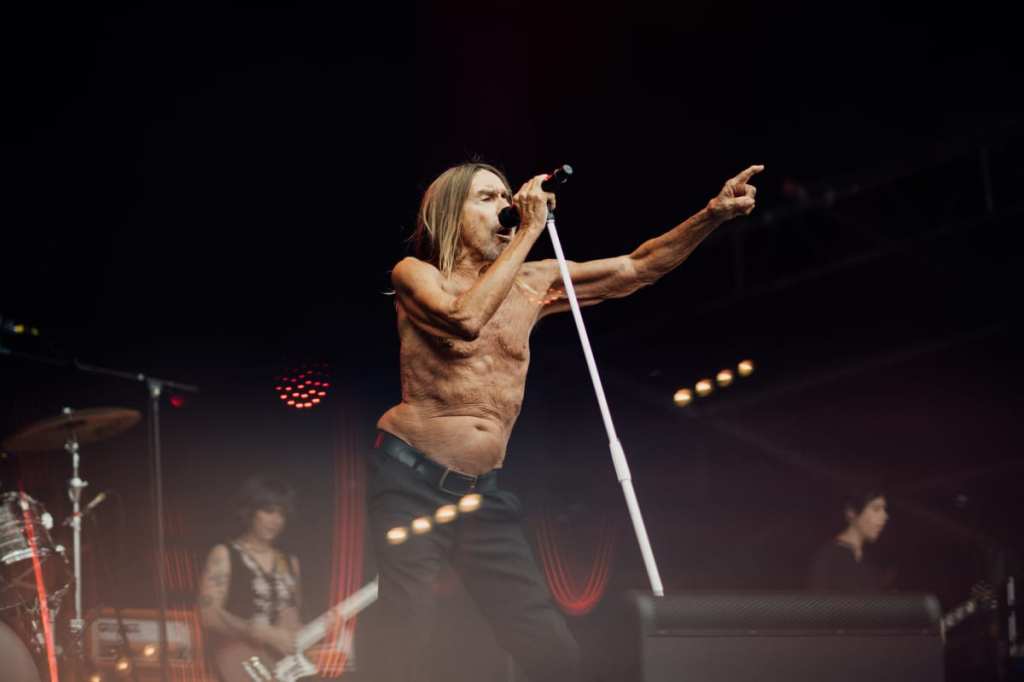
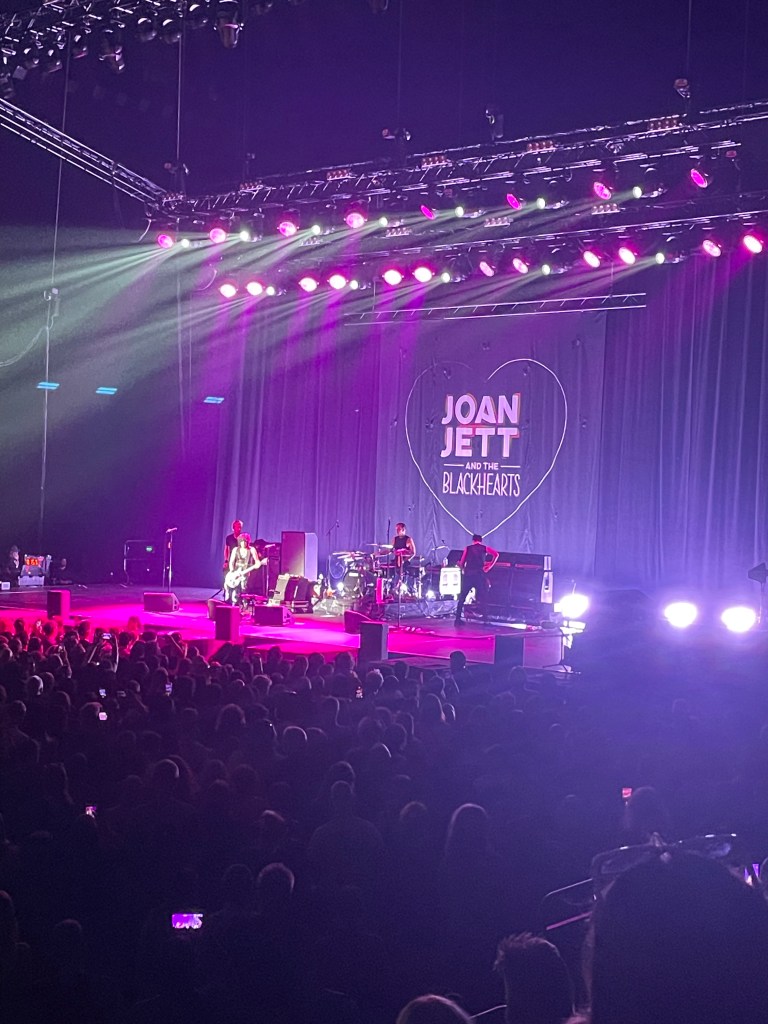
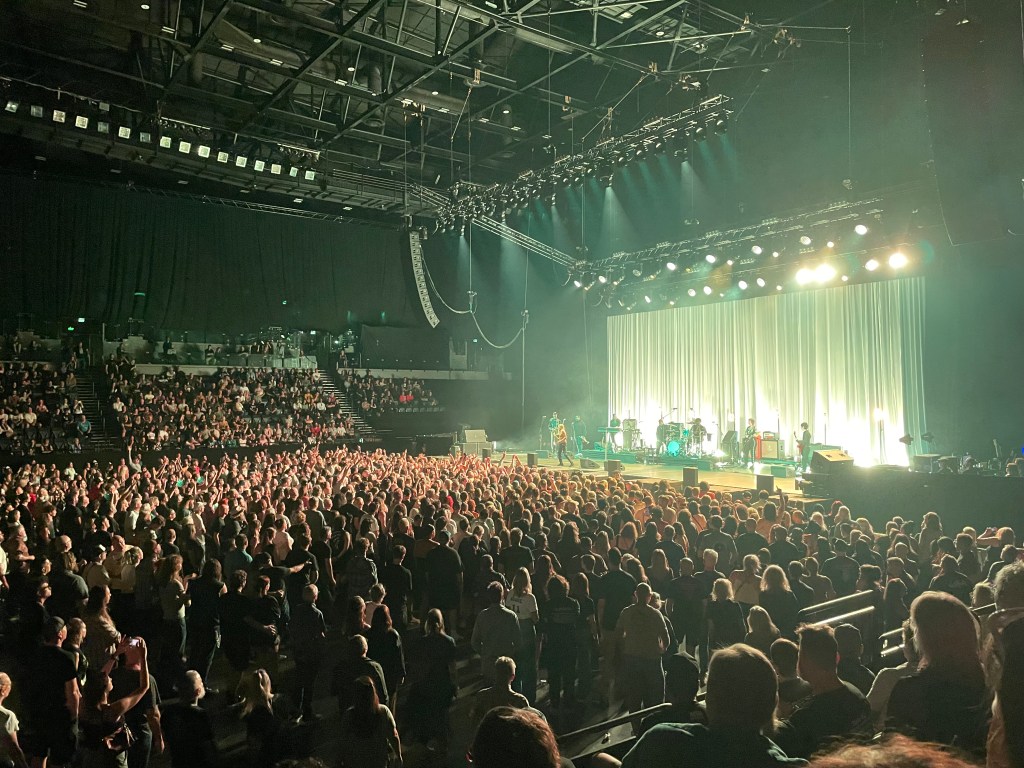
Amyl and Sniffers live at the Powerstation, February 16: This was not a very big year for live music for me, but I promised 2025 would be my year of punk rock because right now being a punk seems the best way to fight all this enshittification. Australia’s awesome punk rising stars Amyl and the Sniffers delivered a hell of a show, full of joyful rage and a reminder that not everyone has turned evil in 2025. They’ve already played to far bigger crowds this year than the cozy Powerstation, but I’m glad I saw ‘em when I did. 

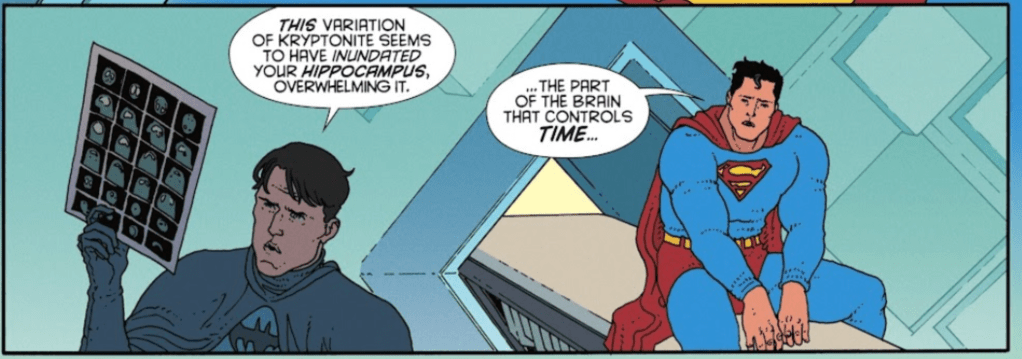
Superman saves squirrel: If you didn’t like this moment in Superman, what can I say? It’s the essence of Superman – he won’t even let a squirrel die if he can help it! and a welcome return to optimism after far too many grimdark Superman tales. 

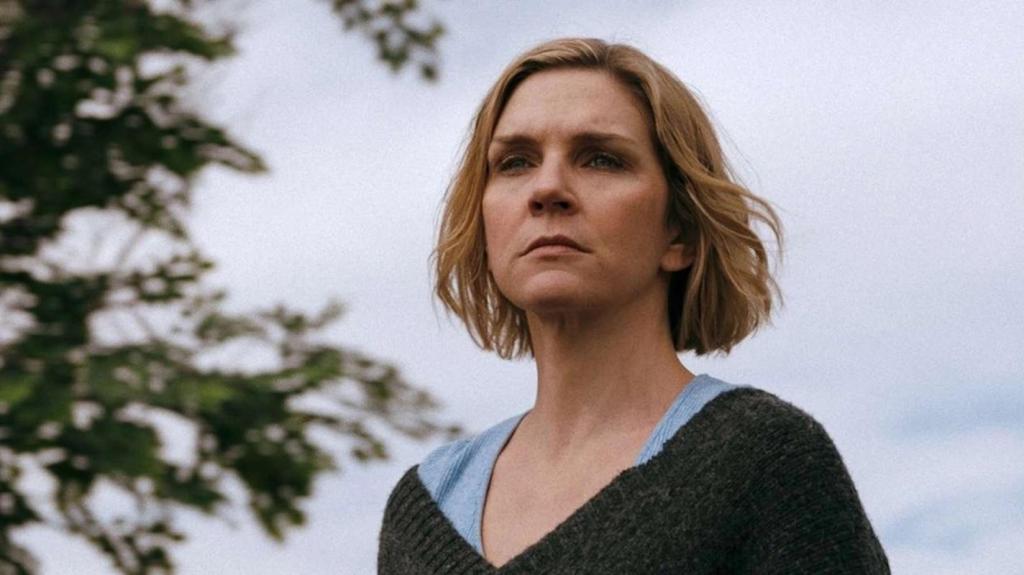
Pluribus: Breaking Bad creator Vince Gilligan’s apocalyptic new epic starring a fantastic Rhea Seehorn might be the year’s best television – full of fascinating worldbuilding and a methodical yet hypnotic pace – a welcome novelty in this era of endless distractions. While some armchair critics called it ‘boring’ because it didn’t feature Walter White blowing up stuff every episode, I don’t think they get Pluribus. It’s a unique vibe that leaves you thinking about what it really means to be human and part of humanity. I only hope it continues to pay off whenever Season 2 comes around. 

The Pitt: Old-school and yet up-to-the-minute, this electrifying hospital drama was also a sharp reminder that despite all the endless glut of “content” flooding streamers with meandering plots, sometimes you can just pare everything back to good characters and plot momentum and score one of the best shows of the year. 

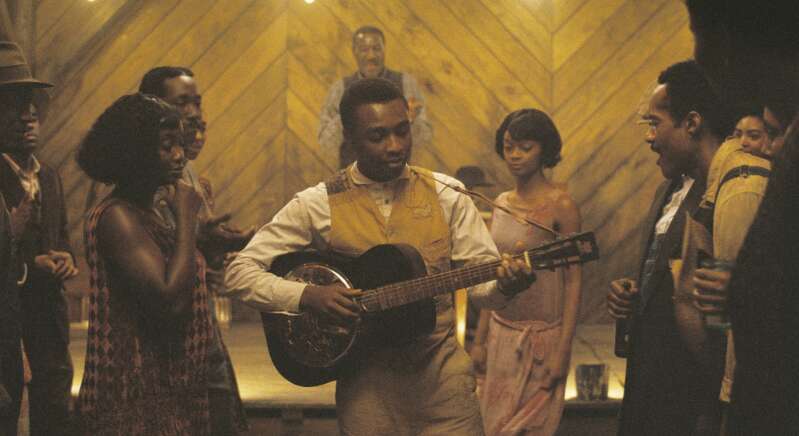
That juke joint scene in Sinners, which  floored me with its sheer beautiful audacity and confidence that the audience would keep up: “So true, it can pierce the veil between life and death.”

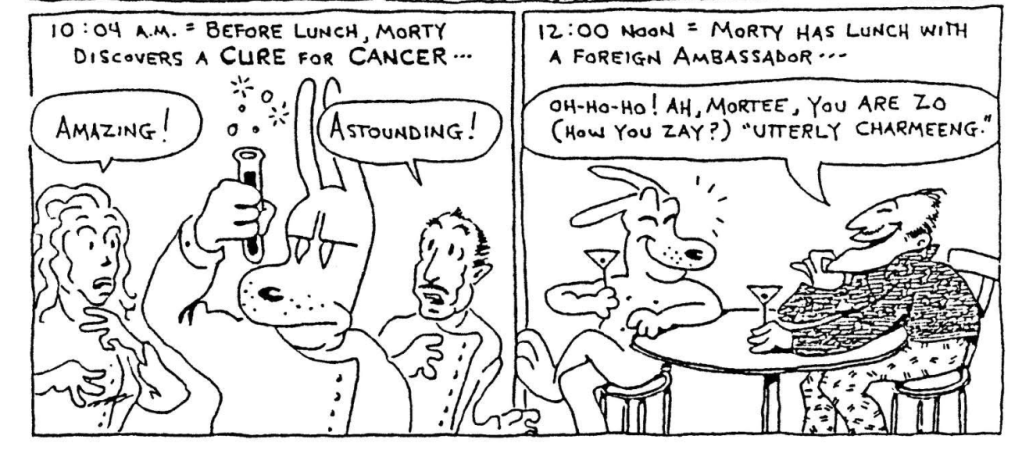
The Collected Cranium Frenzy by Steve Willis: One of the coolest little projects this year was a comprehensive reprinting of Cranium Frenzy, the surreal and hilarious small press comics of the legendary Steve Willis. Never heard of him? You should! As I’ve written in the past, Willis is absolutely one of the greats of the minicomics scene ever since the 1980s, but like most minicomics, it was literally impossible to find his work in print. Phoenix Productions have picked up the ball with five gorgeous little books collecting decades worth of work by Willis all on Amazon, well worth seeking out for the adventures of Morty the Dog and many more!

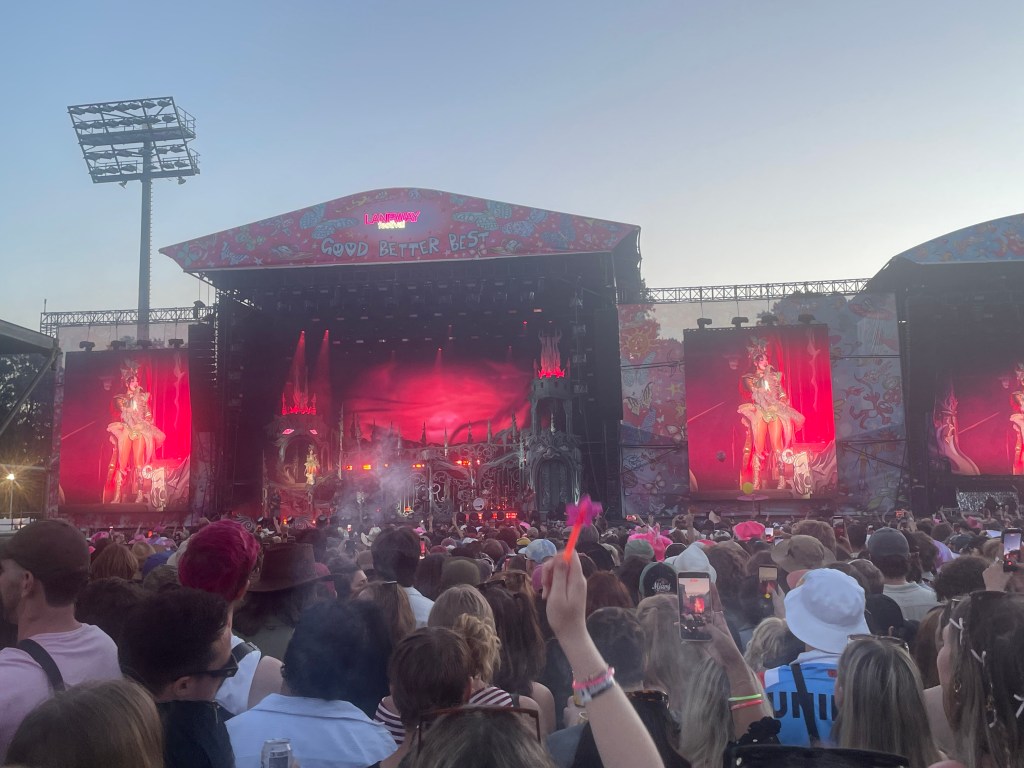
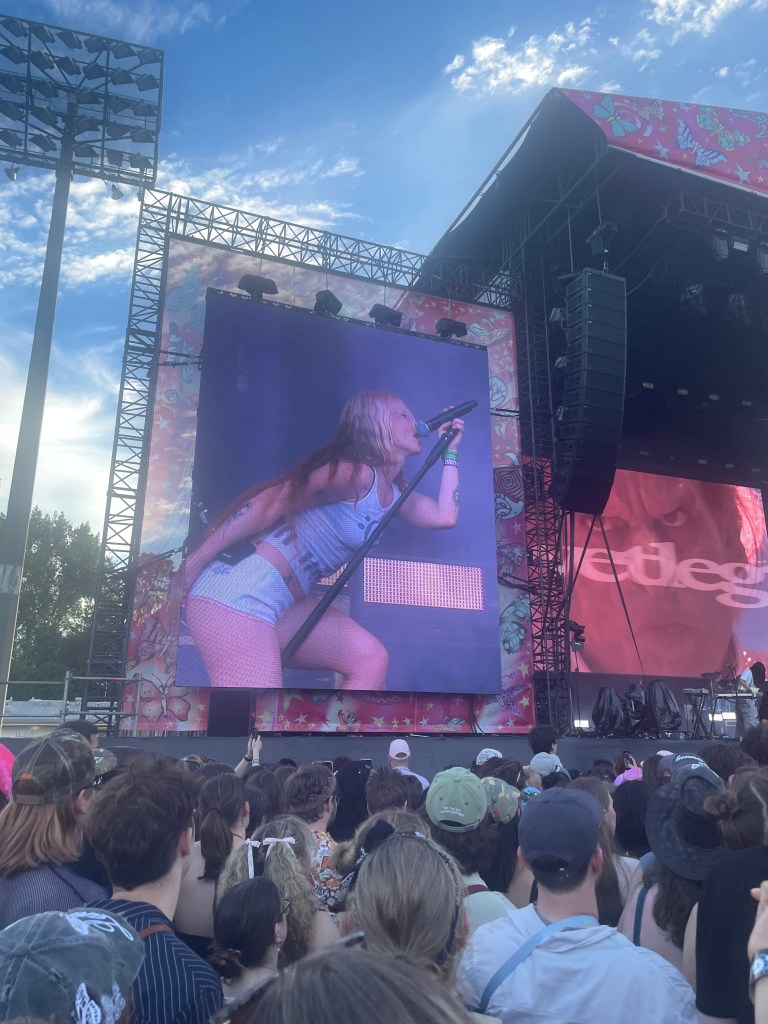
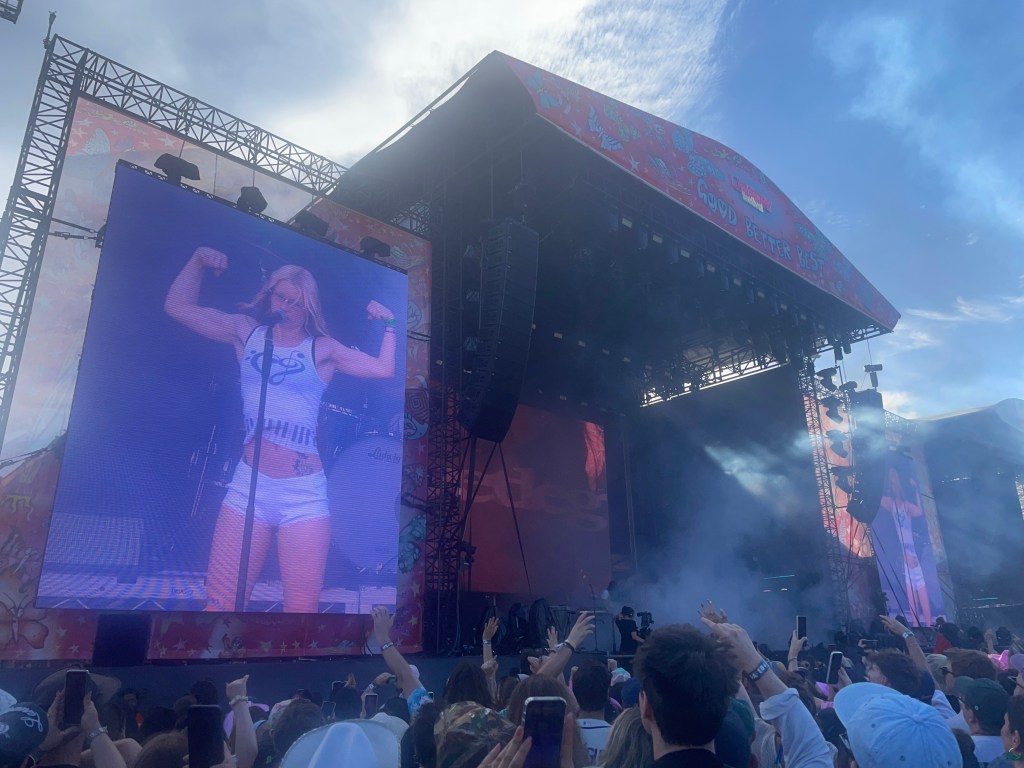
Wet Leg, moisturizer: I’m an old geezer whom Spotify now tells me is roughly 110 years ancient, but my favourite album by a “new” band this year was Wet Leg’s sprightly, sexy and hook-filled second album, a catchy fusion of alternative rock (does that still exist), post-punk, dance and whatever else you’d like. I’ve been humming along to “liquidize” for months. Be my marshmallow worm!

Superman: The Kryptonite Spectrum: A wonderfully quirky miniseries by Ice Cream Man creators W. Maxwell Prince and Martin Morazzo that embraces all the wacky insanity of vintage Superman comics and gives it a surreal spin, kind of like if David Lynch tried to write a Spider-Man comic. I’ve sampled Ice Cream Man and it wasn’t my thing, but this Superman miniseries is such a colourful “elseworlds” delight that I’ll be keeping an eye on these creators from now on. 

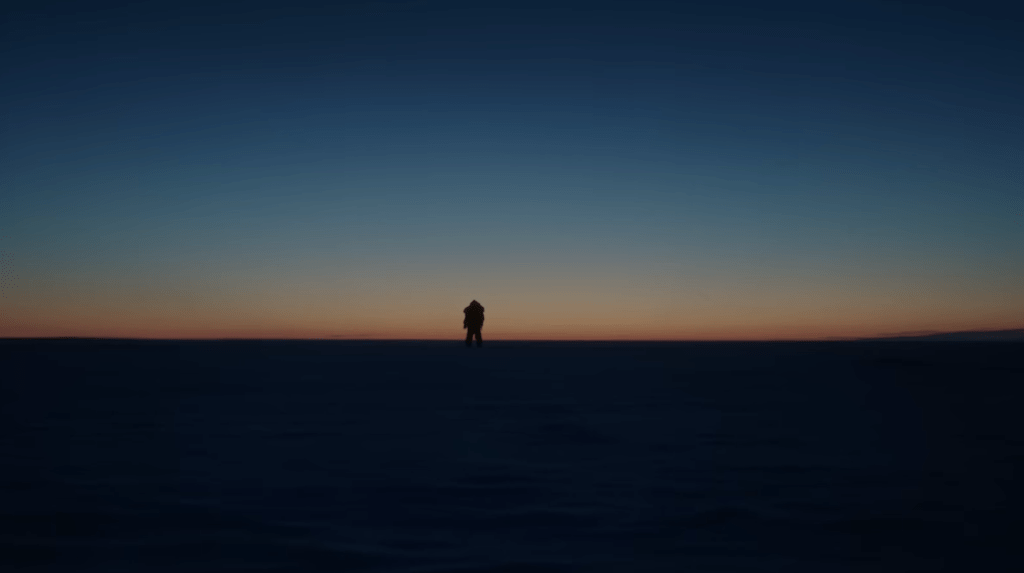
This one amazing shot in Guillermo Del Toro’s terrific Frankenstein:

Writing a book: I hit 30 years in journalism at the end of 2024 and decided it was time to put together a “greatest hits” of sorts of my columns, essays, articles and more. It’s a total vanity project but I’m really pleased with how Clippings: Collected Journalism 1994-2024 came out and the kind words by family, friends and even a few complete strangers who’ve bought it. It’s more than 350 pages of scribbles that somehow sums up my so-called career. Get it now over on Amazon (and you can pick up a few collections of my long running comic series Amoeba Adventures there too)! 

Let’s all try to have a decent 2026!

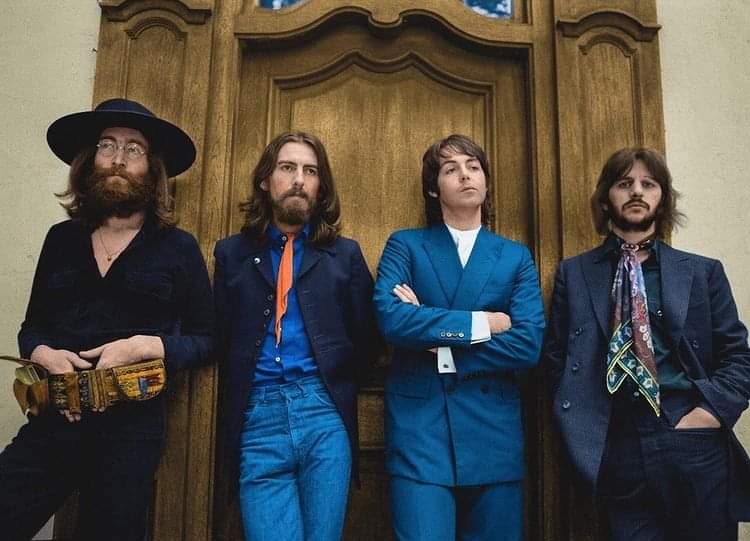
I never really got over my Beatles phase

My Beatles phase has never really ended.

Like all of us, I go through phases. One week I’ll be super-into the films of Billy Wilder, or I’ll be reading all of Percival Everett’s novels I can find or all of the Daniel Warren Johnson comics I can hoover up, and the next week I’ll be all about exploring the discography of Hüsker Dü. 

But one phase that never really ends for me? That Beatles phase. Sure, it waxes and wanes, I might go a few weeks without listening to or thinking about the Beatles, but in the end, as the man said, I get back, get back to where I once belonged and dive back into figuring out the Beatles. 

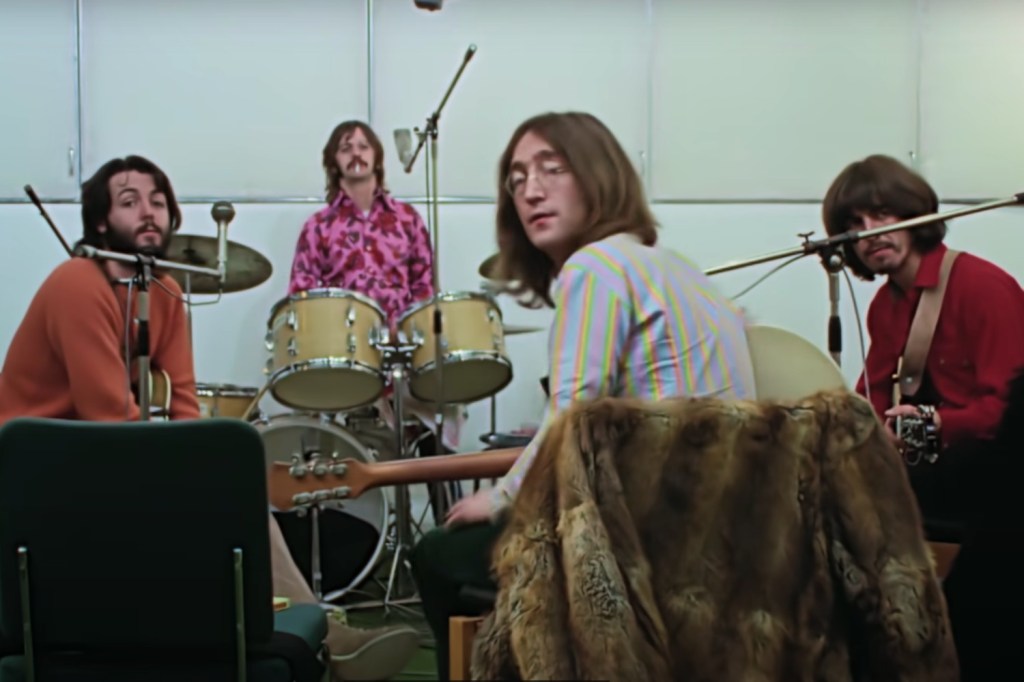
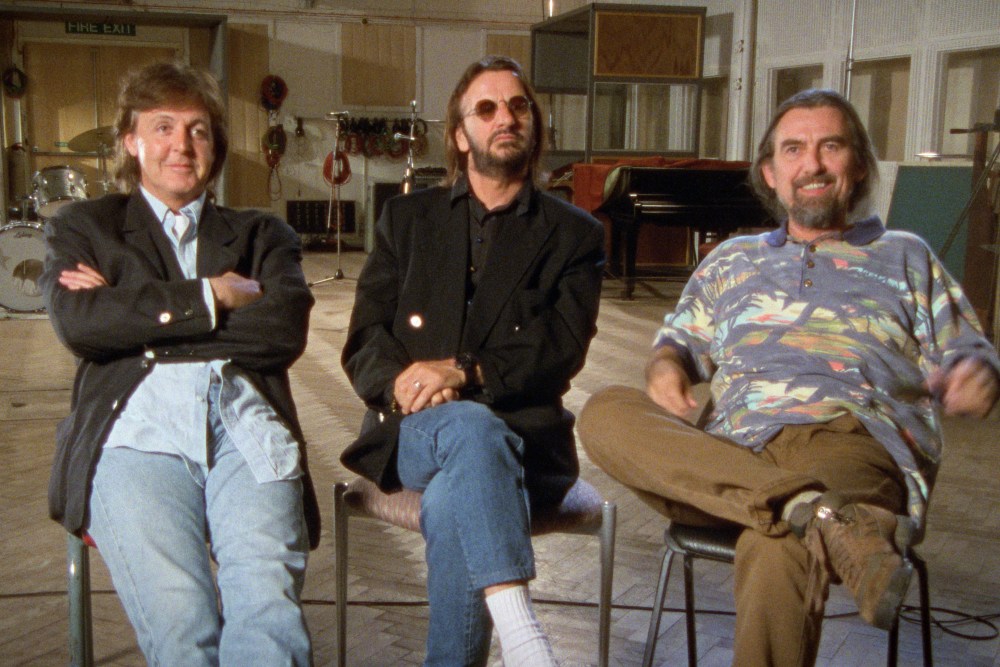
There’s been a flood of Beatles content lately, so I’ve been heavy in a Beatles phase the last week or two again – rewatching the terrific 1995 Anthology documentary for the first time in ages now that it’s made its way to streaming, and listening to the latest grab bag of odds ’n’ ends, Anthology 4, all while reading a very enjoyable new deep dive into the great Lennon-McCartney partnership, John & Paul: A Love Story In Songs by Ian Leslie. 

The thing about the Beatles is, like anything that starts to pass into the realms of mythology, you never really get to the bottom of it all. I consider myself a 7 out of 10 on the scale of Beatlemania – I’m not one of those guys who can tell you who Stuart Sutcliffe’s grandparents were or what John Lennon had for breakfast the day they recorded “Penny Lane.” 

There’s 213 or so “official Beatles songs” plus all the infinite demos, jams and alternate takes that have been pouring out the last few years in super fancy special editions. Recently I came back to the mildly obscure track “Hey Bulldog,” and really listened to it – the thumping piano intro, McCartney’s sturdy bass line, the giddy sneer Lennon gives the lines “What makes you think you’re something special when you smile?” It felt like a whole new song suddenly bloomed to me even thought I’m sure I heard it dozens of times before. How did this happen? 

My parents weren’t big music listeners – about all I can recall in the way of “rock” music in the small vinyl collection was some Peter, Paul and Mary – so I didn’t really start hearing the Beatles in childhood, but I was the perfect age to discover them when their albums first started coming out on CD during high school and Generation X got Beatlemania. The Past Masters collections in particular cracked my head open navigating the band’s stunning evolution from poppy singalongs to psychedelic freak-outs. I still can’t quite fathom how they went from singing “Love Me Do” in the Cavern to recording “Tomorrow Never Knows” in less than four years. 

There’s a spark of joy that ignites in me whenever I truly listen to the Beatles, and I think the central mystery at the heart of it all is how these people, these scruffy rough kids from Liverpool, exploded to change pop culture in their decade or so of existence. We want to get inside these songs, to find how creativity itself works. The magic of creation remains the greatest magical mystery tour of all, and in an age where we’re increasingly served up algorithmic bait, fluff and trivia, the rough-hewn analog invention of Paul, John, George and Ringo still feels bottomlessly appealing to me. 

This is why I never really end my Beatles education, because even a bit of a cash grab like the fourth Anthology collection, with its surplus of pretty rote instrumental tracks, can grab me by digging up the gloriously unhinged take 17 on “Helter Skelter.” I sucked up the unabashed nostalgia of “Now And Then” and I dug the rhythmic hypnotic excess of Peter Jackson’s sprawling Get Back miniseries.

I’ve listened to Abbey Road or Revolver a hundred times a hundred times over the years and yet I can still find tiny new scraps of newness in those well-worn grooves. Yep, like everything else, the Beatles have become a content-churning factory in 2025, and, that new “final” ninth episode of Beatles Anthology probably wasn’t truly necessary, yet the little fragments we get of 50-something Paul, George and Ringo (30 years ago!) jamming and messing about with John’s sketchy demos on “Free As A Bird” still feel true despite the glossy sheen of Disney’s content farming. 

And so it’s gone, over the years – I keep coming back to the Beatles, and discovering how much I still haven’t really paid attention to before. 

The very last words Ringo sweetly says as the nine-hour journey of Anthology winds down are, “I like hanging out with you guys.” Me too, mates. 

Why sometimes we all feel like Lloyd Dobler’s girlfriend’s dad

Cameron Crowe’s Say Anything is a great movie and one of the best teen romance movies ever made – quirky yet sincere, witty yet honest. John Cusack’s Lloyd Dobler and Ione Skye’s Diane Court feel real in a way so many ‘80s teen movies never manage to. I saw it at least three times in the theatre back in 1989 when I was deeply underwater in my own series of doomed high school love affairs and I love to revisit it in the years since.

And yet – I think just about my favourite little moment in the movie, even more than that whole iconic boombox scene, isn’t anything to do with teen romance at all.

Instead, it’s Diane’s father Jim, played by the late great John Mahoney, singing alone in his car off-key along to Steely Dan’s “Rikki Don’t Lose That Number” just before his life is about to fall apart. 

Poor old Diane’s dad has been defrauding the rest home he manages and will soon be arrested, and it’s a tragic little twist in the movie that the father she idolises turns out to be an inept con man. At this point, Jim probably knows there’s bad things coming, and they do, but just for a moment, he’s in a car and Steely Dan comes on the radio and that’s everything. 

Diane’s dad sings happily along with Steely Dan with all his heart, not caring that he sounds awful, but the music has snagged something deep inside of him and it won’t let go. Sometimes a song gets you like that, usually when you’re alone, and you feel it pulling you inside whether you want it to or not. I have a frickin’ awful singing voice, but sometimes you move on sheer primal instinct. 

Music hits on a different level than most things, and it can break you open in new ways when you least expect it. 

A song by the great Neutral Milk Hotel came on Spotify while I was out exercising a year or so back, and Jeff Magnum’s strained and aching voice hit me hard, bringing to mind all the love and loss we go through and the things we just can’t fix. Almost unconsciously I started singing along with “In The Aeroplane Over The Sea” and damn it, the lines “How strange is it to be anything at all” got me suddenly choking up in the middle of a suburban walk, sucked in. It felt wonderful and painful all at the same time, in an inchoate way I can’t even fully explain.  

Or the other day that ‘80s chestnut “Head Over Heels” by Tears For Fears came on and for some reason this time the chorus got me, and I began singing along alone in the car, ecstatic and sad and nostalgic and hopeful in all the ways a good song can unearth in you. And don’t even get me started about Peter Gabriel’s “In Your Eyes” also featured so prominently in Say Anything… that song contains entire multiverses for me.

There’s a part of everyone that sometimes is just like Lloyd Dobler’s girlfriend’s dad, singing along by yourself about Rikki, hoping she doesn’t lose that number, knowing she probably will, but maybe she’ll send it off in a letter to herself. 

There’s a beautiful loneliness to Jim Court’s car singalong, but there’s also the music, keeping him company and for just a few seconds, making everything all right again. 

Sometimes all you want is a medley of the hits, right? 

While foraging at the groovy local record emporium last weekend, I stumbled across a CD single I’d never seen by Prince, Purple Medley. I snatched it up instantly, because I’m a sucker for the cheesy medleys, and a medley of Prince’s golden era is not to be missed. 

OK, I’ll admit – medleys sit at the bottom of the ladder of musical melding, while a little higher up there’s remixes and at the top, skilled sampling. Medleys are the Cousin Oliver or Poochie of pop music, bastard children that nobody really respects. Yet there is a party-down energy to a good medley, which at its best feels like a song of “all good bits” and no boring bits. Medleys are proudly basic – a chorus bashing into another refrain slipping into a good drum solo, with little layering or dissection. 

On Purple Medley there’s goofy fun in hearing “Little Red Corvette” push into the sultry chorus for “Cream,” or the raunchy opening power guitar chords of “Batdance” swerve into the bouncy intro to “When Doves Cry.” It never replaces the Olympian Prince originals, of course, but sometimes all you want is a medley.  

You can’t think “medley” without going past the kitschy world of Stars On 45, the Dutch tinkerers who used knock-off soundalikes to bash out a stew of Beatles ’n’ disco ’n’ Star Wars and much more in the early 1980s. In that distant pre-internet age, such repurposing of well-loved hits felt a bit startling, like a glimpse of the future. It wasn’t much fancier than splicing, but a good medley always carried an element of surprise. 

I always dug Weird Al’s delirious silly “polka medleys” on his albums slapping together a half-dozen or so hits into a crazed Looney Tunes-style joy ride, and I’ll admit, guiltily, to playing Jive Bunny and the Mastermixers’ eminently dopey cassette single for “Swing The Mood” an awful lot back in the day. Jive Bunny turned canned nostalgia into a brief viral sensation by giving old chestnuts like “Rock Around The Clock”, “Tutti Frutti” and Glenn Miller a hip-hop spin. It’s music as party wallpaper, no depth required. 

I won’t argue these are great art, and in fact a lot of the times they’re just awful. But other times, the  appeal of the medley is hearing the bits you know spliced and diced into something new.

It’s not really the same as sampling, which actually is an art form – the bits are shattered into many smaller shards in a sample, chopped up so far that they become building blocks for something new. A lot of great music has been created from the once-maligned art of sampling, from the Beastie Boys’ Paul’s Boutique to J Dilla to DJ Shadow to The Avalanches and many more. The samplers take it further, but the medley-making mix masters like Jive Bunny are all about sticking to the surface, cutting and pasting a collage of all the things you already know. 

To my embarrassment, I dabbled in splicing together medleys myself for a spell my freshman year of college – in between the drunken escapades and studying I sometimes found myself playing around with my old-school double tape deck and CD player, painstakingly pressing “record” and “stop” again and again to put together a just-for-me melange of clips from my tape and CD collection of Depeche Mode, cartoon sound effects, Men At Work, Survivor’s “Eye of the Tiger,” Prince, Aerosmith, Robert Plant’s “Tall Cool One,” Iron Maiden, quotable bits of movies and TV shows all mashed up with excerpts from dire “comedy” cassettes my teen friends and I made. 

I spent an awful lot of hours in that weird time pressing “stop” and “record” to slap together a half-dozen or so silly medleys, but to me at the time, it felt kind of comforting to see the pieces of my past in new ways. I could see the appeal of getting inside sounds. 

Medleys are hacked together for sheer consumerism but sometimes they can feel like a bit of accidental art. Prince didn’t have a thing to do with putting together “Purple Medley” far as I can tell, but it’s still all about echoes of his art. And of course, a medley doesn’t erase the original songs.

One could even argue that it’s a heir of William S. Burroughs’ “cut up” techniques of random art generation, with Jive Bunny part of a long line of iconoclastic innovators. 

…Or maybe not. Perhaps I’m just basic in my occasional need for a medley. But y’know, that “Purple Medley” is pretty darned cool.

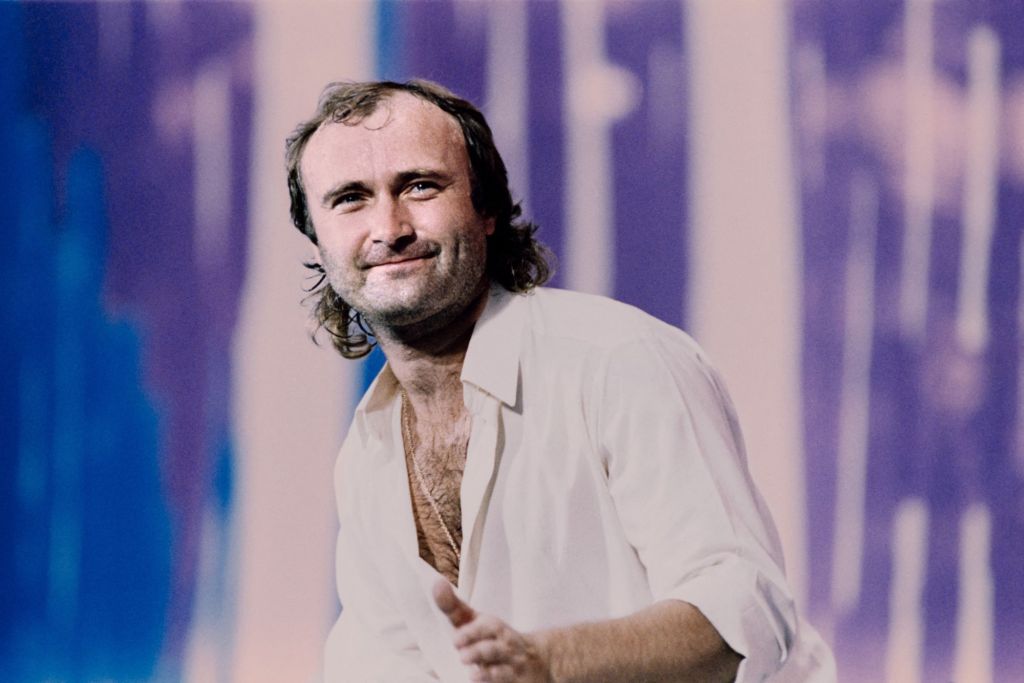
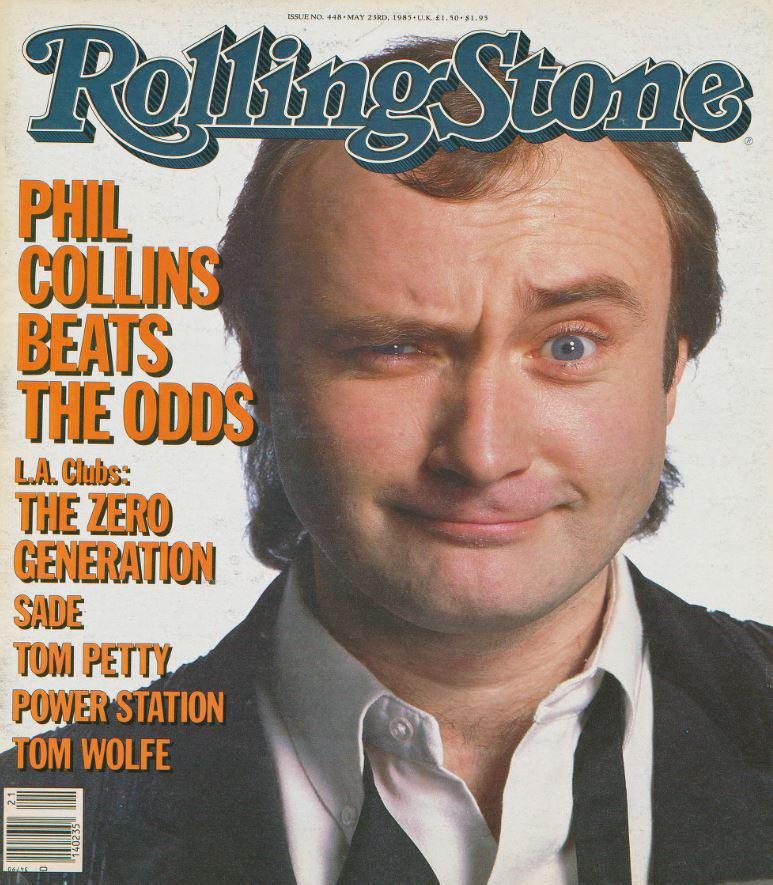
Still sticking up for Phil Collins after all these years

Musical tastes change with age, I get it. But no matter how cool you think you get, the stuff you loved when you were 14 years old will always be your secret love.

So it is with me and Phil Collins, whose best work I’ve always got time for, no matter how much other stuff I listen to. 

Phil’s third and best solo album No Jacket Required came out 40 years ago this year, and 1985 really was the peak of Phil-mania or Collins-palooza, whatever you want to call it. The guy was everywhere for a year or so there. And boy, some people hated that. Not me. 

In the summer of 1985, I nerdily rocked out to Genesis’ later albums with Phil and company and the gloriously cheesy video to “Don’t Lose My Number.” There was something about the best of Phil’s songs that excited me – perhaps it was the way Phil’s sincere voice always made everything sound so darned dramatic, or his drummer’s sense of rhythm pushing along the tunes. 

I wouldn’t classify Phil as an innovator, but when it came to pop hooks, the man could cook. That unforgettable drum burst with “In The Air Tonight,” the melodramatic urgency of “Don’t Lose My Number”’s chorus, the soaring keyboard riff that opens the banger Philip Bailey duet “Easy Lover.” Even the annoyingly catchy chorus of “Sussudio,” a song folks love to hate, is a bona fide earworm of amiable gibberish. 

I think what struck me all those years ago on MTV was Collins’ seeming normalcy in the heart of pop stardom. Balding and ordinary, he was the odd man out against flashier, more innovative stars like Prince, Madonna, Michael Jackson or Springsteen. He wore Members Only jackets and had a mullet. He’s a history nerd who collected Alamo relics. He felt relatable. I’d never be a George Michael, but maybe I could be a Phil. 

And even though I’m a diehard Peter Gabriel fan until the end, I’ll quietly under my breath admit that when it comes to Genesis, I kind of listen to the radio-friendly Phil years more than I do the proggy Gabriel era. Listening to the vaguely proggy Abacab at a church ski camp felt slightly subversive. And none-more-’80s blockbuster “Invisible Touch” for the win, man. 

Unfortunately there’s a kind of weakness in Collins’ work that only increased with age – his tendency for mawkish ballads. His solo albums tended to be a mix of ballads and rockers – some very good ballads too, like “Against All Odds” or “Take Me Home”, but somewhere around the unfortunately foreshadowing album But Seriously… Phil got more sappy and less sassy, singing about poverty and apartheid instead of Sussudios. 

By 1993’s Both Sides album he slipped mostly into bland soft-rock territory and the hooks of his grand early solo run faded away. He left Genesis and did Disney movie soundtracks and kind of like Billy Joel, he left the work that made him famous for different territories. 

These days he’s basically retired at age 74 – Collins’ health has been notoriously poor the last few years, a lifetime of hardcore drumming catching up with him. Recent reunion tours saw him sitting down the whole show. 

Still, from Face Value through that 40-year-old banger No Jacket Required, Phil Collins was an unlikely arena-filling superstar. And I have to admit a little bit of my love for classic Phil is sticking up for the underdog. Collins became a bit of a piñata for critical beatings over the years, even with “In the Air Tonight” becoming a classic across generations. Even in his breezy autobiography Going Back, you get the sense he sees himself as a little unappreciated. 

Listening to Phil grounds me and reminds me that sometimes it’s just about whether or not the music moves you, not what the in crowd says. Even though I don’t listen to a lot of today’s pop – sorry, I’m still agnostic on the Taylor Swift question – my Phil-fandom means I try not to sneer at anyone else’s tastes too hard. If you like it, you like it. 

Collins’ songs didn’t change the world, but I also can never quite entirely get them out of my head. For a musician, that’s not the worst legacy to leave. I’m too old to care about being cool now, so I’ll listen to Phil Collins sometimes and bang my head to “Easy Lover” like it was 1985 all over again. 

And if you don’t like that, you can Sussudio right off, eh? 

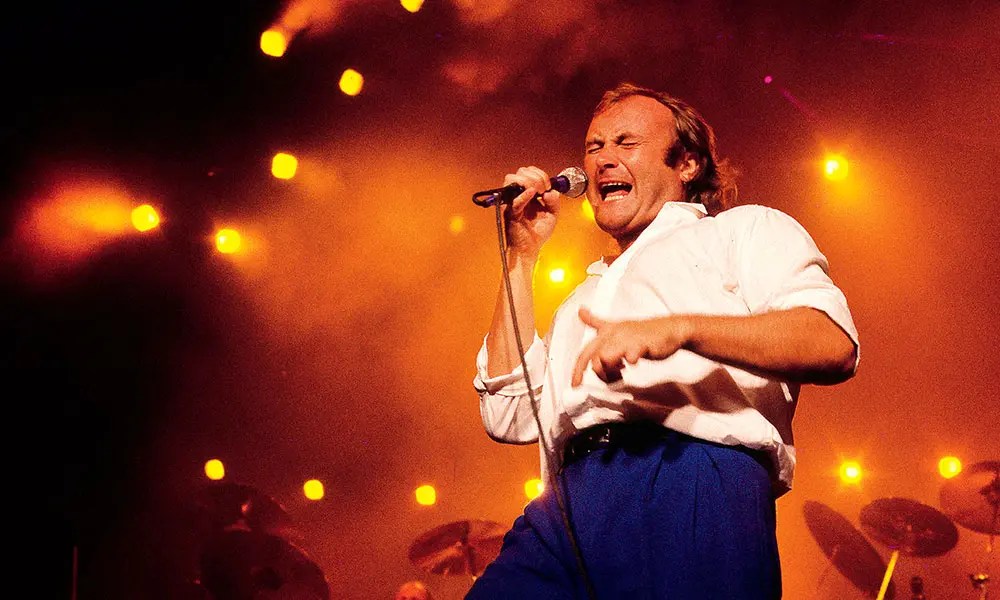
The best image ever taken of Phil Collins in concert, 1981

I’m losing my edge, but I was there: My top albums of 2005

Gaze with me back into the misty reaches of time to a year called 2005, when I was thinking of buying a fancy device called an iPod, where we all thought George W Bush was the worst President ever, the pope had just died and Christian Bale debuted a gritty new take on Batman. We’re at least two Batmans along now on the sliding scale of time, but everything old is new again, ain’t it? 

I mark 2005 as just about the time when I got a little less intensely involved in following all the hip cool new music trends out there – I’d just had a kid, which instantly makes you less cool, and the internet hadn’t quite exploded into a tsunami of content no one person can absorb. While I still try to keep up with what goes on for the youths, I’m well aware I’m a middle-aged white dude and the tastemakers aren’t me. 

Yet, 20 years on, it feels like 2005 was a very good year for the bustling world of indie rock and music – acts like Queens of the Stone Age and Fiona Apple built on their earlier success, quirky pop music was having a moment and singer-songwriters were blazing some new ground with the work of Mountain Goats and Sufjan Stevens. 

So, here’s my 10 fave records to pull up on the ol’ iPod from 2005, and while popular music is always an ever-moving target, many of these songs still feel pretty vital today in our increasingly fractured world. 

ANOHNI (as Antony and the Johnsons), I Am A Bird Now – The soaring voice of the transgender musician now known as Anohni is one of the most evocative in music, and this heartbreaking album by her earlier band is still dazzling chamber pop, rich with love and loss.

Fiona Apple, Extraordinary Machine Apple has been determined to follow her own muse, and this album saw her truly embracing her own vision after her earlier flirtations with MTV stardom. Filled with confidence, she sets out her own jazz-influenced territory, channeling influences from Joni Mitchell to Billie Holiday and Nina Simone, and dares us to take it all in. 

LCD Soundsystem, self-titled – James Murphy’s dance-rock project zipped through the culture like a comet but their first album remains their best, combining hipster self-parody in “Losing My Edge” with joyful anthems like “Daft Punk Is Playing At My House.” The arch coolness of their work would eventually lose its novelty, but man, I was there, at the start of it. 

Mountain Goats, Sunset Tree – For “This Year” alone, this album deserves a slot in the 2005 pantheon. John Darnielle’s fragile, gorgeous songs delve into his abusive childhood, but makes it a universal concept album about powerlessness, hope and gathering the strength to move on. 

New Pornographers, Twin Cinema – This all-star group of indie musicians with a kind of terrible name includes Neko Case, AC Newman and Destroyer’s Dan Bejar crafting wonderful power-pop. This is their finest set, which plays like a greatest hits collection for a band you’ve never heard before – an upbeat, melodic group of songs that bounces comfortably between each of the members’ distinctive voices. 

Of Montreal, The Sunlandic Twins – The loosely defined Elephant 6 Collective of psychedelic pop bands had a moment, and of Montreal was always my favourite of them – eccentric, inventive swirling sounds filled with hooks. Like a lot of bands of the time they were insanely prolific and not always great at quality control, but the one-two punch of The Sunlandic Twins and 2007’s Hissing Fauna were their finest hour, with frontman Kevin Barnes’ keen, chameleon voice guiding you down his own very peculiar musical highways. 

The Phoenix Foundation, Pegasus – This New Zealand band’s gorgeous melancholy came together nicely in their second album for a series of atmospheric, wandering songs that feel laidback, yet tense with subtext. It gets more and more rewarding with each listen. 

Queens of the Stone Age, Lullabies to Paralyze – I sometimes feel like QotSA are the last great rock band, left from a time when stoners ruled the earth. Their pounding desert rock coalesces here into a pounding haze of riffs that broods and pummels away. If I had long hair still, I’d be headbanging to this one, which still stands out in Josh Homme’s stellar career. 

Spoon, Gimme Fiction – Spoon never quite became the big name they deserved to be, as alternative rock faded from the zeitgeist, but their attitude-drenched sound had a delicious energy, and this album, packed with swaggering nuggets like “I Turn My Camera On” and “Sister Jack”, holds up well. 

Sufjan Stevens, Illinois – Stevens’ voice, always so delicate, takes us on a concept album through the American midwest, but his ultimate subject is always the fragile human heart. Layering on orchestras, show tunes, baroque pop and gentle ballads, it’s a remarkable album that feels like it covers more than just one state, but the promise and peril of America itself in its songs. It may be 20 years old now, but it’s still pretty timeless stuff.

I didn’t appreciate Bruce Springsteen until I left America

For a long time, Bruce Springsteen was seen as American as apple pie and waving flags – with all the good and bad that entails. 

I considered myself too cool for Bruce for an awful long time, and it was really only after I moved to New Zealand nearly 20 years ago that I started to get what he was really all about. 

The thing is, I came of age when Bruce was in peak “Born In The USA” stardom, a swaggering figure in tight blue jeans who felt, well, kind of cheesy during a time when I was more into the sexy pulses of Prince or the inescapable Michael Jackson (yes, I have regrets there). Springsteen, somehow, felt like dad rock to me.

The problem was, Born In The USA the album and song did too well, and Springsteen’s image got solidified in that early MTV age as the all-American troubadour dancing in front of an American flag, no matter how much his lyrics indicated otherwise. Springsteen hit that rare peak stardom when what the entertainer is actually singing about matters less than their place as a cultural signifier, where who they are is less important than what they represent. 

It’s amazing that 40+ years on, people still mishear “Born In The USA” as some swaggering anthem of Yankee superiority. Heck, I did too for way too long. 

With “Born In The USA,” all many people heard is the chorus, without realising how much of a sad hopeful wail it was. It’s about American dreams and the darkness behind them. Heck, how could a song with lyrics like “Got in a little hometown jam / So they put a rifle in my hand / Sent me off to a foreign land / To go and kill the yellow man” ever be interpreted as some patriotic anthem?

But in America, image – and surface – is everything.

I wouldn’t say I disliked Bruce, but just felt he was a little uncool for a hip young fellow to be listening to as I delved into Depeche Mode and The Cure fandom. His work is very short on ironic detachment and long on sincerity – virtues I value more now than I once did. I did like the spooky atmospherics of “Tunnel of Love,” or the nifty twang he gave to the chorus on “Lucky Town,” and the very first time I finally heard “The River,” I realised Springsteen was a writer who could sum up an awful lot in a few short verses: 

“Now all them things that seemed so important / Well, mister, they vanished right into the air / Now I just act like I don’t remember / And Mary acts like she don’t care”

Springsteen’s work has always been about speaking truth and he continues to do so to this day, blasting the current man in the White House relentlessly,  no matter how the beer-swilling “Bruuuuuce” fans shout back. It might seem funny to call a millionaire rock star pretty courageous for doing that, but these days, courage is in short supply on the American scene. 

It took me far too long to delve deeply into Springsteen’s impressive discography, and realise how much he’s always been about challenging the American dream instead of idealising it. 

I cracked into Bruce Springsteen’s mammoth new box set on the weekend, Tracks II, which compiles a whopping seven unreleased albums from the Boss over his prolific career. (So far, the gem is the spooky, drum loop driven songs in The Streets of Philadelphia Sessions). The bounty of this set once again reminded me of how much broader Springsteen’s message has been than the pumping chorus of “Born In The USA.” 

America is so into its own mythology and mythmaking. The perils of that can be seen in the news every single day now. Sometimes I’m amazed by how chill and self-effacing New Zealand generally is by comparison.

The thing is, no matter what you might think of the USA these days, “Born In The USA” is still a great song, maybe because it carries within it all the contradictions and hopes of a country that has never quite been as great as it likes to imagine it could be.

I haven’t lived in America for an awful long time now, but listening to Bruce Springsteen always seems to evoke the open-hearted good times I had there and the promise and potential that so often falls short. I don’t really mark the Fourth of July down here any more but if I do, it’ll be by listening to some Springsteen.

‘Still, I have the warmth of the sun’ – RIP to Brian Wilson

Brian Wilson’s music felt like the sound of America – beautiful, optimistic, full of big dreams and more than a little sad sometimes.

Beach Boys founder and principal songwriter Wilson died today at 82, after a career that changed American pop music and the world. 

I was very glad to see Brian Wilson perform his classic album Pet Sounds in Auckland at the Civic in 2016 in what turned out to be his final show in Aotearoa. Then in his early 70s, he was fragile and seemed a bit off in his own reality, but he played those songs and gamely sang along the best he could (of course, the younger band members took those high falsetto notes). 

We loved Brian, that night, simply for showing up and for all that his music represents. Backed by a crack band, he sat at the piano for most of the show and the audience banter was mostly left to fellow ex-Beach Boy Al Jardine. But for anyone who made it there that night, it was a rare glimpse at genius. A nod and a smile from Brian Wilson felt like the sun breaking through clouds. 

I admit, I took a while to warm up to the Beach Boys, who seemed inescapably cheesy when I was growing up in the 1980s, when their only songs you heard were the incredibly catchy and annoying ‘Kokomo’ from Tom Cruise’s movie Cocktail and a painful duet of ‘Wipe Out’ with novelty rap trio The Fat Boys. 

But then, something clicked after I listened to The Beach Boys’ landmark 1966 album Pet Sounds several times. Brian Wilson led the group’s transformation from singing about sand, girls and cars to the existential yearning of ‘God Only Knows.’ 

The charming harmonies of their earlier frothier work were still there, but instead of surfin’ and chicks, Wilson’s gorgeous tunes like ‘Wouldn’t It Be Nice,’ ‘Caroline, No’ and ‘I Just Wasn’t Made For These Times’ tapped into some more elemental form of longing. The glossy surface of the best Beach Boys songs hid a world of emotion beneath. Why isn’t life as perfect as we dream it should be, and how do we survive it all? 

After Pet Sounds, Wilson became lost in a fog of drug use, collapsing mental health and creative frustration. The Beach Boys long-delayed album Smile became his waterloo, “lost” and never officially released until it finally came out in several versions years later. 

Wilson battled mental health problems and the trauma from an abusive childhood in an era where help wasn’t easy to get, where you were just told to toughen up and stop your moaning.

Still, Wilson came back from some incredible lows to perform and write again. He got back up, made it here to Auckland in his 70s and still was able to sing those songs about surf, girls and the inner workings of the heart. 

The early Beach Boys song ‘In My Room’ is a gorgeous melody, but in those lyrics –In this world I lock out / All my worries and my fears / In my room” – they summed up how all of us feel on our bad days, and our hopes for a better tomorrow. 

The Beach Boys weren’t quite as godlike as the Beatles, as dangerous as the Rolling Stones or as groovy as Sly and the Family Stone. Yet their music changed the world by selling that quintessential California optimism worldwide – surf culture everywhere, including New Zealand, would never quite be the same. But it was also selling Wilson’s more subtle messages, of working with your mental health and of finding peace in a complicated life. 

The 1960s saw American optimism start to crack for the first time, in ways we’re still seeing echoes of today. The Beach Boys were never revolutionary, but the best of their songs told us it was OK to sing about your feelings, to admit you were scared and to look for the beauty where you could find it. “Still, I have the warmth of the sun,” Wilson sang in another one of those songs about a girl who left him. There’s always sunshine somewhere. 

It’s been a bad week for music, with the death of Wilson and Sly Stone, two troubled twin dreamers who spun timeless songs out of the chaotic 1960s. Both men dazzled with their talent but spent years isolated and dealing with their own demons. 

I’m an agnostic, but I still like to think that somewhere out there in the cosmos right now Brian Wilson and Sly Stone are sitting there hanging out together writing the best song of all time, and maybe, just maybe, it’s the one we’ll all get to hear one day at the moment our own time comes.

Wouldn’t it be nice? 

Review: The Sex Pistols, Auckland Town Hall, 2 April

The Sex Pistols perform at Auckland Town Hall, March, 2025.
@yeatesey

I did say a while back that 2025 is my year of punk rock and so it’s proved. So I couldn’t pass up seeing one of the first and best punk acts of all time, or at least 75% of the founding members.

It may be 50 years after they first formed, but I finally got a chance to catch The Sex Pistols live with frontman Frank Carter. Turns out it was a punk rock delight!

Here’s my review over at Radio New Zealand:

The Sex Pistols at Auckland Town Hall prove punk is not dead

Anarchy!!

Clippings: Collected Journalism 1994-2024 – Free sample 3!

Hey, it’s your weekly reminder I’ve got a new book out! For the release of my new collection of the so-called ‘best’ of 30 years of journalismClippings, every Monday in March I’m spotlighting one of the more than 100 pieces by me gathered up in this hefty tome. I hope you’ll consider grabbing a copy, now available on Amazon as a paperback for a mere US$14.99, or as an e-book download for just US$2.99

This one actually comes from right here on this here website back in the long-ago days of 2021. It’s a sample of the ‘Criticism’ section of the book which gathers up piles of pop culture ruminations I’ve done over the years. Inexplicably, this post about Yoko Ono remains one of the most popular I’ve ever done. I’d flatter myself it’s about the quality of my prose, but more likely because I put Yoko Ono and ‘sorry’ in the headline and it’s hitting some Google sweet spot. Sorry, Yoko haters, but this isn’t a piece about Yoko Ono being sorry she broke up the Beatles!

Why I’m sorry I ever laughed at Yoko Ono

Read it right here!

You’ll find this piece and far, far more collecting 30 years of journalism in my new book Clippings: Collected Journalism 1994-2024. Order it today, baby needs a new pair of shoes!