
Somewhere in the last few years, my music collection began to contain more dead people than live people.
It’s been a grim decade for my tastes. Bowie. Prince. Cohen. Tom Petty. Aretha. The Fall’s Mark E. Smith. Lou Reed. Scott Walker. Just in the past few weeks alone, Daniel Johnston, Eddie Money and Ric Ocasek all took the last train from the station.
When both The Cars’ Ric Ocasek and Eddie Money died within a few days of each other recently, it felt like another thudding harsh reminder that my cassette-filled, Atari-drenched ‘80s childhood was in fact more than 35 years ago now. That the towering pop stars of my youth were now becoming old men.

Eddie Money’s delightfully overwrought 1986 hit “Take Me Home Tonight” is the sound of your 14-year-old author, jittering with hormones and intensity, in unrequited love with a girl with spray-gelled hair dancing with her friends on the other side of the junior high school gym. I’ve never actually owned an Eddie Money album, but Eddie Money was part of the ‘80s DNA, in that same endearingly awkward rock crowd that included Billy Joel and Huey Lewis. You absorbed their hits, maybe you hated them, maybe you loved them, but 35 years on, they’re the sound of your youth.
And The Cars were always cool and gawky, all at the same time, which is the best possible way to be. Ric Ocasek did not look like David Lee Roth; he looked like a guy in the shadows at the coffee shop reading a beat-up William Burroughs book. The Cars crafted perfect little new wave power pop gems that always sounded vaguely spooked by something far outside their control.
I know they say rock ’n’ roll is a young man’s game, for young people by young people, but for some reason most of the musicians I’ve dug have always been older than me. Being a Gen-X music fan often meant digging artists a decade or more older than you were. Bowie was already in his 30s when he became a superstar in the “Let’s Dance” era. Someone like Bruce Springsteen or Phil Collins always seemed like an adult. Morrissey, The Clash, The Cure – they were all at least 10 years older than teens in the 1980s.
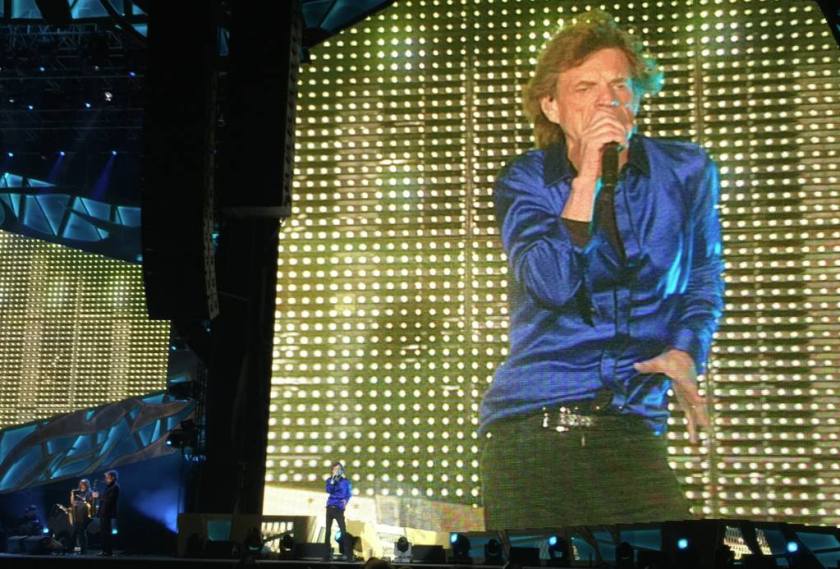
All the rock stars who defined the ‘60s, ‘70s and ‘80s are entering their 60s and 70s now. We’ll continue to see a slow drip of rock star deaths for years to come, and every one of them will make some of us feel a bit more mortal ourselves.
One morbid thing about living in New Zealand is that if a “legacy” act comes here, you jump on it, because it might be the last time they ever come down this way. I saw Mick Jagger strut like a golden god with the Stones in 2014, and I wouldn’t have missed it for the world. I didn’t get to what turned out to be Leonard Cohen’s last concert, ever, anywhere, right here in Auckland in 2013, and I’m kicking myself forever.
Watching the stars who peopled your teenage dreams grow old and fade away is a striking reminder that it’s happening to you, too. I’m afraid my musical tastes have become even more calcified with age, and I’m far more likely to listen to a Ramones album or the Kinks than I am a Tekashi 6ix9ine.
On disc or stream or vinyl, they’re all still young. They’re still there, forever young, no matter how many years pass or obits roll. To quote The Cars, “Uh oh, it’s magic, when I’m with you.”
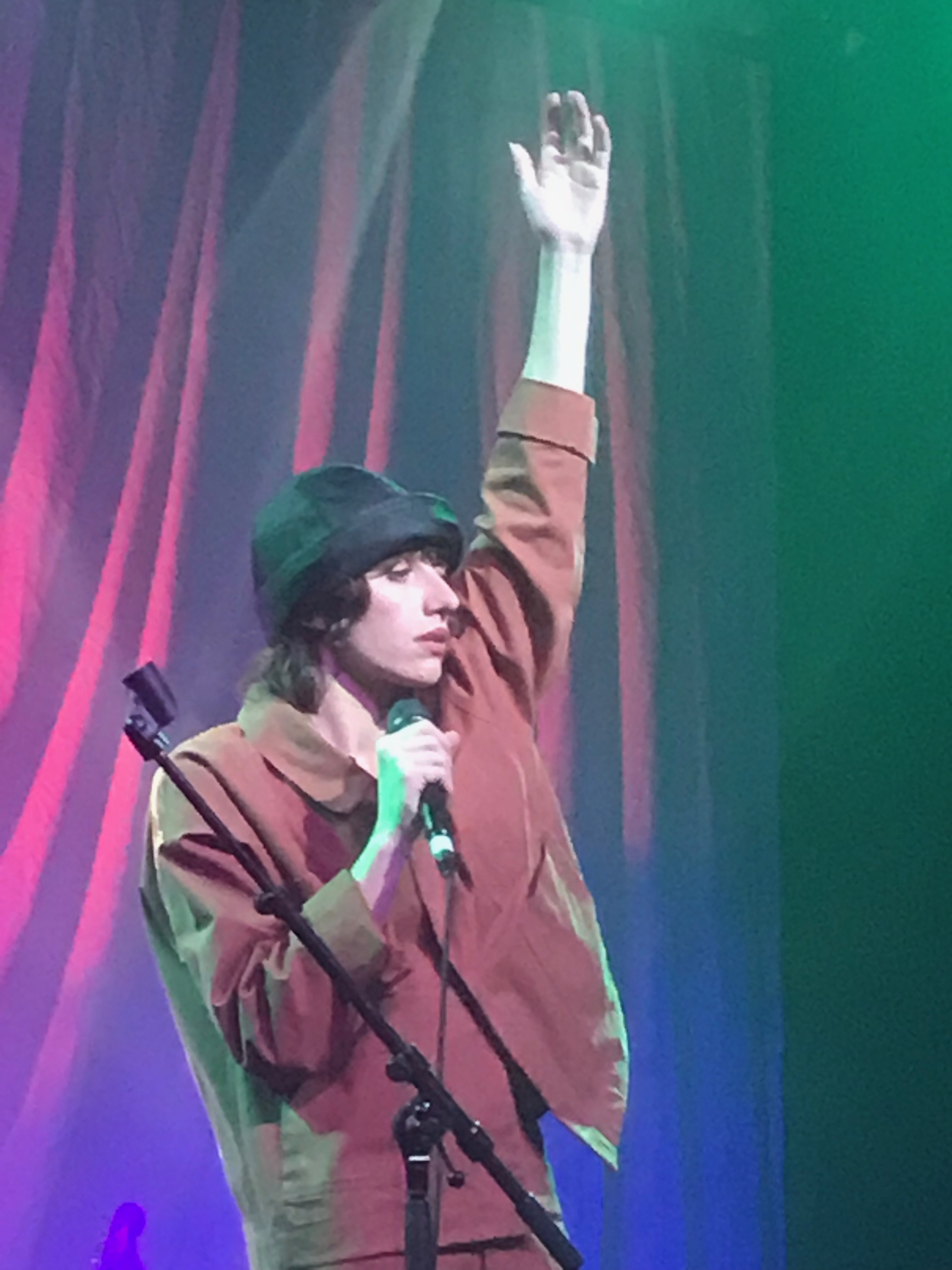 It takes a lot to shush up an Auckland Saturday night crowd with a single look. But
  I’ve been to shows at the Powerstation before for similarly stark, intimate shows and left annoyed by the singer being overwhelmed by the crash of beer bottles and the yammering of the audience. That wasn’t a problem tonight. On a cold August night, Harding felt like the hottest thing in town, something new and old at the same time blooming with an energy all its own. She closed with a magnificent, aching cover of Gerry Rafferty’s “Right Down The Line” and terrific new song, “Old Peel,” that left me with no doubt about her future.
 Sometime in the next few months, Elvis Presley will have been dead longer than he’s been alive.
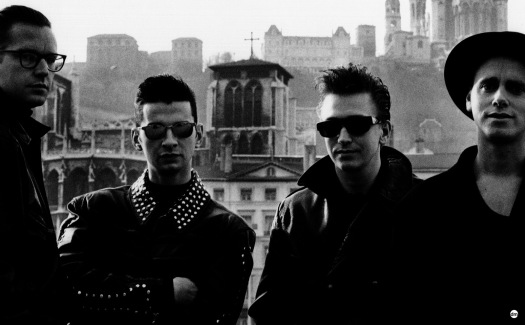 If I ever was to bottle the essence of my late teenage angst circa ages 16-20, it would smell a lot like Depeche Mode.
 Depeche Mode can roughly be broken up into three periods – their lighter “synth pop” phase of the first couple albums, when Erasure’s Vince Clarke was in the band, the “imperial phase” running from roughly “Construction Time Again” to “Ultra” when they pretty much ruled the proto-emo world, and the more muted, less omnipresent latter Mode, after Alan Wilder left the band, which continues pretty much to this day.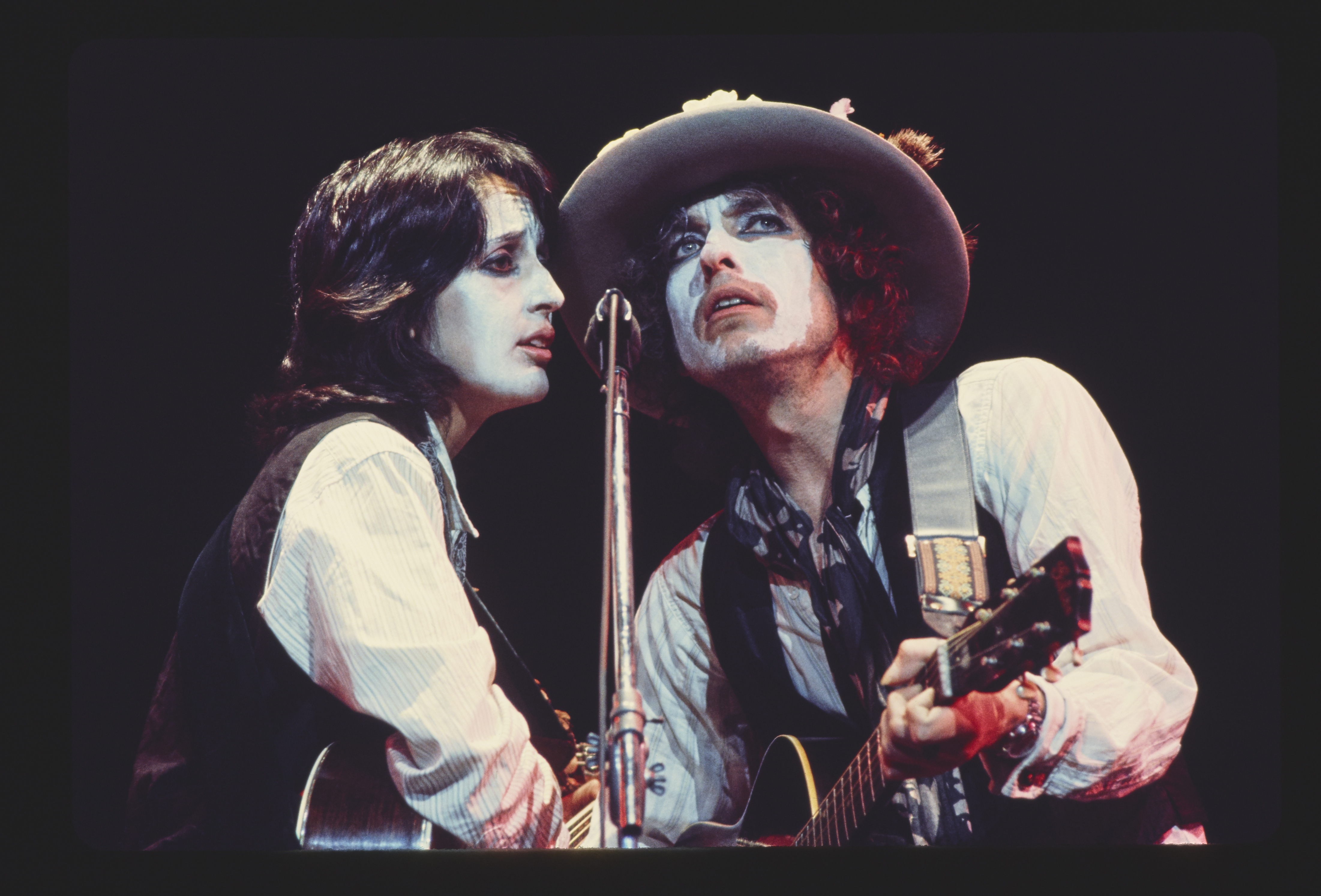
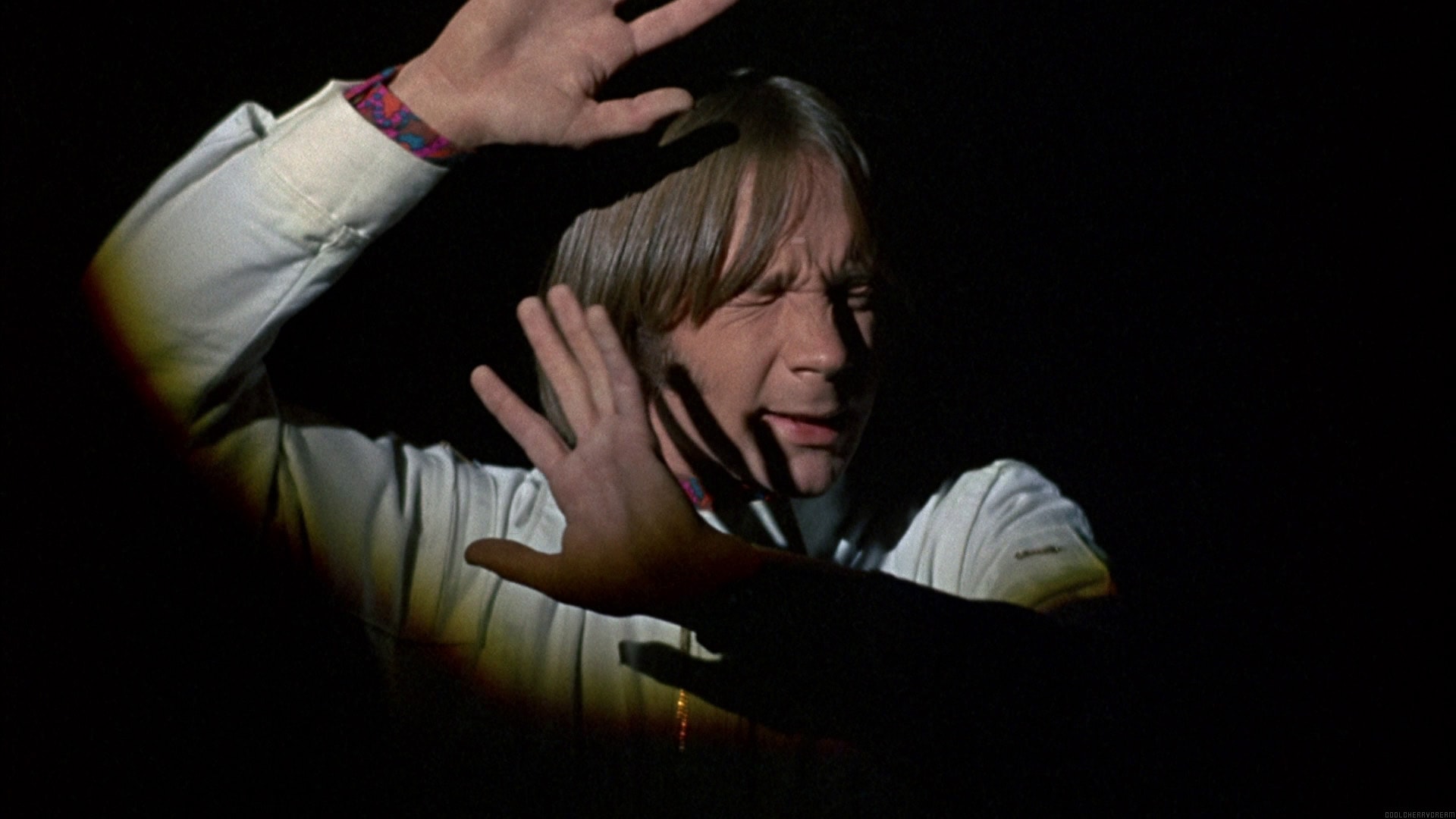
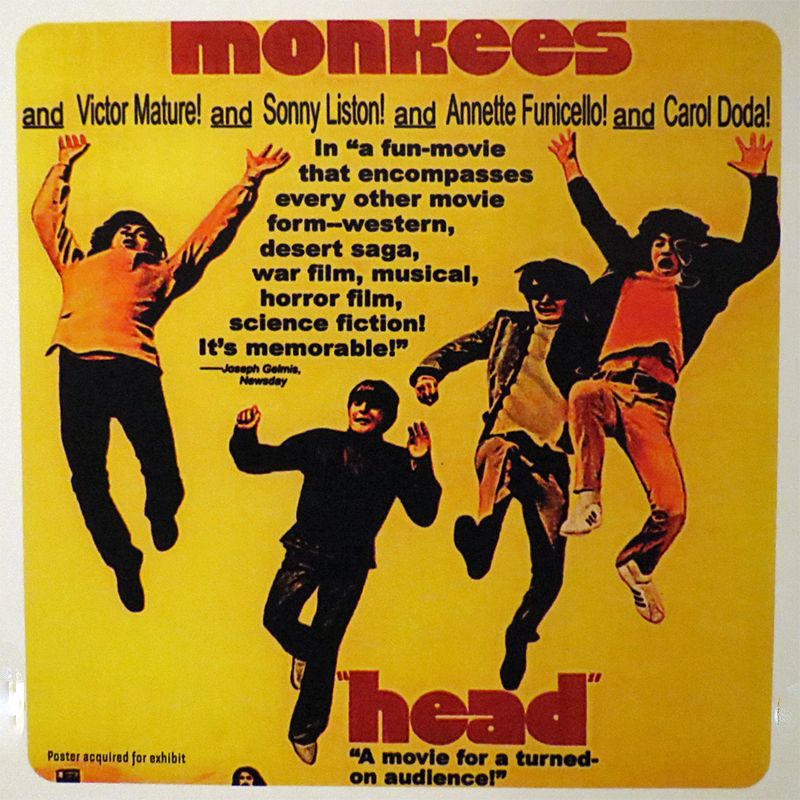 I’ve seen three of the Monkees live now, and I’m happy to have done so. But there was one last Monkee fan hurdle for me to cross: Their mysterious, controversial 1968 movie “Head,” which is either their finest moment or their nadir, depending on who you ask.
 Hey, hey, we are The Monkees / You know we love to please / A manufactured image / With no philosophies.
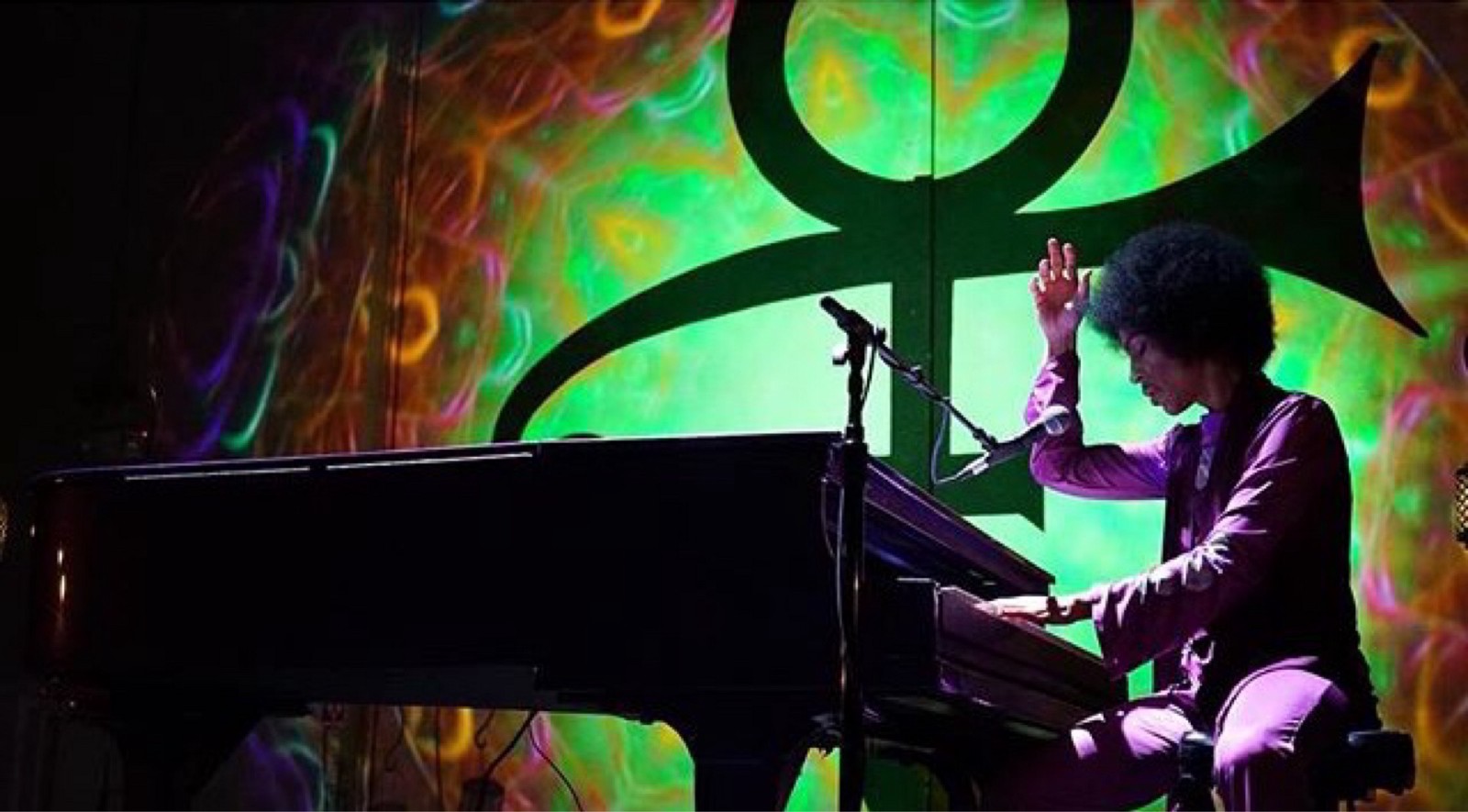 Prince would’ve turned 61 today. I saw him for the first and only time just two months before he died in 2016. I wrote this back then, the morning Prince died, mostly for myself:
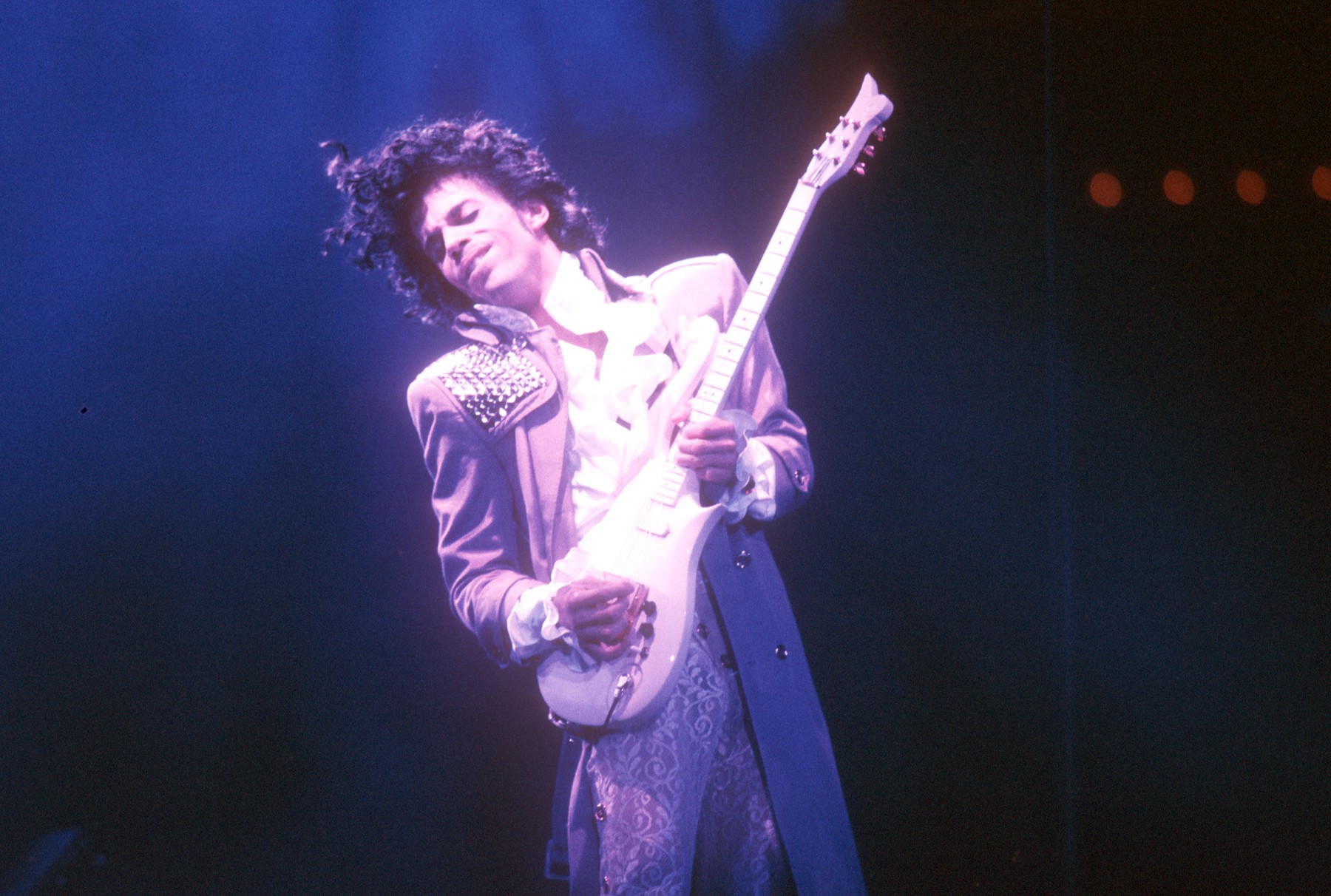 When I heard the Auckland show was Prince solo with a piano and a microphone I was a bit worried – none of those screeching, thunderous guitar solos, no dynamic interplay with the backing band. An “unplugged” Prince conjured up worrying images of a Las Vegas-style revue with the Purple One sipping on sparkling water and turning every song into a Liberace number.
 The Prince on stage at Aotea Centre was at the top of his game, a master at playing the crowd. But he was having FUN as well, something that’s hard to find at that lofty level of fame. He threw a dash of “Charlie Brown” theme music into “Little Red Corvette,” and it was like watching a master painter at work, scribbling tiny doodles in the margins. He recast all the classics, turning “Purple Rain” into a gospel revival, “Kiss” into a funky dance party. More than 30 years into his career, it felt like a victory lap.
 It wasn’t for nothing that one of his best albums is called A Man Called Destruction. He was the spirit of punk rock incarnated in a teen crooner’s body.
 It all started with a few mixtapes.
 My first exposure to
 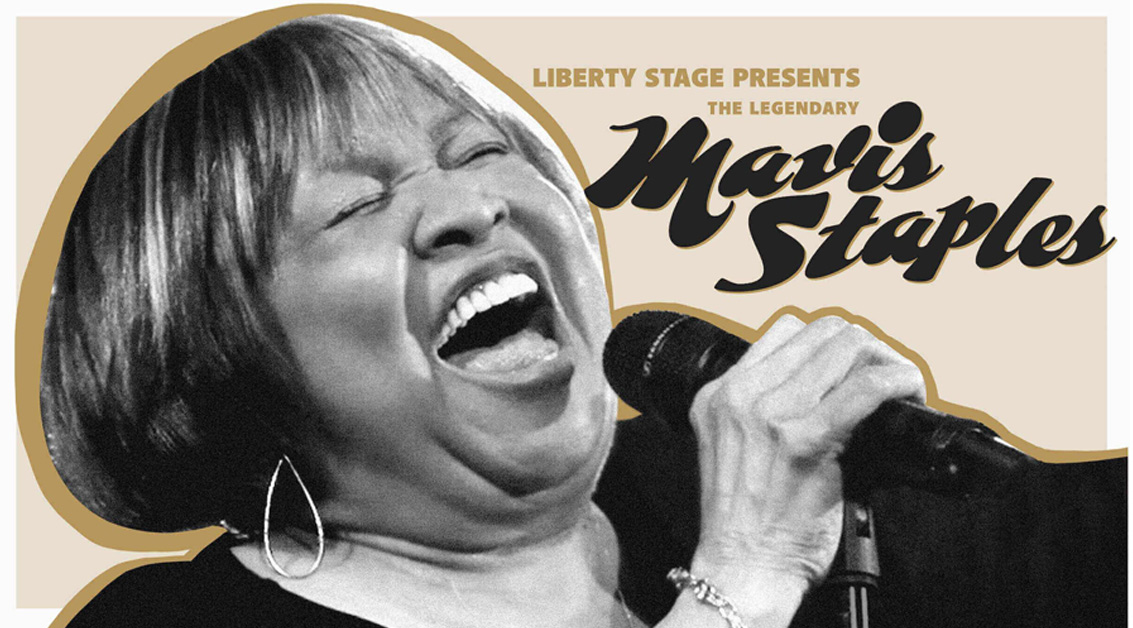 So when soul legend Mavis Staples came to town, I made sure to be there because I didn’t want to miss what might be my only chance to see her way down here in NZ.
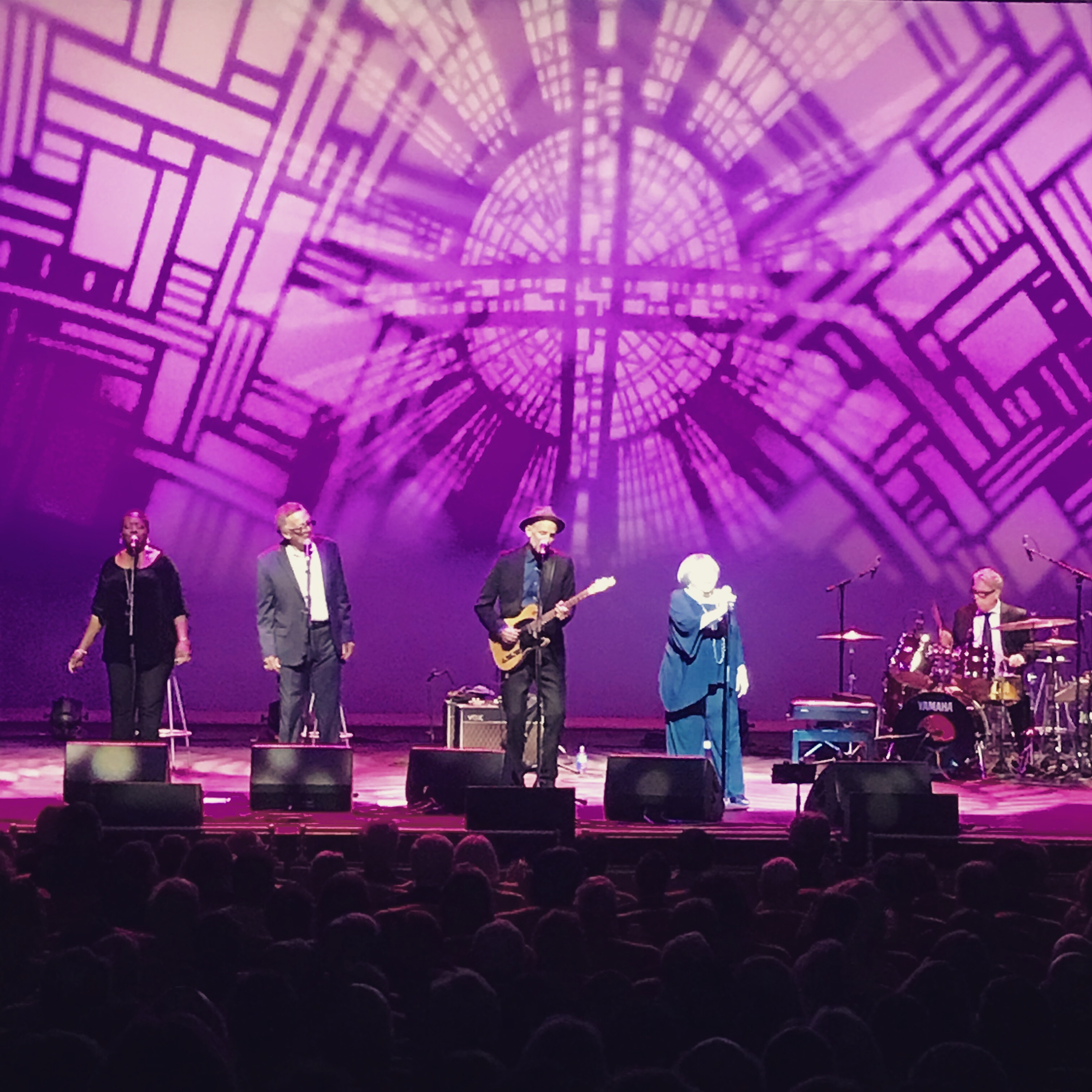 Today, Mavis Staples is a few months away from 80 years old, she’s barely five feet tall, and she was obviously nursing a sore throat, but she still tore the roof off the Civic Theatre in Auckland with her soaring voice and inspirational message.
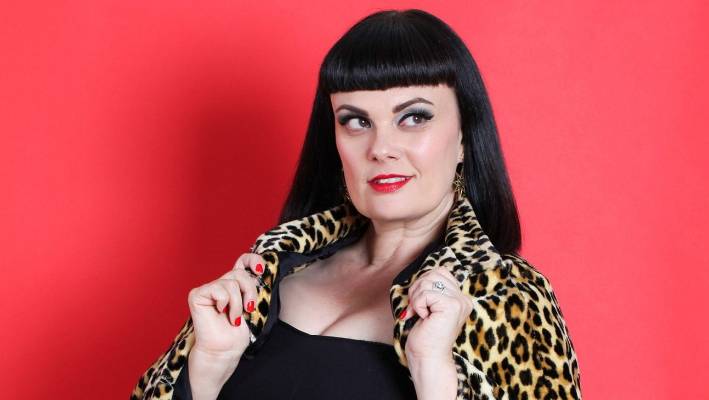 Opening for Mavis was the wonderful
  Nik Dirga