She was perhaps my first big Hollywood crush, because I was a budding teenage intellectual who caught Annie Hall on the TV sometime in the mid-1980s and recorded it on a VHS tape, watching it over and over until the image began to break down into jittery lines.
It was a movie that spoke to me of a wider, more glamorous world than small-town California, with wide Manhattan streets and everybody dropping witty banter and watching foreign movies that would surely change your life.
Her death yesterday at age 79 shocked me, when I shouldn’t really be too shocked anymore about us slowly losing all those great ‘70s and ‘80s stars of my youth. But Diane Keaton always felt so fervently alive, that for her to suddenly cease felt immensely wrong.
I’ve watched Annie Hall dozens of times and it sparked a lifelong love for the films of Woody Allen and Diane’s impressively light touch as an actress. (I know, I know, there’s a lot of pitfalls about being a Woody Allen fan these days, but despite many problematic concerns and allegations and my rather mixed feelings about the man himself, I can’t ignore that his movies shaped a hell of a lot of my teenage worldview, and that’s all I’m gonna say about that.)
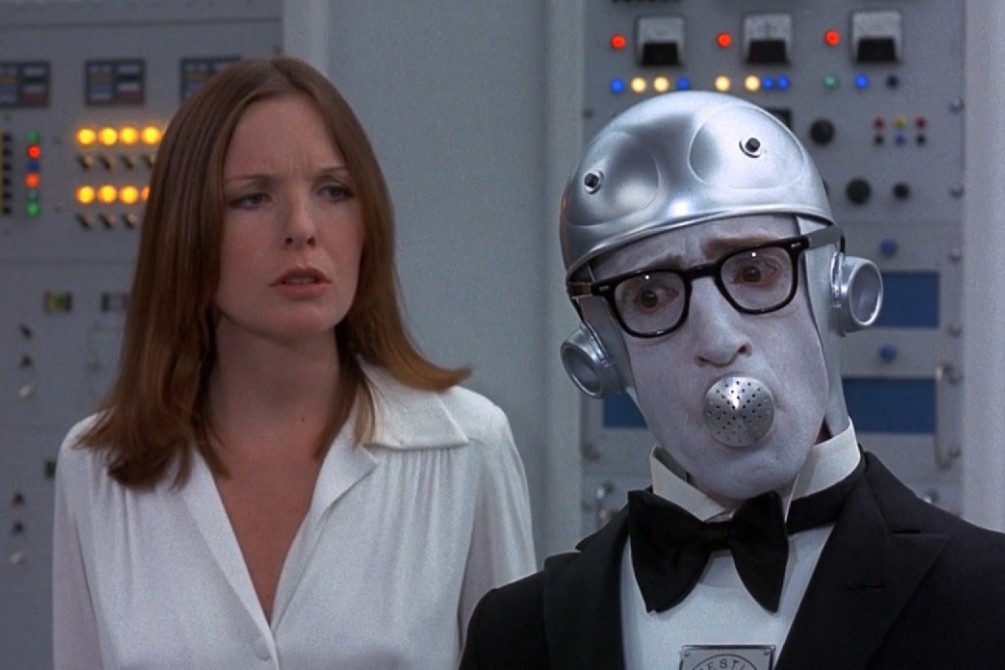
Diane’s “Annie Hall” character was the grand template for so many of Keaton’s comic characters in her wonderful Woody collaborations and more – a manic pixie-dream girl prototype who actually was often far wiser than those around her. Take her ditzy pleasure addict in Sleeper, who ends up a devoted revolutionary warrior, or her hilarious turn in the Russian mock comedy Love and Death, where her deadpan wit often blows everyone else off the screen.
She never quite played the same character in any of these films despite her style becoming a bit of a stereotype – look at her nuanced turn in Woody’s tricky dramedy Manhattan as a spurned ex or her delightful mid-career return to Woody as a paranoid, dissatisfied wife in the detective comic romp Manhattan Murder Mystery.
A natural successor to Katherine Hepburn, like her, Keaton always had a keen intelligence shining away behind that “la-de-da” exterior. You’d see it in films like The Godfather or Reds, where she turned that comic energy inwards to create vivid dramatic roles.
The same year as Annie Hall, she also starred in the incredibly dark Looking For Mr Goodbar as the anti-Annie. It’s a depressing, bleak film that aims to show the seamy underside of ‘70s swinger culture, but Keaton, as always, is very good – playing a character who isn’t as confident or cunning as she thinks, who ends up lost in a nightmare.
But it’s Keaton the comic I fell in love with watching Annie Hall over and over as the VHS tape juddered, and her great willingness to marry her stunning beauty with undignified pratfalls. Even in a middling ‘80s workplace comedy like Baby Boom, she sells her character’s turn from stoic yuppie to loving mother with an unforced ease.
As Keaton got older she played lots of moms and winter romances, not all of them great movies, but she was never better than in her final Oscar-nominated turn in 2003’s Something’s Gotta Give. All of the classic elements of those silly rich white folks rom-coms are here – houses in the Hamptons, characters swanning through privilege without a care in the world – but again, Keaton takes the material and makes it so much better with her wit and sincerity. Was there ever a sexier comic love triangle than both Jack Nicholson and hot young doctor Keanu Reeves falling for Diane Keaton? And why wouldn’t they?
Keaton grew old gracefully, even if she left a little too soon, and there’s as much to love in the middle-aged longing of Something’s Gotta Give as there is in the bright-eyed unwitting fashion icon of Annie Hall. I kind of loved them all – after all, you never forget your first love.
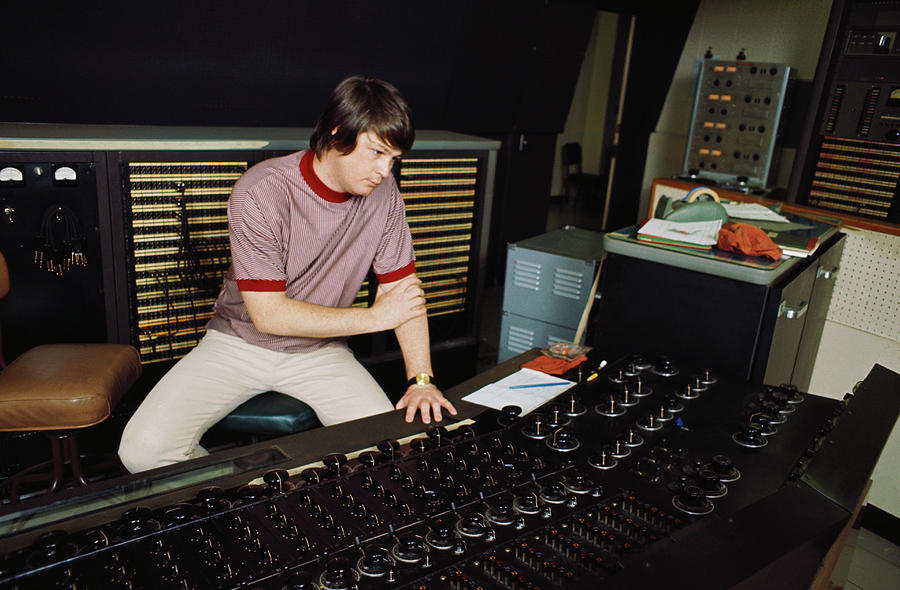
Brian Wilson’s music felt like the sound of America – beautiful, optimistic, full of big dreams and more than a little sad sometimes.
Beach Boys founder and principal songwriter Wilson died today at 82, after a career that changed American pop music and the world.
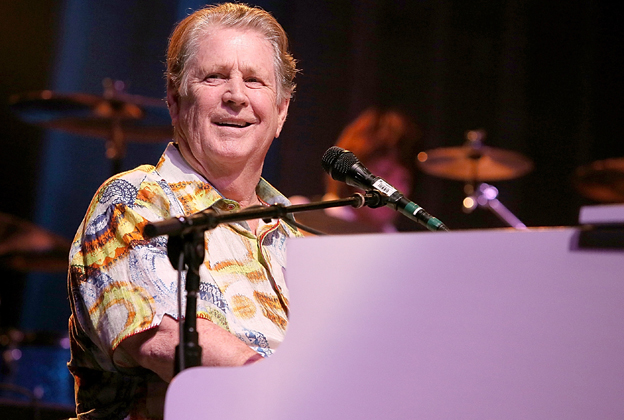
I was very glad to see Brian Wilson perform his classic album Pet Sounds in Auckland at the Civic in 2016 in what turned out to be his final show in Aotearoa. Then in his early 70s, he was fragile and seemed a bit off in his own reality, but he played those songs and gamely sang along the best he could (of course, the younger band members took those high falsetto notes).
We loved Brian, that night, simply for showing up and for all that his music represents. Backed by a crack band, he sat at the piano for most of the show and the audience banter was mostly left to fellow ex-Beach Boy Al Jardine. But for anyone who made it there that night, it was a rare glimpse at genius. A nod and a smile from Brian Wilson felt like the sun breaking through clouds.
I admit, I took a while to warm up to the Beach Boys, who seemed inescapably cheesy when I was growing up in the 1980s, when their only songs you heard were the incredibly catchy and annoying ‘Kokomo’ from Tom Cruise’s movie Cocktail and a painful duet of ‘Wipe Out’ with novelty rap trio The Fat Boys.
But then, something clicked after I listened to The Beach Boys’ landmark 1966 album Pet Sounds several times. Brian Wilson led the group’s transformation from singing about sand, girls and cars to the existential yearning of ‘God Only Knows.’
The charming harmonies of their earlier frothier work were still there, but instead of surfin’ and chicks, Wilson’s gorgeous tunes like ‘Wouldn’t It Be Nice,’ ‘Caroline, No’ and ‘I Just Wasn’t Made For These Times’ tapped into some more elemental form of longing. The glossy surface of the best Beach Boys songs hid a world of emotion beneath. Why isn’t life as perfect as we dream it should be, and how do we survive it all?
After Pet Sounds, Wilson became lost in a fog of drug use, collapsing mental health and creative frustration. The Beach Boys long-delayed album Smile became his waterloo, “lost” and never officially released until it finally came out in several versions years later.
Wilson battled mental health problems and the trauma from an abusive childhood in an era where help wasn’t easy to get, where you were just told to toughen up and stop your moaning.
Still, Wilson came back from some incredible lows to perform and write again. He got back up, made it here to Auckland in his 70s and still was able to sing those songs about surf, girls and the inner workings of the heart.
The early Beach Boys song ‘In My Room’ is a gorgeous melody, but in those lyrics – “In this world I lock out / All my worries and my fears / In my room” – they summed up how all of us feel on our bad days, and our hopes for a better tomorrow.
The Beach Boys weren’t quite as godlike as the Beatles, as dangerous as the Rolling Stones or as groovy as Sly and the Family Stone. Yet their music changed the world by selling that quintessential California optimism worldwide – surf culture everywhere, including New Zealand, would never quite be the same. But it was also selling Wilson’s more subtle messages, of working with your mental health and of finding peace in a complicated life.
The 1960s saw American optimism start to crack for the first time, in ways we’re still seeing echoes of today. The Beach Boys were never revolutionary, but the best of their songs told us it was OK to sing about your feelings, to admit you were scared and to look for the beauty where you could find it. “Still, I have the warmth of the sun,” Wilson sang in another one of those songs about a girl who left him. There’s always sunshine somewhere.
It’s been a bad week for music, with the death of Wilson and Sly Stone, two troubled twin dreamers who spun timeless songs out of the chaotic 1960s. Both men dazzled with their talent but spent years isolated and dealing with their own demons.
I’m an agnostic, but I still like to think that somewhere out there in the cosmos right now Brian Wilson and Sly Stone are sitting there hanging out together writing the best song of all time, and maybe, just maybe, it’s the one we’ll all get to hear one day at the moment our own time comes.
Peter David perhaps wasn’t quite a household name, but any comics fan from the late 1980s onward knew who he was. The acclaimed comics and novel writer died overnight at age 68.
David’s remarkable 12-year-run on the Incredible Hulk changed the character forever from the “Hulk smash” days, while his work on everything from Spectacular Spider-Man to Aquaman to X-Factor to Star Trek was always entertaining, full of humour and sharp dialogue. He wrote many novels and was also an excellent, underrated essayist with his long-running “But I Digress” columns in the late, great Comics Buyers’ Guide.
Simply put, he was a writer who knew the assignment, and delivered almost every time.
Unfortunately, his sadly early death wasn’t a shock, as he’d been in terrible health for ages. David suffered a stroke in 2012 and spent most of the last few years in hospital or rehab care due to kidney disease, diabetes, heart attacks and more strokes. As a fan, it was hard to hear news of his slow decline. Remarkably, he kept writing through most of it all.
Being funny is harder than it looks, but David often made it look easy. His relaxed, friendly style and deft hand with a one-liner stood out from the crowd when he began writing professionally after a long stint in sales for Marvel Comics.
Reading David’s early Hulk and Spider-Man comics back when I was in high school, his voice was an important influence for me in developing my own goofy comics writing style with Amoeba Adventures.
I’ve always been drawn to the sour and sweet combination of mixing dramatic moments with silly one-liners and slapstick, and David was a master at that balance. He knew when to go for the gag and to go for the gut. Not every joke landed or has dated well, but there was a lightness of spirit to Peter David’s best work that holds up well.
He was never an Alan Moore/Grant Morrison type writer who deconstructed the comics medium, but instead a steady journeyman like Kurt Busiek or Roger Stern who could be counted on for providing usually excellent comics soaked in that hilarious wit.
His death may not have been preventable, but the one thing that makes me truly angry today is how Peter David and his family spent so much of the last few years fighting to fund his health care. It was great to see so much support for crowdfunding his care when the call came – I donated a couple times myself – but with his death today, I wonder why it came down to GoFundMe to support a dying man and his family.
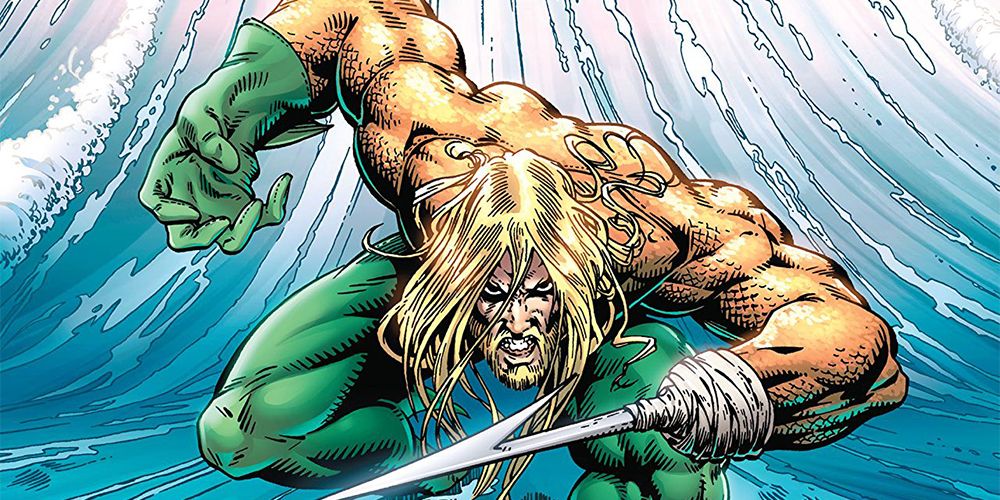
Disney, DC Comics and Sony made millions and millions from Peter David creations like Spider-Man 2099 in the Spider-Verse movies, the “smart” Professor Hulk as seen by Mark Ruffalo in Avengers: Endgame, the revamp of the dull fishy Aquaman into the sexy long-haired, bearded warrior that Jason Momoa turned into a worldwide movie hit, the Young Justice team of tween sidekick heroes who headlined a hit animated series – just for starters.
And yet twice, his family had to turn to GoFundMe for help as David’s condition worsened, as Medicaid cut off funding and his widow Kathleen spent an unfathomable amount of time wrestling with the unfair labyrinth of American health “care”. I’m not saying corporations owe it to creators to fund every moment of their lives, but David suffered for a long, long time in hospitals and rehab, and a million dollars jointly donated by Marvel, DC and Sony could have gone a long way and been a drop in the bucket for companies like Disney and Sony that earn billions every year.
Comics will break your heart, the Jack Kirby saying popularised by NZ cartoonist Dylan Horrocks goes, but Peter David’s last years could have been a bit easier with a little bit of corporate kindness. His life’s work amused and entertained millions. It would be nice to think his death might make a difference somehow, too.
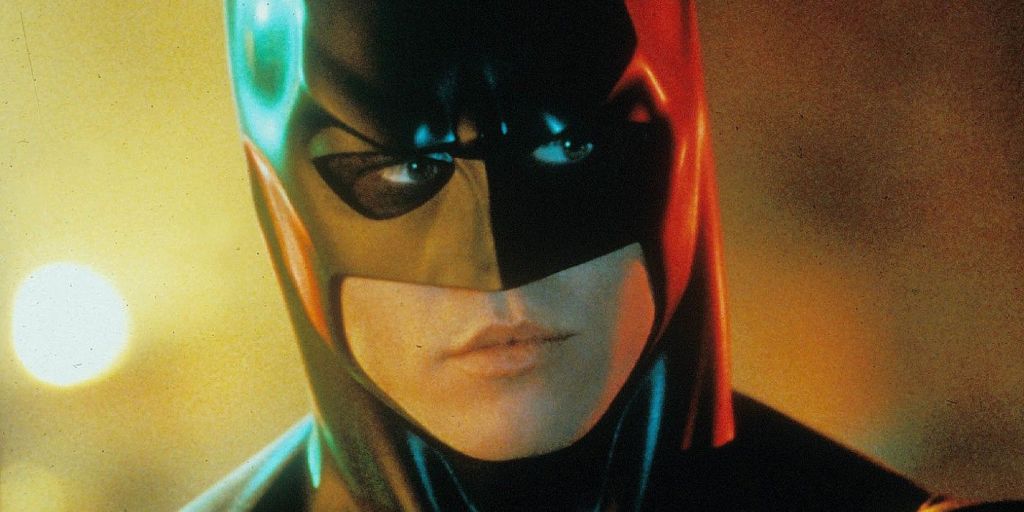
Val Kilmer was a complicated guy, but he left behind a lot of indelible movie performances. Nobody would ever call Batman Forevera good movie, really, but despite all the missteps and terribly 1990s trappings of it all, there are moments when I do think Kilmer’s Batman is one of my favourite takes on the caped crusader.
Kilmer, I think, was the funniest Batman other than ’60s icon Adam West. That’s not exactly something that fans of none-more-dark Dark Knight takes might appreciate.
As a Bat-fan, I’ve always liked the Batman who was a little more human, the one we’d see running around in Brave and Bold comics in the 1970s tossing quips about with Green Arrow and Kamandi. A Batman who is so utterly bleak gets a bit old.
Director Joel Schumacher took all the gothic weirdness and carnival humour of Tim Burton’s first two Bat-movies and exploded it into full-on camp and neon garishness. Batman Forever, turning 30 in 2025, was a huge hit, lest we forget, the #1 movie of the year. But it all came crashing down with 1997’s flop Batman and Robin, this time starring a far too-glib George Clooney as Bats and ramping up the colourful kitsch about 500% more. Few people look back at Schumacher’s Batman as a peak for the character now.
And Batman Foreverisa mess, don’t get me wrong. It might just boast the two most annoying comic book movie villains of all time in Jim Carrey’s insufferably twitchy Riddler and Tommy Lee Jones’ frantic and undignified Two-Face, who spends most of the movie cackling, grunting and wahoo-ing. The movie shoehorns in an origin for Chris O’Donnell‘s totally ’90s Robin, an incredibly sexed-up Nicole Kidman as a love interest and a kind of incoherent plot about brain-stealing technology. Whenever I watch it I have to fight the urge to slap Carrey so I can focus on the bits that do work.
It starts off clearly stating it isn’t going to be Keaton/Burton’s Batman, with fetishistic shots of Kilmer donning the Bat-gear and the first lines of dialogue being a lame joke about Batman getting drive-through for dinner. (Cue that McDonald’s ad, of course.)
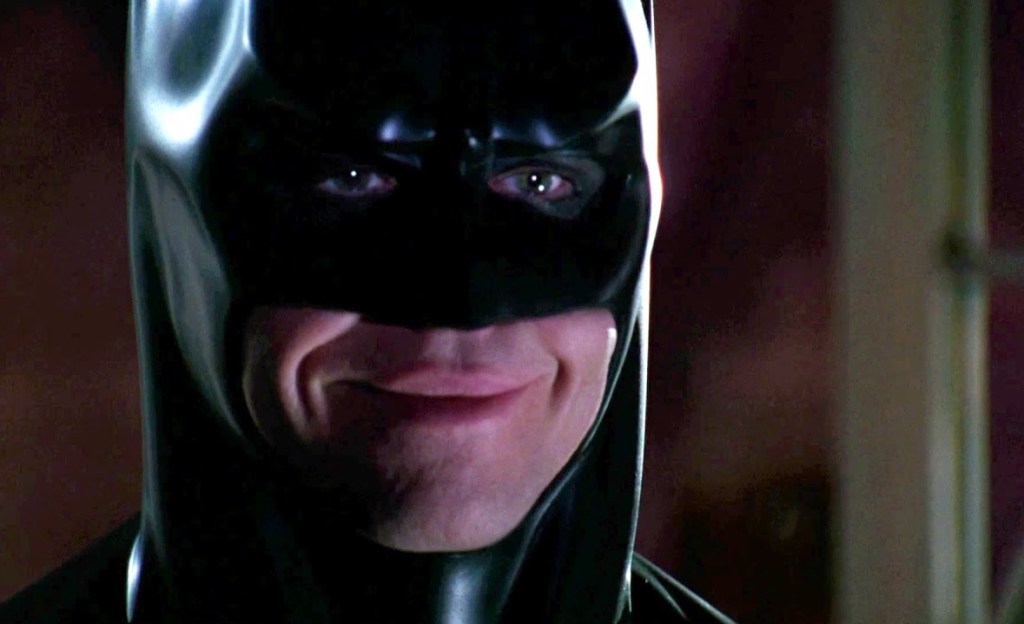
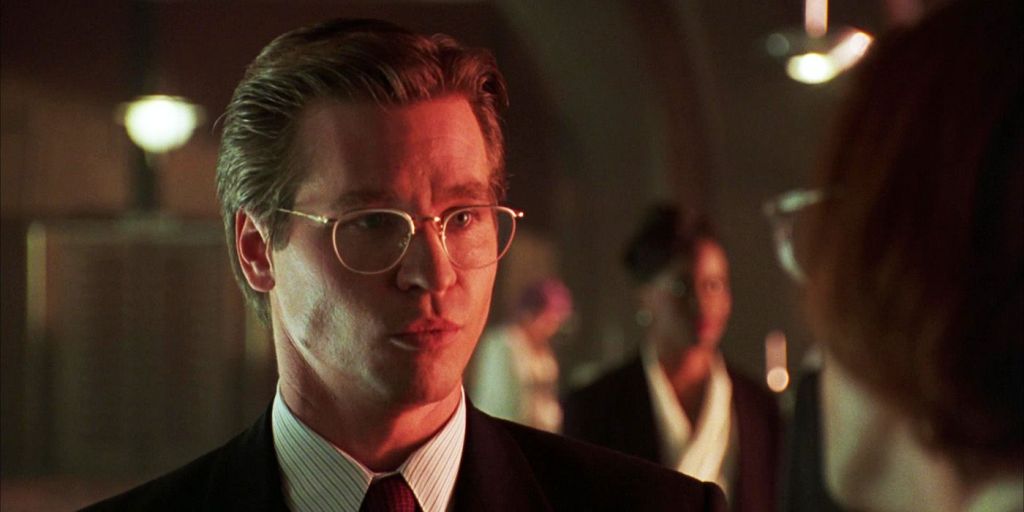
And yet, I like Kilmer as a blonde Bruce Wayne/Batman. There is a sly wit to Kilmer’s performance, which gives us a Batman with a sense of humour without being quite as lightweight as Clooney ended up. Little tics linger like his Bruce Wayne constantly fooling about with glasses (does Batman wear contacts?). His Batman smiles broadly in one memorable scene, which could be cheesy but Kilmer makes it a little, well, charming and sincere. Why can’t Batman smile, occasionally? It ain’t always dark.
His Bruce Wayne is courageous and not just a playboy – brawling with villains without a costume in several scenes, focused with a whiff of arrogance, and smart but also a little scared.
Michael Keaton was a tense and wiry surprise as Batman (it’s easy now to forget his casting was hated by pre-internet fandom once upon a time) and Bale, Pattinson and Affleck have all given us variations on a very serious, stern Bruce Wayne/Batman. But I still think Kilmer’s Batman is the only one who seems kind of like a Batman you’d want to hang out with, really.
Kilmer navigates Batman’s dual nature fairly well in Batman Forever – haunted by his past, but wanting to have a life of his own outside Batman. The rickety script doesn’t really serve him well – at one point Batman quits, only to unquit about 30 seconds later – but Kilmer sells story beats like his mentorship of the angry young Robin and his attraction to Kidman’s ridiculously horny psychologist character.
He cracks a few jokes, but he never makes Batman the joke. Kilmer’s movies like Tombstone and Top Secret and Kiss Kiss Bang Bang were great, but his underrated Batman manages the trick of making a mediocre movie almost worth liking.
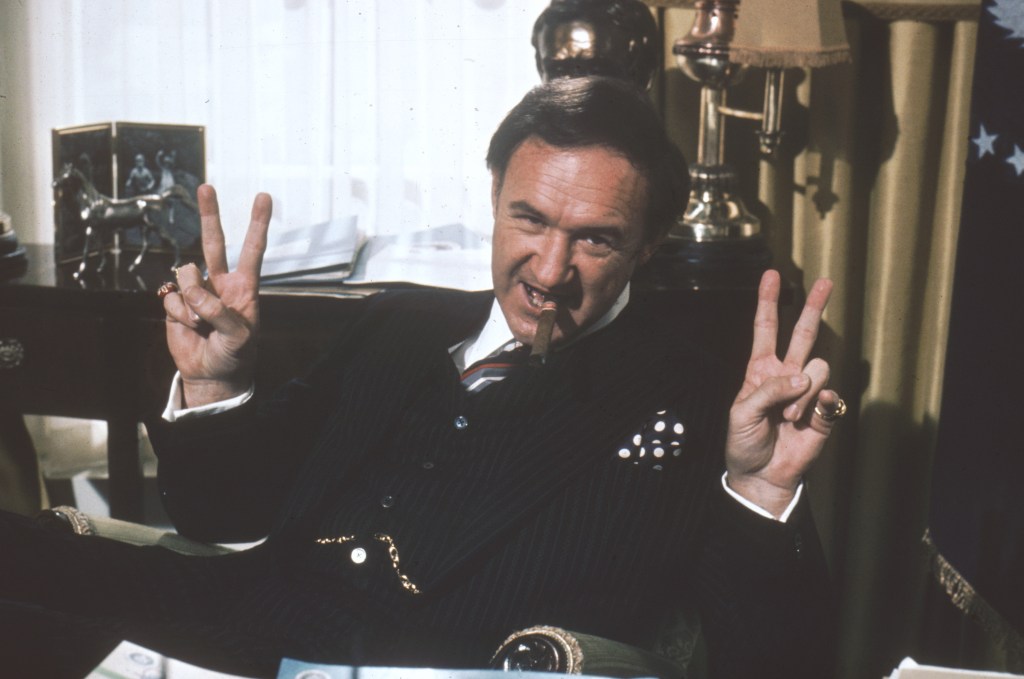
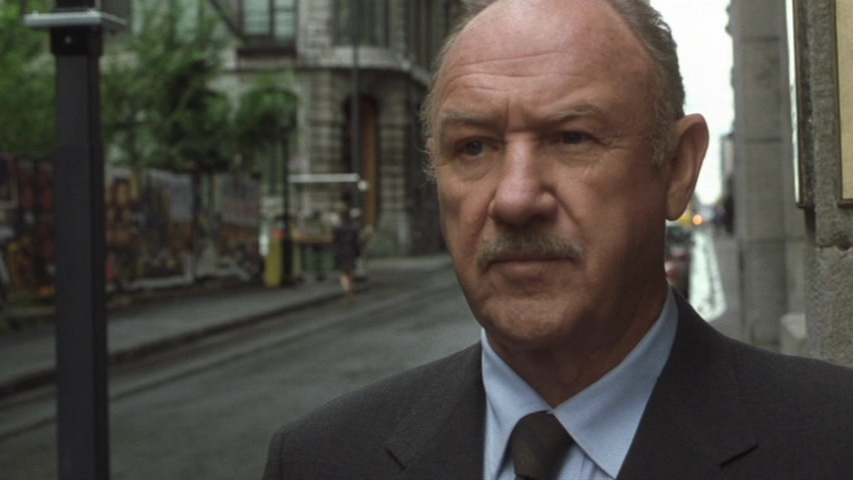
If I had a nickel for every time I saw Gene Hackman called an “everyman” in the past week or so, I’d be rich. But Hackman – easily one of my top half-dozen or so favourite actors – was no everyman, really. He was less instantly dazzling than a golden god like Robert Redford or Warren Beatty perhaps, but he was magnetic nevertheless. He packed a quiet authority into every performance while keeping his characters relatable and real. He could play thieves, cops, cowboys and con men, and the only thing ‘everyman’ to me about his acting was his sheer versatility.
It’s sad that the dramatic circumstances of his and his wife’s deaths kicked off the kind of tabloid frenzy that you know Hackman would’ve hated. Gene Hackman is gone at 95. It’s the work that remains, and endures.
Obituaries were quick to mention all the unmistakable masterpieces he was involved with – The French Connection, Bonnie and Clyde, The Conversation, Unforgiven, The Royal Tenenbaums. But Hackman’s long career is full of gems.
He was the kind of actor who kicked even the most mediocre of movies up a notch through his presence. Since the news of his death broke, rather than wallowing in morbid details of his death, I’ve been celebrating Hackman’s life on screen. Here’s 10 of my favourite somewhat underrated Gene Hackman films well worth seeking out:
I Never Sang For My Father (1970) – Hackman received an Oscar nomination for this melodrama about a troubled son trying to connect to his difficult father, and it’s one of his finest roles, but nearly forgotten today (I blame the kind of terrible title). This one digs into complicated relationships with aging parents with a kind of brutal honesty that’s still pretty stunning today. Playing a repressed and conflicted ordinary joe, Hackman shows how much he can do with just his eyes and furrowed brow.
Prime Cut (1972) – This bitterly black and mean piece of farm noir stars Lee Marvin as a grim mob fixer and Hackman as a sleazy Kansas cattle rancher who also dabbles in sex slavery and gruesome murders. Despite his kind of limited screen time, Hackman’s grinningly amoral slimeball is a nasty delight – “Cow flesh, girl flesh … all the same to me.”
The Poseidon Adventure (1972) – Titanic without all the sappy romance nonsense, this rip-roaring disaster epic was a huge hit back in the day, and a big part of that is thanks to Hackman in a firm leading man action hero role – as an iconoclastic free-thinking priest, of all things. It doesn’t get mentioned in the same league as grittier stuff like The French Connection, but it’s anchored by Hickman’s charisma and prickly guts. Big and bold fun, it’s corny and yet riveting 50-plus years later, and it’s impossible not to cheer for Hackman as he single-handedly tries to save the survivors on a quickly sinking cruise ship.
Scarecrow (1973) – The only movie that paired acting legends Al Pacino and Hackman, as two wandering vagabonds making their way from California to the East Coast. Hackman’s gruff and sullen character pairs well with Pacino’s fidgety, chatty loser, as what starts off as an odd couple buddy comedy turns into a heartbreaking little gem about failure and optimism.
The French Connection II (1975) – Somewhat overshadowed by its Oscar-winning predecessor, this sequel takes Hackman’s brute cop Popeye Doyle down into the abyss. It picks right up from the first movie with an obsessed Doyle travelling to France to track down the drug dealer who got away. Cannily undermining sequel expectations, it features a long, riveting sequence where Doyle is captured and addicted to heroin. Like the first, it’s a kind of anti-cop story that lingers in the brain.
Night Moves (1975) – I love me some “sweaty noir,” and this steamy Florida mystery delivers sex, death and malice in equal measures. Hackman is a hapless private detective who gets wrapped up in a missing persons case that slowly submerges his entire life. A movie that’s soaked with a sense of anxiety and despair all the way through, somewhat forgotten but now getting its due.
Superman II (1980) – I’m pretty sure the first time I ever saw Gene Hackman on screen was his oily, confident turn as Lex Luthor. He’s great in the first movie, too, but for me, Superman II will always be my favourite, as Luthor sidles on in about halfway through and tries to play both sides in Superman’s battle against Zod. The scene where Luthor swaggers on into the Daily Planet and attempts to charm three insanely powerful alien psychopaths through sheer force of will is peak Hackman to me. “Kill me? Lex Luthor? Extinguish the greatest criminal flame of our age?” It’s easy to dismiss his Luthor as a work-for-hire gig (especially when you look at the woeful Superman IV) but there’s frequently a sparkle in Hackman’s eye that shows how much fun he was having.
BAT-21 (1988): Hackman, a former Marine himself, played lots of military men. He shines here as a cerebral Air Force navigator shot down in Vietnam and trying to stay alive. This one got kind of lost in the flood of Vietnam movies of the late ’80s like Platoon, but is worth revisiting. His hero is no Rambo – he’s a desk jockey trying to stay alive who’s never actually experienced war up close – and Hackman’s thoughtful, restrained performance gives it more depth than your usual gung-ho war picture.
The Quick And The Dead (1995): Sam Raimi’s delightfully campy western boasts a murderer’s row of talent – Leonardo DiCaprio, Russell Crowe, Sharon Stone – but Hackman’s smiling psychopath John Herod is a scenery-chewing delight, a brasher and wilder take on his Oscar-winning Unforgiven killer.
Heist (2001): Hackman was surely made to rattle off David Mamet’s whip-smart dialogue, and in one of his last films before retiring, he’s perfect as an ageing thief looking to make one last score. While its tangled heist plot is an echo of many other movies, it’s just a pleasure to watch Hackman and a motley crew of great actors doing crimes and cracking wise.
Thanks for the movies, Gene. You were no everyman to me.
It’s inescapable that older one gets the more people you lose, whether it’s family or the creators and icons you look up to. I could turn this into a full-time obituary blog these days if I wanted to, I reckon, but one also has to grasp for the light sometimes. All our heroes go away eventually.
And honestly, any celebrity death, no matter who, is probably never going to strike me quite like the big loss that blots out the sky for me, my father’s passing last May. That’s the kind of shattering experience you somehow get through, but you’re never really the same, are you? Life is marked in before and after now.
The last celebrity death I think I really cried over was David Bowie, because it just seemed so utterly shocking at the time – the man just put out a new album, he wasn’t even 70, and everyone knows you don’t up and die during an album release window. That one hurt, in the sort of unsettling way that maybe leaves a person thinking you’ll never quite let yourself be that vulnerable again to a celebrity death. And so, Prince, just two months later, was awful as well, but it didn’t hit me as a hammerblow to the brain.
We’ve lost two of my favourites in just a week – film genius David Lynch, who left us at 78, and the legendary cartoonist Jules Feiffer, whose death today at 95 was just announced. Two very different men but two whose work really shaped me and how I look at the world.
There’s been a lot said about David Lynch this week and I don’t know much more I can add to the discourse other than to say, the man rewired your brains. I remember scrambling to watch Twin Peaks my freshman year in college, where I didn’t even own a TV, having to borrow a tiny portable model from someone in the dorm. I’d never seen anything quite like this combination of American mystery and menace. A couple years later a friend and I watched a VHS of Eraserhead and at the end sat stunned, gasping, muttering “What? What?!?” over and over again. Lynch did that for you.
The night he died I watched Blue Velvet again for the nth time, and like any masterpiece, every time I see it, it unfolds slightly differently to me. The unmistakable brilliance of the opening credits, American beauty crashing up against the rot underneath – this week, this month, this deranged moment in American history, we all need to pay more attention to the bugs beneath the earth, chittering away. Kyle Maclachlan’s jaunty student discovering the evil underneath, and the unanswerable question – how do we get past the bad things?
Jules Feiffer was a little more underground, perhaps, but his fingerprints were surely on something you watched or read – besides his long-running cartoon in the Village Voice, he was quite possibly the last living link to the Golden Age of comic books, blustering his way into a job with the legendary Will Eisner at just 16 or so and then ending up working on the iconic Spirit. He wrote books of comic history that broke new ground, he drew The Phantom Tollboth classic children’s book, he wrote scrappy novels, he wrote the screenplays for both Carnal Knowledge and Robert Altman’s Popeye and two more different movies you could scarcely imagine. He was drawing right up until the end at age 95.
Feiffer was never a classically great artist, but that was the point – his scribbled, sketchy lines danced with expression, his bitter wit on everything from romance to Richard Nixon stung in a way most young political cartoonists would dream of. When I was a kid, my parents had Feiffer’s Marriage Manual on a shelf in their bedroom, where the kind of adult books were kept. I snuck a look at it and his wiry, intense takes on love and romance turned out not to be full of nekkid ladies, but instead a kind of naked, barbed genius that hooked me instantly. Cartoons could be about life! Whether it was books, comics, movies, plays, Feiffer was the kind of renaissance man creator that quietly helped shape the 20th century. He sure shaped me.
“Now it’s dark,” the vile Frank Booth whispers in Blue Velvet shortly before unspeakable acts.
I’ve accepted we will see more and more go like they did in 2024 – author Paul Auster, whose tense and vibrant books never stopped wondering at life’s mysteries; The Chills’ Martin Phillipps, whose music summed up New Zealand to me; perpetually surly character actor Dabney Coleman, whose Slap Maxwell Story is still one of the best cranky journalists performances I’ve seen; CAN’s unmistakable voice Damo Suzuki and the MC5’s scorching guitarist Wayne Kramer; Gena Rowlands, whose naked honesty scorched the silver screen; the tragic Ed Piskor, prolific, detailed and often-dazzling cartoonist gone too soon to suicide; Donald Sutherland, who said more with a raised eyebrow than many do their whole career; smiling Carl Weathers, who seemed poured out of liquid muscles in the Rocky movies that I watched endlessly; John Cassady, whose ripplingly beautiful art in Planetary, X-Men and others seemed too good to be true;Paul Fry, one of my journalism mentors and a hell of a guy; the small press comics creator Larry Blake, whose precise art deserved a wider audience; PresidentJimmy Carter, perhaps the last good man. And so many more. That’s just the tip of those who left in the past year or so.
It’s a lot. No matter what we do, they all keep going, and one day we’ll go, too. But they leave the shapes behind.
But maybe it’s Dad’s death, maybe it’s just that we live in a world of constant troubles and you can’t live with hate and regrets in your heart the whole time, but I’ve been trying to accept the dark and admire the light a little more this past 8 months or so.
It all gets muddled together, the losses we face in this life.
I hate that it does get dark, that David Lynch will make no more films and Jules Feiffer will draw no more cartoons, but they left us so much. I will pull out my Feiffer paperbacks and smile and I will head down to the marvellous local revival cinema and see some of David Lynch’s movies on the big screen next month.
I keep dreaming about my Dad a lot lately, the brain puttering away while I sleep, doing the strange work of processing life. I don’t mind that. He’s still here, really. They all are.
When I think of New Zealand music, spawned way down here at the bottom of the world, the very first thing that always pops into my brain is the brooding, bouncy opening chords of The Chills’ “Pink Frost.”
Martin Phillipps, the lead singer and driving force behind the Chills, died this weekend at just 61 years old, and for any fan of NZ music, it hits hard. Gorgeous and mysterious and intimate and epic, the best of the Chills’ music evoked New Zealand for me in a way that nothing else quite ever could. There is a beautiful mystery to it.
I wrote a lengthy post back in 2019 about Phillipps and the Chills after being fortunate enough to see him at the premiere of the excellent documentary on the band’s twisting career: Martin Phillipps and the endless cool of the Chills.
It says everything I still feel now about this wonderful curiosity of a band, who maybe never quite became a household name in the wider world, but who had a knack for perhaps music’s most elusive, perfect quality – the ability to instantly send you away, into a new place.
Thanks for everything, Martin. The music lives on. Crank up “Heavenly Pop Hit” and enjoy what he left behind.
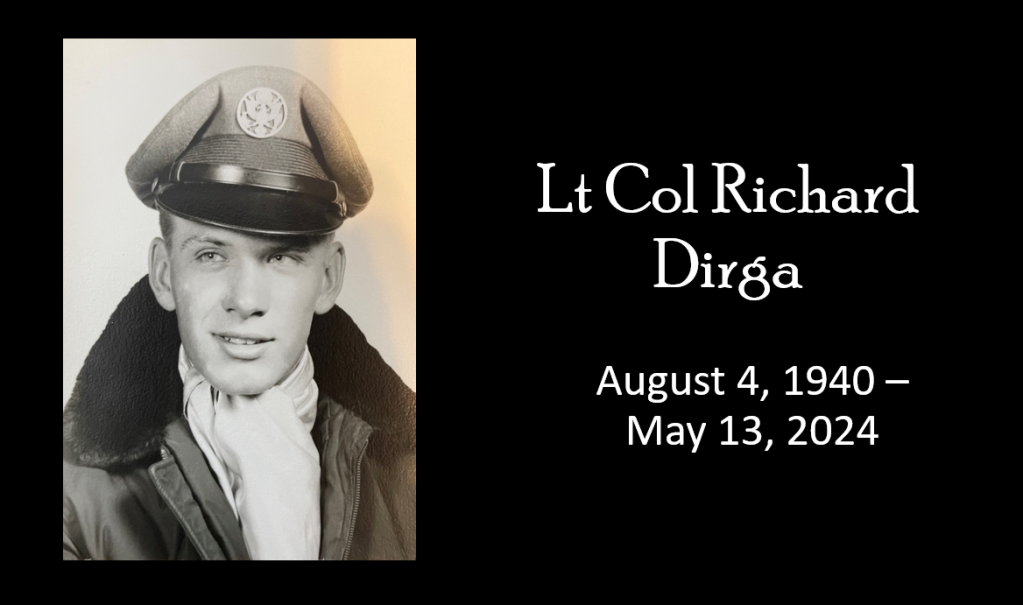
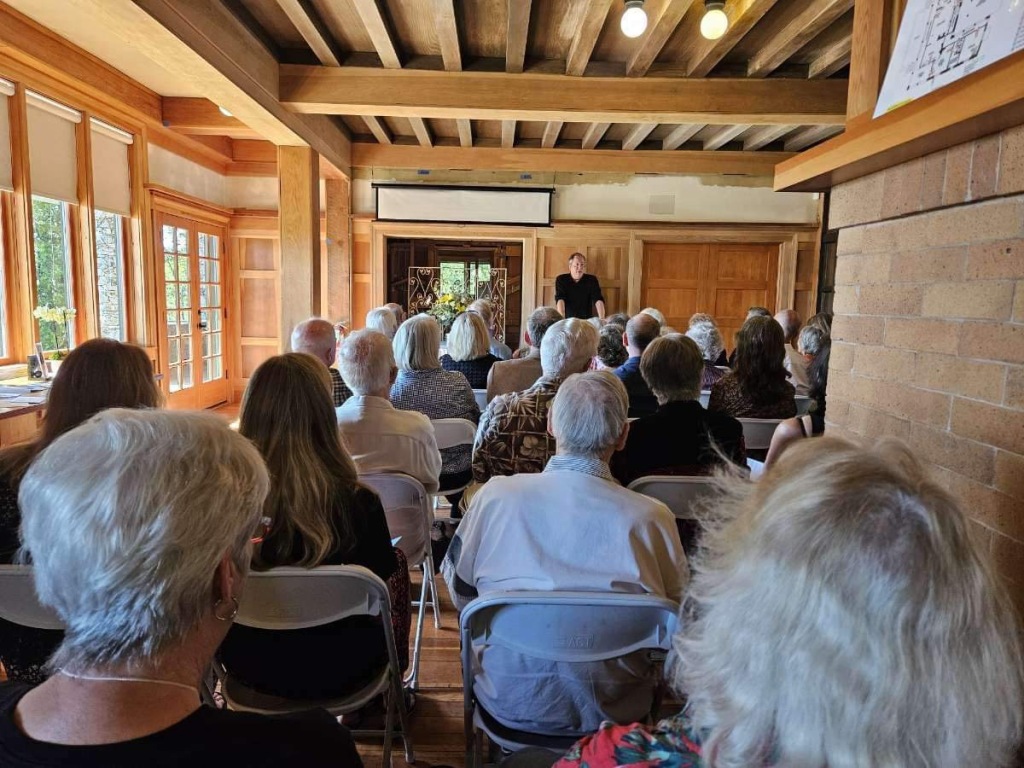
We bid a final goodbye to my father Richard Dirga this week, at a memorial service underneath the tall pines he loved so much in the California foothills. Thank you so much to everyone who came, friends and family and people I hadn’t seen in years. We had to break out the extra chairs in the end, but Dad was worth it. And thanks to all those who have reached out via message, email, letters and more these last few weeks. Every kindness is appreciated.
Myself, my brother and two beloved family friends all spoke to honour Dad’s remarkable life.
Here is what I said:
Dad didn’t want a funeral, or a big fuss made of him, but we decided we couldn’t let him go without doing something.
We received so many messages, emails and calls after Dad died, and the words that kept coming up again and again were about his kindness, his fundamental good heart and eagerness to help whenever asked. He was part of a vanishing breed – the humble but confident man. He never bragged, never boasted, but everyone who knew him knew that he could command attention when it was called for. He was a born leader who chose to be a helper rather than a commander.
Dad had an extraordinary career with the Air Force that began long before my brother and I were even born. He signed up when he was only 17 years old – when I was 17, I could barely drive a car. He rose to the rank of lieutenant colonel in an almost 20-year career, and he probably could have risen even higher, but he said he never liked the ‘playing politics’ that came with the highest ranks.
Some of the things he did are still classified and the stories he told us are pretty amazing – up to 24-hour missions flying over the North Pole, over Soviet space and over Cuba during the missile crisis, his 6-foot frame crammed into a tiny space the whole time. He would fly with nuclear weapons on board at the height of the Cold War, ready for any sudden escalation. He worked with the B-58, the SR-71 and others during his career, all these clandestine spy missions. It took me years to realise that when we used to watch James Bond movies on the TV as a kid, he wasn’t just watching a fun adventure – he was critiquing it against his own life! (I always thought he looked just a LITTLE bit like Roger Moore, too)
We weren’t even born when he did some of these things, but he carried that calm authority with him his whole life – how many fathers do you know who had the responsibility of flying with active nuclear bombs? It’s not for the nervous.
Mom and Dad always encouraged us to have adventures, to see the world and not be people who spend their whole lives in one small town. When I was nearly 8 years old, they packed up the house and took us to Europe for an entire year, traveling around in an increasingly rickety and mildewy tiny motorhome. It’s fair to say that year changed my life. When I moved to New Zealand with my family nearly 20 years ago, they could have objected. I mean, we were taking their only grandson to the other side of the world, after all. But Dad, who spent a lifetime saying yes to people, never said a word against it. It was a great adventure, and he loved those.
My son Peter is 20 years old now and in his third year studying history and art history at university back in New Zealand. He wouldn’t be there without Dad. When Peter was just four or five years old, Dad took him out to fly remote controlled planes, and that was it – Peter went on to become a military history buff, to build dozens of intricate planes and military models himself, to constantly be excited by the past. Dad’s military career fascinated Peter, and the two of them had a great and wonderful bond. Every time we visited for years, from barely kindergarten age until the beginning of college, Peter and Dad would spend some time flying planes out at Beale. Dad helped set the path of my son’s future.
In the last few years, despite the obstacles life threw at him, despite some of the suffering he had to endure, Dad somehow just kept becoming a better person all the time. It’s as if in his final years, he was distilled down to his purest essence – a kind and curious man whose first thoughts were often about others. At his heart he wasn’t judgmental, and I think he believed that our ultimate goal is just to be decent.
There was a moment when we visited in February that I took a mental photograph of, that I can’t quite forget, and all it was was a simple look Dad gave Mom, as they were sitting together on the couch. It was a look filled with such pure love and admiration, a look that maybe you only get to see when you are married more than 50 years, through thick and thin, the good and the bad. We should all be so lucky to have someone give us a look like that once in our lives.
The last lesson he had to show us was how to go – not with anger and rage at the unfairness of things, but with gratitude. He said again and again these last months how glad he was for an extraordinary life, how lucky he was. The very last conversation I had with him was just a day or two before his final illness, and one of the last things he said was how incredibly proud he was of my brother and I and our families and children.
He fought, hard, and for days after I think whatever made him him left, his body kept on, that mighty heart pumping away. He would never boast, never swagger into a room, but he showed us how strong he really was until the very end. If things had gone differently, I like to think he could’ve made it to 100. He was like a redwood or a towering oak tree in the grand forest of our lives – steady, reliable and protective of us all until his final days. Those who knew Dad know he was a planner, and so it’s probably no surprise that he left a very, VERY detailed to-do list after his passing, to provide for Mom and to make things easier for Chas and I. He’d probably have planned this event too, if he could.
I am sad, still, deep down, and I guess part of me will be that way for a long time. And that’s OK. But right now, right here, I just keep thinking of his smile, the smell of his aftershave, the scratchy stubble I felt on his cheek when he picked us up as kids, the enormous “Dirga dimple’ on his chin that always fascinated me. He always felt like the biggest man in the room to me, even when I grew up to be just a LITTLE taller than him; the way he always felt like he was lifting us up rather than pushing us down. I wouldn’t have been a writer without him; Chas would not have become a nurse. And I am grateful to have had him, for as long as we did, even if it would never quite have felt like enough. How lucky we were.
He loved flying, and the wide open blue skies of California. In an email to a military historian several years back, he wrote that “One benefit I found in flying aircraft was I always felt closer to God. I can’t tell you how many times I felt like I was ‘touching the face of God’ while flying missions over or around Vietnam, Korea or Russia.”
He always liked this poem, High Flight by John Gillespie Magee, Jr, and while Dad didn’t want a funeral, I know that he wouldn’t mind one bit for me to read it here today:
Oh! I have slipped the surly bonds of Earth And danced the skies on laughter-silvered wings; Sunward I’ve climbed, and joined the tumbling mirth of sun-split clouds,—and done a hundred things You have not dreamed of—wheeled and soared and swung High in the sunlit silence. Hov’ring there, I’ve chased the shouting wind along, and flung My eager craft through footless halls of air …. Up, up the long, delirious, burning blue I’ve topped the wind-swept heights with easy grace Where never lark nor ever eagle flew— And, while with silent lifting mind I’ve trod The high untrespassed sanctity of space, Put out my hand, and touched the face of God.
For family, friends and those who are interested, the entire memorial service can be viewed here on YouTube as well:
Dick Waterman and Son House. All photos C the estate of Dick Waterman.
Mississippi blues writer, photographer and keeper of the flame Dick Waterman has died, one of the most extraordinary columnists I ever worked with in all my years in journalism. He was 88.
This picture of Mississippi John Hurt is probably my all-time favourite photo of a musician. C Dick Waterman.
There will and should be some fine obituaries taking in the whole sweep of his career. (Such as this excellent Washington Post one or this fine one in The New York Times) But when I met Dick Waterman, he was a columnist for the weekly newspaper I started working at in 1994, Oxford Town. It was the very beginning of my post-college career and I knew everything and nothing. The editor Chico had hired him and it was one of the best things he’d ever done.
Almost every week Dick would drop these fascinating columns and stories about his life in music, tales of the legends and the forgotten geniuses, peppered with his gorgeous black and white photos. His columns were candid, backstage stories of what the blues legends were really like, or about his own life. When I was asked to take over as Oxford Town editor, visits from Dick were always a highlight.
Not that it was always smooth – Dick Waterman would turn in his column as late as humanly possible, shuffling into the old-school layout room close to midnight with a sheath of pages, while the pressmen could be heard loudly grumbling in the back. Once he discovered fax machine technology he pushed it even further. I attribute my skill at editing some copy very, very fast to some of his columns.
But he was unfailingly gentle and kind, with a bit of the “distracted professor” vibe around him. His photograph stash was an astonishing treasure trove that he had really just started to understand and promote in the 1990s. At one point he let us use an amazing photo of B.B. King on the back of an Oxford Town t-shirt.
B.B. King, 1968. C Dick Waterman
I was just a rather self-important and fumbling 25-year-old editor dude at the start of my own weird journalism career but Dick was always good to me, and honestly, it took me a long time to fully understand what an amazing “six degrees of Kevin Bacon” type character he was in the ‘60s music world. I’ve never met Howlin’ Wolf or Muddy Waters or Arthur “Big Boy” Crudup, but hell, I knew Dick Waterman.
R.I.P. my friend Dick Waterman (1935-2024), who played a key role in the careers of Son House, Bonnie Raitt, and others.
When I left Oxford Town around 1997 to sow my wild oats back in California, Dick Waterman for some reason singled me out in his column in what is still, coming up on 30 years on, one of the kindest single acts of writing anyone has ever done for me. I include it not to brag, but to show what kind of man Dick Waterman was.
He wrote about a Mississippi journalism award I won and said, “For the second year in a row, the Best General Interest Column was won by Oxford Town editor Nik Dirga. To appreciate this feat, you have to understand that he doesn’t even think about his own column until the rest of the paper has been completed. Nik has already announced that he is leaving in a few weeks and my sadness at his departure is mixed with the joy of having had the pleasure of working with him.”
“If Tiger Woods is the best golfer in the world at the age of 21, I can only hope that I stick around to see what literary accolades will come forth for Nik Dirga. The best part of working with Nik is that he honestly does not know how talented he really is. I am over twice as old as Nik Dirga and he is the best editor with whom I have ever worked.
“I wish him well in his travels and know that I will be reading his byline out there somewhere.”
He didn’t have to write all that about me, I know now, and I’m sure no Tiger Woods. But he did write it.
I wish you well in your own travels now, Dick, where ever they may take you.
Mick Jagger. C Dick Waterman
Photos from Dick’s website and the excellent book collecting his photos and essays that used much of the material from his columns, Between Midnight And Day: The Last Unpublished Blues Archive.It’s an absolute treasure of a book. A very good full biography of Dick was also written a few years ago, Dick Waterman: A Life In Blues, which filled in many of the gaps for me about Dick’s life.
I wouldn’t say I was a huge Friends fan … and yet, I watched nearly all of its 236 episodes.
It was in the air in the 1990s, a candy-coloured fantasy of twentysomething life. It began in 1994 just a few weeks after I spent a pinched, impoverished summer living in New York City, and its sitcom world of waitresses and unemployed actors living in luxurious lofts was not reality to me.
Still, Friends was diverting and served up an image of life as breezy comic fun, and honestly, the main reason I ended up watching as much as I did was always Matthew Perry’s sarcastic Chandler Bing, the prickly joker in the deck of shiny gorgeous faces. When Perry died this weekend at just 54, it stung. He was my favourite Friend, the one I could most imagine having a beer with, in many ways the most human of the lot.
The wisecracking guy was already a well-worn sitcom trope when Perry came along, but he added a bit of Gen-X irreverence to Chandler. Sure, he had the same romantic misadventures as the rest of the Friends, but Perry added a slight wink to the role. “Could this be any more cliched,” you could almost hear him saying.
In real life Perry was battling addiction for years and maybe, just maybe, those inner turmoils gave him a little more weight in the role of Chandler. The joker jokes to keep the tears from coming, you see.














 Nik Dirga