 It’s not an insult to say that New Zealand is literally for the birds.
Birds were the dominant species in New Zealand right up until the first Pacific Islander settlers arrived here a mere 800-900 years ago – a blink of the eye in evolutionary terms. We were the real-life Jurassic Park – an island ecosystem isolated from the rest of the world, busily doing its own thing filled with creatures strange and bold.
While it’s been knocked about quite a lot by us disruptive humans in the centuries since, if you squint hard sometimes you can still imagine what NZ, this land of birds, once was like.
I sit out on my deck on a calm evening and can hear the gorgeous hooting black-and-white tui, the massive kerurū pigeon with its distinctive whoosh-whoosh wingbeats, chittering flocks of colourful rosella parakeets originally from Australia, and more.
New Zealand was a beautiful paradise floating off all by itself in the southern oceans for millions of years, but it didn’t take much for the bird-based ecosystem to be nearly destroyed after humans came along.
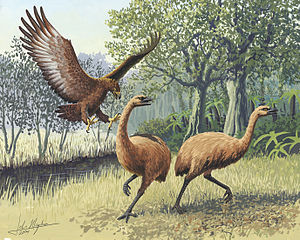
I wish I could have seen some of New Zealand’s extinct giants in the wild – the massive moa, taller than a man, running across the Otago plains, or the Haast’s eagle, the largest eagle in history with a wingspan of nearly 10 feet (3 metres). These were the apex of New Zealand’s pre-mammal ecosystem, and would’ve been something to witness indeed. They were huge, probably terrifying birds, but they didn’t last long after the first people, ancestors of today’s Māori, arrived here.
 Other species lasted longer. Another long-gone beauty is the huia, a gorgeous little thing that went extinct around 1907. The huia had one of the more striking differences between male and female birds in the world – the male had a standard-issue shortish beak, but the female had a dazzling, bizarre bill that was twice as long as the male’s, arcing downward like a rainbow. The huia were extremely sacred in the Māori culture, with feathers worn at the most sacred occasions.
Then there’s the sad and wistful story of the Stephens Island wren, which by the time humans took notice of it was only found on one tiny island in the Cook Strait between North and South Island. The story is that the species was entirely wiped out by the local lighthouse keeper’s cat, which isn’t entirely the whole truth, but a good example of how easy it was to knock native NZ species off the map entirely. A few feral cats and an entire species is gone forever.
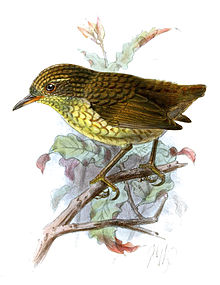 Little battlers like the wren – which was apparently flightless – didn’t stand much of a chance when settlers came knocking with their cats and rats and the like.
New Zealand still has many of the world’s unique birds – the kiwi, so strange and curious it’s like a living fossil, is our national icon and so famous it’s what most people around the world call us all. It’s nearly become extinct several times in the last few decades, saved only through the hard and innovative work of some very dedicated people.
But sometimes I wish I could still see the ones that aren’t here anymore and the wonders they must have been.
 One of my favourite comics from the ‘80s into the early ‘90s was Marvel’s
  The biggest geek-appeal of What Ifs were that in retelling classic stories with a twist, characters could die – hell, everybody could die. “What if The Hulk Went Berserk?” was an issue that scarred the heck out of teenage me because I walked in expecting a typical Hulk story and then characters like Iron Man and The Thing started dropping like flies… oh, and it ended with Thor snapping the Hulk’s NECK which is pretty darned grimdark, ain’t it?
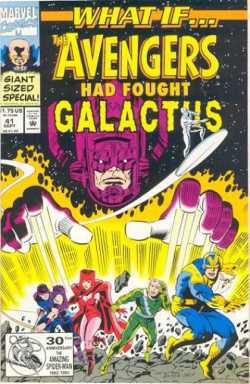 A cursory look at comics from the last few months turns up “Infinity Wars” (Marvel characters like Captain America/Dr. Strange mashed up, again!), “The Batman Who Laughs” (what if Batman was REALLY dark?), “Spider-Gwen,” “Spider-Noir” and a hundred more variations of Spider-Man. Not saying these are all terrible stories (although a lot are), but the main thing is that the novelty is gone. Whoa, you just showed me an alternative world where Superman is DEAD? I’ve seen that six times this week already, son.
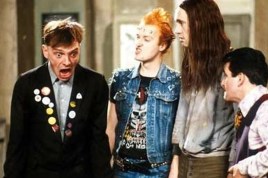 Rik, Vyvyan, Neil and even comparatively dull Mike were my Beatles of comedy. Like the best British shows, it knew when to quit – 12 episodes and that’s it, and with the late, great Rik Mayall leaving us way too soon in 2014, there’ll never be another.
 Several times, episodes build up with plots involving things like axe murderers or vampires or marauding medieval peasants only to abruptly draw curtain on the episode. Nothing really matters, the ‘madcap adventures’ can be waved off and the show will restart as normal the next episode. There’s something very existential about these damned housemates, trapped in their greasy grey pigsty and never changing, being squashed by a giant eclair in one episode and back for more in the next.
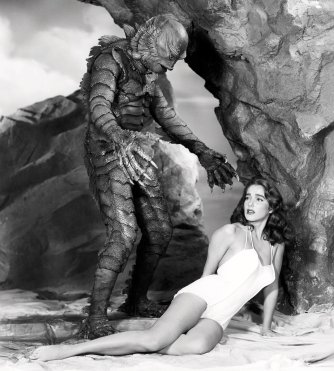 Julie Adams wasn’t a household name, but she was legendary in her own way as one of the last surviving “scream queens” of the classic Universal Monster movies of the 1930s-1950s.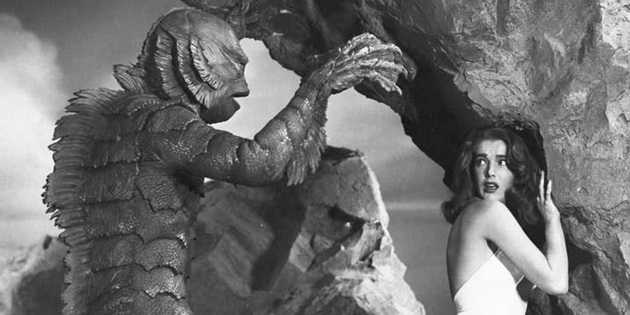
 One of my highlights of the last three summers has been working at the remarkable
  I’ve loved Shakespeare since a superb high school teacher (thanks, Mr. Lehman) showed us how the Bard wasn’t all dusty words and impenetrable verse, but a living, breathing body of work that contains some of the greatest stories ever told. Shakespeare is meant to be seen, not merely read aloud in a halting adolescent voice in a dry classroom.
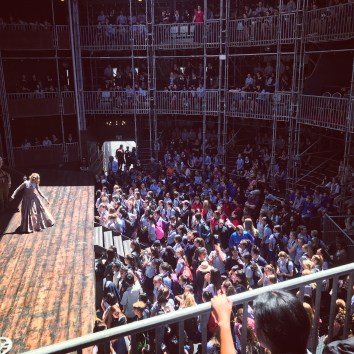 A joy for me is seeing how into the plays the audience still are in 2019. This isn’t boring Shakespeare – trust me, when the stage blood starts gushing into the audience during the bloody close of Richard III, you wouldn’t call this stuffy. There’s a witty, relaxed vibe that’s perfect for a New Zealand summer. We get all kinds of crowds – young, old, repeat customers and those who’ve never seen a Shakespeare play in their life.
 Nik Dirga