I’ve seen Bob Dylan four or five times, but it’s mostly been when he’s been in his 60s and 70s.
Dylan can be inconsistent as a live performer – at one show every lyric sounded like “muzza muzza BUZZA muzza” and on another, he was an elegant elder statesman who even SMILED at one point.
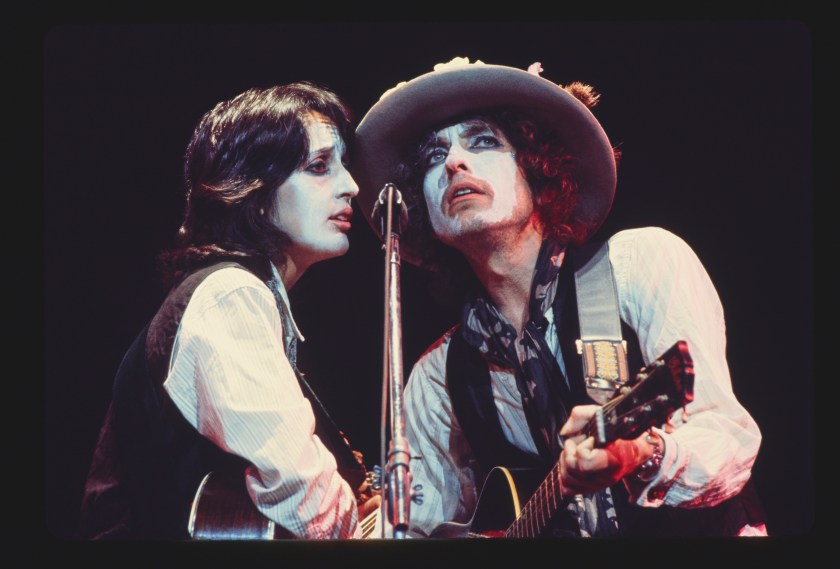
But there was a point where Dylan was a blazing fireball on stage, during his mid-1970s Rolling Thunder Revue tour. It’s the subject of a new documentary by Martin Scorsese, and it’s must watching for anyone who thinks Dylan couldn’t sizzle live on stage. The man was fierce.
In 1975, Dylan hadn’t really toured since his late ‘60s motorcycle accident. He put together a kind of travelling show featuring guests like Joan Baez, Mick Ronson, Roger McGuinn, Allen Ginsberg and more to play smaller, intimate venues. The Rolling Thunder Revue had a theatrical bent – Dylan painted his face white, like a kabuki performer, and added touches like a dazzling electric violinist to his songs. There was a freewheeling electricity to the atmosphere.
He’s performed thousands of shows over more than 50 years, but I’d argue that for the 50 or so shows of Rolling Thunder, Dylan was never better. Scorsese’s documentary shows him commanding the stage, stalking, staring and singing like his life depends on it. There’s no mumbling here. He spits every syllable of “The Lonesome Death of Hattie Carroll” with a power that makes this account of a racist murder a harrowing listen. Chestnuts like “Knockin’ On Heaven’s Door” or “Blowin’ In The Wind” seem revitalised. Then-current songs like “Isis” and “Hurricane” rage when he performs them.
Clear-eyed and potent, there’s a fierceness to Dylan’s presence that’s remarkable to watch. Sparks fly off him when he enters a room, not in a showy David Bowie or Mick Jagger way, but in a concentrated, smouldering focus. He combines the intensity of young folkie Dylan with the more grizzled maturity of someone in their mid-thirties, and it lends his songs new power.
“Rolling Thunder Revue: A Bob Dylan Story” is a great movie, and fitting with Dylan’s mystique there’s a bit of flirting with fiction and masks (let’s just say some of the people interviewed are not what they seem). But in the end it’s a celebration of one of Dylan’s most fertile periods and a reminder that one of the greatest songwriters of all time could throw down with the best of them when he wanted.
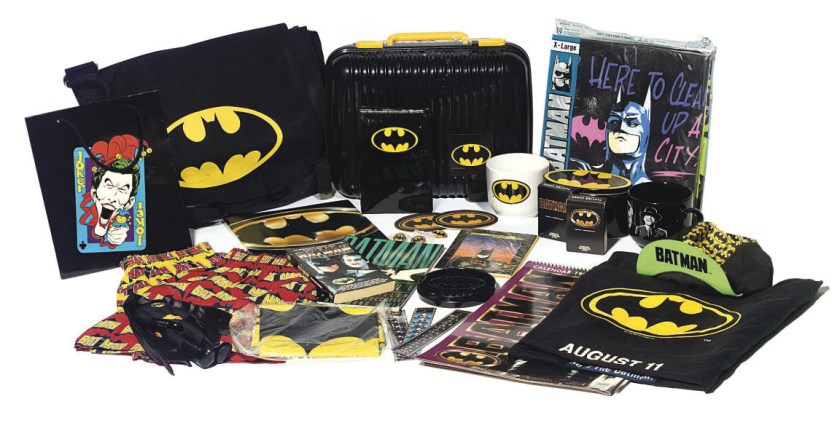 Thirty years ago today, I was standing in a line. A bunch of us were all queued up for what was then the biggest comic book movie of all time, Tim Burton’s Batman.
 It’s hard to explain to fans of today’s slick, streamlined and gorgeous Marvel Universe movies that seeing a comic book movie in the ‘80s and ‘90s was mostly a matter of lowering expectations, of accepting flaws and looking for the bits that worked.
 But Keaton’s Batman has only grown in strength over the years. He never quite has the classic physical profile – seen in a tuxedo in an early scene, his Bruce Wayne’s shoulders would barely fill half the Bat-suit – but acting is often concentrated in the eyes, and Keaton’s eyes hold a balance of resolve and regret. His Bruce Wayne seems closer to the edge than some – look at the scene where he takes on the Joker in his civilian clothes: “You want nuts? Let’s get nuts!” In contrast, his Batman is more of a blank, grim slate, a mask that wipes out Wayne’s humanity and focuses his mission.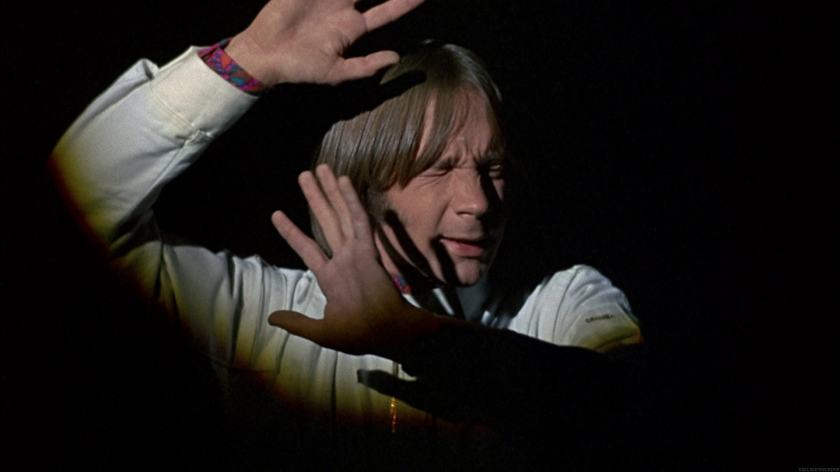
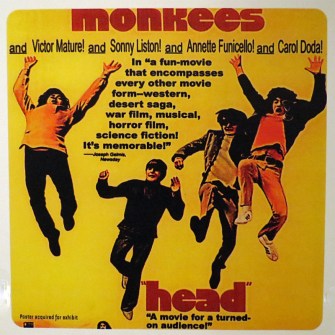 I’ve seen three of the Monkees live now, and I’m happy to have done so. But there was one last Monkee fan hurdle for me to cross: Their mysterious, controversial 1968 movie “Head,” which is either their finest moment or their nadir, depending on who you ask.
 Hey, hey, we are The Monkees / You know we love to please / A manufactured image / With no philosophies.
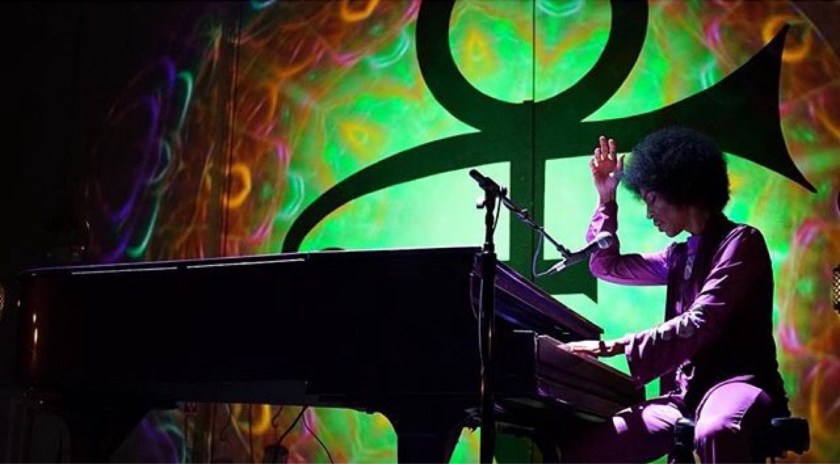 Prince would’ve turned 61 today. I saw him for the first and only time just two months before he died in 2016. I wrote this back then, the morning Prince died, mostly for myself:
 When I heard the Auckland show was Prince solo with a piano and a microphone I was a bit worried – none of those screeching, thunderous guitar solos, no dynamic interplay with the backing band. An “unplugged” Prince conjured up worrying images of a Las Vegas-style revue with the Purple One sipping on sparkling water and turning every song into a Liberace number.
 The Prince on stage at Aotea Centre was at the top of his game, a master at playing the crowd. But he was having FUN as well, something that’s hard to find at that lofty level of fame. He threw a dash of “Charlie Brown” theme music into “Little Red Corvette,” and it was like watching a master painter at work, scribbling tiny doodles in the margins. He recast all the classics, turning “Purple Rain” into a gospel revival, “Kiss” into a funky dance party. More than 30 years into his career, it felt like a victory lap.
 I have a bizarre fascination with the bad movies of
 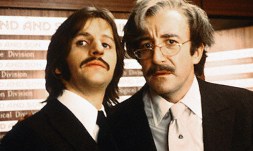 I’ve been making my way as a kind of punishing completist chore through the most obscure of Sellers’ oeuvre, movies that are barely remembered today. Sellers was a difficult, demon-haunted man, whose talent was crippled by bad health and serious psychological issues (there’s the famous quote “There is no me. I do not exist. There used to be a me, but I had it surgically removed,” which more than anything sums up the man).
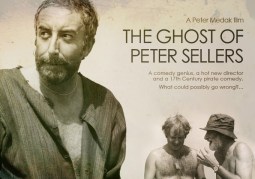 And I am absolutely dying to see the new documentary
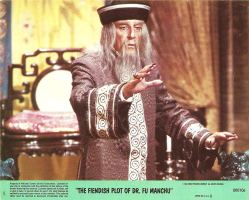 There’s a kernel of something golden in even his worst movies. His Fu Manchu is objectively a racist joke played far too long, but there’s a strange sadness Sellers summons up between the lame puns in his portrayal of an immortal villain.
 I love Godzilla, because when I’m in the mood, you just want to watch a giant lizard smash the hell out of everything around you. Another big-budget Godzilla movie opened this weekend, and it’s gotten the usual mixed reviews from people who don’t really get the point of a Godzilla movie.
 My first Godzilla movie was a battered VHS tape of 1963’s “King Kong Vs. Godzilla”, and to this day it’s one of my desert island flicks. It’s absurd – this Kong looks more like a squashed and mangy grizzly bear than a gorilla, really – but so much damned fun as this duo wrestle and tumble around Japan.
 For those who think the current Godzilla: King of the Monsters is wacky, check out 1991’s utterly unhinged “Godzilla Vs. King Ghidorah,” which features time-travel, a ridiculous “Terminator” riff and the spectacle of Mecha-Ghidorah. For those who want something a little deeper, 2016’s “Shin Godzilla” is a strange satire of Japanese bureaucracy mixed up with some of the most awe-inspiring Godzilla scenes ever. For those who just remember Godzilla wrestling other rubber-suited goofballs on sound stages, 1972’s “Godzilla Vs Gigan” is the kaiju-fest you’ve been hunting for, and Gigan, with his chicken beak, massive talons and inexplicable buzzsaw blade sticking out of the middle of his chest, is peak kaiju craziness.
 Nik Dirga