
Somewhere in the last few years, my music collection began to contain more dead people than live people.
It’s been a grim decade for my tastes. Bowie. Prince. Cohen. Tom Petty. Aretha. The Fall’s Mark E. Smith. Lou Reed. Scott Walker. Just in the past few weeks alone, Daniel Johnston, Eddie Money and Ric Ocasek all took the last train from the station.
When both The Cars’ Ric Ocasek and Eddie Money died within a few days of each other recently, it felt like another thudding harsh reminder that my cassette-filled, Atari-drenched ‘80s childhood was in fact more than 35 years ago now. That the towering pop stars of my youth were now becoming old men.

Eddie Money’s delightfully overwrought 1986 hit “Take Me Home Tonight” is the sound of your 14-year-old author, jittering with hormones and intensity, in unrequited love with a girl with spray-gelled hair dancing with her friends on the other side of the junior high school gym. I’ve never actually owned an Eddie Money album, but Eddie Money was part of the ‘80s DNA, in that same endearingly awkward rock crowd that included Billy Joel and Huey Lewis. You absorbed their hits, maybe you hated them, maybe you loved them, but 35 years on, they’re the sound of your youth.
And The Cars were always cool and gawky, all at the same time, which is the best possible way to be. Ric Ocasek did not look like David Lee Roth; he looked like a guy in the shadows at the coffee shop reading a beat-up William Burroughs book. The Cars crafted perfect little new wave power pop gems that always sounded vaguely spooked by something far outside their control.
I know they say rock ’n’ roll is a young man’s game, for young people by young people, but for some reason most of the musicians I’ve dug have always been older than me. Being a Gen-X music fan often meant digging artists a decade or more older than you were. Bowie was already in his 30s when he became a superstar in the “Let’s Dance” era. Someone like Bruce Springsteen or Phil Collins always seemed like an adult. Morrissey, The Clash, The Cure – they were all at least 10 years older than teens in the 1980s.

All the rock stars who defined the ‘60s, ‘70s and ‘80s are entering their 60s and 70s now. We’ll continue to see a slow drip of rock star deaths for years to come, and every one of them will make some of us feel a bit more mortal ourselves.
One morbid thing about living in New Zealand is that if a “legacy” act comes here, you jump on it, because it might be the last time they ever come down this way. I saw Mick Jagger strut like a golden god with the Stones in 2014, and I wouldn’t have missed it for the world. I didn’t get to what turned out to be Leonard Cohen’s last concert, ever, anywhere, right here in Auckland in 2013, and I’m kicking myself forever.
Watching the stars who peopled your teenage dreams grow old and fade away is a striking reminder that it’s happening to you, too. I’m afraid my musical tastes have become even more calcified with age, and I’m far more likely to listen to a Ramones album or the Kinks than I am a Tekashi 6ix9ine.
On disc or stream or vinyl, they’re all still young. They’re still there, forever young, no matter how many years pass or obits roll. To quote The Cars, “Uh oh, it’s magic, when I’m with you.”


 I’ve been hunting for the Batman issue above for a long time. It’s perhaps one of the best comic book covers ever – how can you NOT want to read the story inside? (Spoiler: It’s not actually all that great, but how could it measure up to that cover?) As a comic book cover alone, it’s a work of art.
 We live in weird times, when comic books dominate pop culture and box office receipts, yet the humble printed item itself still struggles for sales. They’re still out there, and I hope they’ll be out there a long time, but we’re a long way from when an X-Men comic sold 8 million issues in the ‘90s. But great comic book covers have pretty much died as an art form, despite their still being a lot of very good comic books published. It’s like everyone stopped caring about the covers. Maybe I’m just a design nut, but to me the cover is an integral part of the whole comics package.
 I don’t know why comic book covers have gotten so boring, really, but Christ almighty they sure have. Instead the kind of dazzling images you see here from the 1960s-1980s, sometime around 1999 comic book companies settled into publishing bland generic pin-up shots and chaotic battle scenes which vanish from your mind soon as you see them.
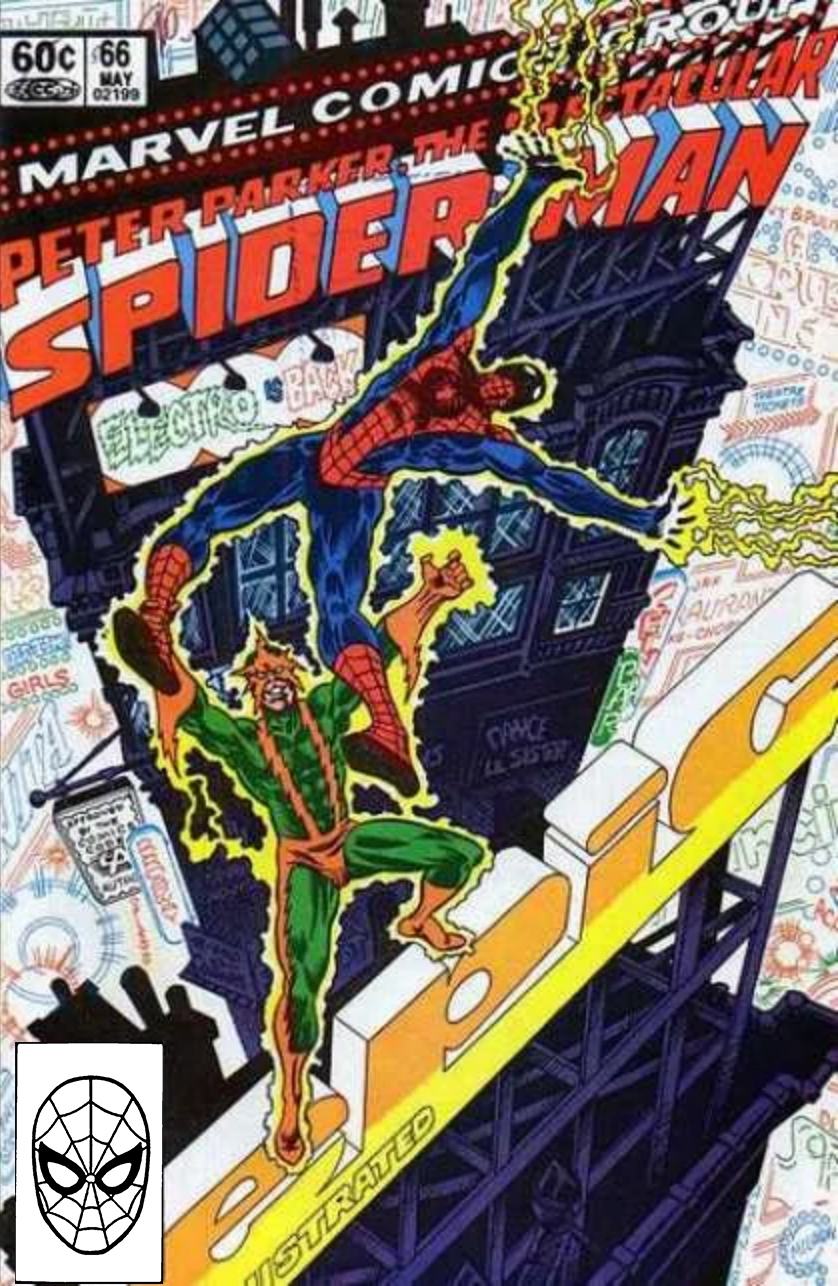 Comic books are at their heart a unique form of storytelling that combines words and pictures and have created some of the greatest fiction of the last century. There’s a reason Avengers movies and Aquaman movies rake in the big bucks, because there’s an iconic, mythological heft to these characters.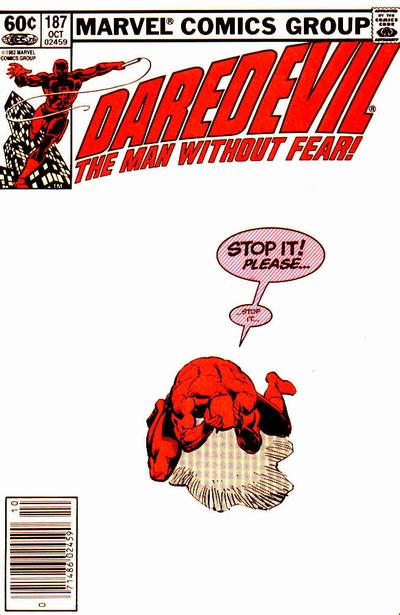
 It takes a lot to shush up an Auckland Saturday night crowd with a single look. But
  I’ve been to shows at the Powerstation before for similarly stark, intimate shows and left annoyed by the singer being overwhelmed by the crash of beer bottles and the yammering of the audience. That wasn’t a problem tonight. On a cold August night, Harding felt like the hottest thing in town, something new and old at the same time blooming with an energy all its own. She closed with a magnificent, aching cover of Gerry Rafferty’s “Right Down The Line” and terrific new song, “Old Peel,” that left me with no doubt about her future.
 Nik Dirga