When I think of New Zealand music, spawned way down here at the bottom of the world, the very first thing that always pops into my brain is the brooding, bouncy opening chords of The Chills’ “Pink Frost.”
Martin Phillipps, the lead singer and driving force behind the Chills, died this weekend at just 61 years old, and for any fan of NZ music, it hits hard. Gorgeous and mysterious and intimate and epic, the best of the Chills’ music evoked New Zealand for me in a way that nothing else quite ever could. There is a beautiful mystery to it.
I wrote a lengthy post back in 2019 about Phillipps and the Chills after being fortunate enough to see him at the premiere of the excellent documentary on the band’s twisting career: Martin Phillipps and the endless cool of the Chills.
It says everything I still feel now about this wonderful curiosity of a band, who maybe never quite became a household name in the wider world, but who had a knack for perhaps music’s most elusive, perfect quality – the ability to instantly send you away, into a new place.
Thanks for everything, Martin. The music lives on. Crank up “Heavenly Pop Hit” and enjoy what he left behind.
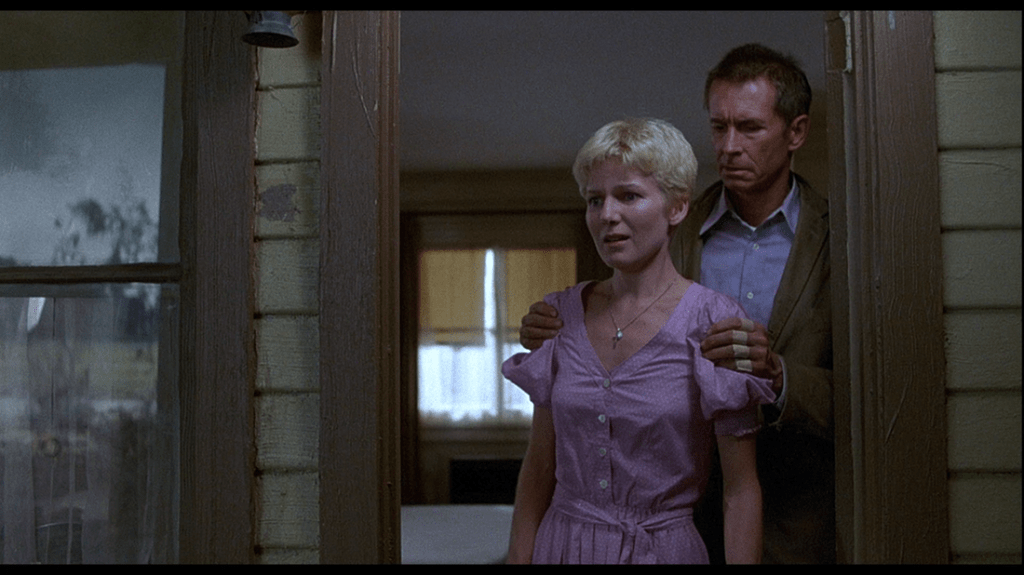
What are they? How do you follow up one of the best horror movies in history -make that one of the best movies, period – by the master of suspense Alfred Hitchcock? Let’s do a two-fer in this occasional blog series by looking at the first two long-gestated sequels to Hitchcock’s classic 1960 Psycho. The original remains a near-perfect thriller, forever changing how we think about showers, with Anthony Perkins’ mother-fixated psychopath Norman Bates firmly fixed in the screen slasher movie pantheon. But, you might ask, what happened to Norman after he was hauled off to the asylum at the end of Psycho? Although Hitch died in 1980, Psycho II eventually came out in 1983 and Psycho III followed in 1986 to answer those questions.
Why I never saw them: Sequels made years, nay, decades after the original generally stink. There’s the occasional Top Gun: Maverick or Mad Max: Fury Road, sure, but there’s also an awful lot of Terminator: Genisys and Independence Day: Resurgences out there. And Psycho was so smoothly crafted, from its bait-and-switch premise to the haunting final grin on Norman Bates’ face – why mess with it? Yet over the years Psycho II has been rehabilitated online as a kind of lost rough gem, and I decided it was time to head back to the Bates Motel.
Do they measure up to their rep? The smartest thing these sequels do is NOT turning Norman Bates into some Michael Myers pantomime unkillable villain rampaging again and again. As in the original, we see Perkins wrestling with Norman’s demons, and the audience weirdly finds itself rooting for him. Both sequels are better than you might expect, and Psycho II in particular is a clever, absorbing pick up of Norman Bates’ story, 23 years on. Recently “cured” and released from the mental institution, an older, fragile Bates attempts to pick up the pieces at his life at the old Bates Motel. But Norman faces scorn and suspicion from the community, and relatives of his victims aren’t willing to give him a chance to start over. Psycho II is about whether or not redemption is truly possible or if we’re all trapped by our pasts, and it tells its story in a cunning, thoughtful way. There’s blood and murder, sure, but it’s fairly restrained.
Psycho III, directed by its star Perkins himself, takes a swerve away from the understated tension of the first sequel to craft a gorier, sexier tale, one that feels very much of a vibe with other ‘80s slasher horror flicks. But it also gives Norman a surprisingly touching love story with a troubled ex-nun who strongly resembles his 1960 victim Marion Crane. Colourful and with a fair helping of black humour, it’s an interesting louder and bolder counterpoint to Psycho II, even if, by the end, it kind of feels like we’ve reached the logical end of the line for Norman’s story. (One final sequel/prequel featuring Perkins, Psycho IV: The Beginning, would follow in 1990 not long before Perkins’ sadly young death at age 60 from AIDS-related causes, but I haven’t seen that one yet.)
The sequels are tremendously helped by the dark charisma of Perkins, who added whole new layers to Norman’s complicated character. His portrayal in Psycho II is heartbreaking as the damaged Norman tries, valiantly, to have a normal life, while the nastier Psycho III gives him a more menacing, debauched air. (The disease that soon would kill him was perhaps already having effects on Perkins, who looks dramatically older despite a mere three years passing between Psycho II and III.)
Worth seeing?Psycho II is absolutely worth checking out for any fan of the original, of Perkins’ nervy acting, or sequels that don’t go in expected paths. Psycho III is a little more conventional but it still has enough neon-soaked gaudy charm to make it an interesting diversion. While the original remains impossible to surpass, seeing Anthony Perkins’ Norman Bates at that creaky old hotel after so many years turns out to be a lot more entertaining than anyone could reasonably expect.
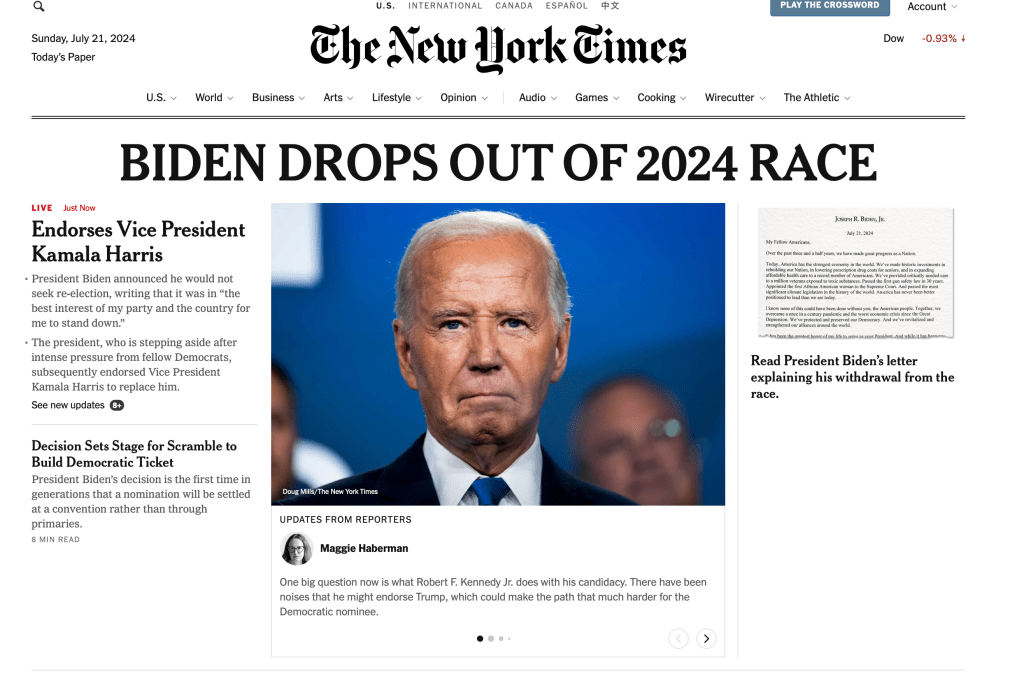
Joe Biden, who channeled perseverance and grit into a 50-year run in American politics, finally met a foe he could not beat.
His opponent in the November presidential election was technically former President Donald Trump, but it was also a much, much harder one to beat – age and perception.
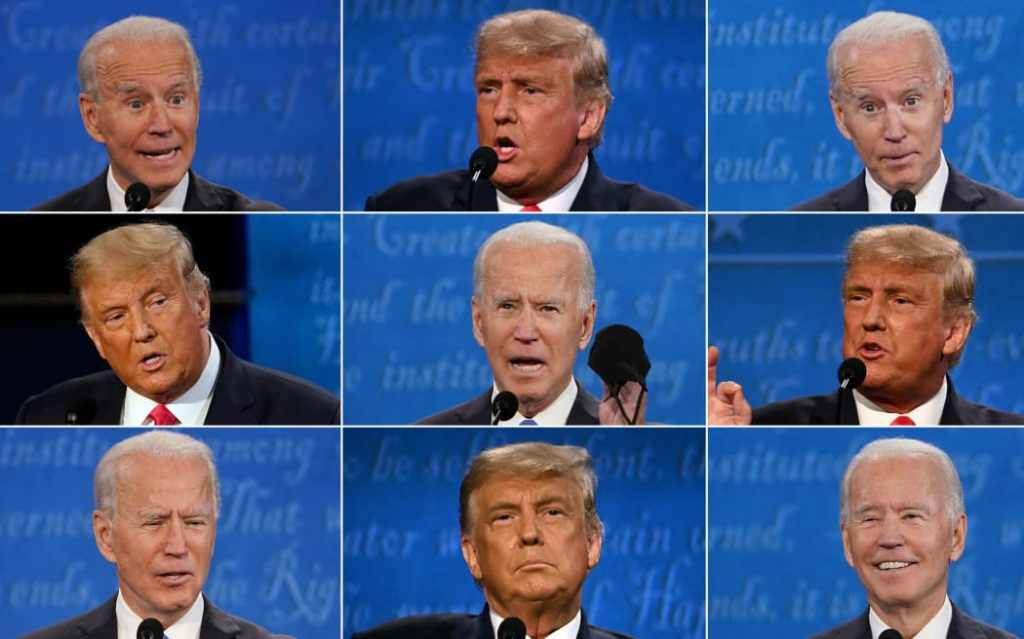
The disastrous June debate performance – the worst I’ve watched in 40 years of viewing these frustrating, fascinating American events – laid bare the harsh reality of age on America’s oldest president, and in US politics, image is everything.
At 81 years old – 82 in November – Biden finally recognised today he could not win this one.
My own father died in May at 83 years old, just a little bit older than Biden. Up into his eighties, he was a tremendously strong, vital and charismatic man, until one day, he wasn’t.
Dad did many great things in his life but as he battled pancreatic cancer, he would often repeat one of our family’s favourite sayings: “It is what it is.”
The events of the past month have taken on the feeling of a slow moving car crash, and Biden’s decision today has shaken up the 2024 race in a way that may have many Americans exhaling with relief, while others will fume with frustration.
The cascade of senators and congressional leaders from Biden’s own party stepping away from his campaign was something unprecedented in presidential races of the past 40 years. A media avalanche of calls for Biden to give up – some fair, some cruel – never ceased, despite attempts to beat it back. We saw plenty of articles with doctors doing long-distance diagnoses of Biden’s possible medical conditions.
Age is not a scandal. It’s not something you can beat back with good coms, or perky memes. (The “Dark Brandon” attempts to make Biden some sunglasses-wearing superhero were cute at first, but rapidly started to feel a bit cringe.)
Every US president has aged dramatically in office – but for Biden, already past an age most people have retired, the optics were hard to overcome.
Contrary to armchair doctors all over the internet, I have never thought that Joe Biden has dementia. I have family members with dementia, and frankly, the overwhelming tsunami of hot takes online that apparently, everyone over the age of 65 has dementia, were pretty insulting.
But Biden has slowed down, as all of us do in the end.
The biggest obstacle to his run for a second term was the realisation that Americans weren’t just being asked to vote for the Joe Biden of 2024, they were being asked to vote for the Joe Biden of late 2028 who would be 86 years old and all the Joe Bidens in between.
While Trump, 78, manages to still summon up a fierce energy at his rallies, now that he will be the oldest candidate in the race, he may face far more scrutiny than before about how Trump 2024 and Trump 2016 are different. Even Trump has to face age in the end.
The obvious comparison to be made now is Biden – reluctantly, but civilly – giving up the ongoing power of the presidency, and Trump, on January 6, 2021, doing everything he could to hold on to it.
Nobody quite knows what will happen this November, but the playing field has changed forever today. For Biden, it has to be a somber, frustrating day, but in the end, age cannot be explained away easily.
As my late great dad would have said, “It is what it is.”
It’s been another rather turbulent week if you’re a bit of a presidential history and politics nerd, in case you’ve been hiding in a dark cave somewhere in the Andes. There’s nothing quite like getting a news alert about a presidential assassination attempt at 10.30am Sunday morning to quicken the blood.
So, haven’t had much time for my usual pop-culture meandering this week (I know, all three of my fans are sorely disappointed), but I have had a few pieces reflecting on the chaos for my day job over at Radio New Zealand:
Everyone knows Bruce Lee and Jackie Chan, but if you’re truly down to explore the dense world of martial arts movies, you might want to dive a little deeper.
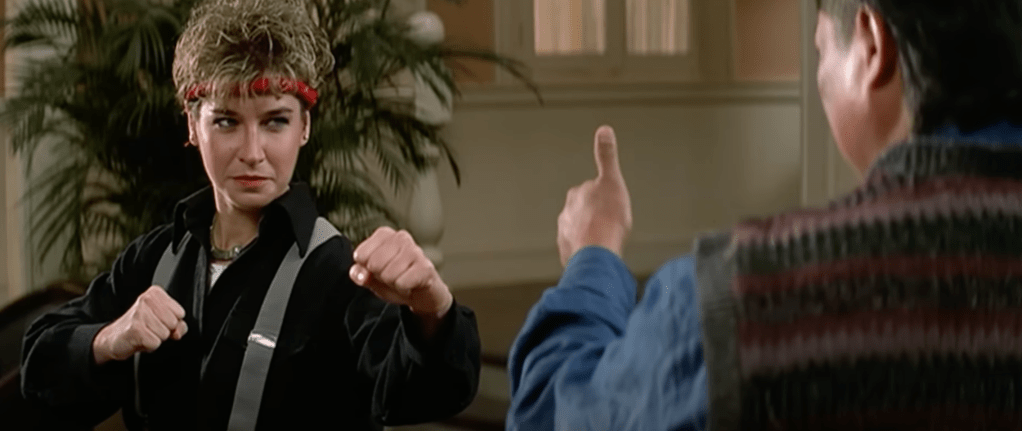
And there you might just discover Cynthia Rothrock – a petite, charmingly unpretentious all-American blonde from Delaware who managed to fight her way into the heart of classic ’80s Hong Kong action movies, kicking up the screens with folks like Michelle Yeoh and Yuen Biao.
Unlike her future Oscar-winning Yes, Madam co-star Yeoh, Rothrock didn’t go on to mega-stardom, but she’s still a cult heroine amongst those of us who like a good, non-CGI enhanced brawl on film.
Rothrock is no casual actor with a martial arts hobby – she’s earned seven black belts and was a top martial arts competitor before ending up in films. In her debut, Yes, Madam, she tore up the screen with Yeoh, elevating a middling movie into something near-great, and the two of them fought in an all-timer classic climax brawl where they move like liquid fire:
Rothrock went on to star in a bunch of Hong Kong films, often dubbed, typically as the brash white Yankee counterpart to her Asian male co-stars in movies like Righting Wrongs or brawling with legendary Sammo Hung in Millionaires Express:
Yet while her Hong Kong flicks were pretty legendary in certain circles, they never quite translated into mainstream fame – she nearly did a movie with Sylvester Stallone, which could’ve been amazing. Often she was relegated to glorified cameos where she’d pop up for a scene or two, do some stunningly elegant action and vanish. She’d often be the best part of the movies she appeared in.
Eventually, back in America, she began appearing in a steady stream of what were once known as “direct to video” action flicks with titles like Sworn To Justice and Angel of Fury. These movies don’t quite have the manic energy of the Hong Kong movies but Rothrock is almost always a delight when she gets a chance to kick ass.
She attempted to get a franchise going with the very enjoyable China O’Brien series, and appeared in the absolutely unhinged Undefeatable, which combines schlock with shock to serve up an all-time kung-sploitation revenge cheesefest with a gory final battle that went viral online and only hints at the sheer over-the-top insanity of this movie:
I’ll admit, Rothrock isn’t always the strongest actress – there’s a few times in her films when she’s called upon to break down in emotional tears and it’s pretty cringe – but she’s got an easygoing, relaxed presence. To be blunt, she seems cool and approachable, someone you’d want to hang out with. It’s hard to imagine just chilling with Bruce Lee or Sonny Chiba.
And I’m enough of a feminist ally to say it still seems refreshing to watch Rothrock dance onto the screen and thump men twice her size with ease. Vintage martial arts movies, despite breakthrough stars like Yeoh, can still often be pretty sexist and dated by today’s standards, but Rothrock always did her part to kick back hard against being put into a box.
And of course, it’s long since been proved that women can kick ass – Sigourney Weaver in Aliens, Charlize Theron in Mad Max: Fury Road, Scarlett Johansson’s Black Widow, The Matrix’s Carrie Anne Moss, Gal Gadot’s Wonder Woman, Linda Hamilton in Terminator 2 and many more.
But whether they know it or not, many of these awesome women were following in the footsteps of Rothrock, who might just be the greatest American female action star many people have never heard of.
I’ve monetised that nerdy niche American history knowledge to write lots of pieces over the years, although I’ve really tried to do less of that in recent times. I wrote a piece four years ago which it turns out was far too optimistically called “The last thing I’ll ever write about Donald Trump.” Hah, we were so young and innocent then. (Getting plentiful hate emails, creepy social media stalking and the like from T**mp fans after one piece also kind of cured me of giving hot takes.)
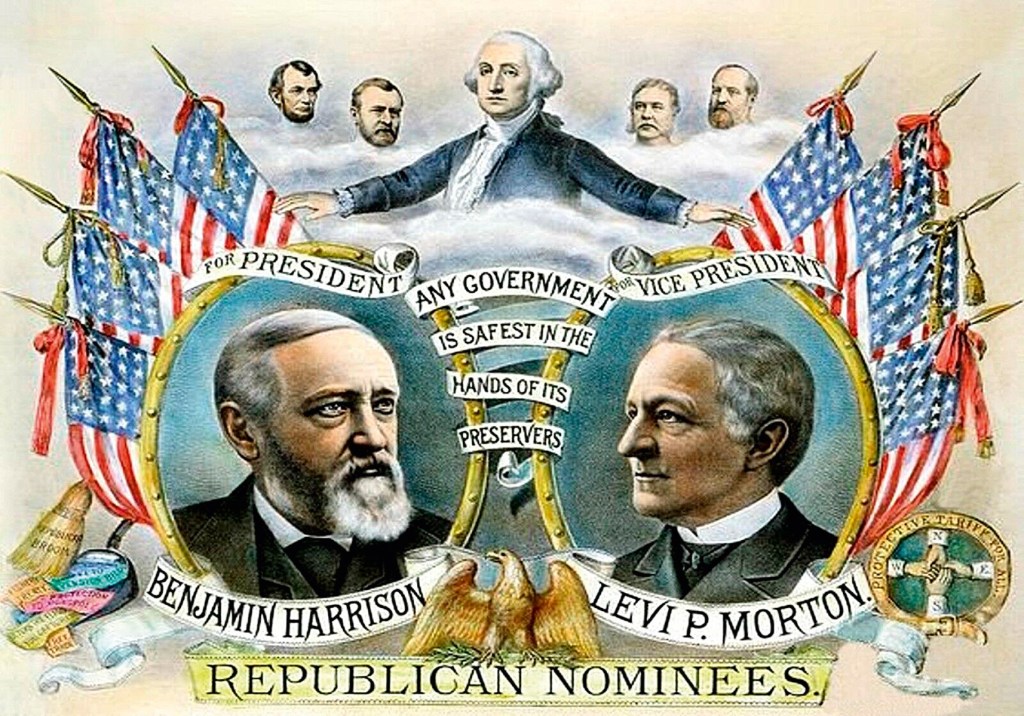
But, we live in unprecedented presidented times, don’t we? The first presidential debate of 2024 a week ago was a shocker – I wrote a preview, live-blogged the actual event and did a bit of a historical deep dive analysis afterwards all for Radio New Zealand. While live blogging it, I had the strange sinking feeling that I was watching history, rather than just another forgettable debate. Here’s what I wrote, with gratuitous arcane Benjamin Harrison and Woodrow Wilson references galore!
I’ve been watching presidential debates for 40 years now, ever since Ronald Reagan and Walter Mondale crossed swords … and I’m afraid President Biden’s performance was the worst I’ve ever seen at one of them.
Will Biden hold the course or step aside? The clock is ticking and just over the last week, while I’ve been on a lovely holiday down south, the narrative keeps changing.
I gave up on making presidential predictions after the 2016 fiasco, and am not entirely sure what the coming days will hold – but I feel 90% sure that if Biden stays in, he actually lost the election on that June evening long before the first vote. It doesn’t matter how well he’s done or not, because, I think, for far too many voters, perception is everything. As far back as last Christmas I did not think Joe Biden should have run again and this whole year has been like a slow-motion car crash, but the thing about car crashes is sometimes, they don’t go quite like you think they would.
So it is with America, shakily, here in 2024. I wonder what precedented times feel like.


 Nik Dirga