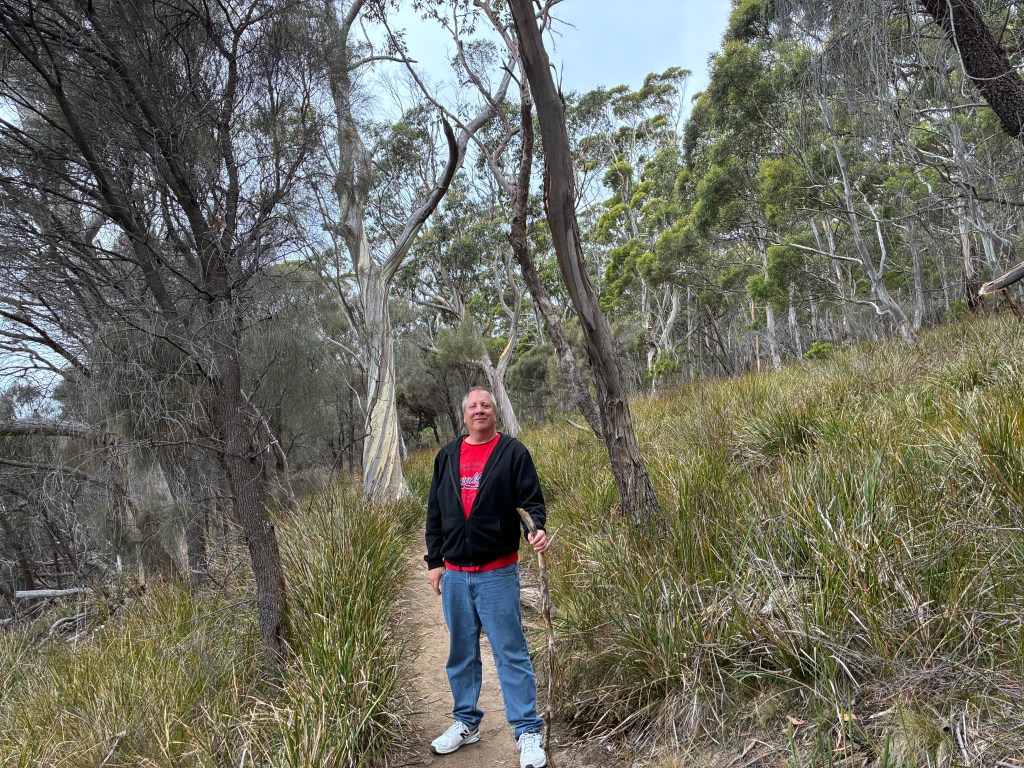
…And so I was off in Tasmania, perched at the hinterlands of Australia, an inverted triangle hanging over the far-flung reaches of Antarctica thousands of kilometres south. If New Zealand feels near the end of the world – and it does, often – Tasmania is the creaking doorway, left ajar in a howling southerly wind.
In my epic quest to one day say I’ve “done” Australia, our southwestern island neighbour was the next step. I am always intrigued by the places on the edge, and hey, there’s a direct flight from Auckland to Hobart three days a week – let’s go, mate! So here’s 10 things I learned about Tasmania:
1. It really is the edge of Australia. Lest we forget, Australia is bloody HUGE, mate – almost as big as the entire continental United States – and Tasmania is about the size of Ireland all by itself. Its geographical isolation across the Bass Strait has led Tasmania to develop its own evolutionary spins on life and a culture that stands out from the rest of Australia. We took a leisurely 10 days or so and still only scratched the surface of what you can see there. Things like…
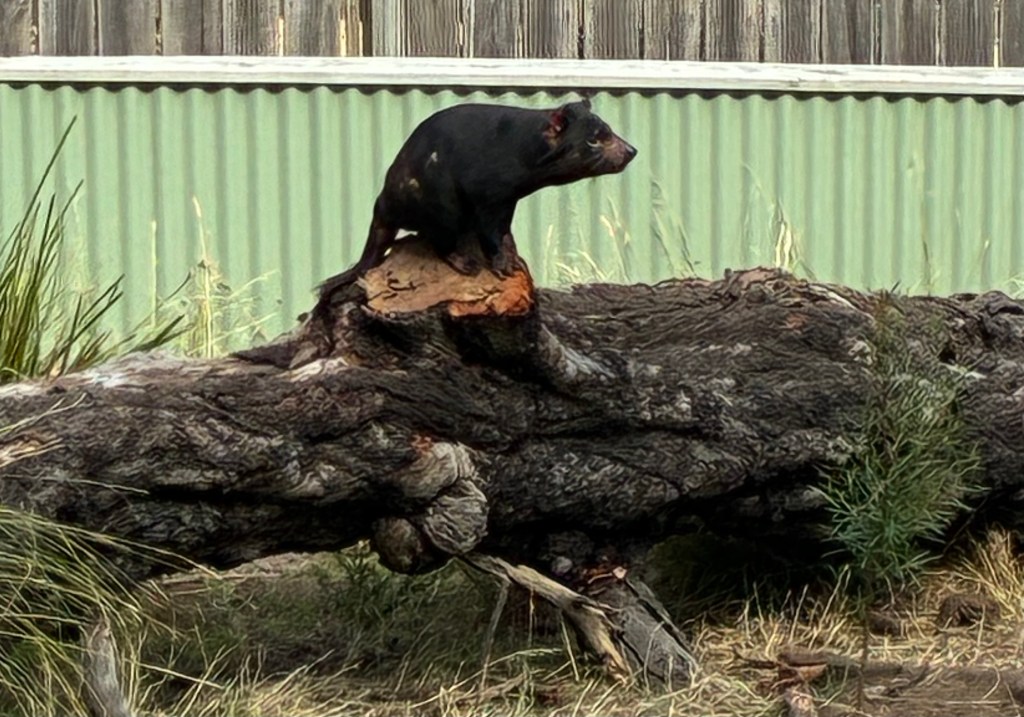
2. It’s got animals you’ll see hardly anywhere else. You’ll easily run across wallabies and the smaller pademelons, fluttering kookaburras and cockatoos, perhaps a most excellent quoll, but unless you’re patient you may not see rarer things like wombats, platypuses and echidna in the wild – but they are there. And of course, the Tasmanian devil is one of nature’s greatest curiosities – a pudgy dog/pig-looking fella that has one of the powerful bites in the entire mammal kingdom, lives only a few years and yes, just like the cartoon character, they’ll eat about anything to power their speedy metabolism. They’re amazing little buggers and they’re also highly endangered, which leads us to …
3. Unfortunately, you’ll see an awful lot of dead animals. I’ve seen kangaroo roadkill elsewhere in Australia but I’ve never seen quite as much marsupial carnage as I did on the roads of Tasmania – deceased possums, wallabies, wombats and ‘roos dot the highways like road markers, hundreds of them. At night time the roads become an animal highway, and vehicles become murder machines. And then there’s the sad familiar story of the thylacine or Tasmanian tiger, a fascinating carnivorous marsupial the size of a Labrador that roamed these hills for millennia – until 1936, when the very last one died in a Hobart zoo. You can see its skin in a bittersweet room devoted entirely to the thylacine at the Tasmanian Museum in Hobart, with specimens, rare images and even a few brief snippets of film. What a gorgeous creature it was, until we humans came along.
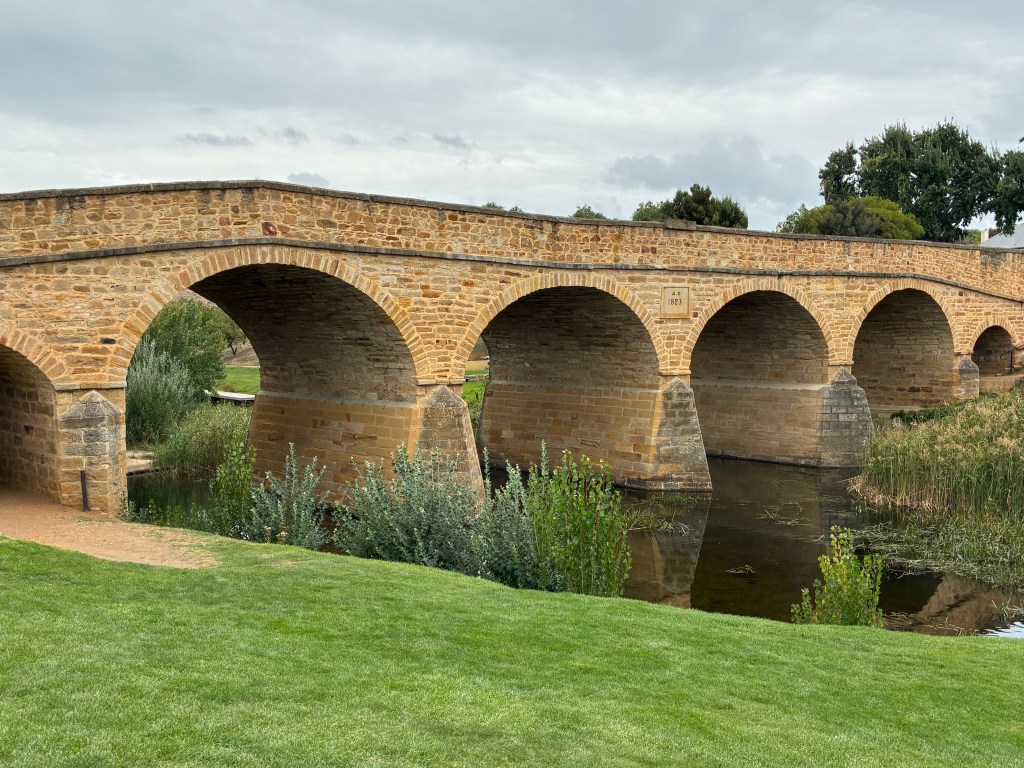
4. They made their buildings to last, here. Auckland’s got a bad habit of knocking down its historic buildings and so it was a pleasure to see so many sturdy stone buildings all around Tasmania, from downtown Hobart to wee towns in the middle of nowhere. Even a mid-size town like Launceston boasts at least a half-dozen amazing ornate stone churches more than a century old.
5. They do darned good bookstores. I brought home a tidy pile of Tasmanian and Australian history books to add to my library, and for a wee island Tasmanian nonfiction and literature are pretty booming genres. Particular shout-outs to the awesomely named Cracked And Spineless and Fullers in Hobart, Petrarch’s Bookshop in Launceston and my favourite, The Book Cellar in the historic Midlands village Campbell Town, built in the historic convict cellars of an 1830s inn. It’s like a dungeon but full of books!
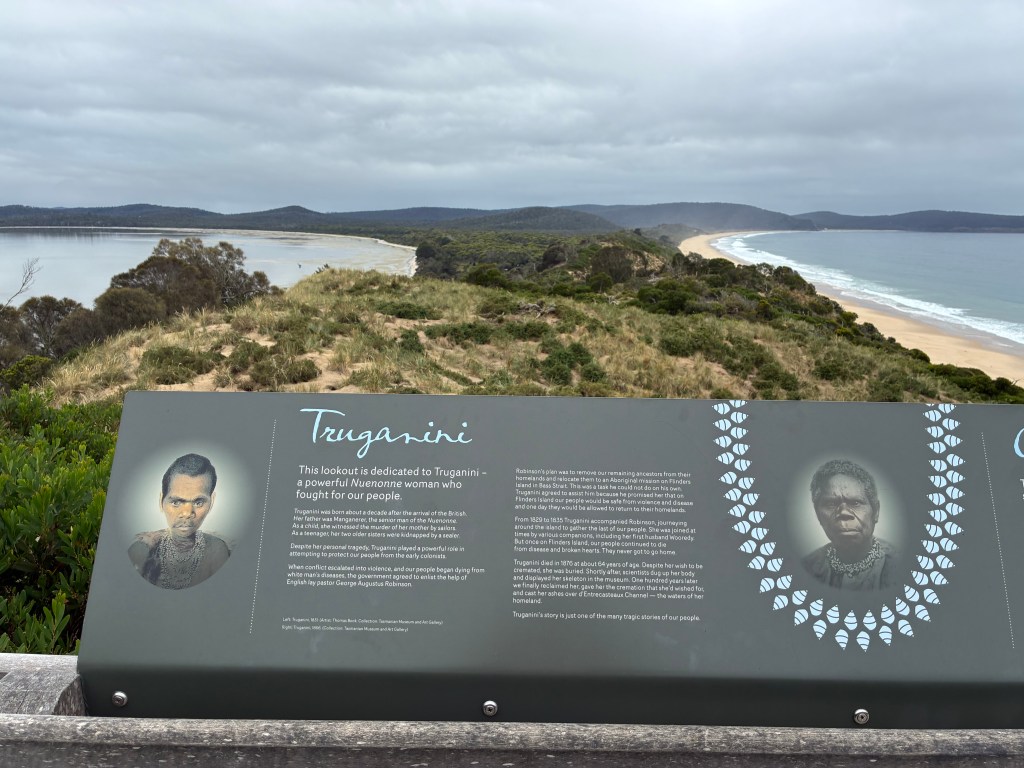
6. Tasmania was a place of racial genocide, and it knows that. The dire fate of the Aboriginal Tasmanian nations is a black mark on history, and to its credit, Tasmania acknowledges that early settlers basically set out to exterminate them by suppression, relocation and flat-out massacres. Truganini, for years called the “last” Tasmanian (she was a full-blooded Tasmanian and quite possibly the last of that time), has a moving memorial on her native Bruny Island that looks out over the sea. Today’s descendants of the original Aborigines are working hard to keep the culture alive, but for many years, the native people were treated as little more than pests to be wiped out. The highly recommended Truganini: Journey Through The Apocalypse by Cassandra Pybus digs deep into this dark time, and while it’s not exactly comforting reading, it’s history that must be remembered.
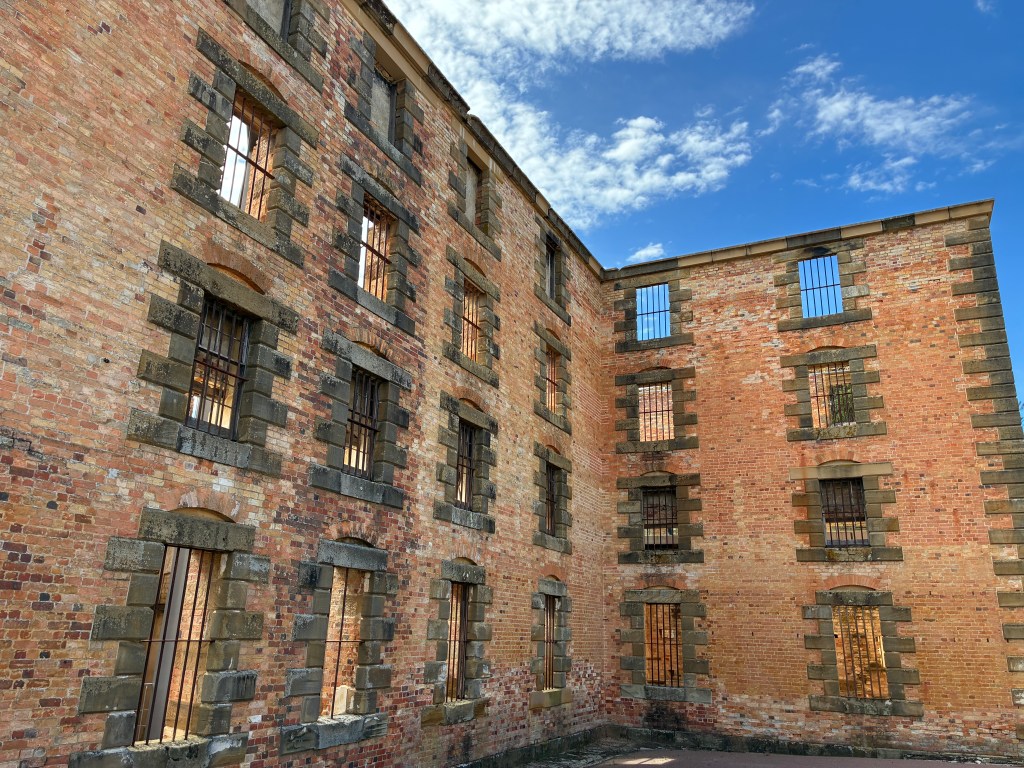
7. Tasmania doesn’t shy away from that bleak history. For much of its recent history, this gorgeous island was a place of pain – the fate of the indigenous as mentioned above, and its claim to fame as one of the main dumping points of convict transportation, where British criminals – even children – were shipped around the world to exile in Hobart and the rest of Australia. In Tasmania, one of the bleakest spots you could be sent was to Macquarie Harbour on the far west coast – the arse end of the arse end of the world in those days – while a bit later on Port Arthur was turned into a virtual convict city. The ruins of Port Arthur stand today and are a haunting kind of convict theme park – drawing tourists from all over the world, and the silent bricks and ruins feel like they pulse with the despair of the past. Australia’s worst gun massacre also happened in Port Arthur in 1996. There’s no whitewashing of all the bad things that have happened in Tasmania in the museums and sites we visited, and at a time when objective truth feels slippery, there is some cold comfort in that.
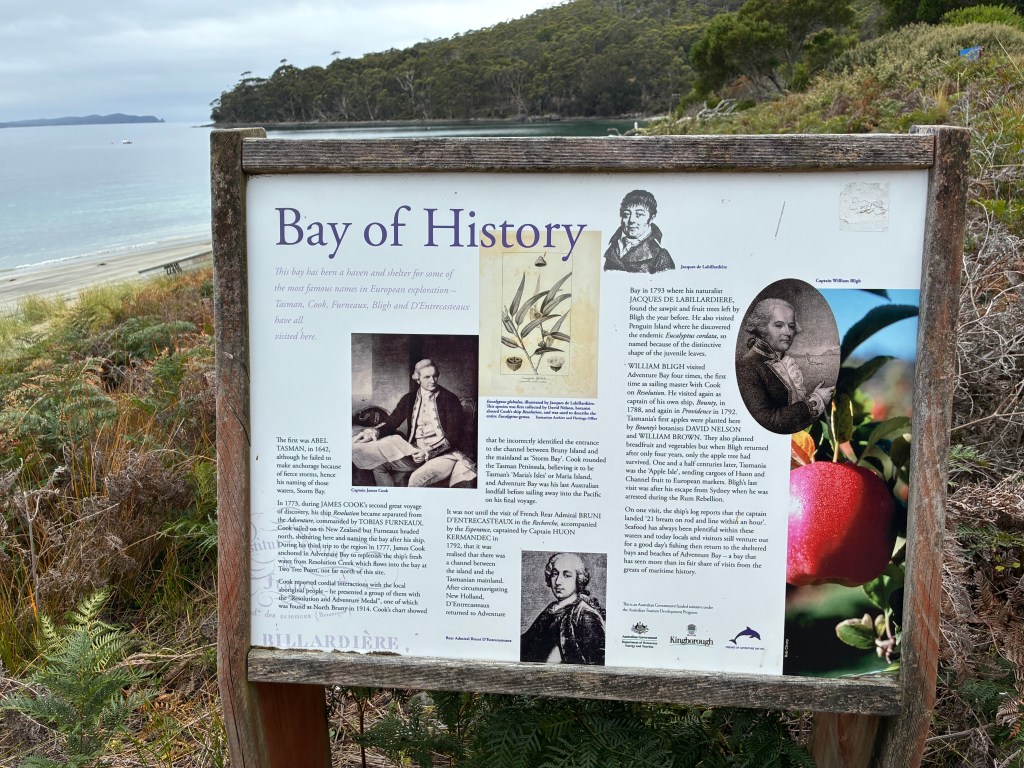
8. It was where the explorers came to find the end of the world. One single spot, Adventure Bay, boasted visits from Abel Tasman, Captain Cook, William Bligh, Bruni D’Entrecasteaux and more during the 1600s and 1700s. A lot of bad stuff happened as a result of the exploration days, yes, but I still remain fascinated by the voyages they took, centuries ago.
9. There’s a world of landscapes in Tasmania. We only got to some of the island – much of the west and north will have to wait for the next trip – but it’s as rich a landscape as the South Island of New Zealand, with sweeping farmland, dense rain forest, gorgeous beaches and rocky monoliths all tossed together. Nothing quite captures the contrasts like Hobart’s Mount Wellington or kunanyi, which rises a sharp 1200+m above sea level to tower over the harbour town – a pretty quick drive up it takes you into pure alpine country, capped off by a huge plateau summit with dolerite columns swelling up everywhere like some Martian landscape.
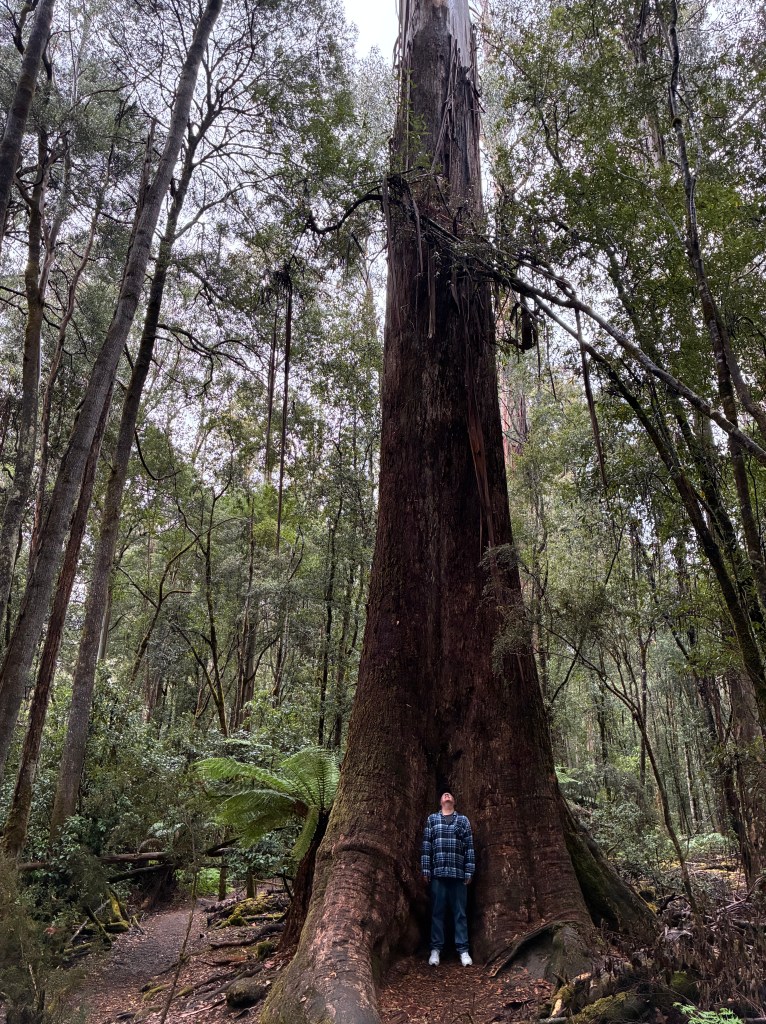
10. Big trees, big dreams. I love a big tree. Towering stands of eucalyptus up to 90m (300+ feet) tall can easily be found, and hidden in the bush is Australia’s tallest tree, Centurion, 100 metres tall. You can’t go wrong with a big tree, no matter how weird the rest of the world might seem these days.

 Nik Dirga