
Everyone’s favourite year in music is probably the music of their youth, but come on, people – objectively speaking 1994 was one hell of a year for popular music.
It was 25 years ago now, and I can slap together a list from memory easily of 25 fantastic albums from ’94 that I still listen to regularly.
1994 was a crazy, buzzing year in my memory – graduated university, grabbed my first job at an actual newspaper, fell in and out of love a bit, and spent a hurly-burly summer working as an intern at Billboard magazine in New York City, surrounded by and swimming in the music of the times. Some of the music I discovered that summer – Guided By Voices, Freedy Johnston – still grab me today. Others were just in the air, like Nirvana or Green Day.
Yes, this list is a bit white, alternative and male, but to be fair that’s what I was listening to in 1994. It’s the songs that stick with me a quarter of a century on, a soundtrack to a year I’ll never forget. My top 25 albums of 1994, in alphabetical order:

1. Tori Amos, Under The Pink: One woman wearing her heart on her sleeve, confessing everything, afraid of nothing.
2. Bad Religion, Stranger Than Fiction: Punk unafraid to preach, and soaring with erudite anger at the state of the world.
3. Barenaked Ladies, Maybe You Should Drive: Their open-hearted power pop swung between sentimental and wordy, and here they hit the perfect balance.
4. Beastie Boys, Ill Communication: It still seems wrong that the Beastie Boys are over now, but we’ll always have “Sabotage.”
5. Beck, Mellow Gold: “Loser” was everywhere, but this is overall a fundamentally weird, ramshackle record, ambling along to its own strange beat.
6. Blur, Parklife: Is “sassy” the right word here? Britpop’s finest hour IMHO, swinging and smart and cynical.
7. Johnny Cash, American Recordings: A giant takes the stage for a valedictory round that very nearly surpassed all he’d done before.
8. Nick Cave And The Bad Seeds, Let Love In: A noir tale of a tall handsome man, in a dusty black coat with a red right hand.

9. Elvis Costello & The Attractions, Brutal Youth: A burst of venom and flame from someone who’s not quite an angry young man any more, an overlooked and underappreciated gem.
10. Green Day, Dookie: Pop-punk propelled along at 1000 miles an hour, ephemeral and yet unforgettable.
11. The Grifters, Crappin’ You Negative: Rusty grunge from deep in the heart of Memphis, a hidden gem I wore out on road trips through Mississippi in the summer of ’94.
12. Guided By Voices, Bee Thousand: Glittering shards of surreal power pop, hit records from another dimension – it hooked me on GbV for life.
13. Hole, Live Through This: Subtract all the Courtney Love baggage you might have – this album is still one fierce wound of a record.
14. Freedy Johnston, This Perfect World: Heartbreakingly gorgeous, wistful songwriting by a guy who should’ve been huge.
15. Nine Inch Nails, The Downwards Spiral: The sound of not knowing, and screaming in the dark.

16. Nirvana, MTV Unplugged In New York: A curtain call, a last bow, what might have been, what never was.
17. Pavement, Crooked Rain, Crooked Rain: Unfolding like songwriting origami, nuggets of obscure beauty – go back to those gold soundz, and keep my advent to yourself.
18. Pulp Fiction Soundtrack: Music curation is an art form, and Tarantino’s never done it better than this perfect mix tape.
19. Tom Petty, Wildflowers: You belong among the wildflowers; the late Petty’s greatest album, contemplative and gorgeous and at peace.
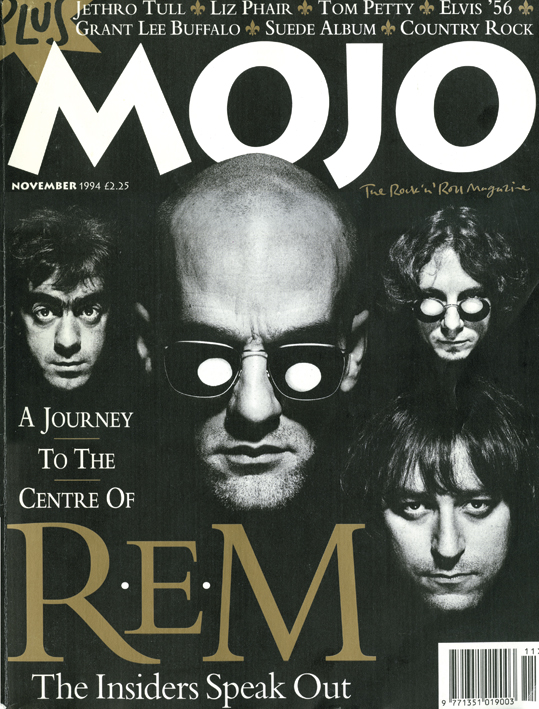
20. REM, Monster: Fuzzed-out and distorted, REM at their peak of fame, and their still strangely askew, enigmatic run of hits.
21. Soundgarden, Superunknown: IMHO, Pearl Jam’s stuff hasn’t really endured that well; Soundgarden’s angst-filled grunge has.
22. Velocity Girl, ¡Simpatico!: Effortlessly charming, sunny grunge-pop, well worth seeking out.
23. Velvet Crush, Teenage Symphonies To God: Power pop with a ‘90s sheen, sweet harmonies and teenage kicks.
24. Weezer, The Blue Album: One of the great power-pop debuts of all time; I hear it makes you feel just like Buddy Holly.
25. Neil Young, Sleeps With Angels: Of the approximately 457 albums Neil Young has released, this one has the beauty of a dusty abandoned saloon falling apart somewhere way out in the wild west.
Bubbling just under: Sugar, File: Under Easy Listening; Outkast, Southernplayalisticadillacmuzik; Sebadoh, Bakesale; Veruca Salt, American Thighs; Portishead, Dummy; Meat Puppets, Too High To Die; Youssou N’Dour, The Guide (Wommat); Frank Black, Teenager of the Year; Alice In Chains, Jar of Flies.








 Nik Dirga