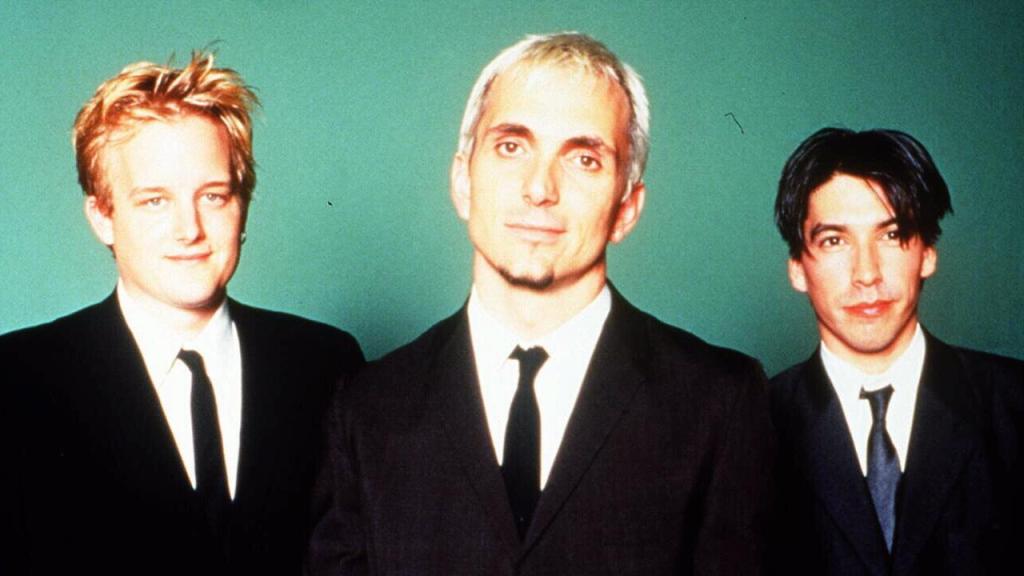
In the 1990s, in my twenties, I would get a bit obsessive about music. I’d hit on a band I liked from the current scene – Sebadoh, Guided by Voices, Wilco – and I’d listen to their albums over and over, mapping them out to give myself meaning. I’d put their songs on mix tapes, trying hard to create a soundtrack for my imagined life.
And for a few years between 1996-1999 or so, there were few bands I listened to more obsessively than Everclear, whose great 1997 album So Much For The Afterglow turns 25 this year. I know I shouldn’t obsess too much over the tick-tick-ticking of the clock hands, but the fact it came out a quarter-century ago now kind of melts my delicate mind.

Sometimes, what music reminds you of feels more important than the music itself. A great album can capture a moment in your life in amber, frozen but alive, so that each chord and chorus can instantly summon up a vanished world. So Much For The Afterglow is one of those albums for me … even if objectively I’ve heard greater albums, better songs, I’ve had few that felt like they meant so much to me in the moment.
I was 25 the year So Much For The Afterglow came out, torn between staying in my college town and starting all over in another place.
Everclear were a Portland, Oregon band led by Art Alexakis, who turned his troubled broken-home youth and drug addictions into his muse. Their first three albums – World of Noise, 1995’s loud and defiant Sparkle and Fade and its briefly ubiquitous doom anthem “Santa Monica,” and Afterglow – were a kind of trilogy mining Alexakis’ pain into catchy rock songs. They were a very ’90s act, post-peak grunge, but heaps above the standard of bands like Creed or Bush.
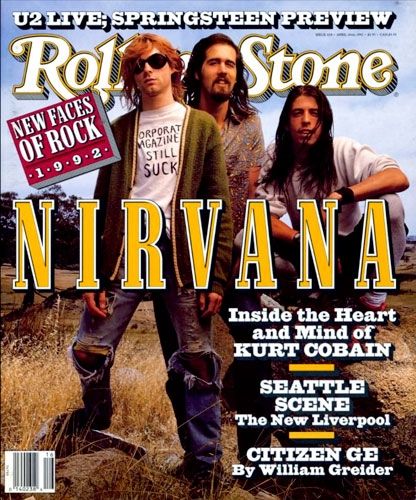
There was no shortage of bands, grunge and otherwise, turning personal pathos into pop hits in the 1990s of course, from Nirvana to Alice In Chains to the Red Hot Chili Peppers. Yet Alexakis married his demons with rock for raw, confessional tunes that somehow felt honest to me, even if they were views from a world I rarely visited. “Normal Like You,” “I Will You Buy You A New Life” and “Father of Mine” all yearned for a world where he didn’t feel like an outcast, where you could try and find a happy ending.
We imagine connections to albums we love. The heroine of “Amphetamine” shared a name with a woman I was madly obsessed with at the time, while the narrator in “White Men In Black Suits” “moved to San Francisco just to see what I could be,” almost perfectly mirroring my own life changes at the time. (OK, I couldn’t afford San Francisco proper, but I did move back to the sultry Central Valley.)

In Everclear’s best songs, everyone is broken, yet hopeful in a battered way. At my worst moments in the chaotic 1990s, just knowing that someone out there felt the same as me mattered. So I bonded with Everclear, hard.
Unfortunately, it kind of felt like Alexakis said the most important things he had to say with the first few Everclear albums. All the other original band members left, and by the early 2000s, the songs turned from angsty to preachy and the same themes kept being hit over and over. When a band starts unnecessarily re-recording old songs, you know they’ve hit a bit of a wall.
None of that takes away from how much I love Everclear’s 90s work.
It is rich with the promise and peril of being suspended at a point in life where you could be anything, even if you won’t actually end up being most things – when you are Everything Everywhere All At Once, to quote the amazing new movie I saw the other night.
And now it is 25 years later, and perhaps much of the raw edge I felt at 25 upon listening to Everclear has been burnished off by the weight – and sometimes, the cruelties – of time. But I pop on “Santa Monica” or “I Will Buy You A New Life” and for a moment I am there again, jittery with potential and ready for all the world’s bruises and brief joys to knock me around all over again.





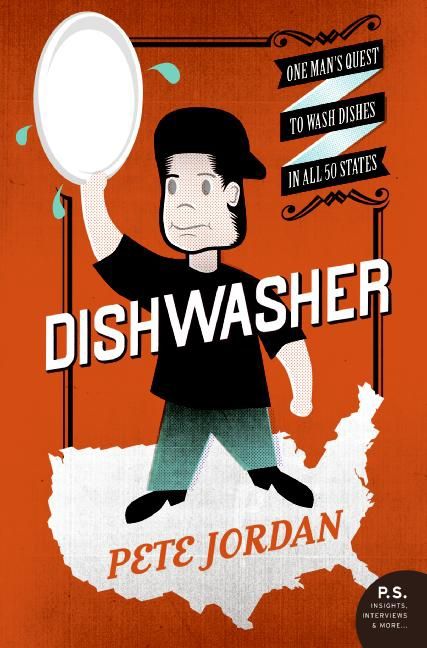 For That’s So ‘90s Week, I’m taking a look back at some of the pop culture epherma of the ’90s that sticks with this ageing Gen-Xer.
 It’s like a petri dish of what social scientists might imagine the prototypical ‘90s Gen-X life story to be. Pete dishes on an oil rig, in Alaska, in chain restaurants and communes and tiny roach-infested dives. As his zine grows, he becomes a folk hero, and even appears on David Letterman (sort of – I won’t spoil the story, which is totally on brand for Pete). These days he’d probably be some kind of live-streaming influencer, but in the ‘90s a guy like Pete would just drift into your life occasionally, a battered zine showing up in the mail or a phone call from a guy wanting to crash on your couch for a week.
 But “Frasier.” Ah, “Frasier.” For me, “Frasier” is the warm witty blanket of ‘90s TV, perfectly constructed one-act farces that I can watch over and over again without tiring. If asked, I’d have to say that I think “Frasier” is the peak of the traditional sit-com form – one that’s been deconstructed and reconstructed often since, but rarely bettered.
 All right, it’s time to post again and stop hanging out at the beach and such. It’s 2019, oh man oh man, and that means 1999 was 20 years ago, which means the ‘90s ended 20 years ago, which means my 20s ended 20 years ago and I am officially old.
 I’ve been collecting comics for (gulp) nearly 40 years now, but the 1990s was the closest I ever came to abandoning my monthly fix. Marvel and DC’s mainstream comics hit their gaudy nadir, and I was dead broke a lot of the time anyway. But there was an awful lot of brilliance to be found in the spirit of independent comics – Hate, Eightball, Cerebus, Yummy Fur, Naughty Bits, Dirty Plotte, DC/Vertigo’s Sandman – and that kept me going.
 Throughout ACBC, we see the twin poles of creative independence and corporate greed battle, greed usually winning. Marvel sells 8 million comics and goes bankrupt a few years later. DC kills Superman, breaks Batman’s back, makes Green Lantern a mass murderer, chops off Aquaman’s hand (spoiler: they all get better). Image Comics is formed in 1992, and despite beginning with some pretty awful clenched-teeth superheroic angst, it’s still here in 2019 and publishing a diverse and intelligent line of books. Former Marvel editor-in-chief Jim Shooter, on the other hand, keeps popping up throughout the book starting up new companies that quickly fade away.
 I’ve always considered myself a pretty adequate comics history nerd, but there were entire publishing companies unearthed in this book I’d never heard of. Sacks and Dallas keep the constant flow of information moving in an entertaining way, and there’s tons of juicy comics-biz gossip peppered throughout.
 Nik Dirga