Year in Review: My top 10 pop culture moments of 2023

It’s a new year, a fresh start, a hope this year is maybe a bit less suck than the last one! I’ve complained enough about the year that was, so instead let me dive back to look at ten musical, cinematic or literary experiences that rocked my world in ’23: 

Go back to those Gold Soundz: I didn’t check out a lot of live music last year, but what I did was superb, led by the old guard showing they can still blast with the best of them. Indie icons Pavement put on a superb reunion show that left me humming the chorus to “Gold Soundz” for weeks, while I finally saw punk/post-punk legends The Damned for the first time on the back of their excellent Darkadelic album, and they melted my face. And my ears. I don’t quite know if my hearing has ever been the same.

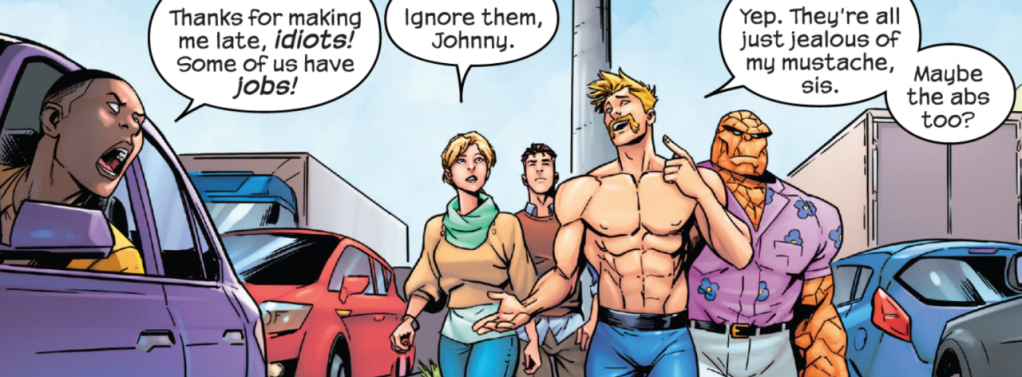
Tonight, a blind woman and a monster came to town: I’ve been getting fewer ongoing monthly comic series these days, but one that’s on my must list is Ryan North’s brainy, witty take on Marvel Comics’ Fantastic Four, which is inventive science-bro action combined with the family heart that is key to the FF. It’s just darned fun, good comics that (so far) don’t have to be part of some sprawling pointless multi-comic company crossover to feel epic. It’s the best the Fantastic Four has been in ages. 

A long long time ago, when I was a little chick: I wrote a whole story recently asking local book lovers for their favourite New Zealand books they read and it reminded me of what an excellent year it was for NZ fiction, led by Eleanor Catton’s wickedly fun satire Birnam Wood and a two-fer by Catherine ChidgeyThe Axeman’s Carnival, an amazing novel about a bird who becomes a social media celebrity, and the nearly as good teenage angst thriller Pet. Go team NZ!

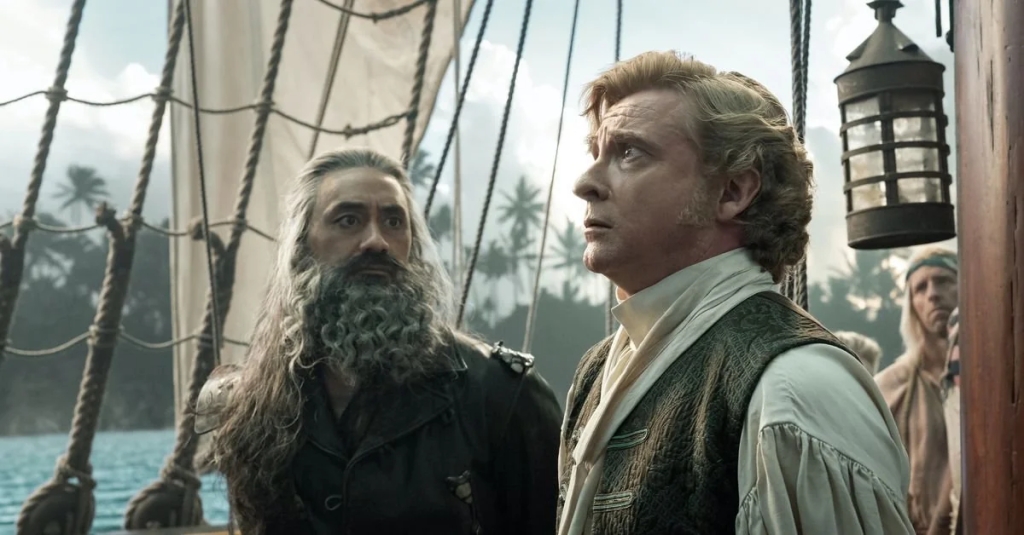
You don’t know the first thing about piracy, do you?: There was a lot of great TV in ’23 – Reservation Dogs, that banger final Succession run, Poker Face, and I’m only just now discovering how fantastic The Bear is – but the one that sticks with me the most is Taika Waititi’s unexpected gay pirate comedy Our Flag Means Death, which in its NZ-filmed second season truly transformed into a delightfully sweet romance mixed with swashbuckling pirate fun. A gem. 

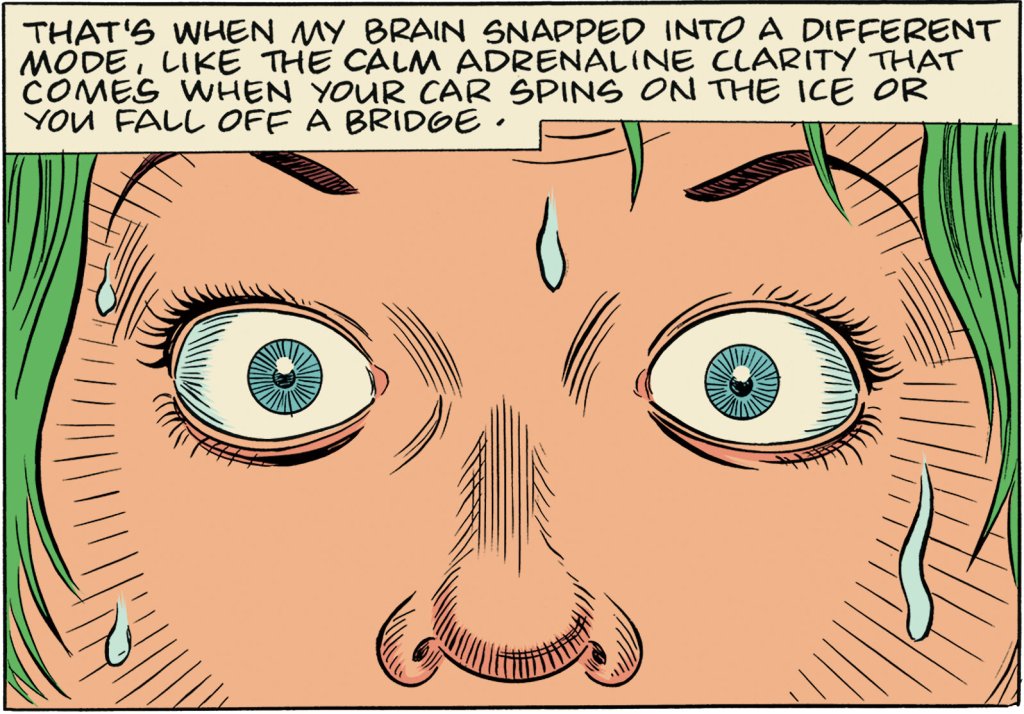
And in an instant, I know I’ve made a terrible mistake: Daniel Clowes has been blowing my mind since long ago when I first stumbled on an issue of Eightball. His comics are less prolific than they once were but they’re worth the wait, with this year’s graphic novel Monica (art at top of post) quite possibly his masterpiece. A sweeping story of one woman’s exploration of her own mysterious past, it’s a technically dazzling (those colours!), assured and layered work that you’ll keep churning over in your head for days afterwards. It’s not a speed-read like many modern comics, but an experience that might just leave you feeling like the world is a slightly different place when you’re done. 

All my life I’m looking for the magic: Yeah, I know, physical media is dying, bla bla blah, but while I’m definitely a bit more choosy about what I buy in the age of internet abundance, I can’t pass up a good mix, and UK record label Cherry Red constantly is putting out fantastic CD box sets of eclectic punk rock from 1977-1982, power pop from the UK and US and ’80 synthpop that spans my mid-1970s to late-80s sweet spot. Sure, you can find a Spotify playlist, but I enjoy the curated, elegant physicality of these great boxes and the buried treasure they contain. Each set is hours and hours of gems waiting to be rediscovered and if I close my eyes I can almost pretend it’s coming from a cassette mix tape as I drive my old Volkswagen Rabbit around town. 

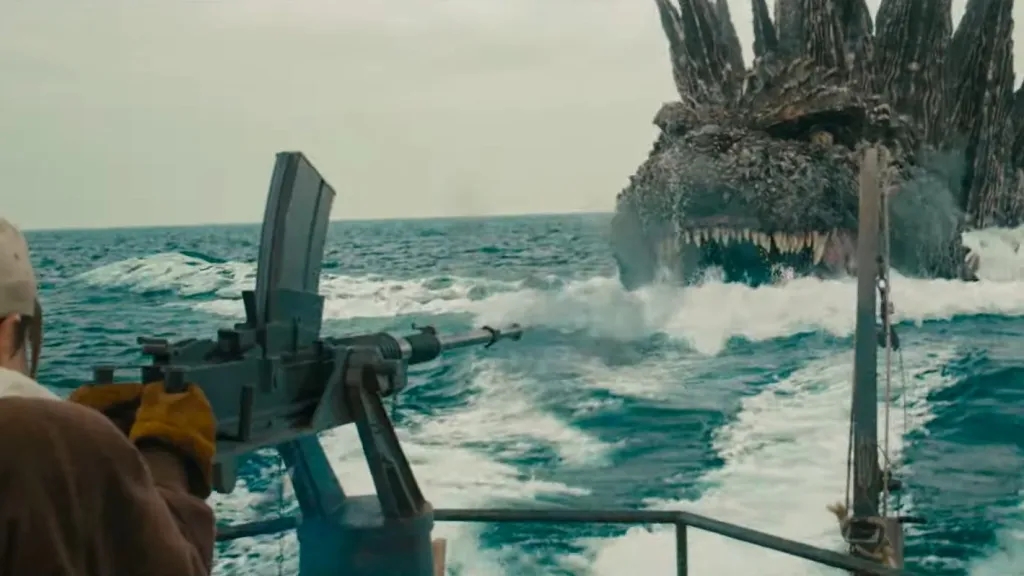
That monster … will never forgive us: This was the year comic-book movies stumbled and became just as cliched as the Will Smith and Tom Cruise action movies they replaced. But look across the seas to Japan and some of the year’s best blockbusters came from there, with kaiju instead of capes in the terrifically oddball Shin Ultraman and the bizarre Shin Kamen Rider and best of all, the monumental reimagining of the biggest beast of all with Godzilla: Minus One. There were decent superhero moments this year, but not one of them compared to the kinetic thrill of watching Ultraman or Godzilla stomp on buildings with fresh energy. 

Dear Allen, thanks for your letters. I was glad to hear from you: William S. Burroughs was not a decent man. A drug addict, the accidental murderer of his first wife, homosexual in a repressed era, his twisted, tormented writings are decidedly not for everyone. And yet, and yet. This year I found myself once again reading Burroughs’ books like The Soft Machine and turning to his nonfiction writings, particularly his collected letters, because the nonfiction shows so well what went into his far-out fiction. The Letters of William S. Burroughs 1945-1959 fascinated me because it revealed the real person behind the sneering, sinister king of debauchery Burroughs became. It’s extraordinary to read how human and lonely Burroughs is in these letters, wrestling with unrequited love, addiction and ‘normal’ society, and his determination to find new shadowlands behind the world we live in. A stoic mask soon settled over his public face, but here we learn how he got there.

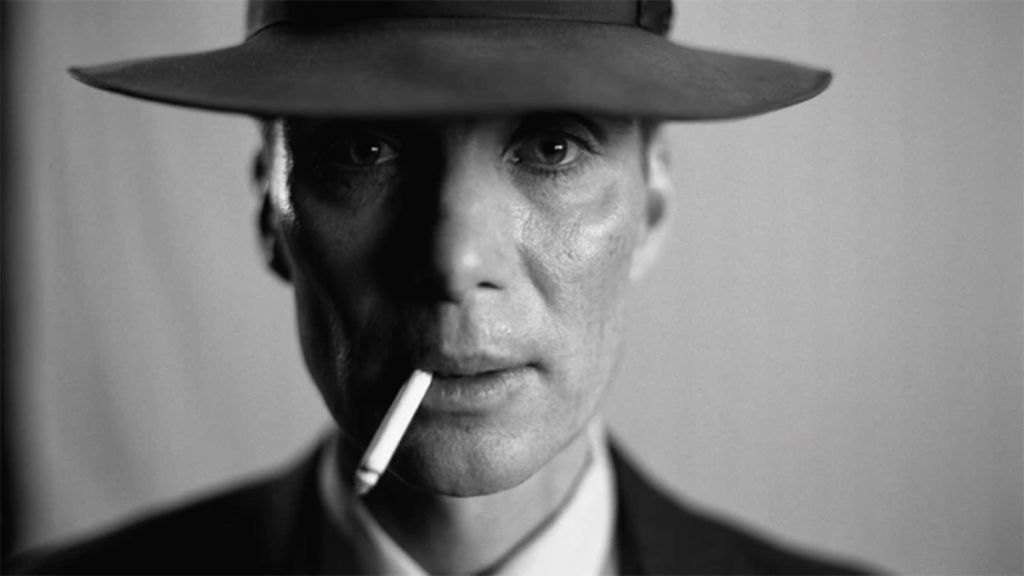
To be honest, when I found out the patriarchy wasn’t just about horses, I lost interest: “Barbenheimer” might have been a marketing technique gone viral, but it was a heck of a lot of fun and rewarding to see two very good movies leading the summer box office and showing up the latest dusty, unnecessary franchise-extender Indiana Jones sequels and the like. Barbie was a huge hit, but it was also just subversive enough to charm all but the most cynical, while Oppenheimer was Christopher Nolan’s best movie yet led by a dazzling Cillian Murphy and sequences on the iMAX screen downtown that melted my face nearly as much as a Damned concert. 

The meat goes into the oven: This one’s a bit self-indulgent, but I had a very good year stretching my feature writing muscles this year in my paying gigs, between several book reviews for the NZ Listener magazine and writing for Radio New Zealand about stuff I love like barbecue restaurants, fans of weird movies, used book fairs, film festivals and more. Turn your passions into words, folks, and let’s all have a fine 2024!

A seven nation army couldn’t hold me back: My top 10 albums of 2003

Was 2003 the end of rock and roll? The genre has been killed and resurrected so many times it makes Dracula look like an amateur, but still, for me, somehow 2003 feels like the last year that I was personally invested in new rock and roll. 

Part of that is simple age – entering my mid-30s, with a kid on the way, I was about to enter the demographic of Bob The Builder and Wallace and Gromit. I was following then-new music blogs and enjoying the dodgy thrills of downloading MP3s galore and burning them on oh-so-fancy mix CDs that are still in a closet somewhere, but soon I’d stop doing all that.

Rock began receding as a pop culture monolith as grunge died out, but it was in the early 2000s that it felt like it rallied for one last blast with a flurry of terrific albums from bands like The Strokes, White Stripes, TV On The Radio and more. Since then, to be honest, rock music feels like it’s less a part of the pop culture conversation. 

Rock is still out there, but for me, 2003 is about when I started to sort of check out from obsessively following all the latest music. I do try to keep my hand in and listen to new stuff much as possible, but, I recognise that the best pop music now is mostly for the youth, not me, and if I happen to dig some of it, well, that’s just a bonus. 

It’s hard to believe 20 years have passed since these albums came out, but I also tend to think of Taylor Swift as “new” music so I’m really well past it, I guess. 

Nevertheless, two decades on, in no particular order here’s my 10 favourite albums of 2003, the year that rock died (OK, maybe just the year that rock got a nasty head cold that it’s still shaking off): 

Blur, Think Tank – The Britpop stars delivered a woozy, tense album that feels like a loose response to the tension of the Iraq War (boy, we only thought we knew what global tension was in those halcyon pre-Trump, climate apocalypse and pandemic days, didn’t we?). The more optimistic groove of albums like Parklife is far behind but what emerges is a kind of gorgeous weary reverie hanging for dear life onto Damon Albarn’s achy croon in tunes like “Out Of Time” and “Battery In Your Leg.” 

The Shins, Chutes Too Narrow – For about five minutes there, The Shins felt like the future of indie rock. Their second album is fragile and filled with grand harmonies, enigmatic lyrics and made for long lonesome road trips. It’s all very gentle and mannered and on the verge of being too twee for its own good, but there’s plenty here to remind you why Natalie Portman said “The Shins will change your life” the very next year in 2004’s hipster poster child of a movie Garden State

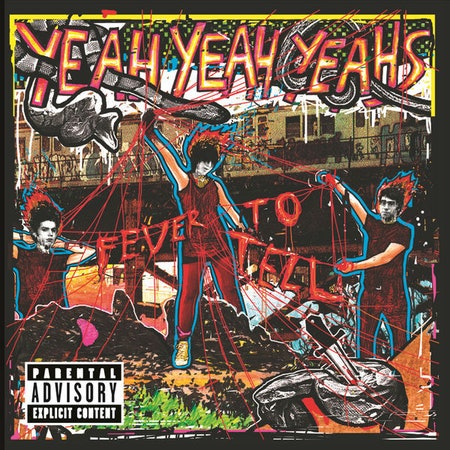
Yeah Yeah Yeahs, Fever To Tell – A great blast of grrrl power as Karen O and company blew the roof off with this snappy debut album. Weirdly, the album’s most sedate tune, the ballad “Maps,” became its biggest hit, but the heart of this album is a boiling punk-rock hurricane led by howlingly good romps like “Black Tongue.” After this album the band’s output was middling, more “Maps” than punk, and they never quite recaptured the ferociousness Karen O blasts forth here. 

Fountains of Wayne, Welcome Interstate Managers – Radio hit “Stacy’s Mom” alone is a gorgeous sexy/silly hunk of power pop, but the rest of the album by this late, lamented band is full of wry, jangly gems like “Hackensack” and “Hey Julie.” A good power pop album never gets old.

White Stripes, Elephant – And here we hit peak Jack White. I know he’s put out a lot of good stuff since then, but the raw, raggedy side of the Stripes sound collided with stadium rock here and face-melting anthems like “Seven Nation Army” to make it the best thing he (and the sorely missed Meg White) ever did. This one might just mark the end of rock ’n’ roll’s evolution, perhaps? 

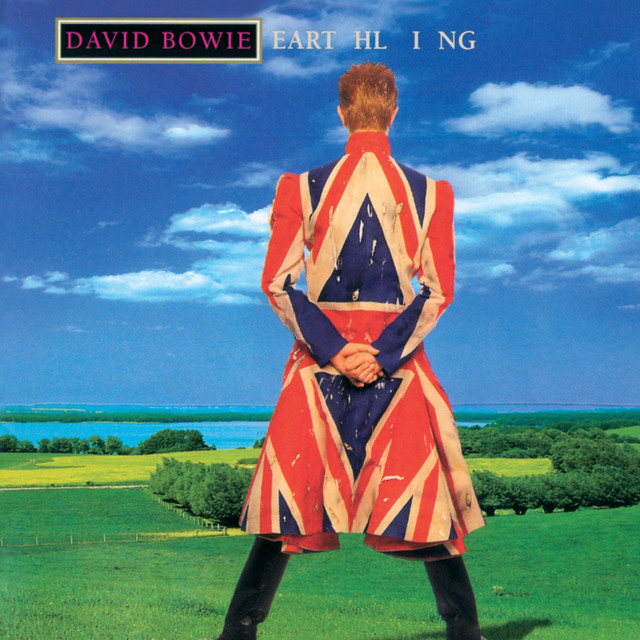
David Bowie, Reality Reality is a fascinating time capsule – Bowie’s final release at age 56 before an unthinkably long 10-year hiatus, and his untimely death – and while it isn’t quite as original and path-breaking as his best work, it’s still a comfortable rock god doing what he did best in an album that feels playful and masterful. Highlights includes a bombastic cover of Jonathan Richman’s “Pablo Picasso” and the darkly gorgeous epic “Bring Me The Disco King”. Shame about that horrific cover art, though. 

Outkast, Speakerboxx/The Love Below – Sweet and sour, sultry and silly, this double-album delight of André 3000 and Big Boi’s duelling soul, funk and rap is a treasure box that keeps giving. Yes, it was inescapable, but “Hey Ya” is one of those massive pop hit earworms that still delivers years on, and if you don’t like it I can’t help you, while the smooth groove of tunes like “The Way You Move” and askew hip-hop of “Roses” also are terrific. 

Nick Cave and the Bad Seeds, Nocturama – Not usually considered one of Cave’s top albums, but there’s something lovelorn and haunting to me about this set, which continued Cave’s move from rowdy rock demon to spooky apocalyptic preacher of songs. The brooding beauty of “Wonderful Life” or the wounded grace of “Bring It On” are near-top Cave, and I can’t get enough of the clattering 14-minute rambling album-closing jam of “Babe, I’m On Fire.” 

Calexico, Feast of Wire – Calexico are the fuzzy warm blanket of Americana to me, fusing together elements of Tex-Mex, jazz, blues and country into music that all sounds like the soundtrack to some great lost spaghetti western. Feast of Wire is their finest, most expansive album, drifting along in a gorgeously restless haze. It’s an album I constantly return to for the journeys it takes your brain on. 

Ryan Adams, Rock n Roll – Yeah, OK, I went through a big Ryan Adams phase in the mid-2000s, before his contrarian personality and troubling allegations kind of derailed his career and he put out a few too many meandering mediocre albums. Still, I’ll die on a hill for a couple of his albums of the early 2000s like Heartbreaker and Gold. Even though it got a middling reception, I still quite dig 2003’s Rock n Roll, where moody Ryan puts away the pedal steel and unleashes a pile of hooky, guitar-filled rock anthems with a heavy Replacements/U2 vibe. It’s just rock ’n’ roll, as it says on the tin, but I like it. 

Other best albums lists:

Mummy dearest: Ranking Universal’s classic mummy movies

I love a mummy. Who doesn’t love their mummy? 

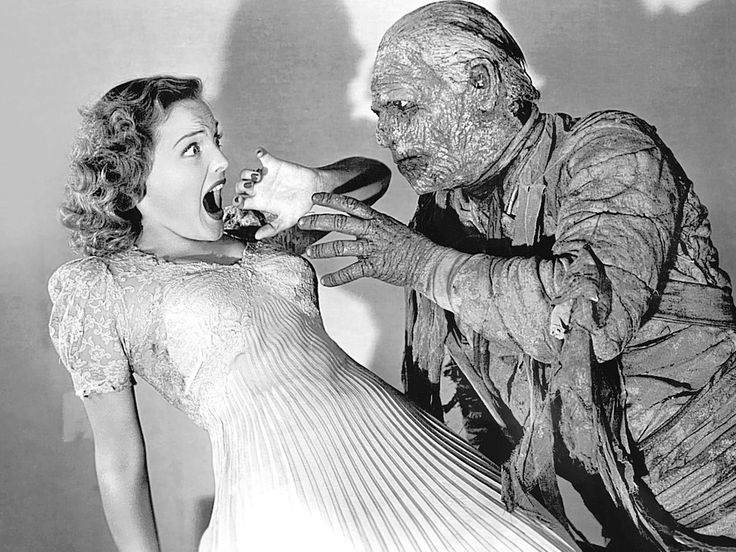
Mummy monster movies have always fascinated me, even if there’s never been a truly great mummy movie like there have been for Frankenstein’s monster or Dracula. The very visual idea of a corpse wrapped in bandages touches on some kind of universal terror. They’re not zombies – they’re something kind of worse, caught forever in a sort of half-life. I dressed up as a mummy one year for Halloween wearing yellow pajamas that were draped in toilet paper. The paper unraveled after a few blocks, but I didn’t care. Mummies are cool, man. 

Universal Pictures brought the first mummy movies to the cinema, not too many years after the discovery of King Tut’s tomb created a kind of Egypt-mania. But while Universal churned out five Mummy movies in the ’30s and ‘40s, they’ve never quite been regarded as classics like Bride of Frankenstein or The Invisible Man. Still, the first time I saw these movies years ago, there was something about them I liked.

As a “character,” the Mummy in the Universal movies is generally lacking, especially after the first Boris Karloff film. He’s mute, he shambles and lurches and somehow still manages to kill a lot of people despite only having one working arm and leg. But darn it, he just LOOKS great, with the iconic makeup by Frankenstein’s monster magician Jack Pierce, and there’s something I like about the idea of an ancient horror coming to life in modern America. While the Mummy is a somewhat blank canvas compared to flashier movie monsters, you can see a lot of his relentless stalking and silent menace in later killers like Halloween’s Michael Myers and Friday The 13th’s Jason Voorhees. 

Most of the 1940s Mummy series is formulaic to a fault, and increasingly cheap, each one barely over an hour long. Yet I still enjoy them for what they are – pulpy monster stories that don’t demand too much of you, but you’ll be guaranteed to see some murderin’ mummy action and just enough moments to remind you of why the very idea of a mummy still creeps us out. 

The Mummy (1932)

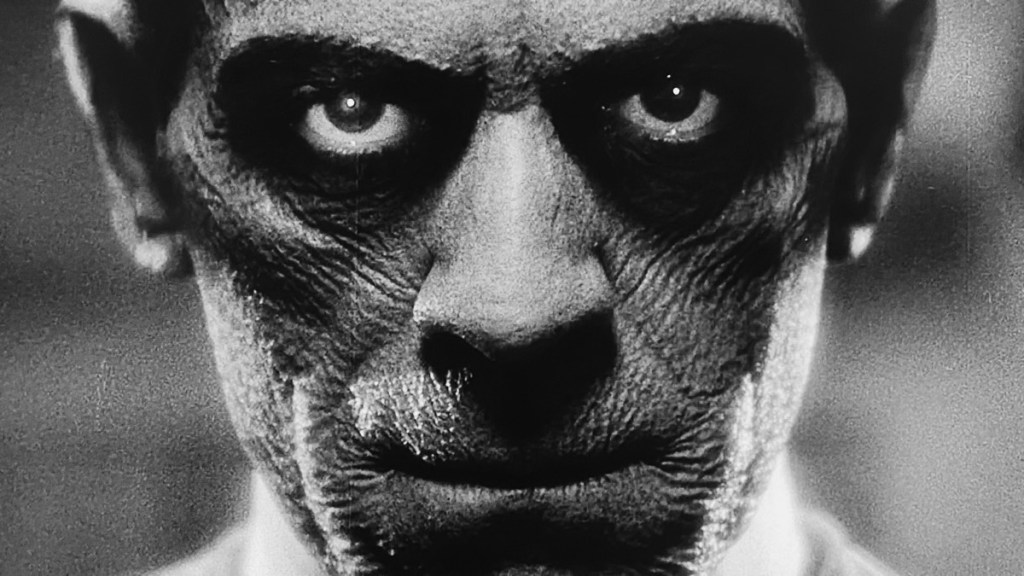
The one that started it all, but if you’ve never seen it, it’s very different than you might think. On a high from Frankenstein, Boris Karloff stars as Egyptian high priest Imhotep, the “mummy” of the title, but he only actually appears wrapped up in linen for one brief scene. For the rest of the movie, the revived Imhotep is an eccentric yet apparently ordinary man, working as an Egyptian historian. Imhotep’s secret is that he’s searching for the reincarnation of his lost love, and hatching a millennia-old plot of revenge and lust. The Mummy is far more of a kind of Gothic horror than a monster movie, a gorgeously filmed slow burn with Karloff delivering one of his best performances as the creepy stalker Imhotep. It’s more of a ghost story, really. There’s only that brief proper mummy scene but throughout the film makeup mastermind Pierce gives Karloff a withered, haunting look. The Mummy is not quite scary, but genuinely disturbing and bitterly sad, the story of an eternal lost love. Karloff’s haunting eyes tell a story better than even the best makeup could, really. 

Rating: Four and a half pyramids (out of five)

The Mummy’s Hand (1940)

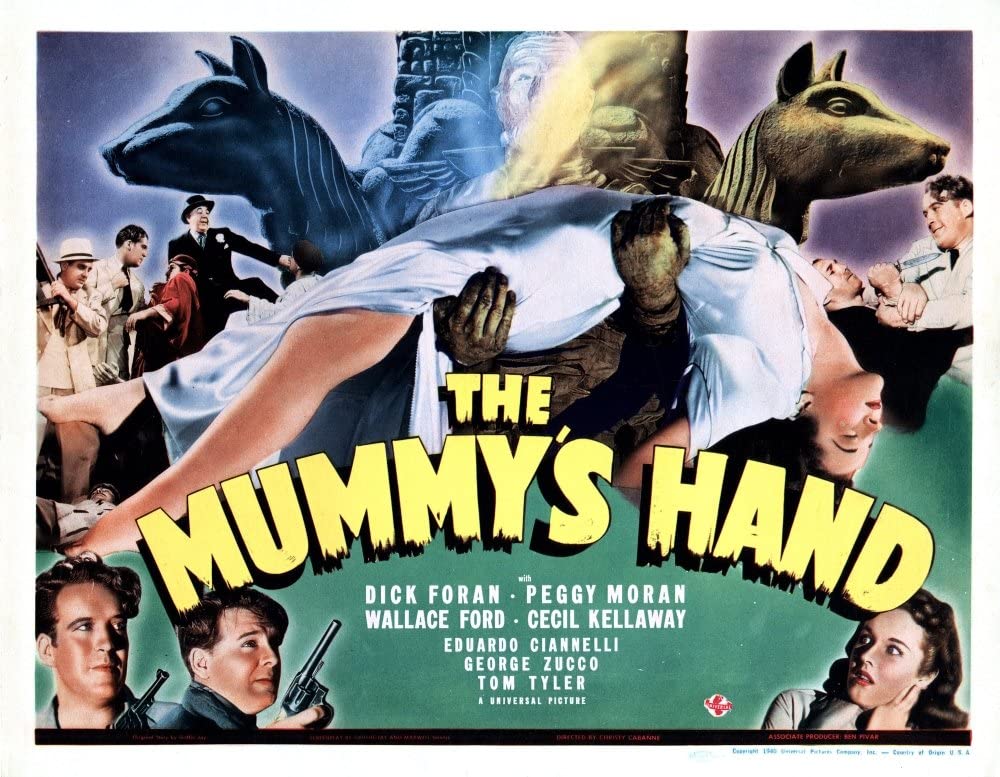
The idea of movie “reboots” didn’t exist in 1940, really, but for all intents and purposes, Mummy’s Hand starts an entire new series of Mummy movies, introducing the ancient Kharis (Tom Tyler). The shuffling “mummy stereotype” that most of us first think of when we think of mummies begins here, in a gaudy B-movie that, while inferior to the arty drama of The Mummy, was actually lot more influential on the mummy image over the years. Thousands of years ago, Kharis attempted to bring his dead lover Princess Ananka back to life, but was caught by the temple priests and mummified alive for his crimes. Centuries later, a group of adventurers discover his tomb in Egypt and accidentally free him, and thus the murdery hijinks ensue. Much of the plot that animates the entire series starts here – an ancient order of cultish priests have guarded the mummy’s secrets for centuries and Kharis is kept alive by “tanna leaves” that rejuvenate him from his hibernation. Unfortunately the cool ideas at the heart of Mummy’s Hand are buried in sloppy execution, a slow plot, dated racial condescension towards the Egyptian people and far too much lame Abbott-and-Costello style comic relief with the highly annoying sidekick “Babe” (Wallace Ford). I rarely wanted a supporting character to be strangled by a mummy as much as I did “Babe.” While this one sets the template for the franchise, with an ever-returning Kharis wreaking vengeance in various ways, it’s a pretty dull monster movie, with sub-par Indiana Jones-style antics and no mummy action until well over halfway through. While Tyler’s reptilian Mummy is very creepy – with vivid blacked-out eyes, he’s a lot scarier than his successor Lon Chaney Jr would be – he gets very little screen time. 

Rating: Three pyramids 

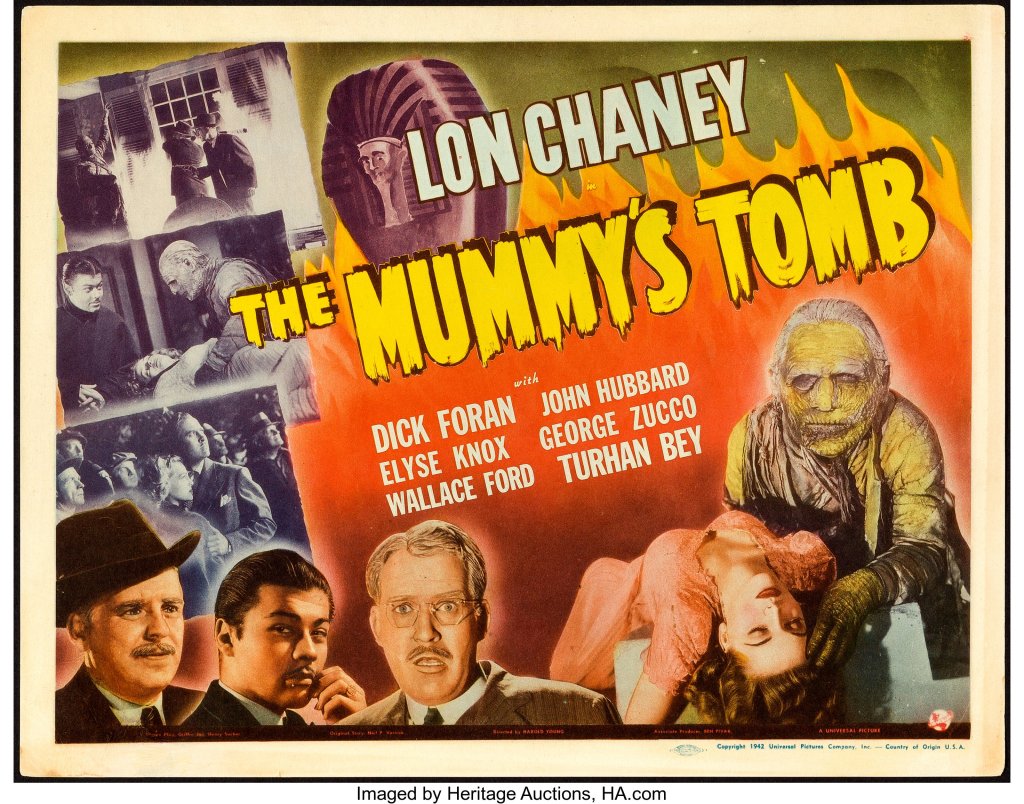
The Mummy’s Tomb (1942)

Arguably, the best of the movies after the Karloff original, once you get past the pointlessly long 10-minute recap of the last movie at the beginning. For one thing, annoying Babe returns and is quickly killed off by the Mummy, who goes on a major revenge murder spree here. The story picks up 30 years after Mummy’s Hand, with the returned Mummy and his Egyptian sidekick (an excellent, feline Turhan Bey) now in America. They’re hanging out in a New England college town hunting down members of the expedition from Mummy’s Hand and wiping them out without mercy. I actually quite like them bringing the Mummy to America, where his old-world menace seems somehow more terrifying and disorienting. Having the Mummy stalk suburban streets is highly creepy. Nobody escapes the Mummy’s curse, these movies constantly remind us, and they actually live up to that claim by wiping out any survivors from previous movies quickly. It’s Lon Chaney Jr’s debut as the Mummy he would go on to play for three movies, but it’s hard to imagine a less thankless role for an actor. He’s mostly played as an unthinking weapon. Even Frankenstein’s monster could emote more, and Chaney reportedly hated the job (fun fact – the alcoholic Chaney reportedly gimmicked the mummy costume up so he could sip vodka all the day long). Despite its flaws, this feels like the platonic ideal of a Universal Mummy movie, and it’s got far more Mummy action than the first two in the series, and a spectacular fiery climax which is probably the best “boss battle” we get in these Mummy movies.

Rating: Four pyramids 

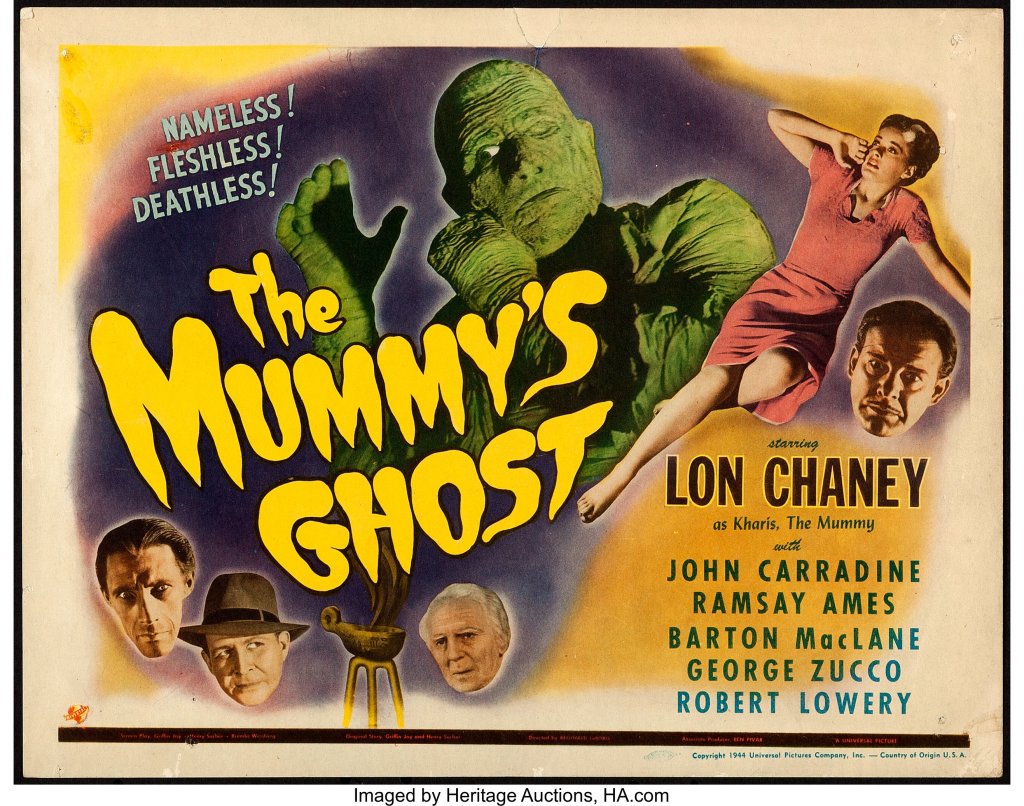
The Mummy’s Ghost (1944)

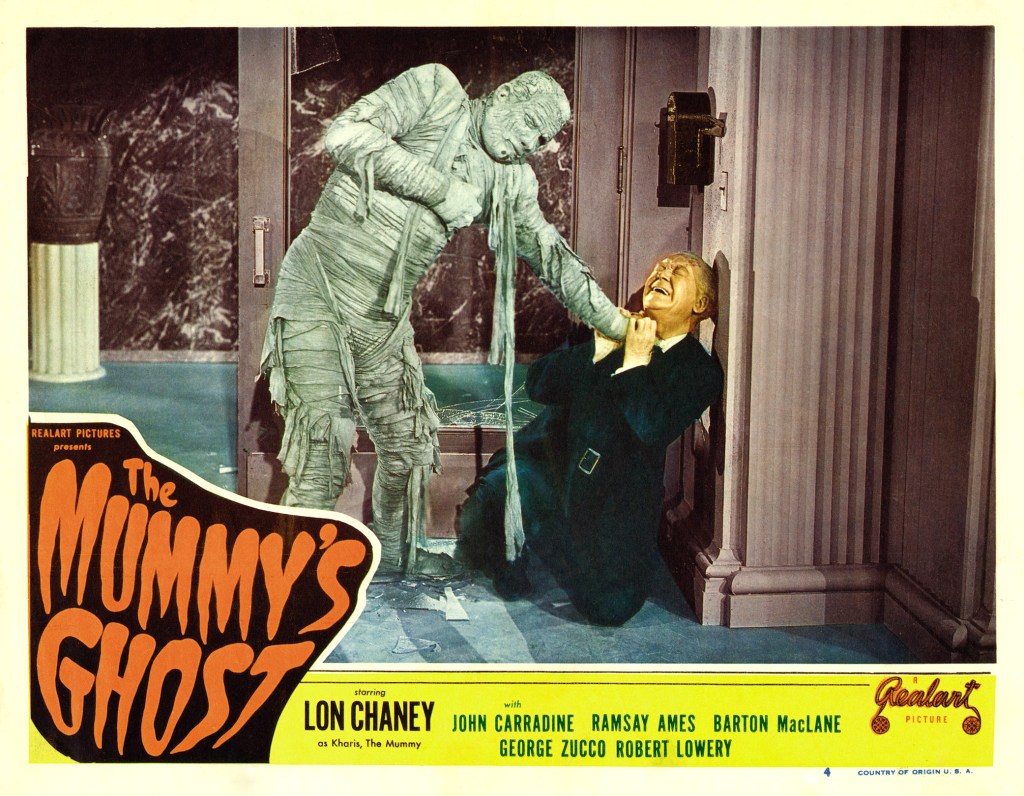
By Mummy No. 4, Universal’s mummy-mania started to unravel a bit. The by-now mandatory “ancient Egyptian priest passes on his duties” features the priest who died at the beginning of The Mummy’s Tomb! The best and most interesting bit is the idea of Kharis’ doomed lover Princess Ananka being reincarnated into the modern day, an idea first introduced in the Karloff Mummy and later used in the Hammer and Brendan Fraser Mummy franchises. Ever since The Mummy’s Ghost resurrected (sorry) the idea, if you’re doing a mummy story, you’ll probably fit reincarnation in there somewhere. Unfortunately, that plot is introduced in a movie that feels almost like a step-by-step remake of Mummy’s Tomb, with Kharis once again murdering his way around New England. The cast are uniformly forgettable except for John Carradine (in a bit of unfortunate brown-face) as the latest sinister Egyptian cult handler for Kharis, but Lon Chaney gets to emote a little bit more in the stifling Mummy makeup than usual. Also, there’s a cute dog. What lifts Ghost from total mediocrity is the bleakest ending of the entire series, where for once, the monster basically wins. The Mummy movies are all pulpy silliness, but the final scene where the monster and his doomed reincarnated love sink into quicksand always haunted me a little. Unfortunately, dead never means dead when you’re a mummy and there was one more to go… 

Rating: Three and a half pyramids

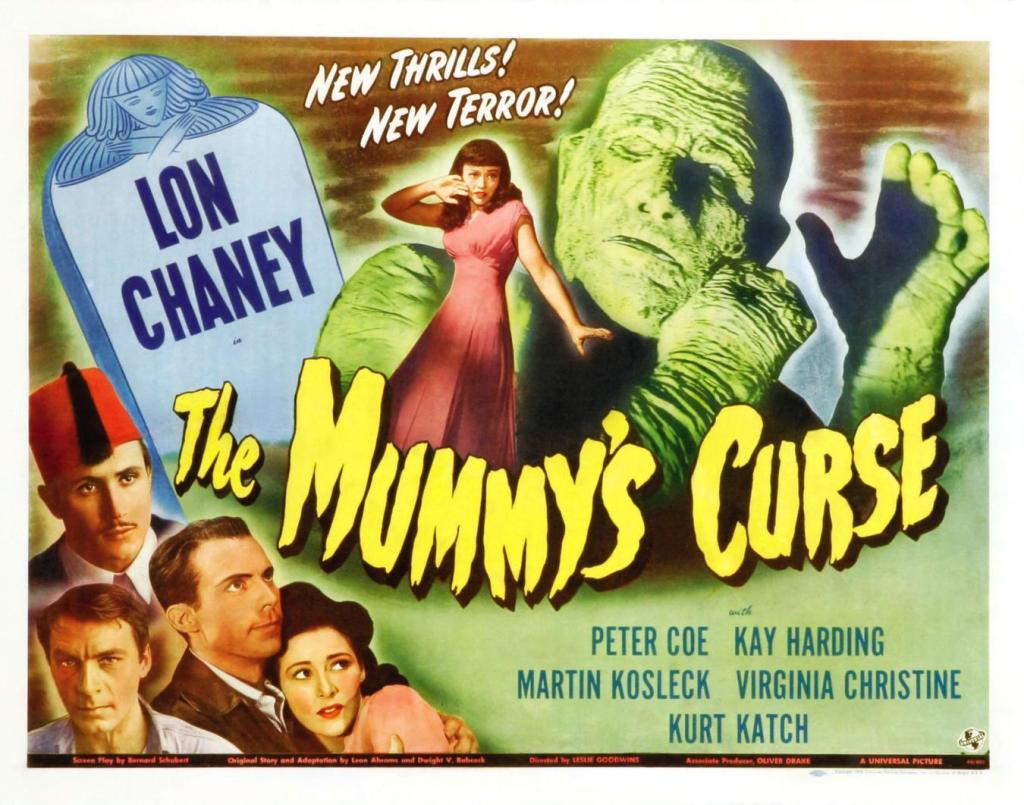
The Mummy’s Curse (1944)

Churned out less than six months after Ghost, which has to be some kind of record. The Mummy’s Curse immediately gets off on the wrong foot by picking up 25 years after the last movie with the Mummy still lost in a swamp, except for some inexplicable reason instead of New England the setting is now a hackneyed cajun Louisiana filled with cringeworthy Black stereotypes. (A character actually says, twice, “The devil’s on the loose and he’s dancing with the mummy!”) A kind of hacky laziness dominates Curse, which with the slippery flexible timelines of the series should logically be set sometime around the year 1995. In addition to Kharis coming back, the reincarnated Princess Ananka also gets to rise from the dead in this one as an amnesiac – the best scene in the movie is when she rises, eerily, from the swamps. It’s one way the otherwise rote Curse breaks a bit from the formula. The leading man here is so colourless he’s almost transparent, and the entire movie feels like a rerun – once again, we get a lengthy exposition scene and flashback by those pesky inept Egyptian priests and once again we hear about the magic of tanna leaves, and for the third movie in a row a priest betrays the Mummy because he gets the hots for a girl. Poor Lon Chaney doesn’t even get to appear unmasked as Kharis in the flashback scene, because as part of the general cheapness old Tom Tyler footage from Mummy’s Hand is used again. Universal’s Mummy series was never Shakespeare, but by instalment number five all the life had been squeezed out of the premise, which actually ended pretty definitively in Mummy’s Ghost. It’s amazing how this one-armed, one-legged slow Mummy managed to strangle quite so many people during his run, though. 

Rating: Two pyramids

Was this the final blessed peace of the grave for the mummy? Well, Kharis was done, but mummies would return again and again, next in the rather daft Abbott and Costello Meet The Mummy in 1955, and then with Hammer’s quite good Christopher Lee-starring The Mummy in 1959 and many other mummies in the years since. You can’t keep a good dead man down. 

Year In Review: The best movies, new and old, I saw in 2022

January 15 or so is officially the cut-off point for posting “year in review” stuff, isn’t it? After that, it gets a little embarrassing, I reckon.

So, in just under the wire is a look at my ten favourite movies I’ve seen in 2022 (keeping in mind I haven’t gotten around to some of the big Oscar contenders like Tár, The Woman King and The Fablemans yet), plus, in the spirit of my occasional Movies I Have Never Seen feature, the ten best movies from any time that I finally got around to seeing in 2022. And… action! 

Best 10 Movies of 2022 (alphabetical order)

The Banshees of Inisherin – A friendship breaks down on a small Irish island and Colin Farrell, Brendan Gleeson and Kerry Condon deliver astounding performances in a bitterly funny, gorgeously filmed Irish fable of love and grotesque revenge.  

The BatmanAnother superhero movie, but the first one that actually makes Batman a detective, with Robert Pattinson’s none-more-goth Bruce Wayne balancing on the knife’s edge between being too much and not enough. I’d love to see one superhero flick that doesn’t end with an explosive CGI orgy, but this one hits the mark far more than it misses. 

Everything Everywhere All At Once – Michelle Yeoh is the Queen in any universe, and we should all bow down before her. 

Glass Onion: A Knives Out Mystery – It’s bigger, broader and less restrained than its predecessor, but Daniel Craig’s Benoit Blanc remains a joy and Edward Norton as Elon Musk is bloody hilarious.

The Menu – A pitch-black satire about a night in the restaurant from hell, blunt and gaudy and yet right on trend at mocking this weird non-stop viral world we live in. 

Mister Organ – The overwhelming theme of this year’s best films seems to be the abuse of power, but this spiralling rabbit-hole of a documentary by NZ’s David Farrier makes it all feel far more personal, creepy and violating by focusing on one very unpleasant man’s doings.   

Nope – Jordan Peele’s movies are consistently surprising and exquisitely staged, and the simmering unease created by this sort-of alien invasion story sticks with me. Like Get Out and Us, the more you think about it the more you see going on behind the immediate story beats. 

Guillermo Del Toro’s Pinocchio A better fairy tale you won’t see all year, unafraid of exploring loss and death but also hilariously funny, and with stunning old-school stop motion animation. Far better than any of Disney’s rather dire “live action remakes” of their classic cartoons. 

RRR – The best action movie of the year is this frenetic Indian epic, with a sense of joyful fun and dazzling scope and anything-can-happen energy that seems missing from most carefully machined Hollywood product.

Weird: The Weird Al Yankovic Story – I saw UHF in the theatre in 1989 and finally, decades on, we get the next best thing to a sequel, with an uncanny Daniel Radcliffe taking us on a wild ride through Weird Al’s life, perhaps with a few exaggerations. A joyfully silly gift of a film for Weird Al fans and anyone tired of bloated self-serious biopics.

Tied up around #11: Black Panther Wakanda Forever; Clerks III; Decision To Leave; Elvis; The Unbearable Weight of Massive Talent; Triangle of Sadness; The Northman; Fire Of Love; Top Gun: Maverick; Prey.

The 10 best movies I finally saw for the first time in 2022 (in chronological order)

Wages of Fear (1953) – An all-time tense thriller about angry, restless men willing to take on an impossible job just to survive. 

Johnny Cool (1963) – I watched this pitch-black slice of noir in memory of the late Henry Silva, and he stars with an all-star oddball cast (Sammy Davis Jr! Jim Backus! Bewitched’s Elizabeth Montgomery!) in a gangster tale that’s far darker and sleazier than its Rat Pack-era trappings would have you believe. 

Playtime (1967) – I’ve been getting into Jacques Tati a lot this year, and his comedy is like an intricate whimsy machine – immaculately staged, formal and gentle, yet always with something unforgettably spot-on to say about us crazy human beings. 

El Topo (1970) – A surrealist western that is a relic of the hippie era but also a passageway into a dreamlike, horrible world of quasi-heroic quests that never truly end. 

Blue Collar (1978) – Harvey Keitel and Richard Pryor as down-and-out autoworkers who embark on the most inept robbery ever, and a portrait of a bruised and struggling American dream. 

The Decline of Western Civilization (1981) – Music as madness, music as escape, music as addiction, and one of the best music documentaries I’ve ever seen

Smash Palace (1981) – A gripping and raw New Zealand drama starring the late, great Bruno Lawrence as a desperate man making all of the wrong decisions to fix his messed-up life.  

Friday The 13th Part VI: Jason Lives (1986) – Objectively, not a good movie, I know, I know. But yet, I finally got around to watching most of the schlocky, silly series last year, and this one – slasher horror polished to a machine-like gleam – is the giddily exploitive and slightly self-mocking peak of the lot. 

Hereditary (2018) – Finally got around to Ari Aster’s terrifying horror movie about family trauma and it’s just as disturbing as I dreaded it might be. I want to watch it again, but I also kind of never want to watch it again. 

The Worst Person in the World (2021) – This Norwegian film starts as a self-aware ironic romantic comedy in the mode of Fleabag and becomes something more powerful and ultimately rather unforgettable.  

Year in review: 12 great TV shows you might have missed in 2022

New by me over at Radio New Zealand: 12 TV series you may have missed in the age of peak content, just in time for your post-Christmas lying around groaning with a full stomach and looking for something to watch vibe!

I take a look at a dozen excellent TV shows (do we still call it TV? Stream-TV?) well worth catching up on during the holiday season if you’re so inclined including Sandman, Raised By Refugees, This Is Going To Hurt, The Old Man and much more! (Most excellent graphic above by RNZ’s most excellent graphic artist)

Go read the full article here and happy holidays however you’re celebrating them!

Bonus story: I take a look at how you can become a classic movie expert over the holidays by checking out 10 iconic movies made before 1980 easily available on NZ streaming services: Hoo-ha!

Year in review: My favourite books of 2022

Good god, mid-December! How did this happen? Who’s responsible?

One saving grace of the end of the year is lists! I love lists of people’s favourite movies and music and books and such. For the second year in a row, I was invited to take part in the New Zealand Listener magazine’s Best Books issue, picking a handful of books to go in the big ol’ pile of recommendations they publish.

The Best Books of 2022 issue of Nov. 27 came and went while I was running around in America and getting Covid and such, but if you’re in New Zealand you might still be able to find it in scattered newsstands and libraries, and it’s always worth a read.

For posterity’s sake, here’s the books I sent in as my own picks for the year’s best reading!

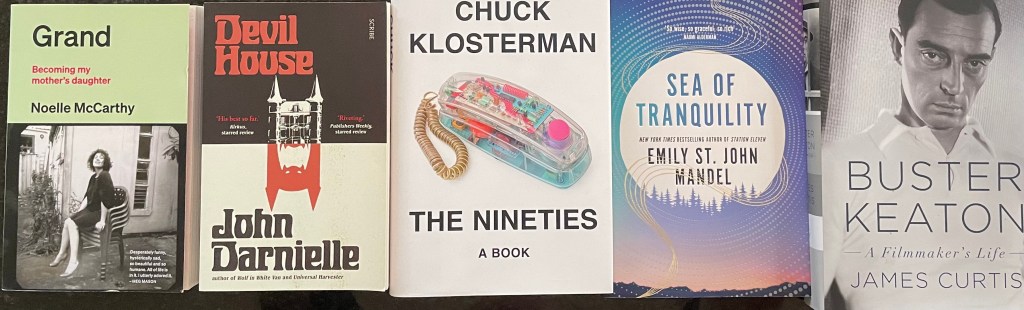
FICTION: Sea of Tranquility, Emily St. John Mandel – The first great COVID-19 novel as well as an unforgettable meditation on life, time and fate. 

Devil House, John Darnielle – A novel that starts as an investigation into occult murders that becomes something deeper and stranger. The movie Zodiac meets Lovecraft. 

Heat 2 – Michael Mann and Meg Gardiner – A written sequel and prequel to a 30-year old crime epic movie shouldn’t work, but this does, exceedingly well. A cracking thriller. 

NONFICTION: Grand, Noelle McCarthy – This comic and pained Irish kiwi’s memoir about battling alcoholism, family demons and moving to the other side of the world feels just right in a time when so many of us are mourning the changes and loss in the last few years. 

The Nineties, Chuck Klosterman – A snarky, critical examination of a decade that you can both agree with and argue about. I’ve actually warmed to this more than my initially ambivalent review may have made it seem, and it’s truly peak Klosterman, witty and amusingly scattered.

Buster Keaton – A Filmmaker’s Life, James Curtis – The greatest of silent film stars gets the epic biography he richly deserves. Thorough, revelatory and a fascinating look at cinema from a century ago.

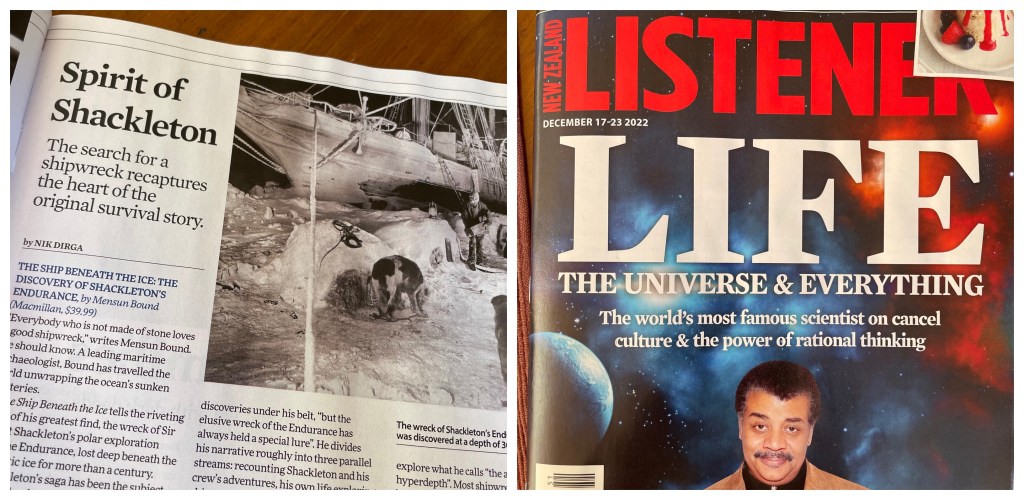
Plus! Bonus book! A bit too late for me to include on that list is a book I’ve written a review of for this week’s Listener magazine (Dec. 17-23 2022), maritime archaeologist Mensun Bound’s book The Ship Beneath The Ice. It’s the fascinating account of his discovery earlier this year of the wreck of Ernest Shackleton’s Endurance deep beneath the Antarctic ice a century after the doomed South Pole expedition. It’s a darn good read and if you’re lucky enough to be in NZ, you can still find the issue my review is in at all the usual places.

Sight and Sound’s Greatest Films of All Time 2022: It’s all good to me

I love a pop-culture list. I don’t get annoyed at lists, because they’re a great way to discover new things. For a film nerd, the release of the once-a-decade Sight and Sound Greatest Films of All Time poll of critics and film buffs is a bit like an early Christmas.

I like the Sight and Sound poll because its ten-year gaps force us, in a culture that never stops speeding along, to slow down and take stock. Cinema is barely more than a century old after all, and this poll has always felt a bit more sturdy and authoritative than year-end magazine lists and listicles. That’s not to say it’s always “right,” but it’s always worth reading.

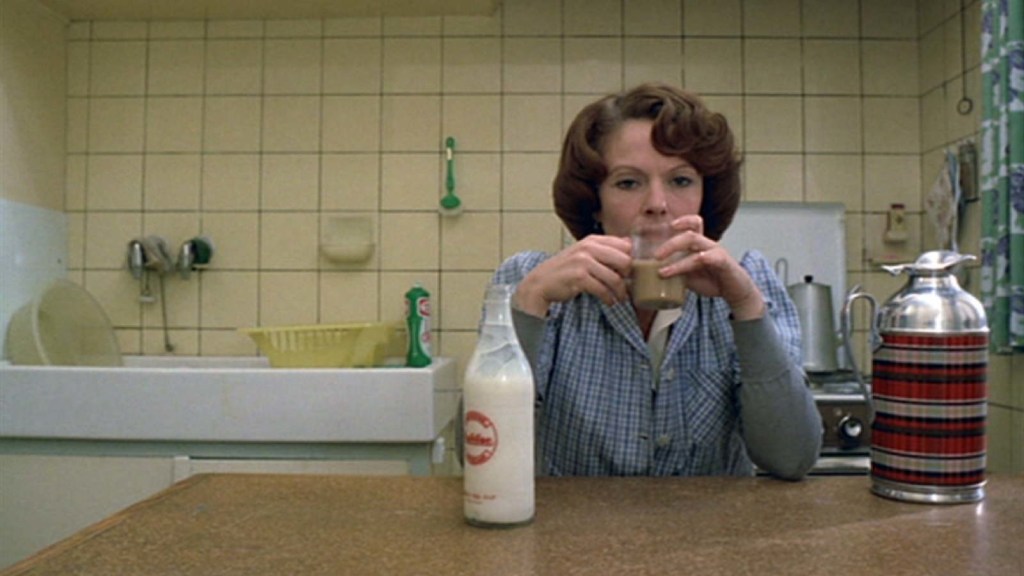
Would Hitchcock’s amazing Vertigo continue at the top as it was in 2012, or would Citizen Kane, which topped the poll for decades, return? The answer was neither. Fascinatingly, at the top position was a film I’ve only barely heard of, the 1975 Belgian film Jeanne Dielman, 23, Quai du Commerce, 1080 Bruxelles by director Chantal Akerman, which, fitting that lengthy title, is a 3-hour plus drama. Who saw that coming?

The poll seems to have taken a large leap forward this year rather than the more stagnant aura it once had – Kane topped it from 1962 to 2002, for instance. I’m sure certain corners of the internet are howling that Hitchcock and Welles were pipped by a woman, but I’m totally cool with it. I adore Hitchcock and Welles and as fun as these lists are, nothing has changed about that for me today. But I do get to (eventually) check out Jeanne Dielman, and hey, I might discover a movie I totally love in the process.

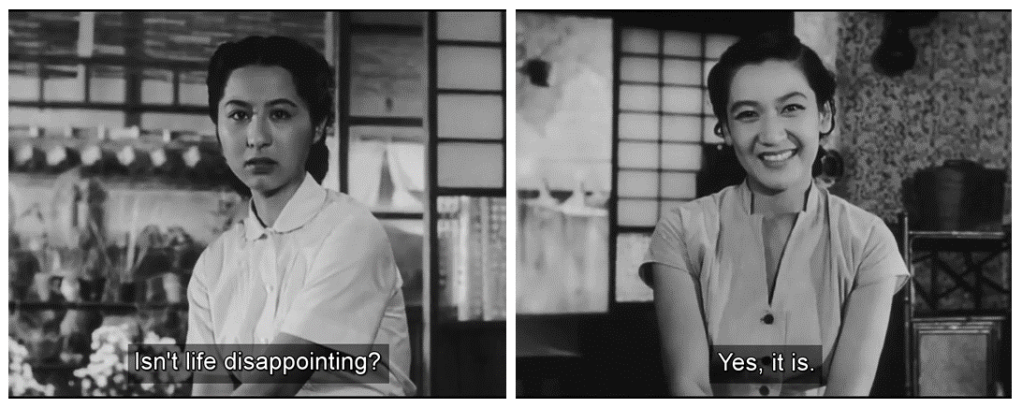
That’s the true beauty of lists like Sight and Sound for me. I grew up on Police Academy movies, but there’s so much more to cinema too. I was introduced to Yasujirō Ozu’s heartbreakingly good 1953 drama Tokyo Story because of its high placement on previous lists. I’ve discovered many more movies because of lists like this or the late great Roger Ebert’s “Great Movies” features.

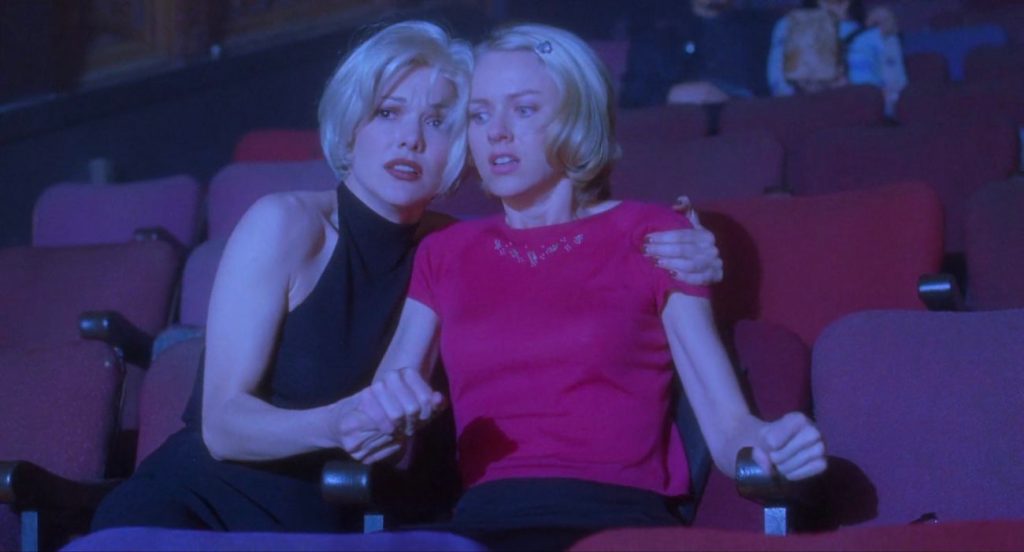
There’s some great progression from 2012 on the 2022 list, which features far more women and Black and minority creators than ever before. Some absolutely stellar more recent films have inched up – David Lynch’s masterpiece, 2001’s Mulholland Dr., is now in the top 10, the newest movie there, while very recent movies like Parasite, Get Out and Portrait of a Lady On Fire are included. Others are gone – Lawrence of Arabia and Chinatown dropped from the top 100, but that doesn’t make them any lesser in my own eyes.

Film ain’t a contest to me, and I don’t care if your list puts Jaws above Kubrick’s 2001 or you think Adventures in Babysitting is the best movie of all time. We love what we love, and in an increasingly vile and argumentative internet, that bears remembering.

Anyway, I’m happy to spend weeks poring over the list, which now includes at least 35 movies I’ve never seen. Film internet will be debating, arguing, praising and condemning the Sight and Sound list probably until the next one rolls around in 2032 (assuming we’re all still here). Me, I’ll be watching some movies.

It’s not dark yet, but it’s gettin’ there: My top 10 albums of 1997

A few years back I looked at my top 25 albums of 1994, 25 years later. Now, as if by infernal design, the clock has rolled forward a few more years, and somehow it’s 25 years since 1997, another great year for music in the eyes of the young Nik.

Through the increasingly blurry eyes of middle age, I think of 1997 now as the end of my youth – I finally moved on from my old college town in Mississippi after working at the local paper for a few years after graduation, packing up my battered ’89 Toyota and driving back across America to my native California. It was a leap in the dark, the kind most of us can only make when we’re too young to know how hard it can be to change everything about your life overnight. By the end of 1997 I was in a completely different place than where I started. 

Here are my 10 favourite albums that guided and haunted me as the soundtrack to a year of chaotic upheaval. I still love them all today.  (*I know, I know, it’s a very white, male alternative list of musicians, but in all honesty, that’s what I was listening to in 1997 in a world that was a lot less diverse and inclusive than it is now. Things have definitely changed for the better in that regard in 25 years.)

In alphabetical order by artist:

Ben Folds Five, Whatever And Ever Amen – Like a geekier Elton John and Bernie Taupin at their peak, Ben Folds combines hummable melody with little character-filled vignettes in song. Bouncy and sad all at the same time, Whatever And Ever is his best album, which manages to combine silly pop romps like “Ballad of Who Could Care Less” and “Song For The Dumped” with brittle ballads about abortion (“Brick”) and breakups (“Selfless, Cold and Composed”).

Blue Mountain, Homegrown – Old friends of mine from Mississippi who’ve done a gorgeous job of mining alt-country over the years, this is absolutely one of their best albums and a slice of genuine heartland Americana that holds up well. Twangy anthems and lovesick laments with just a hint of punk-rock rebellion and a reminder of how great the alt-country scene and fellow travellers like Uncle Tupelo and The Old 97’s were at their peak. 

David Bowie, Earthling – I guess few Bowie fans would put this in their top 10 of his remarkable career, but I absolutely love this drift into jungle and techno sounds that is menacing, fierce and dangerous, released the year Bowie turned 50, and it feels like a rage, rage against the dying of the light. A lot of artists embarrass themselves by jumping on trendy new music but for Bowie, it just felt like more of the curious magpie eye that drove his entire career. A raucous rave of an album. 

Bob Dylan, Time Out of Mind – It feels like the words of a thousand-year-old man on a mountaintop, but if I want to feel old now, I’ll realise that Bob Dylan was only five or six years older than I am today when he recorded this gorgeous, drifting reverie of an album. It was the beginning of a critical comeback that’s never really dimmed for the great bard of modern song. “Not Dark Yet” is a song I listen to more and more as the days drift by faster and faster. 

Everclear, So Much For The AfterglowI’ve written about this album itself pretty recently. Suffice to say it’s one of the last great slabs of the grunge ethos to me, loud and angry and more than a little bit scared.

Green Day, nimrod. – I’d only call myself a medium fan of this band, but for some reason, this album really got to me, combining their punk-pop brattiness with an ecclectic energy and plenty of goofy wit. I remember hearing the uncharacteristically mellow ballad “Good Riddance (Time of Your Life)” played at a high school graduation ceremony I covered for a small-town newspaper that year, and somehow, that felt like the perfect song for the moment. 

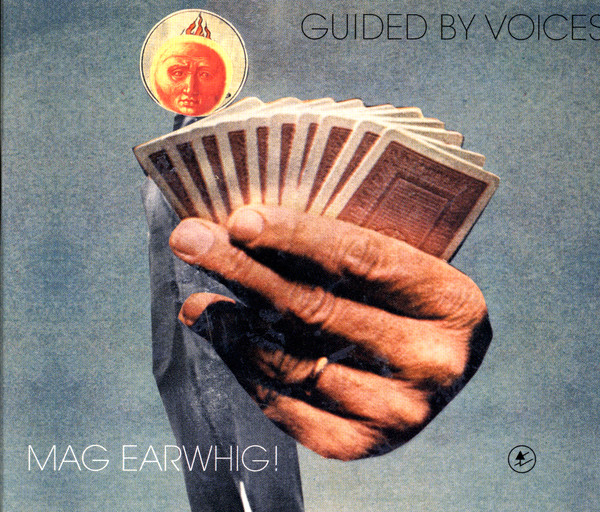
Guided By Voices, Mag Earwhig! – This all-time power pop bashes marks the end of an absolutely stellar run by the Dayton, Ohio band who, led by genius Robert Pollard, have been bashing out prolific tunes for decades now. Almost every GBV album has great songs on it, but Mag Earwhig! is one of the last where every single song feels like an earworm #1 single from an alternate universe. 

Freedy Johnston, Never Home – Another gent I wrote about recently, his hugely underrated fourth album is full of his trademark story-telling lyrics, an angsty edge and songs that keep unfolding themselves the more you listen to him. 

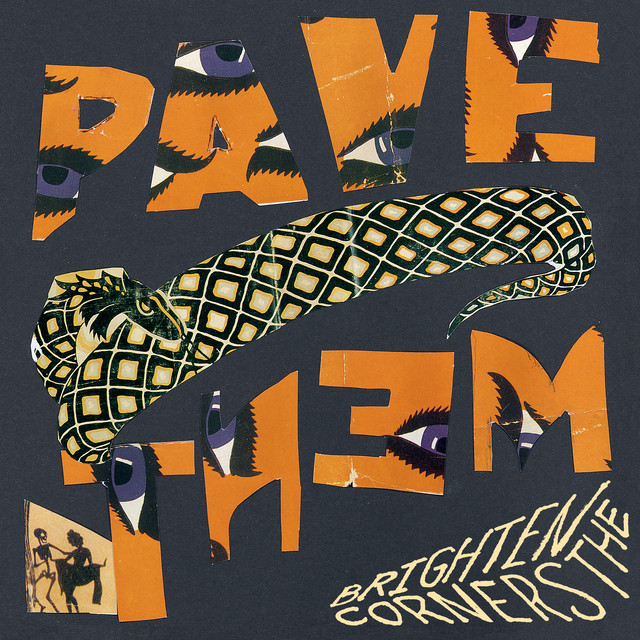
Pavement, Brighten The Corners – Hold a gun to my head, but this just inches ahead of Earthling and OK Computer as my favourite album of 1997. Pavement at their surreal, whimsically witty peak, but filtered through a haze of melancholy that makes this album feel like their most sincere slice of gently askew rock. It’s an album that mourns a vibe, a time and place, without ever being quite sure why it’s sad that it’s ending. As my world changed so much in 1997, Malkmus’ songs like “Shady Lane” and “Starlings of the Slipstream” seemed to sum up something I was feeling, even if nobody was really sure what it was. It was the 1990s, mate.

Radiohead, OK Computer – It would be heresy to leave this off any list of great alt-rock of 1997 (even if it’s slightly pipped for me by Kid A as Radiohead’s best album). Thom Yorke’s yearning moan, the rock riffs that float between anthemic and drifting, the vaguely elusive lyrics… at the time, OK Computer’s dire visions of a lonely world fraught with conflict and isolating technologies seemed like a dark warning. Now, it just seems like what much of the world became. 

Bubbling under the top 10: Björk, Homogenic; Cornershop, When I was Born For The 7th Time; Michael Penn, Resigned; The Old ’97s, Too Far To Care; Prodigy, The Fat of the Land; The Simpsons, Songs In The Key of Springfield; Depeche Mode, Ultra; Whiskeytown, Strangers’ Almanac; Elliot Smith, Either/Or; Sleater-Kinney, Dig Me Out.

Yes, they suck: My top 13 movie vampires

It’s the spooky season, and Halloween is nearly upon us! What better way to celebrate than lining up a handful of horror movies – since I outgrew trick-or-treat, my favourite way to mark the holiday.

Vampires are a Halloween mainstay, and for my Halloween post, here’s my Top 13 Movie Vampires (many more could have made the list, but I decided to stop with the spooky 13).

Where it all began 

Nosferatu (Max Schreck) Nosferatu, 1922: One hundred years old this year, the first major screen vampire in this not-quite adaptation of Dracula is still horrifying. Apparently some people even thought Schreck was a real vampire! The movie is brisk and terrifying even after a century, and features several shots that are among the greatest in horror history. Sure, you could argue this Nosferatu doesn’t really have a character, but who cares when he’s this scary?

Dracula (Bela Lugosi), Dracula, 1931: The ultimate interpretation of Dracula, so iconic that Lugosi spent the rest of his life both chasing and running away from it. It’s hard to look at a role like this that’s passed into legend with fresh eyes, but watch it again sometime and see how Lugosi sinks his teeth (sorry) into his sexy, strange vampire. Everyone from Anne Rice to Twilight owes him a debt.

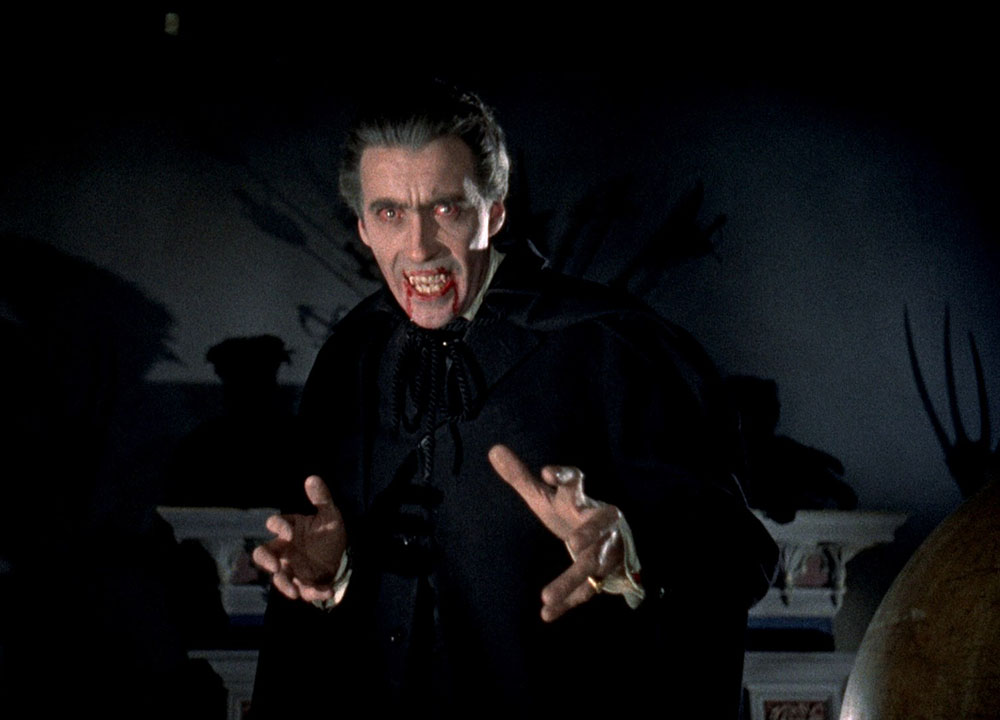
Dracula (Christopher Lee) Lots of Dracula movies, 1958-1973: The thing about Christopher Lee is he looked great as Dracula in a whole series of Hammer Films vampire flicks even when the movies themselves were rather sloppy and stilted and had titles like Taste The Blood of Dracula. They even made the mistake of having Lee – one of the best horror voices of all time – nearly mute in several of the movies and his character and competence seemed to change from film to film. None of that really matters, because besides Lugosi, Lee is the finest dark prince ever to play the role. 

Regal vampires

Countess Marya Zaleska (Gloria Holden) Dracula’s Daughter, 1936: It seems weird in these days of never-ending franchises, but Lugosi did not return for a proper Dracula sequel. Instead, this ‘sidequel’ introduces his supposed daughter, the gloriously goth Holden. It’s one of the many bashed-out Universal Horror cheapies that barely run over an hour, but Holden’s sultry Zaleska is a striking, strong and modern creation – witness the barely concealed lesbian subtext in one famous scene.

Lestat (Tom Cruise) Interview With A Vampire, 1994: Man, there was an outrage back in the day about Tom Cruise playing Anne Rice’s bratty vampire, but every time I watch this, he seems a little bit better – preening and smug, he blows a sleepy Brad Pitt off the screen. I still haven’t seen the new TV reboot yet, but for my money this flick captures the lush absurdity of Rice’s prose very well. 

Blacula (William Marshall) Blacula, Scream, Blacula Scream!, 1972-73: William Marshall was better than the material in the Blacula movies, which are a silly blaxploitation hoot with few moments of real terror. But boy, did Marshall act the heck out of Blacula, giving a wounded dignity and majesty to his cursed African prince that lifts the movies themselves. His grand booming voice alone ensures a place on this list. 

Totally ‘80s Vampires

David (Kiefer Sutherland), The Lost Boys, 1987: Come on, who didn’t want to be a Lost Boy after watching the hooligan vampire gang led by Sutherland’s David storming around Santa Cruz, where weightlifting saxophonists wail away the night? Flashier, sexier vampires became a big thing in the ‘80s, and the hair-sprayed, sultry crew led by David were among the vanguard. 

Jerry Dandridge (Christopher Sarandon), Fright Night, 1985: As this list shows, the ‘80s were a terrific time for vampire reinventions. Here’s the yuppie vampire, smooth scarf-wearing Jerry Dandridge, played with memorable charm and snark by Sarandon. The meddling teenager next door is sure Dandridge is a vampire – needless to say, the kids are always right. 

Severen (Bill Paxton) Near Dark, 1987: The white trash dark reflection of that same year’s Lost Boys, Kathryn Bigelow’s vampire western is a magnificently tense and gorgeously filmed story of a band of roaming vampires and the young cowboy who falls in with them, but the whole dang movie is nearly stolen by the late great Bill Paxton’s swaggering, sleazy Severen, a member of the vamp gang who honestly does not give a damn and storms through every situation like a pure creature of the id. He’s terrifying, and hilarious.

Darned weird vampires

‘Space girl’ (Mathilda May) Lifeforce, 1985: She’s a kind of space vampire, and she spends about 95% of her screen time utterly naked in Tobe Hooper’s bizarrely grandiose sci-fi/horror epic. It’s a trashy movie but it’s also so determined to be weird, from an overacting Patrick Stewart to its swirling, cosmic climax. It’s not a very coherent film, but May’s stoic, creepy otherness makes her nude dark creature fascinating.

Jiangshi, Mr. Vampire, 1985: Chinese vampires are weird. This insane Sammo Hung comedy horror introduced mass audiences to the Chinese folklore “jiangshi,” hopping corpses who are somewhere between zombies, vampires and leapfrogs. The vampires in this movie are creepy because they’re so far from what Bela Lugosi made us think of, more animal-like than anything, and its success led to an explosion of wild, weird films.

Not quite vampires

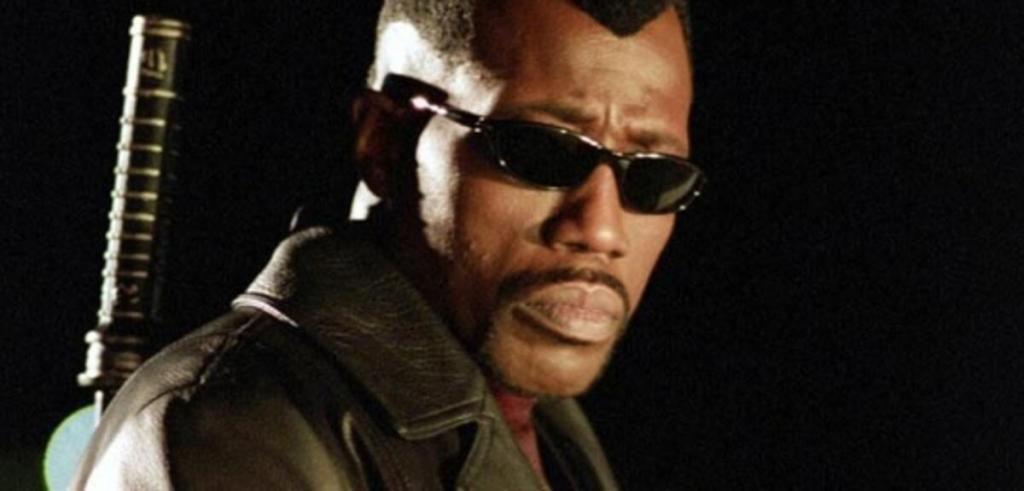
Blade (Wesley Snipes) Blade, Blade II and Blade III, 1998-2004: Wesley Snipes’ attitude-filled vampire killer who’s also a reluctant vampire himself was the first Marvel comics character to actually star in a hit film, and the blood-splattered, over-the-top Blade series is still a heck of a lot of fun, combining action movie energy with gory horror. 

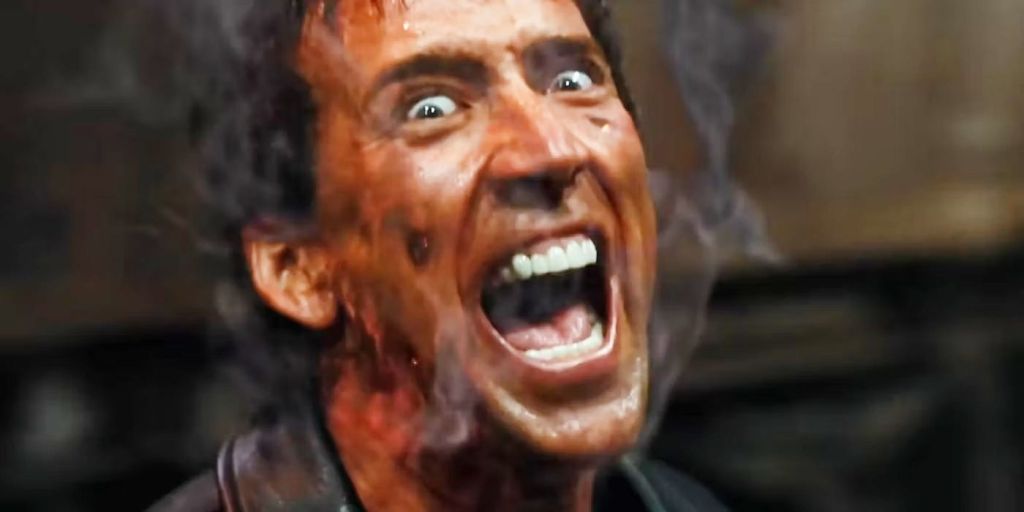
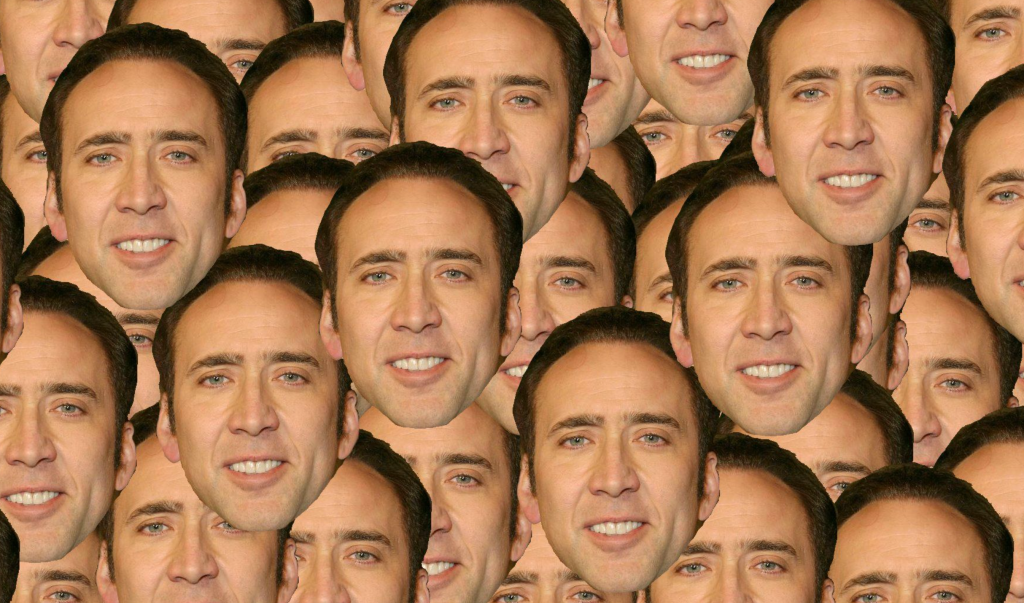
Peter Loew (Nicolas Cage) Vampire’s Kiss, 1989: Cage is well known for going over the top. In Vampire’s Kiss he not only goes over the top, he launches himself into outer space. In this unhinged, extremely black comedy, he’s a yuppie sleazebag who apparently is bitten by a vampire. Cage goes “full Cage” as his character gradually loses his mind, eating cockroaches and screaming through the streets of Manhattan. It’s hilarious, but it’s also one heck of a piece of method acting. You’ll never forget it. 

Honourable Mention: The vampires from What We Do In The Shadows; The Hunger; Let The Right One In; Nosferatu (Herzog remake); Only Lovers Left Alive; Count Yorga; Buffy The Vampire Slayer.

Breaking News: My Top 10 Journalism Movies

It’s been a week for movies and the media. I was part of the team live-blogging the Oscars over at RNZ this week which, um, took an interesting turn about 2/3 of the way into the show, you might have heard. 

I love it when one of my favourite things, the movies, intersects with my profession for many years now, journalism. And after the Oscars live-blogging marathon Monday night, I had to unwind with one of my favourite movies about journalism (which one? scroll to the end*, my friend). 

The art and craft of journalism has long fascinated filmmakers and resulted in some terrific movies – including that one many people regard as the best of all time, Citizen Kane. I sat down to write about 10 or so of my favourite journalism movies and ended with a sprawling list. I narrowed it down, and from the start I eliminated any documentaries (which are a form of journalism itself). Ever since I was a kid, the idea of journalism has appealed to me, even if in real life it’s not all glam and scoops. 

This list of my Top 10 Journalism Movies includes ones that idealise the profession like crazy, ones that just use it as a prop for a comedy or a romance, and a few that really delve into the gritty hard yards that make a truly great story. Some of them really capture what it’s like to be a journo, and some of them really capture what we all wish it was like to be a journo. 

In alphabetical order: 

Ace In The Hole (1951) – The late great Kirk Douglas in his finest role, as a cartoonishly conniving tabloid journalist exiled to the rural sticks who stumbles on the “story of the century” when a local man gets trapped in a cave. Billy Wilder’s cynical noir takes us deep inside the media circus that ensues, and we watch in real time as Kirk’s Chuck Tatum slowly loses what’s left of his soul. We’ve had countless “boy stuck in a well” type media sensations in the decades since, but nothing has ever captured the dark side of journalism better. 

All The President’s Men (1976) – There’s no way any list of journalism movies could ignore this one. Oh, for the days when Watergate was the biggest scandal a White House could imagine. There’s no movie that shows the painstaking, frustrating detective side of journalism better than this masterpiece, with Woodward and Bernstein’s investigations portrayed with stark realism despite glossy Robert Redford and Dustin Hoffman playing their parts. The click of typewriters and hours on the landline phone, the endless cigarettes, the newsroom almost entirely run by white men wearing ties – this is a vanished world now, and journalism is probably better for leaving a lot of that behind, but nothing quite captures what it was like “back in the day” better than this film. 

Almost Famous (2000) – The life that William Miller leads in Cameron Crowe’s gentle and bittersweet coming-of-age comedy is pretty much exactly the life I imagined I might have when I started scribbling as an entertainment journalist in the mid 1990s. Spoiler: I didn’t go on tour with Stillwater or fall in love with Penny Lane. Crowe’s movie is warmly sentimental, but in the best possible way. With the acerbic interjections of the much-missed Philip Seymour Hoffman’s Lester Bangs to balance things out, Almost Famous shows us a fairy-tale fantasy of journalism that I can’t help falling in love with every time I watch it. 

Anchorman (2004) – Absurdly goofy? Sure! The gem in Will Ferrell’s run of wacky comedies is a spoof of journalism, but it’s also subtly a very accurate satire of the alpha-male mentality that existed in newsrooms for decades, one that was still quite rampant just as I was entering the industry. It’s only in the last few decades that newsrooms have become a bit more diverse, and in between all the gags Anchorman accurately captures what it’s like when journalists start to believe their own hype and let their ego take over. (See also: Any number of the ‘outrage merchants’ who chatter and moan daily on American news networks today.)

Broadcast News (1987) – The great journalism romantic comedy, even beating out Cary Grant’s His Girl Friday. The late William Hurt, Holly Hunter and Albert Brooks are a perfect trio of striving TV journalists in the 1980s, capturing the mix of solid professionalism, glossy vapid good looks and gender battles that defined the era. James L. Brooks carefully keeps all his characters human despite their foibles, and it’s a movie that’s as much in love with journalism and it gently mocks it. And for my money, the “Albert Brooks sweating” scene is one of the funniest journalism fails ever portrayed on screen. 

Citizen Kane (1941) – The grandfather of all journalism movies, even if it’s perhaps more about the corruption of power than anything else. But Orson Welles captures the era when news publishers were almost kings in his very lightly fictionalised take on William Randolph Hearst, and how Kane uses the immense power of the press to build himself a perfect world – without ever really knowing what to do once he gets it. 

The French Dispatch (2021) – The newest movie on this list, Wes Anderson’s kaleidoscopic anthology imagines a series of articles in a New Yorker-type magazine in its final issue. Anderson’s unique aesthetic has never been more pronounced than it is in this incredibly dense, ornate movie, which I immediately wanted to see a second time so I could go back and catch all the jokes and references I missed the first time around.

Shattered Glass (2003) – For a while there in the pre-social media world, scandals about plagiarist journalists were all the rage. This tense and darkly funny under-seen gem looks at the curious Stephen Glass, who made up magazine scoops left and right until he was caught. Featuring a never-better performance by Hayden Christensen, who will wipe your memories entirely of his hammy Anakin Skywalker, and terrific work by Peter Sarsgaard as the editor who exposes him.

Spotlight (2015) – A solid companion to All The President’s Men, set at the twilight of a certain kind of journalism, before job cuts gutted newsrooms worldwide. This deserving Oscar winner showcases a Boston investigative journalists team and their stunning work uncovering sex abuse cover-ups within the Catholic Church. With an absolutely top-notch cast including Michael Keaton, Mark Ruffalo and Liev Schreiber, it’s another movie that patiently shows the hard, hard work that goes into breaking a massive story, and yet makes it exciting as any thriller. 

Zodiac (2007) – When journalism turns into obsession. David Fincher’s sprawling, sinister epic about the hunt for San Francisco’s Zodiac killer avoids tidy serial murder movie cliches or easy closure, and somehow that makes it even more disturbing than any blood-soaked horror might. Robert Downey Jr., Jake Gyllenhaal and Mark Ruffalo are terrific as journalists who slowly lose their minds trying to find a killer, and Fincher masterfully escalates a sense of dread, which is inextricably tied to the one single question that drives almost every journalist’s career: I want to know

Clustered together at #11: His Girl Friday, The Sweet Smell of Success, Fletch, The Paper, Good Night And Good Luck, The Philadelphia Story, Adaptation, Fear and Loathing in Las Vegas.

(*So what did I watch after Oscars live-blogging? Well, after a night that hit the peaks of drama and absurdity, what else could I watch but Anchorman for the 458th time? What can I say … sometimes journalism really is like being trapped in a glass case of emotion.)