Ten great underrated Gene Hackman movies 

If I had a nickel for every time I saw Gene Hackman called an “everyman” in the past week or so, I’d be rich. But Hackman – easily one of my top half-dozen or so favourite actors – was no everyman, really. He was less instantly dazzling than a golden god like Robert Redford or Warren Beatty perhaps, but he was magnetic nevertheless. He packed a quiet authority into every performance while keeping his characters relatable and real. He could play thieves, cops, cowboys and con men, and the only thing ‘everyman’ to me about his acting was his sheer versatility. 

It’s sad that the dramatic circumstances of his and his wife’s deaths kicked off the kind of tabloid frenzy that you know Hackman would’ve hated. Gene Hackman is gone at 95. It’s the work that remains, and endures. 

Obituaries were quick to mention all the unmistakable masterpieces he was involved with – The French Connection, Bonnie and Clyde, The Conversation, Unforgiven, The Royal Tenenbaums. But Hackman’s long career is full of gems.

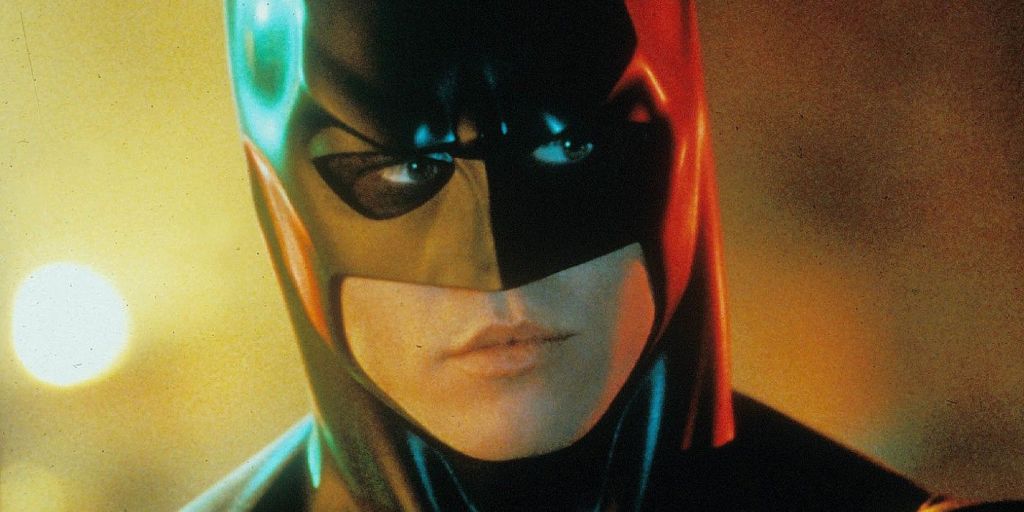
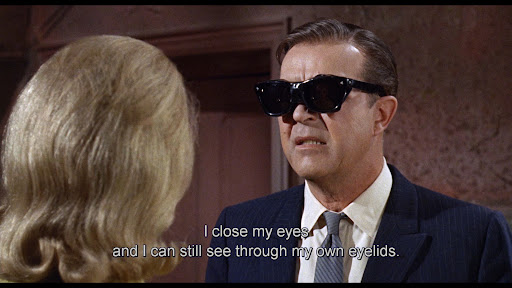
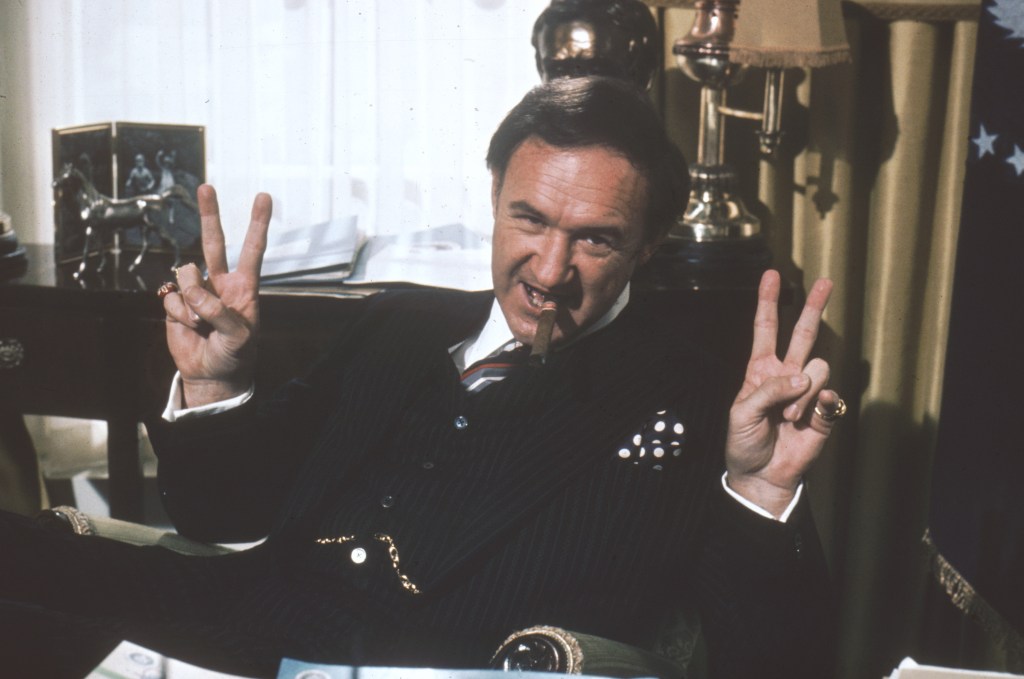
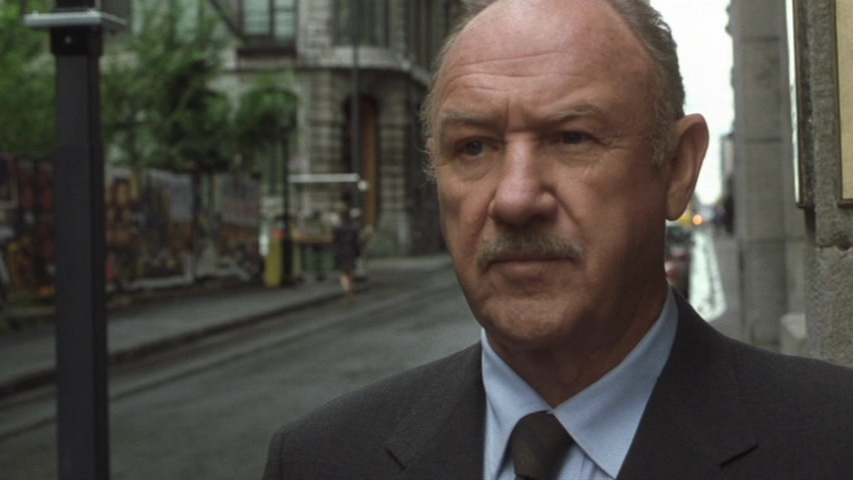
He was the kind of actor who kicked even the most mediocre of movies up a notch through his presence. Since the news of his death broke, rather than wallowing in morbid details of his death, I’ve been celebrating Hackman’s life on screen. Here’s 10 of my favourite somewhat underrated Gene Hackman films well worth seeking out: 

I Never Sang For My Father (1970) – Hackman received an Oscar nomination for this melodrama about a troubled son trying to connect to his difficult father, and it’s one of his finest roles, but nearly forgotten today (I blame the kind of terrible title). This one digs into complicated relationships with aging parents with a kind of brutal honesty that’s still pretty stunning today. Playing a repressed and conflicted ordinary joe, Hackman shows how much he can do with just his eyes and furrowed brow. 

Prime Cut (1972) – This bitterly black and mean piece of farm noir stars Lee Marvin as a grim mob fixer and Hackman as a sleazy Kansas cattle rancher who also dabbles in sex slavery and gruesome murders. Despite his kind of limited screen time, Hackman’s grinningly amoral slimeball is a nasty delight – “Cow flesh, girl flesh … all the same to me.” 

The Poseidon Adventure (1972) – Titanic without all the sappy romance nonsense, this rip-roaring disaster epic was a huge hit back in the day, and a big part of that is thanks to Hackman in a firm leading man action hero role – as an iconoclastic free-thinking priest, of all things. It doesn’t get mentioned in the same league as grittier stuff like The French Connection, but it’s anchored by Hickman’s charisma and prickly guts. Big and bold fun, it’s corny and yet riveting 50-plus years later, and it’s impossible not to cheer for Hackman as he single-handedly tries to save the survivors on a quickly sinking cruise ship. 

Scarecrow (1973) – The only movie that paired acting legends Al Pacino and Hackman, as two wandering vagabonds making their way from California to the East Coast. Hackman’s gruff and sullen character pairs well with Pacino’s fidgety, chatty loser, as what starts off as an odd couple buddy comedy turns into a heartbreaking little gem about failure and optimism. 

The French Connection II (1975) – Somewhat overshadowed by its Oscar-winning predecessor, this sequel takes Hackman’s brute cop Popeye Doyle down into the abyss. It picks right up from the first movie with an obsessed Doyle travelling to France to track down the drug dealer who got away. Cannily undermining sequel expectations, it features a long, riveting sequence where Doyle is captured and addicted to heroin. Like the first, it’s a kind of anti-cop story that lingers in the brain. 

Night Moves (1975) – I love me some “sweaty noir,” and this steamy Florida mystery delivers sex, death and malice in equal measures. Hackman is a hapless private detective who gets wrapped up in a missing persons case that slowly submerges his entire life. A movie that’s soaked with a sense of anxiety and despair all the way through, somewhat forgotten but now getting its due

Superman II (1980) – I’m pretty sure the first time I ever saw Gene Hackman on screen was his oily, confident turn as Lex Luthor. He’s great in the first movie, too, but for me, Superman II will always be my favourite, as Luthor sidles on in about halfway through and tries to play both sides in Superman’s battle against Zod. The scene where Luthor swaggers on into the Daily Planet and attempts to charm three insanely powerful alien psychopaths through sheer force of will is peak Hackman to me. “Kill me? Lex Luthor? Extinguish the greatest criminal flame of our age?” It’s easy to dismiss his Luthor as a work-for-hire gig (especially when you look at the woeful Superman IV) but there’s frequently a sparkle in Hackman’s eye that shows how much fun he was having. 

BAT-21 (1988): Hackman, a former Marine himself, played lots of military men. He shines here as a cerebral Air Force navigator shot down in Vietnam and trying to stay alive. This one got kind of lost in the flood of Vietnam movies of the late ’80s like Platoon, but is worth revisiting. His hero is no Rambo – he’s a desk jockey trying to stay alive who’s never actually experienced war up close – and Hackman’s thoughtful, restrained performance gives it more depth than your usual gung-ho war picture. 

The Quick And The Dead (1995): Sam Raimi’s delightfully campy western boasts a murderer’s row of talent – Leonardo DiCaprio, Russell Crowe, Sharon Stone – but Hackman’s smiling psychopath John Herod is a scenery-chewing delight, a brasher and wilder take on his Oscar-winning Unforgiven killer. 

Heist (2001): Hackman was surely made to rattle off David Mamet’s whip-smart dialogue, and in one of his last films before retiring, he’s perfect as an ageing thief looking to make one last score. While its tangled heist plot is an echo of many other movies, it’s just a pleasure to watch Hackman and a motley crew of great actors doing crimes and cracking wise. 

Thanks for the movies, Gene. You were no everyman to me.

Hello, I wrote a book, and it’s only taken me 30 years

Greetings! I wrote a book. Well, I’ve actually been writing it for about 30 years, believe it or not. Introducing Clippings: Collected Journalism 1994-2024, a hefty compendium of my columns, essays, feature profiles and much more over the course of my so-called career!

I’ve written an awful lot of words over the years, but I wanted to put together something that was a little more permanent than a bunch of yellowing newspapers and broken website links. Clippings is, much like many journalism careers, an eclectic mix, from long features to blog posts to deeply personal essays to in-depth pop culture criticism, spanning from Mississippi to California to New York City to New Zealand. 

From interviewing governors and rock stars to climbing active volcanos and adjusting to life on the other side of the world, this book is me saying, “Hey, I was here, and this is some of what I did along the way.” Doesn’t everyone want to say that at some point about their life’s work, whatever it is? Throw it all together, and it’s probably as close to a sort of autobiography as I’ll ever get.
It’s got many of my works from long-ago newspapers and magazines, websites and even some fine pieces from this very website in a handsome curated form sure to be adored by your family for generations.

I hope you’ll consider grabbing a copy, now available on Amazon as a paperback for a mere US$14.99, or as an e-book download for just US$2.99! 

Get it here: Clippings: Collected Journalism 1994-2024 by Nik Dirga 

So, I’ve been reading a lot of Captain America comics lately

When I was a kid I always thought Captain America was a bit dorky. Batman and Spider-Man and Wolverine were hip, man. 

It took me a long while to discover the uncomplicated charms of Cap. He’s a good man in a world full of troubles, which for some peculiar reason I can’t quite put my finger on, seems really appropriate as a role model in this battered year of 2025. 

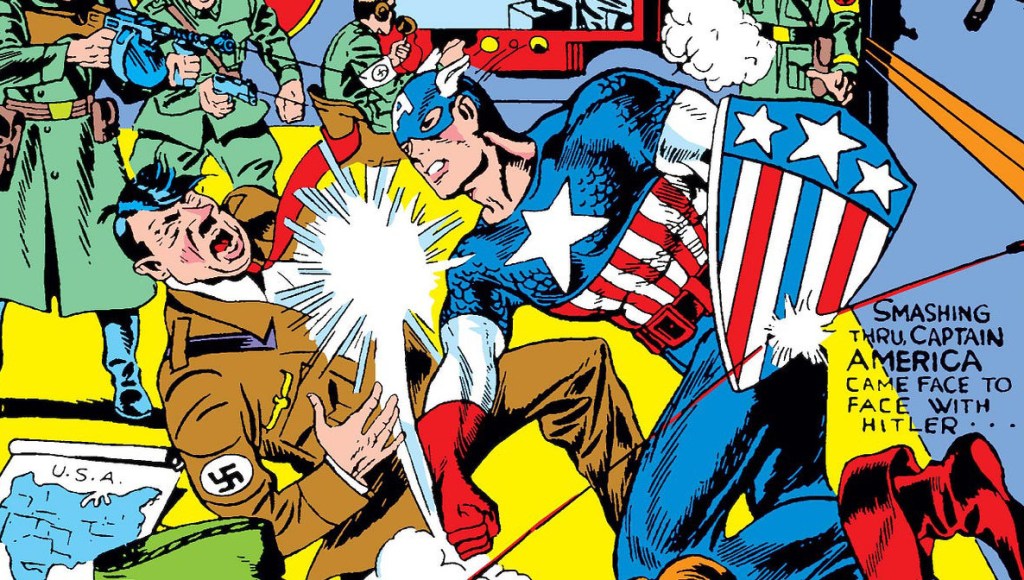
Captain America has been slinging his shield since 1939 in comics, and was probably punching Nazis before your grandparents were even born. Brought back in the 1960s as a keystone for the Avengers, he’s been the moral centre of the Marvel comics universe for decades. 

Yet I really didn’t read an awful lot of Captain America solo comics until the last few years – I never disliked the character, who soared in a lot of great Avengers comics, but he just seemed rather, well, white bread. 

But as usual, I was wrong, and slowly working my way through lots of great Cap stories from the 1960s to 2020s has shown me that you can still make a patriotic American superhero interesting. Like any character, there’s ups and downs to be had, but creators like Lee and Kirby, Steve Englehart, Ed Brubaker, the late Mark Gruenwald and Roger Stern have all done terrific stories over the years. 

The challenge for writers has been in making Cap a believer in a higher cause without being a mindless follower to it. An element of doubt is key to making Captain America great. 

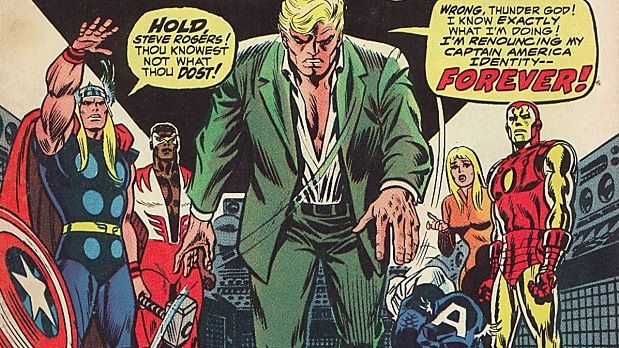
Evil Captain America has been done far too many times and isn’t that interesting, but Doubtful Captain America is a constant of the character, a man who believes in his country but is fairly often willing to question it, up to engaging in a civil war over his beliefs or even quitting the job several times.

As an example of bad Captain America, Mark Millar’s post-9/11 edgelord Captain America in The Ultimates hasn’t aged well at all, channeling Bush-era belligerence and arrogance into a character who’s the opposite of what Cap should be. And being good isn’t being weak.

There’s a fine line between making Cap frequently question his patriotism and making him a whining bore, of course. Yet I admire the writers who’ve made us realise that uncertainty and kindness isn’t a bad thing, all while telling us stories of a man dressed up in red, white and blue.

There’s nothing worse than a fanatic who thinks he can do no wrong. For some reason I’ve been thinking about that a lot lately.

The marvellous performance by Chris Evans as Steve Rogers in the MCU helped seal my Cap fondness, making square-jawed decency seem kinda hot. And of course, there can be more than one Captain America – Anthony Mackie is stepping up as the main man’s successor in a new movie being released this week. Whether or not the movie itself is great, Mackie has done a fine job in his MCU appearances tapping into that fundamental charm and battered optimism Cap needs. 

I imagine if Cap was real these days he’d be aghast at a lot of what’s going on under the colours of his flag, but then again he’d probably find it pretty familiar. He punched Hitler, after all. 

Again, maybe it’s the tenor of the times. There ain’t a lot of heroes in the real world at the moment. I’ll just keep reading my Captain America comics and hoping for better days ahead. 

Bob Dylan is a complete unknown, and that’s the point

One of the secrets of Bob Dylan’s success is his enduring mystery. Dylan has forged a 60-year career out of being opaque, inscrutable…. a “complete unknown,” if you will.
I’ll admit, I’m kind of a sucker for rock star musical biopics, even when they’re terrible. I watched Elvis and Walk The Line and Bohemian Rhapsody and I embrace the cheesy “rags to riches to overdose” narrative of such films, even when my head admits they’re not always great movies.

A Complete Unknown is a deep dive into Bob Dylan’s early years that does its share of romanticising and mythologising… but then again, hasn’t Dylan himself been doing that since he was a kid? For me, it hit the spot by embracing the many mysteries of Bob, revelling in music biopic cliches while being just prickly enough to feel real.

Timothée Chalamet is really far too pretty to be young Bob, who had a reedy, squinty babyface, but he nicely summons up the keen intelligence, peculiar charisma and somewhat mercenary ethics of young Bobby. Dylan rode into New York from rural Minnesota pretending to be everything from a hobo to a carnival worker. He threw aside his birth name of Zimmerman and became a kind of perpetual musical sponge, absorbing everything and synthesising it into something kind of new. 

A Complete Unknown is about the birth of an artist who’s also a magpie, a wry cynic and also kind of a genius who’s not really a very nice guy. Dylan is called an “asshole” a couple of times in the film, which thankfully doesn’t try to show him as some kind of saintly hero. We avoid some big teary monologue where Bob Dylan reveals all the dark secrets that motivate him.

This exchange is as close as A Complete Unknown gets to peeking behind the mask: “Everyone asks where these songs come from, Sylvie. But then you watch their faces, and they’re not asking where the songs come from. They’re asking why the songs didn’t come to them.

Chalamet’s natural teen idol charm is cleverly subverted just enough to make his Dylan feel like an echo of the thin wild mercury sound of the man himself. (And while he doesn’t sound exactly like Dylan singing, he sounds close enough to make it work, and lipsynching Dylan would’ve been even weirder.)

A Complete Unknown takes the great Bob Dylan creation myth and hits all the beats – his turn from folk music to electric, his wry confidence, his thorny romance with Joan Baez, his worship of Woody Guthrie. The movie follows Dylan from his arrival in New York as an eager kid up through his explosion into stardom in the mid ‘60s, and its big emotional turn is in Dylan’s moving from stark and preachy folk into raw and raucous rock, culminating in his famously defiant “electric” performance at the 1965 Newport Folk Festival.

A Complete Unknown wrings Dylan’s transformation for a lot of drama that might seem a bit hokey from 2025 eyes – so he’s playing an electric guitar now, so what? – but it’s worth remembering that Dylan’s “betrayal” of folk was a big deal back in the day. (Ed Norton‘s marvellous supporting turn as folkie Pete Seeger really captures the man’s uniquely kind heart and endearing dorkiness.)

As anyone who’s dipped their toes into the vast waters of Dylanology knows, there’s an infinite number of Bobs in the Dylanverse. (At least 80, as I painstakingly rambled on about a few years ago!) There’s no way A Complete Unknown, which follows a fairly basic biopic blueprint, could satisfy everyone, and we’ve certainly got cinema bizarro like Todd Haynes’ I’m Not There or Bob-starring oddities like Masked And Anonymous to fill any taste. 

Watching Martin Scorcese’s superb documentary No Direction Home again recently, which follows Dylan’s 1966 tour of Britain in some dazzlingly vibrant footage, I was struck by how angry many of the British fans interviewed at the time were with Dylan’s new style. “I think he’s prostituting himself,” one barks. Yet to my eyes now, the hyper electric Dylan of 1966 is quite possibly his finest era. God only knows what would’ve happened if social media existed at the time.

Unknown works for me because it never quite pretends to be definitive, and knows there’s many more alternate Bob stories to be told. But hey, it’s turning new audiences on to Dylan music, got a bunch of Oscar nods, and is a reminder that after nearly 84 years walking this Earth, there’s still nobody quite like him. 

Is it 100% true? It’s pretty and darned entertaining, but perhaps its biggest success is in carefully keeping Bob Dylan’s true motivations a complete unknown. 

Who is the greatest actor of our time and why is it Willem Dafoe?

Honestly, in my mind, a good character actor beats the heck out of a box office superstar every day. Rising stars like Timothée Chalamet or Glen Powell, sure, they do fine stuff, but give me a good turn by a supporting scene-stealer like John Turturro, Michael Stuhlbarg, Stephen McKinley Henderson, the late great Lance Reddick, Walter Goggins or the inevitable Stephen Root, and I’m in heaven. 

And the king of the character actors these days has to be Willem Dafoe, surely the only man who can claim to have played Jesus Christ, the vampire Nosferatu and the Green Goblin. 

Dafoe is a character actor who’s worked his way up to the A-list. Anytime Dafoe is on screen, his wired presence takes over – in the space of a few days, I watched him as a hilarious bad actor-turned-ghost cop in Beetlejuice Beetlejuice and then as a dogged eccentric vampire slayer in the superb new Nosferatu by Robert Eggers. (Because he’s Willem Dafoe, he of course also played that titular vampire himself in 2000’s Shadow of the Vampire, and got an Oscar nomination for it!)

As he ages, Dafoe has honed his intense charm to a fine tone, able to play creeps and heroes equally well. He turns 70 this year but seems as full of curiosity and a willingness to experiment as a teenager.

He’s been doing this for more than 40 years now and while, regrettably, he’s never won an Oscar, he’s been a key player in acclaimed movies like Platoon, Born On The Fourth Of July and The English Patient. He’s worked with the finest directors of our time like Wes Anderson, David Lynch, Werner Herzog, David Cronenberg and Yorgos Lanthimos.

There is always a hint of tensely restrained violence to Dafoe, which contrasts with his generally genial offscreen character.

When he’s bad, he’s unforgettable. His lounge lizard killer (and hideous rotting teeth) in David Lynch’s Wild At Heart still haunts me, as do his blunt brutal hitman in The Grand Budapest Hotel or his layered Norman Osborn in the 2002 Spider-Man movie, which was so good he was brought back to reprise the role nearly 20 years later in Spider-Man: No Way Home.

But it’s the tenderness he can also summon up that hits the hardest, whether his remarkable Jesus in Martin Scorsese’s underrated Last Temptation of Christ, the mutilated Dr Frankenstein avatar in Poor Things, Vincent Van Gogh in At Eternity’s Gate or his Oscar-nominated turn in the heartbreaking The Florida Project. 

A lot of actors have a type, which they cash in on and play until the money stops rolling in (Chris Pratt, I’m looking at you). But Dafoe seems happy to try to be anybody, like a good character actor should. 

Dafoe’s not afraid to go hard in all-out weird cinema like The Lighthouse or Antichrist, then turn around and appear in the latest MCU blockbuster too. 

An incredibly prolific actor, he’s not always utilised to his full potential – I’m still struggling to figure out why the heck he was in Aquaman, really – but he pretty much always makes the movies he’s in a better place.

Stars come and go, but character actors – man, they just burn hard the whole way through. 

“Now it’s dark” – All our heroes go away eventually

It’s inescapable that older one gets the more people you lose, whether it’s family or the creators and icons you look up to. I could turn this into a full-time obituary blog these days if I wanted to, I reckon, but one also has to grasp for the light sometimes. All our heroes go away eventually.

And honestly, any celebrity death, no matter who, is probably never going to strike me quite like the big loss that blots out the sky for me, my father’s passing last May. That’s the kind of shattering experience you somehow get through, but you’re never really the same, are you? Life is marked in before and after now.

The last celebrity death I think I really cried over was David Bowie, because it just seemed so utterly shocking at the time – the man just put out a new album, he wasn’t even 70, and everyone knows you don’t up and die during an album release window. That one hurt, in the sort of unsettling way that maybe leaves a person thinking you’ll never quite let yourself be that vulnerable again to a celebrity death. And so, Prince, just two months later, was awful as well, but it didn’t hit me as a hammerblow to the brain. 

We’ve lost two of my favourites in just a week – film genius David Lynch, who left us at 78, and the legendary cartoonist Jules Feiffer, whose death today at 95 was just announced. Two very different men but two whose work really shaped me and how I look at the world. 

There’s been a lot said about David Lynch this week and I don’t know much more I can add to the discourse other than to say, the man rewired your brains. I remember scrambling to watch Twin Peaks my freshman year in college, where I didn’t even own a TV, having to borrow a tiny portable model from someone in the dorm. I’d never seen anything quite like this combination of American mystery and menace. A couple years later a friend and I watched a VHS of Eraserhead and at the end sat stunned, gasping, muttering “What? What?!?” over and over again. Lynch did that for you. 

The night he died I watched Blue Velvet again for the nth time, and like any masterpiece, every time I see it, it unfolds slightly differently to me. The unmistakable brilliance of the opening credits, American beauty crashing up against the rot underneath – this week, this month, this deranged moment in American history, we all need to pay more attention to the bugs beneath the earth, chittering away. Kyle Maclachlan’s jaunty student discovering the evil underneath, and the unanswerable question – how do we get past the bad things?  

Jules Feiffer was a little more underground, perhaps, but his fingerprints were surely on something you watched or read – besides his long-running cartoon in the Village Voice, he was quite possibly the last living link to the Golden Age of comic books, blustering his way into a job with the legendary Will Eisner at just 16 or so and then ending up working on the iconic Spirit. He wrote books of comic history that broke new ground, he drew The Phantom Tollboth classic children’s book, he wrote scrappy novels, he wrote the screenplays for both Carnal Knowledge and Robert Altman’s Popeye and two more different movies you could scarcely imagine. He was drawing right up until the end at age 95.

Feiffer was never a classically great artist, but that was the point – his scribbled, sketchy lines danced with expression, his bitter wit on everything from romance to Richard Nixon stung in a way most young political cartoonists would dream of. When I was a kid, my parents had Feiffer’s Marriage Manual on a shelf in their bedroom, where the kind of adult books were kept. I snuck a look at it and his wiry, intense takes on love and romance turned out not to be full of nekkid ladies, but instead a kind of naked, barbed genius that hooked me instantly. Cartoons could be about life! Whether it was books, comics, movies, plays, Feiffer was the kind of renaissance man creator that quietly helped shape the 20th century. He sure shaped me. 


“Now it’s dark,” the vile Frank Booth whispers in Blue Velvet shortly before unspeakable acts.

I’ve accepted we will see more and more go like they did in 2024 – author Paul Auster, whose tense and vibrant books never stopped wondering at life’s mysteries; The Chills’ Martin Phillipps, whose music summed up New Zealand to me; perpetually surly character actor Dabney Coleman, whose Slap Maxwell Story is still one of the best cranky journalists performances I’ve seen; CAN’s unmistakable voice Damo Suzuki and the MC5’s scorching guitarist Wayne Kramer; Gena Rowlands, whose naked honesty scorched the silver screen; the tragic Ed Piskor, prolific, detailed and often-dazzling cartoonist gone too soon to suicide; Donald Sutherland, who said more with a raised eyebrow than many do their whole career; smiling Carl Weathers, who seemed poured out of liquid muscles in the Rocky movies that I watched endlessly; John Cassady, whose ripplingly beautiful art in Planetary, X-Men and others seemed too good to be true; Paul Fry, one of my journalism mentors and a hell of a guy; the small press comics creator Larry Blake, whose precise art deserved a wider audience; President Jimmy Carter, perhaps the last good man. And so many more. That’s just the tip of those who left in the past year or so. 

It’s a lot. No matter what we do, they all keep going, and one day we’ll go, too. But they leave the shapes behind.

But maybe it’s Dad’s death, maybe it’s just that we live in a world of constant troubles and you can’t live with hate and regrets in your heart the whole time, but I’ve been trying to accept the dark and admire the light a little more this past 8 months or so. 

It all gets muddled together, the losses we face in this life. 

I hate that it does get dark, that David Lynch will make no more films and Jules Feiffer will draw no more cartoons, but they left us so much. I will pull out my Feiffer paperbacks and smile and I will head down to the marvellous local revival cinema and see some of David Lynch’s movies on the big screen next month. 

I keep dreaming about my Dad a lot lately, the brain puttering away while I sleep, doing the strange work of processing life. I don’t mind that. He’s still here, really. They all are.

In dreams I walk with you

In dreams I talk to you

Aw, man… It’s my biggest pop culture disappointments of 2024!

Let’s get negative! There is, admittedly, far too much complaining on the internet, but sometimes you gotta vent. Following up my 10 favourite pop culture moments, here’s a handful of things that I found most disappointing about the year almost gone: 

Maybe that Rocky XXXVIII was a bad idea after all: The top 10 movies at the US box office of 2024 were all sequels (or prequels). That doesn’t necessarily mean they all sucked – I enjoyed Beetlejuice Beetlejuice a lot and Dune: Part Two was great, but while last year had a brief blip of creative hope when movies like Oppenheimer broke records, this year it just feels like we’re wringing the intellectual property towels out until they are stone dry. When you have sequels that nobody demanded revisiting flicks like 1996’s Twister or 2000’s Gladiator or yet another Alien movie, or when you put out another ‘meh’ Ghostbusters sequel that’s almost immediately forgotten – it’s a sign you’re running out of properties to revive again and again. Remembering how chaotic and alive Bill Murray seemed 40 years ago in Ghostbusters, seeing him drag it all out again for a few scenes in 2024 for a fifth instalment in a franchise just felt… tired. 

The Bear spins its wheels: I’ll admit it. I haven’t finished The Bear Season 3 yet. The tale of a talented but troubled Chicago restaurant chef and his crew has been gripping, but it’s sliding quickly over into prestige fatigue. I quite liked Season 1 and 2 even when the show pushed the limits of how tense and angry you could make things, but the first half of Season 3 is repetitive and dull. It’s a very bad sign when the first episode of Season 3 is a largely wordless, drifting swamp of self-indulgence that felt like a never-ending 30 minutes opening credits sequence. It sets up a season which barely advances the overall plot so far and which seems high on its own supply, hitting the same beats – yelling, repetitive flashbacks, emotional breakdowns, kitchen disasters – we’ve already seen.  The Bear has been as much drama as comedy but this season the balance tipped. There are good moments, and I’m sure I’ll finish it… eventually … but what a comedown from the first two binge-worthy seasons for me.  

MaXXXine doesn’t mark the spot: Speaking of sequels, I really enjoyed director Ti West’s creepy, generational horror mood pieces with Mia Goth, X and Pearl. But the trilogy “capper” MaXXXine, featuring Goth’s hopeful movie star Maxine trying to make her way in Hollywood after the violent events of X, was a big confused miss. Set in the day-glo ‘80s, a distracting cast of “spot that star” cameos like Kevin Bacon and a bizarre plot twist that made the first two movies seem sane left this sequel feeling like a tired cash-in, the exact sort of movie I think it was trying to make fun of. Even Goth, so good in the first two, seemed bored by it all. 

The “return” of EC Comics. EC Comics dazzled and shocked the industry with top-notch art and edgy storytelling back in the 1950s. Periodically, someone tries to bring the IP back, and so it is with this year’s Oni Press revival. Technically, they’re not horrible comics – just highly mediocre product. They look great – boasting a cool retro design with some of the best covers out there. But where they really fell down is the dull and cliche-ridden writing, which felt like ham-handed cosplay of the original EC. The stories either have facile modern-day attempts at limp satire, dumb gory twists or uninspired morality tales. Yeah, the original EC had a lot of that too, but somehow it’s not the same in 2024, and the talents here are no Wally Wood, Harvey Kurtzman or Will Elder. The art is often good but lacks that cohesive feeling the EC Comics “house style” had. I get what they were trying for here, but maybe you can’t go home again. 

The rise of AI slop: I work in media, and am probably more worried about the future of this industry than I’ve ever been. The endless plague of misinformation is bad, but the AI “slop” – never has a phrase been more apt – starting to seep in on every corner of the internet feels like it’s just getting started, whether it’s shit fake trailers for movies or “pink slime” viral crap or sleazy grifters out to make a viral buck. This year saw it being shoved at us all over the show without any chance to opt out – Google front-loading AI-juiced searches at us, Facebook saying I can “imagine” a new profile photo, the Washington Post giving us “AI generated highlights” or LinkedIn telling me, a writer for 30+ years, that I can use AI to write an amazing post – it’s all crap to me, and I don’t care if that makes me a gosh-danged Luddite. We all feel like much of the internet has turned into garbage the last few years. The slop is speeding up the techpocalypse. Every word of this website was actually written by me, a human. I wish that didn’t have to be said. 

Behold, my top 10 pop culture moments of 2024!

So I’ll join the chorus – 2024 really did kind of suck, eh? For me, by far, the biggest blow was the death of my father in May, and I guess nothing has truly felt the same since. There’s been a lot of lousy things happening in the wider world as well, of course, and the general sense that everything is just careening out of control in the cosmos.

Pop culture – be it book, comics, movies or music – is one of the few saving graces we’re left with when nothing else makes sense. Thus, in a burst of optimism, here’s my 10 favourite culture moments of the year:

Now is now – Perfect Days by Wim Wenders: An awful lot of the ‘best movies of 2024’ haven’t screened in New Zealand yet, and a lot of the 2024 movies I have seen have been hit or miss. But of the new-ish films I saw this year, the beautiful tone poem Perfect Days by Wim Wenders about a humble Japanese toilet cleaner lingers the most. It’s a movie about taking the pauses, about accepting what happens and enjoying every sandwich. And it felt like the most human thing I saw on a screen this year. (Runner-up nods for movies seen in 2024: the supremely creepy Longlegs which was right in my wheelhouse, heartfelt and hilarious The Holdovers [technically a 2023 holdover itself], the utterly unclassifiable no-budget slapstick Hundreds of Beavers, and Furiosa, which confirms George Miller’s Mad Max is the only extended cinematic universe which really matters.) 

Absolute ultimate totally comics, dude: I’m on the record that I’m not generally a fan of the endless reinventions and multiversal takes on superheroes that are a sign of comics eating themselves. Ohhh, a dark alternate Superman? How daring! Yet… I’ve been generally rather enjoying DC’s latest “Absolute” line of comics starring the hyperbolic Absolute Batman, Absolute Superman and Absolute Wonder Woman. Yes, yes, it’s yet another reimagining but the actual comics have been pretty … good? Absolute Wonder Woman is the gem so far with stunning art and myth-inspired epic storytelling, and Absolute Batman not far behind with its mysterious ultra-jacked Bruce Wayne stripped of money and privilege. I don’t know how long I’ll stick with them – these “new universe” stories far too often end up tangled in the continuity of existing comics and giant crossovers and the like, but so far, it’s a pretty electric and novel take on some very well known heroes. 

You’re never too old to make rock music: I’m old and getting older, but a lot of the guys I grew up listening to are somehow even older. Massive applause, then, for near-geezers like Nick Cave and Robert Smith staying true to themselves – The Cure’s comeback Songs From The Lost World is just as moody and epic as any classic Cure album, touched even more by the unsparing grip of mortality. At 65 (!!) Smith still sounds exactly like he always has, and that’s a wonderful thing. Meanwhile, Nick Cave’s slow turn into a kind of confessional high priest continued with the excellent Bad Seeds album Wild God. At 67, Cave has suffered unbearable loss in his life and will always seem heroic for unsparingly turning it into such cathartic art. In contrast, The White Stripes’ Jack White is a mere child at age 49, but he blew me away just a few weeks ago in Auckland and his No Name feels like the rock album of the year to me. Not bad for a bunch of old guys who are all getting older. 

Just asking questions – the books of Percival Everett: Percival Everett is one of those cult authors one keeps hearing about and meaning to read, but his astonishing Huckleberry Finn reinvention James truly broke him through into the mainstream this year. Every Everett book I’ve read this year is quite different and excellent in its own way – the existential spy satire Doctor No, the haunting Mississippi lynching black comedy of The Trees, the wry literary racial spoof Erasure (which was also turned into an excellent movie, American Fiction). Everett doesn’t fit any easy box but I’ve been so impressed by his eclectic invention that I’ll be happily catching up on his prolific bibliography well into 2025. 

Sticking the landing on the small screen: I can’t keep up with all the streaming things these days, but bidding farewell to a few longtime favourites reminded me of how tricky it is to end things on the perfect note, and how good it feels when it does. These favourites of mine all said goodbye in a pretty perfect fashion – Superman and Lois with perhaps the most bittersweet and beautiful ending to a superhero screen adventure yet, the kooky What We Do In The Shadows managing to make its insane vampire spin-off parody far funnier and longer lasting than seemed possible saying goodbye after 6 seasons, Larry David at long last ending Curb Your Enthusiasm after 20+ years with a perfectly wonderful lack of remorse. (Bonus point to the much-missed Our Flag Means Death New Zealand-filmed gay pirate comedy, which ended its second season in ’23 but we didn’t know for sure it was gone for good until this year.) 

Charles Burns still haunts us all: Charles Burns is the patron saint comics artist of Gen-X, and his stark tales of teenage alienation have been blowing me away since his Curse of the Molemen days in the 1980s. As he ages, Burns has constantly kept to the same tight themes he always has – teenage alienation, romantic yearning and spooky surreal horror – but gosh, does he do them well. This year’s Final Cut is one of his finest works, ostensibly about a group of teenagers shooting a no-budget movie, but it’s also about love, choice and regret and told with his unforgettable intense style. 

The films of Samuel Fuller: Like I said, I’m behind on the newer films of 2024. But film history stretches back over a century now, and there’s always time to fill in the gaps. A big hole in my cinema knowledge was the pulpy movies of Samuel Fuller. I can’t believe I hadn’t seen fierce noir gems like Pickup On South Street, Naked Kiss, Shock Corridor and Park Row until the past year, and I keep discovering new Fuller to catch up on. His bold movies bucked convention and still feel starkly modern decades on. Bonus point: His memoir, A Third Face, is an absolutely great chronicle of Fuller’s days as a spunky young New York journalist, harrowing World War II heroics and his dive into Hollywood. 

Cindy Lee’s Diamond Jubilee: There’s precious little mystery in pop culture these days, so every little bit of it counts. Cindy Lee is a cross-dressing Canadian musician named Patrick Flegel whose drifting, sultry songs have really gotten into my brain. Not on Spotify, not on Tidal, the sprawling double album Diamond Jubilee is only available as a single file on YouTube and soon, a physical release. Anointed by the hipsters, it’s got the gorgeous low-fi wistfulness of early Guided By Voices meets Roy Orbison, like the soundtrack to the most lonesome-hearted David Lynch movie that never was. It’s two hours of mysterious bliss and while its stealth release style might be a bit of a marketing technique there’s enough talent in Diamond Jubilee to make it feel like far more than a stunt. Diamond Lee feels like 2024 in musical form to me.

The Mary Tyler Moore Show, because love is really all around: Yes, I’m the guy who’s picking a 50-year-old sitcom as one of his favourite pop culture moments of 2024. But I picked up a cheap DVD of the complete series on a trip to Reno earlier this year, and it reminded me exactly why I love this classic sitcom so much. It’s got Moore at her loveable screwball peak, Ed Asner is one of the best editors of all time, Ted Knight’s pompous doofus act which never gets old, in a seven-season run of absurdity, crack timing, sitcom pratfalls and journalistic dilemmas that still stands up with the best of ‘peak TV’. Sometimes all you want out of life is a 20-minute playlet of banter and Lou Grant and Ted Baxter, and in this weird, wicked year, bingeing The Mary Tyler Moore Show made me feel like we might just make it after all. 

Selfishly, the Year of the Amoeba: Yeah, I’m putting myself on the list – not because I think I’m the best small press comics geek out there by any means but because I ended up putting out a heck of a lot of Amoeba Adventures stuff this year and it gave me a peculiar kind of inner satisfaction that nothing else really matches. I published two ‘regular’ issues of Amoeba Adventures this year, getting up to #35 of the series I somehow started way the hell back in 1990 (!!!), and I finally decided to embrace Amazon’s print on demand as a cost-effective way to bring my comics back to a wider world (yeah, I know, evil empire, etc, but this KDP stuff has been very good for my needs). A big old 350-page collection of The Best Of Amoeba Adventures that I started over the last holidays came out in February and presents my favourites of my 1990s work, while the smaller Amoeba Adventures: The Warmth Of The Sun book presents the first six of the “new” Amoeba Adventures stories I started telling in 2020. I’m not going to get rich doing this stuff, I accepted long ago, but I’m really grateful to get this stuff out in the world and out of the dusty small press past, and hey, if you like it, I’m just grateful I got the chance to tell you a story. 

Next: My top pop culture disappointments of the year!

Gene Wilder and Richard Pryor – a dynamic duo stuck in mediocre movies 

Richard Pryor and Gene Wilder are one of the great comic movie duos.

But the strange thing is, as much affection as I have for the Wilder/Pryor team, they never truly made a great movie together – instead, they typically livened up fair to mediocre material with their unmistakable chemistry.

It’s a funny thing – other comedy duos like Laurel and Hardy or Jack Lemmon and Walter Matthau paired for piles of movies, many of them classics, but Wilder and Pryor’s legacy is a paltry four films together – with, really, about 1.75 good movies among those.

Yet a lot of us comedy fans love them – Indicator has just put out a great lavish new box set of three of the Pryor-Wilder movies with the full boutique blu-ray treatment, usually reserved for cinematic masterpieces. Long after both men have died, the Pryor/Wilder team have a reputation that outshines their actual accomplishments on screen. 

Maybe it’s because their pairings always felt sincere – they weren’t doing Abbott and Costello or Martin and Lewis-style “bits,” but Wilder and Pryor took their existing quirks and crashed them together, which at its best created something that felt intimate instead of staged. They were better than their material, and maybe that charm is why we still remember them even when few are calling their movies masterpieces. 

1976’s Silver Streak is a movie I fell in love with after its countless TV screenings back in the day. A feisty homage to Alfred Hitchcock thrillers, it’s amusing fluff which abruptly changes gears more than halfway through its runtime when Richard Pryor pops up in the back seat of a cop car and quickly becomes a sidekick to Wilder’s mild-mannered writer caught up in a vast criminal plot. 

Sometimes movies don’t go how you would expect, and Pryor and Wilder had a seamless energy that immediately pushed all the plots of Silver Streak to one side. I dig Silver Streak in the way you still love any movie you adored as a kid, but it’s a bolted-together contraption that isn’t sure whether it’s a romance, comedy, action movie or a disaster movie with its blow-up-the-train climax. 

Pryor loved to improvise and Wilder, to his credit, just went along with it, which gives their interactions a refreshingly candid feel. The rather dated scene where an on-the-lam Wilder goes full blackface with shoe polish to hide from police was tremendously improved by Pryor’s wry asides and Wilder’s child-like innocence. It’s a dumb scene, sure, but 10-year-old me thought it was hilarious and I still see it as making fun of white folks’ preconceptions as much as it relies on Black stereotypes. That one sequence launched the Pryor/Wilder career, and it came out of Pryor deciding to make the rather racist scene his own. Pryor adds an unpredictable feeling to his every scene in Silver Streak that knocks it out of its comedy thriller cliches. 

Gene Wilder’s schtick was often men who appear soft-spoken and shy but who snap, hilariously, when the pressure comes on. Wilder could be unsettlingly calm and slightly menacing – see his terrific underplaying in Blazing Saddles, his unmistakable Willy Wonka – but in movies with Pryor he plays the gentle man with a manic side. 

Their best film together is 1980’s Stir Crazy, where Wilder’s wide-eyed optimist and Pryor’s weary worrier end up wrongfully sent to prison. Like all their films, Stir Crazy is patchy – there’s wayyyyy too much prison rodeo subplot – but when Wilder and Pryor just riff off each other behind bars, it’s comedy heaven. 

Pryor’s characters toyed with racial stereotypes – he’s usually a hustler or a con man, a cynic without any of Wilder’s naive optimism – but the Pryor/Wilder movies only occasionally made race their main focus. In Stir Crazy, the fact a black guy and a white guy are good pals isn’t anything special – it’s just the way it is. 

I loved Silver Streak and Stir Crazy and watched them constantly as a kid, without ever really realising both Pryor and Wilder had already forged legendary careers of their own. Maybe that’s part of why their team still is so adored today despite a thin legacy together – nobody really thinks about Bud Abbott’s career before he met Costello, but Pryor and Wilder were already groundbreaking on their own before they paired up.

Still, their final two films were both box office misses and didn’t offer much new. 1989’s See No Evil, Hear No Evil has a dated concept that probably wouldn’t fly today – Pryor is a blind man, Wilder is a deaf man, with lots of wacky misunderstandings, and they get embroiled in a comic murder plot. While it’s a steep step down from Stir Crazy it’s absurdly funny at several points, until it meanders off into the dull murder storyline too much. 

While their first three movies are flawed, 1991’s slapdash Another You is just generally a fiasco, with a nonsensical plot and both men showing their age. Poor Richard Pryor – barely 50 years old at the time – was thin and frail, showing the effects of his onset of multiple sclerosis, and while Wilder still summons up that great manic energy, he also feels a bit past his use-by date. You know your movie’s bad when it relies on a yodelling scene for laughs. The highlight is a candid little “farewell” moment by the two men at the movie’s end. 

It’s kind of easy to look at Pryor/Wilder movies and lament their missed potential – poor scripts, needlessly complicated stories, too much of their work coming at the raggedy end of their careers. What could’ve been if instead of jamming them into belabored crime and action movie plots, they just riffed on their two very different characters? Imagine what they could’ve done with their versions of The Odd Couple or Planes, Trains and Automobiles, for instance.

Pryor would die at 65 in 2005, after spending his last several years as an invalid, while Wilder lived until 2016, but Another You was the final movie either men starred in, and a bit of a downer ending to their remarkable screen careers.

Pryor and Wilder weren’t particularly close in real life, which makes their unforced charm together on screen even more remarkable. Sometimes, a spark just happens. Comedy fans recognise the peculiar magic of the Pryor-Wilder combo and even if they didn’t leave the loftiest cinematic legacy behind, what they did leave behind in laughs is pure gold. 

Hail to the chiefs: 15 presidential movies to watch instead of doomscrolling

I get it. You’re stressed out. This is life in 2024.

But instead of doomscrolling political news all week, how about taking a break with a presidential movie?

The presidency has been the subject of countless movies, good and bad, from lofty biopics to action-packed romps. Here are 15 movies about American presidents and politics that are worth firing up to divert your brain for a few hours as Election Day approaches.

If you want to feel a little bit of optimism:

The American President (1995): A genuinely sweet romantic comedy about a widowed president finding a new love, starring a luminous Michael Douglas and Annette Bening, and written by Aaron Sorkin, who later went on to create The West Wing TV series.

Lincoln (2012): Daniel Day-Lewis’ Oscar-winning performance takes Abraham Lincoln out of the realm of cliche and makes him a complex human being again, wrestling with how to end slavery in an America torn by the Civil War and trying to do the right thing.

Mr Smith Goes To Washington (1939): Jimmy Stewart’s naive young US senator comes up against Washington corruption. The thing that makes Frank Capra’s classic still relevant today is its fierce determination to make politics better.

If you just want to wallow in political intrigue:

Frost/Nixon (2008): There have been a lot of movies about Richard Nixon, but this tightly focused film sticks to one post-presidential interview where the disgraced president tries to redeem himself. Tense dialogue and terrific acting makes the spectacle of two men mostly sitting in chairs talking seem riveting.

All The President’s Men (1976): Nixon never appears in this Oscar-winning Watergate drama, but hovers over it like a malignant ghost as journalists Robert Redford and Dustin Hoffman uncover a labyrinthine scandal that led to America’s first and only presidential resignation.

JFK (1991): Oliver Stone’s mammoth three-hour epic is a twisted knot of conspiracy theory, paranoia and grifters, so it’s a perfect vibe for Election 2024. It’s a complicated, indulgent sprawl of a movie that’s still somehow fascinating, with an all-star cast.

If you think politics is ridiculous:

Election (1999): Strictly speaking, not quite about a president, but this classic story of an American high school student election that goes horribly awry sums up how much the desire to win can eat away at a person. With a never-better Reese Witherspoon and Matthew Broderick.

Don’t Look Up (2021): The US hasn’t had a female president – yet – and they’re pretty thin on the ground in movies, too. (Television is a different story, where women presidents have been seen on Veep, Scandal, Homeland and many other shows.) This hit-or-miss satire about panic over a comet destroying Earth has its amusing moments and features Meryl Streep as the president – unfortunately, she’s a shallow, poll-obsessed fool who bungles the end of the world badly.

Mars Attacks! (1996): Love Beetlejuice? Tim Burton’s underrated comic book epic features a rogue’s gallery of oddball Americans battling Martians, and one of the funniest turns is Jack Nicholson as a vaguely sleazy, cocky and utterly unprepared president.

If you’ve given up all hope on America:

Dr. Strangelove, Or How I Learned To Stop Worrying And Love The Bomb (1964): Stanley Kubrick’s Cold War satire still stings today, with the magnificent Peter Sellers in multiple roles, none quite so indelible as the wishy-washy President Merkin Muffley, who very apologetically starts a nuclear war.

Vice (2018): Christian Bale makes an unlikely Dick Cheney in this biopic of George W. Bush’s vice president, which in a broadly comic way shows just how much ambitious power can be wielded behind the scenes.

Civil War (2024): A movie about a traumatised band of journalists travelling through an America torn by an unspecified civil war, it’s not one to watch if you want to feel cheerful about the possibilities of the USA, with Nick Offerman as a crazed, out-of-his-depth president presiding over the country’s collapse.

If you just want a president to kick butt:

Air Force One (1997): Harrison Ford lives the American dream – that is, the dream of being a take-charge military hero who also happens to be president and fights back against terrorists on his own airplane.

White House Down (2013): Mix Die Hard with Air Force One, shake, stir and settle in for explosions and gunfire at the White House as terrorists attack and only the humble everyday policeman Channing Tatum can save the day.

Abraham Lincoln: Vampire Hunter (2012): Sure, you’ve seen a president fight terrorists, but how about vampires? This very silly alternate-history horror movie takes itself far too seriously, but does provide some ridiculous, bloody laughs as Honest Abe stakes blood-suckers. Considering how bizarre the 2024 election campaign has been so far, this might just not be the strangest thing about American presidents you see this week.

This one also appears in slightly different form over at Radio New Zealand!