I didn’t appreciate Bruce Springsteen until I left America

For a long time, Bruce Springsteen was seen as American as apple pie and waving flags – with all the good and bad that entails. 

I considered myself too cool for Bruce for an awful long time, and it was really only after I moved to New Zealand nearly 20 years ago that I started to get what he was really all about. 

The thing is, I came of age when Bruce was in peak “Born In The USA” stardom, a swaggering figure in tight blue jeans who felt, well, kind of cheesy during a time when I was more into the sexy pulses of Prince or the inescapable Michael Jackson (yes, I have regrets there). Springsteen, somehow, felt like dad rock to me.

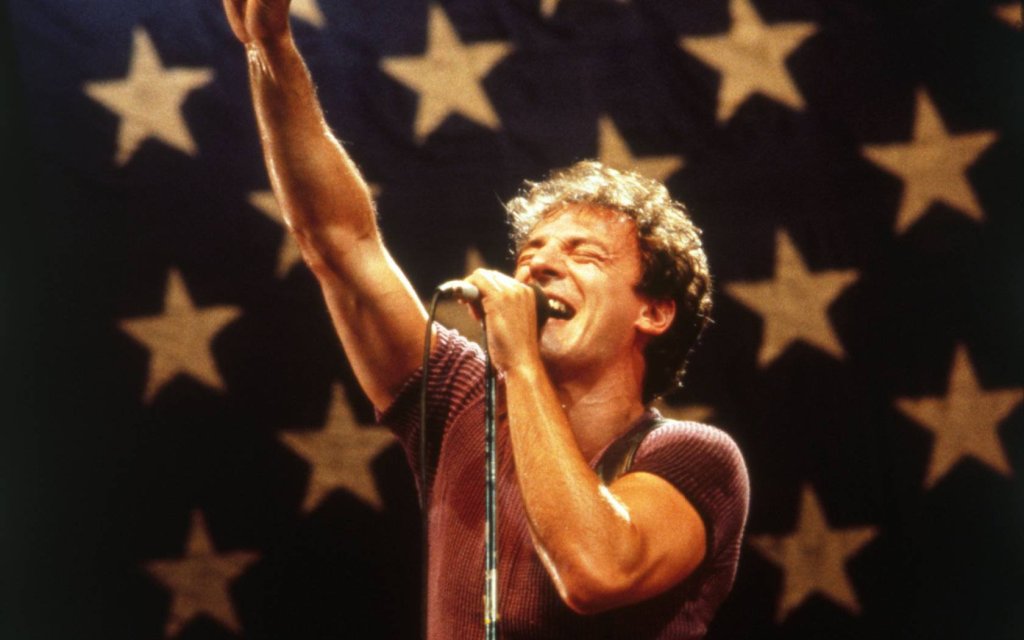
The problem was, Born In The USA the album and song did too well, and Springsteen’s image got solidified in that early MTV age as the all-American troubadour dancing in front of an American flag, no matter how much his lyrics indicated otherwise. Springsteen hit that rare peak stardom when what the entertainer is actually singing about matters less than their place as a cultural signifier, where who they are is less important than what they represent. 

It’s amazing that 40+ years on, people still mishear “Born In The USA” as some swaggering anthem of Yankee superiority. Heck, I did too for way too long. 

With “Born In The USA,” all many people heard is the chorus, without realising how much of a sad hopeful wail it was. It’s about American dreams and the darkness behind them. Heck, how could a song with lyrics like “Got in a little hometown jam / So they put a rifle in my hand / Sent me off to a foreign land / To go and kill the yellow man” ever be interpreted as some patriotic anthem?

But in America, image – and surface – is everything.

I wouldn’t say I disliked Bruce, but just felt he was a little uncool for a hip young fellow to be listening to as I delved into Depeche Mode and The Cure fandom. His work is very short on ironic detachment and long on sincerity – virtues I value more now than I once did. I did like the spooky atmospherics of “Tunnel of Love,” or the nifty twang he gave to the chorus on “Lucky Town,” and the very first time I finally heard “The River,” I realised Springsteen was a writer who could sum up an awful lot in a few short verses: 

“Now all them things that seemed so important / Well, mister, they vanished right into the air / Now I just act like I don’t remember / And Mary acts like she don’t care”

Springsteen’s work has always been about speaking truth and he continues to do so to this day, blasting the current man in the White House relentlessly,  no matter how the beer-swilling “Bruuuuuce” fans shout back. It might seem funny to call a millionaire rock star pretty courageous for doing that, but these days, courage is in short supply on the American scene. 

It took me far too long to delve deeply into Springsteen’s impressive discography, and realise how much he’s always been about challenging the American dream instead of idealising it. 

I cracked into Bruce Springsteen’s mammoth new box set on the weekend, Tracks II, which compiles a whopping seven unreleased albums from the Boss over his prolific career. (So far, the gem is the spooky, drum loop driven songs in The Streets of Philadelphia Sessions). The bounty of this set once again reminded me of how much broader Springsteen’s message has been than the pumping chorus of “Born In The USA.” 

America is so into its own mythology and mythmaking. The perils of that can be seen in the news every single day now. Sometimes I’m amazed by how chill and self-effacing New Zealand generally is by comparison.

The thing is, no matter what you might think of the USA these days, “Born In The USA” is still a great song, maybe because it carries within it all the contradictions and hopes of a country that has never quite been as great as it likes to imagine it could be.

I haven’t lived in America for an awful long time now, but listening to Bruce Springsteen always seems to evoke the open-hearted good times I had there and the promise and potential that so often falls short. I don’t really mark the Fourth of July down here any more but if I do, it’ll be by listening to some Springsteen.

‘Still, I have the warmth of the sun’ – RIP to Brian Wilson

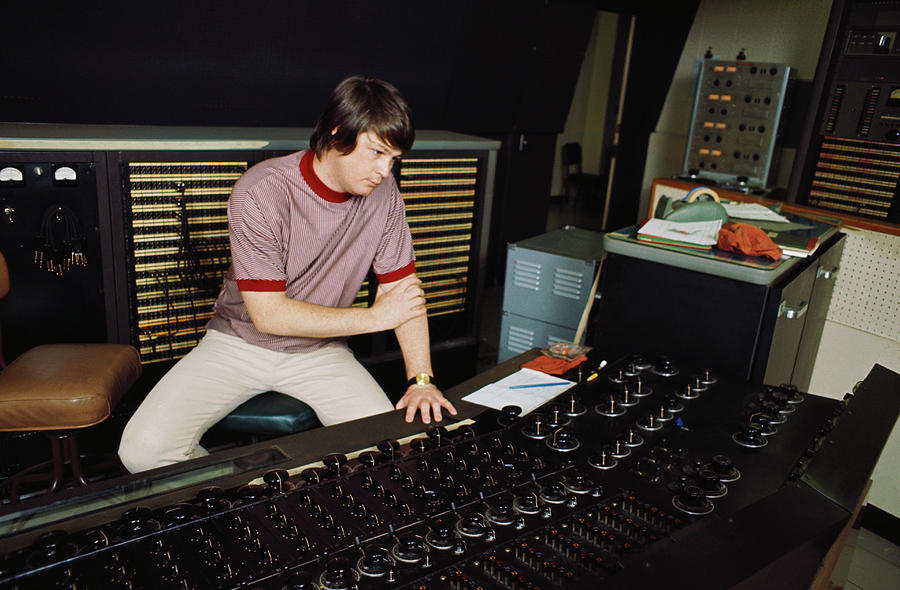
Brian Wilson’s music felt like the sound of America – beautiful, optimistic, full of big dreams and more than a little sad sometimes.

Beach Boys founder and principal songwriter Wilson died today at 82, after a career that changed American pop music and the world. 

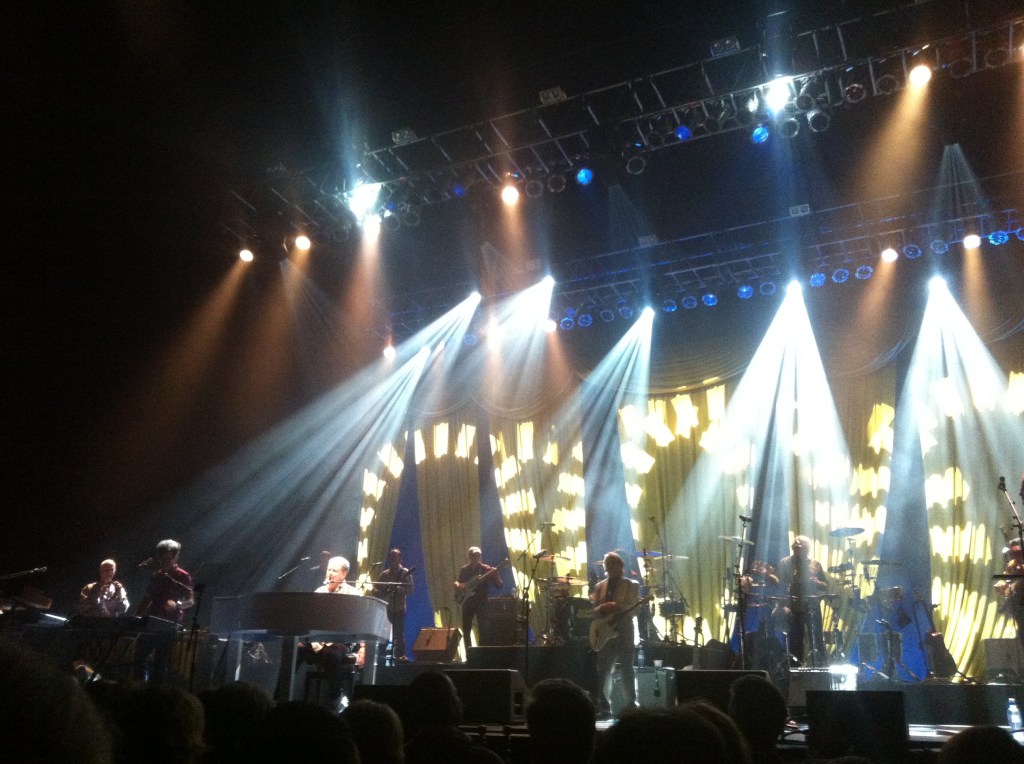
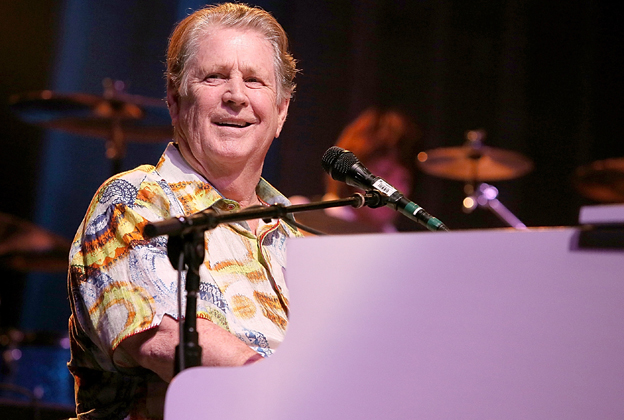
I was very glad to see Brian Wilson perform his classic album Pet Sounds in Auckland at the Civic in 2016 in what turned out to be his final show in Aotearoa. Then in his early 70s, he was fragile and seemed a bit off in his own reality, but he played those songs and gamely sang along the best he could (of course, the younger band members took those high falsetto notes). 

We loved Brian, that night, simply for showing up and for all that his music represents. Backed by a crack band, he sat at the piano for most of the show and the audience banter was mostly left to fellow ex-Beach Boy Al Jardine. But for anyone who made it there that night, it was a rare glimpse at genius. A nod and a smile from Brian Wilson felt like the sun breaking through clouds. 

I admit, I took a while to warm up to the Beach Boys, who seemed inescapably cheesy when I was growing up in the 1980s, when their only songs you heard were the incredibly catchy and annoying ‘Kokomo’ from Tom Cruise’s movie Cocktail and a painful duet of ‘Wipe Out’ with novelty rap trio The Fat Boys. 

But then, something clicked after I listened to The Beach Boys’ landmark 1966 album Pet Sounds several times. Brian Wilson led the group’s transformation from singing about sand, girls and cars to the existential yearning of ‘God Only Knows.’ 

The charming harmonies of their earlier frothier work were still there, but instead of surfin’ and chicks, Wilson’s gorgeous tunes like ‘Wouldn’t It Be Nice,’ ‘Caroline, No’ and ‘I Just Wasn’t Made For These Times’ tapped into some more elemental form of longing. The glossy surface of the best Beach Boys songs hid a world of emotion beneath. Why isn’t life as perfect as we dream it should be, and how do we survive it all? 

After Pet Sounds, Wilson became lost in a fog of drug use, collapsing mental health and creative frustration. The Beach Boys long-delayed album Smile became his waterloo, “lost” and never officially released until it finally came out in several versions years later. 

Wilson battled mental health problems and the trauma from an abusive childhood in an era where help wasn’t easy to get, where you were just told to toughen up and stop your moaning.

Still, Wilson came back from some incredible lows to perform and write again. He got back up, made it here to Auckland in his 70s and still was able to sing those songs about surf, girls and the inner workings of the heart. 

The early Beach Boys song ‘In My Room’ is a gorgeous melody, but in those lyrics –In this world I lock out / All my worries and my fears / In my room” – they summed up how all of us feel on our bad days, and our hopes for a better tomorrow. 

The Beach Boys weren’t quite as godlike as the Beatles, as dangerous as the Rolling Stones or as groovy as Sly and the Family Stone. Yet their music changed the world by selling that quintessential California optimism worldwide – surf culture everywhere, including New Zealand, would never quite be the same. But it was also selling Wilson’s more subtle messages, of working with your mental health and of finding peace in a complicated life. 

The 1960s saw American optimism start to crack for the first time, in ways we’re still seeing echoes of today. The Beach Boys were never revolutionary, but the best of their songs told us it was OK to sing about your feelings, to admit you were scared and to look for the beauty where you could find it. “Still, I have the warmth of the sun,” Wilson sang in another one of those songs about a girl who left him. There’s always sunshine somewhere. 

It’s been a bad week for music, with the death of Wilson and Sly Stone, two troubled twin dreamers who spun timeless songs out of the chaotic 1960s. Both men dazzled with their talent but spent years isolated and dealing with their own demons. 

I’m an agnostic, but I still like to think that somewhere out there in the cosmos right now Brian Wilson and Sly Stone are sitting there hanging out together writing the best song of all time, and maybe, just maybe, it’s the one we’ll all get to hear one day at the moment our own time comes.

Wouldn’t it be nice? 

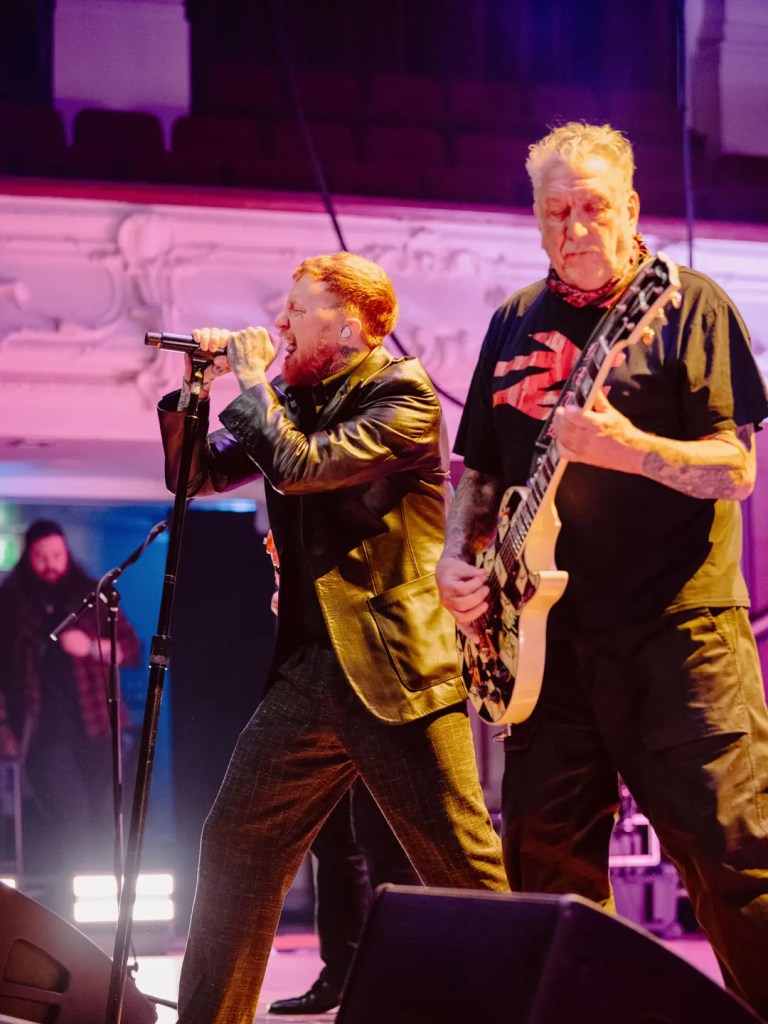
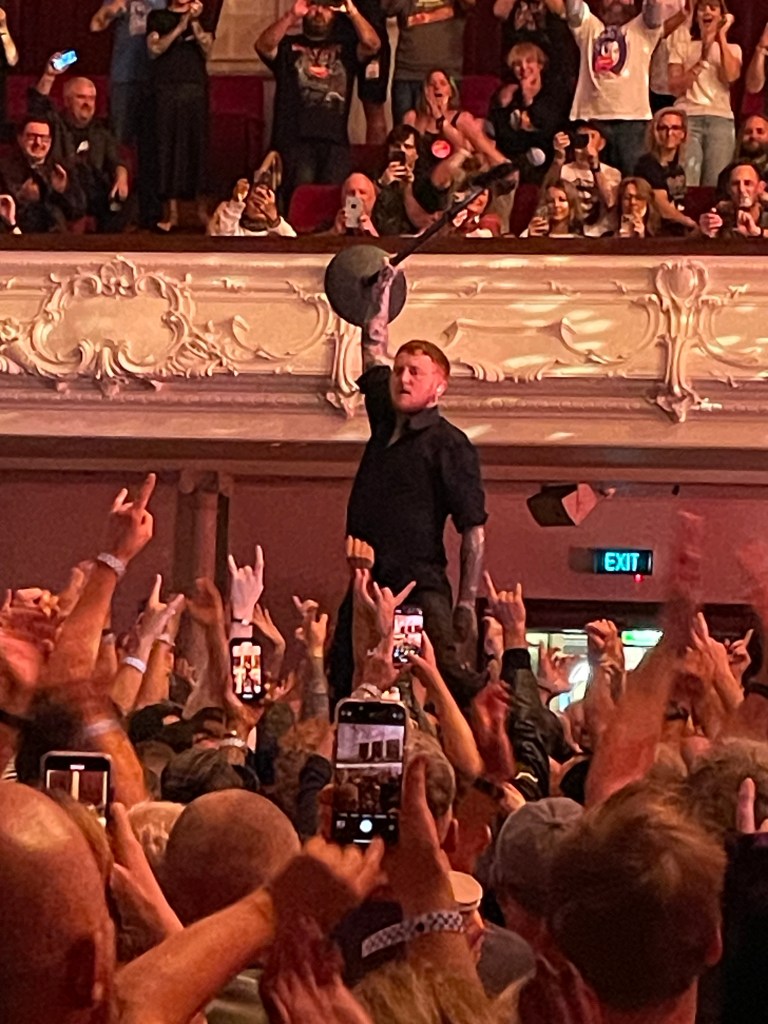
Review: The Sex Pistols, Auckland Town Hall, 2 April

The Sex Pistols perform at Auckland Town Hall, March, 2025.
@yeatesey

I did say a while back that 2025 is my year of punk rock and so it’s proved. So I couldn’t pass up seeing one of the first and best punk acts of all time, or at least 75% of the founding members.

It may be 50 years after they first formed, but I finally got a chance to catch The Sex Pistols live with frontman Frank Carter. Turns out it was a punk rock delight!

Here’s my review over at Radio New Zealand:

The Sex Pistols at Auckland Town Hall prove punk is not dead

Anarchy!!

Clippings: Collected Journalism 1994-2024 – Free sample 3!

Hey, it’s your weekly reminder I’ve got a new book out! For the release of my new collection of the so-called ‘best’ of 30 years of journalismClippings, every Monday in March I’m spotlighting one of the more than 100 pieces by me gathered up in this hefty tome. I hope you’ll consider grabbing a copy, now available on Amazon as a paperback for a mere US$14.99, or as an e-book download for just US$2.99

This one actually comes from right here on this here website back in the long-ago days of 2021. It’s a sample of the ‘Criticism’ section of the book which gathers up piles of pop culture ruminations I’ve done over the years. Inexplicably, this post about Yoko Ono remains one of the most popular I’ve ever done. I’d flatter myself it’s about the quality of my prose, but more likely because I put Yoko Ono and ‘sorry’ in the headline and it’s hitting some Google sweet spot. Sorry, Yoko haters, but this isn’t a piece about Yoko Ono being sorry she broke up the Beatles!

Why I’m sorry I ever laughed at Yoko Ono

Read it right here!

You’ll find this piece and far, far more collecting 30 years of journalism in my new book Clippings: Collected Journalism 1994-2024. Order it today, baby needs a new pair of shoes!

Hello, I wrote a book, and it’s only taken me 30 years

Greetings! I wrote a book. Well, I’ve actually been writing it for about 30 years, believe it or not. Introducing Clippings: Collected Journalism 1994-2024, a hefty compendium of my columns, essays, feature profiles and much more over the course of my so-called career!

I’ve written an awful lot of words over the years, but I wanted to put together something that was a little more permanent than a bunch of yellowing newspapers and broken website links. Clippings is, much like many journalism careers, an eclectic mix, from long features to blog posts to deeply personal essays to in-depth pop culture criticism, spanning from Mississippi to California to New York City to New Zealand. 

From interviewing governors and rock stars to climbing active volcanos and adjusting to life on the other side of the world, this book is me saying, “Hey, I was here, and this is some of what I did along the way.” Doesn’t everyone want to say that at some point about their life’s work, whatever it is? Throw it all together, and it’s probably as close to a sort of autobiography as I’ll ever get.

It’s got many of my works from long-ago newspapers and magazines, websites and even some fine pieces from this very website in a handsome curated form sure to be adored by your family for generations.

I hope you’ll consider grabbing a copy, now available on Amazon as a paperback for a mere US$14.99, or as an e-book download for just US$2.99! 

Get it here: Clippings: Collected Journalism 1994-2024 by Nik Dirga 

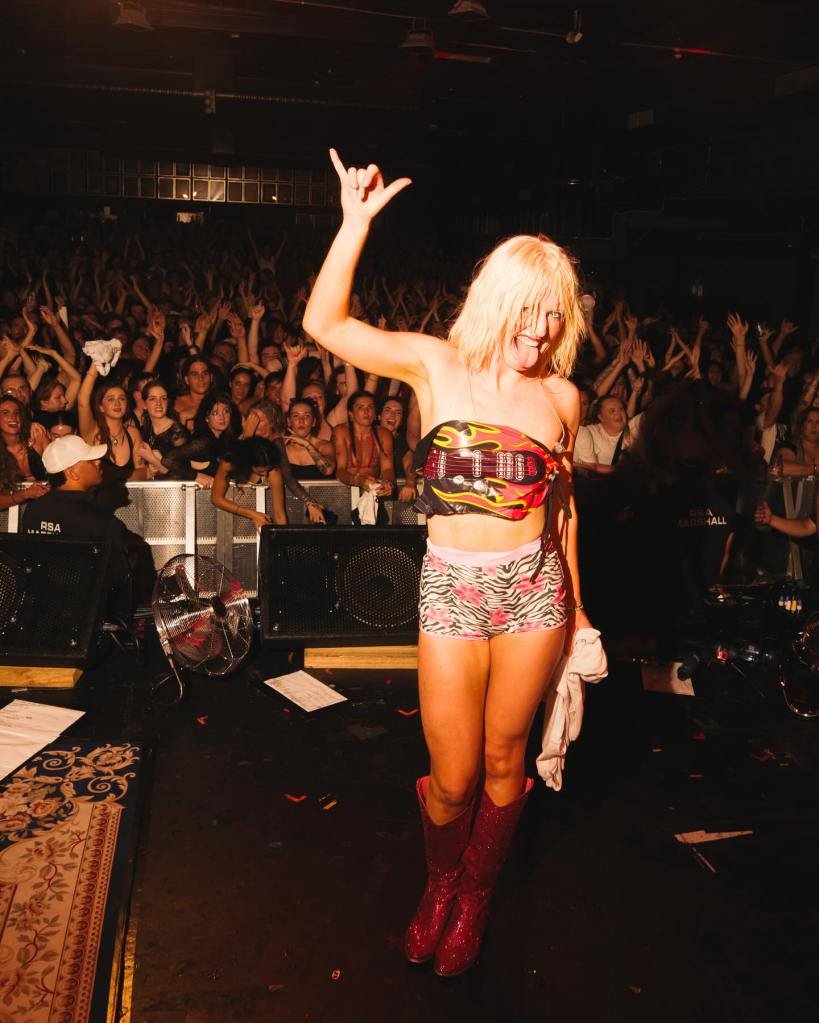
Concert review: Amyl and the Sniffers, The Powerstation, Auckland, February 16

So on Saturday evening I somehow did an Old Man Thing (TM) and put my back out, or nearly out, to the point where I was kind of afraid to move lest my spine shatter into a million delicate pieces. 

And top of my mind was “Oh crap, I hope I can still go to the Amyl and the Sniffers concert Sunday night!”

Fortunately for your hero, a bucket of painkillers and super-hot bath helped and I hobbled into the sold-out Powerstation for the Aussie punk act’s final sold-out New Zealand show. And after 90 minutes or so of amped-up feminist punk anthems and cautiously staying well away from the heaving mosh pit, lo and behold, I felt healed. (OK, I was still a little sore. But you get the picture.)

The Melbourne band has been kicking around for 7-8 years now but really broken through with their excellent 2024 album Cartoon Darkness, and the very NSFW single “Jerkin” which slams toxic masculinity in a grandly profane fashion. 

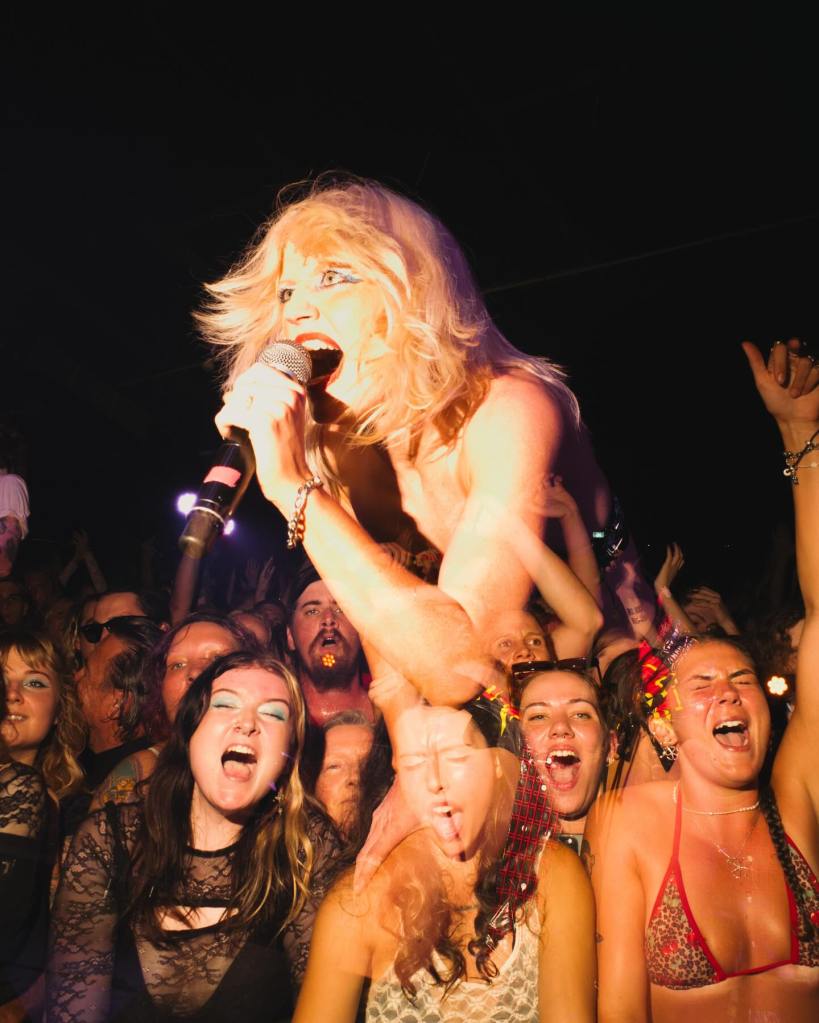
Watching frontwoman Amy Carter and the band stomp, bounce and shimmy through their propulsive catalog, I kept thinking, “This band should be a household name.” Maybe they will be soon – they’ve got the talent, and the fuck-the-system ethos that 2025 is desperately calling out for. Amy is a whirlwind of motion on stage, bouncing, sticking her tongue out and gobbing a bit in the time-honoured punk fashion, tossing her blond hair around and climbing up the speakers. She has true star power and it’s easy to imagine she’s just at the start of where she’ll go. “How you f—in’ doing?” she asked several times, and we were doing fine. 

Facebook: Amyl and the Sniffers

Punk still somehow has the bad rap of being angry and violent, but it felt inclusive, particularly important coming the same weekend when a bunch of thug so-called “Christians” violently disrupted Auckland Pride events.

For “Me and the Girls,” Amy welcomed on stage a random chorus of audience members of all shapes and sizes and it felt bloody celebratory. Amyl and the Sniffers’ tense anthem about violence about women, “Knifey,” struck a chord with never-ending misogyny still everywhere you look, while poppy nuggets like “Chewing Gum” and “U Should Not Be Doing That” marry plentiful hooks with a bit of throbbing anarchy.

I wrote more about punk (and Amyl) not too long ago and if anything, the vibe has gotten even more spirit of 1977 in my headspace lately. What a joy, then, to see Amy take the stage with swagger and anger, but also, kindness. Her first words to the audience were if you see someone fall in the mosh pit, pick them up, and don’t touch anyone who doesn’t want to be touched. Don’t be a jerk. It shouldn’t be that hard.

It was a show full of joyful rage against the cartoon darkness we’re all living through. I thought a bit about one of my favourite writers, Tom Robbins, who died just last week at age 92, and his mantra: “My personal motto has always been: Joy in spite of everything.”

There was joy at Amy and the Sniffers Sunday night, in spite of everything. Even my back. 

A couple other great reviews by people who are not me:

Chris Schulz at Boiler Room

The 13th Floor

Emma Gleason at the NZ Herald

Facebook: Amyl and the Sniffers

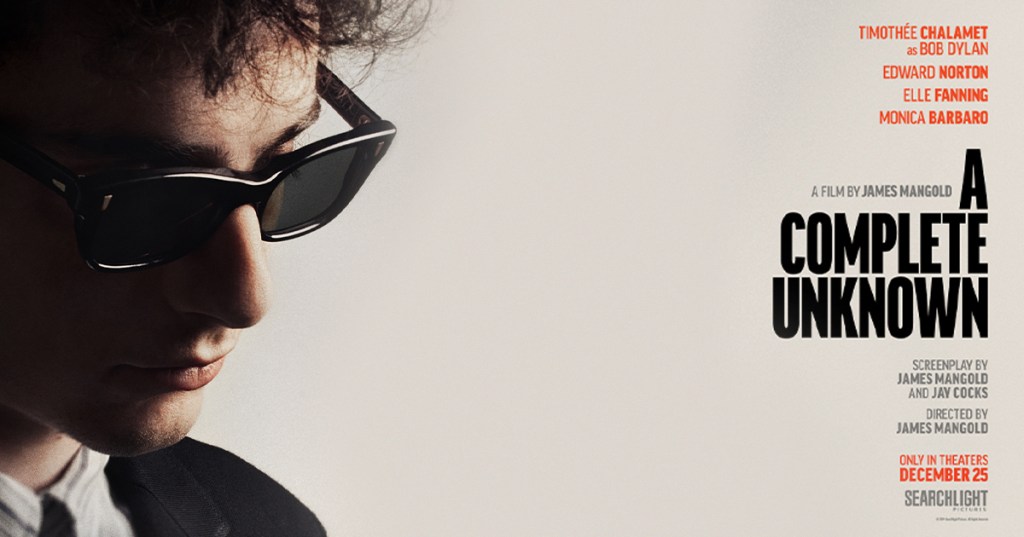
Bob Dylan is a complete unknown, and that’s the point

One of the secrets of Bob Dylan’s success is his enduring mystery. Dylan has forged a 60-year career out of being opaque, inscrutable…. a “complete unknown,” if you will.

I’ll admit, I’m kind of a sucker for rock star musical biopics, even when they’re terrible. I watched Elvis and Walk The Line and Bohemian Rhapsody and I embrace the cheesy “rags to riches to overdose” narrative of such films, even when my head admits they’re not always great movies.

A Complete Unknown is a deep dive into Bob Dylan’s early years that does its share of romanticising and mythologising… but then again, hasn’t Dylan himself been doing that since he was a kid? For me, it hit the spot by embracing the many mysteries of Bob, revelling in music biopic cliches while being just prickly enough to feel real.

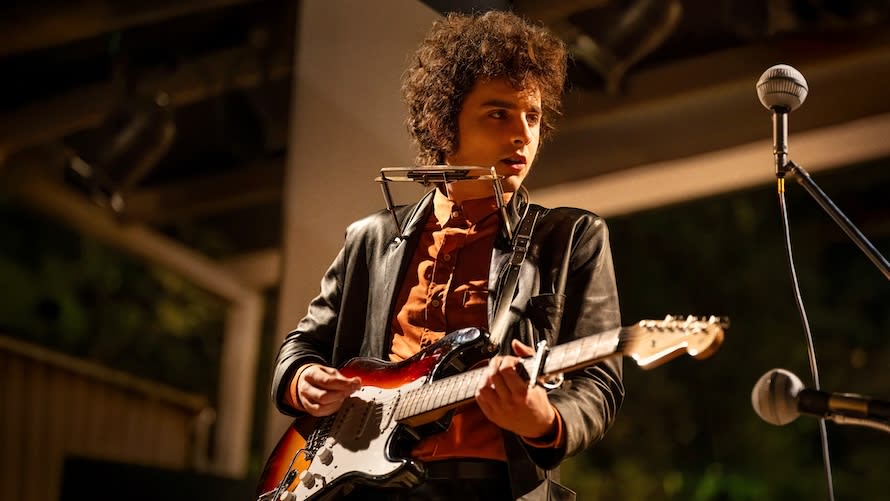
Timothée Chalamet is really far too pretty to be young Bob, who had a reedy, squinty babyface, but he nicely summons up the keen intelligence, peculiar charisma and somewhat mercenary ethics of young Bobby. Dylan rode into New York from rural Minnesota pretending to be everything from a hobo to a carnival worker. He threw aside his birth name of Zimmerman and became a kind of perpetual musical sponge, absorbing everything and synthesising it into something kind of new. 

A Complete Unknown is about the birth of an artist who’s also a magpie, a wry cynic and also kind of a genius who’s not really a very nice guy. Dylan is called an “asshole” a couple of times in the film, which thankfully doesn’t try to show him as some kind of saintly hero. We avoid some big teary monologue where Bob Dylan reveals all the dark secrets that motivate him.

This exchange is as close as A Complete Unknown gets to peeking behind the mask: “Everyone asks where these songs come from, Sylvie. But then you watch their faces, and they’re not asking where the songs come from. They’re asking why the songs didn’t come to them.

Chalamet’s natural teen idol charm is cleverly subverted just enough to make his Dylan feel like an echo of the thin wild mercury sound of the man himself. (And while he doesn’t sound exactly like Dylan singing, he sounds close enough to make it work, and lipsynching Dylan would’ve been even weirder.)

A Complete Unknown takes the great Bob Dylan creation myth and hits all the beats – his turn from folk music to electric, his wry confidence, his thorny romance with Joan Baez, his worship of Woody Guthrie. The movie follows Dylan from his arrival in New York as an eager kid up through his explosion into stardom in the mid ‘60s, and its big emotional turn is in Dylan’s moving from stark and preachy folk into raw and raucous rock, culminating in his famously defiant “electric” performance at the 1965 Newport Folk Festival.

A Complete Unknown wrings Dylan’s transformation for a lot of drama that might seem a bit hokey from 2025 eyes – so he’s playing an electric guitar now, so what? – but it’s worth remembering that Dylan’s “betrayal” of folk was a big deal back in the day. (Ed Norton‘s marvellous supporting turn as folkie Pete Seeger really captures the man’s uniquely kind heart and endearing dorkiness.)

As anyone who’s dipped their toes into the vast waters of Dylanology knows, there’s an infinite number of Bobs in the Dylanverse. (At least 80, as I painstakingly rambled on about a few years ago!) There’s no way A Complete Unknown, which follows a fairly basic biopic blueprint, could satisfy everyone, and we’ve certainly got cinema bizarro like Todd Haynes’ I’m Not There or Bob-starring oddities like Masked And Anonymous to fill any taste. 

Watching Martin Scorcese’s superb documentary No Direction Home again recently, which follows Dylan’s 1966 tour of Britain in some dazzlingly vibrant footage, I was struck by how angry many of the British fans interviewed at the time were with Dylan’s new style. “I think he’s prostituting himself,” one barks. Yet to my eyes now, the hyper electric Dylan of 1966 is quite possibly his finest era. God only knows what would’ve happened if social media existed at the time.

Unknown works for me because it never quite pretends to be definitive, and knows there’s many more alternate Bob stories to be told. But hey, it’s turning new audiences on to Dylan music, got a bunch of Oscar nods, and is a reminder that after nearly 84 years walking this Earth, there’s still nobody quite like him. 

Is it 100% true? It’s pretty and darned entertaining, but perhaps its biggest success is in carefully keeping Bob Dylan’s true motivations a complete unknown. 

Behold, my top 10 pop culture moments of 2024!

So I’ll join the chorus – 2024 really did kind of suck, eh? For me, by far, the biggest blow was the death of my father in May, and I guess nothing has truly felt the same since. There’s been a lot of lousy things happening in the wider world as well, of course, and the general sense that everything is just careening out of control in the cosmos.

Pop culture – be it book, comics, movies or music – is one of the few saving graces we’re left with when nothing else makes sense. Thus, in a burst of optimism, here’s my 10 favourite culture moments of the year:

Now is now – Perfect Days by Wim Wenders: An awful lot of the ‘best movies of 2024’ haven’t screened in New Zealand yet, and a lot of the 2024 movies I have seen have been hit or miss. But of the new-ish films I saw this year, the beautiful tone poem Perfect Days by Wim Wenders about a humble Japanese toilet cleaner lingers the most. It’s a movie about taking the pauses, about accepting what happens and enjoying every sandwich. And it felt like the most human thing I saw on a screen this year. (Runner-up nods for movies seen in 2024: the supremely creepy Longlegs which was right in my wheelhouse, heartfelt and hilarious The Holdovers [technically a 2023 holdover itself], the utterly unclassifiable no-budget slapstick Hundreds of Beavers, and Furiosa, which confirms George Miller’s Mad Max is the only extended cinematic universe which really matters.) 

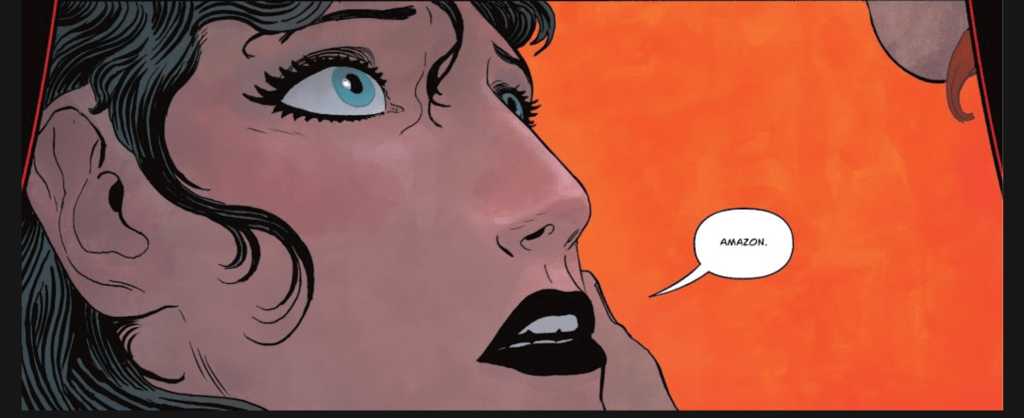
Absolute ultimate totally comics, dude: I’m on the record that I’m not generally a fan of the endless reinventions and multiversal takes on superheroes that are a sign of comics eating themselves. Ohhh, a dark alternate Superman? How daring! Yet… I’ve been generally rather enjoying DC’s latest “Absolute” line of comics starring the hyperbolic Absolute Batman, Absolute Superman and Absolute Wonder Woman. Yes, yes, it’s yet another reimagining but the actual comics have been pretty … good? Absolute Wonder Woman is the gem so far with stunning art and myth-inspired epic storytelling, and Absolute Batman not far behind with its mysterious ultra-jacked Bruce Wayne stripped of money and privilege. I don’t know how long I’ll stick with them – these “new universe” stories far too often end up tangled in the continuity of existing comics and giant crossovers and the like, but so far, it’s a pretty electric and novel take on some very well known heroes. 

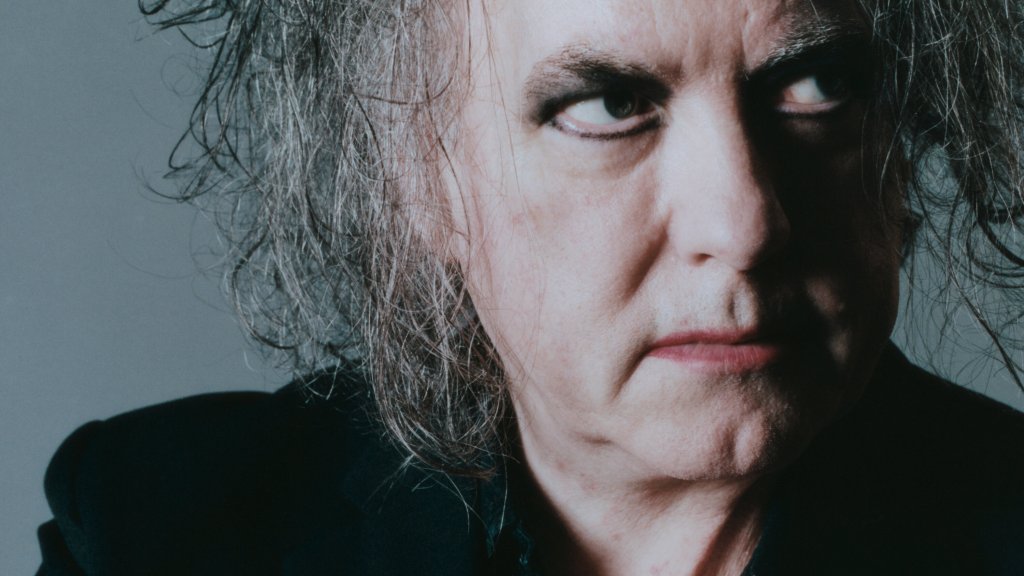
You’re never too old to make rock music: I’m old and getting older, but a lot of the guys I grew up listening to are somehow even older. Massive applause, then, for near-geezers like Nick Cave and Robert Smith staying true to themselves – The Cure’s comeback Songs From The Lost World is just as moody and epic as any classic Cure album, touched even more by the unsparing grip of mortality. At 65 (!!) Smith still sounds exactly like he always has, and that’s a wonderful thing. Meanwhile, Nick Cave’s slow turn into a kind of confessional high priest continued with the excellent Bad Seeds album Wild God. At 67, Cave has suffered unbearable loss in his life and will always seem heroic for unsparingly turning it into such cathartic art. In contrast, The White Stripes’ Jack White is a mere child at age 49, but he blew me away just a few weeks ago in Auckland and his No Name feels like the rock album of the year to me. Not bad for a bunch of old guys who are all getting older. 

Just asking questions – the books of Percival Everett: Percival Everett is one of those cult authors one keeps hearing about and meaning to read, but his astonishing Huckleberry Finn reinvention James truly broke him through into the mainstream this year. Every Everett book I’ve read this year is quite different and excellent in its own way – the existential spy satire Doctor No, the haunting Mississippi lynching black comedy of The Trees, the wry literary racial spoof Erasure (which was also turned into an excellent movie, American Fiction). Everett doesn’t fit any easy box but I’ve been so impressed by his eclectic invention that I’ll be happily catching up on his prolific bibliography well into 2025. 

Sticking the landing on the small screen: I can’t keep up with all the streaming things these days, but bidding farewell to a few longtime favourites reminded me of how tricky it is to end things on the perfect note, and how good it feels when it does. These favourites of mine all said goodbye in a pretty perfect fashion – Superman and Lois with perhaps the most bittersweet and beautiful ending to a superhero screen adventure yet, the kooky What We Do In The Shadows managing to make its insane vampire spin-off parody far funnier and longer lasting than seemed possible saying goodbye after 6 seasons, Larry David at long last ending Curb Your Enthusiasm after 20+ years with a perfectly wonderful lack of remorse. (Bonus point to the much-missed Our Flag Means Death New Zealand-filmed gay pirate comedy, which ended its second season in ’23 but we didn’t know for sure it was gone for good until this year.) 

Charles Burns still haunts us all: Charles Burns is the patron saint comics artist of Gen-X, and his stark tales of teenage alienation have been blowing me away since his Curse of the Molemen days in the 1980s. As he ages, Burns has constantly kept to the same tight themes he always has – teenage alienation, romantic yearning and spooky surreal horror – but gosh, does he do them well. This year’s Final Cut is one of his finest works, ostensibly about a group of teenagers shooting a no-budget movie, but it’s also about love, choice and regret and told with his unforgettable intense style. 

The films of Samuel Fuller: Like I said, I’m behind on the newer films of 2024. But film history stretches back over a century now, and there’s always time to fill in the gaps. A big hole in my cinema knowledge was the pulpy movies of Samuel Fuller. I can’t believe I hadn’t seen fierce noir gems like Pickup On South Street, Naked Kiss, Shock Corridor and Park Row until the past year, and I keep discovering new Fuller to catch up on. His bold movies bucked convention and still feel starkly modern decades on. Bonus point: His memoir, A Third Face, is an absolutely great chronicle of Fuller’s days as a spunky young New York journalist, harrowing World War II heroics and his dive into Hollywood. 

Cindy Lee’s Diamond Jubilee: There’s precious little mystery in pop culture these days, so every little bit of it counts. Cindy Lee is a cross-dressing Canadian musician named Patrick Flegel whose drifting, sultry songs have really gotten into my brain. Not on Spotify, not on Tidal, the sprawling double album Diamond Jubilee is only available as a single file on YouTube and soon, a physical release. Anointed by the hipsters, it’s got the gorgeous low-fi wistfulness of early Guided By Voices meets Roy Orbison, like the soundtrack to the most lonesome-hearted David Lynch movie that never was. It’s two hours of mysterious bliss and while its stealth release style might be a bit of a marketing technique there’s enough talent in Diamond Jubilee to make it feel like far more than a stunt. Diamond Lee feels like 2024 in musical form to me.

The Mary Tyler Moore Show, because love is really all around: Yes, I’m the guy who’s picking a 50-year-old sitcom as one of his favourite pop culture moments of 2024. But I picked up a cheap DVD of the complete series on a trip to Reno earlier this year, and it reminded me exactly why I love this classic sitcom so much. It’s got Moore at her loveable screwball peak, Ed Asner is one of the best editors of all time, Ted Knight’s pompous doofus act which never gets old, in a seven-season run of absurdity, crack timing, sitcom pratfalls and journalistic dilemmas that still stands up with the best of ‘peak TV’. Sometimes all you want out of life is a 20-minute playlet of banter and Lou Grant and Ted Baxter, and in this weird, wicked year, bingeing The Mary Tyler Moore Show made me feel like we might just make it after all. 

Selfishly, the Year of the Amoeba: Yeah, I’m putting myself on the list – not because I think I’m the best small press comics geek out there by any means but because I ended up putting out a heck of a lot of Amoeba Adventures stuff this year and it gave me a peculiar kind of inner satisfaction that nothing else really matches. I published two ‘regular’ issues of Amoeba Adventures this year, getting up to #35 of the series I somehow started way the hell back in 1990 (!!!), and I finally decided to embrace Amazon’s print on demand as a cost-effective way to bring my comics back to a wider world (yeah, I know, evil empire, etc, but this KDP stuff has been very good for my needs). A big old 350-page collection of The Best Of Amoeba Adventures that I started over the last holidays came out in February and presents my favourites of my 1990s work, while the smaller Amoeba Adventures: The Warmth Of The Sun book presents the first six of the “new” Amoeba Adventures stories I started telling in 2020. I’m not going to get rich doing this stuff, I accepted long ago, but I’m really grateful to get this stuff out in the world and out of the dusty small press past, and hey, if you like it, I’m just grateful I got the chance to tell you a story. 

Next: My top pop culture disappointments of the year!

Concert review: Jack White, Auckland Town Hall, December 17

People have been saying rock and roll is dead or dying for decades, but in a whirlwind blast through Auckland this week, guitar hero Jack White was determined to prove them all wrong.

After my friend Chris said they blew the roof off the intimate Powerstation Monday night, White and band put on their final show of the year at a filled-to-capacity Auckland Town Hall Tuesday night, pounding through a frenzy of his solo work and hits with the White Stripes.

Somehow, it’s been 25 years this year since that first White Stripes album came out and helped launch the brief garage rock revival of the early 2000s, but White still looks lanky and youthful even as he’s, shockingly, about to hit 50 next year. 

His career has gone through all the configurations – scrappy indie stardom with drummer (and ex-wife) Meg White as the Stripes, top ten records and breaking up the band at the height of success, followed by a series of solo albums that range from rowdy to wildly eccentric, all culminating in this year’s stellar No Name

No Name has reminded fans that while White isn’t quite the omnipresent music hitmaker he was a few years back, he’s still one of the best guitar slingers out there and keeping that rock and roll flame burning high. 

Auckland Town Hall’s crowd knew they were in for something special when White kicked off not with one of his standards, but a roaring, simmering take on the Stooges’ underground touchstone “I Wanna Be Your Dog.” For nearly two hours, White and band spun out a stew of garage rock nuggets that dipped into punk, blues and country with ease.

Genial but focused, White stood tall at the town hall, ripping through the music with a few friendly smiles, a little polite banter and a whole lot of windmilling guitar solos (I lost track on how many different guitars he rotated through, but it was at least half a dozen). 

He played several jaunty White Stripes tunes like “My Doorbell” and “Hotel Yorba,” but the band also stretched out for ecstatic takes on bluesy gems like “The Hardest Button to Button” and “Catch Hell Blues.” There were also deep cuts from his other bands The Dead Weather and The Raconteurs, including a fierce take on the latter’s “Steady As She Goes” just before the encore.

“The new stuff” doesn’t always go down well at big shows but ripping and propulsive No Name songs like “That’s How I’m Feeling” and “What’s The Rumpus?” were strong highlights, and the terrific insistent quirky preacher’s rant “Archbishop Harold Holmes” particularly stood out from the encore.

Jack White, at 49, knows who he is and plays with the confidence that decades surviving in the music biz brings. Famously, he’s in love with the retro aesthetic and been known to ban or discourage cellphones from his shows. Fortunately the town hall crowd seemed on the same page and a little less clogged up with the endless glowing screens than some gigs are these days. Sure, you could try to capture the whole thing for your TikTok or you could just put the phone away and bask in the ringing chords.

Of course, the show had to end with perhaps the White Stripes’ biggest hit, the clap-and-stomp along anthem “Seven Nation Army.” To see the jam-packed Auckland Town Hall floor filled with hundreds of fans waving and singing along, the crowd rippling to the music, it felt like rock and roll was not only not about to die, but it might just take over the pop culture world again at any second. 

White’s probably played “Seven Nation Army” thousands of times by now, but the wide grin on his face as the crowd pulsed along made you see this was a man who loves his job. “Merry Christmas,” he shouted during the standing ovation at the end – and to all a good rockin’ night. 

2025 is my year of punk rock, damn it

I haven’t written much of anything about the re-election of You Know Who You Know Where, because, frankly, like an awful lot of people, I’m just (A. exhausted and (B. apathetic about the whole damned thing these days. I’ve said enough about it all the last 8-9 years or so. You do you, Yanks. 

I do know one thing for the strange brave new world of 2025, though – I’m gonna keep listening to a lot of punk. 

Loud music makes sense when the rest of the world doesn’t and while I’m an increasingly old geezer who doesn’t quite get what the youths are listening to these days, I’ve always got time for something with an echo of that Ramones/Sex Pistols/Bikini Kill vibe of reverb, snarl and rage. Nothing blocks out the crazy like a blast of guitar.

We went and saw Hüsker Dü’s legendary frontman Bob Mould perform a solo show in Auckland the other weekend, and it was a fantastic hurricane of sound – Mould, 64, put to shame kids half his age with his chaotic energy as he ripped apart Dü and his solo songs and put them back together in feedback-drenched blasts. He made a punk band’s worth of noise all by himself.

And meanwhile, I bought a ticket for an up and coming band who weren’t even born when Bob Mould put on a guitar strap, Melbourne’s terrific fun and filthy Amyl & The Sniffers. I know they’ll tear up the joint when they play Auckland in February and while I’m at least 20 years too old for the mosh pit I’ll try to get a good spot to watch the ecstatic release as they blast through their fiercely progressive, f- the Nazis and trolls tunes. Gacked on anger? Baby, we’re all gacked these days:

Punk is old and punk is young and everywhere in between, nearly 50 years after punk broke through.

What even is punk? Back in high school friends of mine wore mohawks and we chanted the chorus of Suicidal Tendencies “Institutionalized” at each other and that was already a good 10 years after punk’s first flames. These days who cares about genre taboos and what’s “proper” and what isn’t, really? “Selling out” is a gone concept in the viral age and if you like the music, good on ya. Sid Vicious is long dead and Johnny Rotten isn’t looking too hot himself. If it feels punk to you, it’s punk. 

So for me listening to the Stooges over and over is punk, but hell, so is Nine Inch Nails banging on that downward spiral. Listen to Joy Division live and they were pretty punk even if they were post-punk. I can’t say I think Taylor Swift is punk, but Chappell Roan with her give-no-fucks attitude is definitely a little bit punk.

But that’s just me. 

Everyone used to go on and on about the dangers of rock music and punk and metal and Satanists hiding in your backyard back in the day, but it turns out the ones to REALLY be afraid of are the dead-eyed compulsive liars, fascists and grifters and hustlers and un-Christian fundamentalists who just keep on coming back over and over again.

To quote someone most people don’t think of as punk, but whose whole career has been pretty punk as hell, Bob Dylan said it best: “I used to care, but things have changed.”

Stepping back from the situation for a while isn’t giving up forever. There’s still an awful lot of beauty out there away from the doomscrolling and outrage machine, no matter how bad it gets. It’s a pretty frustrating world, but god damn it, we’ll always have music. 

Hey, ho, let’s go!