RIP Dick Waterman, keeper of the blues and my favourite columnist

Dick Waterman and Son House. All photos C the estate of Dick Waterman.

Mississippi blues writer, photographer and keeper of the flame Dick Waterman has died, one of the most extraordinary columnists I ever worked with in all my years in journalism. He was 88. 

Dick worked with some of the great blues legends starting in the ‘60s like Mississippi John Hurt and helped “rediscover” the forgotten Son House. He gave many struggling blue legends a second chance at a career and some sort of justice and support. He also photographed and hung out with pretty much EVERYBODY in the music scene at that time – Dylan, Jagger, Bonnie Raitt, Howlin’ Wolf, B.B. King, Janis Joplin. 

This picture of Mississippi John Hurt is probably my all-time favourite photo of a musician. C Dick Waterman.

There will and should be some fine obituaries taking in the whole sweep of his career. (Such as this excellent Washington Post one or this fine one in The New York Times) But when I met Dick Waterman, he was a columnist for the weekly newspaper I started working at in 1994, Oxford Town. It was the very beginning of my post-college career and I knew everything and nothing. The editor Chico had hired him and it was one of the best things he’d ever done. 

Almost every week Dick would drop these fascinating columns and stories about his life in music, tales of the legends and the forgotten geniuses, peppered with his gorgeous black and white photos. His columns were candid, backstage stories of what the blues legends were really like, or about his own life. When I was asked to take over as Oxford Town editor, visits from Dick were always a highlight.

Not that it was always smooth – Dick Waterman would turn in his column as late as humanly possible, shuffling into the old-school layout room close to midnight with a sheath of pages, while the pressmen could be heard loudly grumbling in the back. Once he discovered fax machine technology he pushed it even further. I attribute my skill at editing some copy very, very fast to some of his columns.

But he was unfailingly gentle and kind, with a bit of the “distracted professor” vibe around him. His photograph stash was an astonishing treasure trove that he had really just started to understand and promote in the 1990s. At one point he let us use an amazing photo of B.B. King on the back of an Oxford Town t-shirt. 

B.B. King, 1968. C Dick Waterman

I was just a rather self-important and fumbling 25-year-old editor dude at the start of my own weird journalism career but Dick was always good to me, and honestly, it took me a long time to fully understand what an amazing “six degrees of Kevin Bacon” type character he was in the ‘60s music world. I’ve never met Howlin’ Wolf or Muddy Waters or Arthur “Big Boy” Crudup, but hell, I knew Dick Waterman.  

When I left Oxford Town around 1997 to sow my wild oats back in California, Dick Waterman for some reason singled me out in his column in what is still, coming up on 30 years on, one of the kindest single acts of writing anyone has ever done for me. I include it not to brag, but to show what kind of man Dick Waterman was. 

He wrote about a Mississippi journalism award I won and said, “For the second year in a row, the Best General Interest Column was won by Oxford Town editor Nik Dirga. To appreciate this feat, you have to understand that he doesn’t even think about his own column until the rest of the paper has been completed. Nik has already announced that he is leaving in a few weeks and my sadness at his departure is mixed with the joy of having had the pleasure of working with him.”

“If Tiger Woods is the best golfer in the world at the age of 21, I can only hope that I stick around to see what literary accolades will come forth for Nik Dirga. The best part of working with Nik is that he honestly does not know how talented he really is. I am over twice as old as Nik Dirga and he is the best editor with whom I have ever worked. 

“I wish him well in his travels and know that I will be reading his byline out there somewhere.”

He didn’t have to write all that about me, I know now, and I’m sure no Tiger Woods. But he did write it.

I wish you well in your own travels now, Dick, where ever they may take you. 

Mick Jagger. C Dick Waterman

Meanwhile, elsewhere on the internet…

It’s Oscar nominations day! Let us share in the joy of headlines that aren’t full of sadness, despair and such and celebrate what was actually a pretty good year for film. In my status as Radio New Zealand Official Academy Awards Correspondent (TM) here’s my take on the nominees and a look at a few New Zealand-linked possible winners:

Oscars 2024: Who will win, who got snubbed, and where NZ is in the mix

Meanwhile, I’ve also got a book review in this week’s issue of the New Zealand Listener magazine on Michel Faber‘s excellent new sprawling look at sound and our relationship to it, Listen: On Music, Sound and Us

Review: Music-loving novelist Michel Faber on the psychology and sociology behind the sounds that keep us hooked (Paywall)

Year in Review: My top 10 pop culture moments of 2023

It’s a new year, a fresh start, a hope this year is maybe a bit less suck than the last one! I’ve complained enough about the year that was, so instead let me dive back to look at ten musical, cinematic or literary experiences that rocked my world in ’23: 

Go back to those Gold Soundz: I didn’t check out a lot of live music last year, but what I did was superb, led by the old guard showing they can still blast with the best of them. Indie icons Pavement put on a superb reunion show that left me humming the chorus to “Gold Soundz” for weeks, while I finally saw punk/post-punk legends The Damned for the first time on the back of their excellent Darkadelic album, and they melted my face. And my ears. I don’t quite know if my hearing has ever been the same.

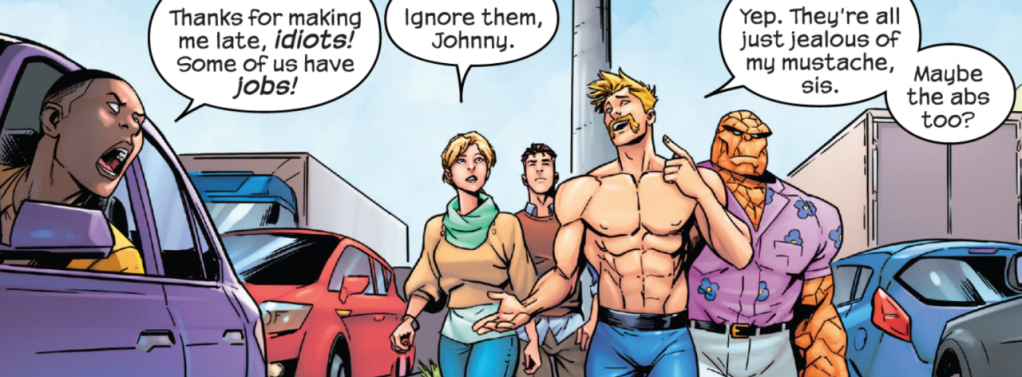
Tonight, a blind woman and a monster came to town: I’ve been getting fewer ongoing monthly comic series these days, but one that’s on my must list is Ryan North’s brainy, witty take on Marvel Comics’ Fantastic Four, which is inventive science-bro action combined with the family heart that is key to the FF. It’s just darned fun, good comics that (so far) don’t have to be part of some sprawling pointless multi-comic company crossover to feel epic. It’s the best the Fantastic Four has been in ages. 

A long long time ago, when I was a little chick: I wrote a whole story recently asking local book lovers for their favourite New Zealand books they read and it reminded me of what an excellent year it was for NZ fiction, led by Eleanor Catton’s wickedly fun satire Birnam Wood and a two-fer by Catherine ChidgeyThe Axeman’s Carnival, an amazing novel about a bird who becomes a social media celebrity, and the nearly as good teenage angst thriller Pet. Go team NZ!

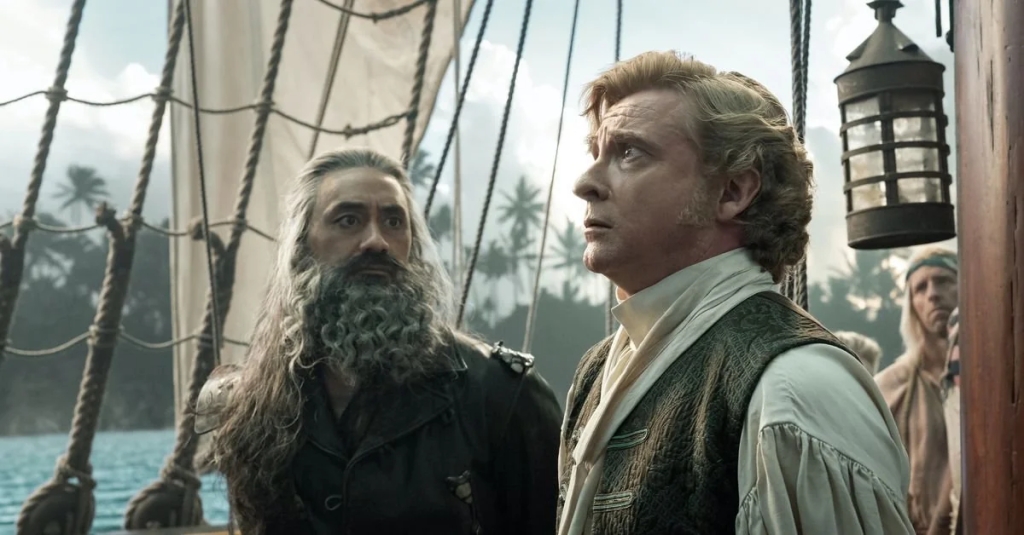
You don’t know the first thing about piracy, do you?: There was a lot of great TV in ’23 – Reservation Dogs, that banger final Succession run, Poker Face, and I’m only just now discovering how fantastic The Bear is – but the one that sticks with me the most is Taika Waititi’s unexpected gay pirate comedy Our Flag Means Death, which in its NZ-filmed second season truly transformed into a delightfully sweet romance mixed with swashbuckling pirate fun. A gem. 

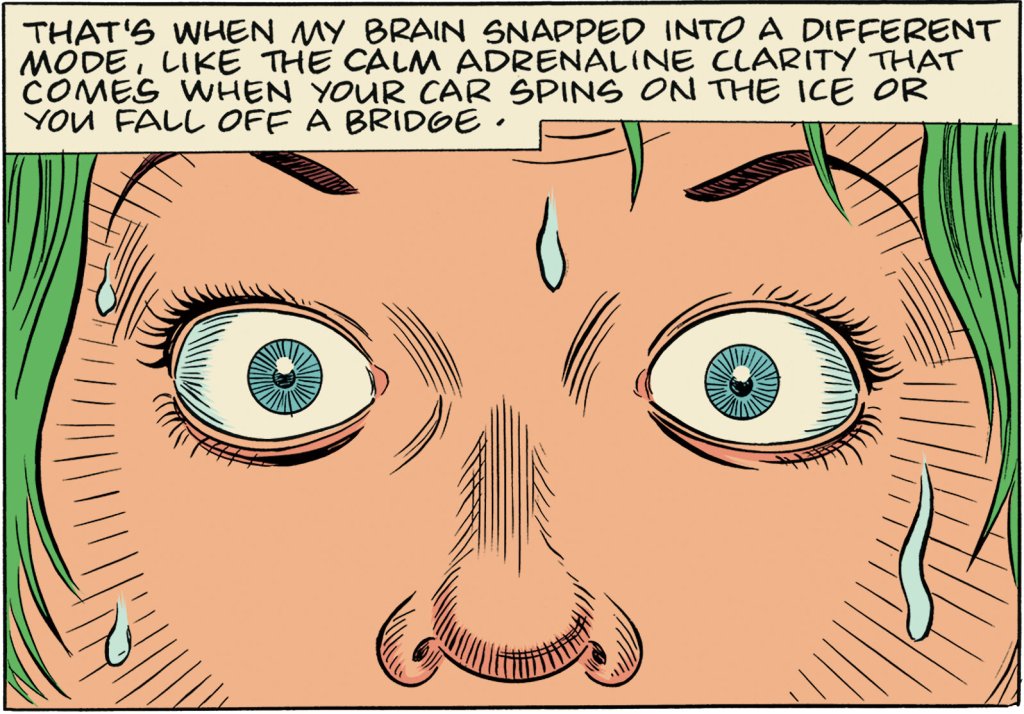
And in an instant, I know I’ve made a terrible mistake: Daniel Clowes has been blowing my mind since long ago when I first stumbled on an issue of Eightball. His comics are less prolific than they once were but they’re worth the wait, with this year’s graphic novel Monica (art at top of post) quite possibly his masterpiece. A sweeping story of one woman’s exploration of her own mysterious past, it’s a technically dazzling (those colours!), assured and layered work that you’ll keep churning over in your head for days afterwards. It’s not a speed-read like many modern comics, but an experience that might just leave you feeling like the world is a slightly different place when you’re done. 

All my life I’m looking for the magic: Yeah, I know, physical media is dying, bla bla blah, but while I’m definitely a bit more choosy about what I buy in the age of internet abundance, I can’t pass up a good mix, and UK record label Cherry Red constantly is putting out fantastic CD box sets of eclectic punk rock from 1977-1982, power pop from the UK and US and ’80 synthpop that spans my mid-1970s to late-80s sweet spot. Sure, you can find a Spotify playlist, but I enjoy the curated, elegant physicality of these great boxes and the buried treasure they contain. Each set is hours and hours of gems waiting to be rediscovered and if I close my eyes I can almost pretend it’s coming from a cassette mix tape as I drive my old Volkswagen Rabbit around town. 

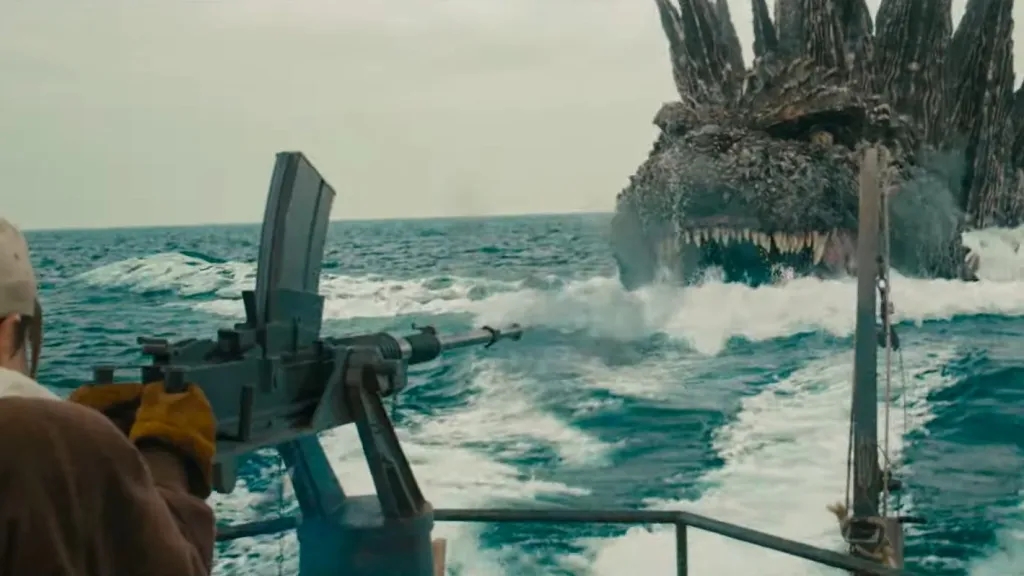
That monster … will never forgive us: This was the year comic-book movies stumbled and became just as cliched as the Will Smith and Tom Cruise action movies they replaced. But look across the seas to Japan and some of the year’s best blockbusters came from there, with kaiju instead of capes in the terrifically oddball Shin Ultraman and the bizarre Shin Kamen Rider and best of all, the monumental reimagining of the biggest beast of all with Godzilla: Minus One. There were decent superhero moments this year, but not one of them compared to the kinetic thrill of watching Ultraman or Godzilla stomp on buildings with fresh energy. 

Dear Allen, thanks for your letters. I was glad to hear from you: William S. Burroughs was not a decent man. A drug addict, the accidental murderer of his first wife, homosexual in a repressed era, his twisted, tormented writings are decidedly not for everyone. And yet, and yet. This year I found myself once again reading Burroughs’ books like The Soft Machine and turning to his nonfiction writings, particularly his collected letters, because the nonfiction shows so well what went into his far-out fiction. The Letters of William S. Burroughs 1945-1959 fascinated me because it revealed the real person behind the sneering, sinister king of debauchery Burroughs became. It’s extraordinary to read how human and lonely Burroughs is in these letters, wrestling with unrequited love, addiction and ‘normal’ society, and his determination to find new shadowlands behind the world we live in. A stoic mask soon settled over his public face, but here we learn how he got there.

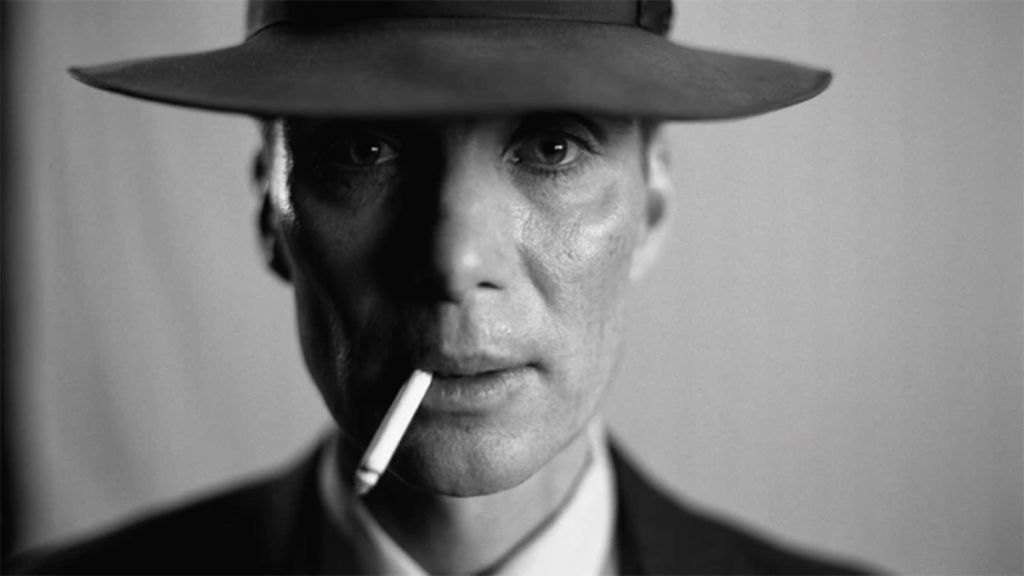
To be honest, when I found out the patriarchy wasn’t just about horses, I lost interest: “Barbenheimer” might have been a marketing technique gone viral, but it was a heck of a lot of fun and rewarding to see two very good movies leading the summer box office and showing up the latest dusty, unnecessary franchise-extender Indiana Jones sequels and the like. Barbie was a huge hit, but it was also just subversive enough to charm all but the most cynical, while Oppenheimer was Christopher Nolan’s best movie yet led by a dazzling Cillian Murphy and sequences on the iMAX screen downtown that melted my face nearly as much as a Damned concert. 

The meat goes into the oven: This one’s a bit self-indulgent, but I had a very good year stretching my feature writing muscles this year in my paying gigs, between several book reviews for the NZ Listener magazine and writing for Radio New Zealand about stuff I love like barbecue restaurants, fans of weird movies, used book fairs, film festivals and more. Turn your passions into words, folks, and let’s all have a fine 2024!

The Warmth Of The Sun: Songs To Survive 2023

Look, I’m sorry to harsh the pre-Christmas buzz, but 2023 was pretty lame, right?

My wife went through breast cancer surgery and treatment (she’s doing a lot better, thankfully). Other family members have been battling ill health and the upheaval of change. We lost our family beach house in a cyclone as the climate crisis hit NZ hard. Hell, even our beloved old cat friend Bowie died, and the world seemed to continue its headlong lurch into fascism, internet-fuelled conspiracy-land, ignorance, pointless culture wars and hate. Get in the bin, 2023, I’m done with you.

So, what do you do? For the last several pandemic-tainted years I’ve done up a playlist of songs to survive, because art helps. Music helps, good books help, great movies help. Drawing two issues of my comic book Amoeba Adventures  helped. I don’t think I could survive in a world without some kind of art. 

Back in the days of ornate mixtapes, you could sweat over the proper order of songs for ages, crafting the perfect vibe. This year, I just kind of threw it all in a blender, from Kiwi pop to thrash to old favourites to new artists I literally discovered a week ago. It’s all music. It’s all good, you know? 

Here’s nearly 3 hours, 40+ songs that helped me survive 2023. Shuffle away and listen to it in any order, or let it flow as it is. 

Wherever you are, have an excellent Christmas, and whoever or whatever you believe in, let’s all hope for a little more peace on earth and goodwill to all in the days to come.

Here’s my playlist Songs To Survive 2023:

Peter Gabriel, the man who disappeared … and then came back

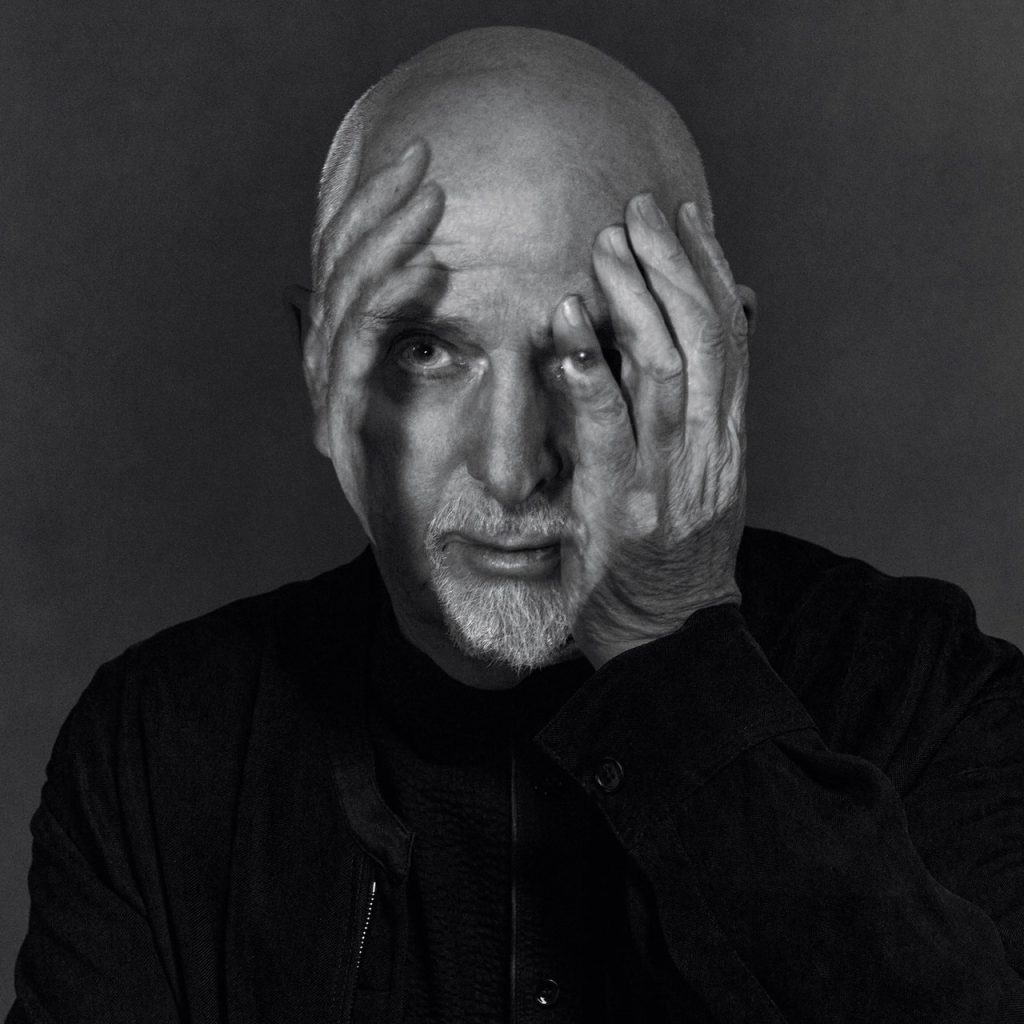
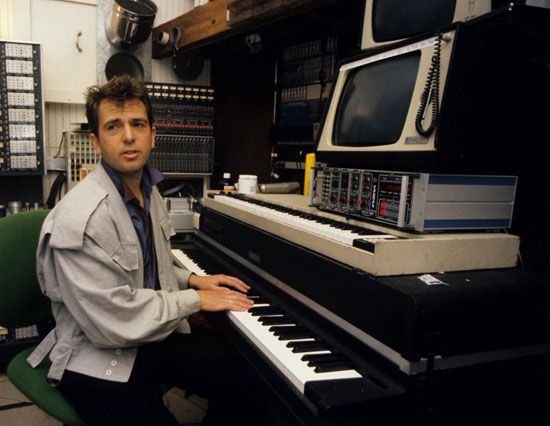
I’m a big Peter Gabriel fan – in fact, I’m not sure there’s an artist I’ve ever been quite so obsessed with. From the dusky grandeur of his voice to his rhythmic explorations of world music, I dig him. 

So why was it that I felt so neutral over the promise of his releasing his new album i/o this year – his first proper solo album in a staggering 21 years? I imagined i/o would never live up to that wait. 

Gabriel has been releasing tracks from i/o all year long on social media and, weirdly, I had barely listened to them. It was very un-fanboy-ish. I wanted an album, not a drip-feed of social media content, and I figured I’d just wait for the far-off day that it actually came out and experience it as one big gulp. 

And yeah, I guess I felt a little miffed over him taking two decades to put out a new album of original material – fanboys are proprietary, after all.

In my younger days, I fell in love with his breakthrough smash So, and then dove into the wonders of his solo discography. I listened to So, Security and his several self-titled albums so many times I knew every drum crack, every soaring keyboard line. 

I dug Gabriel so much that I once proposed writing an entire 33 1/3 book about him (yeah, that didn’t happen) and I got interviewed on Radio New Zealand about my nerdy fandom a couple years back. But I also wrote a couple years back in Peter Gabriel, the man who disappeared about his mysterious, sometimes irritating silence on the pop music scene.

He certainly wasn’t a reclusive hermit and did produce a variety of other projects, but still, the last “real” solo album he did was Up, released in September 2002 … 21+ years ago. 

I mark my life by my Gabriel fandom. I picked up So in high school. I bought Us in 1992 as a college student. I got Up just a year or so before my son, who’s now in university, was born. I bought a copy of i/o on its release day (determinedly old-school with a CD, to slot in amongst my other Gabriel albums) and somehow, I’m in my early 50s listening to new music by the same man I’ve dug well over half my life. 

When Gabriel did the cliche of re-recording his old songs and cover tunes with a full orchestra a few years back, I quavered in my devotion. I found the cover albums lifeless and bland and worried i/o would end up equally exhausted-sounding. 

So after all that, I put i/o on, popped on my Bose headphones and settled in for the first new Peter Gabriel album since I was in my early 30s. 

Is it actually any good

Fortunately, I have to say, now that it’s finally here, i/o is a dense, rewarding listen, slotting comfortably in the sparse discography of post-So Gabriel. It’s less melancholy than those dreary orchestral albums were, although it’s still the contemplative music of a man who’s now 73 – there’s no ‘Sledgehammer Part 2’ here. 

Yet his voice is in remarkably good form, rich and full, still able to easily hit those high notes he could early in his career almost 50 (!) years ago. It threads the line between light and dark, yet a thread of optimism pulses throughout. That perfectionist Gabriel has even released it in multiple mixes so I’ll spend a while getting to to know it all. 

I will give i/o plenty of my time in the coming weeks – already I love the grand sweep of “Playing For Time,” the slightly spooky thundery “Pantopticom,” the gloriously upbeat title track, the bouncy good cheer of “Olive Tree.” 

And in the end i/o is shaping up as an album about time, its startlingly quick pace as you get older. Since Gabriel’s last album a lot of my other obsessions and music loves have left. Bowie, Leonard Cohen, Prince, Sinead, The Fall’s Mark E. Smith, The Pogues’ Shane MacGowan just this week. I have to wonder if Gabriel didn’t mean for i/o to take nearly two decades to come out. But time gets away from you, doesn’t it? 

I give Gabriel time. A lot of time. But I’m already basking in that old long dormant fandom, digging the rise and fall of the sounds that make up i/o. I’m listening. It’s good to hear that voice again. 

Link-blogging away like it was 2009: What other people are writing

…I’m bogged down in a pre-Christmas pile of actual money for my words work, so content here is a little sparse lately, but that doesn’t mean other people I know aren’t writing away!

Way back in the Paleozoic era of blogging, we used to link to each other all the time. These days, with social media becoming a bigger dumpster era fire than ever, it doesn’t seem like a bad idea to cut out the middle man again. Here’s what some friends and colleagues have been doing online lately that floats my boat:

* I’ve beavered away on the edges of music journalism for most of my career, and it’s grim times for it at the moment in New Zealand. My mate Chris Schulz has had a far bigger music writing career than I ever did, and he’s rightfully been on a bit of a crusade lately about how arts journalism is dying in Aotearoa. Case in point, when I moved here 15+ years ago there were still several magazines regularly covering NZ music and reviewing it. That’s all gone now. Can the internet save us, or something else? Schulz spoke to RNZ and others recently trying to draw attention to this problem and has been regularly banging the drum for music journalism on his own Substack – all well worth a read!

* I watched the first Doctor Who 60th Anniversary Special on the weekend and it was a delightfully silly romp, with David Tennant and Catherine Tate back for a run after an unfortunately kind of dire period for Who. Jodie Whittaker being the first female Doctor should’ve been a groundbreaking moment, but her performance was swamped by a lot of truly terrible writing, insanely convoluted plots and overacting, to the point where I only watched about half her episodes. (I also never want to hear the phrase “fam” again.) I thought about writing about why even though I didn’t grow up with the Doctor, I’ve grown to dig him ever since wonderfully eccentric Christopher Eccleston came along as Doctor Number Nine in 2005. But I realised one of my best pals is not only the biggest Doctor Who fan I know, but quite possibly the biggest Doctor fan in all of New Zealand. Let friend Bob tell you 101 reasons why Doctor Who still rules after all these years. I’m hoping that the excellent-looking Ncuti Gatwa coming up as the Fifteenth (!) Doctor leads to a bold new era for the good doctor. 

* I’ve worked a bit with Asia Martusia King (NZ journalism is a small place, dontcha know) and just have to point out what an utterly terrific essay she wrote for The Spinoff last weekend about quite possibly the most macabre teenage job I’ve ever heard of. I won’t spoil it, but read the first sentence and tell me you don’t want to dive into the rest: “My first corpse was on a soft and honeysuckle Tuesday, a lovely afternoon to die. I did it for four bucks.”

* So New Zealand had an election about six weeks back, and it’s taken that long for coalition negotiations to settle on the new government, which looks to be the most conservative we’ve had in well over 20 years. You’ll find hot takes, angry takes, gloating takes all over the place about that, but I want to single out Susie Ferguson’s fantastic analysis piece at RNZ that zooms in on one Auckland electorate won by a libertarian/centre right third-party candidate, and why it actually proved that America-style bible-thumping theocratic conservatism has yet to really work in New Zealand (which, IMHO, is a very good thing). Go read: The meaning of Tāmaki – the most fascinating election race

Totally metal: Or, how I learned to stop worrying and love the riff

Growing up, I would never have called myself a metal fan, but I was surrounded by it, and it turns out years later it seeped into my bloodstream, lurking, coated in hair spray and spandex. 

I’m no metalhead, but music of my youth I once dismissed as crude and tacky I frequently find myself head-banging away to, here in the distant future where what’s cool and uncool seems to matter a lot less than it once did. 

I liked either the most amiable of ‘80s pop – Men At Work, Billy Joel, Howard Jones – or proto-goth cool like Depeche Mode, The Cure and Peter Murphy. But you could not grow up in a high school in the 1980s and not be constantly exposed to the metal* – whether it was MTV, the radio, or all the “stoner” kids with Metallica logos sewn on the back of their jean jackets. 

(*Yeah, there’s a million subsets of “heavy metal” from the opaque drone of sunn O))) to the cheery pop of Van Halen, but when I say “metal” here I’m mostly talking about the mainstream hair metal that dominated the day-glo mid-80s.) 

There was no internet, so the world was smaller and a million skittering sub-subcultures didn’t yet exist. Much of the same culture washed over us all. You knew who Bon Jovi was unless you lived in Amish country. So I knew “Pour Some Sugar On Me,” “Welcome To The Jungle,” “Here I Go Again,” because who didn’t? And yeah, the sexist, ridiculous video for Mötley Crüe’s “Girls Girls Girls” in constant rotation on MTV did kind of make me feel funny inside. 

Yet I imagined myself a broody intellectual and I’d never lose face by saying I was a fan of Guns ’N’ Roses or anything like that. I would pretend that I didn’t actually think that first chugging guitar line in Bon Jovi’s “You Give Love A Bad Name” was kind of cool. 

Metal scared me, slightly, because I was told it was scary. Twisted Sister’s Dee Snider, hulking and slathered in makeup, smashing down the door and yelling “We’re Not Gonna Take It”; Quiet Riot showing a man wrapped in a straitjacket and horrifying mask on the cover of the .45 single for “Cum On Feel The Noize.”

I remember someone smuggling a copy of Ozzy Osbourne’s Bark At The Moon album into a church youth group, of all places, and woo boy it was terrifying looking, Ozzy all kitted out like an Oliver Reed werewolf and demonic light surrounding him. 

The kids who really, really liked Def Leppard and Poison and Anthrax were the jocks or the stoners, the outcasts or the bullies, and I was somewhere in-between hiding in the shadows with the theatre kids. 

Fast-forward 30+ years or so, though, and I appreciate the glittery excess of all that uncool ‘80s metal more than I ever thought I would. It’s comic-book soundtrack music, with zero self-consciousness. In the recent strange years of pandemics and fascism and the internet imploding, a guy with a bit of makeup and poofy hair yelling about Satan is actually kind of comforting, a familiar old frenemy rather than the apocalypse in leather boots. It’s a chance to exhale and escape, from a real world that’s way madder than any satanic panic. 

So I sometimes crank up Ozzy’s “Crazy Train,” GnR’s “Paradise City,” the Scorpions’ “Rock You Like A Hurricane,” Europe’s “The Final Countdown,” and I feel the years slip away and get what all the fuss was about. It’s not deep – it doesn’t get the same woozy feelings in me that the same era’s New Order’s “Age Of Consent” or Erasure’s “Victim Of Love” do, but it slices into some little primal part of my ears and makes me smile, a little. I was afraid of these guys? They’re just having a laugh with their guitars and their poses, eh? 

While I’ll always love my Depeche and Coltrane and Bob Dylan and Flying Nun and all the other music I’ve fallen in love with over the years, I get now why you might wear a Metallica logo on your jean jacket. 

The Beatles: ‘Now And Then’ and in the end, the love you make

The other day I woke up, fell out of bed, and listened to a new Beatles song. 

“Now And Then” is being billed as the “last Beatles song,” and with Paul McCartney and Ringo Starr now well into their 80s, it probably is the final time we can say that. Resurrected from John Lennon’s demos circa 1977 and mixed with some George Harrison 1990s guitar thanks to some very fancy technology, here we have all four Beatles, two long gone, together again in a Frankenstein miracle of technology and persistence.

But is it any good? We live in a world of boundless hype and unnecessary reboots, constantly perched on the edge of expected disappointment, and yet, “Now And Then” is a beautiful, fragile thing that I can’t quite get out of my head. 

Of course, it’s the Beatles, so the song has been swamped with an avalanche of merchandise, fiery hot takes and analyses just like this one. All the to-do threatens to overwhelm what is at its heart a delicate, sweet little song. 

Like two other Lennon demos “Free As A Bird” and “Real Love” that were revived for the 1995 Beatles Anthology series, it’s Lennon during his domestic hiatus, writing simple, basic lyrics about home and happiness with none of the surrealist whimsy or angry edge that marked his top Beatles works. So it’s flimsy, sure.

And yet, and yet, I can’t listen to it without feeling a swell of emotion. The Beatles ultimately have always made me happy whether it’s the spunky energy of “Love Me Do” or the psychedelic swirl of “I Am The Walrus.” A Beatles song makes me glad to be here in this world, whether it’s a pop song, a sad song or an awfully sappy song (sorry, “Let It Be.”) 

The lonesome piano chords that kick off “Now And Then” give the song an elegiac feel, and Lennon’s ghostly voice is mournfully hushed. It could be a dirge, and I’m sure some folks see it that way, but I look at it as a fond farewell. 

To hear Paul’s 81-year-old voice kicking in to harmonise with Lennon, dead now for more years than he was alive, is to feel the endless pull of time itself. 

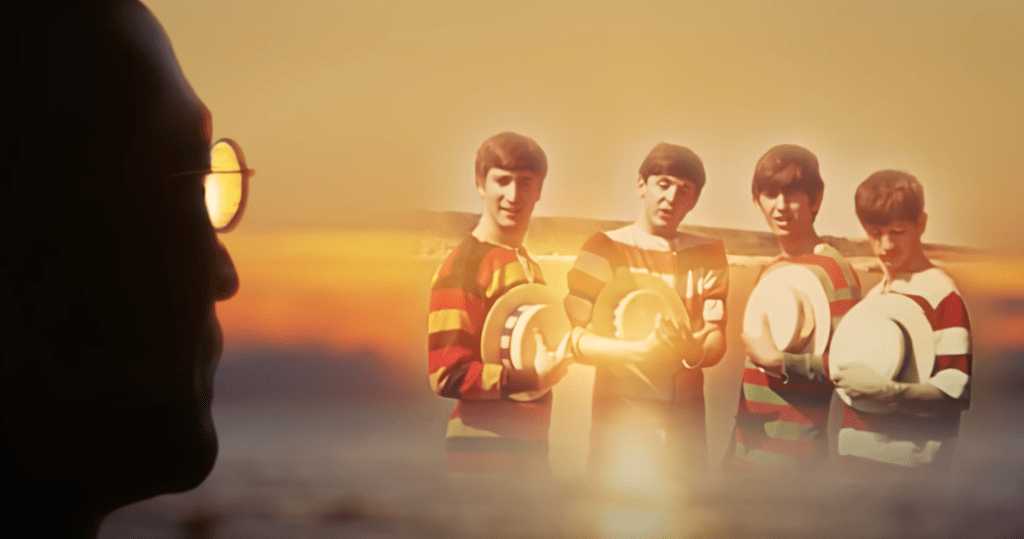
Sir Peter Jackson’s video for the song is faintly ridiculous at first, with macabre mixing of young John and George into footage of aged Paul and Ringo, old and young Beatles capering about, but it’s also a little charming and silly, as Beatlemania always was.

 “And if I make it through,” John sings, and you know, in the end, we all hope for that, don’t we? We keep the people that leave us with us, as long as we’re here. Paul has made a love letter to the past, out of the fragments of his dead friends’ leavings, and sure, it’s big business and all, but it’s also the Beatles. I cannot surrender my love of the Beatles to the binary “like/dislike” button and algorithm. I’m simply grateful for whatever we get. 

At the end of Jackson’s video we see those young, gorgeous Beatles on stage taking a bow, then slowly fading from the scene. You’ve got to have a hard heart not to feel something then. One day far too soon for any of us, there will be no more Beatles.

“Now And Then” is raw sentiment and lacking the mad fire of invention that made the Beatles change the world, true, but I kind of love it all the same. Yeah, yeah, yeah. 

Keeping It Short Week, Day 6: Still can’t figure out if I love or hate The Doors

Hey, groovy cats, we’re still in Keeping it Short Week, each post 250 words or your money back:

Everyone has bands they love, but what about the ones you kind of love and don’t love? The Doors and Jim Morrison hold a very singular place in my tastes.

I’ve owned their albums and CDs multiple times and then gone through a phase of being so over the Doors that they went… well, out the door. I felt sometimes like being a Doors fan over the age of 21 was embarrassing. The anguished “Mother/Father” oedipal stuff in “The End” is a prime example of how the Doors could swing from ominous to awful in the space of a few lines. 

Morrison was, by all reports, a fairly reprehensible human being in a lot of ways, and his sexist stoned messiah complex wears thin fast. How we feel about an artist as a person can affect how you view their work, and that’s not cancel culture, it’s just being a human. 

And yet, I still find myself humming along to the Doors. They were pompous, overwrought, exciting and ridiculous all at the same time. A broody epic like “Riders on the Storm” still gets me, while trippy psych-rock like “Light My Fire” and “People Are Strange” are both timeless and time capsules of what we think the ‘60s meant. 

Maybe I overthink The Doors, and in the end they were just a solid rock band with a tendency towards bad poetry. But for a band I sometimes hate, I sure end up going back to them an awful lot. 

A seven nation army couldn’t hold me back: My top 10 albums of 2003

Was 2003 the end of rock and roll? The genre has been killed and resurrected so many times it makes Dracula look like an amateur, but still, for me, somehow 2003 feels like the last year that I was personally invested in new rock and roll. 

Part of that is simple age – entering my mid-30s, with a kid on the way, I was about to enter the demographic of Bob The Builder and Wallace and Gromit. I was following then-new music blogs and enjoying the dodgy thrills of downloading MP3s galore and burning them on oh-so-fancy mix CDs that are still in a closet somewhere, but soon I’d stop doing all that.

Rock began receding as a pop culture monolith as grunge died out, but it was in the early 2000s that it felt like it rallied for one last blast with a flurry of terrific albums from bands like The Strokes, White Stripes, TV On The Radio and more. Since then, to be honest, rock music feels like it’s less a part of the pop culture conversation. 

Rock is still out there, but for me, 2003 is about when I started to sort of check out from obsessively following all the latest music. I do try to keep my hand in and listen to new stuff much as possible, but, I recognise that the best pop music now is mostly for the youth, not me, and if I happen to dig some of it, well, that’s just a bonus. 

It’s hard to believe 20 years have passed since these albums came out, but I also tend to think of Taylor Swift as “new” music so I’m really well past it, I guess. 

Nevertheless, two decades on, in no particular order here’s my 10 favourite albums of 2003, the year that rock died (OK, maybe just the year that rock got a nasty head cold that it’s still shaking off): 

Blur, Think Tank – The Britpop stars delivered a woozy, tense album that feels like a loose response to the tension of the Iraq War (boy, we only thought we knew what global tension was in those halcyon pre-Trump, climate apocalypse and pandemic days, didn’t we?). The more optimistic groove of albums like Parklife is far behind but what emerges is a kind of gorgeous weary reverie hanging for dear life onto Damon Albarn’s achy croon in tunes like “Out Of Time” and “Battery In Your Leg.” 

The Shins, Chutes Too Narrow – For about five minutes there, The Shins felt like the future of indie rock. Their second album is fragile and filled with grand harmonies, enigmatic lyrics and made for long lonesome road trips. It’s all very gentle and mannered and on the verge of being too twee for its own good, but there’s plenty here to remind you why Natalie Portman said “The Shins will change your life” the very next year in 2004’s hipster poster child of a movie Garden State

Yeah Yeah Yeahs, Fever To Tell – A great blast of grrrl power as Karen O and company blew the roof off with this snappy debut album. Weirdly, the album’s most sedate tune, the ballad “Maps,” became its biggest hit, but the heart of this album is a boiling punk-rock hurricane led by howlingly good romps like “Black Tongue.” After this album the band’s output was middling, more “Maps” than punk, and they never quite recaptured the ferociousness Karen O blasts forth here. 

Fountains of Wayne, Welcome Interstate Managers – Radio hit “Stacy’s Mom” alone is a gorgeous sexy/silly hunk of power pop, but the rest of the album by this late, lamented band is full of wry, jangly gems like “Hackensack” and “Hey Julie.” A good power pop album never gets old.

White Stripes, Elephant – And here we hit peak Jack White. I know he’s put out a lot of good stuff since then, but the raw, raggedy side of the Stripes sound collided with stadium rock here and face-melting anthems like “Seven Nation Army” to make it the best thing he (and the sorely missed Meg White) ever did. This one might just mark the end of rock ’n’ roll’s evolution, perhaps? 

David Bowie, Reality Reality is a fascinating time capsule – Bowie’s final release at age 56 before an unthinkably long 10-year hiatus, and his untimely death – and while it isn’t quite as original and path-breaking as his best work, it’s still a comfortable rock god doing what he did best in an album that feels playful and masterful. Highlights includes a bombastic cover of Jonathan Richman’s “Pablo Picasso” and the darkly gorgeous epic “Bring Me The Disco King”. Shame about that horrific cover art, though. 

Outkast, Speakerboxx/The Love Below – Sweet and sour, sultry and silly, this double-album delight of André 3000 and Big Boi’s duelling soul, funk and rap is a treasure box that keeps giving. Yes, it was inescapable, but “Hey Ya” is one of those massive pop hit earworms that still delivers years on, and if you don’t like it I can’t help you, while the smooth groove of tunes like “The Way You Move” and askew hip-hop of “Roses” also are terrific. 

Nick Cave and the Bad Seeds, Nocturama – Not usually considered one of Cave’s top albums, but there’s something lovelorn and haunting to me about this set, which continued Cave’s move from rowdy rock demon to spooky apocalyptic preacher of songs. The brooding beauty of “Wonderful Life” or the wounded grace of “Bring It On” are near-top Cave, and I can’t get enough of the clattering 14-minute rambling album-closing jam of “Babe, I’m On Fire.” 

Calexico, Feast of Wire – Calexico are the fuzzy warm blanket of Americana to me, fusing together elements of Tex-Mex, jazz, blues and country into music that all sounds like the soundtrack to some great lost spaghetti western. Feast of Wire is their finest, most expansive album, drifting along in a gorgeously restless haze. It’s an album I constantly return to for the journeys it takes your brain on. 

Ryan Adams, Rock n Roll – Yeah, OK, I went through a big Ryan Adams phase in the mid-2000s, before his contrarian personality and troubling allegations kind of derailed his career and he put out a few too many meandering mediocre albums. Still, I’ll die on a hill for a couple of his albums of the early 2000s like Heartbreaker and Gold. Even though it got a middling reception, I still quite dig 2003’s Rock n Roll, where moody Ryan puts away the pedal steel and unleashes a pile of hooky, guitar-filled rock anthems with a heavy Replacements/U2 vibe. It’s just rock ’n’ roll, as it says on the tin, but I like it. 

Other best albums lists: