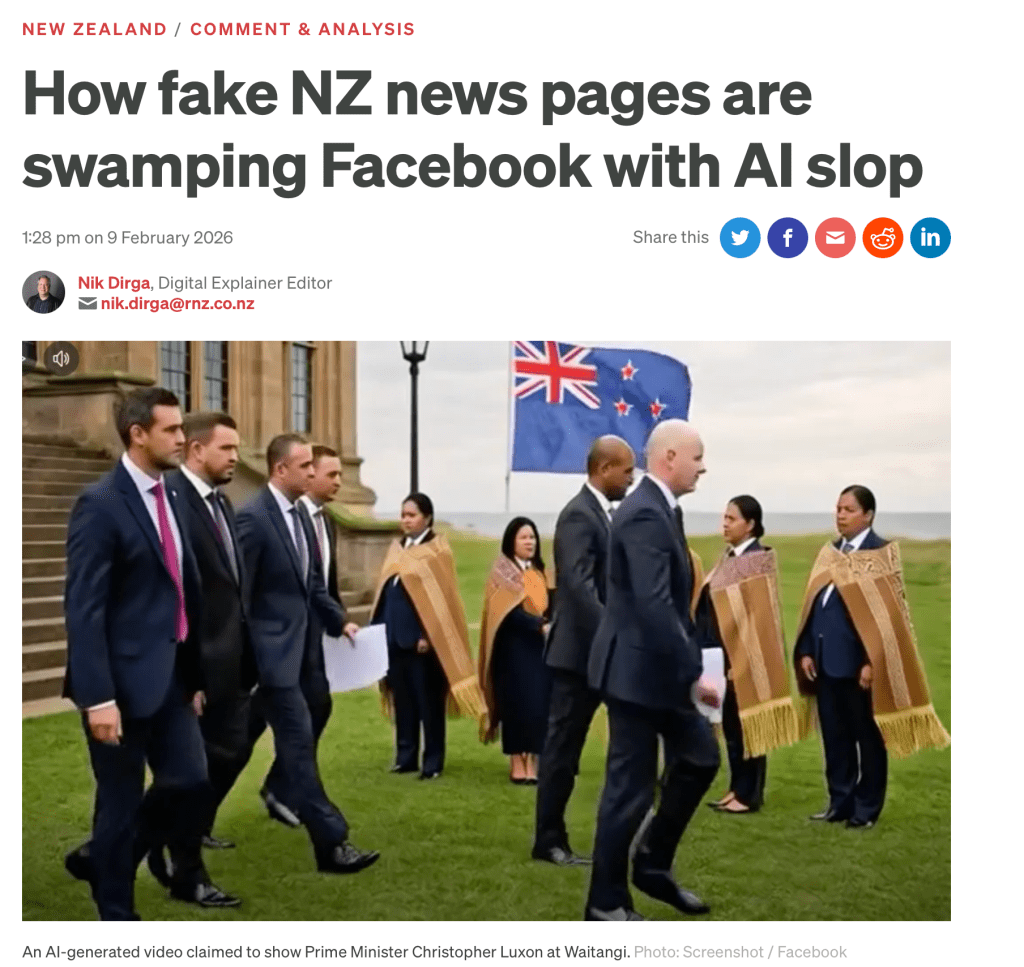
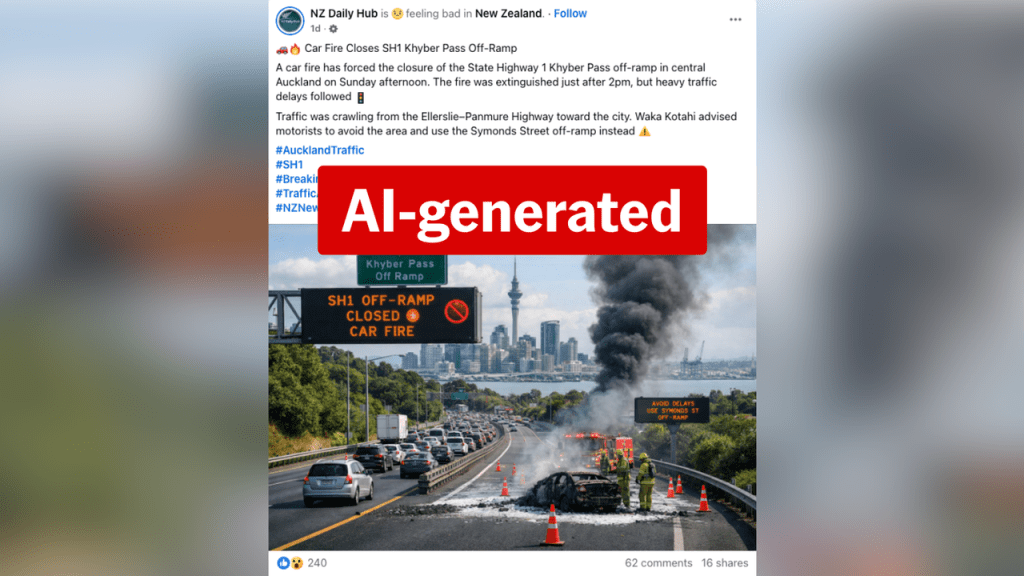
In my day job, a project I’ve been working on for the last couple weeks across both Radio New Zealand and the Australian Associated Press is debunking a slew of “fake” NZ news sites on Facebook. Many of them specialise in taking legitimate work by NZ reporters and running it through AI, stealing other reporters’ work, adding fake AI-generated images or misleading video as they go. One such post included grotesquely using AI to animate a still photo of a dead teenage Mt Maunganui landslide victim.
This slop is everywhere on social media now – literally any time a news event happens, a horde of pages will serve up AI-generated garbage about it instantly, from Australian shark attacks to the arrest of Venezuelan leader Maduro to the assassination of Charlie Kirk. Now, smaller pages are spoofing nearly every car crash and weather event that makes the news in New Zealand with AI content.
I was pleased to see my reporting got a lot of attention this week and made appearances on RNZ’s Afternoons and Mediawatch programmes to talk about it some as well in my very un-Kiwi accent.
It is depressing – like a lot of people, I think, I’m recoiling more and more from social media and what once seemed to be “fun” diversions, as FB becomes overwhelmed by slop and algorithmic nonsense and loses all its usefulness, X, which I quit long ago, became a Nazi bar, and most other sites are either annoying or infuriating. I even got to say the word “enshittification” on national radio this past week, a phrase which really does seem to sum up the vibe in the room on the internet these days.
My advice is – don’t trust anything you see on social media without verifying it first, and legitimate journalists are still the best source of information out there, not your mates on Facebook. I don’t know if there’s an end in sight to this flood of misinformation that’s reached tsunami heights in the past six years or so, but the most important tool you have to fight against it is your own brain and credulity.
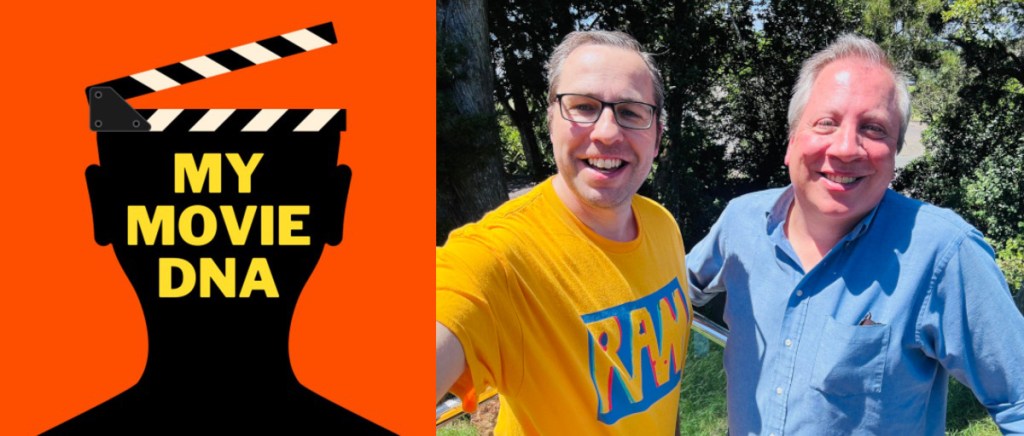
Hey, you dig reading me ramble on about movies on this here website? Well, now you can listen to me do the same thing, as I made a guest appearance on the new episode of Brit-turned-Kiwi Johnny Andrews’ highly entertaining My Movie DNA podcast!
24-Hour Movie Marathon veteran Johnny has been doing this for a few years now and had guests including Wellington Paranormal star Karen O’Leary, Lord of the Rings Oscar-winning production designer Grant Major and a whole heap of prominent NZ movie creatives and fans, so it was an honour to be asked to pontificate on my movie hot takes for 90 minutes or so.
I’ve always been fascinated by the edge of the world.
Regrets, I’ve had a few, but one of them is that I’ve never travelled as much as I would like. In my free-wheeling 20s I was dead broke, and then marriage, parenthood, et cetera. Now, I’m teetering on the edge of old. But when I do travel, I’m always interested in those spaces that feel like the edge of the world.
New Zealand is all edge, really, a handful of wee islands bobbing away out there on the far reaches of the South Pacific, surrounded by wide wide seas on every side. I’m always vaguely aware that hunched on the horizon below us like a yeti is Antarctica, which is a mere 2500 or so kilometres (1500 or so miles) to the south.
We took a recent road trip around the very bottom of the South Island recently, a place I hadn’t been to in far too many years, all mountains and long empty roads and sheep, everywhere sheep. We stopped for a visit at Slope Point, a stark little bit of cliffside that happens to be the southernmost point in mainland New Zealand. You cross a sheep paddock and brave never-ending winds to stand there on the edge of all things, a lighthouse and scrubby plant growth for company. If you’re lucky like we were, you get to experience it by yourself, only the jaunty yellow directional sign pointing out you’re closer to the South Pole than the Equator.
You can’t see Antarctica, of course – it’s still very far away – but you can feel it, lurking like a Norse ice giant. That’s what I mean by edge of the world.
I’ve been to several places I would consider edges, even if they aren’t next to the ocean. Places that feel ancient and pre-civilisation, bigger than our squabbly little day-to-day human concerns and doomfears. Uluru, perched in the Red Centre of Australia, is definitely one of them, magical and awe-inspiring even with other tourists wandering about in the hot desert emptiness.
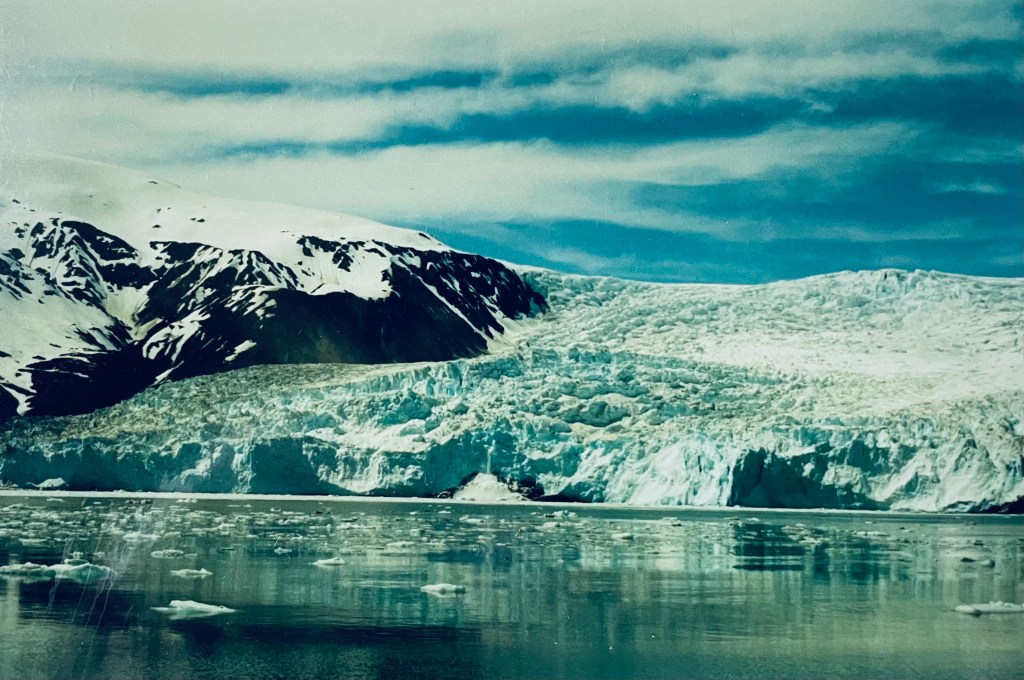
Another is Alaska, the place I was actually born half a century ago at an icebound Air Force Base. I’ve only been there once since I was a toddler, but it was enough to feel the edges that exist everywhere there in the last frontier, watching a glacier slowly rumbling into the sea, dropping chunks of ice the size of houses in the frozen ocean.
Or the Badlands in South Dakota, another spot that feels untroubled by the world of humans, rippling and strange.
Or New Zealand’s northernmost point, Cape Reinga, which is where it is said spirits of the Māori dead begin their journey to the afterlife by leaping off the edge of the shore. I like that image – on the edge, a new beginning.
The thing about an edge of the world is that it should make you feel proper small, a speck of dust floating around in a world far bigger than we can ever really comprehend.
Mucked up as life often seems these days, there’s still an awful lot of world edges out there. I hope to get to more of them and teeter happily on the abyss a few more times in this brief little life we get.
There’s something spooky about watching a documentary covering events you lived through and still haven’t quite processed yourself.
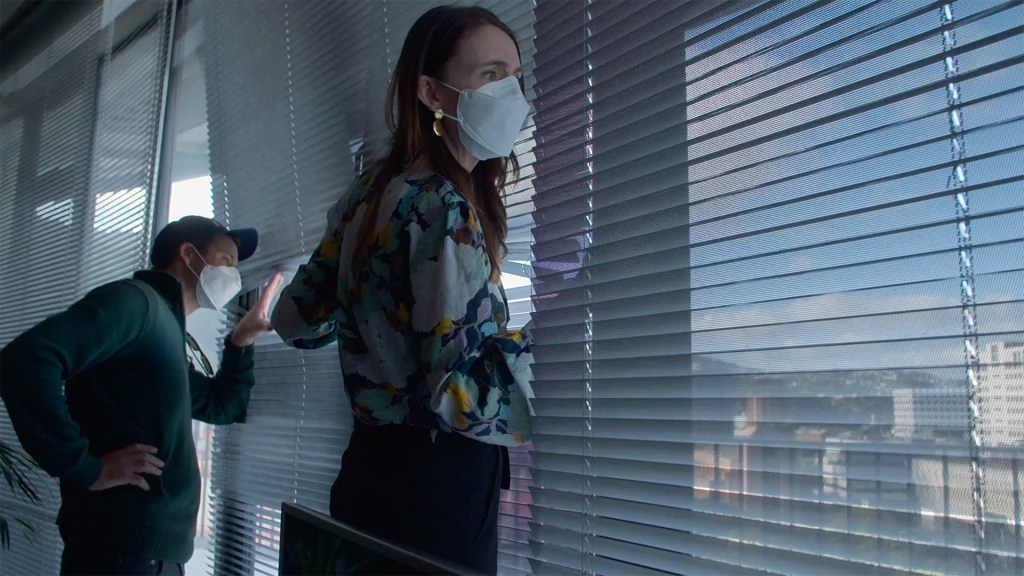
Jacinda Ardern was New Zealand’s leader up until about 2 1/2 years ago, but somehow that already feels like a few centuries ago in the current grim timeline. Watching the excellent, if starry-eyed, new documentaryPrime Minister takes us back through the whirlwind of 2017-2023, when New Zealand was often buffeted by a series of tragedies that all felt sadly outside our control.
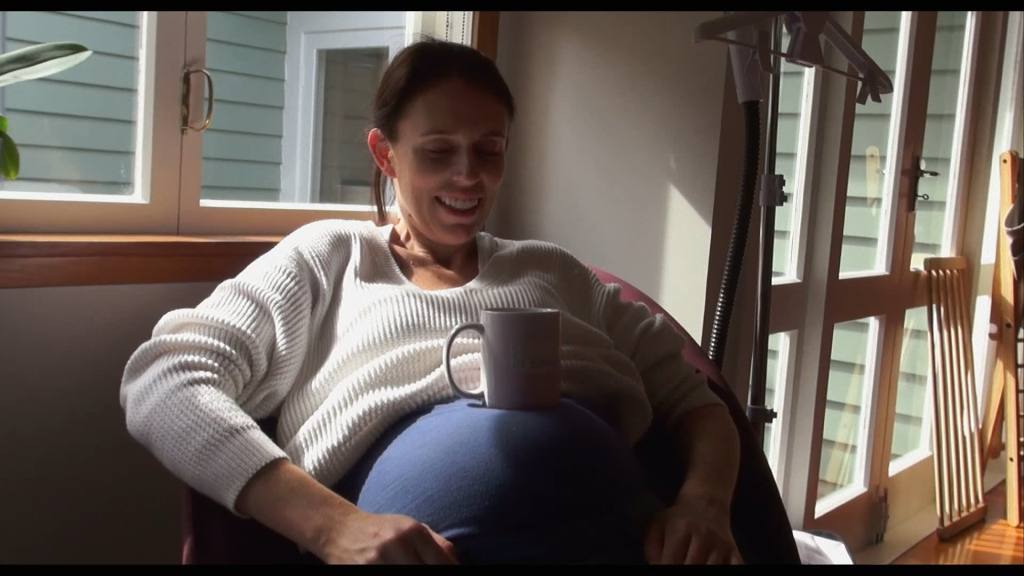
Prime Minister is a startlingly intimate portrait of the Jacinda years, and what it’s like to be a young pregnant woman suddenly lifted up to the corridors of power. Whether or not you agreed with Ardern’s administration – and it was ultimately as flawed as most governments, in the end, but not as bad as some – Prime Minister is a movie that is somehow bittersweet and optimistic all at the same time.
So it’s weird watching Prime Minister and seeing the history of your country retold when it feels like it’s all not even quite ended yet, to see everything unfold again as it did in those crazy five years.
I was in the thick of the Ardern years as a journalist, typing away news alerts and quick takes from the day she surprisingly came out on top of government coalition negotiations in 2017. I watched with horror the shocking mosque shootings of Christchurch in 2019, helped cover her massive re-election win in 2020 and watched as Covid crept in and everything in the world seemed to grind to a blurry halt. We journalists waited for the “1pm update” on what the pandemic had to say today, and saw the creeping dissatisfaction grow in some corners.
I watched Parliament’s grounds become occupied by a collection of protesters for weeks in 2022 and I had the curious fortune to be running a live-blog the morning that the police came and that occupation came to a violent, fiery end. For a journalist, the moments when you think, “I’m watching history right now” come with an electric charge.
We’re very much all still living in the societal and cultural upheaval the pandemic left behind and the swamp of populist rants, conspiracy theories and anger-fueled online bile feels like it will never end. Did New Zealand get everything right? Probably not, but the overriding fact is that all the rewriting of history going on at the moment ignores that at the time nobody knew what might happen, and in the end, a whole lot of people could have died in a small island country like ours. Ultimately less than 6000 died of Covid-19 here – while in America, 1.2 million did.
Prime Minister boasts a candid access that it’s hard to imagine a lot of political leaders allowing. Ardern’s partner Clarke shot lots of footage of her over the years, as she sits in bed worn out after long days or works through the exhaustion of pregnancy. Even though I spent so much time covering Ardern and writing about the events of the day, it’s all a very different perspective that sheds new light on the burdens of power and Jacinda’s – perhaps impossible – attempts to remain kind at heart in a world that frowns on that.
Again, I won’t argue New Zealand was some magical utopia when Jacinda Ardern was in power. But to be honest, a lot of politicians running the world at the moment seem barely human, let alone humane to me. We dehumanise politicians, and Prime Minister aims to correct that. Ardern has been turned into some unrecognisable demon avatar in some corners of NZ to this day. It’s hard to reconcile that with the images of a young mum playing with her daughter we see in Prime Minister. It’s also easy to see why Jacinda quit when she did, having no more petrol in the tank.
Prime Minister isn’t a deep investigative dive into NZ politics. It’s glossy and aims to make Ardern the hero without really diving into the intricacies of politics here. And yet, in its own way, it feels a bit like an elegy for a lost world. Why would anyone want to be a politician these days?
Power costs, and in the end, you have to wonder if, in a timeline crowded with blustering authoritarians, grim bottom-liners, hucksters and grifters and outrage merchants, that the eminently human scale of Jacinda’s politics is something we may never see again.
Golly, but I’ve been busy writing everywhere but this blog lately.
I’ve been doing a lot more assorted fact-checking and explaining work for cash money so it’s time for another roundup of stuff what I wrote:
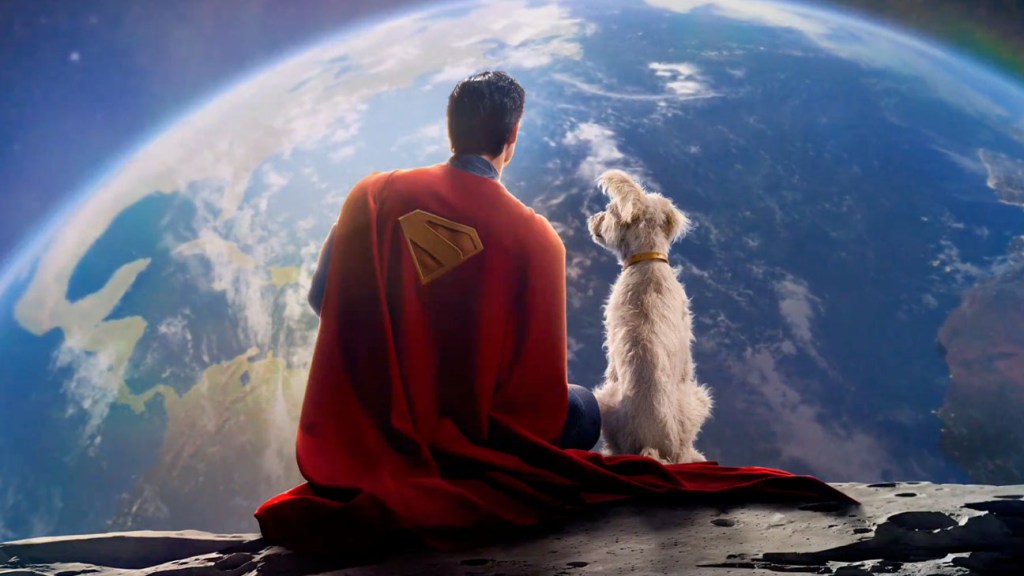
Just in time for the hopefully good new movie opening this week, I did a recap for Radio New Zealand on Superman’s best (and not so best) moments on screen to date and some comics recommendations!
Over at AAP FactCheck, I did a deep dive into the disturbing and increasingly surreal world of bizarre AI slop infesting your social media feeds. The “conjoined twins celebrity scam” posts are the ones that finally broke my brain for good, I reckon:
And finally pivoting back again to the murky world of AI and how it’s slowly eroding all that is fair and decent on social media, here’s another explainer:
So it’s been ten years this month since Netflix streaming came to New Zealand, the tipping point that changed how we watch so-called “TV” forever down here at the bottom of the world. New by me over at Radio New Zealand, a look at how life’s changed in the streaming wave – go read here!
Greetings! I wrote a book. Well, I’ve actually been writing it for about 30 years, believe it or not. Introducing Clippings: Collected Journalism 1994-2024, a hefty compendium of my columns, essays, feature profiles and much more over the course of my so-called career!
I’ve written an awful lot of words over the years, but I wanted to put together something that was a little more permanent than a bunch of yellowing newspapers and broken website links. Clippings is, much like many journalism careers, an eclectic mix, from long features to blog posts to deeply personal essays to in-depth pop culture criticism, spanning from Mississippi to California to New York City to New Zealand.
From interviewing governors and rock stars to climbing active volcanos and adjusting to life on the other side of the world, this book is me saying, “Hey, I was here, and this is some of what I did along the way.” Doesn’t everyone want to say that at some point about their life’s work, whatever it is? Throw it all together, and it’s probably as close to a sort of autobiography as I’ll ever get.
It’s got many of my works from long-ago newspapers and magazines, websites and even some fine pieces from this very website in a handsome curated form sure to be adored by your family for generations.
I hope you’ll consider grabbing a copy, now available on Amazon as a paperback for a mere US$14.99, or as an e-book download for just US$2.99!
Kia ora! We moved to New Zealand exactly 18 years ago this weekend, and suddenly my migration is practically an adult in human years. Time doesn’t just fly – sometimes, it leaps.
When we came here in October 2006, with a 2 1/2 year old, we didn’t really know for sure how long we’d stay here. We came to be closer to my wife’s family, to have our son grow up knowing about the Kiwi side of his heritage.
And then 18 years flew by. Our kid is in his final weeks of undergraduate university studies. We both have a lot more grey hair. Three of our four parents have left us, now, and we start talking about our own old age less hypothetically than we once did. Life is not perfect here – is it anywhere? – but this is home, now.
Remarkably, I’ve now lived in Auckland longer than I’ve lived anywhere else in my life. The place where you grew up will always stick its hooks in you the hardest, and there’s always a piece of me in the rolling hills of Northern California, but at 18 years I’ve now lived here longer than the 14-15 years I spent in the town I grew up in. I lived in Mississippi seven years, Oregon nearly five years, but I guess I am an Aucklander now, even if I’ll always feel a little foreign here. That American accent isn’t going anywhere, still.
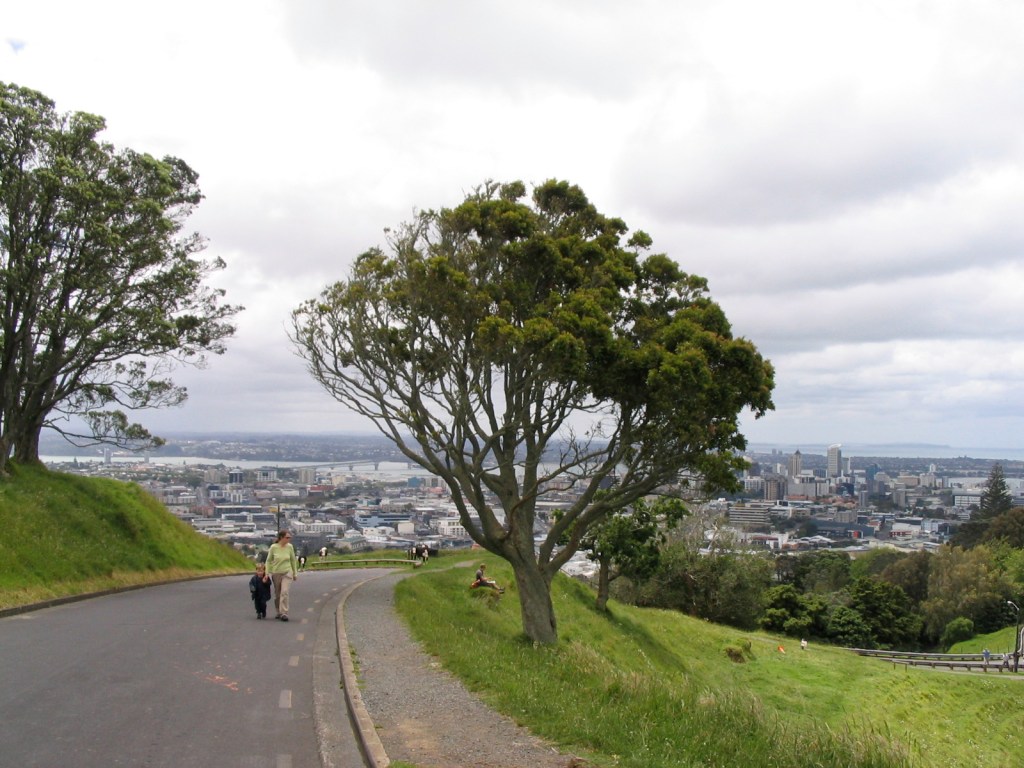
I’ve been in Auckland long enough to watch it changing. It’s a city of 1.6 million people that sometimes feels like a small town and at other times I’m learning about whole new parts of it. A melting pot of Māori, Pasifika and Asian cultures squashed up with lingering remnants of the old British Empire, it’s not quite like anywhere else I’d lived.
October 2006.
I’ve been here long enough to have favourite places that are gone, like the old gigantic Real Groovy Records on Queen Street, the jam-packed and sweaty Kings Arms pub where I saw heaps of great bands play, the labyrinthine original home for Hard to Find Books in Onehunga.
I regularly say “mate” and “bloody” in conversations but I still don’t understand cricket. I love fish and chips and no bloody health insurance and Parliamentary politics and Flying Nun Records and tui and kererū birds and the kiwi-pop art of Dick Frizzell and Pineapple Lumps and yes, I own a pair of gumboots.
New Zealand is small, but not tiny, and I kind of like it that way. When we first moved here way back in 2006 I liked to tell Americans that coming to NZ was like going back in time about five years – not a radical shift but enough to notice, a place that felt slightly slower and cozier than wide-open America.
The internet has changed a lot of that, now – when we moved here my prize tech possession was an iPod that held THOUSANDS of songs, and now I carry the entire internet in my pocket. We don’t take quite so long to follow trends or get the latest pop culture. (Back in 2006, you’d still see popular movies and TV shows premiere here months after they did in America, for instance.)
Social media has kind of destroyed polite society in a lot of ways, I think, but it’s also made the world feel smaller and communication easier. Once upon a time we posted letters to our New Zealand family and sent them across the seas. Now, I can video-call my family in the US instantly. It’s made the distance better, especially in the last couple troubled years as the thing that every expatriate dreads happened – your faraway family gets older, sicker, and they leave you.
Some other American couples we knew who came about the same time we did ended up going back to the USA within a couple of years. But while there were ups and downs, somehow, we stuck to it. I actually found my so-called journalism career generally went better here than it did back in the US – higher pay, more variety to the work, even if I couldn’t entirely escape the periodic redundancies that plague the industry everywhere and I still sometimes conflate my British and American English (color? colour?). As my day job I help run one of the biggest news websites in the country and that’s not something I could easily do back home.
But more than that, I found a world so much wider than America alone. These days I often look back at what’s going on in my homeland with confusion and a fair bit of disdain, I admit. I love the place I came from but I don’t really understand a lot of it now, as yet another election season is here and events just don’t make sense to me. We have the same rolling disinformation and post-Covid conspiracies here, too, but again, we’re smaller. Everything is usually a little less dramatic here, I think.
October 2006.
This will most likely be the place I end up, in the 20, 30 or however many more years I get left. There are worse places to be, and my world is so much bigger than it once was.
An immigrant to another country – whatever their status, whatever their background – probably always feels a little uncertain of where home really is.
The thing I’ve learned these past 18 years is, you can have more than one.
It’s a new year, a fresh start, a hope this year is maybe a bit less suck than the last one! I’ve complained enough about the year that was, so instead let me dive back to look at ten musical, cinematic or literary experiences that rocked my world in ’23:
Go back to those Gold Soundz: I didn’t check out a lot of live music last year, but what I did was superb, led by the old guard showing they can still blast with the best of them. Indie icons Pavement put on a superb reunion show that left me humming the chorus to “Gold Soundz” for weeks, while I finally saw punk/post-punk legends The Damned for the first time on the back of their excellent Darkadelic album, and they melted my face. And my ears. I don’t quite know if my hearing has ever been the same.
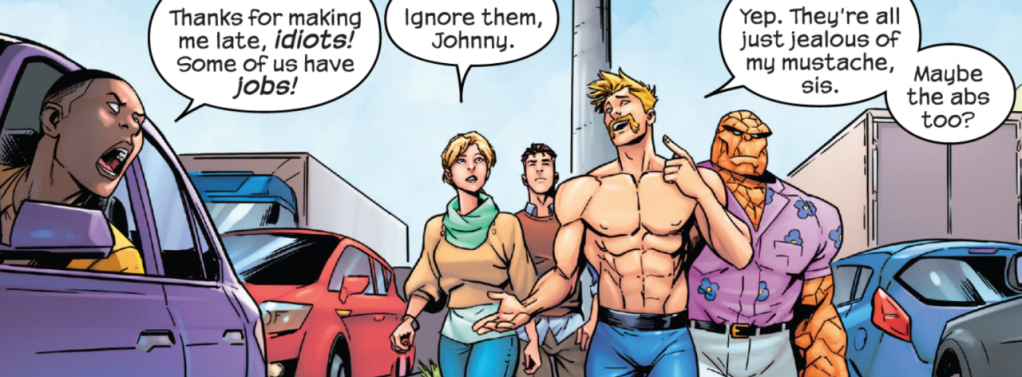
Tonight, a blind woman and a monster came to town: I’ve been getting fewer ongoing monthly comic series these days, but one that’s on my must list is Ryan North’s brainy, witty take on Marvel Comics’ Fantastic Four, which is inventive science-bro action combined with the family heart that is key to the FF. It’s just darned fun, good comics that (so far) don’t have to be part of some sprawling pointless multi-comic company crossover to feel epic. It’s the best the Fantastic Four has been in ages.
A long long time ago, when I was a little chick: I wrote a whole story recently asking local book lovers for their favourite New Zealand books they read and it reminded me of what an excellent year it was for NZ fiction, led by Eleanor Catton’s wickedly fun satire Birnam Wood and a two-fer by Catherine Chidgey – The Axeman’s Carnival, an amazing novel about a bird who becomes a social media celebrity, and the nearly as good teenage angst thriller Pet. Go team NZ!
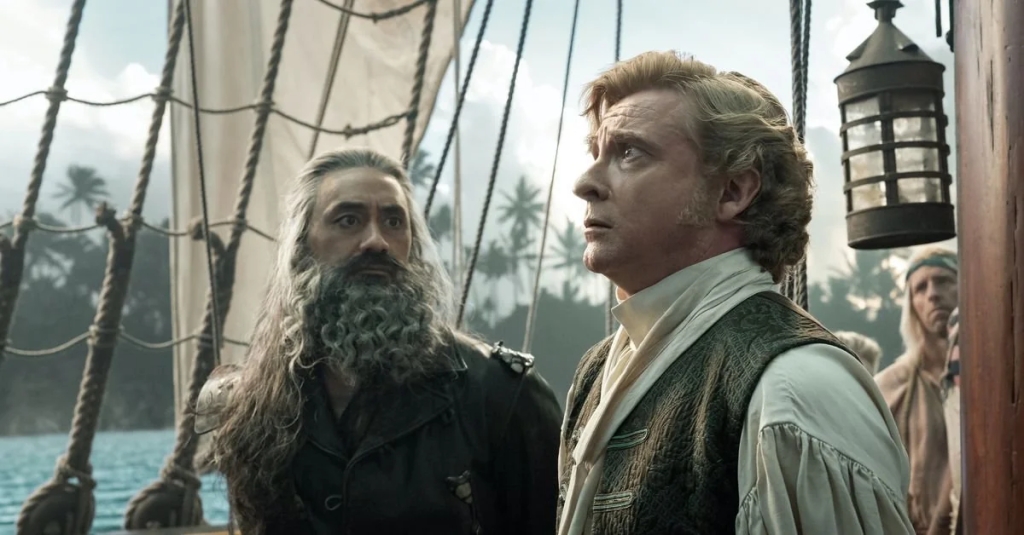
You don’t know the first thing about piracy, do you?: There was a lot of great TV in ’23 – Reservation Dogs, that banger final Succession run, Poker Face, and I’m only just now discovering how fantastic The Bear is – but the one that sticks with me the most is Taika Waititi’s unexpected gay pirate comedy Our Flag Means Death, which in its NZ-filmed second season truly transformed into a delightfully sweet romance mixed with swashbuckling pirate fun. A gem.
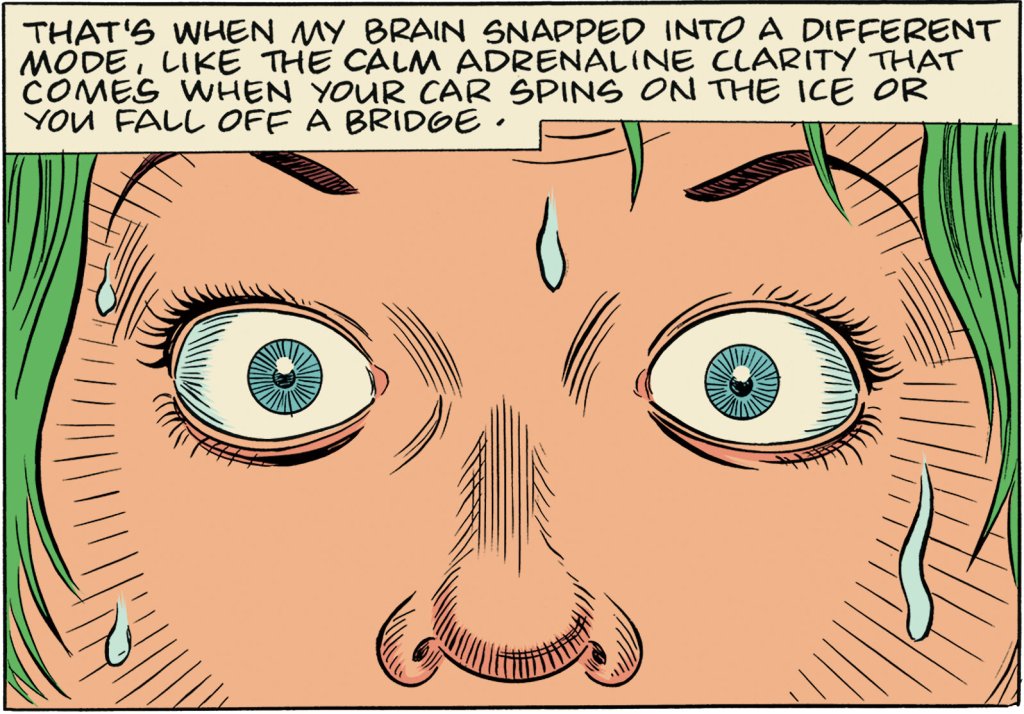
And in an instant, I know I’ve made a terrible mistake: Daniel Clowes has been blowing my mind since long ago when I first stumbled on an issue of Eightball. His comics are less prolific than they once were but they’re worth the wait, with this year’s graphic novel Monica (art at top of post) quite possibly his masterpiece. A sweeping story of one woman’s exploration of her own mysterious past, it’s a technically dazzling (those colours!), assured and layered work that you’ll keep churning over in your head for days afterwards. It’s not a speed-read like many modern comics, but an experience that might just leave you feeling like the world is a slightly different place when you’re done.
All my life I’m looking for the magic: Yeah, I know, physical media is dying, bla bla blah, but while I’m definitely a bit more choosy about what I buy in the age of internet abundance, I can’t pass up a good mix, and UK record label Cherry Red constantly is putting out fantastic CD box sets of eclectic punk rock from 1977-1982, power pop from the UK and US and ’80 synthpop that spans my mid-1970s to late-80s sweet spot. Sure, you can find a Spotify playlist, but I enjoy the curated, elegant physicality of these great boxes and the buried treasure they contain. Each set is hours and hours of gems waiting to be rediscovered and if I close my eyes I can almost pretend it’s coming from a cassette mix tape as I drive my old Volkswagen Rabbit around town.
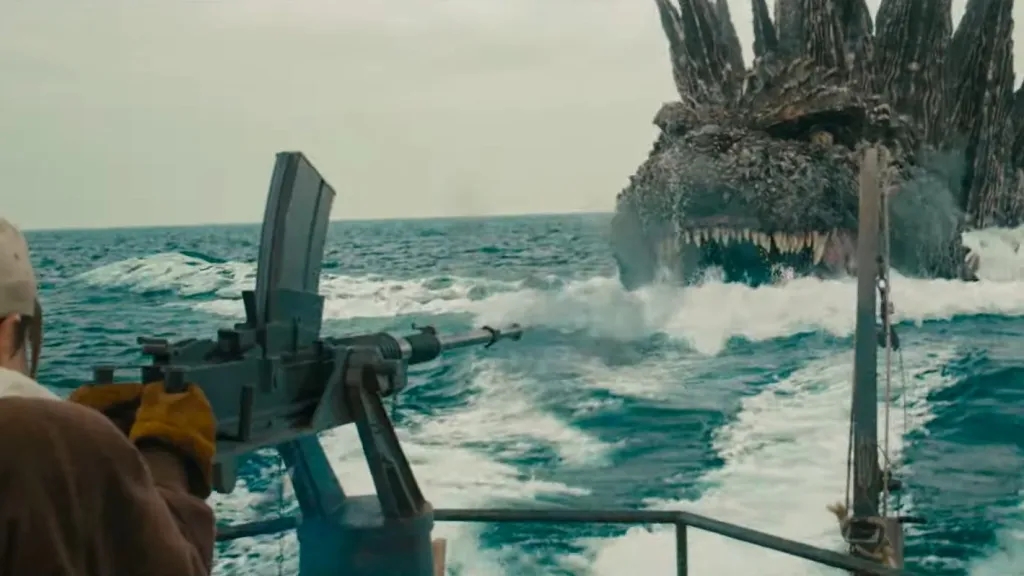
That monster … will never forgive us: This was the year comic-book movies stumbled and became just as cliched as the Will Smith and Tom Cruise action movies they replaced. But look across the seas to Japan and some of the year’s best blockbusters came from there, with kaiju instead of capes in the terrifically oddball Shin Ultraman and the bizarre Shin Kamen Rider and best of all, the monumental reimagining of the biggest beast of all with Godzilla: Minus One. There were decent superhero moments this year, but not one of them compared to the kinetic thrill of watching Ultraman or Godzilla stomp on buildings with fresh energy.
Dear Allen, thanks for your letters. I was glad to hear from you: William S. Burroughs was not a decent man. A drug addict, the accidental murderer of his first wife, homosexual in a repressed era, his twisted, tormented writings are decidedly not for everyone. And yet, and yet. This year I found myself once again reading Burroughs’ books like The Soft Machine and turning to his nonfiction writings, particularly his collected letters, because the nonfiction shows so well what went into his far-out fiction. The Letters of William S. Burroughs 1945-1959 fascinated me because it revealed the real person behind the sneering, sinister king of debauchery Burroughs became. It’s extraordinary to read how human and lonely Burroughs is in these letters, wrestling with unrequited love, addiction and ‘normal’ society, and his determination to find new shadowlands behind the world we live in. A stoic mask soon settled over his public face, but here we learn how he got there.
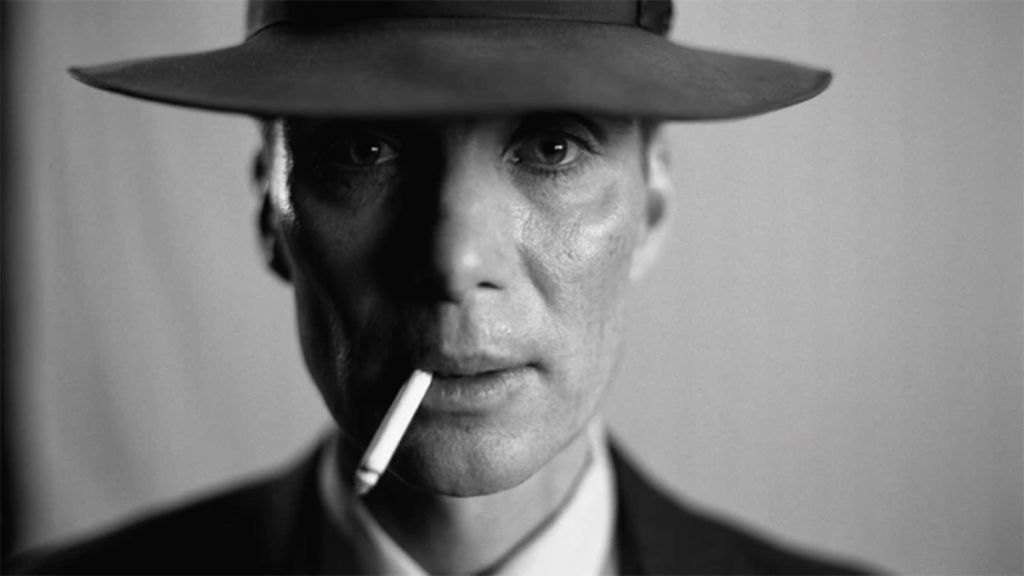
To be honest, when I found out the patriarchy wasn’t just about horses, I lost interest: “Barbenheimer” might have been a marketing technique gone viral, but it was a heck of a lot of fun and rewarding to see two very good movies leading the summer box office and showing up the latest dusty, unnecessary franchise-extender Indiana Jones sequels and the like. Barbie was a huge hit, but it was also just subversive enough to charm all but the most cynical, while Oppenheimer was Christopher Nolan’s best movie yet led by a dazzling Cillian Murphy and sequences on the iMAX screen downtown that melted my face nearly as much as a Damned concert.
The meat goes into the oven: This one’s a bit self-indulgent, but I had a very good year stretching my feature writing muscles this year in my paying gigs, between several book reviews for the NZ Listener magazine and writing for Radio New Zealand about stuff I love like barbecue restaurants,fans of weird movies, used book fairs, film festivals and more. Turn your passions into words, folks, and let’s all have a fine 2024!
…I’m bogged down in a pre-Christmas pile of actual money for my words work, so content here is a little sparse lately, but that doesn’t mean other people I know aren’t writing away!
Way back in the Paleozoic era of blogging, we used to link to each other all the time. These days, with social media becoming a bigger dumpster era fire than ever, it doesn’t seem like a bad idea to cut out the middle man again. Here’s what some friends and colleagues have been doing online lately that floats my boat:
* I’ve beavered away on the edges of music journalism for most of my career, and it’s grim times for it at the moment in New Zealand. My mate Chris Schulz has had a far bigger music writing career than I ever did, and he’s rightfully been on a bit of a crusade lately about how arts journalism is dying in Aotearoa. Case in point, when I moved here 15+ years ago there were still several magazines regularly covering NZ music and reviewing it. That’s all gone now. Can the internet save us, or something else? Schulz spoke to RNZ and others recently trying to draw attention to this problem and has been regularly banging the drum for music journalism on his own Substack – all well worth a read!
* I watched the first Doctor Who 60th Anniversary Special on the weekend and it was a delightfully silly romp, with David Tennant and Catherine Tate back for a run after an unfortunately kind of dire period for Who. Jodie Whittaker being the first female Doctor should’ve been a groundbreaking moment, but her performance was swamped by a lot of truly terrible writing, insanely convoluted plots and overacting, to the point where I only watched about half her episodes. (I also never want to hear the phrase “fam” again.) I thought about writing about why even though I didn’t grow up with the Doctor, I’ve grown to dig him ever since wonderfully eccentric Christopher Eccleston came along as Doctor Number Nine in 2005. But I realised one of my best pals is not only the biggest Doctor Who fan I know, but quite possibly the biggest Doctor fan in all of New Zealand. Let friend Bob tell you 101 reasons why Doctor Who still rules after all these years. I’m hoping that the excellent-looking Ncuti Gatwa coming up as the Fifteenth (!) Doctor leads to a bold new era for the good doctor.
* So New Zealand had an election about six weeks back, and it’s taken that long for coalition negotiations to settle on the new government, which looks to be the most conservative we’ve had in well over 20 years. You’ll find hot takes, angry takes, gloating takes all over the place about that, but I want to single out Susie Ferguson’s fantastic analysis piece at RNZ that zooms in on one Auckland electorate won by a libertarian/centre right third-party candidate, and why it actually proved that America-style bible-thumping theocratic conservatism has yet to really work in New Zealand (which, IMHO, is a very good thing). Go read: The meaning of Tāmaki – the most fascinating election race












 Nik Dirga