Frankenstein’s Monster is dead, but he’ll also really never die.
I love it when a character hits the cultural level of a Sherlock Holmes or a Batman, and can be endlessly reinvented for new eras.
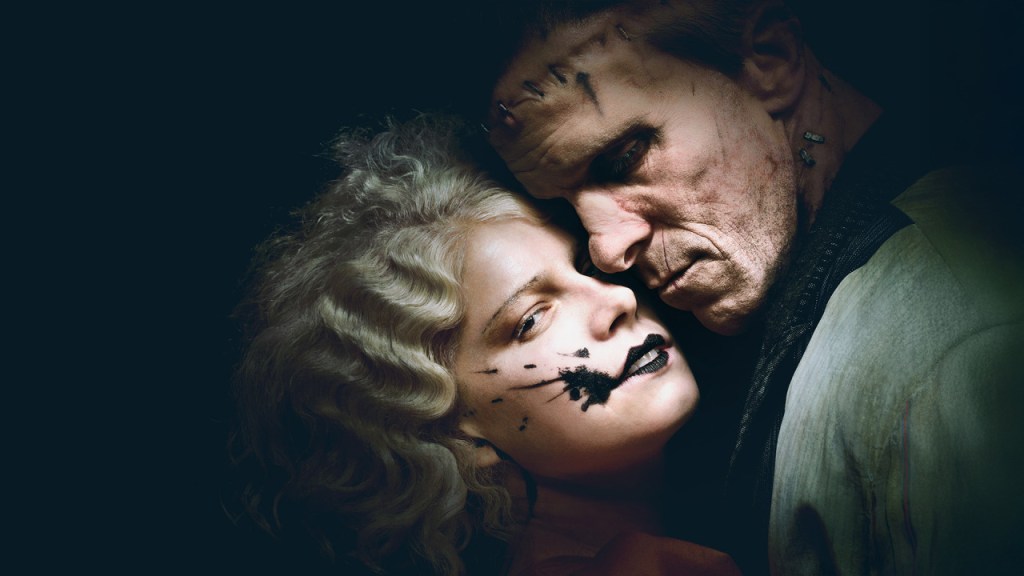
Maggie Gyllenhaal’s The Bride is the latest reimagining of the bones of Mary Shelley’s tale, a wild, anarchic creation myth and love story. It’s as loose and freaky as major Hollywood productions ever get these days, and while it’s sure to be divisive, I kind of loved it.
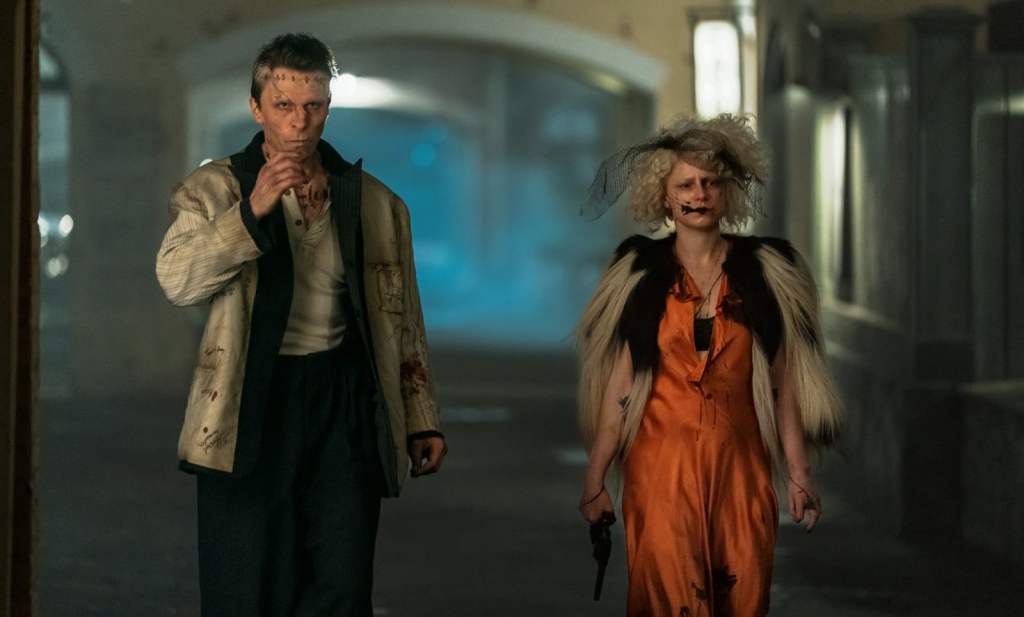
Very loosely retelling the events of Bride of Frankenstein in the 1930s, Oscar nominee Jessie Buckley gives a delightfully unhinged performance as a new “Bride” to Christian Bale’s wounded and lonesome Frankenstein’s monster. The Bride at times feels as rough and patched together as the monster himself, but that’s what charmed me – it tells something new by stitching together ghostly possession, a screwball musical, a blood-spattered romance and a Bonnie and Clyde-style violent lovers on the run arc.
The monster and his bride tear through polite society, and while the plot is sprawling and doesn’t always add up, terrific turns by Bale, Buckley and Annette Bening as this movie’s “mad doctor” work well. A truly insane homage dance number to Mel Brooks’ Young Frankenstein is the most audaciously strange scene I’ve seen so far this year. This one’s for the sickos, and I’m proud to be among them.
I’m here for all the Frankensteins, to be honest, right on down to campy ‘60s kaiju romp Frankenstein Conquers The World and the ultra-sleazy Frankenhooker.
There remains endless potential in the story of man creating life, and how it (usually) all goes horribly wrong.
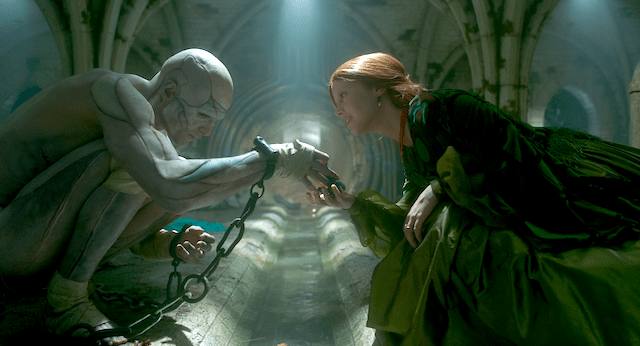
We’re only a few months from the last great Frankenstein movie, Guillermo Del Toro’s Gothic Oscar-nominated epic of an adaptation of Shelley’s novel with a committed and curiously sexy performance by Jacob Elordi as the monster. That one is as overwrought and passionate as The Bride, but in a completely different way. Those great lonesome Arctic chase sequences – always my favourite part of the original novel – sparkle on the big screen.
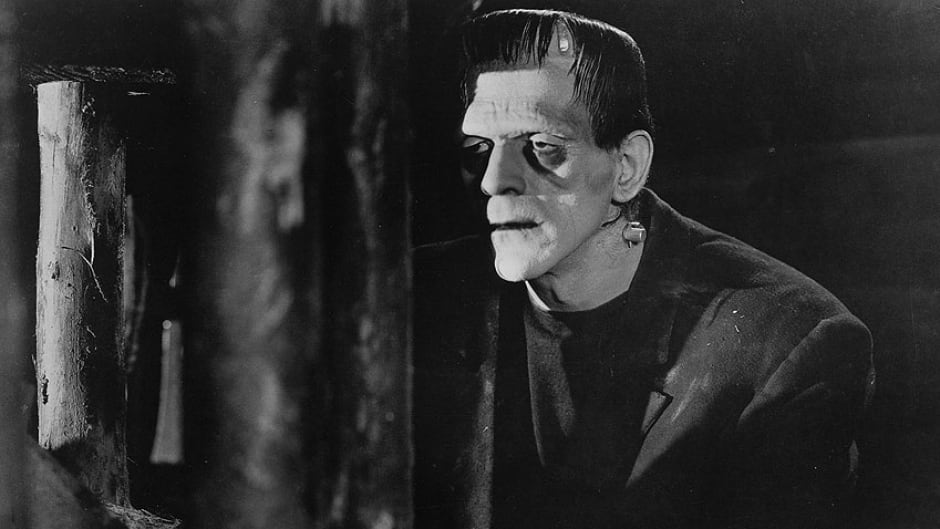
A rough Google estimate tells me there’s been close to 500 spins on the Frankenstein story. Boris Karloff set the standard, of course, and his performance, closing in on a century ago now, remains the template for investing the monster with both humanity and menace. Christopher Lee played the creature as a hurt, abused animal, with melting-egg makeup that seemed startlingly grotesque in 1957’s Hammer production The Curse of Frankenstein – then followed by a half-dozen more Hammer movies that totally reimagined the creature’s story each time, even as a woman and once as a New Zealand wrestler with the world’s worst makeup job.
Every era has its Frankenstein – splattery gore from Andy Warhol in the ‘70s, kid-friendly spoofs like The Monster Squad in the 1980s, bombastic excess like Kenneth Branagh’s 1990s take. I like the weirder angles, like Roger Corman’s Frankenstein Bound from 1990 that throws time travel and metafiction into the mix.
I’m even fascinated by the schlocky look of 1910’s Frankenstein by Edison Studios, the first adaptation of the creature’s story done in a mere 16-minute silent film, with Charles Stanton Ogle as a shaggy, deformed monster that’s memorably bizarre. A mere 116 years old now, it’s more of a curio than a successful film, but it sets the template for many a Frankenstein story in the century-plus since.
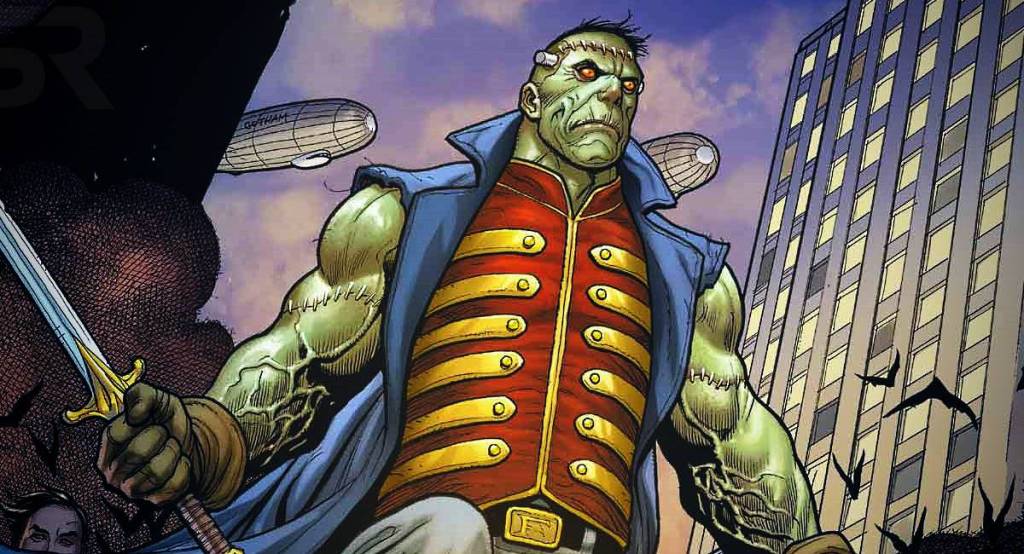
And that doesn’t even get into the non-film realms, like DC Comics turning Frankenstein’s monster into a kind of immortal holy warrior, queer fiction imaginings like Jeanette Winterson’s Frankissstein and the novel and movie of Gods And Monsters, or modern-day parables like Ahmed Saadawi’s Frankenstein in Baghdad.
The Bride builds on all these flocks of Frankensteins, and Gyllenhaal’s weird delight of a film embraces the shimmering fluid identities of the monsters – her romantic duo are alternately enraged and peaceful, needy and fiercely independent. I expect The Bride is the kind of movie a lot of people will hate, and it’s certainly not flawless, but it’s brave in its own weird way.
For a book that came out 208 years ago, Shelley’s Frankenstein is still remarkably futile ground for birthing all kinds of stories about mankind’s hopes and dreams, and nightmares.
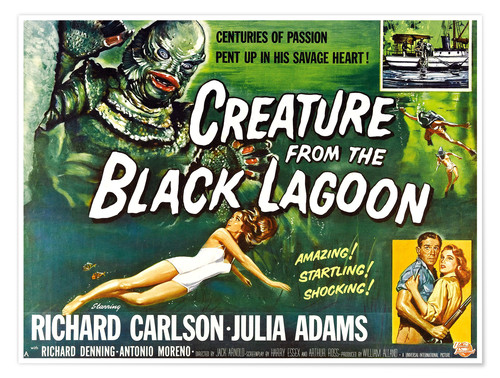
I’ve written many a time before about my love of the classic 1930s-1950s Universal Horror monster movies, which almost a century on still cast a spooky spell. And my sentimental favourite has always been Creature From The Black Lagoon, whose 1954 debut came at the end of Universal’s classic run.
Creature is in my mind an almost perfect old-school horror movie – it’s got exploration of the unknown, man meddling where he shouldn’t, a sexy lady in a swimsuit and a monster who is ultimately a tragic figure. In a tidy 79 minutes it tells a classic beauty and the beast story with a kind of haunting elegance (especially those gorgeous underwater scenes) and gives us one of cinema’s most memorable monster designs. I’ve watched it countless times and get a kick out of it every time.
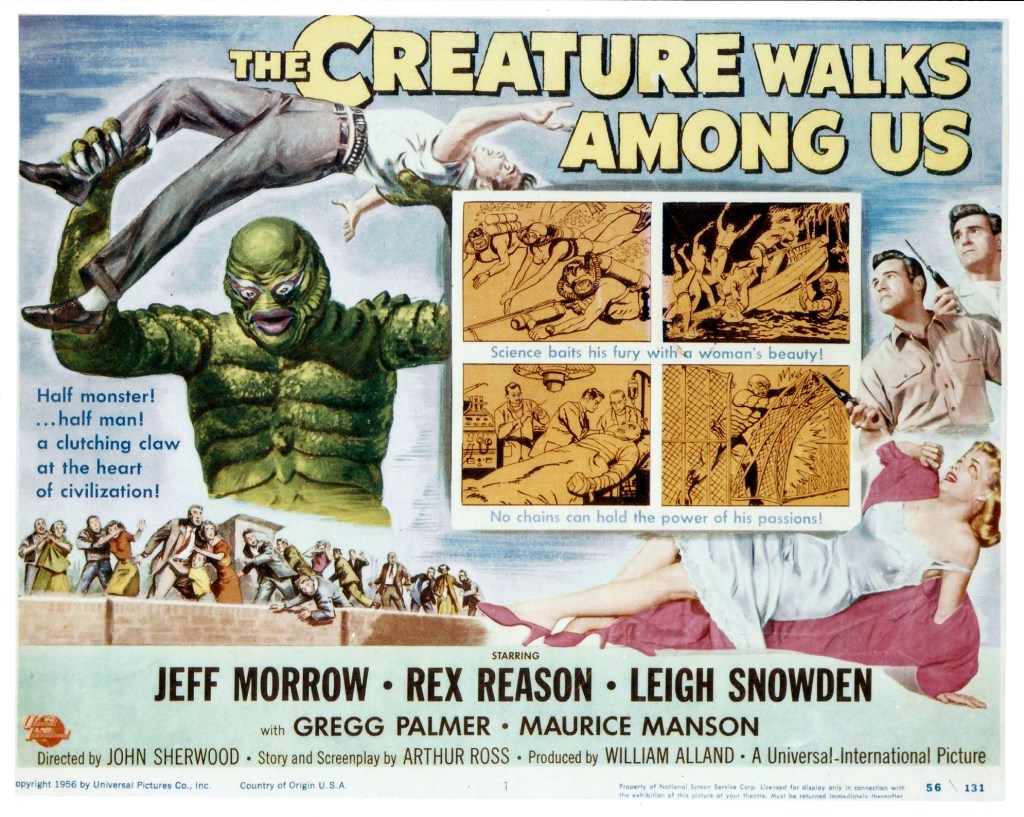
It’s a shame the two sequels never felt very essential, although in one choking last gasp, the franchise finaleThe Creature Walks Among Usis almost a good movie.
Universal Horror movies were the best, but they weren’t usually very good at sequels. Other than the original Frankenstein, which boasted great follow-ups in Bride Of and Son Of Frankenstein, most of them fumbled at sequels. They foolishly didn’t bring back the iconic Bela Lugosi for a sequel to 1931’s Dracula until 1948’s Abbott and Costello Meet Frankenstein, which while fun, isn’t exactly top-tier. Lon Chaney Jr’s melancholy Wolf Man ended up as a supporting player against other monsters after the first Wolf Man, Claude Rains’ Invisible Man died and sequels to that were bland bores, while Boris Karloff’s Mummy was reborn again and again without Karloff in a series of increasingly silly riffs. By monster mash House of Frankenstein – where the monster barely does a thing until the final 5 minutes – everything was increasingly played out.
A clutching claw at the heart of civilization! They don’t make tag lines like they used to.
The same problem befell the Creature of the Black Lagoon, who was enough of a hit to come back for two more sequels. The uninspired 1955 quickie Revenge Of The Creature is basically a remake with a Florida aquatic park setting and a brief cameo by Clint Eastwood in his movie debut.
The last sequel – and the last of Universal’s classic monster era in general – was 1956’s The Creature Walks Among Us, which took an intriguing idea and dropped the ball, but left us just enough hints to imagine a much better movie.
In this one, the Creature is once again captured by pesky humans – but this time by a fanatical scientist, Dr Barton (Jeff Morrow), who wants to experiment on him, turning him into from an aquatic creature into a more human organism. (The pseudo-science explanation given is this would somehow prepare humans for interstellar travel.) The Creature is captured but badly burned, which gives Barton the excuse to alter his genetics. Of course, being a monster movie, things go badly for everyone in the end.
It’s an interesting idea but the execution is limp – far too much time is spent on irritating scientist Barton’s marriage troubles, and the Creature feels like an afterthought in his own movie. Also, the end game appears to simply be to set the Creature up in a kind of petting zoo enclosure, so not sure what all that science was really for.
In the encyclopaedic book The Creature Chronicles by Tom Weaver – an insanely comprehensive green-scaled bible that’s a must for any fan of the movies – it’s revealed that earlier drafts had a fair bit more Creature action and debate over what it means to play god with such a being. Little of that shows in the finished movie, which is workmanlike and slow and padded out with dull humans. Only the Creature himself – despite the alterations, still an unforgettable look – is worth paying attention to. The Creature’s sad journey – given short shrift in the film – is the movie that should’ve been made.
There is something haunting about the repeated images of the mutilated monster, who now has very human eyes, reduced from a sleek underwater god to a hulking, out of place figure in a world he doesn’t fit in. Creature Walks is a monster movie with very little monster action – the final minutes kick in with the Creature framed for a murder by nasty Dr Barton – who he then, of course, kills himself. The Creature evades punishment, unusually for a monster movie – he is last seen lonesomely on a beach, advancing towards the ocean, where in his altered form he will surely die. Is this the end of the Creature? It’s a pleasantly open-ended and evocative ending.
And even though the movie is a pale imitation of the original Creature and much better Universal Monster movies, those final moments feel like they could sum up the appeal of classic monsters in general – a misunderstood creature alone, on a beach, staring at the sea, trying to find a place to belong.
Sure, a monster bursting into your bedroom in the middle of night is scary, but a simple mysterious creak from a shadowy corner? A sense that someone is there, watching you, unseen? Ghouls and vampires are bad news, but an invisible man? Well, that’s terrifying.
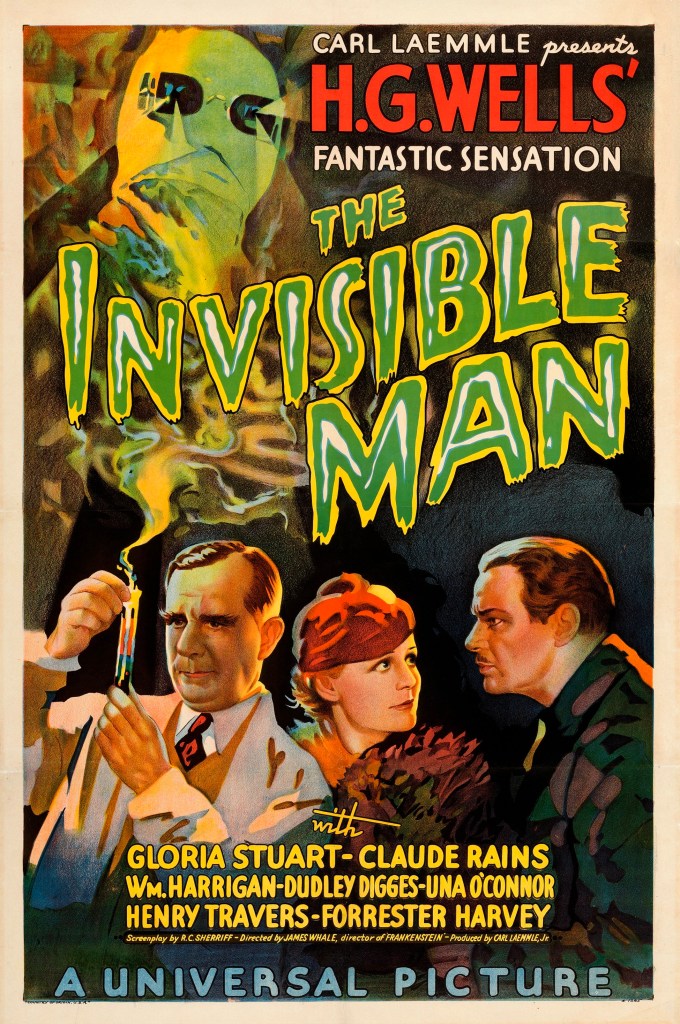
James Whale’s 1933 filmThe Invisible Manturns 90 years old later this year, and remains a quick-witted, vivid early science-fiction thriller.
I sat down with the 19-year-old to watch it again recently, and at the end, he turned to me and said with a note of surprise, “That was really good!” Not all of those sometimes antiquated black-and-white horrors would get that kind of reaction, but The Invisible Man remains a model of slick, efficient filmmaking, in and out in just over an hour’s run time.
The story is simple – a man turns himself invisible, and is trying to find a cure. But the experimental formula he tampered with is also slowly driving him insane.
The Invisible Man is one I watch every few years and clustered right up there in the top 3 Universal Horror movies for me (jostling with, of course, my beloved Creature from the Black Lagoonand depending on my mood that day, either James Whale’s Frankenstein or Bride of Frankenstein).
Whale was the best of the classic horror directors, lending a keen visual eye and a wry sense of camp to his scare-fests. Pairing him with the stage actor Claude Rains here was a masterstroke, because for huge sections of the picture the Invisible Man has to carry the film with his voice alone, and Rains’ purring, manic mad scientist is a gleeful delight, pinballing between vicious cruelty and tragic victim. (Originally Frankenstein’s Boris Karloff was tipped for the role, and while I love Karloff, it’s hard to imagine his sinister invisible growl having quite the same impact.)
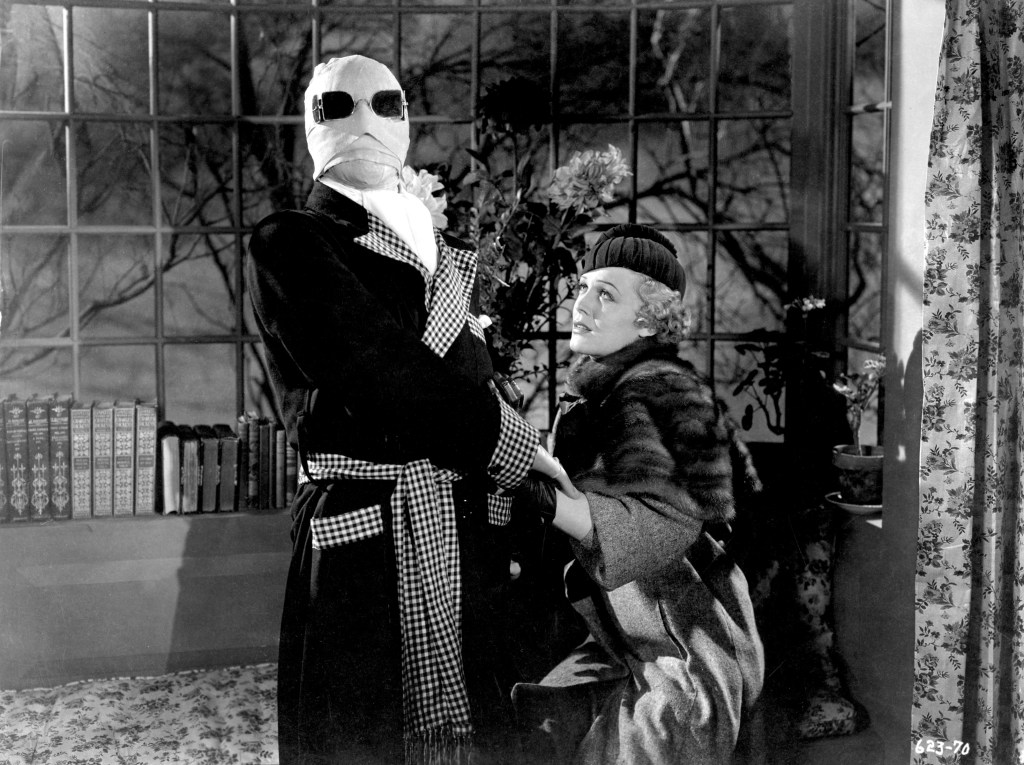
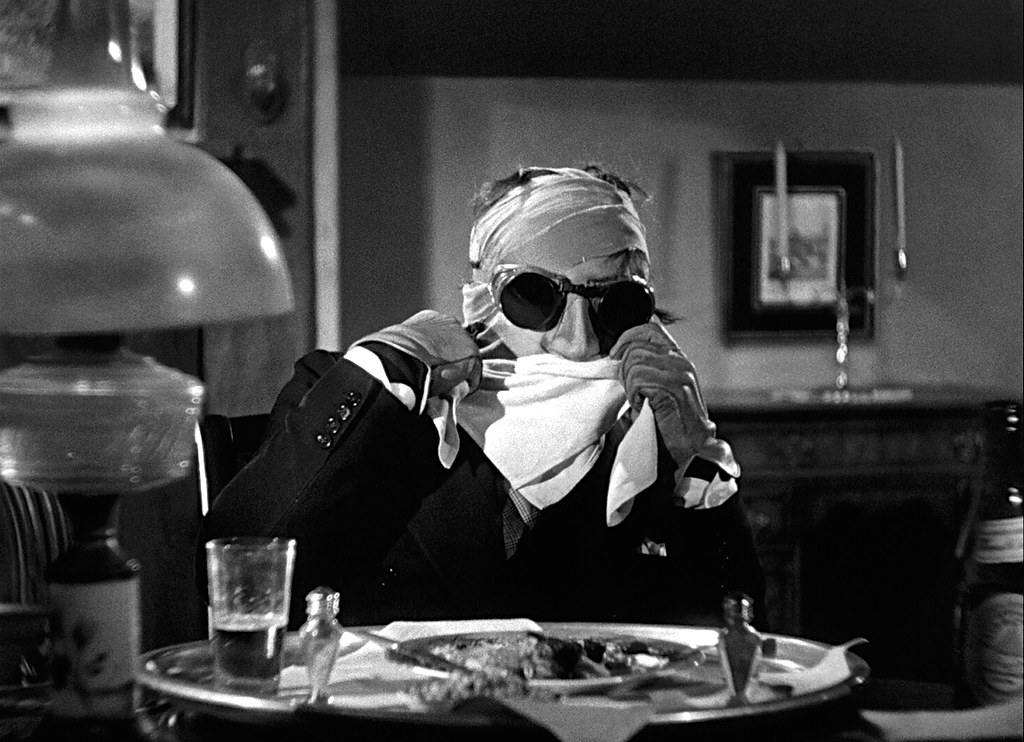
Based on H.G. Wells’ thrilling novella, Jack Griffith, the Invisible Man, is instantly a striking figure from his first moment on screen, wrapped in bandages and dark glasses, a simple but brilliantly effective way of rendering the character visible when he needs to be. The special effects are remarkably good for 1933, a few wires and puppetry seamlessly creating the illusion of a man who isn’t there.
The Invisible Man also unique in the classic Universal Horror menagerie because Griffith is very much an ordinary man who did this to himself, not some mythical creature like Dracula or the Mummy or a victim of others’ meddling or evil like Frankenstein’s monster or the Wolf Man. He is human, which makes his crimes that much more brutal.
Griffith: “An invisible man can rule the world. Nobody will see him come, nobody will see him go. He can hear every secret. He can rob, rape and kill!”
And hang on to your hats – with more than 100 people murdered during his reign of terror, the Invisible Man actually had the highest body count on screen of any Universal monster – more than Frankenstein’s creation, more than Dracula. Sure, most of that is the terrifying train derailment he causes near the movie’s climax, but Griffith still strangles, assaults and terrorises with gleeful abandon.
Coming as The Invisible Man did in that delicate global tension between the devastation of World War I and the genocide of World War II, it’s hard not to see many a would-be dictator’s fantasies in Griffith’s speeches.
Invisibility is a curious dual curse and blessing in the world of horror – you could go anywhere, in theory, do anything, but if you can’t turn it on and off, you’re also forever separate from the human race, a witness without an audience.
The concept has been revisited many times, in a series of gradually less effective sequels in the ‘40s, none of which starred Rains, and a goofy Invisible Woman movie in 1940 that made the concept into a laboured comedy with a lot of teasing innuendo, but generally invisibility seen on screen is a man’s world.
More modern movies like Kevin Bacon’s 2000 slasher flick The Hollow Man and the excellent 2020 Invisible Man starring Elisabeth Moss leaned into the Invisible Man’s toxic masculinity with mixed results but there’s something to that – an Invisible Man also implies sex (generally in these films, you’ve got to be naked to be truly invisible, after all) and stalking and predation, factors most of the Invisible Man movies dip into. To be honest, to be invisible is generally to be up to no good, isn’t it?
And looming over all those spectres is the inimitable Claude Rains, who 90 years on has yet to be truly bettered in the niche world of invisible horror movie villains. From that unforgettable bandage-clad visage to the cackling madness echoing through his voice, Rains still shows us that there’s nothing quite as scary as what you can’t see at all.
Mummy monster movies have always fascinated me, even if there’s never been a truly great mummy movie like there have been for Frankenstein’s monster or Dracula. The very visual idea of a corpse wrapped in bandages touches on some kind of universal terror. They’re not zombies – they’re something kind of worse, caught forever in a sort of half-life. I dressed up as a mummy one year for Halloween wearing yellow pajamas that were draped in toilet paper. The paper unraveled after a few blocks, but I didn’t care. Mummies are cool, man.
Universal Pictures brought the first mummy movies to the cinema, not too many years after the discovery of King Tut’s tomb created a kind of Egypt-mania. But while Universal churned out five Mummy movies in the ’30s and ‘40s, they’ve never quite been regarded as classics like Bride of Frankenstein or The Invisible Man. Still, the first time I saw these movies years ago, there was something about them I liked.
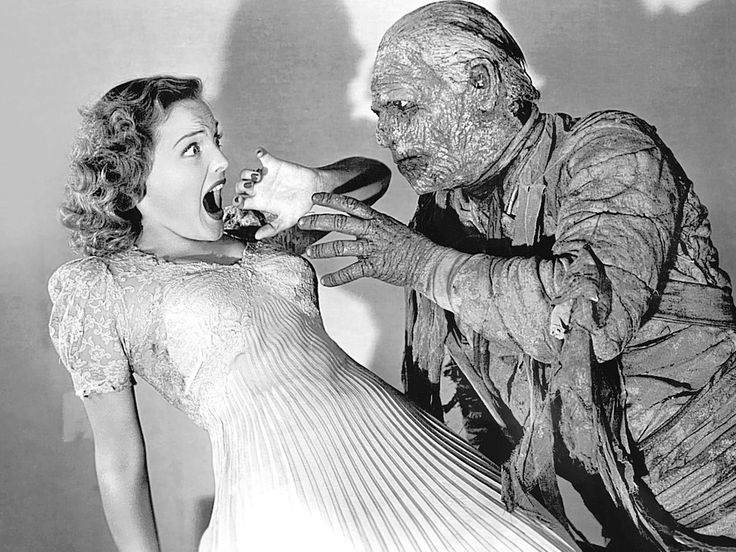
As a “character,” the Mummy in the Universal movies is generally lacking, especially after the first Boris Karloff film. He’s mute, he shambles and lurches and somehow still manages to kill a lot of people despite only having one working arm and leg. But darn it, he just LOOKS great, with the iconic makeup by Frankenstein’s monster magician Jack Pierce, and there’s something I like about the idea of an ancient horror coming to life in modern America. While the Mummy is a somewhat blank canvas compared to flashier movie monsters, you can see a lot of his relentless stalking and silent menace in later killers like Halloween’s Michael Myers and Friday The 13th’s Jason Voorhees.
Most of the 1940s Mummy series is formulaic to a fault, and increasingly cheap, each one barely over an hour long. Yet I still enjoy them for what they are – pulpy monster stories that don’t demand too much of you, but you’ll be guaranteed to see some murderin’ mummy action and just enough moments to remind you of why the very idea of a mummy still creeps us out.
The Mummy (1932)
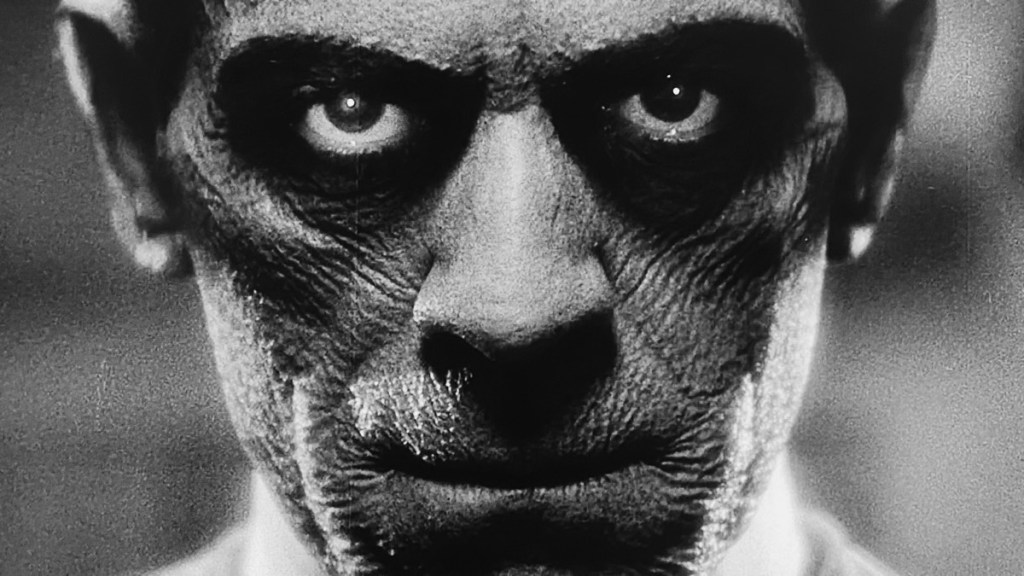
The one that started it all, but if you’ve never seen it, it’s very different than you might think. On a high from Frankenstein, Boris Karloff stars as Egyptian high priest Imhotep, the “mummy” of the title, but he only actually appears wrapped up in linen for one brief scene. For the rest of the movie, the revived Imhotep is an eccentric yet apparently ordinary man, working as an Egyptian historian. Imhotep’s secret is that he’s searching for the reincarnation of his lost love, and hatching a millennia-old plot of revenge and lust. The Mummy is far more of a kind of Gothic horror than a monster movie, a gorgeously filmed slow burn with Karloff delivering one of his best performances as the creepy stalker Imhotep. It’s more of a ghost story, really. There’s only that brief proper mummy scene but throughout the film makeup mastermind Pierce gives Karloff a withered, haunting look. The Mummy is not quite scary, but genuinely disturbing and bitterly sad, the story of an eternal lost love. Karloff’s haunting eyes tell a story better than even the best makeup could, really.
Rating: Four and a half pyramids (out of five)
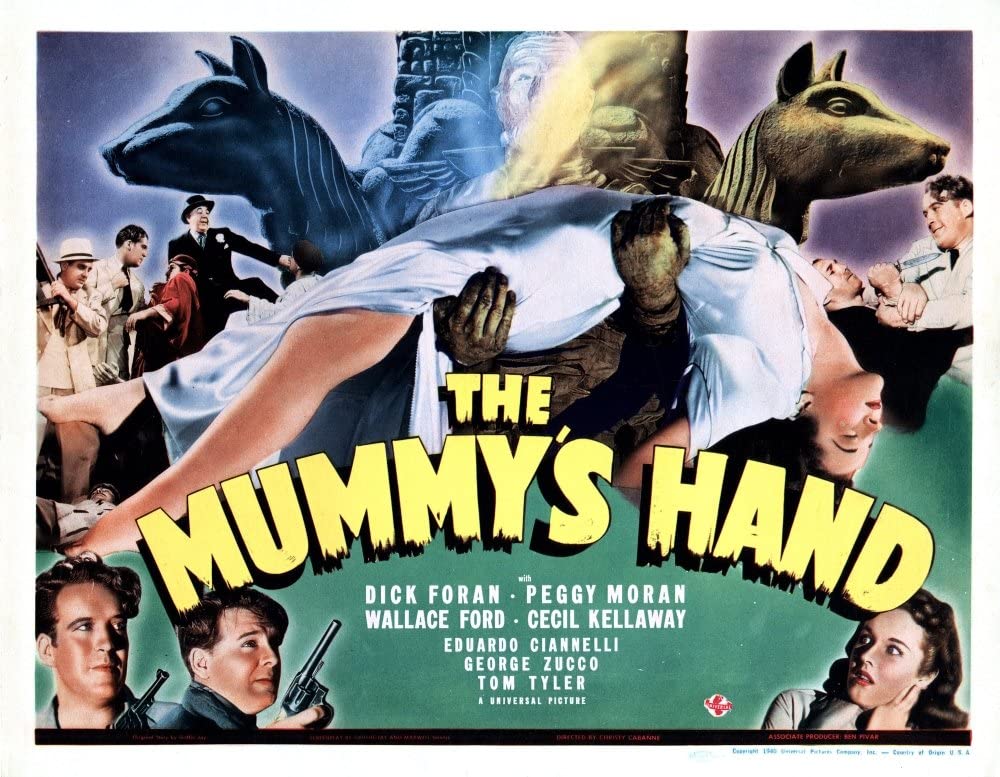
The Mummy’s Hand (1940)
The idea of movie “reboots” didn’t exist in 1940, really, but for all intents and purposes, Mummy’s Hand starts an entire new series of Mummy movies, introducing the ancient Kharis (Tom Tyler). The shuffling “mummy stereotype” that most of us first think of when we think of mummies begins here, in a gaudy B-movie that, while inferior to the arty drama of The Mummy, was actually lot more influential on the mummy image over the years. Thousands of years ago, Kharis attempted to bring his dead lover Princess Ananka back to life, but was caught by the temple priests and mummified alive for his crimes. Centuries later, a group of adventurers discover his tomb in Egypt and accidentally free him, and thus the murdery hijinks ensue. Much of the plot that animates the entire series starts here – an ancient order of cultish priests have guarded the mummy’s secrets for centuries and Kharis is kept alive by “tanna leaves” that rejuvenate him from his hibernation. Unfortunately the cool ideas at the heart of Mummy’s Hand are buried in sloppy execution, a slow plot, dated racial condescension towards the Egyptian people and far too much lame Abbott-and-Costello style comic relief with the highly annoying sidekick “Babe” (Wallace Ford). I rarely wanted a supporting character to be strangled by a mummy as much as I did “Babe.” While this one sets the template for the franchise, with an ever-returning Kharis wreaking vengeance in various ways, it’s a pretty dull monster movie, with sub-par Indiana Jones-style antics and no mummy action until well over halfway through. While Tyler’s reptilian Mummy is very creepy – with vivid blacked-out eyes, he’s a lot scarier than his successor Lon Chaney Jr would be – he gets very little screen time.
Rating: Three pyramids
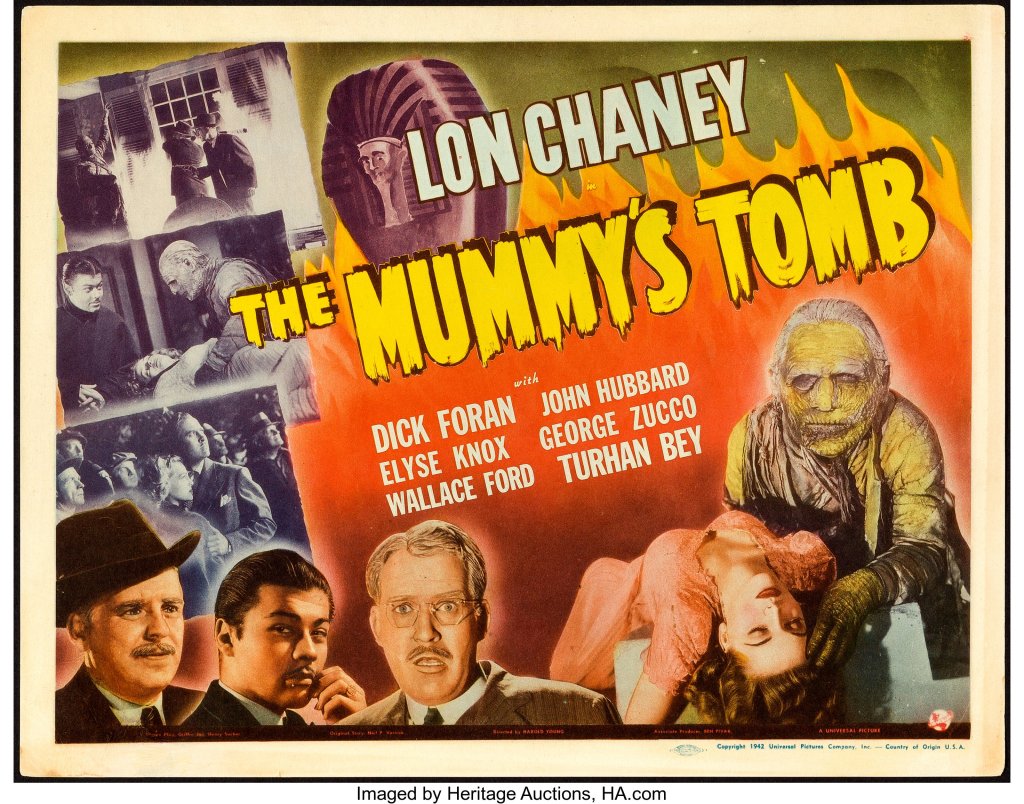
The Mummy’s Tomb (1942)
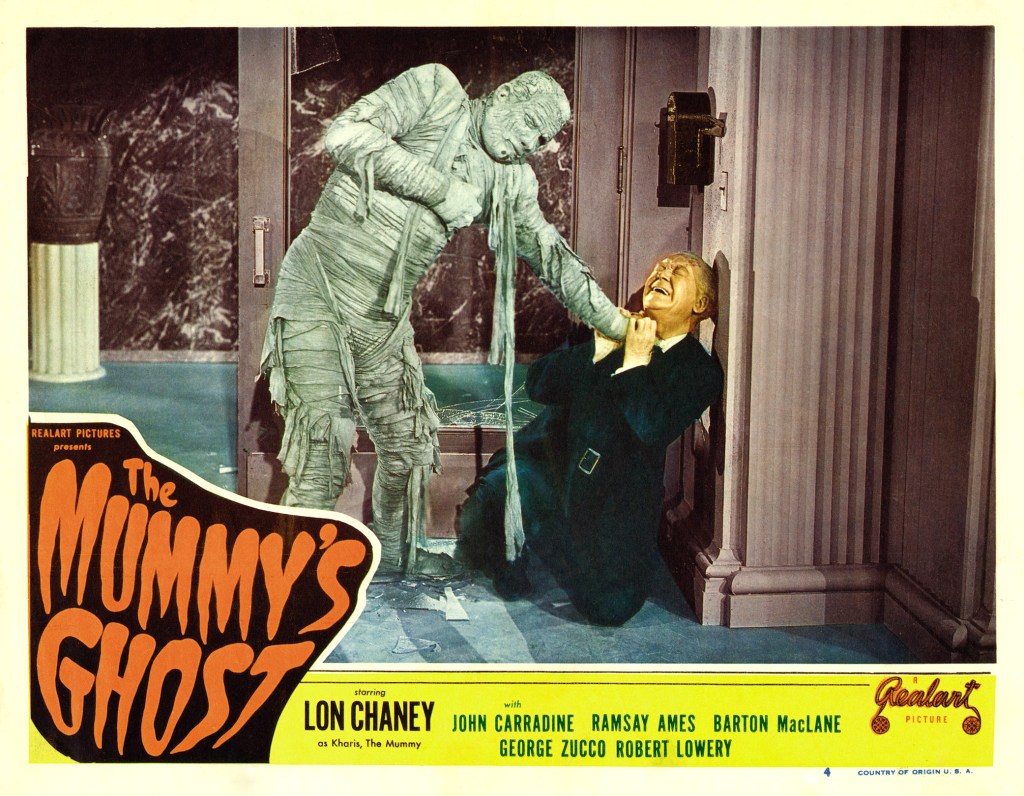
Arguably, the best of the movies after the Karloff original, once you get past the pointlessly long 10-minute recap of the last movie at the beginning. For one thing, annoying Babe returns and is quickly killed off by the Mummy, who goes on a major revenge murder spree here. The story picks up 30 years after Mummy’s Hand, with the returned Mummy and his Egyptian sidekick (an excellent, feline Turhan Bey) now in America. They’re hanging out in a New England college town hunting down members of the expedition from Mummy’s Hand and wiping them out without mercy. I actually quite like them bringing the Mummy to America, where his old-world menace seems somehow more terrifying and disorienting. Having the Mummy stalk suburban streets is highly creepy. Nobody escapes the Mummy’s curse, these movies constantly remind us, and they actually live up to that claim by wiping out any survivors from previous movies quickly. It’s Lon Chaney Jr’s debut as the Mummy he would go on to play for three movies, but it’s hard to imagine a less thankless role for an actor. He’s mostly played as an unthinking weapon. Even Frankenstein’s monster could emote more, and Chaney reportedly hated the job (fun fact – the alcoholic Chaney reportedly gimmicked the mummy costume up so he could sip vodka all the day long). Despite its flaws, this feels like the platonic ideal of a Universal Mummy movie, and it’s got far more Mummy action than the first two in the series, and a spectacular fiery climax which is probably the best “boss battle” we get in these Mummy movies.
Rating: Four pyramids
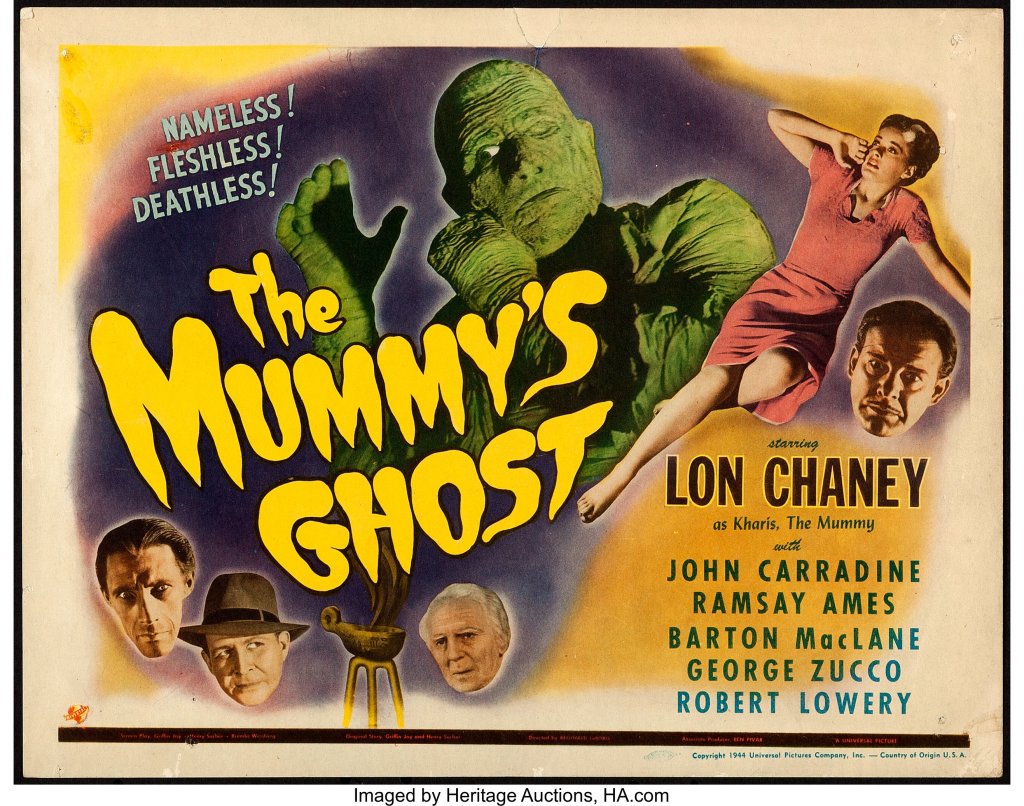
The Mummy’s Ghost (1944)
By Mummy No. 4, Universal’s mummy-mania started to unravel a bit. The by-now mandatory “ancient Egyptian priest passes on his duties” features the priest who died at the beginning of The Mummy’s Tomb! The best and most interesting bit is the idea of Kharis’ doomed lover Princess Ananka being reincarnated into the modern day, an idea first introduced in the Karloff Mummy and later used in the Hammer and Brendan Fraser Mummy franchises. Ever since The Mummy’s Ghost resurrected (sorry) the idea, if you’re doing a mummy story, you’ll probably fit reincarnation in there somewhere. Unfortunately, that plot is introduced in a movie that feels almost like a step-by-step remake of Mummy’s Tomb, with Kharis once again murdering his way around New England. The cast are uniformly forgettable except for John Carradine (in a bit of unfortunate brown-face) as the latest sinister Egyptian cult handler for Kharis, but Lon Chaney gets to emote a little bit more in the stifling Mummy makeup than usual. Also, there’s a cute dog. What lifts Ghost from total mediocrity is the bleakest ending of the entire series, where for once, the monster basically wins. The Mummy movies are all pulpy silliness, but the final scene where the monster and his doomed reincarnated love sink into quicksand always haunted me a little. Unfortunately, dead never means dead when you’re a mummy and there was one more to go…
Rating: Three and a half pyramids
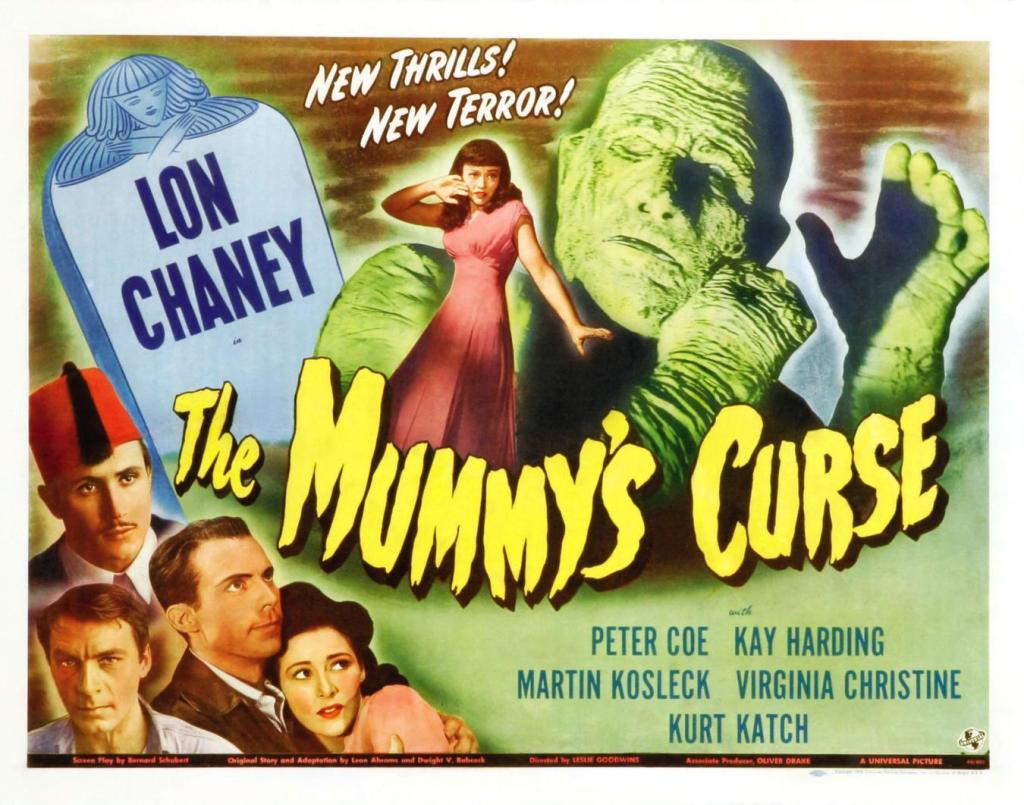
The Mummy’s Curse (1944)
Churned out less than six months after Ghost, which has to be some kind of record. The Mummy’s Curse immediately gets off on the wrong foot by picking up 25 years after the last movie with the Mummy still lost in a swamp, except for some inexplicable reason instead of New England the setting is now a hackneyed cajun Louisiana filled with cringeworthy Black stereotypes. (A character actually says, twice, “The devil’s on the loose and he’s dancing with the mummy!”) A kind of hacky laziness dominates Curse, which with the slippery flexible timelines of the series should logically be set sometime around the year 1995. In addition to Kharis coming back, the reincarnated Princess Ananka also gets to rise from the dead in this one as an amnesiac – the best scene in the movie is when she rises, eerily, from the swamps. It’s one way the otherwise rote Curse breaks a bit from the formula. The leading man here is so colourless he’s almost transparent, and the entire movie feels like a rerun – once again, we get a lengthy exposition scene and flashback by those pesky inept Egyptian priests and once again we hear about the magic of tanna leaves, and for the third movie in a row a priest betrays the Mummy because he gets the hots for a girl. Poor Lon Chaney doesn’t even get to appear unmasked as Kharis in the flashback scene, because as part of the general cheapness old Tom Tyler footage from Mummy’s Hand is used again. Universal’s Mummy series was never Shakespeare, but by instalment number five all the life had been squeezed out of the premise, which actually ended pretty definitively in Mummy’s Ghost. It’s amazing how this one-armed, one-legged slow Mummy managed to strangle quite so many people during his run, though.
Rating: Two pyramids
Was this the final blessed peace of the grave for the mummy? Well, Kharis was done, but mummies would return again and again, next in the rather daft Abbott and Costello Meet The Mummy in 1955, and then with Hammer’s quite good Christopher Lee-starring The Mummy in 1959 and many other mummies in the years since. You can’t keep a good dead man down.
He was the last of the monsters, the creatures who stalked the screen in vivid black and white, the horror icons of an age before blood ran red on the screens. Ricou Browning, who died this week at age 93, was the last living person who played one of the classic Universal Movie Monsters.
The Universal monsters – Boris Karloff’s Frankenstein, Bela Lugosi’s Dracula, The Mummy, The Invisible Man, Lon Chaney Jr.’s Wolfman and more – lit up the screens in the 1930s through 1956 and helped define what we think of when we think of movie monsters. You think of Frankenstein’s monster, you think of Karloff’s looming golem, you think of Dracula, you probably think of Lugosi’s slick old-world menace. I fell in love with the Universal movies as a kid during afterschool TV marathons when I first watched flicks like Ghost of Frankenstein and The Mummy’s Hand.
But my favourite was 1954’s The Creature From The Black Lagoon, which I taped on a battered VHS cassette that I watched over and over periodically for years. It’s still a succinct, chilling little fable about man meddling with nature and the uncanny allure of how beauty killed the beast. The monster was one of the best movie designs of the era – perhaps only second to Jack Pierce’s Frankenstein makeup – and recently Mallory O’Meara’s book The Lady From The Black Lagoon delves into the fascinating, contentious story of how it came to be.
Browning played the Gill-Man in the underwater scenes in the first Creature and the sequels Revenge of the Creature and The Creature Walks Among Us, a role which technically didn’t require a lot of acting – I’d imagine most of his attention was taken up by actually trying to swim in that monster gear. Yet, those scenes in the first movie particularly where the Gill-Man drifts, ominously, beneath the grey waters and stalks the gorgeous Julie Adams are indelible landmarks in creepy horror. Adams, the object of the Creature’s affections, died herself a couple years back.
The few minutes where the Gill Man and Adams do a kind of underwater duet, the monster mirroring his unaware obsession, are among the finest in Universal Horror history.
The silent way the Creature stalks Adams, nearly touching her drifting toes, made an impression on Young Nik watching on TV reruns, and the influence of a scene like that – where horror is implied, rather than splashed and splattered – can be seen everywhere from Jaws to John Carpenter’s original Halloween all the way on up to the modern day in your better horror movies.
Browning, who was just a kid when he first donned that gill man suit 70 years ago, outlived his fellow Universal monster actors by more than 50 years – Karloff, Lugosi and Chaney Jr. were all gone by 1973 – and for years he enjoyed his peculiar fame on the convention circuit among the still quite active world of classic horror fans. Unlike Chaney Jr and Lugosi, who died neglected addicts, he lived a long, fulfilling life (among his other movie underwater credits were Flipper and James Bond’s Thunderball).
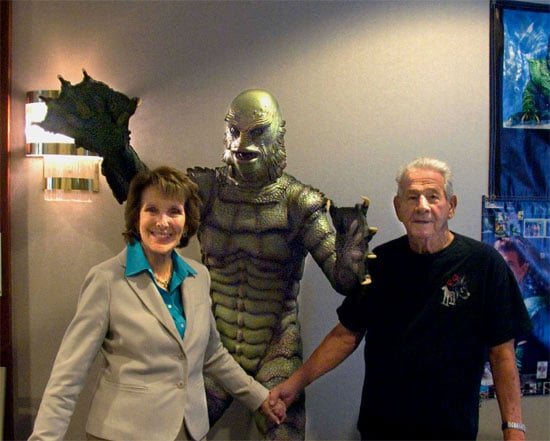
Julie Adams and Ricou Browning in 2014 (Photo: Monster Bash News)
Still, Ricou Browning was the last of his kind – the unforgettable monster from the deep who swam beneath your feet, always in black and white, terrifying and yet slightly sympathetic like the best of monsters. Universal’s Classic Monster greats are all gone now, but they still lurk on, flickering away every time I rewatch one of the classic scares.
It’s the spooky season, and Halloween is nearly upon us! What better way to celebrate than lining up a handful of horror movies – since I outgrew trick-or-treat, my favourite way to mark the holiday.
Vampires are a Halloween mainstay, and for my Halloween post, here’s my Top 13 Movie Vampires (many more could have made the list, but I decided to stop with the spooky 13).
Where it all began
Nosferatu (Max Schreck) Nosferatu, 1922:One hundred years old this year, the first major screen vampire in this not-quite adaptation of Dracula is still horrifying. Apparently some people even thought Schreck was a real vampire! The movie is brisk and terrifying even after a century, and features several shots that are among the greatest in horror history. Sure, you could argue this Nosferatu doesn’t really have a character, but who cares when he’s this scary?
Dracula (Bela Lugosi), Dracula, 1931: The ultimate interpretation of Dracula, so iconic that Lugosi spent the rest of his life both chasing and running away from it. It’s hard to look at a role like this that’s passed into legend with fresh eyes, but watch it again sometime and see how Lugosi sinks his teeth (sorry) into his sexy, strange vampire. Everyone from Anne Rice to Twilight owes him a debt.
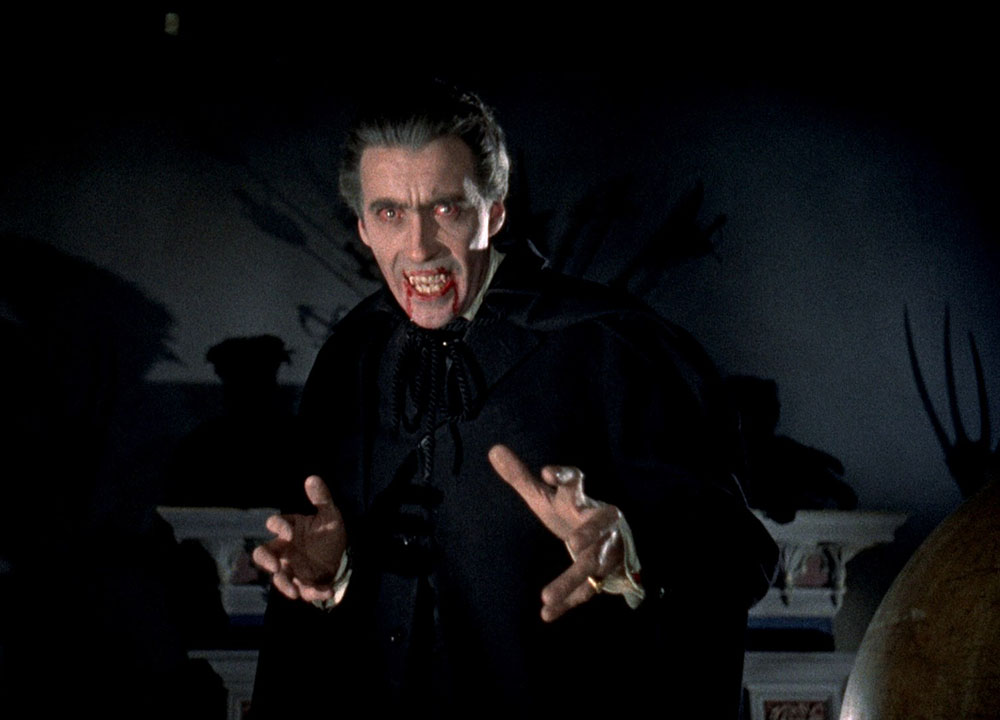
Dracula (Christopher Lee) Lots of Dracula movies, 1958-1973: The thing about Christopher Lee is he looked great as Dracula in a whole series of Hammer Films vampire flicks even when the movies themselves were rather sloppy and stilted and had titles like Taste The Blood of Dracula. They even made the mistake of having Lee – one of the best horror voices of all time – nearly mute in several of the movies and his character and competence seemed to change from film to film. None of that really matters, because besides Lugosi, Lee is the finest dark prince ever to play the role.
Regal vampires
Countess Marya Zaleska (Gloria Holden) Dracula’s Daughter, 1936: It seems weird in these days of never-ending franchises, but Lugosi did not return for a proper Dracula sequel. Instead, this ‘sidequel’ introduces his supposed daughter, the gloriously goth Holden. It’s one of the many bashed-out Universal Horror cheapies that barely run over an hour, but Holden’s sultry Zaleska is a striking, strong and modern creation – witness the barely concealed lesbian subtext in one famous scene.
Lestat (Tom Cruise) Interview With A Vampire, 1994: Man, there was an outrage back in the day about Tom Cruise playing Anne Rice’s bratty vampire, but every time I watch this, he seems a little bit better – preening and smug, he blows a sleepy Brad Pitt off the screen. I still haven’t seen the new TV reboot yet, but for my money this flick captures the lush absurdity of Rice’s prose very well.
Blacula (William Marshall) Blacula, Scream, Blacula Scream!, 1972-73: William Marshall was better than the material in the Blacula movies, which are a silly blaxploitation hoot with few moments of real terror. But boy, did Marshall act the heck out of Blacula, giving a wounded dignity and majesty to his cursed African prince that lifts the movies themselves. His grand booming voice alone ensures a place on this list.
Totally ‘80s Vampires
David (Kiefer Sutherland), The Lost Boys, 1987: Come on, who didn’t want to be a Lost Boy after watching the hooligan vampire gang led by Sutherland’s David storming around Santa Cruz, where weightlifting saxophonists wail away the night? Flashier, sexier vampires became a big thing in the ‘80s, and the hair-sprayed, sultry crew led by David were among the vanguard.
Jerry Dandridge (Christopher Sarandon), Fright Night, 1985: As this list shows, the ‘80s were a terrific time for vampire reinventions. Here’s the yuppie vampire, smooth scarf-wearing Jerry Dandridge, played with memorable charm and snark by Sarandon. The meddling teenager next door is sure Dandridge is a vampire – needless to say, the kids are always right.
Severen (Bill Paxton) Near Dark, 1987: The white trash dark reflection of that same year’s Lost Boys, Kathryn Bigelow’s vampire western is a magnificently tense and gorgeously filmed story of a band of roaming vampires and the young cowboy who falls in with them, but the whole dang movie is nearly stolen by the late great Bill Paxton’s swaggering, sleazy Severen, a member of the vamp gang who honestly does not give a damn and storms through every situation like a pure creature of the id. He’s terrifying, and hilarious.
Darned weird vampires
‘Space girl’ (Mathilda May) Lifeforce, 1985: She’s a kind of space vampire, and she spends about 95% of her screen time utterly naked in Tobe Hooper’s bizarrely grandiose sci-fi/horror epic. It’s a trashy movie but it’s also so determined to be weird, from an overacting Patrick Stewart to its swirling, cosmic climax. It’s not a very coherent film, but May’s stoic, creepy otherness makes her nude dark creature fascinating.
Jiangshi, Mr. Vampire, 1985: Chinese vampires are weird. This insane Sammo Hung comedy horror introduced mass audiences to the Chinese folklore “jiangshi,” hopping corpses who are somewhere between zombies, vampires and leapfrogs. The vampires in this movie are creepy because they’re so far from what Bela Lugosi made us think of, more animal-like than anything, and its success led to an explosion of wild, weird films.
Not quite vampires
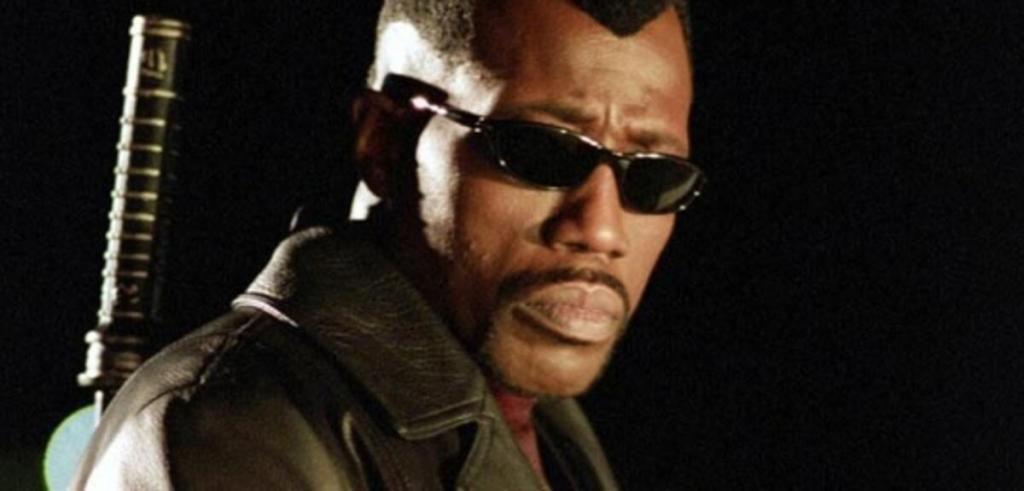
Blade (Wesley Snipes) Blade, Blade II and Blade III, 1998-2004: Wesley Snipes’ attitude-filled vampire killer who’s also a reluctant vampire himself was the first Marvel comics character to actually star in a hit film, and the blood-splattered, over-the-top Blade series is still a heck of a lot of fun, combining action movie energy with gory horror.
Peter Loew (Nicolas Cage) Vampire’s Kiss, 1989: Cage is well known for going over the top. In Vampire’s Kiss he not only goes over the top, he launches himself into outer space. In this unhinged, extremely black comedy, he’s a yuppie sleazebag who apparently is bitten by a vampire. Cage goes “full Cage” as his character gradually loses his mind, eating cockroaches and screaming through the streets of Manhattan. It’s hilarious, but it’s also one heck of a piece of method acting. You’ll never forget it.
Honourable Mention: The vampires from What We Do In The Shadows; The Hunger; Let The Right One In; Nosferatu (Herzog remake); Only Lovers Left Alive; Count Yorga; Buffy The Vampire Slayer.
One of the greatest horror movies of all time debuted 90 years ago today. In its honour, here’s a post I originally wrote in 2010 about the enduring power of Frankenstein:
It’s a little late for Halloween, but I’ve been in a monster movie frame of mind. The classic monster movies, that is, which to me have always been the Universal Pictures horror of the 1930s to 1950s — Frankenstein, Dracula, The Wolf Man, et cetera. I loved ’em as a kid in the 1980s and lately have been on a jag watching some of these classic black and white flicks for the first time in 25 years or so. What’s amazing is how well many of them still hold up, particularly those starring the man who I’d say was the king of monster movies — the original and best Frankenstein’s Monster, Boris Karloff.
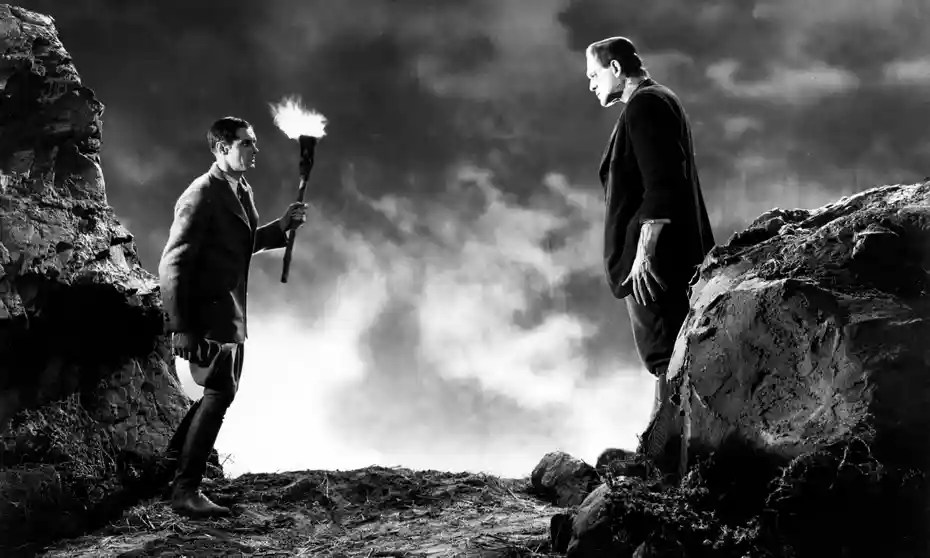
Bela Lugosi‘s immortal Dracula seems to get more ink today, and Lon Chaney Jr‘s tragic self-loathing Wolf Man was also great, but Boris Karloff created a monster who defines horror. Try not to imagine Frankenstein’s Monster as the cliched star of everything from breakfast cereals to video games to really bad Hugh Jackman movies. Instead picture the Monster as he first appeared in 1931, looming from the darkened screens. An abomination against life, a morality tale about man’s desire to play god, a creature cursed for the way he looks.
The very first scene when we see the Monster in “Frankenstein” is remarkable. The Monster walks eerily backwards into a dark and gloomy room, almost unnoticed for a fraction of a second — then the camera abruptly quick-cuts inward, two beats, to an extreme, silent close-up of Karloff’s heavy-lidded, haunting eyes. It’s still chilling 80 years after it was filmed.
Karloff’s portrayal is a marvel of economic emotion, terror and innocence all bundled together. The physicality Karloff brought to the Monster defines it; the locked-kneed, lurching walk, flailing hand movements, the monosyllabic grunts and groans.
The famous “monster meets the blind hermit” sequence in “Bride of Frankenstein” is a bit hard to watch without bias today because Mel Brooks’ “Young Frankenstein” did such a glorious job of sending it up, but try to picture it as it seemed in 1933. It’s an amazing little character arc, as the Monster learns and grows an astounding amount in just a short time, from guttural grunts to emotion-packed short sentences. Treated with brief kindness, we see his potential, which makes what happens next that much more stinging.
The naked emotional need of the blind man and the Monster is startling. But what we’re seeing here is a real attempt at human connection between two utter outcasts, a connection that is of course shattered by the outside world’s cruelty. “Alone: bad. Friend: good.” That line could have sounded awful done wrong, but Karloff puts just the right spin of hope and sadness on it. The genius of Karloff is in full flight in this scene, as he’s alternately savage, needy and rocked with childlike glee. He helped form the whole “monster you feel kind of sorry for” motif we’ve seen everywhere from “King Kong” to “Twilight.”
Karloff’s skill is more notable when you compare his portrayal to that of other actors who’ve played the Monster — in the many sequels to the 1931 movie we saw actors like Glenn Strange and Lon Chaney Jr. take on the role, but they lacked that almost-sweet innocence Karloff brought. What was a character of real tragic depth became the more familiar lumbering monster we now know, still cool, but not quite as shocking and strange as the half-human Monster Karloff created in the first three films. And Frankenstein’s Monster on film since has never quite managed the power of the Karloff years.
Bela Lugosi has been cast as a kind of cinematic cautionary tale over the years, with Martin Landau’s indelible Oscar-winning portrait of him in his decline in Ed Wood forever painting the Dracula star as a drug-addicted has-been stuck in terrible no-budget movies. Hell, even Bauhaus sang mournfully for him in “Bela Lugosi’s Dead.”
While Lugosi certainly had his problems, his career at its peak was fiery, and his presence on screen had a brooding Gothic grandeur that’s been imitated by every Lestat and Twilight sparkle-vampire wanna-be ever since.
The sad thing is that Bela Lugosi very rarely got to play the hero. His iconic performance in Dracula defined him, for better or worse, and the ensuing typecasting meant that he rarely played non-villainous roles. He was also hobbled by the thick Hungarian accent he never quite shed.
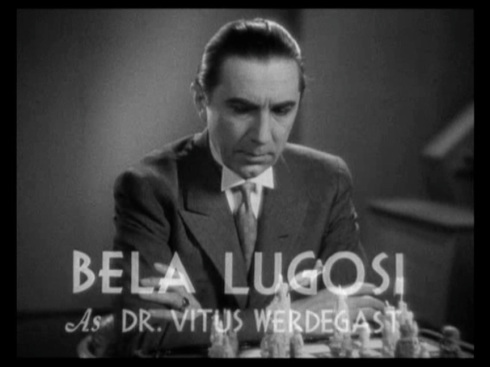
But in one of his best roles, 1934’s The Black Cat, he got to play a daring kind of anti-hero, teamed with Boris Karloff for the first time in one twisted piece of pre-Code horror. Lugosi is Dr Vitus Werdegast, a former prisoner of war who returns to exact vengeance upon his traitorous commander, Hjalmar Poelzig (Karloff). Dr Vitus’ mission gets tangled up with two fresh-faced newlyweds who become pawns in a showdown between him and Poelzig.
At a brisk 69 minutes, The Black Cat is Universal Horror near its peak – all razor-sharp shadows and crackling thunder, but with a creepy, real-life edge that foresees the horrors of the Nazi party. The monsters here are all very human. Poelzig, who’s not just a war criminal but a bona fide Satanic cult leader, is one of the more unnerving villains Karloff ever played, all sallow, black-eyed stare and unrepentant malice.
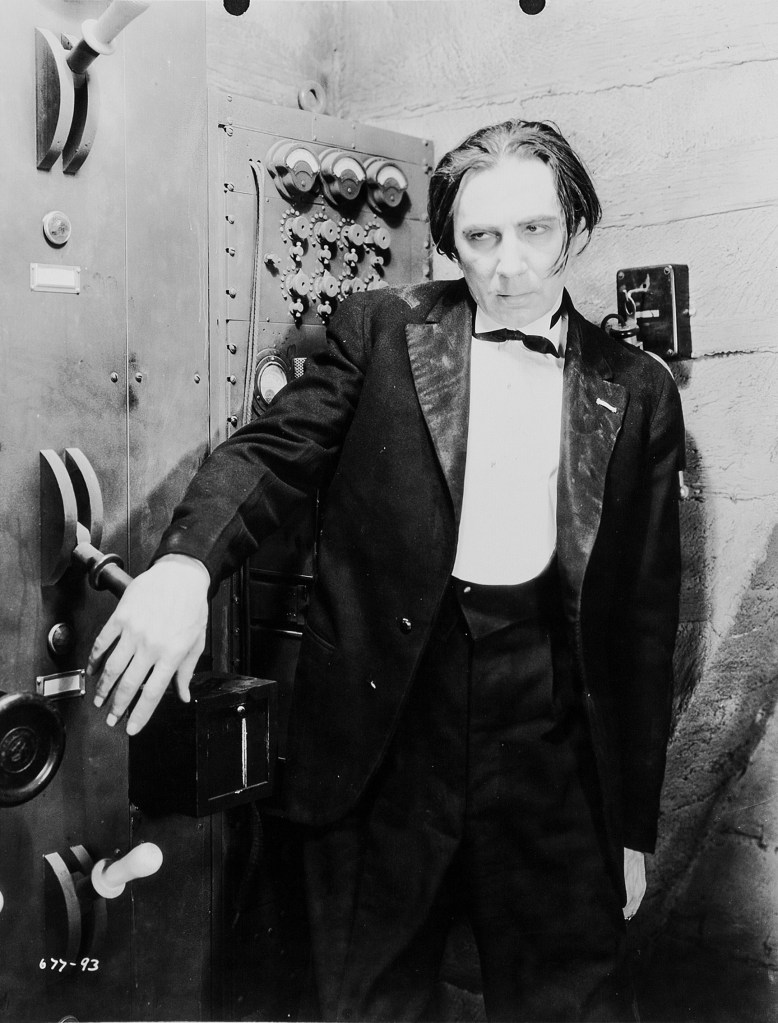
But it’s Lugosi who steals The Black Cat, looking impossibly handsome and dapper as Dr Vitus, vigorous and strong. (It’s interesting to realise that Lugosi was actually a bit taller than Karloff, who played the towering Frankenstein’s Monster.) He’s a haunted man, but one who wants to do the right thing. The tragedy of The Black Cat is that in doing so, he is seen as a villain too.
There is a scene where Dr Vitus discovers the preserved corpse of his wife, kept in a glass case by the madman Polezig (I told you this was a twisted bit of pre-Code horror!). The agony and shock that plays over Lugosi’s face in this moment is a masterpiece of horror acting.
Of course, The Black Cat is hokey – the newlyweds are a plot device, Lugosi’s character’s inexplicable hatred of cats is kind of hilarious today (at one point, he straight up murders a cat!). But there’s a primal fear to it too that movies from Texas Chainsaw Massacre to Saw have mined ever since, about good people ending up in a web of unspeakable random cruelty.
I love the brief image we get of Lugosi as the doomed hero, a good man shattered by wartime cruelties and the sadistic tortures of Poelzig. In the end Dr Vitus gives himself entirely to revenge and cruelty, mutilating Poelzig, and flicking the switch to blow up everything and almost peacefully, intoning, “It has been a good game.”
In another world, maybe Lugosi would’ve played the hero more often. But when he did, he was unforgettable.
I’ve written oftenbefore about my undying love for Creature From The Black Lagoon. It’s one of the best Universal monster movies of all time, a fantastic creepy love story with a fairy tale’s elegance and one of the most unforgettable monsters of all time. As a fanboy, I thought I knew almost all there was to know about it.
Milicent Patrick (1915-1998) was never quite a Hollywood superstar. She was a talented artist and designer, a model and a minor actress in a slew of b-movies. But she had a keen creative eye and before her career was derailed by depressingly familiar sexism, she worked for Walt Disney as one of very few women in animation (including on the classic “Fantasia”) and later on, she designed creatures for movies like “This Island Earth.”
But her biggest claim to glory today is that she designed the epic look of the Creature From The Black Lagoon. The Creature is, I’d argue, the second-best monster design of all time (sorry, but Karloff’s Frankenstein’s monster has to take the top crown). It’s alien, yet human; terrifying, yet captivating.
Unfortunately, the elegant, humble Patrick rarely got the credit she deserved for the work – a nasty piece of work named Bud Westmore who ran makeup for Universal Studios took all the credit, and later fired her entirely when Patrick actually started to get some acclaim for her designs (and ample publicity for what, at the time, was a novelty of an attractive young woman working in horror movies). That same sad story of a poor excuse for a man destroying a talented woman’s livelihood can be found a thousand times in Hollywood history.
“Lagoon” is an often angry book – O’Meara’s conversational, amiably digressive style makes it very clear how personally she takes the tale of Patrick’s rise and fall. Women are often treated worst of all in traditionally male-dominated industries. You don’t have to look further than outraged fanboy reactions to “Captain Marvel” or “The Last Jedi” to see how cancerous the worst of fossilised blokes can be. Patrick went on to have a pretty decent life post-Hollywood, but you still wonder what could’ve been. I love the classic Hollywood films, but you just can’t ignore that they were a very male-dominated, non-diverse world, and think about how many Milicent Patricks were out there.
In “Lagoon,” O’Meara also shows the hard work that goes into the biography of a somewhat obscure person, hunting down leads and tracing dusty steps in the past. The story is as much about her and her experiences as a young woman in Hollywood as it is about Milicent Patrick. Some of the anecdotes O’Meara tells of her own treatment are truly dismaying, especially because they are all too common. The real monsters are still out there in Hollywood, hiding in broad daylight.
“Lady From the Black Lagoon” is well worth reading for any fan of classic film, and O’Meara deserves applause for shining a spotlight on the many unremembered women who played a part – and deserved to play a bigger one – in crafting the films and creatures that haunt our dreams.
Julie Adams wasn’t a household name, but she was legendary in her own way as one of the last surviving “scream queens” of the classic Universal Monster movies of the 1930s-1950s. Adams died at 92 this weekend, and horror geeks like me are mourning her today.
She had a lengthy and impressive career, but it was as the damsel in distress in 1954’s “Creature From The Black Lagoon” that Adams swam through our dreams.
She was probably one of the very first celebrities I ever got a crush on, when I saw “Creature” on TV sometime in the early ‘80s. On the page, Adams’ part is nothing too special – the standard “scientist’s girlfriend” seen in a hundred other movies of the era, who has a monster fall in love with her. Yet there’s something so iconic about Adams in the film, with her white swimsuit and wide-eyed charm.
The scene where she swims idyllically in the lagoon while underneath, the misshapen Creature stalks and pines over her, is the blueprint for a thousand other sequences like it (you wouldn’t have the famous opening of Spielberg’s “Jaws” without this scene).
“Creature” itself will always be in my top 10 movies – elegant, simple and yet pulsing with unexplained mysteries and thanks to Adams’ unforgettable performance, a primal sensuality. Sixty-five years on, it still simmers and entertains.
I can take or leave the Oscars a lot of years, but when Guillermo Del Toro’s superb, dreamy “The Shape of Water” won Best Picture and Best Director last year, I cheered. More than anything Del Toro’s masterpiece is a loving homage to the mystery and magic of classic horror movies, “Creature” in particular, and I couldn’t help but feel it was almost as if the Gill-Man himself was getting a belated honour from the Academy. Del Toro himself wrote yesterday, “I mourn Julie Adams passing.It hurts in a place deep in me, where monsters swim.”
The only remaining star of note from “Creature” left is none other than the Gill-Man himself, Ricou Browning, 88, who played the monster in the swimming scenes. When he’s gone, the final curtain will draw at last on the Universal Classic Monster series. But they’ll continue to haunt the dreams of movie-loving fans forever.














 I’ve written
  But her biggest claim to glory today is that she designed the epic look of the Creature From The Black Lagoon. The Creature is, I’d argue, the second-best monster design of all time (sorry, but Karloff’s Frankenstein’s monster has to take the top crown). It’s alien, yet human; terrifying, yet captivating.
 In “Lagoon,” O’Meara also shows the hard work that goes into the biography of a somewhat obscure person, hunting down leads and tracing dusty steps in the past. The story is as much about her and her experiences as a young woman in Hollywood as it is about Milicent Patrick. Some of the anecdotes O’Meara tells of her own treatment are truly dismaying, especially because they are all too common. The real monsters are still out there in Hollywood, hiding in broad daylight.
 Julie Adams wasn’t a household name, but she was legendary in her own way as one of the last surviving “scream queens” of the classic Universal Monster movies of the 1930s-1950s.
 Nik Dirga
