The 10 Best Movies of the 21st Century, according to me

What film geek can resist the nerdy pleasures of making a list? 

The New York Times has embarked on a fun project this week listing the best 100 movies of the last 25 years, which 500 Hollywood actors, directors and others voted on. 

All these lists are subjective and should never be taken utterly seriously, but at the same time, they can point you toward movies you’ve never heard of (Patton Oswalt is making me hunt down the obscure to me Coherence, for instance) or make you appreciate those you have seen with a new eye.

One of the cooler features of this project is the NYT allowing you to nominate your own list, which gosh, is almost like being in The New York Times yourself, isn’t it?

Everyone has their own list, and that’s a cool thing. I’m not here for the outrage or the ranty YouTube videos about why that choice or this choice sucks. Art is democratic, whether we like it or not. 

After an hour or so of scrambling, debating and pondering, here’s what I came up with for my favourite 10 movies from 2000-2025: 
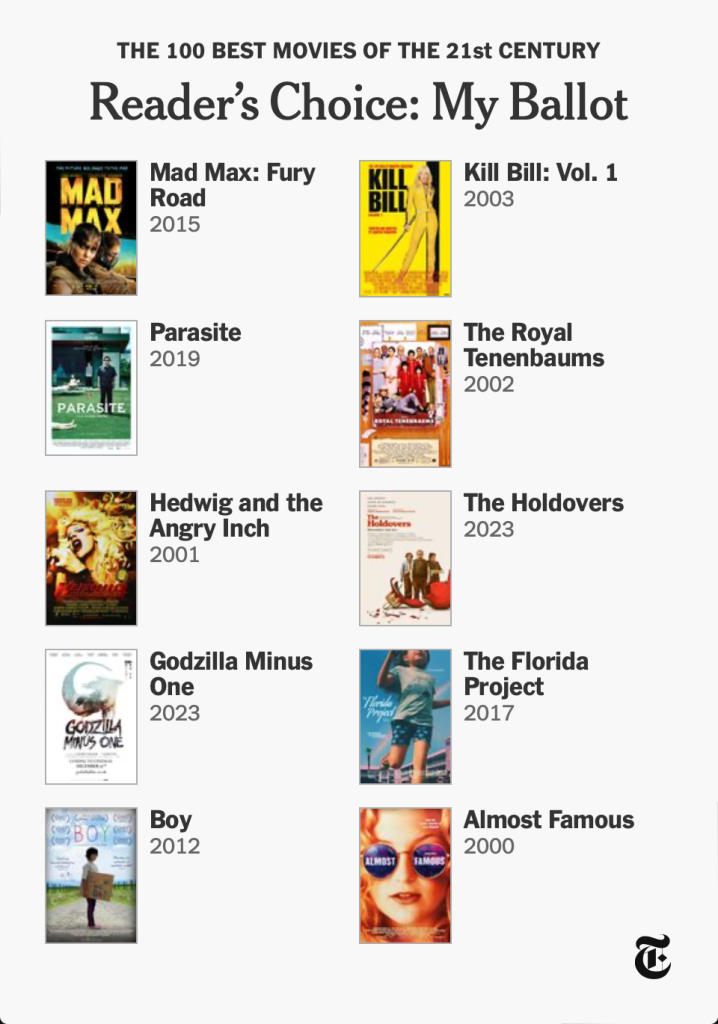
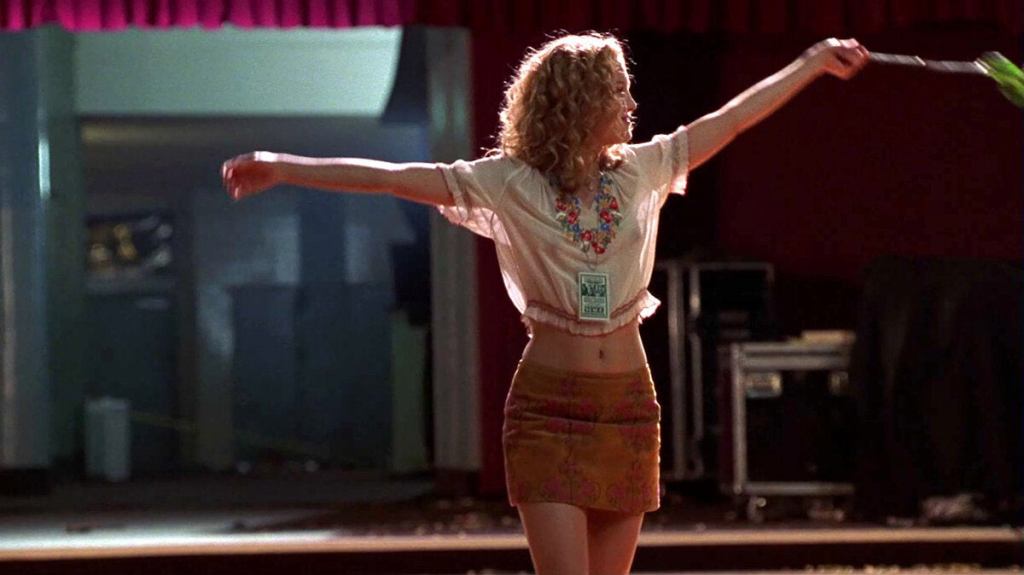
Almost Famous (2000) – Whatever happened to this Cameron Crowe? A movie as sincere and comforting as a bowl of chicken soup that gives us a fan’s view of ‘70s rock stardom through teen journalist William Miller’s wide eyes. 

Boy (2012) – Taika Waititi broke through with this deadpan and witty story of a lonely Māori boy growing up on New Zealand’s remote East Cape, and while Taika’s career has gone up and down since, this is one bloody great Kiwi film, you eggs. 

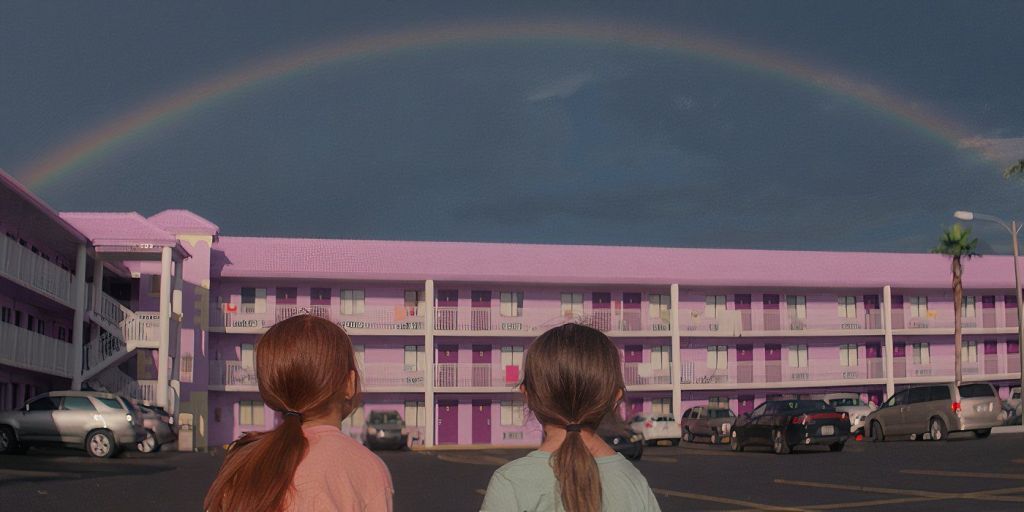
The Florida Project (2017) – Sean Baker won all the Oscars for last year’s great Anora, but this utterly heartbreaking story of a young girl and her mother living on the edge of the American dream might just be his masterpiece – realistic and raw, somehow both despairing and impossibly optimistic at the same time. 
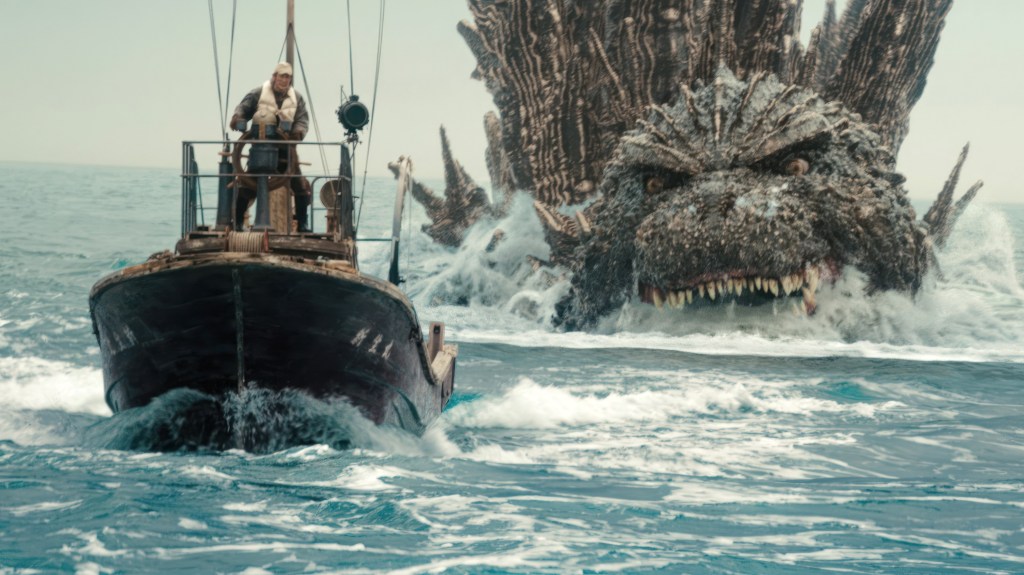
Godzilla: Minus One (2023) – A movie that finally met the full potential of all Godzilla’s world-breaking metaphors, and made it a deeply compelling human story about trauma too, without skimping on the carnage. A miracle of a movie, really, for us Godzilla nerds. 

Hedwig And The Angry Inch (2001) – I am a sucker for a good musical, and John Cameron Mitchell’s gender-twisting odyssey of sexual self-discovery and acceptance only seems to get more relevant with time, especially here from the timeline of the great culture wars. 

The Holdovers (2023) – Some movies you just fall in love with, and Alexander Payne’s cozy comedy-drama about a curmudgeon teacher and a misfit student forced to spend winter break together hits all the sweet spots for me. It’s about who you hope to be and who you end up being.

Kill Bill: Volume 1 (2003) – I sometimes think Quentin Tarantino’s movies won’t age well in the long haul. Yet this one, a fevered homage/rip-off to every sleazy kung fu romp and revenge thriller, really sums up his energy and magpie talent better than almost every other movie he’s made this century. 

Mad Max: Fury Road (2015) – Unexpectedly, George Miller returned to the wastelands without Mel Gibson to make what’s still the best action movie of this century so far – a triumph of sweaty, real life filmmaking before CGI and AI slop rolled over everything. 

Parasite (2019) – There’s a reason Bong Joon-Ho’s groundbreaking foreign-language Oscar winner is on so many other best of lists, and that’s because his tense narrative of class struggle and envy speaks to every person, no matter what language the movie is filmed in. 

The Royal Tenenbaums (2002) – Wes Anderson has only got more stylised with age, but with this, his third film, he hit an emotional peak that was still full of quirky originality – that, and the late, great Gene Hackman in one of his finest performances. 

That top 10 is hardly set firm in time and space, because what’s the fun of doing that?

Ten more that barely missed the top 10 for me and might all end up on it on a different day in a different mood: American Splendor, Anchorman, Captain America: Civil War, Grizzly Man, Mulholland Drive, Oppenheimer, Perfect Days, Spotlight, There Will Be Blood, The Wolf Of Wall Street.
Pockets full of fun with Dennis The Menace

Once upon a time in small-town California, the old Shop N Save down the street from my parents’ house carried comic book digests, tucked in a corner of the magazine rack. Those cozy little 14 cm × 21 cm books full of reprints were quite in vogue in the early 1980s, and packed 100 pages or so of vintage reading for typically less than a buck. 

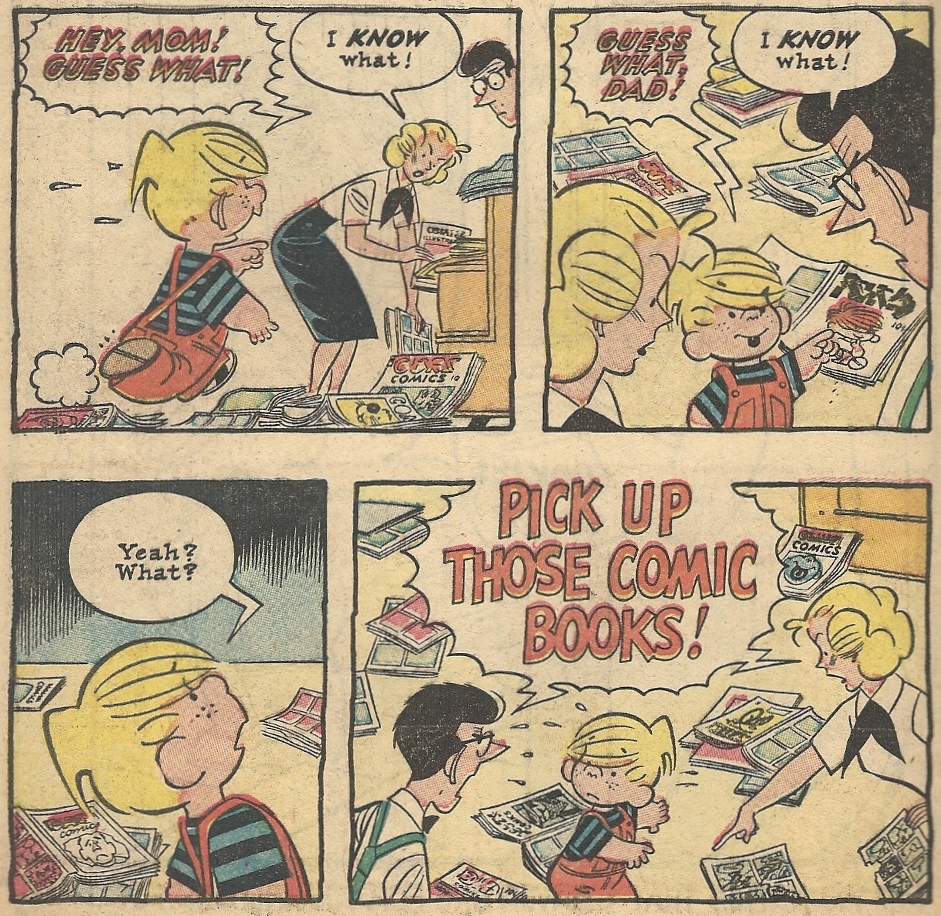
You’d see superhero reprints from DC and Archie stories, but the best of these digests, for me, were Dennis The Menace Pocket Full of Fun books, gathering up classic comics featuring the adventures of Hank Ketcham’s good-hearted but hyperactive perpetually 5-year-old kid hero Dennis the Menace (no, not that Dennis).

Dennis debuted in comic strips, but soon moved on to his own comic book adventures, overseen by Ketcham but usually drawn by others.

As a budding comics geek, I loved the digest format, although my increasingly aged eyes have found the poorly-printed DC Digests are now almost illegible without heavy magnification – those superhero comics weren’t meant to be shrunk down to pocket size, really. But Dennis, well, his pockets full of fun still hold up pretty well with the less cluttered, more open artwork and lettering, and are still easy to read. 

The funny thing is, I never really was a huge fan of the Dennis The Menace comic strip, or Hank Ketchum’s rather too loose and scratchy art. In my humble opinion, a single panel isn’t really the best comics format unless you’re The Far Side or something. The longer Dennis comics stories worked a lot better for me, letting the pint-size characters have actual adventures and giving Dennis a chance to bounce off his uptight parents in funnier settings.

When I read those Dennis Digests, I quickly figured out there was a “good Dennis” artist tucked in amongst the diligent anonymous imitators of that Ketcham style. There was one particular artist whose stories were packed with crisp, detailed artwork, hilarious slapstick and cartooning and a dynamic wit and energy that many of the other Dennis stories lacked. 

It took me years to figure out who that “good Dennis” artist was. Al Wiseman (1919-1988) was the Dennis “ghost” artist for many years. Working with writer Fred Toole he cracked out dozens of great Dennis comics stories in the ‘50s and ‘60s I discovered reprinted in those Pocket Full of Fun digests. 

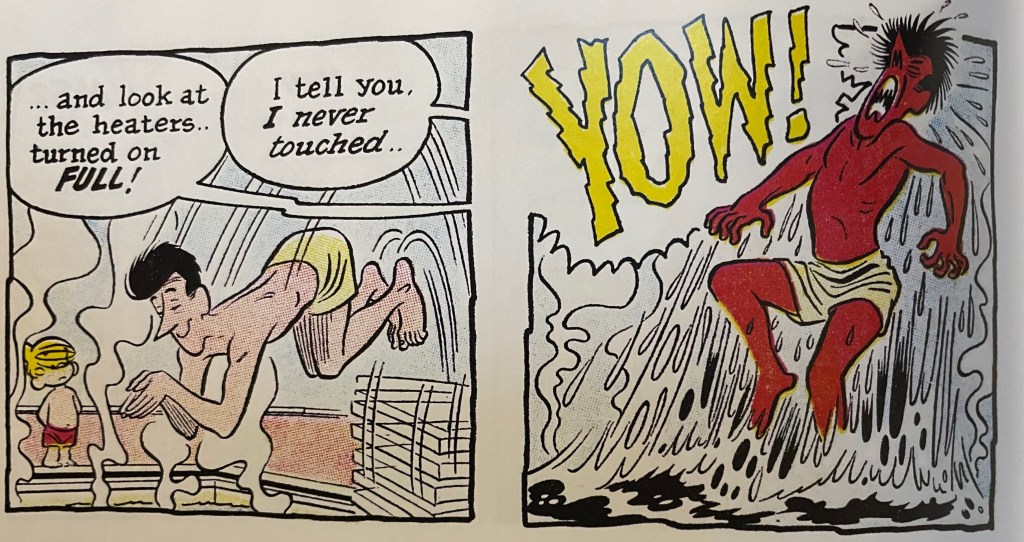
There’s something about Wiseman’s style I loved and still love. His cartoony characters are drawn slicker, with more style, his artwork lusher and more detailed – dig those fine ’50s style architectural backgrounds! And the lettering in Wiseman comics sparkles with personality, from the mellow “typewriter” conversational wording to the sharp, angular “shock” script he uses for yelling and screaming (and there’s always a lot of those in Dennis the Menace comics). 

These comic adventures were based in realism – Dennis a precocious but recognisable kid, his parents frazzled Henry and soothing Alice, his gang of neighbourhood friends. The grounded adventures tended to revolve around things like Christmas, family vacations, playing with your best pals – and as chaotic as they got, rarely moved into total fantasy, suiting Wiseman’s exquisitely researched art well. 

The stories became tailored to Wiseman’s strengths and particularly in a series of dazzling “holiday” specials – Dennis The Menace Goes To Hawaii, Washington DC, Mexico, Hollywood, etc – where all his skill at detailed renderings really came together. Goes To Hawaii is reportedly one of the best-selling comics of ALL TIME, with 4.5 million copies sold over several printings.

Ketcham continued drawing the daily Dennis strip till his death but somehow Wiseman and Toole’s work never quite got the appreciation or credit it deserved. Some of their work (along with the also very good Owen Fitzgerald, who had a looser style) was reprinted in some fine hardcover books a few years back, a series which sadly only ended up three volumes long.

At their best those Dennis digests packed with Wiseman goodness hit that “comics for kids and adults” sweet spot that geniuses like Carl Barks’ Donald Duck and John Stanley’s Little Lulu did. 

I long ago lost my childhood Dennis digests but have slowly rebuilt the collection over the years. Any time I see those Dennis digests pop up these days on the open market, I grab them, and any other vintage Dennis comics collecting that sweet Wiseman art.  

‘Still, I have the warmth of the sun’ – RIP to Brian Wilson

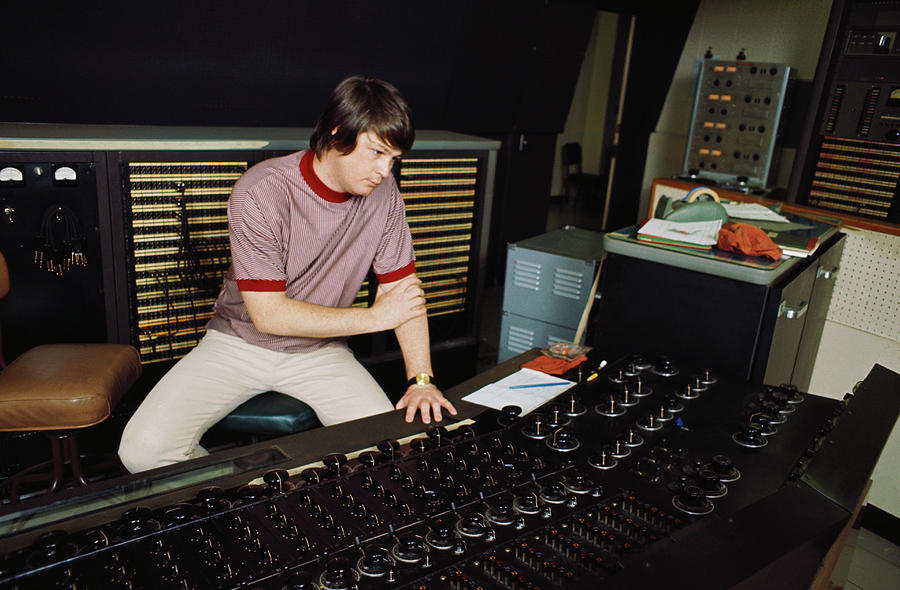
Brian Wilson’s music felt like the sound of America – beautiful, optimistic, full of big dreams and more than a little sad sometimes.

Beach Boys founder and principal songwriter Wilson died today at 82, after a career that changed American pop music and the world. 

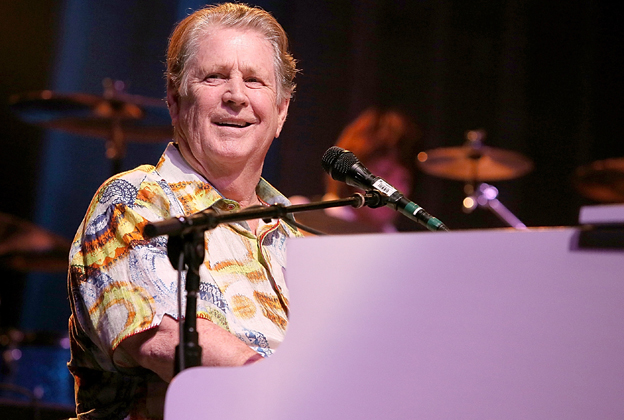
I was very glad to see Brian Wilson perform his classic album Pet Sounds in Auckland at the Civic in 2016 in what turned out to be his final show in Aotearoa. Then in his early 70s, he was fragile and seemed a bit off in his own reality, but he played those songs and gamely sang along the best he could (of course, the younger band members took those high falsetto notes). 

We loved Brian, that night, simply for showing up and for all that his music represents. Backed by a crack band, he sat at the piano for most of the show and the audience banter was mostly left to fellow ex-Beach Boy Al Jardine. But for anyone who made it there that night, it was a rare glimpse at genius. A nod and a smile from Brian Wilson felt like the sun breaking through clouds. 

I admit, I took a while to warm up to the Beach Boys, who seemed inescapably cheesy when I was growing up in the 1980s, when their only songs you heard were the incredibly catchy and annoying ‘Kokomo’ from Tom Cruise’s movie Cocktail and a painful duet of ‘Wipe Out’ with novelty rap trio The Fat Boys. 

But then, something clicked after I listened to The Beach Boys’ landmark 1966 album Pet Sounds several times. Brian Wilson led the group’s transformation from singing about sand, girls and cars to the existential yearning of ‘God Only Knows.’ 

The charming harmonies of their earlier frothier work were still there, but instead of surfin’ and chicks, Wilson’s gorgeous tunes like ‘Wouldn’t It Be Nice,’ ‘Caroline, No’ and ‘I Just Wasn’t Made For These Times’ tapped into some more elemental form of longing. The glossy surface of the best Beach Boys songs hid a world of emotion beneath. Why isn’t life as perfect as we dream it should be, and how do we survive it all? 

After Pet Sounds, Wilson became lost in a fog of drug use, collapsing mental health and creative frustration. The Beach Boys long-delayed album Smile became his waterloo, “lost” and never officially released until it finally came out in several versions years later. 

Wilson battled mental health problems and the trauma from an abusive childhood in an era where help wasn’t easy to get, where you were just told to toughen up and stop your moaning.

Still, Wilson came back from some incredible lows to perform and write again. He got back up, made it here to Auckland in his 70s and still was able to sing those songs about surf, girls and the inner workings of the heart. 

The early Beach Boys song ‘In My Room’ is a gorgeous melody, but in those lyrics –In this world I lock out / All my worries and my fears / In my room” – they summed up how all of us feel on our bad days, and our hopes for a better tomorrow. 

The Beach Boys weren’t quite as godlike as the Beatles, as dangerous as the Rolling Stones or as groovy as Sly and the Family Stone. Yet their music changed the world by selling that quintessential California optimism worldwide – surf culture everywhere, including New Zealand, would never quite be the same. But it was also selling Wilson’s more subtle messages, of working with your mental health and of finding peace in a complicated life. 

The 1960s saw American optimism start to crack for the first time, in ways we’re still seeing echoes of today. The Beach Boys were never revolutionary, but the best of their songs told us it was OK to sing about your feelings, to admit you were scared and to look for the beauty where you could find it. “Still, I have the warmth of the sun,” Wilson sang in another one of those songs about a girl who left him. There’s always sunshine somewhere. 

It’s been a bad week for music, with the death of Wilson and Sly Stone, two troubled twin dreamers who spun timeless songs out of the chaotic 1960s. Both men dazzled with their talent but spent years isolated and dealing with their own demons. 

I’m an agnostic, but I still like to think that somewhere out there in the cosmos right now Brian Wilson and Sly Stone are sitting there hanging out together writing the best song of all time, and maybe, just maybe, it’s the one we’ll all get to hear one day at the moment our own time comes.

Wouldn’t it be nice? 

Neal Adams just couldn’t help himself

First, a disclaimer: Neal Adams is one of the all-time great comic book artists, and a favourite of mine ever since I picked up some tattered ‘70s Batman reprints and discovered that dynamic, bold style that truly changed comic art.

Adams exploded on the scene with his Batman and other work in the late ‘60s and was a loud revolutionary – he broke comics out of their staid grids and made the comics camera move, and gave Batman, Deadman, Green Arrow, Superman and many more a radically realistic upgrade. His characters heaved with emotion and muscle. Adams, who died in 2022, was truly a trailblazer for comics.

But man, I wish he could have stopped tinkering with his comics. 

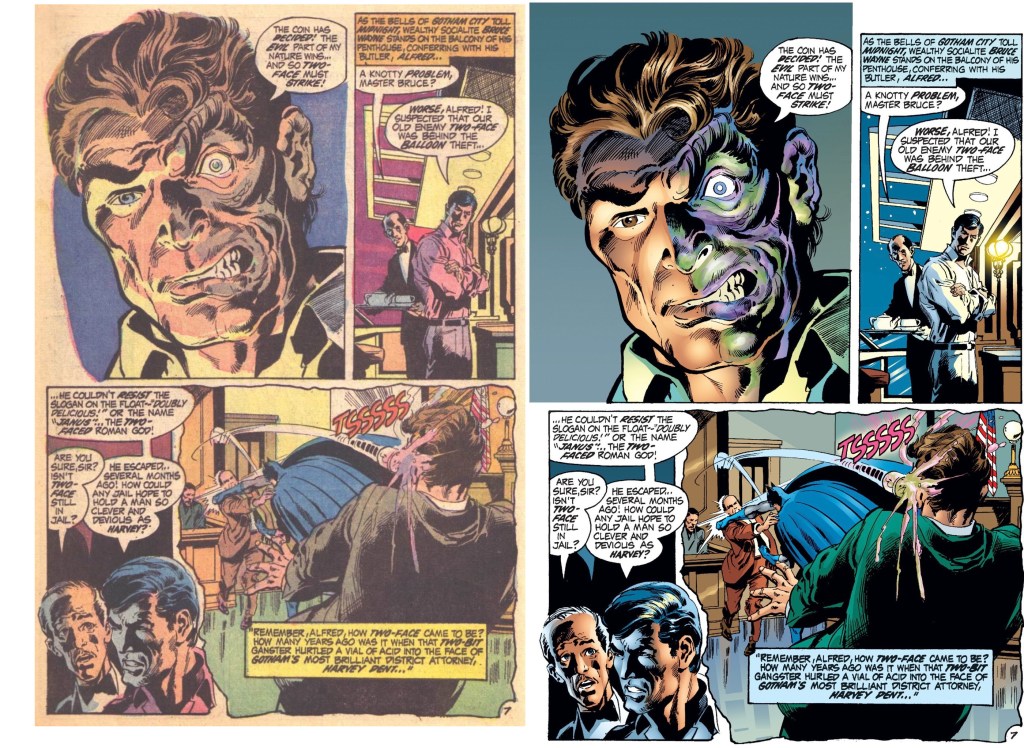
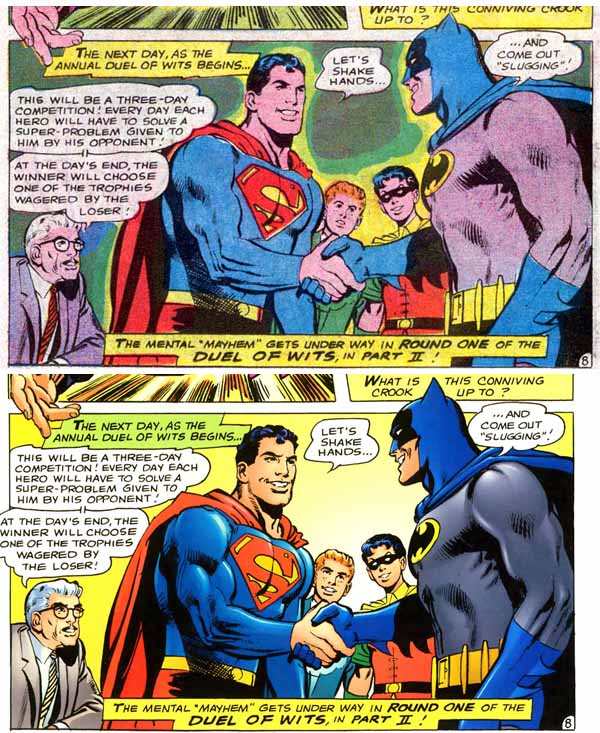
Adams was notorious for recolouring, relettering and even redrawing entirely his vintage ’60s and ’70s work when it was reprinted in fancy collections in later years. It almost never improved the art. It often made it a lot worse. 

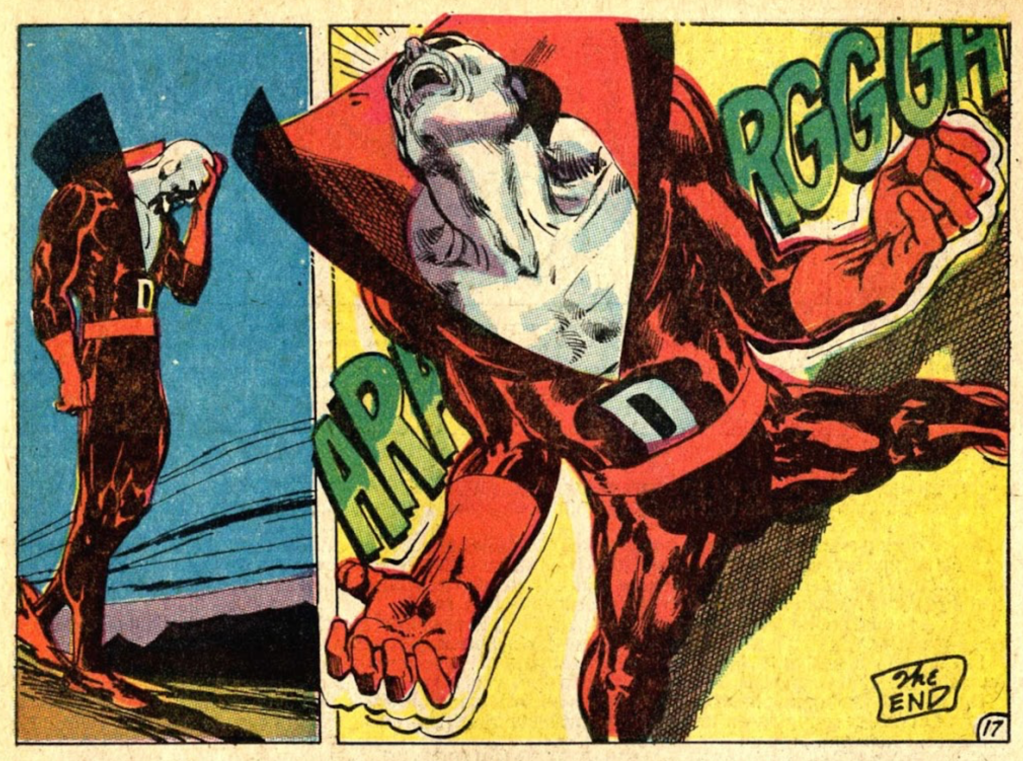
It was highly noticeable in a Deadman collection I was just re-reading, where Adams’ art is tarted up in garish colours that instantly look dated, re-lettered with bland computer lettering and woozy airbrushed looking highlights and backgrounds. The one on the left is the original. The one on the right in Deadman Book One is almost an entirely redrawn and reworked page.

A few pages later in this same collection, other Adams stories of the era are reprinted as they were – the same dynamic art is given a calmer, more fitting look with the original colours. The styles – old-school Adams and tinkering Adams – clash mercilessly when jammed together into one book. 

Even worse, in collections of his utterly iconic Batman comics of the era, too often they’re served up with gaudy new colors, hideous gradient backgrounds and art tweaking. Give me yellowing newsprint and the work that came from the pen at the time any day. 

Does it look more “modern” when Adams reworked colours and art? Sure, I suppose. But the point of old things is that they are old, and not intrinsically worse because of how they were done at the time.

I’m a developing cranky curmudgeon, I know, but the flatter colouring of vintage comics was just right for the time, and recolouring old comics in modern styles feels to me just as much of a creative violation as colorising old black and white movies is. 

This has all been quietly infuriating Adams fans for years, and it raises lots of hard to answer questions about fans, creators, and who has the agency. 

Like Adams, I believe in creators’ rights, and it’s a knotty question that if Adams wanted to “update” his work like George Lucas has bowlderised the 1977 Star Wars, isn’t that his right? I’m still working that one out. But I believe the work should be reprinted faithfully to how it was first produced. If you want to make a new “updated” version, too, knock yourself out, but don’t suppress the original.

Adams kept working all the way up to his death at age 80, although few fans would say later work like Batman: Odyssey and Fantastic Four: Antithesis lived up to the classics. Adams’ art also took a turn for the grotesque in his final years – all the dynamicism of his early work ‘roided up somehow to look more than a little weird. And let’s not talk about his writing, which was never his strong point:

All artists change their style as they go and so hey, Adams changed, that’s cool. But going back and reworking the work that put him on the map and making it difficult to even find the originally coloured and drawn versions in modern reprintings — well, I love Neal Adams, but I do wish sometimes he would have stopped tinkering and just appreciate his accomplishments as they stood.

He truly was one of the greats – and he was from the moment he first exploded onto the comics scene more than half a century ago. 

Pee-Wee As Himself: I know you are, but what am I? 

Pee-wee Herman was so uncool that he became cool.

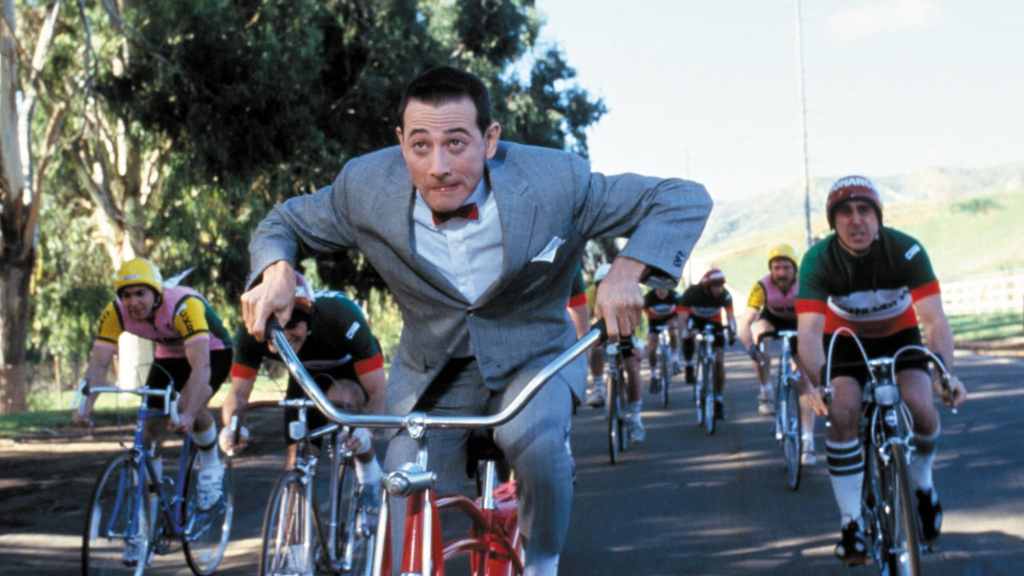
Watching Pee-wee’s Big Adventure in 1985, it felt like nothing I’d quite seen before – a colourful, free-spirited adventure of a peculiar man-boy who was searching for his lost bicycle. It kicked off Tim Burton’s career, and for a while, it and his popular children’s TV show made Pee-wee a superstar. Of course, it all fell apart a bit in the end. 

Up until his sudden death from cancer in 2023, Reubens wrestled with Pee-wee’s legacy – was the character eating him alive? It surely felt so at times. 

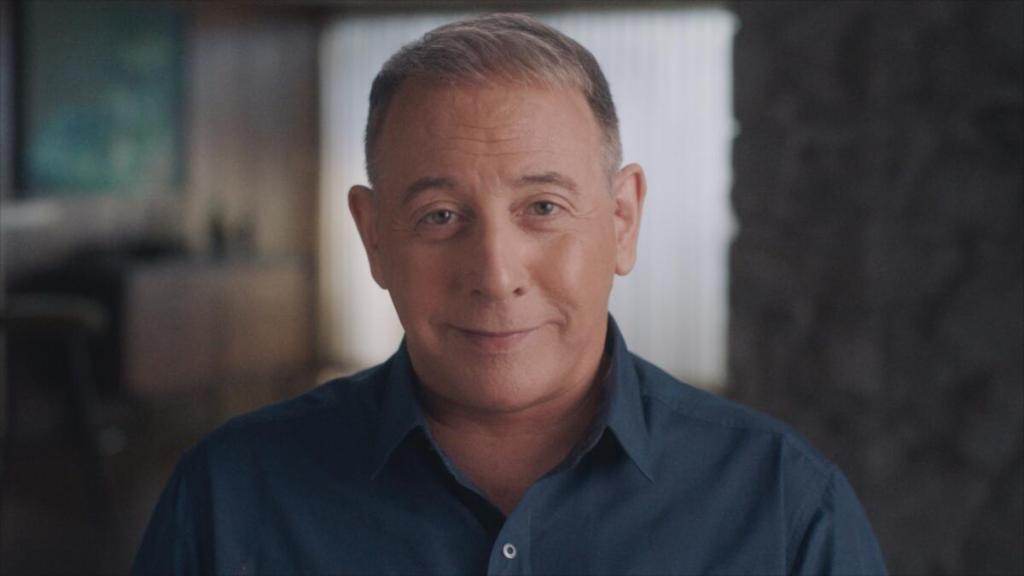
The fascinating new 3 1/2 hour documentary Pee-wee As Himself reveals Reubens as never before, in a posthumous tribute and confession from this remarkable, furiously independent man. 

I was one of the weirdos at age 13 when Pee-wee hit the big screen. Gawky, shrimpy and obsessed with comic books and action figures and all that jazz, I didn’t know who I was or wanted to be. Was I the good church-going Presbyterian my folks raised me as, or was I an artsy innovator – or was I both? I got picked on and called “strange” a lot in adolescence and to me, Pee-wee Herman was a revelation. He showed you didn’t have to fit in some “cool” box. Some found him annoying. I found him liberating. 

Even in the ‘80s, a decade filled with eccentric superstars from Mr T to Boy George to Michael Jackson, Pee-wee stood out. Almost never breaking character, Reubens created a kind of Peter Pan for the MTV generation. Pee-wee would never grow up (in his final appearance in the genial 2016 film Pee-wee’s Big Holiday, Reubens was 64 years old, but you’d barely know it). 

Pee-wee, freaky as he was, was a signal for many of us misfits and those struggling with their identity that it was cool to be just who you are. Both in his movies and the kid-friendly Pee-wee’s Playhouse, the ultimate message was acceptance – a vibe which feels more precious and precarious than ever here in 2025. 

What elevates this lengthy documentary is Reubens’ very vocal, opinionated participation, in 40 hours of interviews done shortly before his death. He spars with the director several times over whether he should be taking part at all, whether the documentary would be better if he directed it, and over just how much he wants to reveal. Reubens’ endearingly cranky debating feels like a discussion on the merits and failings of celebrity documentary as a whole, and somehow his tense reluctance makes Pee-wee As Himself feel richer and more multi-dimensional. 

Reubens hid his homosexuality for much of his career and a particularly heartbreaking revelation in the documentary is what that cost him. He abandoned one long-term relationship as a young man for his career, he bluntly admits, and he knew that in 1980s America he could never come out of that closet.

Of course, Pee-wee As Himself hits on the scandals – his 1992 arrest at an adult cinema, the very dodgy attempt to drag him over his collection of erotica in the early 2000s. Seen today when corruption and malice are everywhere, those so-called “scandals” seem pettier than ever and carry a large whiff of homophobia. 

It’s hard to fathom now just how omnipresent Pee Wee was in US culture after Pee-wee’s Big Adventure came out. He’d appear in rock videos and magazine covers and had toy dolls made of him, but he was always slightly, cheekily subversive. (Rewatching Pee-wee’s Playhouse episodes today as a creaky adult, you realise how much he played with the very idea of a kids’ show, and never, ever gave up on pushing those envelopes.) 

Pee-wee As Himself spends a lot of time exploring how Reubens came to create the character, and how the freeform experimentation of art school, performance art and the Groundlings improv troupe formed him. Reubens wanted to become a superstar, and embraced Pee-wee, who subsumed all the other character creations Reubens had been playing with and took over. 

Pee-wee went mainstream for a while, but was firmly a creature of the alternative underground tweaked just enough to “pass”. In today’s culture wars-infested world I don’t think Pee-wee Herman would’ve made it past the workshopping stage, although you can see hints of his wonderful surreal imagination in things like Adventure Time. 

I admit to choking up a little hearing what Reubens recorded the day before he died – even the filmmakers didn’t know about his cancer battle – and his last message: “I wanted somehow for people to understand that my whole career, everything I did and wrote, was based in love.”

The art of Criterion: Judging a movie by its cover

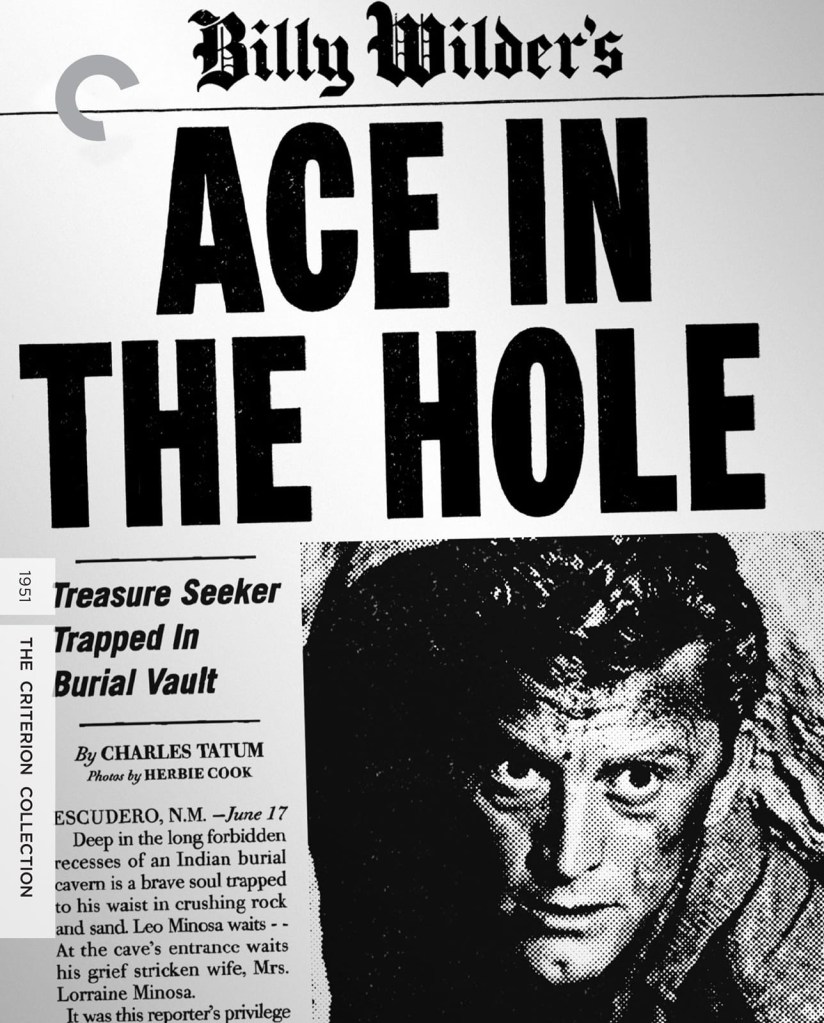
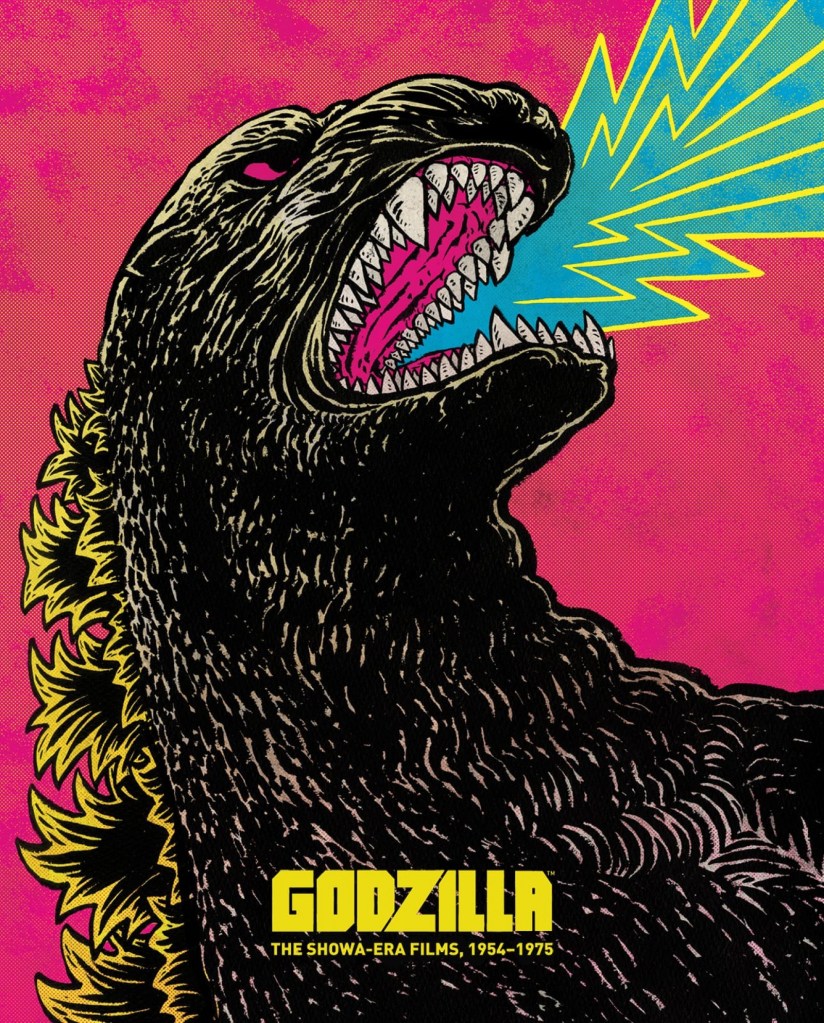
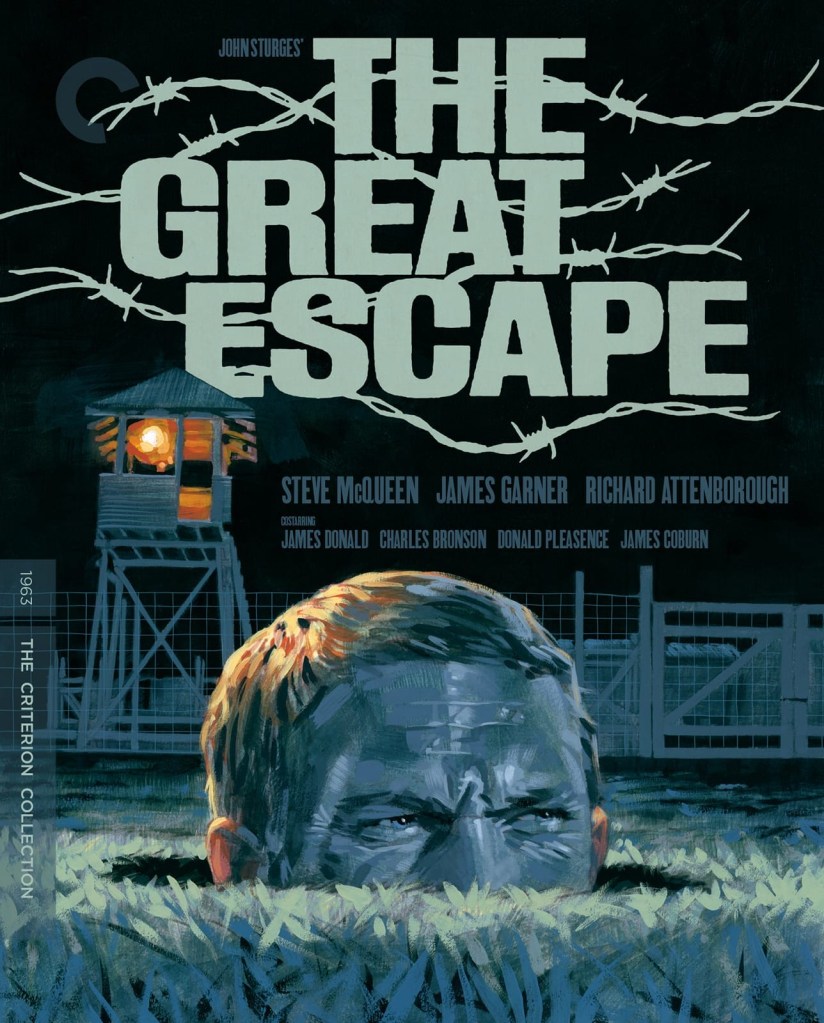
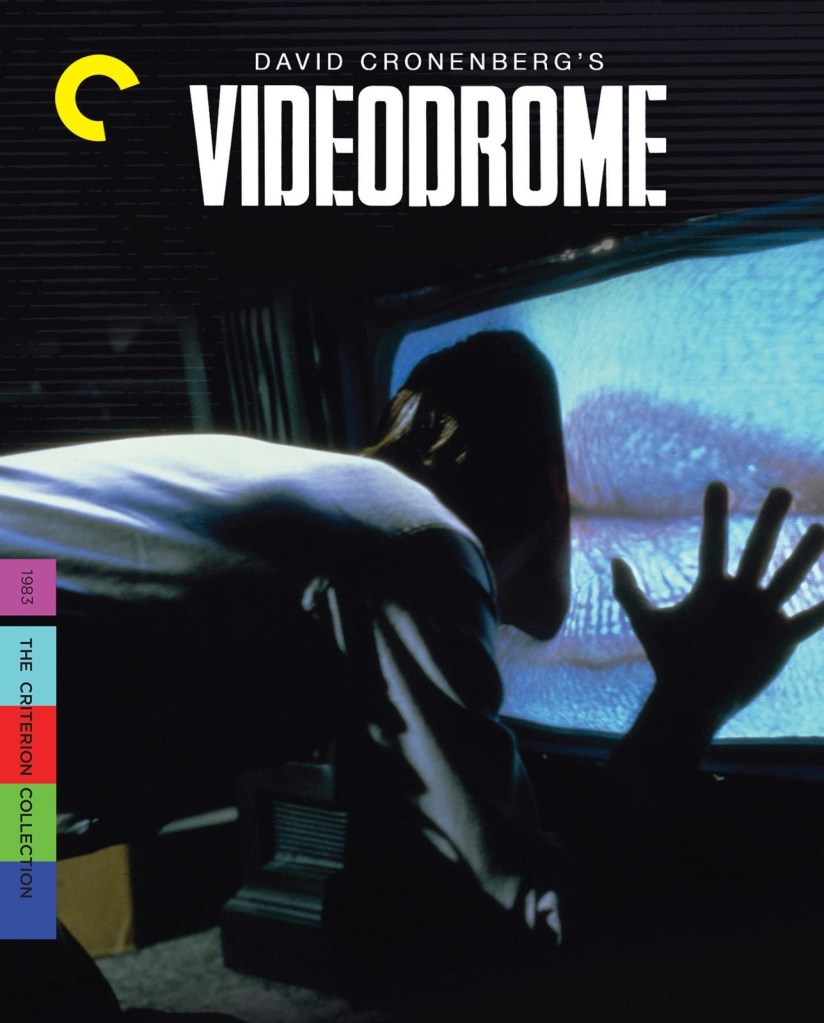
Because a man has got to have hobbies, one of mine is collecting boutique blu-rays of movies you typically won’t find on the anemic streaming services down here in NZ. And the gold standard of fancy-schmancy blu-rays has always been the Criterion Collection, which has specialised in bringing both iconic classics and obscure discoveries to screens for years now. 

Criterions play to the obsessive fans out there – who doesn’t love a good Criterion Closet video? – and one of their calling cards is the often-dazzling artwork they put on their discs. In an age where physical media seems to be becoming an afterthought for so many people whose eyeballs are glued to their phones 24-7 , Criterions are still cool, darn it. Even Natasha Lyonne thinks so:

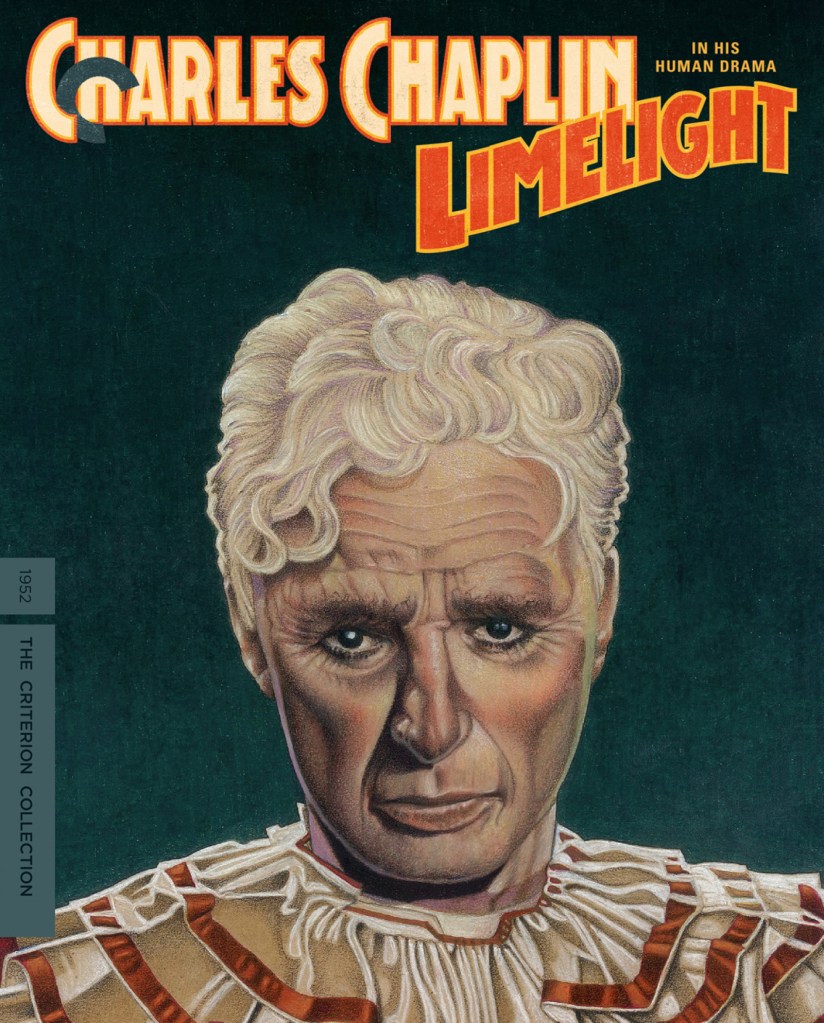
Sometimes their disc covers play with recognisable imagery, sometimes they go abstract and arty as heck. On a recent trip to San Francisco, I visited my beloved Amoeba Records, which boasts an entire heaving shelf of used Criterions in their movie room. I dove in to fill in my Criterion Charlie Chaplin collection, rare noirs and more, and a few times, I just picked up a movie because I liked the cover.

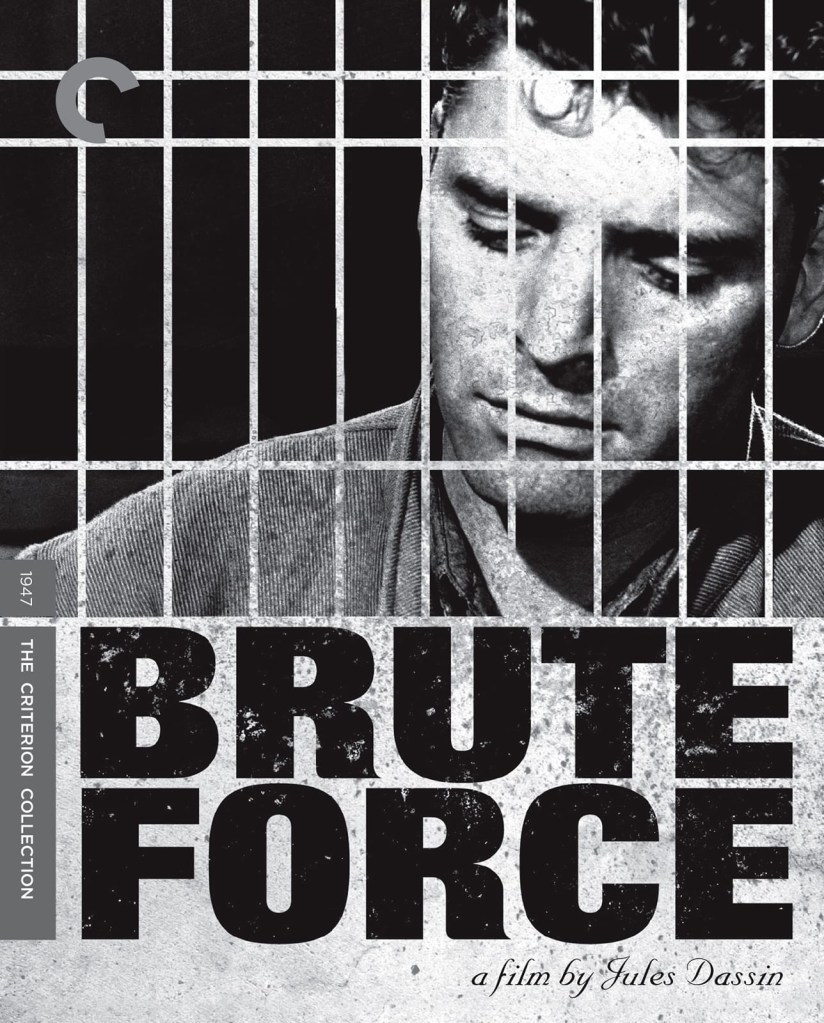
You probably shouldn’t judge a movie entirely by its cover – or its poster, for that matter – but sometimes, a single stark image can lure you into discovering something entirely new. Take the gritty delights of Burt Lancaster’s prison breakout movie Brute Force, which drew me in solely based on that amazing artwork. Or the incredibly insane gonzo Japanese horror-comedy, 1977’s House, which sucked me in just with that haunting dog/demon/ghost image on the cover. 

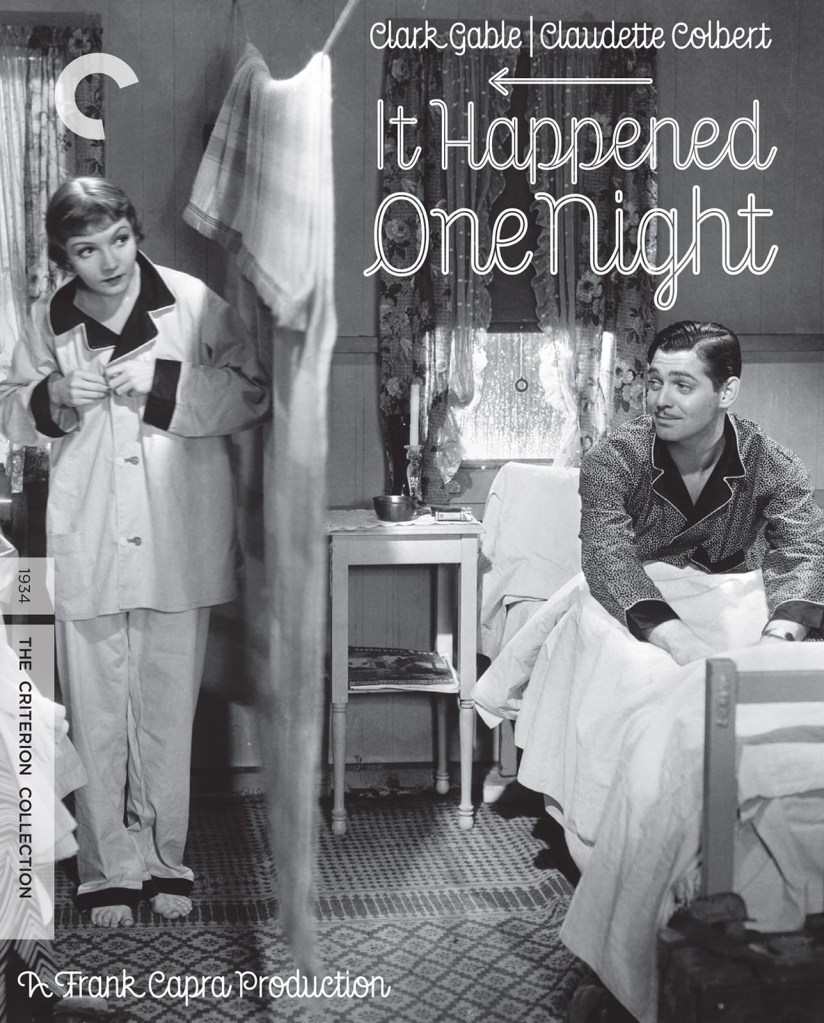
I love the Criterions which don’t just do a variation on the movie poster, but instead pick an image from the movie to capture the vibe wonderfully – Clark Gable’s It Happened One Night, or Billy Wilder’s icy cold noir Double Indemnity. Of course, not every Criterion cover is a winner, but when they hit, they hit. 

I know we’ve got an ocean of “content” to navigate these days, but for me, sometimes the best gamble to take is picking a random Criterion based solely on its art, perhaps a movie I’ve vaguely heard of, perhaps one I’ve never heard of. You never know, you might discover your next favourite thing.

You can’t judge a movie by its cover, but you sure can be seduced by it.