I’ve been publishing small press comics on and off (mostly off) since the 1990s, but I have to admit I’ve only published a handful of minicomics, preferring the slightly larger digest size. But the minicomic itself is a work of genius – a single sheet of A4 or 8×11 paper folded in half, and folded again, trimmed and stapled, and voila! Highly portable art.
As promised back in Part I of the Lost World of Small Press, here’s a dip into my boxes of small press comics from back in the day, with a look at three of my favourite old minicomics – this time, focusing on small press legends, next time, focusing on small press unknowns!
“Legends” is a relative term in a niche field like small press, of course, but there are some names anyone who’s been around for a while gets to know – Matt Feazell, Colin Upton and John MacLeod are right up there among them, each great talents.
The Death of Antisocialman #1
Anyone can draw a stick figure, but nobody can draw ‘em as well as Matt Feazell, who’s been doing minicomics starring Cynicalman and other stick folk for decades, even appearing in Eclipse Comics’ Zot! back in the 1980s. Matt has put out uncounted mountains of minis, but some of my favourite star the cantankerous, rude Antisocialman, who “died” (not really) in a series of great energy-filled minis circa 1991. Matt’s stick art has ranged from the extremely sketchy to the highly polished, his gags from silly to complex, but he’s always worth reading.
Famous Bus Rides #3
There’s a zillion “autobiographical” comix out there, ranging from the sublime to the infantile. Canadian Colin Upton has been around for a long time and done all kinds of interesting work, but something about Famous Bus Rides sums up the tidy, compact pleasures of an autobio minicomic for me, where a single weird encounter on a bus ride can turn into a lightning-quick short story. Like the late great Harvey Pekar, Upton takes a random moment or two from life and makes it into humble comics art.
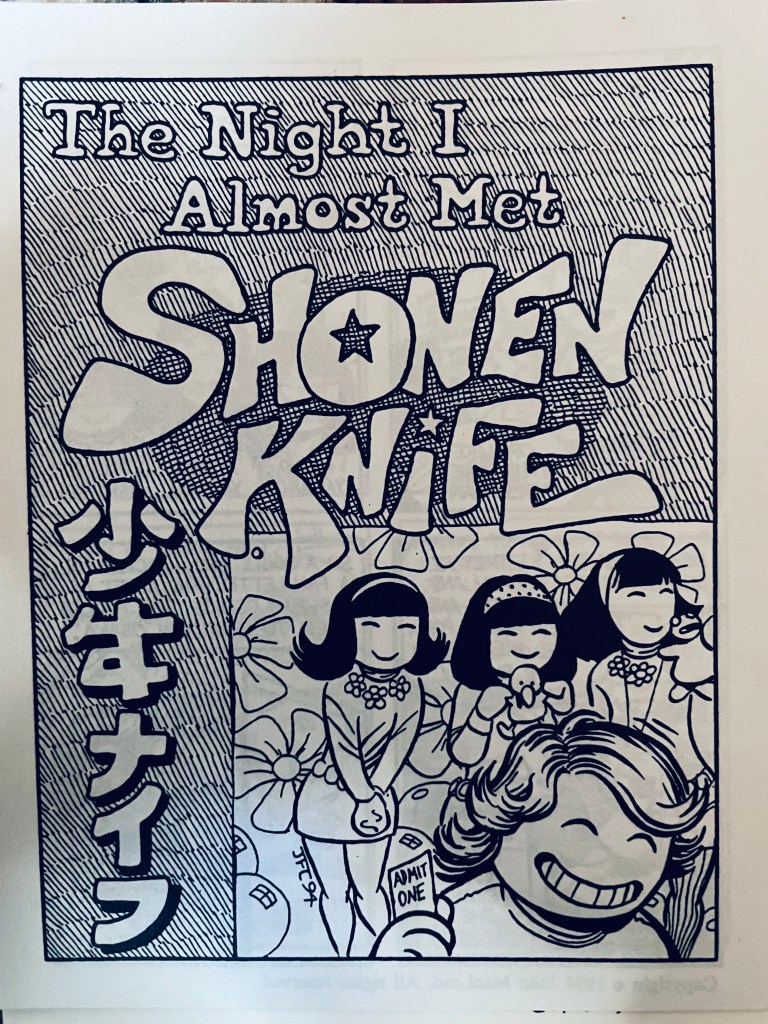
The Night I Almost Met Shonen Knife
John MacLeod is another well known small presser for his amazingly cool low-fi series Dishman. His crisp, clean art always appeals to me, and the 1994 minicomic The Night I Almost Met Shonen Knife is a brisk, funny little anecdote about learning a cool band is a fan of your work and almost – but not quite – meeting them. It’s the kind of yarn that would seem a bit flimsy for a full on comic story, but in a tidy little 16-page mini, it’s just right.
All three of these folks are still in the game producing comics in some form or another – Matt Feazell has his own website with lots of great stuff for sale, while both John MacLeod and Colin Upton’s recent work can be found by seeking out their Facebook pages.
Next time: From legends to mysterious minicomics outsiders!
Good god, mid-December! How did this happen? Who’s responsible?
One saving grace of the end of the year is lists! I love lists of people’s favourite movies and music and books and such. For the second year in a row, I was invited to take part in the New Zealand Listener magazine’s Best Books issue, picking a handful of books to go in the big ol’ pile of recommendations they publish.
The Best Books of 2022 issue of Nov. 27 came and went while I was running around in America and getting Covid and such, but if you’re in New Zealand you might still be able to find it in scattered newsstands and libraries, and it’s always worth a read.
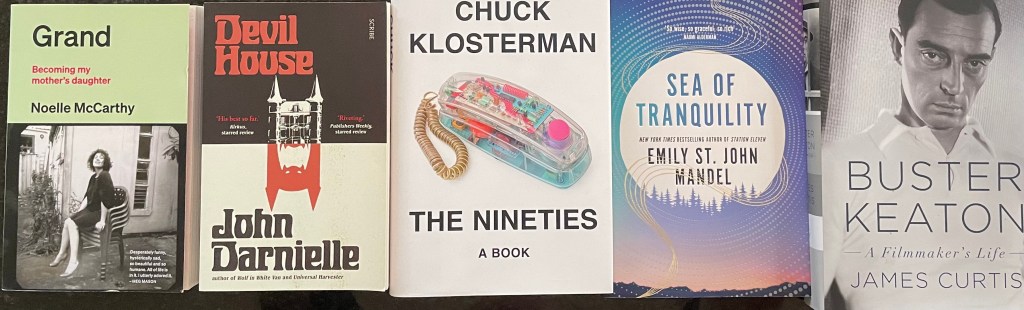
For posterity’s sake, here’s the books I sent in as my own picks for the year’s best reading!
FICTION:Sea of Tranquility, Emily St. John Mandel – The first great COVID-19 novel as well as an unforgettable meditation on life, time and fate.
Devil House, John Darnielle – A novel that starts as an investigation into occult murders that becomes something deeper and stranger. The movie Zodiac meets Lovecraft.
Heat 2 – Michael Mann and Meg Gardiner – A written sequel and prequel to a 30-year old crime epic movie shouldn’t work, but this does, exceedingly well. A cracking thriller.
NONFICTION: Grand, Noelle McCarthy – This comic and pained Irish kiwi’s memoir about battling alcoholism, family demons and moving to the other side of the world feels just right in a time when so many of us are mourning the changes and loss in the last few years.
The Nineties, Chuck Klosterman – A snarky, critical examination of a decade that you can both agree with and argue about. I’ve actually warmed to this more than my initially ambivalent review may have made it seem, and it’s truly peak Klosterman, witty and amusingly scattered.
Buster Keaton – A Filmmaker’s Life, James Curtis – The greatest of silent film stars gets the epic biography he richly deserves. Thorough, revelatory and a fascinating look at cinema from a century ago.
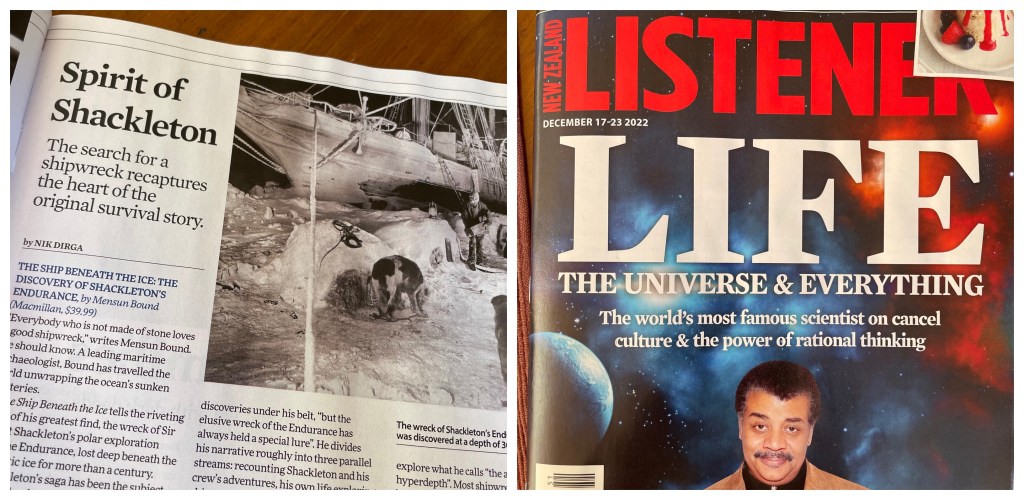
Plus! Bonus book! A bit too late for me to include on that list is a book I’ve written a review of for this week’s Listener magazine (Dec. 17-23 2022), maritime archaeologist Mensun Bound’s book The Ship Beneath The Ice. It’s the fascinating account of his discovery earlier this year of the wreck of Ernest Shackleton’s Endurance deep beneath the Antarctic ice a century after the doomed South Pole expedition. It’s a darn good read and if you’re lucky enough to be in NZ, you can still find the issue my review is in at all the usual places.
Most of us learn it when we’re kids – all you really need to make a comic is a pencil and a piece of blank paper. That’s the beauty and the charm of small press comics, wonderfully explained in a brilliant, extremely niche book of comics history I read recently that I highly recommend, The Minicomix Revolution 1969-1989.
Bruce Chrislip is one of the foundational members of the small press “scene” of the 1970s and ‘80s and his book is a hefty old tome that captures the beginnings of an essentially ephemeral, ever-changing world. Improved printing technology and the spirit of underground comics led to a world where basically anyone could publish their own comic, even if nobody bought a copy for the 7 cents they were asking.
The Minicomix Revolution is a sweeping, if by its very nature incomplete, history of a creative movement that still animates culture today – after all, what is internet “content” from influencers but yet another way of doing it all yourself, and taking your work directly to the people?
There’s dozens of names in here, from the notable to the obscure, and Chrislip keeps his narrative from turning into a dry list by bringing them to life with tales of late-night jam sessions, friendships made and always, madcap invention. Chrislip also notes those who started in small press who went on to much bigger things, like Simpsons guru Matt Groening and Teenage Mutant Ninja Turtles creators Eastman and Laird.
Chrislip’s book ends just at the time I came into the small press scene circa 1991 or so, but many of the names he covers were familiar to me as press icons such as Matt Feazell and Steve Willis, or the late great artist and “reviewzine” editor Tim Corrigan, who gave me some of my first “real” reviews of my own comic Amoeba Adventures when I started it in 1990.
Chrislip includes dozens of comics covers that capture the beautiful anarchy of small press, where a comic can be everything from a goofy superhero riff (cough cough) to highly personal autobiography or a series of self-portraits or just sheer dadaist gags. (The book is available directly from him directly, and you can look him up on Facebook, contact him via email clgbruce@cinci.rr.com or mail him a check or money order at 2113 Endovalley Dr. Cincinnati, OH 45244 – it’s $45 postpaid, beautifully produced and well worth the cash if you’re into rare comics history.)
There are brilliant artists working in small press that few comics fans will ever hear about. That’s kind of sad to me, but it’s an artist’s life, too. A few very noble efforts to collect some classic minicomics have been published but it’s a bit like attempting to collect snow – for every mini “superstar” like a Matt Feazell there’s a dozen others who may have only sold 10 copies of their comic, but it’s still grand fun.
The “zine” scene is still alive and well bubbling beneath our TikTok and Twittified world, and dogged folks like me are still producing unique pieces of comic art that maybe only a few dozen people will read, but hey, it’s the creating that really counts, in my mind. You feel the call to make things, and you’ll never quite stop hearing it.
In the end, it’s just about the comics, really. My collection has whittled down a bit over the years what with moving around the world and such but I’ve still kept a hardcore pile of the minicomics that mean the most to me over the years. They’re literally irreplaceable, as some creators have vanished from the scene or even died and their comics are totally unavailable today.
All this lengthy preamble leads up to me starting an occasional blog series here on the “Lost World of Small Press” looking at a handful of these groovy handmade gems hidden in my boxes o’ comix! Look for more rare 1990s small press comics showcased here mighty soon.
Our family managed to avoid the Covid-19 pandemic for almost three years, but our number finally came up during our overseas holiday visiting family in the US. We caught it in transit, somehow, despite wearing masks as much as possible. Like dominoes cascading downwards, once the first person tested positive the entire family shortly followed. Thanksgiving became Covidsgiving.
Fortunately, we all caught a pretty mild case of the virus – good news as several folks in the family aren’t in the best of health and it was very worrying to see them test positive. It still sucked, particularly as it kind of mucked up our holiday, but after close watching of all the grim headlines the past few years I know it could’ve been so much worse.
All journalists have cliches they loathe to see in print, and “post-pandemic” is one I’ve been kicking out of news copy every chance I get. We’re definitely post-lockdown – whatever your views on that, it’s clear the cultural buy-in for such policies has passed – but “post-pandemic” implies the disease has somehow gone away. If anything, far more people I know have been touched by Covid-19 in 2022 than at any time in the years prior.
The virus felt particularly inescapable these past few months, when it seemed like every friend I knew in New Zealand caught it, especially many who had also managed to avoid it earlier on. It became pretty clear that no matter how hard we tried to do the right thing, we were probably going to get it eventually.
A friendly acquaintance from my 1990s small press comics days, Andrew Ford, died of it in New York recently. An energetic booster of self-publishing comics and bringing rare art back into print, he was just 48 years old when he died. It’d been many years since we’d been in regular touch but it was still a shock to remember this go-getter kid I once knew and exchanged letters and drawings with and to realise he was one of the Covid casualties. I think of Andrew Ford often lately, and the millions of others whose stories have been cut short by Covid.
I traveled an awful lot at the beginning of this year as I first stepped outside the pandemic bubble of New Zealand. Despite having to deal with incredibly lengthy travel, quarantine back home in New Zealand and an Omicron surge, I somehow didn’t catch Covid. Yet this time when my family boarded the plane from NZ to the US, it wasn’t even 72 hours before the first of us tested positive. Both times, I and the rest of my family wore high quality masks.
Last Christmas when I traveled the vast majority of people in transit in Los Angeles and elsewhere I went wore masks in crowded airports. But in November 2022, maybe 20% of the other people in the airport and planes were wearing masks. We tried our best, but when the majority of other people aren’t masking up… well, you get Covid, I guess. We’ll never know who we caught it from – was it the guy coughing a few rows up? Someone at the airport we passed by? It was such a mild case that the contact must have been fleeting. But I do wonder if that person had bothered to mask up in crowded public areas, our holiday might have turned out differently. Everyone’s sick and tired of all this, I get it, and a rugged, brutal individualism has replaced whatever fleeting community spirit first animated our Covid responses. You do you, and well, other people will do whatever.
One of the biggest knock-on effects of the Covid years for me has been a gradual lowering of my respect for other human beings. I hate that I’ve become more judgy, more annoyed at idiots going down conspiracy rabbit holes, pissed off at people flouting mask rules and everyone being outraged all the time – including myself. Many of the people I know who’ve caught Covid at last these recent months have expressed the same frustration – we tried, we did the right thing, we still caught it, so what’s the point?
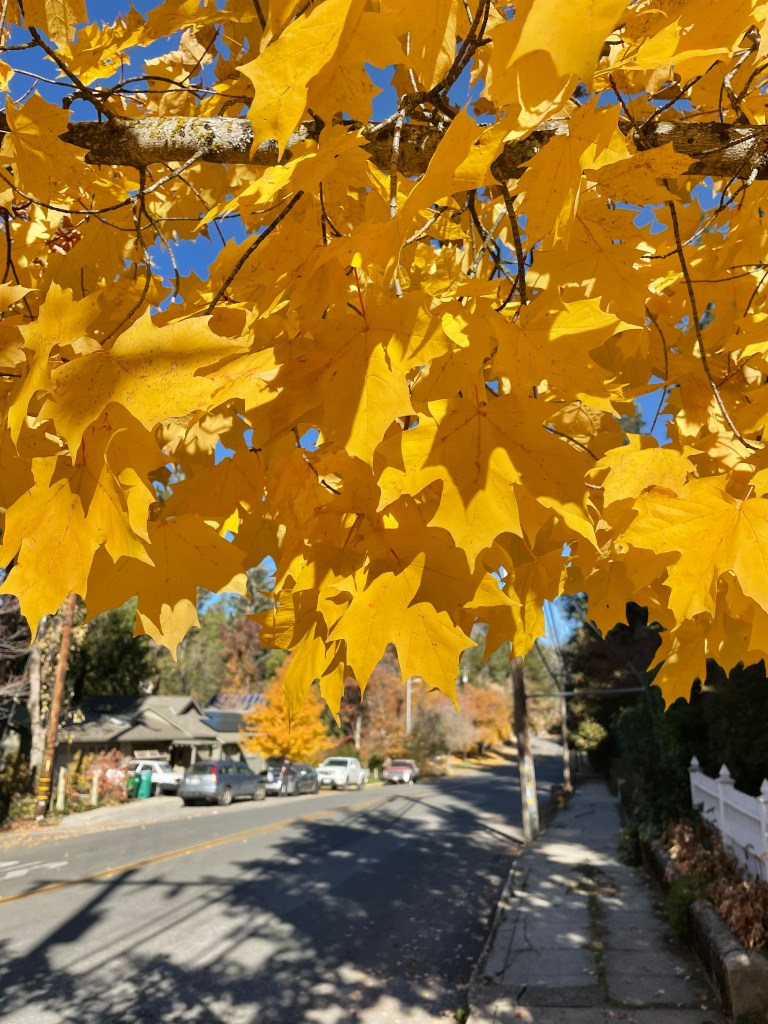
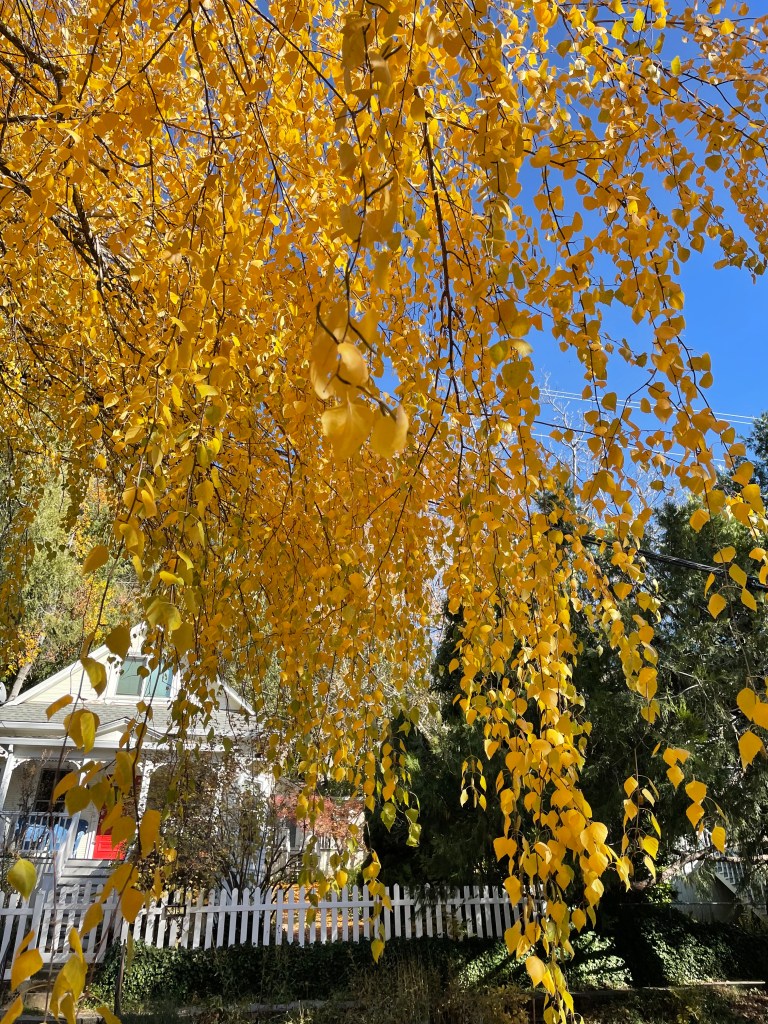
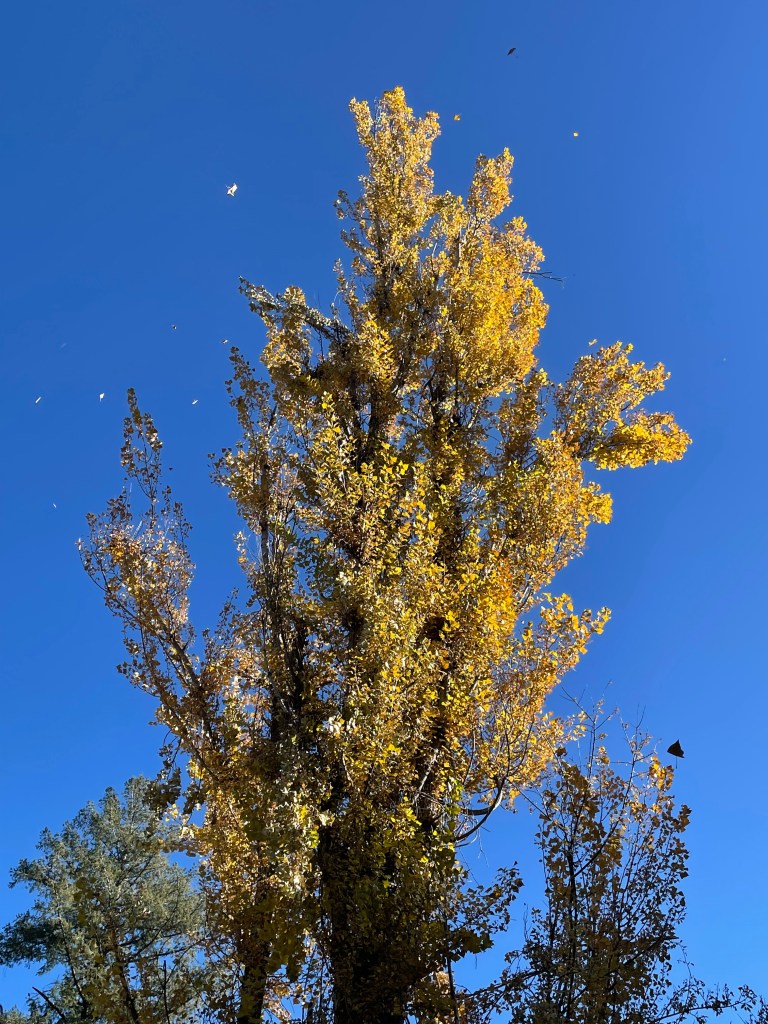
Despite it all, it was still a good holiday – bonding with my parents and a new baby in the family and seeing the gorgeous colours of fall in California. The trees blazed up into autumn colours and the kinds of brilliant yellows, oranges and reds we just don’t see in our part of New Zealand.
At times the leaves fell in thick fluttering sheets, dotting the bright blue California skies with colour and reminding me that even in this age of outrage and plans never quite working out how you hoped, there are moments where you can still try to be a little more like one of those flimsy leaves, floating on the breeze and letting the sun shine on you while it can. There are no outraged leaves in nature.
I love a pop-culture list. I don’t get annoyed at lists, because they’re a great way to discover new things. For a film nerd, the release of the once-a-decade Sight and Sound Greatest Films of All Time poll of critics and film buffs is a bit like an early Christmas.
I like the Sight and Sound poll because its ten-year gaps force us, in a culture that never stops speeding along, to slow down and take stock. Cinema is barely more than a century old after all, and this poll has always felt a bit more sturdy and authoritative than year-end magazine lists and listicles. That’s not to say it’s always “right,” but it’s always worth reading.
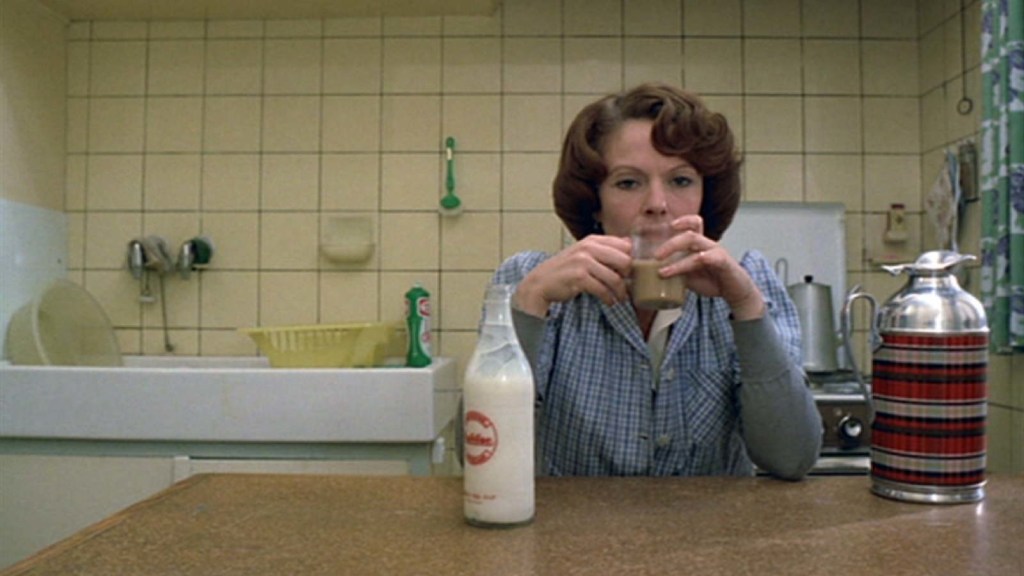
The poll seems to have taken a large leap forward this year rather than the more stagnant aura it once had – Kanetopped it from 1962 to 2002, for instance. I’m sure certain corners of the internet are howling that Hitchcock and Welles were pipped by a woman, but I’m totally cool with it. I adore Hitchcock and Welles and as fun as these lists are, nothing has changed about that for me today. But I do get to (eventually) check out Jeanne Dielman, and hey, I might discover a movie I totally love in the process.
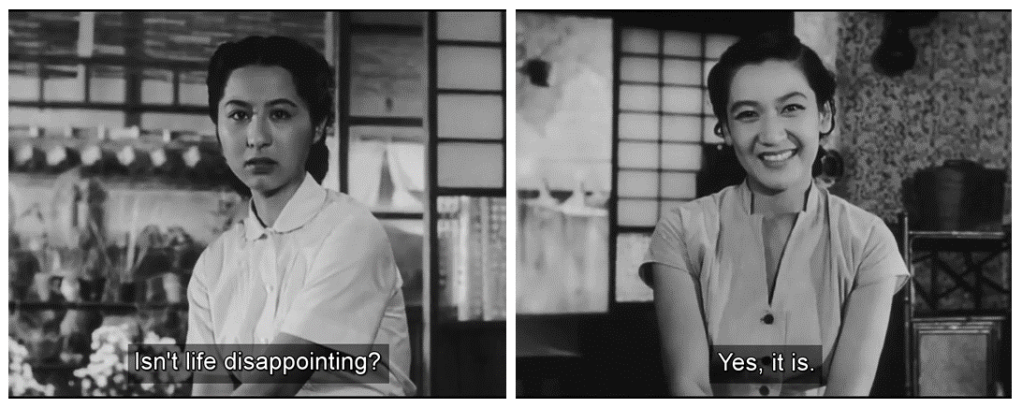
That’s the true beauty of lists like Sight and Sound for me. I grew up on Police Academy movies, but there’s so much more to cinema too. I was introduced to Yasujirō Ozu’s heartbreakingly good 1953 dramaTokyo Story because of its high placement on previous lists. I’ve discovered many more movies because of lists like this or the late great Roger Ebert’s “Great Movies” features.
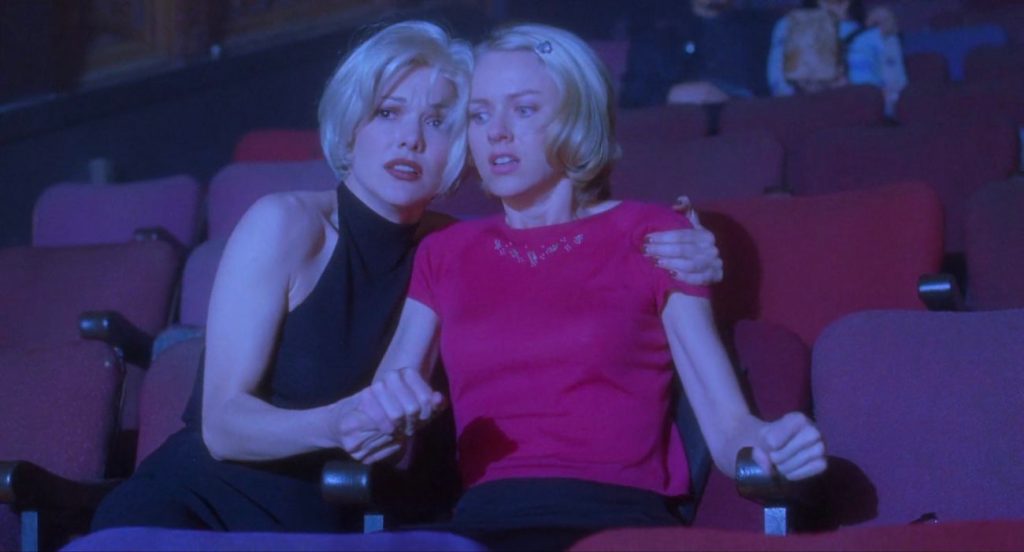
There’s some great progression from 2012 on the 2022 list, which features far more women and Black and minority creators than ever before. Some absolutely stellar more recent films have inched up – David Lynch’s masterpiece, 2001’s Mulholland Dr., is now in the top 10, the newest movie there, while very recent movies like Parasite, Get Out and Portrait of a Lady On Fire are included. Others are gone – Lawrence of Arabia and Chinatown dropped from the top 100, but that doesn’t make them any lesser in my own eyes.
Film ain’t a contest to me, and I don’t care if your list puts Jaws above Kubrick’s 2001 or you think Adventures in Babysitting is the best movie of all time. We love what we love, and in an increasingly vile and argumentative internet, that bears remembering.
Anyway, I’m happy to spend weeks poring over the list, which now includes at least 35 movies I’ve never seen. Film internet will be debating, arguing, praising and condemning the Sight and Sound list probably until the next one rolls around in 2032 (assuming we’re all still here). Me, I’ll be watching some movies.
A few years back I looked at my top 25 albums of 1994, 25 years later. Now, as if by infernal design, the clock has rolled forward a few more years, and somehow it’s 25 years since 1997, another great year for music in the eyes of the young Nik.
Through the increasingly blurry eyes of middle age, I think of 1997 now as the end of my youth – I finally moved on from my old college town in Mississippi after working at the local paper for a few years after graduation, packing up my battered ’89 Toyota and driving back across America to my native California. It was a leap in the dark, the kind most of us can only make when we’re too young to know how hard it can be to change everything about your life overnight. By the end of 1997 I was in a completely different place than where I started.
Here are my 10 favourite albums that guided and haunted me as the soundtrack to a year of chaotic upheaval. I still love them all today. (*I know, I know, it’s a very white, male alternative list of musicians, but in all honesty, that’s what I was listening to in 1997 in a world that was a lot less diverse and inclusive than it is now. Things have definitely changed for the better in that regard in 25 years.)
In alphabetical order by artist:
Ben Folds Five, Whatever And Ever Amen – Like a geekier Elton John and Bernie Taupin at their peak, Ben Folds combines hummable melody with little character-filled vignettes in song. Bouncy and sad all at the same time, Whatever And Ever is his best album, which manages to combine silly pop romps like “Ballad of Who Could Care Less” and “Song For The Dumped” with brittle ballads about abortion (“Brick”) and breakups (“Selfless, Cold and Composed”).
Blue Mountain, Homegrown – Old friends of mine from Mississippi who’ve done a gorgeous job of mining alt-country over the years, this is absolutely one of their best albums and a slice of genuine heartland Americana that holds up well. Twangy anthems and lovesick laments with just a hint of punk-rock rebellion and a reminder of how great the alt-country scene and fellow travellers like Uncle Tupelo and The Old 97’s were at their peak.
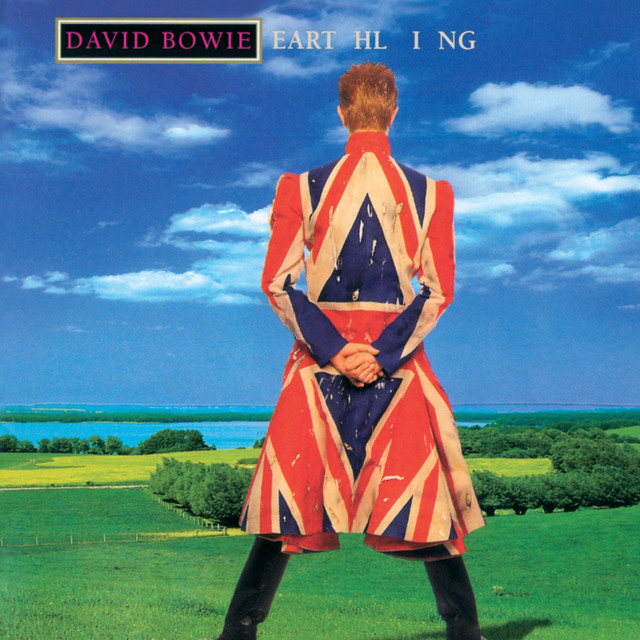
David Bowie, Earthling – I guess few Bowie fans would put this in their top 10 of his remarkable career, but I absolutely love this drift into jungle and techno sounds that is menacing, fierce and dangerous, released the year Bowie turned 50, and it feels like a rage, rage against the dying of the light. A lot of artists embarrass themselves by jumping on trendy new music but for Bowie, it just felt like more of the curious magpie eye that drove his entire career. A raucous rave of an album.
Bob Dylan, Time Out of Mind – It feels like the words of a thousand-year-old man on a mountaintop, but if I want to feel old now, I’ll realise that Bob Dylan was only five or six years older than I am today when he recorded this gorgeous, drifting reverie of an album. It was the beginning of a critical comeback that’s never really dimmed for the great bard of modern song. “Not Dark Yet” is a song I listen to more and more as the days drift by faster and faster.
Everclear, So Much For The Afterglow – I’ve written about this album itself pretty recently. Suffice to say it’s one of the last great slabs of the grunge ethos to me, loud and angry and more than a little bit scared.
Green Day,nimrod. – I’d only call myself a medium fan of this band, but for some reason, this album really got to me, combining their punk-pop brattiness with an ecclectic energy and plenty of goofy wit. I remember hearing the uncharacteristically mellow ballad “Good Riddance (Time of Your Life)” played at a high school graduation ceremony I covered for a small-town newspaper that year, and somehow, that felt like the perfect song for the moment.
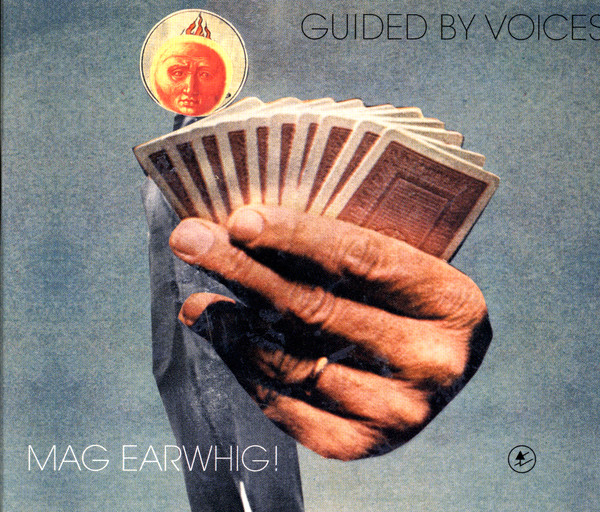
Guided By Voices, Mag Earwhig! – This all-time power pop bashes marks the end of an absolutely stellar run by the Dayton, Ohio band who, led by genius Robert Pollard, have been bashing out prolific tunes for decades now. Almost every GBV album has great songs on it, but Mag Earwhig! is one of the last where every single song feels like an earworm #1 single from an alternate universe.
Freedy Johnston, Never Home – Another gent I wrote about recently, his hugely underrated fourth album is full of his trademark story-telling lyrics, an angsty edge and songs that keep unfolding themselves the more you listen to him.
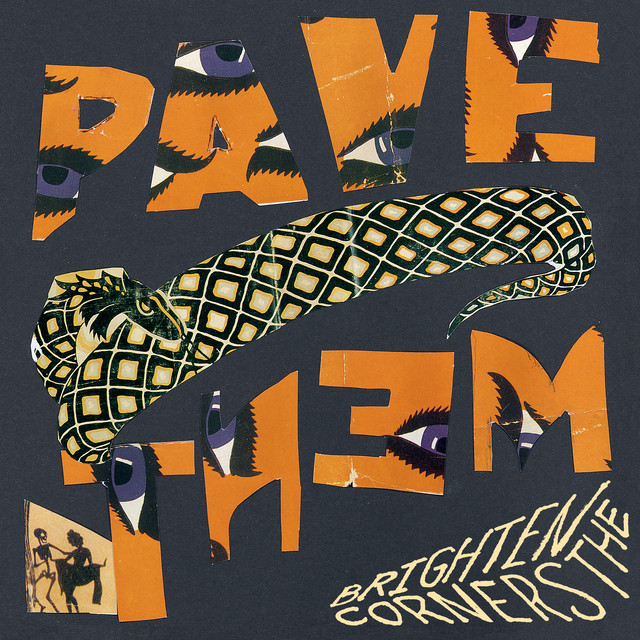
Pavement, Brighten The Corners – Hold a gun to my head, but this just inches ahead of Earthling and OK Computer as my favourite album of 1997. Pavement at their surreal, whimsically witty peak, but filtered through a haze of melancholy that makes this album feel like their most sincere slice of gently askew rock. It’s an album that mourns a vibe, a time and place, without ever being quite sure why it’s sad that it’s ending. As my world changed so much in 1997, Malkmus’ songs like “Shady Lane” and “Starlings of the Slipstream” seemed to sum up something I was feeling, even if nobody was really sure what it was. It was the 1990s, mate.
Radiohead, OK Computer – It would be heresy to leave this off any list of great alt-rock of 1997 (even if it’s slightly pipped for me by Kid A as Radiohead’s best album). Thom Yorke’s yearning moan, the rock riffs that float between anthemic and drifting, the vaguely elusive lyrics… at the time, OK Computer’s dire visions of a lonely world fraught with conflict and isolating technologies seemed like a dark warning. Now, it just seems like what much of the world became.
Bubbling under the top 10: Björk, Homogenic; Cornershop, When I was Born For The 7th Time; Michael Penn, Resigned; The Old ’97s, Too Far To Care; Prodigy, The Fat of the Land; The Simpsons, Songs In The Key of Springfield; Depeche Mode, Ultra; Whiskeytown, Strangers’ Almanac; Elliot Smith, Either/Or; Sleater-Kinney, Dig Me Out.
The older I get, the more weirdly specific my comics-collecting fetish gets, diving into strange corners and alleyways, like weird romance comics and the gut-wrenching final issues of series.
Licensed comics based on existing properties are as old as the medium (believe it or not, kids, Bob Hope and Jerry Lewis could once sustain long-running series) and I’ve always had a weird yen for Marvel Comics’ exuberant movie and TV comics franchises of the 1970s.
Marvel has had a huge run of licensed comics that kicked off with the huge success of Conan the Barbarian although for many in my generation, their excellent Star Wars series was what hooked fans for a lifetime. (I’ve dabbled in the many, many Dark Horse and later Marvel Star Wars comics over the years, but for me, still, the only “real” Star Wars comics are the original 107-issue Marvel run.)
Beginning in the mid- to late 1970s, Marvel licensed comics were EVERYwhere – toy lines like Shogun Warriors and Micronauts and ROM, movies like Planet of the Apes and Battlestar Galactica and Godzilla.
The licensed titles were often advertised in the pages of other comics I already read, and I usually hadn’t seen the source material they were based on, so things like the brief seven-issue run of Logan’s Run or the real-life stuntman The Human Fly always intrigued me. Who were these characters side-by-side with Thor and Iron Man? Why was there a comic about them?
The Marvel licensed comics of the 1970s were all over the map, quality-wise, but they also had a sense of freedom. ROM spun an entire epic cosmic war out of its cheap plastic toy inspiration, and Marvel’s Godzilla brought us the immortal image of Godzilla shrunk down to human-size and skulking around Manhattan in a trenchcoat. The licensed comics never felt like they had to be particularly faithful to their sources, so you got things like Star Wars’ immortal, somewhat controversial Jaxxon the rabbit that you can’t imagine Disney/Lucasfilm would ever permit today.
So anyway, this weird completism is why I ended up buying the entire brief seven-issue run of Man From Atlantis for cheap recently, because it’s one of the few ‘70s Marvel licensed series I’d never read. I don’t even LIKE the TV series, really, and honestly Marvel publishing what was always basically a bargain-bin version of their far cooler character Namor the Sub-Mariner seemed weird. But hey, the comic was written by Marvel’s go-to licensed comics guy, the underrated Bill Mantlo, and art by Frank Robbins, whose loose-limbed antic figures appeal to me more now than they once did. The comic is actually fairly fun underwater antics with a far higher budget than the TV series had – and more inventive than its source.
Licensed comics are still very much about today – Buffy the Vampire Slayer, the indefatigable Star Wars, Transformers, Star Trek, GI Joe, Conan and much more carry on telling stories that go far beyond the source material, yet when I pick them up they always seem a bit constrained, somehow. Maybe the big difference is that when those Star Wars and Godzilla comics were on the stands 40 or so years ago, you couldn’t just hop online and watch a Star Wars movie. You had hazy memories of cinema visits, and the tie-in comics provided a valuable map back into the entertainment you dug. Licensed comics allowed you to return to these worlds, again and again, when it wasn’t quite so easy to do so.
These days, with so much of everything everywhere all the time, a licensed comic seems somewhat less unique than it once did, and more just a part of the flood of content washing over us all. Hey, but that’s cool – I’ve still got quite a few issues of Micronauts to track down.
To be fair, I’ve been ‘quietly quitting’ Twitter for about a year now. I realised a while back that I would go on Twitter and immediately find myself sad, irritated or angry about something I saw, and thought that maybe a place where you go to feel bad is not a place you want to spend too much of your time.
The last thing the world needs is another “dramatic flounce off” note on Twitter, I know, but really, I’m just interested in trying to understand and work out how my own feelings about these spaces has changed the past few years.
It’s my own personal experience, and many people have fine times on Twitter or whatever social media platform they’re on. But for me, Twitter has become a loudmouthed and toxic bore of a place. I’m not alone.
I unfollowed hundreds of people over the past year – nothing personal, mates – but basically tired of the endless echo chambers and social media bubbles, of outrage merchants and people pointing out other people’s stupidity or arguing with strangers. I stopped interacting so much or blathering my thoughts, mostly just posting links to my own work elsewhere – which honestly, get less interaction on Twitter than they do in other places online anyway. Pretty much my main reason for sticking on Twitter is habit and its utility in following breaking news, but there are plenty of alternate places one can do that now.
When social media was fresh and new there was the novelty factor in posting memes, dad jokes, hot takes and quick-fire reactions (I look at my Facebook posts circa 2010 and cringe at how open and carefree I was with my life, not knowing how dangerous that could be). For the first time, anyone anywhere could broadcast their thoughts to a global audience instantly.
Things changed. I saw it unfolding clearly in the past few years: social media became weaponised. What were once cutesy status updates and thoughts became fodder for warfare. A casual post erupts into a hate-fest. Lingo like “main character of the day” as a term for online pile-ons – some deserved, many not – became normal. I’m a straight white male on the internet so it’s been relatively mild for me, but know so many women and LGBTQ+ people who are subjected to terrible, dehumanising treatment every single day online. Misinformation has exploded to the point where a good part of my paid work is debunking it.
The change in management on Twitter to yet another loud-mouthed arrogant rich wanna-be messiah figure drunk on his own power and its increasing vibe of a dark, angry place for me makes it easier to finally leave entirely, which I’m doing at the end of the month.
I’m not giving up all social media. This blog will stick around as long as I write, and while I don’t post much personal stuff on Facebook any more, I’m happy to have my own “page” dedicated to my writing and Amoeba Adventures comics work that you’re all more than welcome to follow.
Social media hasn’t been all bad for me and I’ve “met” many lovely people, like the terrific writer and actress Michelle Langstone, who I guess I’d call a “digital acquaintance” and who left social media sometime this year herself. In a recent interview she nicely summed up the house of mirrors effect these spaces have on us very well: “At some point, I realised I’d come to rely on other people’s responses to the material I was posting and that was shaping who I was, and how I felt about myself.”
Social media feels increasingly performative, and I’d rather focus my energies more on being truly creative with things like this goofy website, my freelance and paid writing, and my comic book scribbles.
That’s just my solution, and for everyone else, hey, whatever works.
I’m not leaving “the internet” – I mean, geez, as a writer and creator in 2022, I really can’t, unless I want to be the tortured artist in the attic muttering away to myself alone. But I can certainly choose where I want to spend my time online, and on places that make me feel good.
What is it: The first “midnight movie,” the surrealist “acid western”, “the weirdest western ever made.” Director Alejandro Jodorowsky’s extreme cult hit El Topo was a groundbreaking, aggressive statement that helped to change cinema, taking western movie tropes and turning them into a bizarre, questing meditation on morality and enlightenment. Populated with grotesque images and moments of startling beauty, it’s soaked in blood, disorienting with its casting of real-life disabled or maimed performers, and the kind of movie all the film cognoscenti say that you really must see at least once. So, finally, I saw it once.
Why I never saw it: For a movie that’s legendarily strange, El Topo has had a difficult path to actually being easy to see. It got tangled up in legal wrangling and was only released on DVD in 2007. The first of Jodorowsky’s films I’ve dipped into, El Topo is often called Jodorowsky’s ‘most accessible’ movie. I’m a fan of weird, but weird is very much in the eye of the beholder, ain’t it? (I still recall a date who I took to the Michael Bay movie The Rock talking about how strange and weird it was afterwards. Reader, we did not date again.) I love my Lynch and Cronenberg but am fully aware I’m a mere babe in the wild, vast woods of weird cinema, and have to admit I wasn’t quite sure what to expect with El Topo.
Does it measure up to its rep? The big question for every viewer of El Topo is whether or not it’s just a procession of cruelty with no deeper meaning. When the subject is nothing but “people are terrible,” it gets old, fast. El Topo starts off feeling a bit like a particularly dark spin on the whole “lone gunman wreaks vengeance” plot, following the man in black and his inexplicably naked young son (Jodorowsky himself plays the gunman) as they discovered a gutted village filled with dead people, track down the corrupt bandits responsible and execute them. The gunman then abandons his son for a rescued hostage and ends up on a surreal quest through the desert to kill four gunmen legends and become “the best there is,” a quest that gets increasingly stranger. In the end, the gunman disappears and is reborn years later in a cave, bleached white and now a mystical holy man who can’t quite escape his violent past.
While it’s hefty with the DNA of John Wayne, Clint Eastwood, Django and other western icons, to me it also shares an awful lot with books like the dark, biblically violent Cormac McCarthy novel Blood Meridian, which also sees the west as a seething quagmire of man’s worst instincts, or of Robert Bolaño’s epic 2666, which turns an unflinching catalogue of murders into something stranger and deeper. If anything, I have to admit that El Topo wasn’t quite as weird as I imagined it might be, especially in its more grounded first half. Where it sticks, however, is the insinuating ugly beauty of its vision, where Jodorowsky stages violence with an icy calm eye as men, women and even children are gunned down, and in the end, we’re not certain if he’s saying life is worth nothing – or worth everything. There’s precious little hope in its final moments, suggesting an endless circle of violence and thwarted redemption.
Worth seeing? On one level, El Topo probably doesn’t seem quite as groundbreaking as it might have 52 years ago. We’ve had plenty of deconstructionist westerns: Clint himself in Unforgiven, Jim Jarmusch’s Dead Man and much more, and plenty of weird, brutal cinema. Yet despite its more grotesque flourishes, El Topo is still a singular, fierce vision. His use of real-life amputees and dwarves is confronting, as is the brief animal deaths and sexual violence. Jodorowsky claimed back in the ‘70s that he really raped his actress co-star in one vivid, violent sequence, although he’s since walked that back as a big-mouthed publicity stunt. Either way, El Topo is still a triggering film, but it has value as some kind of warped mirror on society. Seen 50 years on, yes, El Topo does seem madly self-indulgent, frequently sadistic and exploitative. Yet it’s also hard to stop thinking about some of its imagery. I’m a sucker for the vision of a man in black, riding across the desert, on his way to who knows where, but knowing there’ll always be blood in the end.
It’s time for the second annual AMOEBARGAIN SALE of rare out-of-print back issues of my comic Amoeba Adventures – plus, a special reprint of one of my favourite issues of the original series, back in print for the first time in years! If you are wanting to pick up handsome physical copies of my comics, including the last few copies I have of some real rarities, now is your chance.
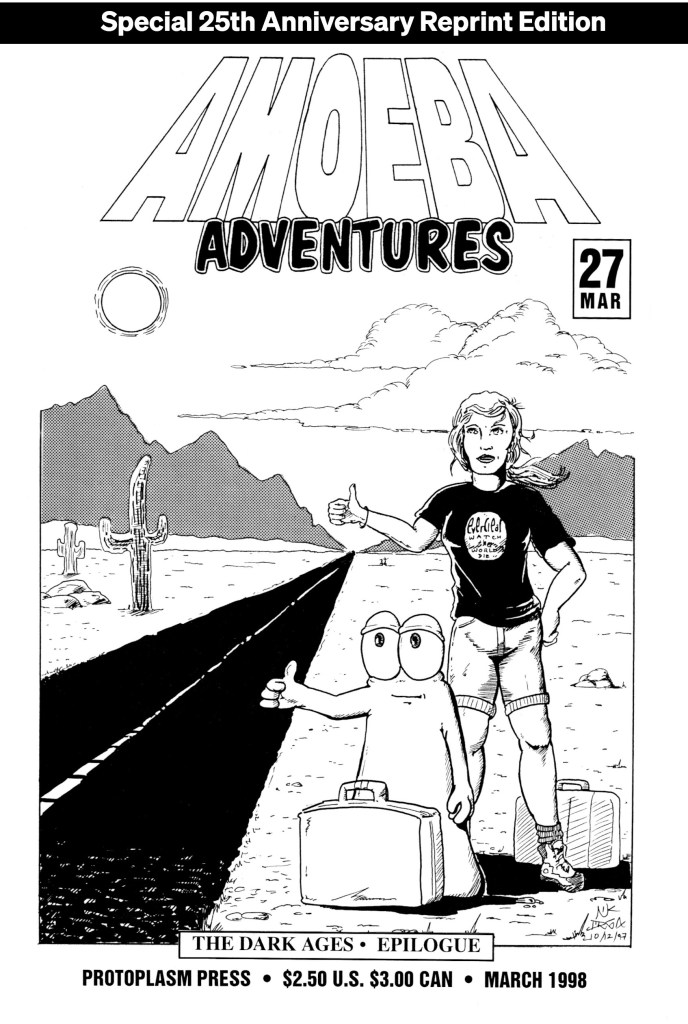
Just released:Amoeba Adventures #27: The 25th Anniversary Edition
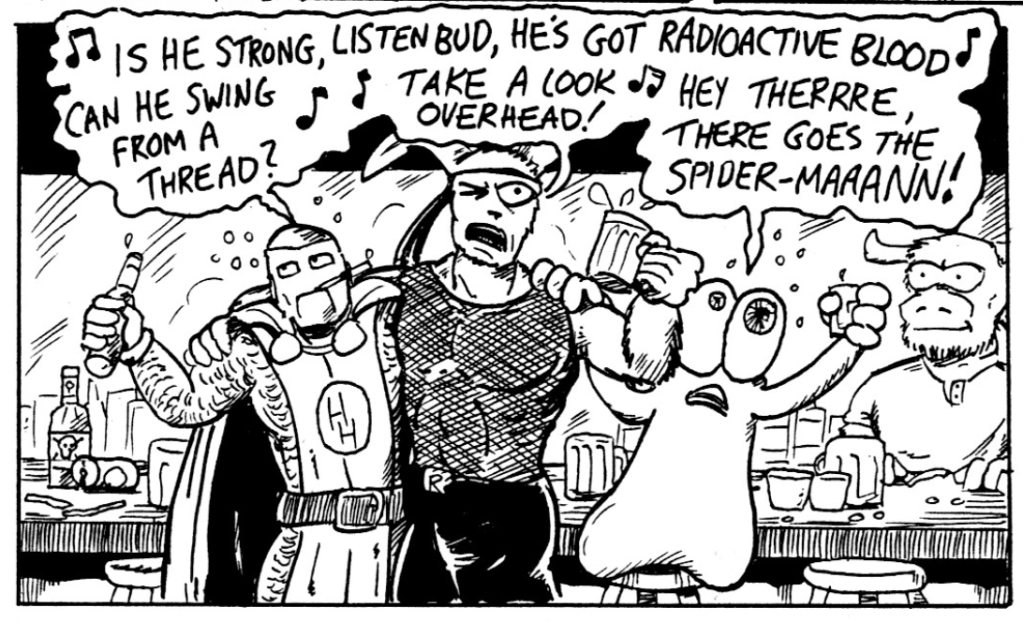
It’s the final issue of the original 1990-1998 run of Amoeba Adventures, and one of my favourite comics ever. Somehow or another, 2023 marks 25 years since this bad boy came out. Way back in 1998, I was dead broke and living in a hick town in the middle of nowhere so the original print run of AA #27 was very small and quickly gone. After the carnage of “The Dark Ages,” the All-Spongy Squadron regroups for one last hurrah. Setting up the status quo for the 2020 Amoeba Adventures revival, it features Rambunny, Spif, Ninja Ant, Prometheus and Dawn one last time – and of course, a drunken bar brawl! This special reprint also includes EIGHT pages of rare art, interviews and behind-the-scenes commentary. A mere US$5.00 – only a small amount have been printed and when they’re gone, they’re gone.
Plus! Vintage Amoebas! Get ‘em before they go!
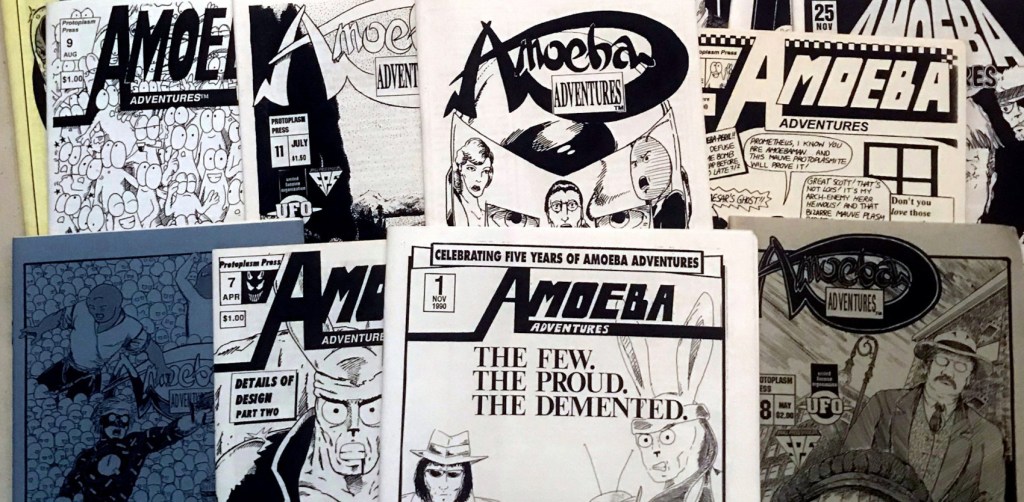
There’s still a small handful of vintage 1990s Amoeba Adventures issues I’ve got in storage that it’s time to set free – these are out of print original printings and once they’re gone, they’re gone forever and are going dirt-cheap!
Amoeba Adventures #11, 13, 14, 15, 18, 23 – Sorry, all sold out!
Recent issues: Plus, if you’ve missed out on the super cool limited print edition of the most recent issues, there are just a few left. Everything must go!
Amoeba Adventures #28 – SOLD OUT!
Amoeba Adventures #29 – ALMOST gone!
Amoeba Adventures #30 – FIVE copies left!
Amoeba Adventures #31 – The most recent issue!
For a limited time, all now available for a mere $5.00 each!
Finally, work is well underway on Amoeba Adventures #32, the FIFTH new issue – it won’t quite be ready until closer to Christmas, but if you want to pre-order the limited print edition of that now, it’s a mere $US7.50 shipped anywhere in the entire world to you when it’s available.
Sale ends November 30, so don’t delay! How to order: Postage is $1 for 1-2 books, $5 for 3-6 books, $6 for 7 or more. Send funds via paypal to dirgas@gmail.com
Of course, if you’re a child of the modern age and don’t mind digital, a reminder that EVERY one of my comics is available as a free PDF download right here – all 32 issues of Amoeba Adventures, spin-offs, weird side projects, jams and much more. As always, thanks for reading!














 Nik Dirga