I’ve been busy lately writing a few pieces for publication elsewhere in the media biosphere. Here’s a few:
This was a difficult one to write, and more personal than I typically get, but it’s an important topic. About 18 months ago I got waylaid by a shock health diagnosis and it sent me on pretty intense personal journey. Both Radio New Zealand and NZ’s biggest news website Stuff have kindly published this one:
It’s World Thrombosis Day on Sunday, and I wrote this to tie in to that important awareness day. There’s been some great commentary and feedback about my piece by people on these sites’ Facebook pages sharing their own stories, which really gratifies me and makes the effort of writing this one worthwhile.
In less dramatic writing, I also had a very fun feature printed in the New Zealand Herald‘s weekend Canvas magazine the other week about a boom in Auckland cinemas showing revivals of classic films. It’s part of their paywalled content but if you’re a Herald member it’s worth a read!
Lastly, this one was actually published a little while back over at Radio New Zealand but I might as well link to it as well here, because the issue of America and guns certainly hasn’t changed much since I wrote it. I wrote about it from the perspective of an American who’s lived abroad for more than a decade. I often get asked about America’s mass shootings. Wish I had an answer, but for now this is what I had to say:
Many years ago, when the world was young and Twitter was what birds did and the idea of a President Trump was hilarious satire, on my old blog I started a deep dive through Stephen King’s formidable career, book by book. Here’s some links to the past:
Now, suddenly, it’s been 10 years since I did a look at King’s oeuvre, and it seems a good time to reappraise the master.
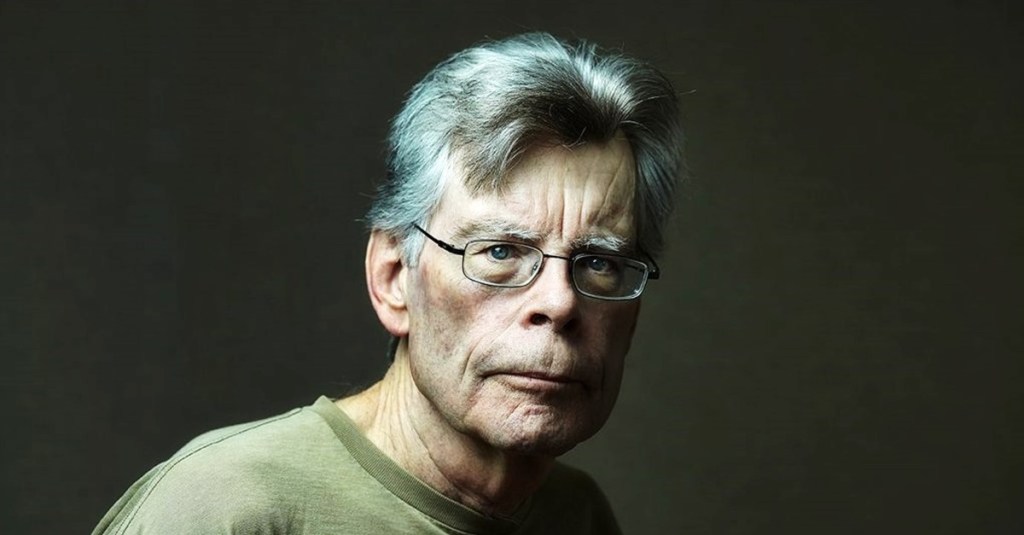
King’s now 72, and there’s a calmer maturity the work in his autumn years I’m enjoying – and less of the unhinged horror he bashed through in classics like Pet Sematary and It. He remains one of our most compulsively readable storytellers, and there’s a lot to love about latter-day King.
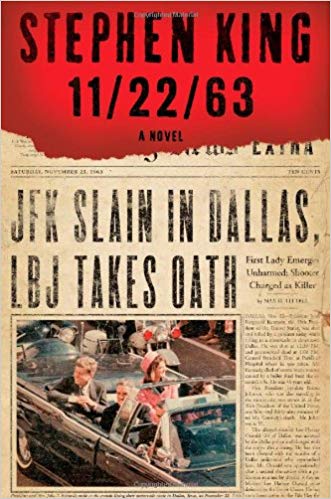
11/22/63: One of King’s best, a stunning epic about time travel and trying to change the past. “What if Kennedy hadn’t been assassinated” is a well-worn topic but this one goes in directions you didn’t really expect and delivers some surprises, as well as a detailed historical epic full of emotion and regret. It’s long, but rarely feels bloated like some other King doorstops. I’m a sucker for time travel stories and King clearly is having a ball evoking the early 1960s as his traveller tries to save the world – but as usual in these cases, there’s a heavy price. Grade: A+
The Dark Tower: The Wind Through The Keyhole: Did we REALLY need another Dark Tower book after the nearly 5000 pages, seven books of the main Dark Tower saga, King’s epic fantasy which spanned entire universes? Not really, but King clearly felt the urge to return for this “Dark Tower 4 1/2” untold tale that visits Roland the gunslinger and his band on their quest. There’s stories within stories told here, and the whole thing has the feeling of a gathering of lost chapters that King couldn’t quite fit into the main Dark Tower saga. It’s engaging, even if, like me, you got a wee bit tired of the Dark Tower despite its imposing majesty by the end of the long haul. But it’s kind of like the book version of deleted scenes on a DVD, so it’s hard for it to feel essential. Grade: B
Joyland: Short but sweet, a novella about lost loves and nostalgia, which also has a few murders because it’s King, after all. Set in an amusement park in the summer of 1973, it’s full of King’s keen eye for evoking a time and place, and a summer romance that ends with bittersweet resonance. It wouldn’t go amiss side-by-side with “The Body” (aka “Stand By Me”) as one of King’s better coming-of-age stories, and surprisingly gentle compared to much of his fare. It’s one of his more unknown works, but well worth seeking out. Grade: A-
Doctor Sleep: A sequel to The Shining is a thing I never really asked for or wanted. That said, it’s an interesting idea to follow up on Danny Torrance as an adult, suffering from deep trauma over the whole dad-possessed-by-ghosts-tried-to-kill-us-all thing. King does a nice job showing us a grounded portrayal of present-day Danny struggling to carry on; that said, the story which expands to draw in a convoluted world of secret “Shining” cults and quasi-immortals just didn’t quite work for me. Much like The Black House sequel to The Talisman decades later, looking backwards for King is a mixed bag. Grade: C+
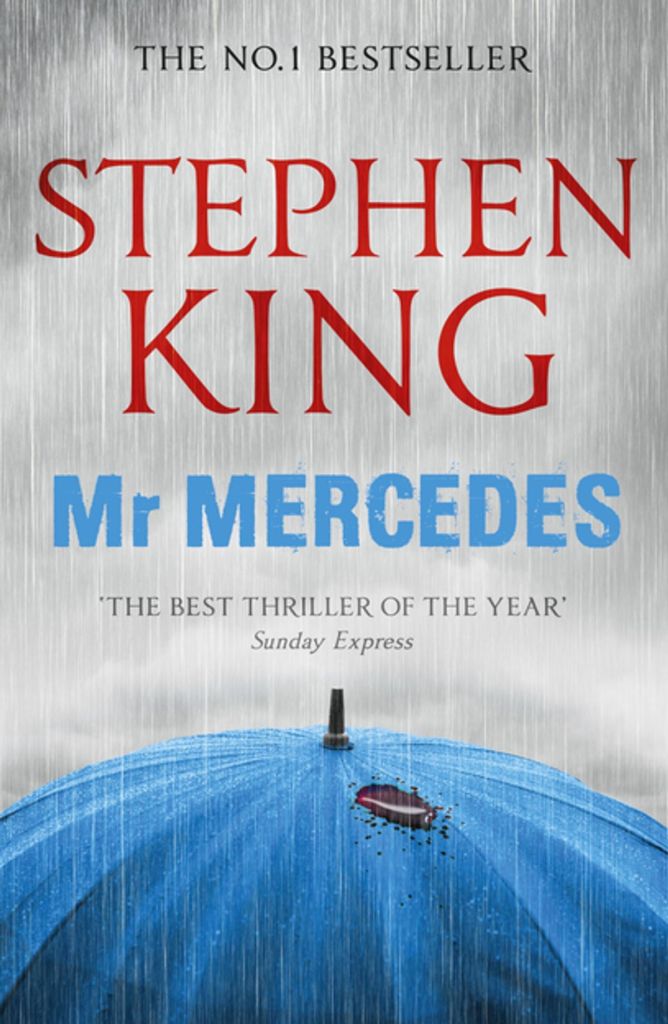
Mr Mercedes: The first of a trilogy of novels focusing on Bill Hodges, a suicidal, retired detective and one of King’s more engaging ‘everyman’ characters. Tight and suspenseful, this one deals with the hunt for a mysterious serial killer who’s already committed one mass slaying and plans more. Hodges, the killer Brady Hartsfield and troubled young woman Holly Gibney are all some of King’s best written characters in ages, and there’s no surprise that he went on to feature them in several more books. But Mr Mercedes, with its propulsive narrative and ripped-from-the-headlines mass terror threat, is still the best. It’s also one of King’s most grounded in the real world novels and all the better for it. Grade: A
Revival: Back to pure, Lovecraftian horror for King with this one, which is a chilling riff on the Frankenstein legend. A minister loses his religion and becomes a mysterious faith healer, using electricity to heal the sick, and probing away at even darker mysteries in the universe. The novel is a beast of two sides, a more realistic look at love and loss, and a dark, fantastic glimpse into the unknown terrors of the void. Unfortunately, there’s an awful lot of build-up to the main event here that will either engage you or bore you, and I came down a little bit on the side of finding Revival a promising premise that never quite leaps onto the top shelf with King’s other glimpses into the abyss. Grade: B-
Finders Keepers: Book two in the “Bill Hodges Mysteries” (which really sounds like a mid-80s Matlock spinoff), a slight comedown from the streamlined thrills of Mr Mercedes. This time, John Rothstein, a famous reclusive novelist, is murdered and his unpublished books stolen, triggering a chain of events that draws Hodges into its web. King, as always, done a fine job of evoking a writer’s life in his portrait of Rothstein, and he also shows us the duelling sides of fandom – a kid whose love for literature is awakened and a creepy fan who takes it all so far. I’m not nuts about King’s portrayal of a witty black college student which comes across as a bit crass and dated, but it’s a small critique. Grade: B+
Next time I do this, I’ll take us from The Bazaar of Bad Dreams all the way to the present day and The Institute. Stay scared!
It’s not easy being a legend in their autumn. Billy Wilder was easily one of the best film directors of all time, a storyteller without peer who managed to balance comedy and drama perfectly in all-time classics like Sunset Boulevard, Some Like It Hot, The Apartment, Double Indemnity, Stalag 17 and many more.
But by the time the 1970s rolled around, Billy Wilder had been making pictures for nearly 50 years. He wasn’t “hip” anymore. He made several films before his final movie, Buddy Buddy in 1981, but few of them are remembered well today. He died at 95 in 2002, but his peak was decades before.
Wilder’s final four films aren’t quite up there with the classics that made his name, but there’s something interesting in all of them.
1972’s Avanti! is the underrated gem of Wilder’s later period, with a terrific Jack Lemmon performance. A harried businessmen learns his father has died in Italy, and has to retrieve his body. He learns his father had been having an affair when he meets the daughter (Juliet Mills) of his late mistress. The best of Wilder’s late work tackles ageing and death head-on, and Avanti! is a solid example of that “successful men having a mid-life spiritual crisis” genre that’s been done to death over the years. The charming, free-spirited Mills is a nice foil to Lemmon’s bitter cynicism. It’s not a perfect movie – it’s way too long at nearly 2 1/2 hours, and there’s a bit of a crime plot thread that doesn’t work, but there’s something resonant in Lemmon trying to make peace with his father’s memory and his bittersweet midlife tryst. Wilder’s ‘70s films up the swearing and nudity content, with mixed success (Buddy Buddy, below, just seems foulmouthed), but Avanti! is a mature, witty work.
The Front Page (1974) is a team-up of Walter Matthau and Lemmon, in one of many remakes of the screwball ‘30s comedy about feuding journalists. The material’s good, but you can’t really top the perfection of Cary Grant in His Girl Friday (another adaptation), and there’s something about watching a screwball comedy remade in the ‘70s that feels forced and inauthentic. While Matthau and Lemmon are always worth watching, a miscast Carol Burnett throws the whole thing off kilter and The Front Page is a trifle for Wilder that never feels essential or particularly bold.
Fedora (1978), on the other hand, is Wilder’s last grand creative statement, and even if it’s an imperfect film, it’s not quite like anything else he did. A spiritual sequel to Sunset Boulevard, it also stars the great William Holden seeking the truth about a revered reclusive Hollywood actress, the great diva Fedora. Placed in a sun-basked European setting, much like Avanti!, it’s got an autumnal, valedictory feel. Holden was only in his late 50s at the time of filming, but seems at least 10 years older (he’d sadly die at just 63 a few years later after a fall). There’s a mystery wrapped at the heart of Fedora, which is a bit far-fetched but still proves to be a fascinating rumination on the cost of fame, ageing, and celebrity, and the cost people are willing to pay. It’s unfortunate that Fedora isn’t quite as good as it could’ve been. Some of the acting is rather suspect (the lead two actresses were dubbed, which was a bad call), and Holden, who’s always captivating, basically vanishes for much of the second half. But Fedora is a movie by a man who still had something to say, and it wouldn’t have been a half-bad last work by Wilder. As it is, it’s a rough gem.
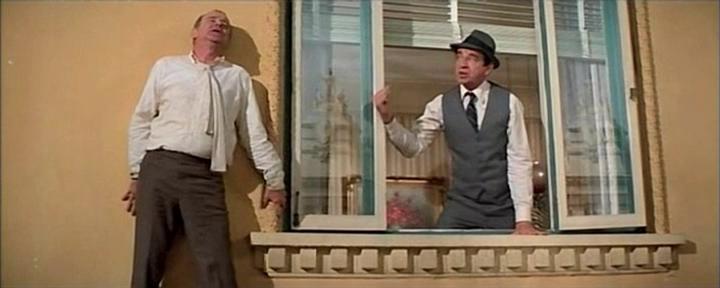
1981’sBuddy Buddy, unfortunately, is a bit of a stinker to go out on. Wilder was 75 when it came out, and it’s clearly the product of an old man running on empty. The traditional Wilder cynicism is there but shoehorned in an overwrought “wacky” comedy – it’s the story of a hitman (Walter Matthau) whose work keeps getting interrupted by a suicidal loser (Jack Lemmon, in full “Gil” from The Simpsons mode). There’s a few funny morbid moments – Lemmon pauses in the act of hanging himself in a bathroom to use the toilet to take a leak, for example. But the plot is all over the place, incorporating Lemmon’s battle to win back his wife (a deeply unpleasant character played by Paula Prentiss), some groan-worthy hippie satire, and topping the list in sheer weirdness, a sex clinic run by a bizarre Klaus Kinski (!) who seems to have wandered in from a different movie altogether. Lemmon’s too broad in his role and the suicide jokes seem a bit icky in 2019, but Matthau is admittedly pretty great as a cynical hitman. It’s a shame he’s not in a better movie. You’d barely recognise Wilder’s distinctive touch in it.
The great unrealised ambition of Wilder in his later years was to direct Schindler’s List. Of course, Spielberg’s Schindler’s List was a great film as well, but as a Jewish man who lost much of his family in the Holocaust, including his mother, Wilder’s take could’ve been remarkable.
Then again, Billy Wilder’s entire career was a pretty remarkable thing. There’s been few storytellers who showed us more about human nature in Hollywood’s history.
Some books are worth their weight in gold, even as they fall apart.
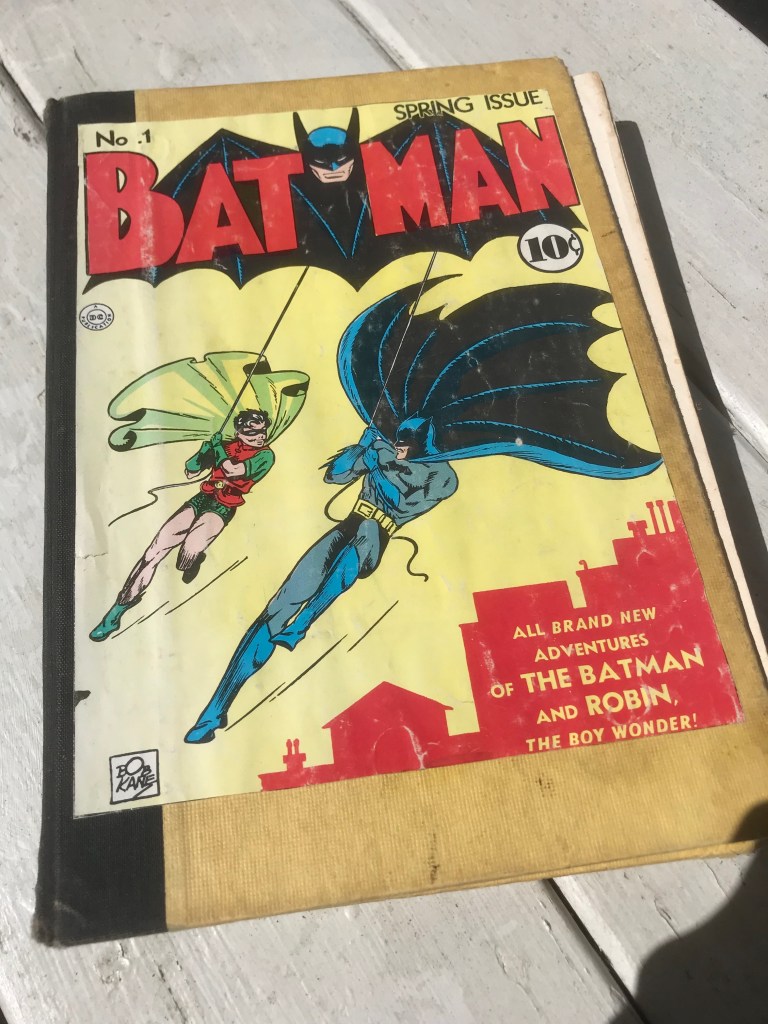
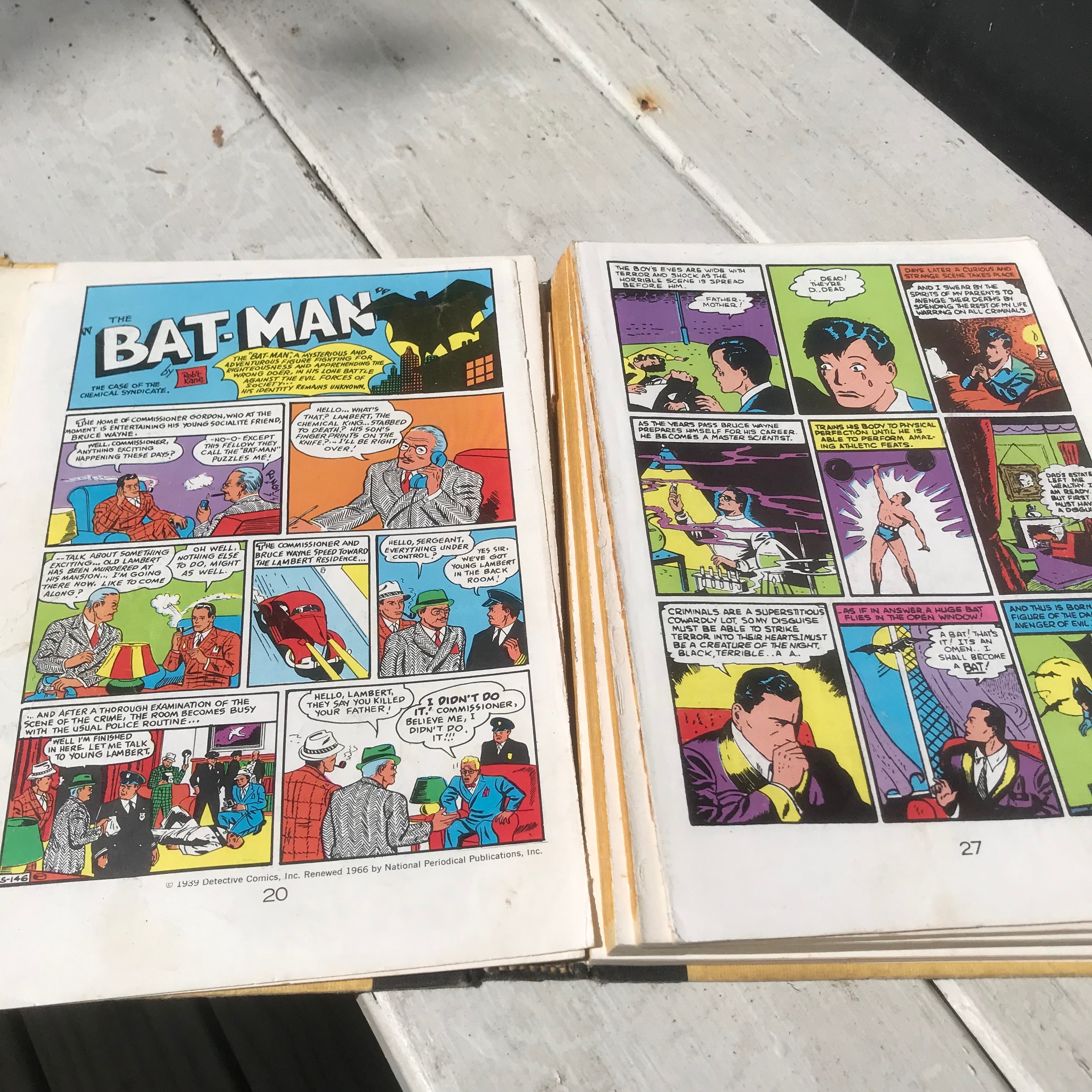
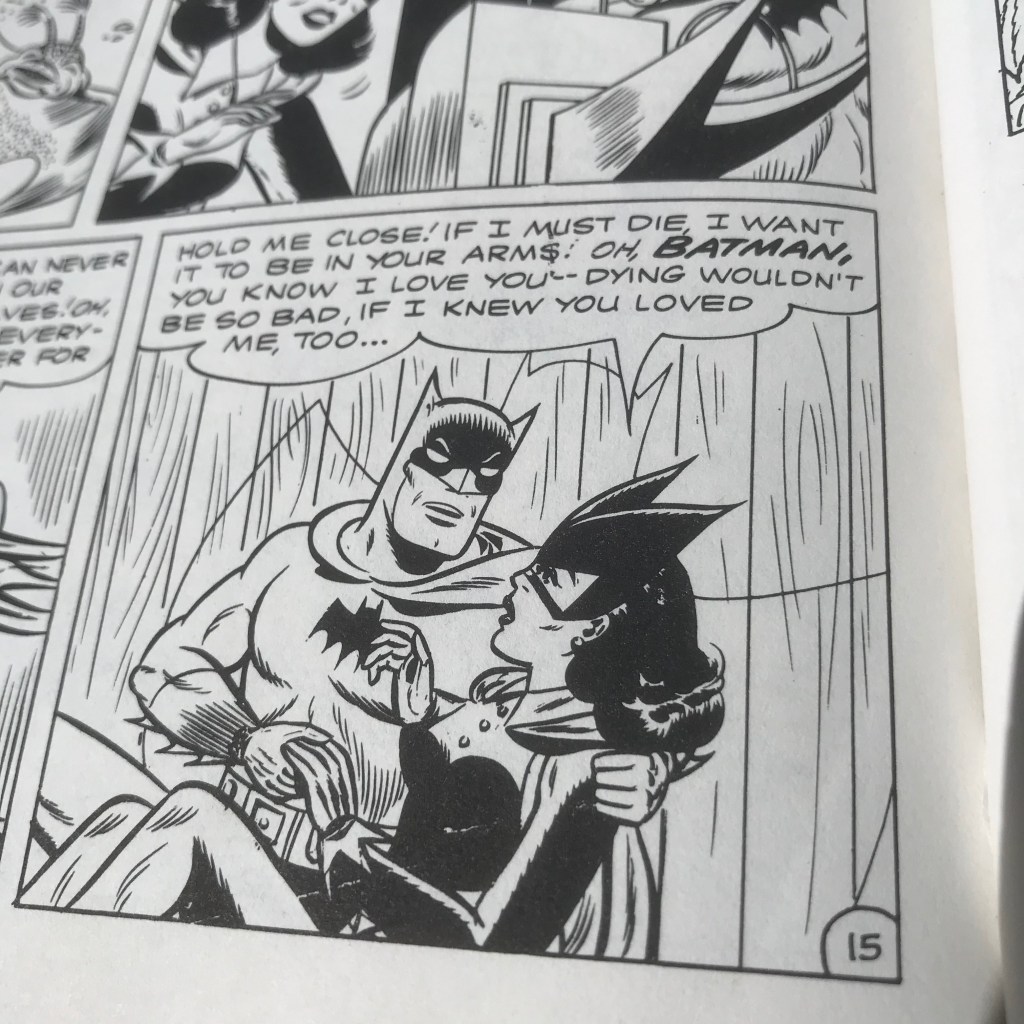
This treasured copy of “Batman: From The ‘30s to ‘70s” was given to me by my parents sometime around 1977 or so, and while it shows the wear and tear of 40+ years of avid re-reading, I’ll never part with it. The book needs regluing, there’s a few pages missing, the dust cover has been gone for decades, and for some reason I cut an interior page out and glued it on the front cover, but if there’s a single book I can blame for my lifelong comics addiction, it’s this one.
This copy has been around the world with me, from California to Mississippi to Oregon to New Zealand. About 15 years ago or so I “loaned” it to my then-teenage nephew, and it eventually ended up on the shelf out at our family’s beach house here in New Zealand. There it sits, dusty but alive.
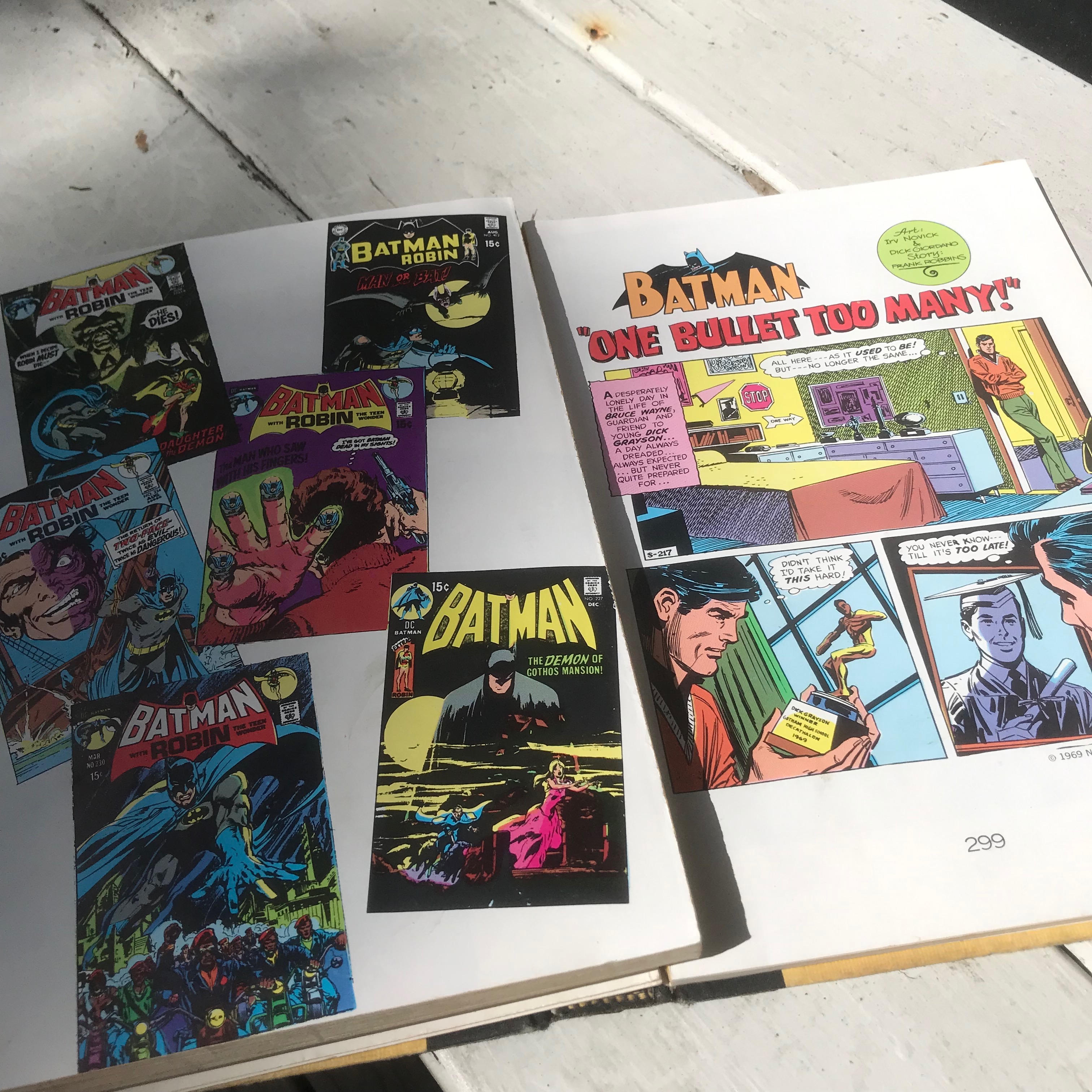
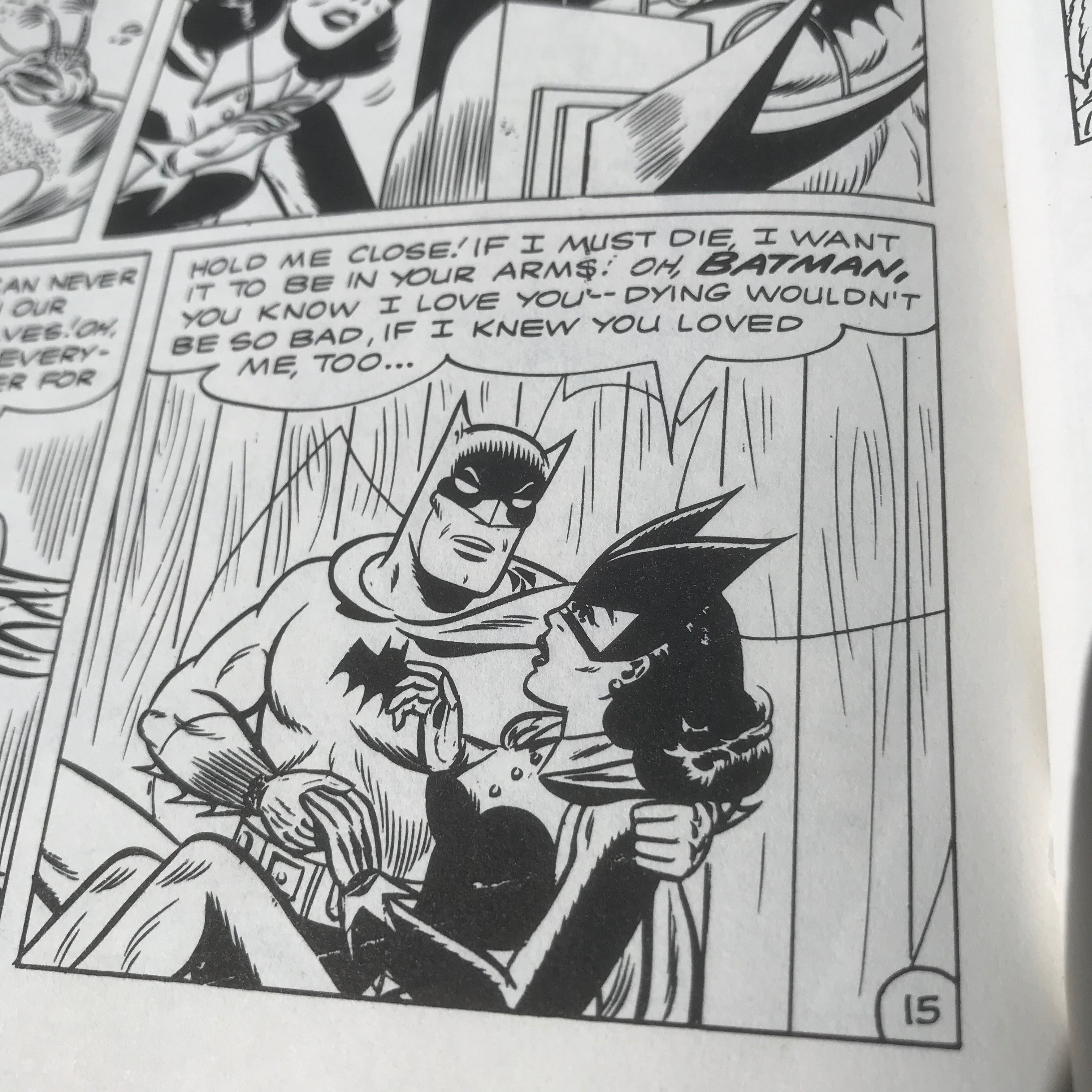
Published as a “best of” collection celebrating Batman’s first 30 years or so, it’s a marvellous summing up of why Batman still works after all this time. You had the raw, primitive early Bob Kane stories – the debuts of The Joker and Doctor Death were dark, bloody stories with a high body count. Then Robin came along, and the tone started to get lighter – culminating in the great crazed sci-fi Bat of the 1950s, with Batwoman, Batgirl, Bat-Mite and Ace The Bathound all joining the crew. Batman traveled back in time and went to alien planets and yet this was the same Batman who once brooded in the shadows of Gotham, too. Over the pages of this thick tome, you could watch Batman progress from pulp hero to sci-fi star to the classic realistic Neal Adams-styled Batman who leapt off the page in the early 1970s. You could see how Batman could fit in almost anywhere and anytime.
There were several spreads of covers of various decades in Bat-history, going from the Gothic 1940s to the kitschy 60s to the lean, brooding Bat of the early 1970s. Pre-internet, pre-discovering fandom, this was the only window into the mysteries of comics history for me. It’s really hard to describe in our wired world what it felt like to discover hints of the past without being able to Google them up. At just age 8 or so, I began to understand the concept of history. All thanks to Batman.
I long since bought another copy of the same book that’s less battered, just to be able to read it easily. I’ll still keep my original copy of “Batman From The ’30s to the ’70s” around somewhere until it disintegrates into crumbs, I imagine. It was the key to unlock a four-coloured world of heroes and villains I’ve never entirely left.
Somewhere in the last few years, my music collection began to contain more dead people than live people.
It’s been a grim decade for my tastes. Bowie. Prince. Cohen. Tom Petty. Aretha. The Fall’s Mark E. Smith. Lou Reed. Scott Walker. Just in the past few weeks alone, Daniel Johnston, Eddie Money and Ric Ocasek all took the last train from the station.
When both The Cars’ Ric Ocasek and Eddie Money died within a few days of each other recently, it felt like another thudding harsh reminder that my cassette-filled, Atari-drenched ‘80s childhood was in fact more than 35 years ago now. That the towering pop stars of my youth were now becoming old men.
Eddie Money, portrait of an ’80s rock schlub.
Eddie Money’s delightfully overwrought 1986 hit “Take Me Home Tonight” is the sound of your 14-year-old author, jittering with hormones and intensity, in unrequited love with a girl with spray-gelled hair dancing with her friends on the other side of the junior high school gym. I’ve never actually owned an Eddie Money album, but Eddie Money was part of the ‘80s DNA, in that same endearingly awkward rock crowd that included Billy Joel and Huey Lewis. You absorbed their hits, maybe you hated them, maybe you loved them, but 35 years on, they’re the sound of your youth.
And The Cars were always cool and gawky, all at the same time, which is the best possible way to be. Ric Ocasek did not look like David Lee Roth; he looked like a guy in the shadows at the coffee shop reading a beat-up William Burroughs book. The Cars crafted perfect little new wave power pop gems that always sounded vaguely spooked by something far outside their control.
I know they say rock ’n’ roll is a young man’s game, for young people by young people, but for some reason most of the musicians I’ve dug have always been older than me. Being a Gen-X music fan often meant digging artists a decade or more older than you were. Bowie was already in his 30s when he became a superstar in the “Let’s Dance” era. Someone like Bruce Springsteen or Phil Collins always seemed like an adult. Morrissey, The Clash, The Cure – they were all at least 10 years older than teens in the 1980s.
All the rock stars who defined the ‘60s, ‘70s and ‘80s are entering their 60s and 70s now. We’ll continue to see a slow drip of rock star deaths for years to come, and every one of them will make some of us feel a bit more mortal ourselves.
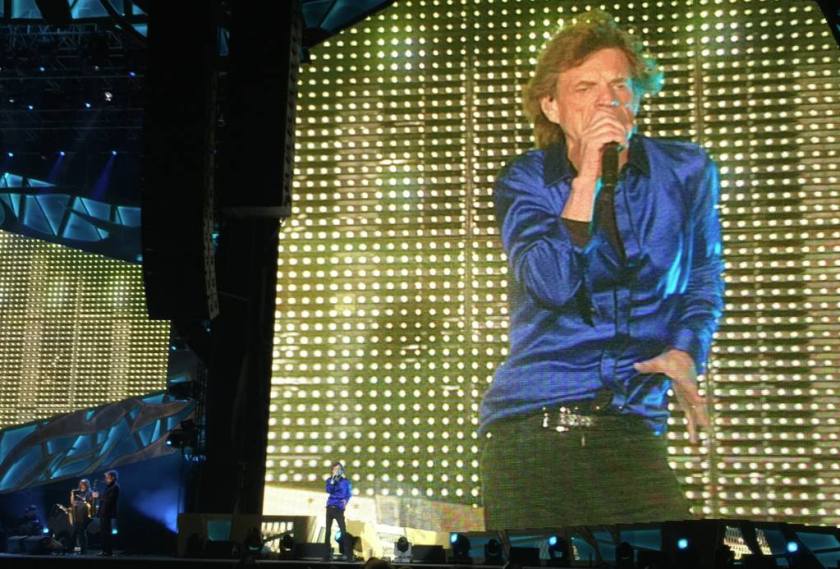
One morbid thing about living in New Zealand is that if a “legacy” act comes here, you jump on it, because it might be the last time they ever come down this way. I saw Mick Jagger strut like a golden god with the Stones in 2014, and I wouldn’t have missed it for the world. I didn’t get to what turned out to be Leonard Cohen’s last concert, ever, anywhere, right here in Auckland in 2013, and I’m kicking myself forever.
Watching the stars who peopled your teenage dreams grow old and fade away is a striking reminder that it’s happening to you, too. I’m afraid my musical tastes have become even more calcified with age, and I’m far more likely to listen to a Ramones album or the Kinks than I am a Tekashi 6ix9ine.
On disc or stream or vinyl, they’re all still young. They’re still there, forever young, no matter how many years pass or obits roll. To quote The Cars, “Uh oh, it’s magic, when I’m with you.”
“Succession”is a murderer’s row of top acting talent, and one of the few shows in this era of never-ending “peak TV” that hooked me from the word go.
It’s a cross between “Game of Thrones” and “Dynasty,” about a media mogul and his family grappling with his impending retirement, and it’s a beautiful show about very ugly people.
In the age of Trump, a show about unlikable rich folk is a pretty obvious move, but “Succession” succeeds because of its whipcrack writing (which just won an Emmy) and a cast of screen greats and newcomers alike who sear the screen.
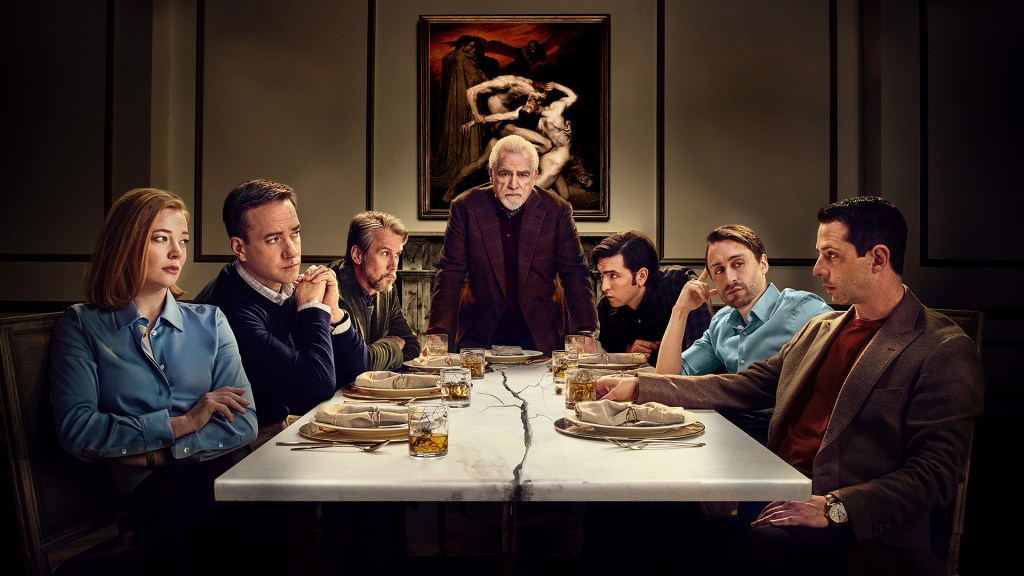
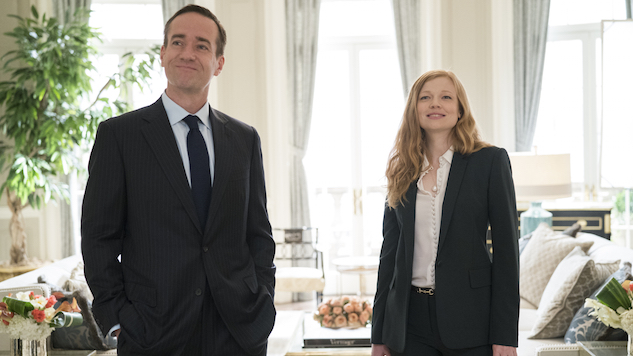
The lion in winter Brian Cox leads the cast as totally-not-Rupert Murdoch rich prick Logan Roy, with his four squabbling children jostling for power – insecure heir apparent Kendall (Jeremy Strong), saturnine creep Roman (Kieran Culkin), paranoid drop-out Connor (Alan Ruck) and steely daughter Shiv (a wonderful Sarah Snook).
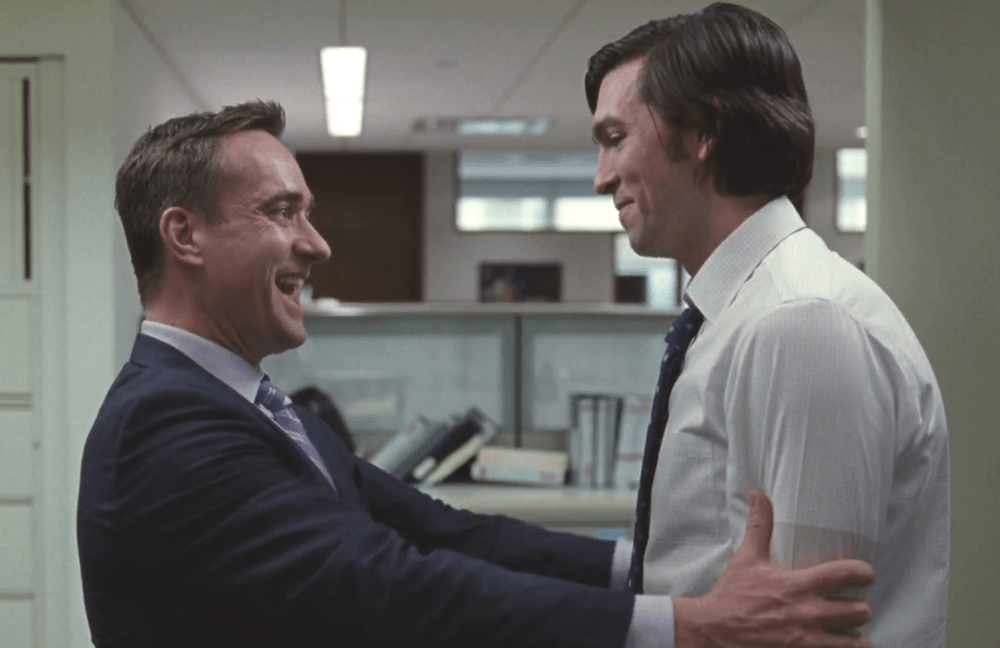
Everyone’s got their favourite part of “Succession.” Maybe it’s Brian Cox’s endlessly entertaining ways to tell someone to “fuckkkkkkkkk offfffff,” or Culkin’s sleazeball sexist insults. For me, it’s the often overlooked son-in-law Tom, in a star-making performance by Matthew Macfadyen.
Tom is the guy who’s not quite in the inner circle, but desperately wants to be. He’s married to Logan Roy’s powerful, ambitious daughter Shiv, but he’s nowhere near on her level professionally or intellectually. She’ll dump him in a hot second. He ends up running huge chunks of the Logan Roy empire simply because of who he married, giving buzzword-filled pep talks to minion staff he doesn’t even know, and pretending he’s a much bigger deal than he really is. He’s that guy who stops you in the hall to make vaguely threatening jokey banter with you and always backs off with a “just kidding, dude!” just as you get really offended. The Roy family are golden gods of privilege gliding through life, and Tom will never ever measure up.
Tom is every idiot who failed his way to the top, but he’s just charming enough to be forgiven for it, until one day he isn’t. There’s something captivating about Macfadyen’s ability to switch from smiling to sneering in a single line, about the way a thin veneer of confidence can never quite hide the need in his eyes. How many “Toms” do each of us encounter in our workaday lives, and wonder, how did THAT guy get THERE?
I know that guy. I hate that guy. But I kind of like that guy, too. Dammit.
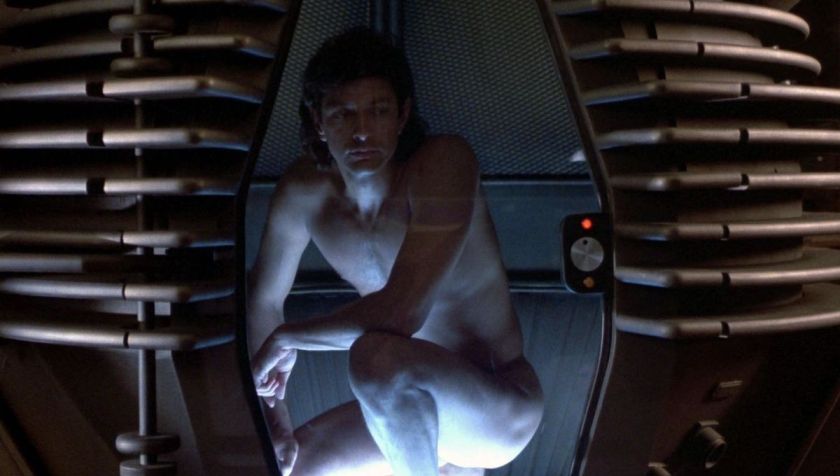
“You’re afraid to dive into the plasma pool, aren’t you? You’re afraid to be destroyed and recreated, aren’t you?” – Seth Brundle
It’s gory, grotesque and disturbing, yet in my personal time capsule of favourite movies of all time, Jeff Goldblum and David Cronenberg’s “The Fly” sticks with me.
Despite having watched it more than a dozen times since 1986, I’d never seen it on the big screen until the other night, when I caught a gorgeous 35mm screening. There’s nothing quite like seeing “The Fly” on a big screen, with an audience screaming along in synchronicity.
Like most of Cronenberg’s movies, “The Fly” hasn’t dated at its core, except for Goldblum and Geena Davis’ big ‘80s hair. The gore is still horrifying, the emotions still tight, and the movie’s fundamental core of a man grasping for knowledge and being burned by its power is as old as Icarus.
It’s a horror movie, with some of the most intensely disturbing mutations and goop of Cronenberg’s visceral career, but it’s also a doomed love story, brought to life by Goldblum and Davis’ immense chemistry (they were a couple at the time).
When I first saw “The Fly,” it was on a battered VHS dub tape someone made for me back in high school. I watched that tape so many times that whenever I see the movie now I expect to see the same tracking glitches the tape had. It was my first Cronenberg, which will screw you up for life.
“I’m saying I’m an insect… who dreamt he was a man… and loved it. But now the insect is awake.” – Seth Brundle
There’s a speech Goldblum gives towards the end, covered in latex and deformed, about insect politics. It and the movie as a whole are Goldblum’s finest hour as an actor.
Everybody loves Jeff Goldblum these days, and heck, I do too, but he’s become kind of a cartoony eccentric version of himself. “The Fly” shows what happens when Goldblum actually acts instead of quirks, and it’s still revelatory to watch Seth Brundle’s horrible transformation and mutations.
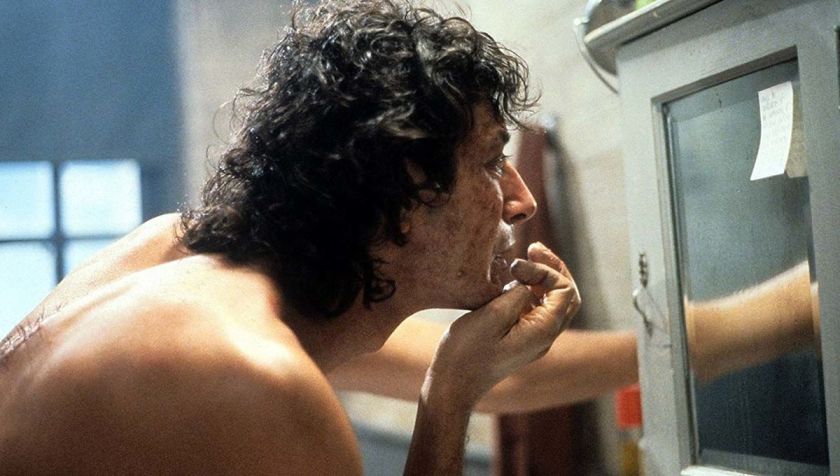
As a teenager, I saw a lot of myself in Seth Brundle’s horrific transformation into a human/fly hybrid. Golbum’s face breaks out, his body changes, he doesn’t recognise himself when he looks in the mirror. That’s every teenager in the world for you.
I see it now, I see darker metaphors – as a middle-aged dude, your body continues changing, not always in great ways. At one point in the movie Goldblum worries that he’s developed some hideous form of cancer (spoiler: it’s way worse than that). Now I see “The Fly” as a parable about anyone who’s ever felt trapped in a body that’s a stranger to them.
“I’ll bet you think that you woke me up about the flesh, don’t you? But you only know society’s straight line about the flesh. You can’t penetrate beyond society’s sick, gray, fear of the flesh.” – Seth Brundle
I’ve had my share of health woes the last few years and I have to admit that watching Goldblum go from a dazzling shirtless golden god to a deteriorating, disintegrating wreck of a man hits home hard. We are all transforming, every day, in ways big and small. Sometimes it’s wonderful. Sometimes it’s horrible. The question is how we endure it.
“The Fly” is still a movie I return to every few years, and each time I see something a little different in it. It’s dark and down, sure, but yet I also feel a weird glimmer of optimism in parts of it too. We never stop wanting to better ourselves, no matter the cost. We are all swimming in the plasma pool.
“It wants to… turn me into something else. That’s not too terrible is it? Most people would give anything to be turned into something else.” – Seth Brundle
I’ve been hunting for the Batmanissue above for a long time. It’s perhaps one of the best comic book covers ever – how can you NOT want to read the story inside? (Spoiler: It’s not actually all that great, but how could it measure up to that cover?) As a comic book cover alone, it’s a work of art.
We live in weird times, when comic books dominate pop culture and box office receipts, yet the humble printed item itself still struggles for sales. They’re still out there, and I hope they’ll be out there a long time, but we’re a long way from when an X-Men comic sold 8 million issues in the ‘90s. But great comic book covers have pretty much died as an art form, despite their still being a lot of very good comic books published. It’s like everyone stopped caring about the covers. Maybe I’m just a design nut, but to me the cover is an integral part of the whole comics package.
Comic book covers slowly changed around the turn of the century, when kids stopped buying comic books at grocery store spinner racks and the art of selling comics rested less on a dynamic cover image and more on short-lived gimmicks (ah, for the chromium foil covers of the 1990s) or story-telling events (Crisis that, Crisis this, Marvel relaunching their comic titles over at #1 about every 15 minutes). Comics sell now to a fairly entrenched group of older fans like me, and the covers stopped trying to be about grabbing your attention.
I don’t know why comic book covers have gotten so boring, really, but Christ almighty they sure have. Instead the kind of dazzling images you see here from the 1960s-1980s, sometime around 1999 comic book companies settled into publishing bland generic pin-up shots and chaotic battle scenes which vanish from your mind soon as you see them.
Marvel’s Amazing Spider-Man comic was so bad at this for a while in the early 2000s that I honestly could never tell whether I’d read an issue or not from its cover, usually yet another generic shot of Spider-Man swinging through the city. The Alex Ross school of lush, artsy painted comic book covers also took over – and I like Alex Ross’s work, but painted comic covers in general don’t grab the eye like they first did.
Comic books are at their heart a unique form of storytelling that combines words and pictures and have created some of the greatest fiction of the last century. There’s a reason Avengers movies and Aquaman movies rake in the big bucks, because there’s an iconic, mythological heft to these characters.
Yet for some reason the big brains putting out the comics stopped trying to showcase their storytelling on their covers. I don’t want yet another boring pin-up image of Batman.
I want you to tell me a story that makes me want to read that comic book, just like that battered Batman #184 from the 1960s that I finally tracked down a copy of. I’ll never forget that cover, because it told me a story and I had to know what happened next.
It takes a lot to shush up an Auckland Saturday night crowd with a single look. But Aldous Harding was able to do that with a mere glance at the sold-out Powerstation gig celebrating our home-grown songwriter’s success.
Harding is one of the more unique voices sprouting from New Zealand’s fertile music scene these last few years. At just 29, she’s crafting the kind of edgy crossover career that wins lifelong fans while never sounding like anything other than herself. She’s mysterious and strange, sometimes sounding like an alien come down to earth, with a voice that moves from angelic highs to booming lows with ease, and song lyrics that defy easy interpretation. There’s hints of Bowie, Laurie Anderson and Kate Bush in her work, but it’s all dipped in an antipodean magic all its own. Her “Horizon” is one my favourite singles of the last few years, and her latest album “Designer” is one of 2019’s best.
Dressed something like an extra in a 1990s Beastie Boys video, Harding took the stage alone, with a single guitar, and rather daringly played two of her most hushed, intimate numbers at the very start of the show. The crowd at the bar shushed; you couldn’t even hear glasses jingle, nothing but Harding’s chameleon voice echoing around the Powerstation. It was a masterful entrance by a performer who already clearly knows how to hold attention, and when the slower songs gave way to the full band joining her on the joyously bouncy “Designer,” it was a powerful burst of catharsis and exhaled breaths.
Harding has developed a reputation for her striking performance style, sometimes gurning and contorting her features in confrontational ways. She was less trippy last night than some of her performances I’ve seen, but she still has a gift for upsetting audience expectations with an unexpected twist of her lips, roll of her eyes, or a kabuki-like set of gestures.The show moved between quieter numbers and ecstatic jigs by her excellent band – there’s definitely a more pop sensibility in the songs of “Designer,” and a song like “The Barrel” is an anthem that still remains distinctly its own thing, with lyrics like “The wave of love is a transient hunt / Water’s the shell and we are the nut” rattling around your brain.
I’ve been to shows at the Powerstation before for similarly stark, intimate shows and left annoyed by the singer being overwhelmed by the crash of beer bottles and the yammering of the audience. That wasn’t a problem tonight. On a cold August night, Harding felt like the hottest thing in town, something new and old at the same time blooming with an energy all its own. She closed with a magnificent, aching cover of Gerry Rafferty’s “Right Down The Line” and terrific new song, “Old Peel,” that left me with no doubt about her future.
She wasn’t much for banter, but she gave us a glimpse of her self as she sighed with a tight smile at the encore, “What a life, eh?” Whatever strange roads Aldous Harding takes to in the future, I’ll be there.
I’m a fan of a lot of things. But “Star Wars” is complicated for me.
Like pretty much everyone born in the 1970s, I grew up with “Star Wars,” surrounded by Kenner action figures and C-3PO Underoos and painstakingly assembling the entire 107-issue run of Marvel comics. I never thought I’d still be seeing new “Star Wars” movies 40 years later.
But these days, the more toxic elements of “Star Wars” fandom have seeped into my appreciation of the Jedi mythos, already diluted by middling prequels and a never-ending tsunami of content-expanding product – some good, some unnecessary. They’re a tiny keyboard warrior minority, but seeing the misogynists and trolls outraged at gerrrrrls and non-white characters brought into their little biosphere in “Star Wars: The Last Jedi” had a contaminating effect for me. I’ll always love “Star Wars,” but I’m uneasy lumping myself into the fandom scene.
Jake Lloyd and Ahmed Best of 1999’s “The Phantom Menace” have faced years of harassment and bullying for simply appearing in a movie. It’s hard for me to square up my own childhood Jedi fandom with an invisible online world of real-life Sith lords throwing bombs from their keyboards. If fandom is hounding an Asian-American actress off the internet for being in a “Star Wars” movie, I don’t want any part of it.
So it’s complicated watching “Star Wars” movies in your late 40s, with a lifetime of your own memory baggage tossed into a cultural Tower of Babel of hot takes and trolling that never ends.
I watched “The Last Jedi” again recently, and it’s the rare post-1983 “Star Wars” movie that actually gets better on each viewing. It goes in hard, unexpected places and objectively speaking is the most beautiful movie of the entire series to date, with director Rian Johnson composing painterly, stunning vistas that remind me of why I fell in love with the alien skies of Tatooine and Bespin in the first place. The cast is great (sorry, keyboard warriors) and it’s honestly the most surprising “Star Wars” movie since “Empire Strikes Back.” While I dug “The Force Awakens,” it’s hard not to see its plot as a ramped-up remake of “Star Wars”. “The Last Jedi” goes against what fans expected, and it suffered a backlash in some quarters as a result.
And yet, “The Last Jedi” is also a cruel movie, where betrayal and despair is everywhere. Watching the last remnants of the Rebellion slowly being picked off and almost every character suffering incredible losses is a downer, much like the ending of “Empire Strikes Back” was in 1981.
It’s likely that December’s Episode IX will live up to the title “The Rise of Skywalker” and deliver some kind of feel-good catharsis, but I don’t know. These are bleaker times than 1983. Cheesy as it may seem, the original trilogy had the standard-issue happy ending, with Ewoks singing wub-wub and everybody smiling at the force ghosts.
Perhaps it’s a more brutal world now or a less blinkered one, but “The Force Awakens” and “The Last Jedi” are here to tell us there are no happy endings. (MAJOR SPOILERS ahead if you have yet to see either of these movies.) Han Solo has an apparently failed marriage to Leia and dies alone on a bridge, killed by his own son. Luke Skywalker sees his every ambition fail and spends his final years bitter and alone on a rocky island. General Leia Organa’s entire life is filled with failure and loss, the Rebellion crumbling around her, and whatever her final fate in “The Rise of Skywalker” is likely to be, it’s coming at the end of a hard life. I’m only hoping Lando has had some happiness in his final years.
In the brief interregnum from 1984-1997 or so when “Star Wars” fandom went underground, where there were tons of comic book sequels and novels and the like, an entirely new ending was imagined for Han, Luke and Leia, one filled with ups and downs but definitely less fatalistic than the bleak realities of Episodes VII and VIII. I feel sad to see the characters I followed so obsessively as a kid not getting their happy endings. Then again, you can call back to Ben Kenobi’s lonely Tatooine exile or the brutal deaths of Uncle Owen and Aunt Beru and say that “Star Wars” has always had harsh endings.
Yet I can’t fault its reality – war rarely ends cleanly or easily in real life, and it was always a stretch to imagine a bunch of Ewoks in a forest singlehandedly brought down a galactic empire. But I liked the fantasy. I liked the happy ending in 1983, and not having to read hot takes on it all the next day online. One of the biggest problems with the 42-year history of “Star Wars” now is that everyone has their own expectations of how things will go, and their own disappointment when it doesn’t measure up. Like most things, “Star Wars” is an imperfect creation, and part of being a fan of it all after decades is coming to grips with it.
In the end nothing will be as pure a love as the kind you had when you were a starry-eyed kid. I’ll always be a “Star Wars” fan, despite my misgivings. But it’s complicated.









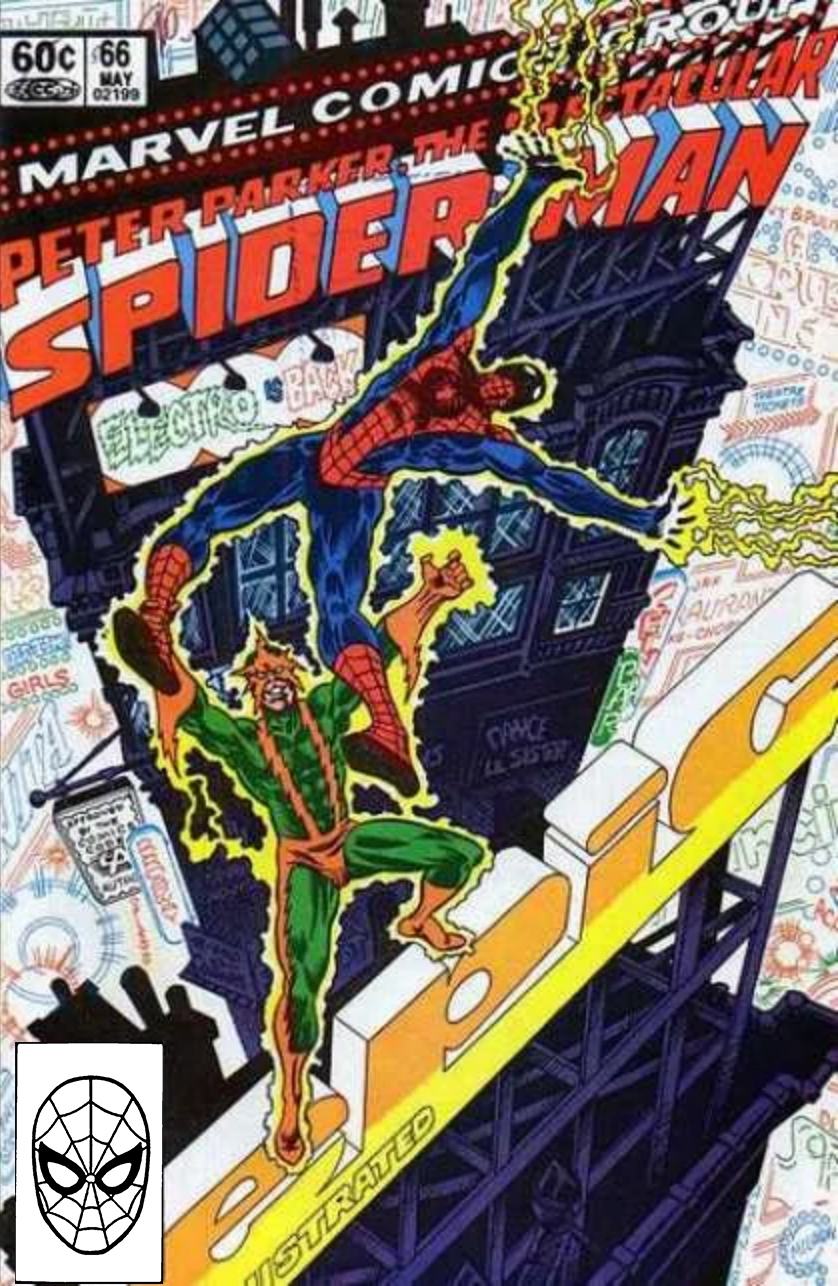
 I’ve been hunting for the Batman issue above for a long time. It’s perhaps one of the best comic book covers ever – how can you NOT want to read the story inside? (Spoiler: It’s not actually all that great, but how could it measure up to that cover?) As a comic book cover alone, it’s a work of art.
 We live in weird times, when comic books dominate pop culture and box office receipts, yet the humble printed item itself still struggles for sales. They’re still out there, and I hope they’ll be out there a long time, but we’re a long way from when an X-Men comic sold 8 million issues in the ‘90s. But great comic book covers have pretty much died as an art form, despite their still being a lot of very good comic books published. It’s like everyone stopped caring about the covers. Maybe I’m just a design nut, but to me the cover is an integral part of the whole comics package.
 I don’t know why comic book covers have gotten so boring, really, but Christ almighty they sure have. Instead the kind of dazzling images you see here from the 1960s-1980s, sometime around 1999 comic book companies settled into publishing bland generic pin-up shots and chaotic battle scenes which vanish from your mind soon as you see them.
 Comic books are at their heart a unique form of storytelling that combines words and pictures and have created some of the greatest fiction of the last century. There’s a reason Avengers movies and Aquaman movies rake in the big bucks, because there’s an iconic, mythological heft to these characters.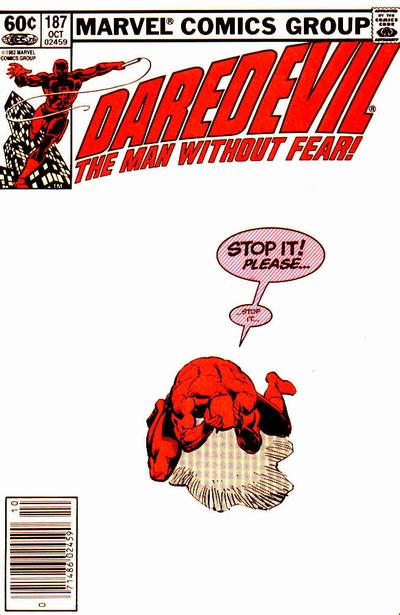
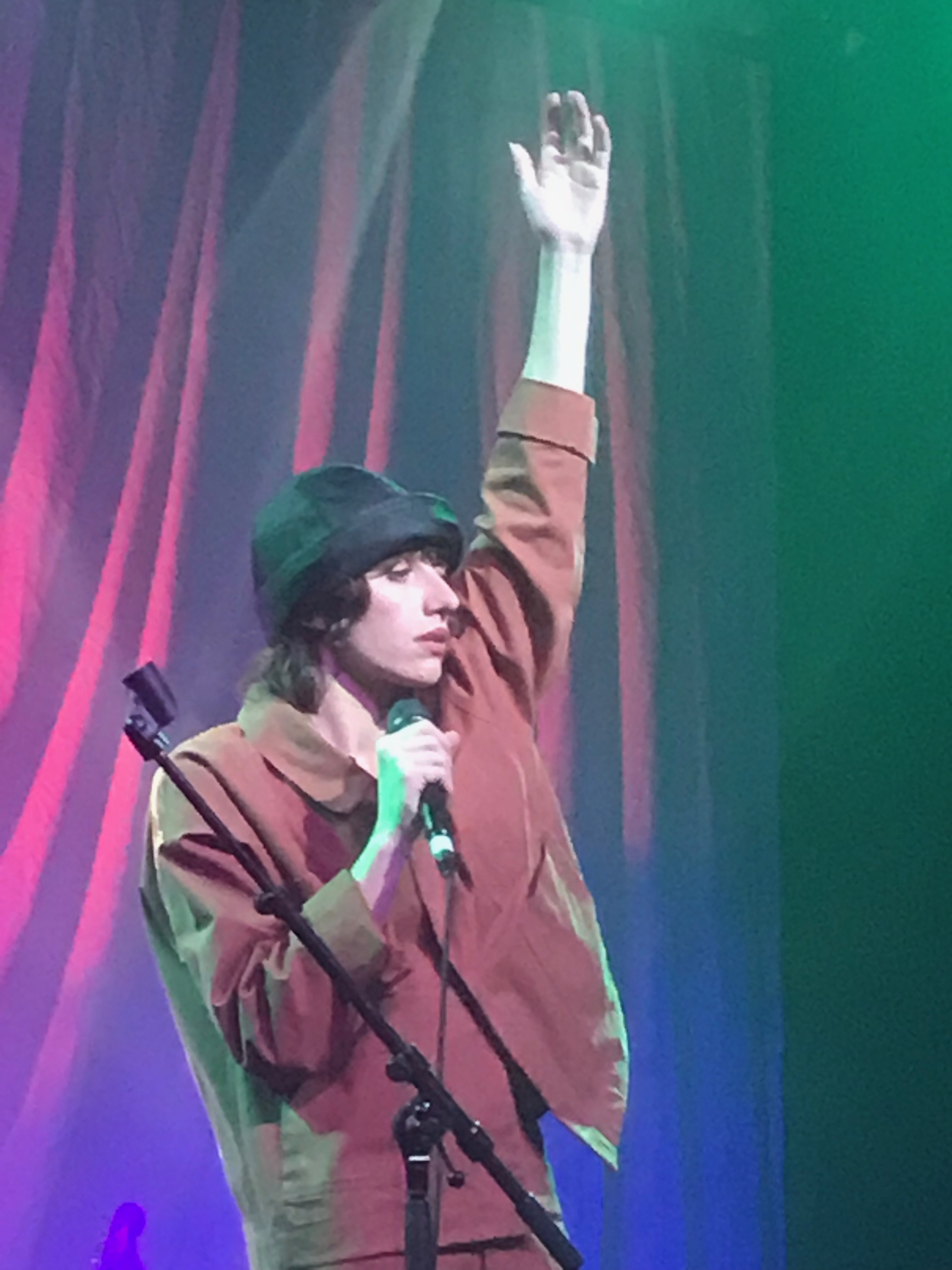 It takes a lot to shush up an Auckland Saturday night crowd with a single look. But
  I’ve been to shows at the Powerstation before for similarly stark, intimate shows and left annoyed by the singer being overwhelmed by the crash of beer bottles and the yammering of the audience. That wasn’t a problem tonight. On a cold August night, Harding felt like the hottest thing in town, something new and old at the same time blooming with an energy all its own. She closed with a magnificent, aching cover of Gerry Rafferty’s “Right Down The Line” and terrific new song, “Old Peel,” that left me with no doubt about her future.
 I’m a fan of a lot of things. But “Star Wars” is complicated for me.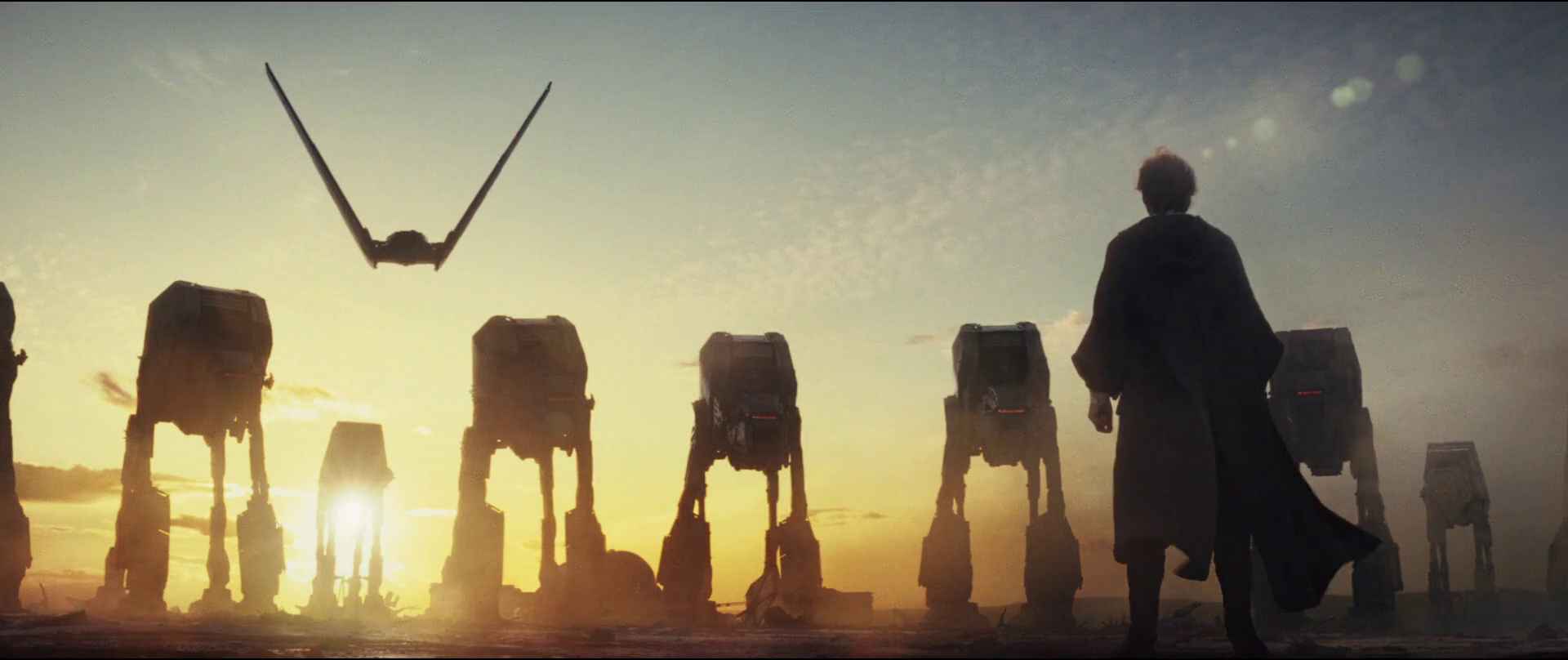
 I watched “The Last Jedi” again recently, and it’s the rare post-1983 “Star Wars” movie that actually gets better on each viewing. It goes in hard, unexpected places and objectively speaking is the most beautiful movie of the entire series to date, with director Rian Johnson composing painterly, stunning vistas that remind me of why I fell in love with the alien skies of Tatooine and Bespin in the first place. The cast is great (sorry, keyboard warriors) and it’s honestly the most surprising “Star Wars” movie since “Empire Strikes Back.”

 Nik Dirga