 I’m a fan of a lot of things. But “Star Wars” is complicated for me.
Like pretty much everyone born in the 1970s, I grew up with “Star Wars,” surrounded by Kenner action figures and C-3PO Underoos and painstakingly assembling the entire 107-issue run of Marvel comics. I never thought I’d still be seeing new “Star Wars” movies 40 years later.
But these days, the more toxic elements of “Star Wars” fandom have seeped into my appreciation of the Jedi mythos, already diluted by middling prequels and a never-ending tsunami of content-expanding product – some good, some unnecessary. They’re a tiny keyboard warrior minority, but seeing the misogynists and trolls outraged at gerrrrrls and non-white characters brought into their little biosphere in “Star Wars: The Last Jedi” had a contaminating effect for me. I’ll always love “Star Wars,” but I’m uneasy lumping myself into the fandom scene.

Jake Lloyd and Ahmed Best of 1999’s “The Phantom Menace” have faced years of harassment and bullying for simply appearing in a movie. It’s hard for me to square up my own childhood Jedi fandom with an invisible online world of real-life Sith lords throwing bombs from their keyboards. If fandom is hounding an Asian-American actress off the internet for being in a “Star Wars” movie, I don’t want any part of it.
So it’s complicated watching “Star Wars” movies in your late 40s, with a lifetime of your own memory baggage tossed into a cultural Tower of Babel of hot takes and trolling that never ends.
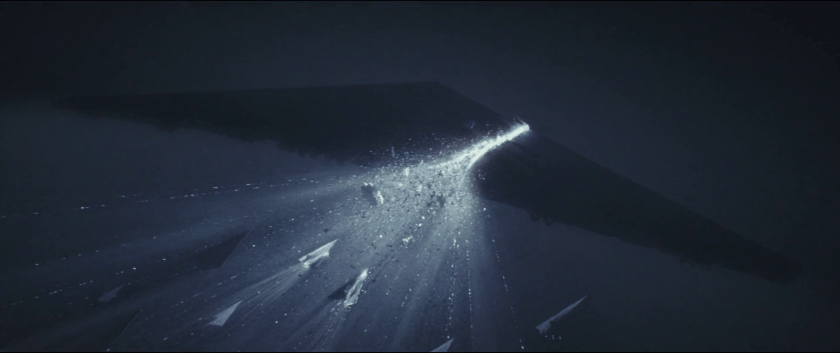 I watched “The Last Jedi” again recently, and it’s the rare post-1983 “Star Wars” movie that actually gets better on each viewing. It goes in hard, unexpected places and objectively speaking is the most beautiful movie of the entire series to date, with director Rian Johnson composing painterly, stunning vistas that remind me of why I fell in love with the alien skies of Tatooine and Bespin in the first place. The cast is great (sorry, keyboard warriors) and it’s honestly the most surprising “Star Wars” movie since “Empire Strikes Back.” While I dug “The Force Awakens,” it’s hard not to see its plot as a ramped-up remake of “Star Wars”. “The Last Jedi” goes against what fans expected, and it suffered a backlash in some quarters as a result.
And yet, “The Last Jedi” is also a cruel movie, where betrayal and despair is everywhere. Watching the last remnants of the Rebellion slowly being picked off and almost every character suffering incredible losses is a downer, much like the ending of “Empire Strikes Back” was in 1981.
It’s likely that December’s Episode IX will live up to the title “The Rise of Skywalker” and deliver some kind of feel-good catharsis, but I don’t know. These are bleaker times than 1983. Cheesy as it may seem, the original trilogy had the standard-issue happy ending, with Ewoks singing wub-wub and everybody smiling at the force ghosts.

Perhaps it’s a more brutal world now or a less blinkered one, but “The Force Awakens” and “The Last Jedi” are here to tell us there are no happy endings. (MAJOR SPOILERS ahead if you have yet to see either of these movies.) Han Solo has an apparently failed marriage to Leia and dies alone on a bridge, killed by his own son. Luke Skywalker sees his every ambition fail and spends his final years bitter and alone on a rocky island. General Leia Organa’s entire life is filled with failure and loss, the Rebellion crumbling around her, and whatever her final fate in “The Rise of Skywalker” is likely to be, it’s coming at the end of a hard life. I’m only hoping Lando has had some happiness in his final years.
In the brief interregnum from 1984-1997 or so when “Star Wars” fandom went underground, where there were tons of comic book sequels and novels and the like, an entirely new ending was imagined for Han, Luke and Leia, one filled with ups and downs but definitely less fatalistic than the bleak realities of Episodes VII and VIII. I feel sad to see the characters I followed so obsessively as a kid not getting their happy endings. Then again, you can call back to Ben Kenobi’s lonely Tatooine exile or the brutal deaths of Uncle Owen and Aunt Beru and say that “Star Wars” has always had harsh endings.

Yet I can’t fault its reality – war rarely ends cleanly or easily in real life, and it was always a stretch to imagine a bunch of Ewoks in a forest singlehandedly brought down a galactic empire. But I liked the fantasy. I liked the happy ending in 1983, and not having to read hot takes on it all the next day online. One of the biggest problems with the 42-year history of “Star Wars” now is that everyone has their own expectations of how things will go, and their own disappointment when it doesn’t measure up. Like most things, “Star Wars” is an imperfect creation, and part of being a fan of it all after decades is coming to grips with it.
In the end nothing will be as pure a love as the kind you had when you were a starry-eyed kid. I’ll always be a “Star Wars” fan, despite my misgivings. But it’s complicated.
 What is it: It’s not exactly a household name, but in certain circles, it’s the holy bible of cheesy kung-fu schlock.
 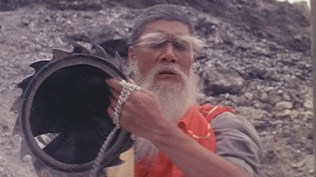 Does it measure up to its rep? This is
  How’s it different than I thought: Unlike the
  Sometime in the next few months, Elvis Presley will have been dead longer than he’s been alive.
 Who’s my favourite comic book artist of all time?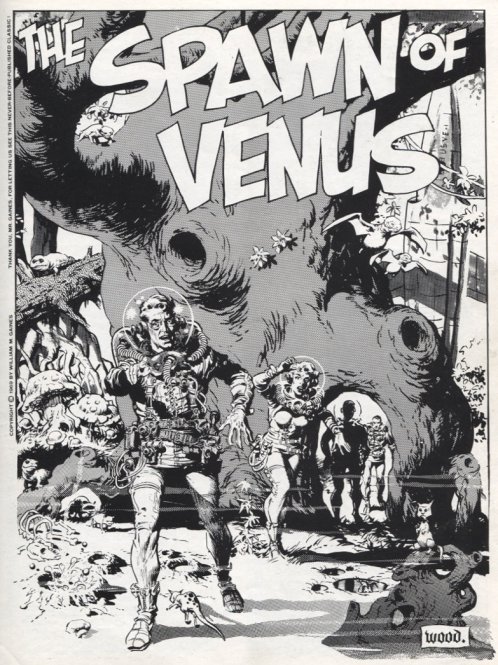

 A good film festival is like a church for its acolytes – a place to find solace and enlightenment, to forget your troubles and to imagine exciting new possibilities in life.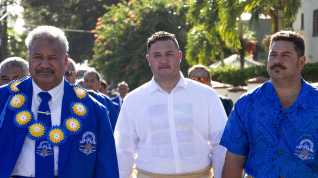
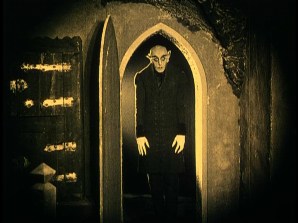 No wonder I can’t stop thinking about movies. It’s a kaleidoscope of cinema every year – in past years I’ve seen grand revivals of Sergio Leone movies, silent classics like “Nosferatu” and Andrei Tarkovsky’s epic, enigmatic Russian epics which demand to be seen on a gaping big screen.
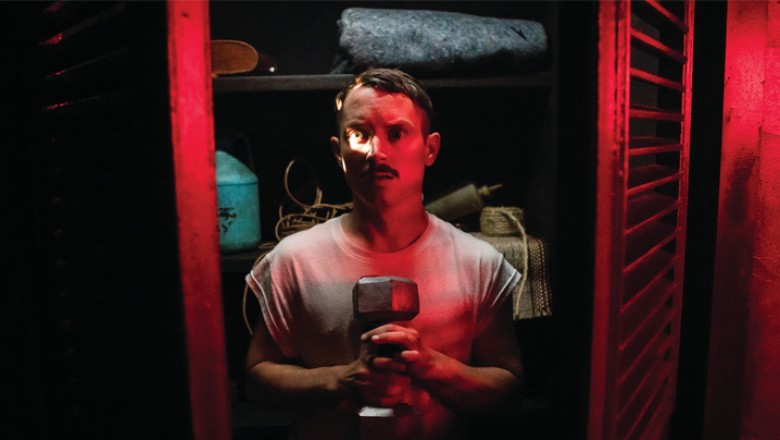 I joined a crowd of hundreds to cringe, scream and laugh last night at the premiere of NZ filmmaker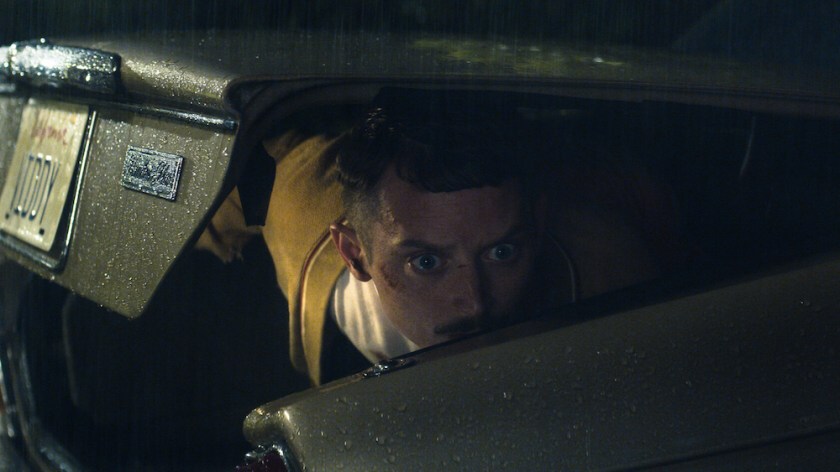
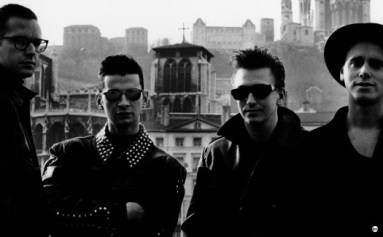 If I ever was to bottle the essence of my late teenage angst circa ages 16-20, it would smell a lot like Depeche Mode.
 Depeche Mode can roughly be broken up into three periods – their lighter “synth pop” phase of the first couple albums, when Erasure’s Vince Clarke was in the band, the “imperial phase” running from roughly “Construction Time Again” to “Ultra” when they pretty much ruled the proto-emo world, and the more muted, less omnipresent latter Mode, after Alan Wilder left the band, which continues pretty much to this day.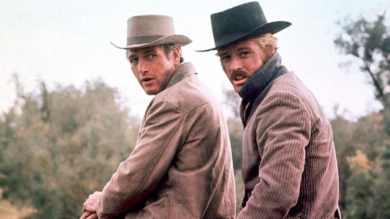
 The movie begins and ends with sepia tones, homaging an imagined western past that America has fetishised for decades. But in between “Butch Cassidy” is a determinedly modern movie, with Joss Whedon-worthy jokes being cracked left and right by Cassidy and the Sundance Kid. Rather than the stoic masculine glares of an Eastwood or John Wayne, you’ve got Paul Newman’s motormouth Butch, whose first act of violence in the film isn’t a grim showdown – it’s kicking someone in the nuts. Meanwhile, Robert Redford’s Sundance Kid is the more traditional hero of the two, but he still shows cracks in his western hero facade.
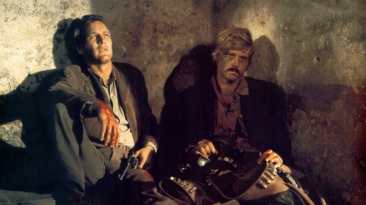 “Butch Cassidy” is one of those pivotal movies of the ‘60s and ‘70s that forever cracked the old of the traditional heroic figure. The reason it still seems so relaxed today is that we’ve been surrounded by Butch and his offspring for years. Long may they ride.
 I hadn’t been to Christchurch in 10 years, and I’m not quite sure how that happened.
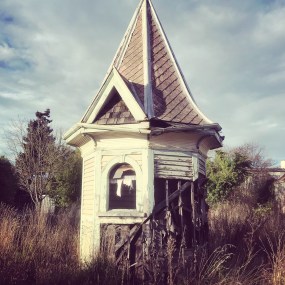 The signs of the 2011 earthquakes are everywhere, far more prevalent than I’d imagined they’d be almost a decade on. Downtown is dotted with vacant lots, cranes constructing new buildings, and the cracked and battered abandoned remains of those structures that haven’t been torn down yet. For every building that seems fine, there’s another that’s a dust-covered shell that looks like something from Chernobyl. The gorgeous old Christchurch Cathedral is a broken and gaping maw, like a dollhouse cross-section where you can see inside a building. Dozens of pigeons still nest in the rafters, visible to all.
 Nik Dirga