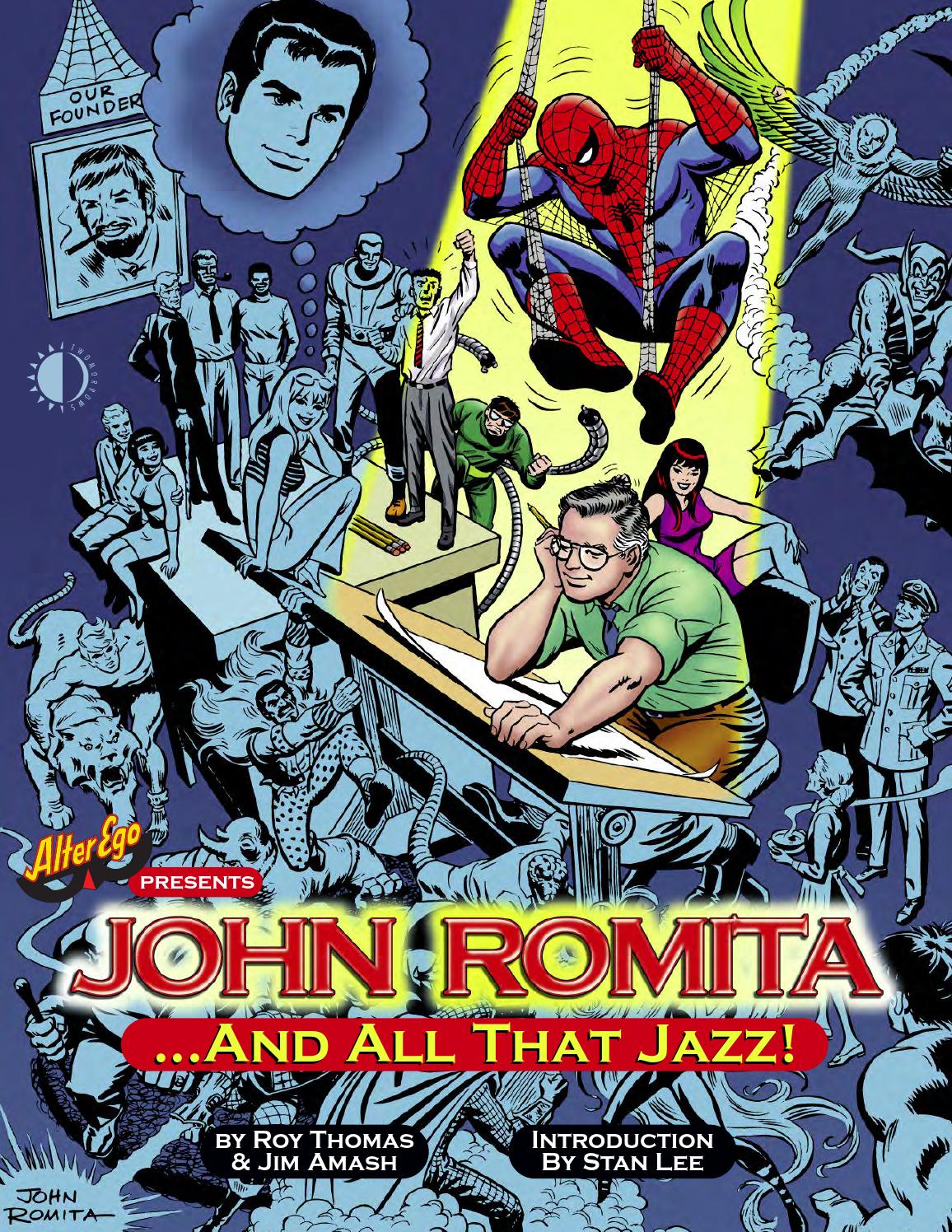
Was he the best Spider-Man artist of all time? I think so. Was he quite possibly the greatest Marvel Comics artist of all time? Maybe so.
John Romita, Sr. has left us at the age of 93, with a career that spanned all the way from the golden age of the late 1940s well into the 2000s. Boy, he was good.
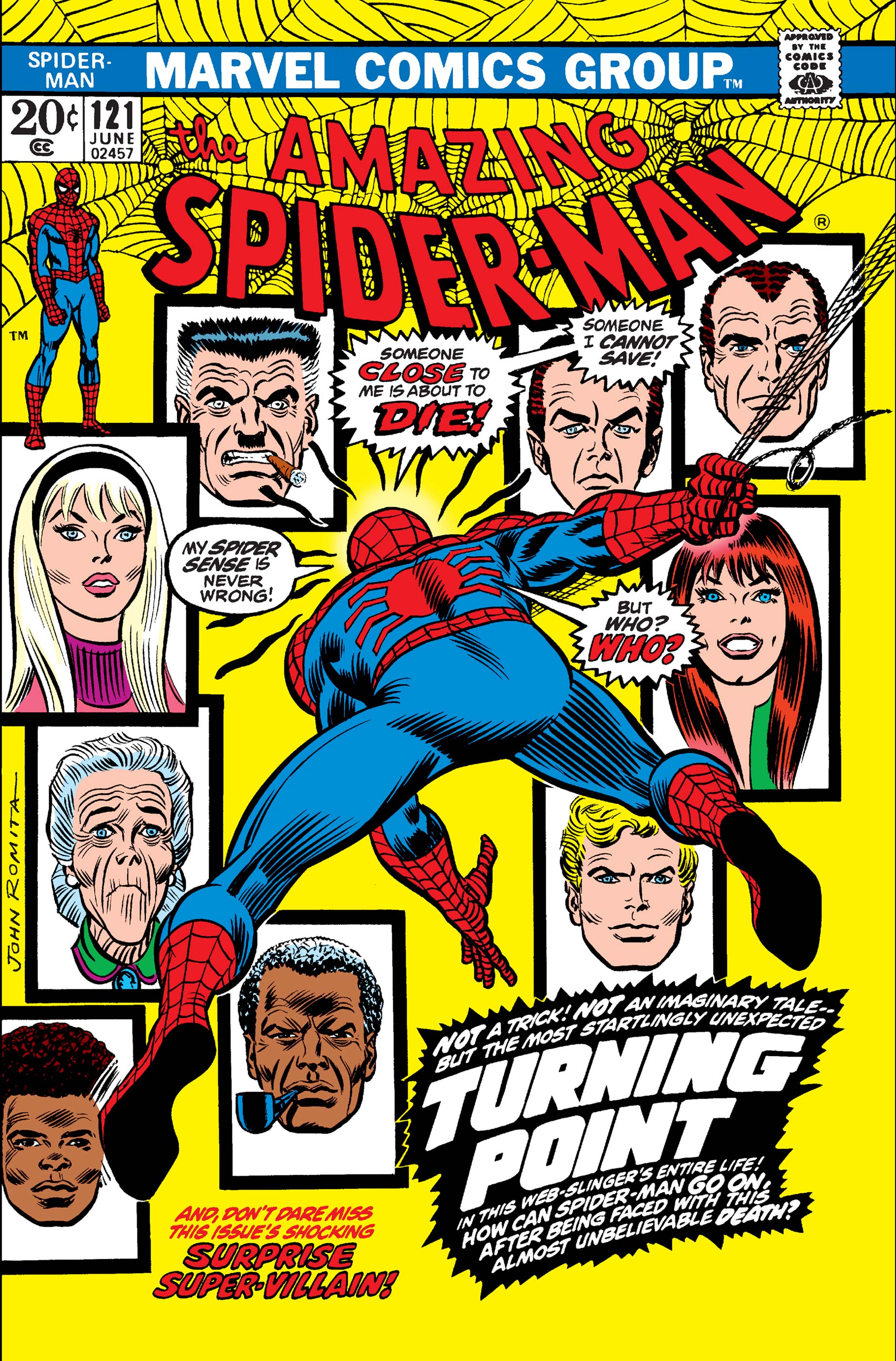
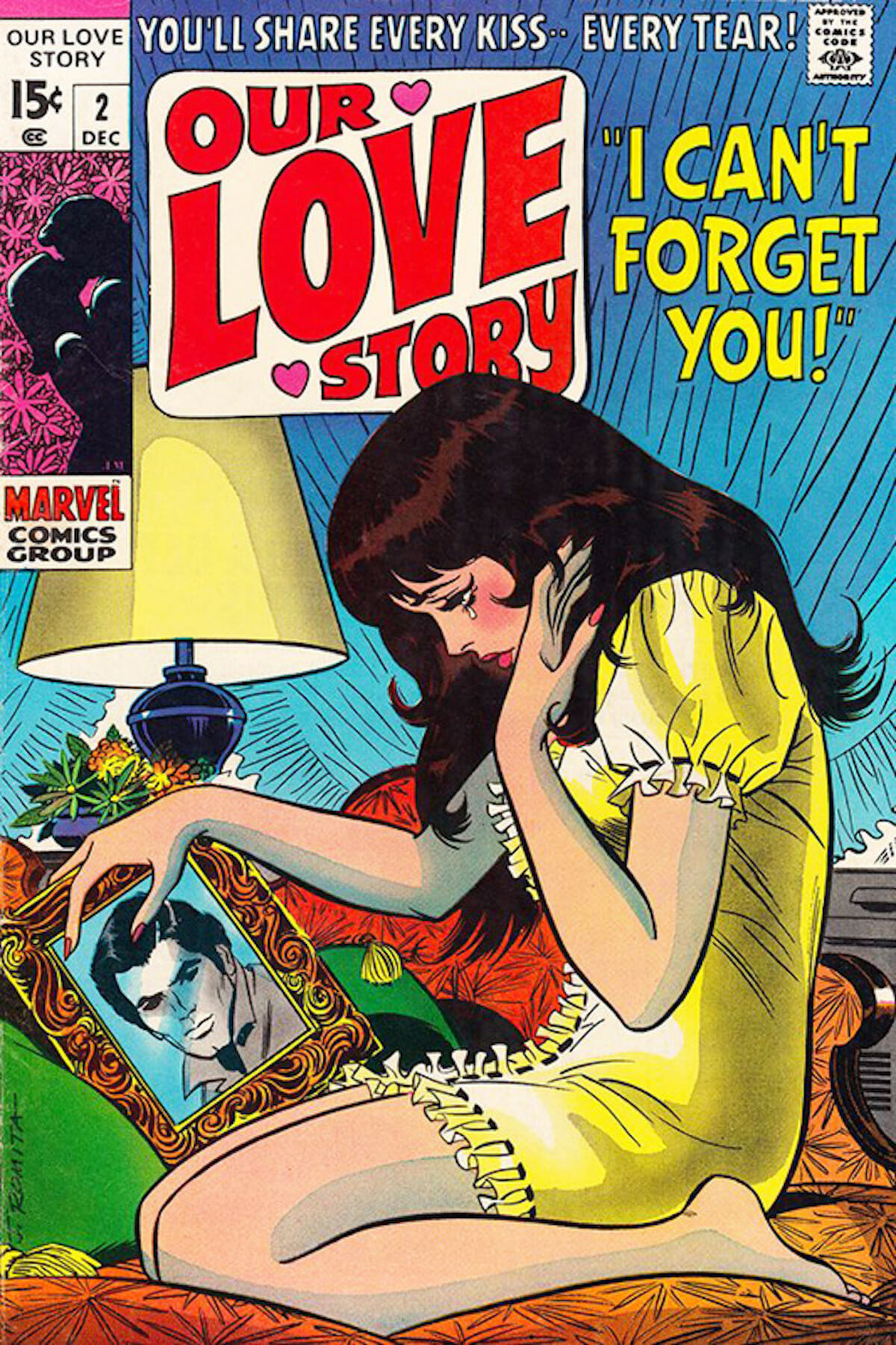
I wrote just last year about how for me, Romita and his immensely talented son John Romita Jr. have defined Spider-Man. His art was crisp, bold and clear. Yes, there have been many other great Spider-Man artists, from the inimitable co-creator Steve Ditko to the wiry revolutionary Todd McFarlane.
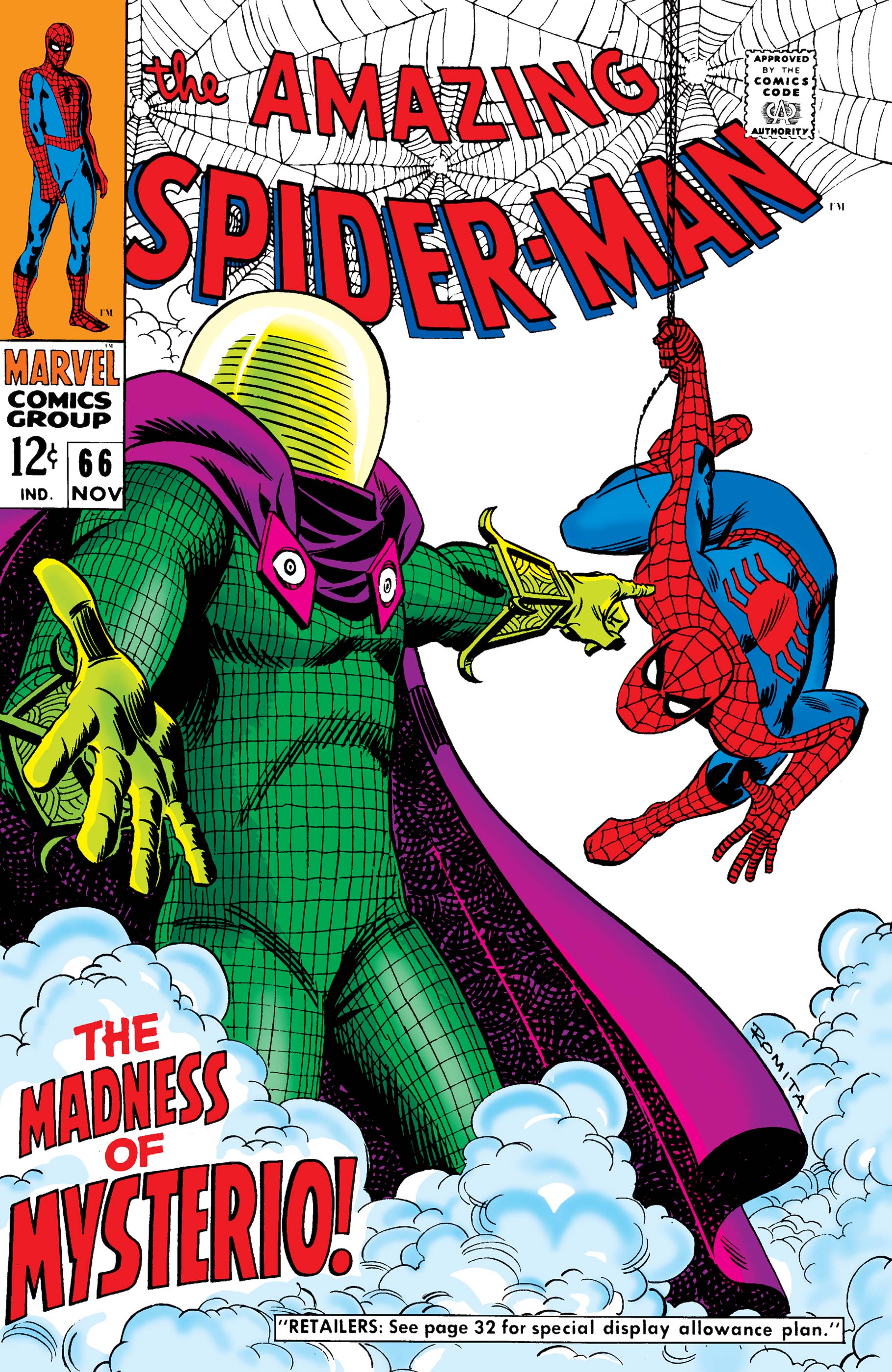
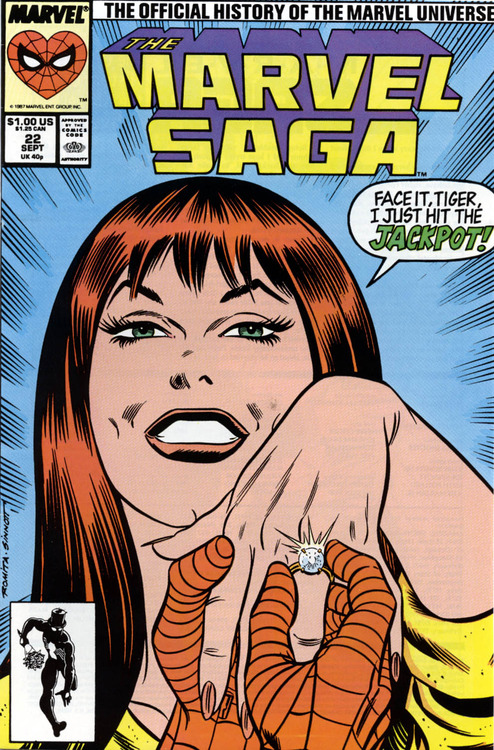
But here’s the thing. If I close my eyes and just think, “Spider-Man,” I see a John Romita Sr. drawing. Maybe I see Amazing Spider-Man #66 from 1967 starring the evil Mysterio – I picked up a beater copy back in the 1980s and for years and years it was the “oldest” comic I ever owned, filled with that timeless Romita cool style. Maybe I see his gorgeous Mary Jane, or his sneering Green Goblin.
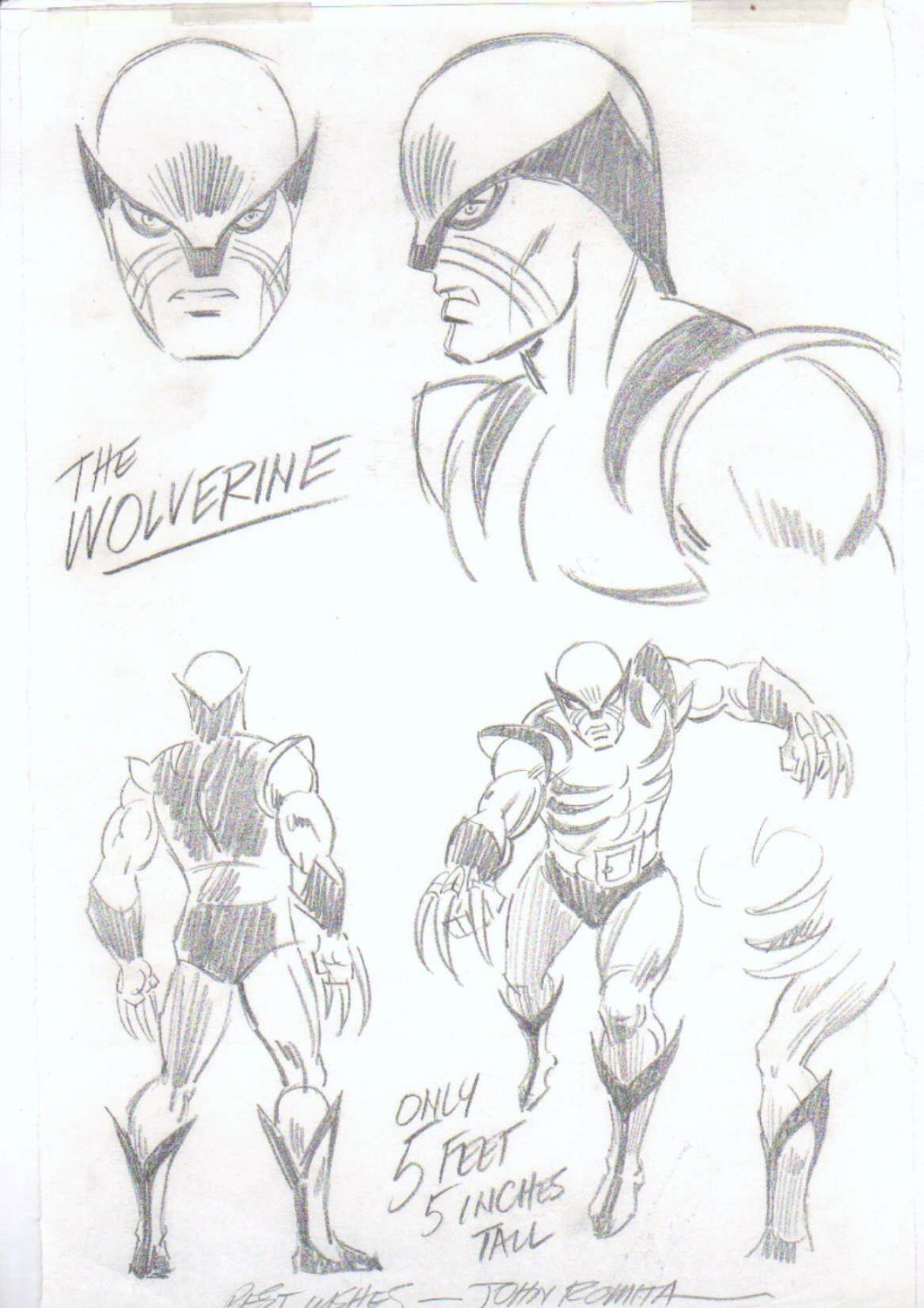
And to be honest, if I close my eyes and just summon up the words “Marvel Comics,” I tend to think of a Romita Sr drawing too. He was the public face of the company for years thanks to becoming Marvel’s art director and doing countless merchandising and house ad illos. More than Spider-Man, he co-created or summoned up dynamic classic looks for characters like Wolverine, The Kingpin, The Punisher and Luke Cage who have all gone on to become movie and TV series stars. To me, his art kind of was Marvel Comics.
Everyone knows Batman and Robin. But did you hear the one about Batman and Robin and… Galexo?
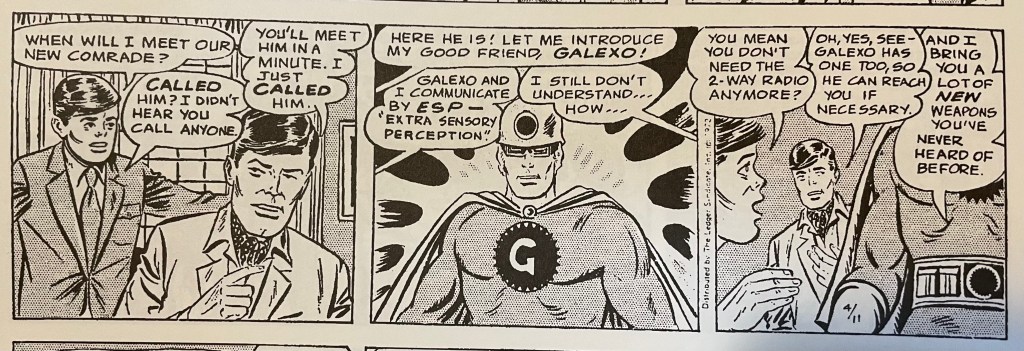
A bizarrely uncharismatic space superhero, Galexo parachuted his way into the late 1960s/early 1970s Batman syndicated newspaper strip towards the end of its lifetime, and thanks to an argument between publishers, he ended up pushing Batman out of his own comic entirely, doing something the Joker could never manage – killing Batman.
These strange oddball strips have fascinated Batman aficionados for years but were rarely seen until reprinted in the handsome 2016 collection Batman: The Silver Age Dailies and Sundays Volume 3 1969-1973. The book is a story of Batman’s strange decline in the comic strip – while it starts out with solid artwork and stories featuring Batman’s traditional foes, by the end of 1971 the strip started to collapse upon itself.
A weird struggle between the newspaper comics syndicate Ledger and National Periodical Publications (later DC Comics) was the reason – seasoned comics writer E. Nelson Bridwell was sacked and unknown Ledger staff brought in, and the strip declined in quality rapidly. But it was still kind of recognisable as Batman comics, until in April 1972, Galexo was clumsily introduced, and Batman announced it was time to “turn our duo into a trio” with his creepy spaceman hero pal … who apparently has ESP and other science stuff.
Galexo is a rather horrifying figure, adorned with a greasy-looking mullet and a migraine-inducing colourful costume and wearing a weird helmet that resembles a truckers’ cap. He has no personality, and a tendency to lecture about his superiority. Nobody should lecture Batman, but the chill Bruce Wayne in these strips just hangs out and lets Galexo blather.
These strips are objectively terrible but kind of fascinating – look at the complete lack of attempts to make the art dynamic, with endless tight cropping onto the figures’ heads, dialogue overwhelming the panels entirely, and almost abstract surrealism. Batman and Robin barely appear in costume or when they do they’re reduced to Galexo’s cheer squad.
After several aimless weeks and awful art, Batman and Robin were apparently pushed out of the strip entirely in favour of Galexo and his friends, but the title still remained Batman’s.
It’s not every day that you found a newspaper ditching a comic strip with a public note that it’s become complete garbage, but such was the fate of Batman and Robin and Galexo as the Stars and Stripes newspaper dumped it along with many others:
The Batman-less Batman and Galexo strip apparently carried on in a few overseas newspapers in places like Singapore for another year or so. Clearly, someone at the Ledger Syndicate wanted to make Galexo the next big thing. These rare final strips collated here are a weird trip, like an adventure strip imagined by someone who’d never actually read a good comic strip.
It’s a weird footnote in comics history – after beating The Joker, the Penguin and Riddler countless times, the caped crusader was finally laid low… by a trucker-cap wearing spaceman with an ego.
I’m pretty sure despite almost every other C-list comics character getting a revival at some point, Galexo was never, ever seen again, the “Poochie” of Batman comics history.
So if you’re going to be in Ohio this weekend – and I mean, why wouldn’t you be? – you can get a look at an exclusive all-new shortAmoeba Adventures story by me in the latest issue of the venerable small press anthology Oh, celebrating its 31st issue at this year’s S.P.A.C.E. Small Press and Alternative Comics Expo.
Dozens of excellent cartoonists and creators will be there showing off their work at this awesome long-running event and by gum, if you’re anywhere near Columbus, you should make your way there!
Oh, Comics #31 will be the only place right now you can check out this new Amoeba Adventures story! Oh, Comics has been published since at least the 1990s and I have many fond memories of reading Bob Corby’s great anthology over the years. It’s a pleasure to finally be involved in an issue with a little story of my own. Apparently I win the honour of Oh, Comics’ furthest-away participant, but I’m pals with many of the great Ohio small press folks and pleased to represent the Southern Hemisphere. This year’s theme is COFFEE – and, well, I just took it and ran from there.
I missed seeing the Ramones live. And the Clash, and the Sex Pistols. So I sure as heck wasn’t going to miss The Damned, one of punk’s pioneering acts and just about the last great band still going strong from their peers.
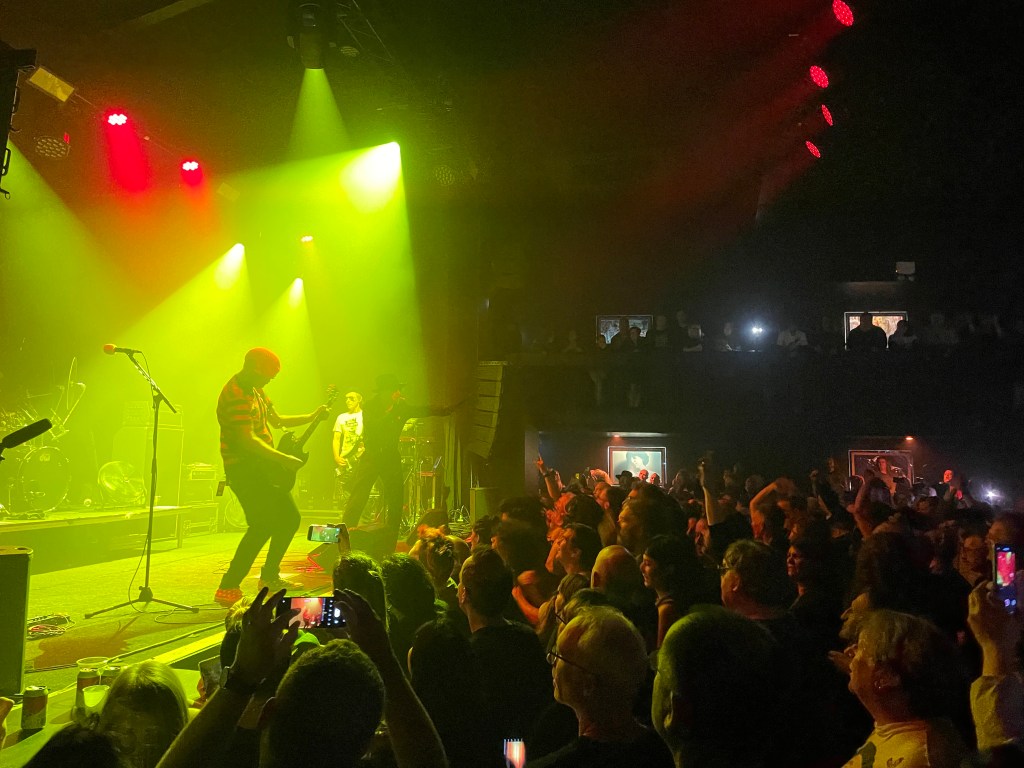
Many of my best friends were punks and goths when I was a young wide-eyed lad, but I always felt sort of punk-adjacent. Paradoxically, the older I’ve gotten the more appreciation I have for the unrestrained energy and fury of a good punk tune, and on a rainy Friday night at Auckland’s Powerstation there was nowhere better to be than hanging out with the Damned. Far from some vapid nostalgia effort, it turned out to be the best gig I’ve been to in quite a few years now.
The Damned sprouted from the UK in the class of 1976. They were the first British punk band to release a single, the unforgettable ‘New Rose,’ to release a studio album and to tour the US. But while their debut Damned Damned Damned was hardcore, over the years they branched out into goth rock and psychedelia, perhaps offending narrow-minded punk purists but impressing those of us who like a band that continues to evolve.
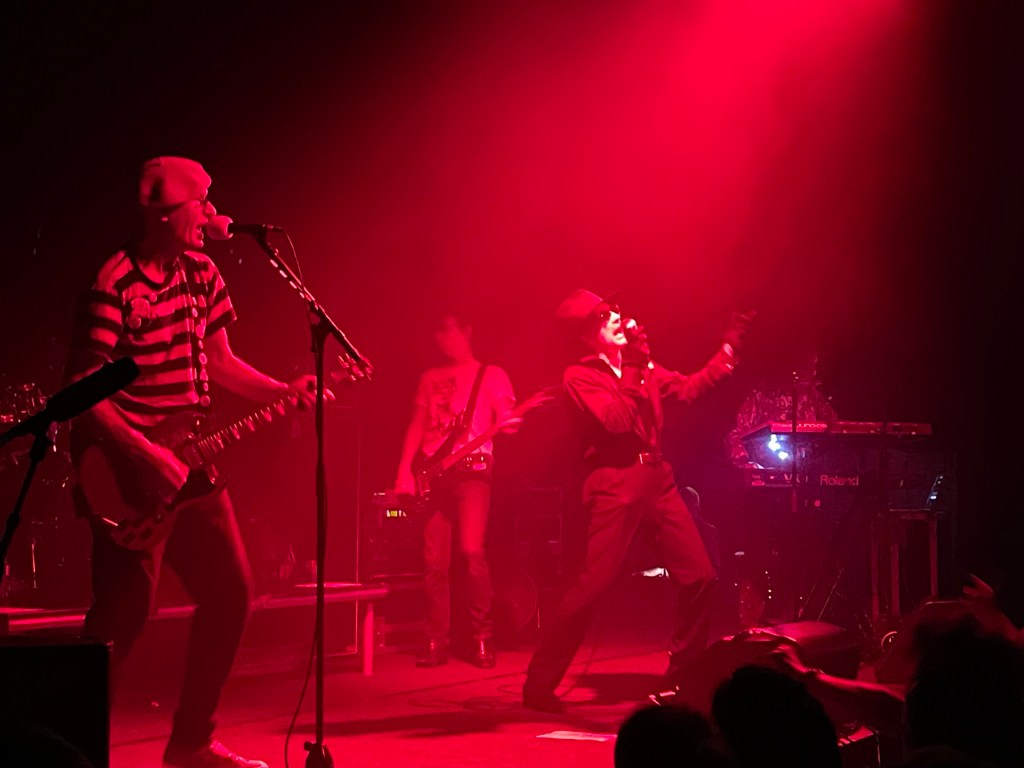
Even as they’re pushing their late sixties now, they still make a dynamic picture on stage. Lead singer Dave Vanian and guitar guru Captain Sensible are the only two of the original line-up left, but they’re more than enough to summon up the band’s spirit with a solid group beside them. Vanian was instantly the most stylish man in the room with a bespoke suit, fedora and sunglasses, strutting and crooning in his distinctive baritone, while the good Captain, mugging and smiling and wearing his trademark striped shirt, feels like a Beano comics character come to life.
Punk could be angry and violent, but there’s none of that bad energy in the Damned 2023. For nearly two hours, they pounded their way through classic punk and impressive new songs and reminded you why they’ve endured long after the Clash and Ramones are gone. Sure, there was a churning mosh pit (with a lot of bruised-looking guys my age who you know are hurting today) and even a stage-dive attempt, but it was a place of good vibes.
A big chunk of the set was devoted to the Damned’s brand new album Darkadelic, a rather bold move when you know that most of the crowd was really there for the older hits. But having listened to Darkadelic a lot the past week or two, it’s actually pretty terrific. It doesn’t try to be some hip rock release from 2023, but more of a summing up of all that the band has built. The Damned gather up their considerable powers honed over the decades into catchy numbers like ‘The Invisible Man,’ the grand harmonies of ‘Bad Weather Girl,’ the comic menace of ‘Beware of the Clown’ or the swoony dark ‘Wake The Dead.’ The new songs all navigate the tricky business of slotting right in among the Damned’s better known work, and they were terrific live.
Of course, though, the classic punk bashers are what the crowd is there for, and the final section of the show was an unrelenting blast from ‘Born To Kill’ to ‘Love Song’ straight through two encores and concluding with an utterly fiery stomp through ‘New Rose,’ the one that started it all. It’s still a lightning bolt of a song, and the crowd bobbed up and down like pogo sticks, old geezers like me and young girls born decades after the ‘New Rose’ single was released, and by gosh it was fun.
Punk is momentum, and catharsis, and lord knows we could always use a little more of that in these stressful times. Pound past the angst and the ugliness and uncertainty and just be there. Even if I can’t hear so good the next day, it’s worth it.
The Damned have followed their own quirky path for nearly five decades now, from rapid-fire punk to brooding goth to stadium rock anthems. They aren’t the young men in the ‘New Rose’ video almost 50 years ago, but somehow they’re still nothing but themselves.
What could be more punk rock than that?
(Here’s ‘New Rose’ performed more than 40 years apart, in Wellington and in the 1970s video. They still got it!)
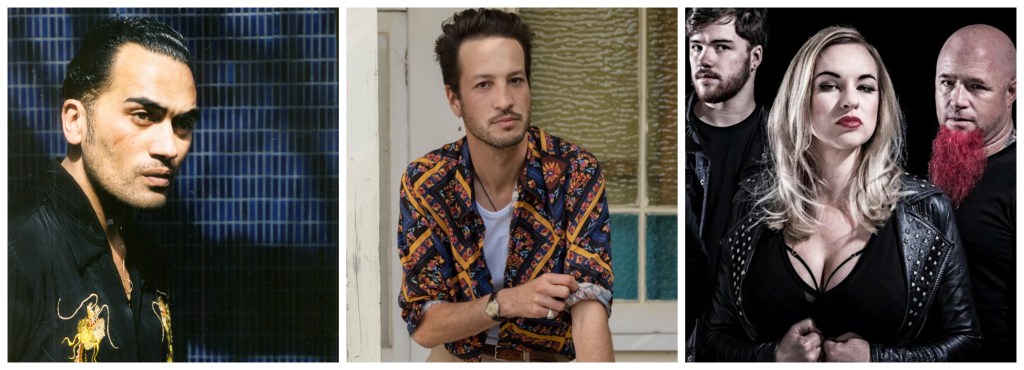
From left, OMC’s Pauly Fuemana, Marlon Williams, Devilskin.
Once again, it’s nearly the end of another New Zealand Music Month, where all kiwis get up and dance to kiwi music all the month long.
People who were born here and those who came to live here from far away will all tell you that the music of New Zealand – from rough garage punk to delicate singer-songwriters to rich Māori waiata – feels special, somehow. We’re a small country, and yet, we make a mark on the global music scene. We’re the bottom of the world, so maybe we try harder.
Up in the hills of California, I didn’t grow up listening to a lot of the more obscure New Zealand music, and part of the fun of living here is constantly discovering fantastic songs that never made a splash in America, spanning gritty alternative rock to South Auckland soul.
Darcy Clay.
I dug making a playlist of 30 or so of my favourite New Zealand songs last year, and figured I’d give it another go this year picking out work by another bunch of great local musicians – celebrating everyone from Flying Nun legends like the Chills to rich young talents like Vera Ellen and Kane Strang or classic old-school psych-pop nuggets from The Fourmyula and Larry’s Rebels.
I love a song list that can encompass both the elegantly formal craft of Don McGlashan and the chaotic anarchy of the late Darcy Clay, so get ready for a wild ride through NZ sound. It really just scratches the surface of the talent, weirdness and beauty to be found in Aotearoa music. Here’s my playlist More Noisyland Music: NZ Music Month 2023 which you can hear over on Spotify:
Everyone knows that Boris Karloff played Frankenstein’s monster. Most horror fans remember the late, great Christopher Lee, as well. Benedict Cumberbatch has played the creature. Heck, even Oscar winner Robert DeNiro has played the monster.
But did you know about the New Zealand wrestler who once played Baron Frankenstein’s horrific creation?
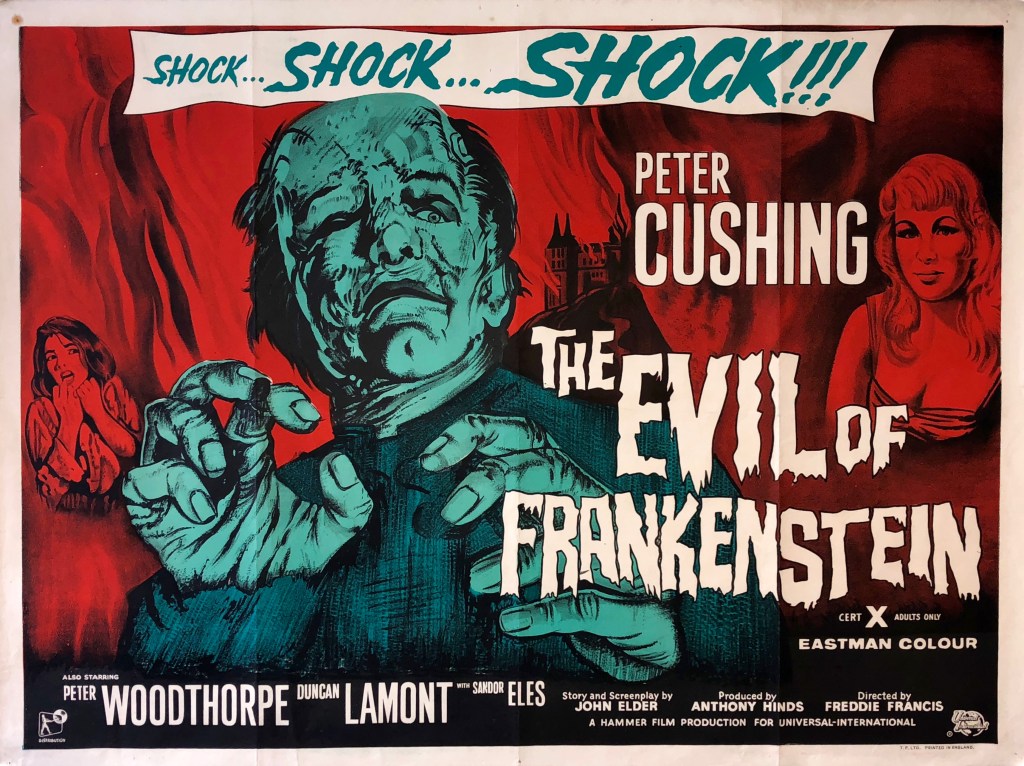
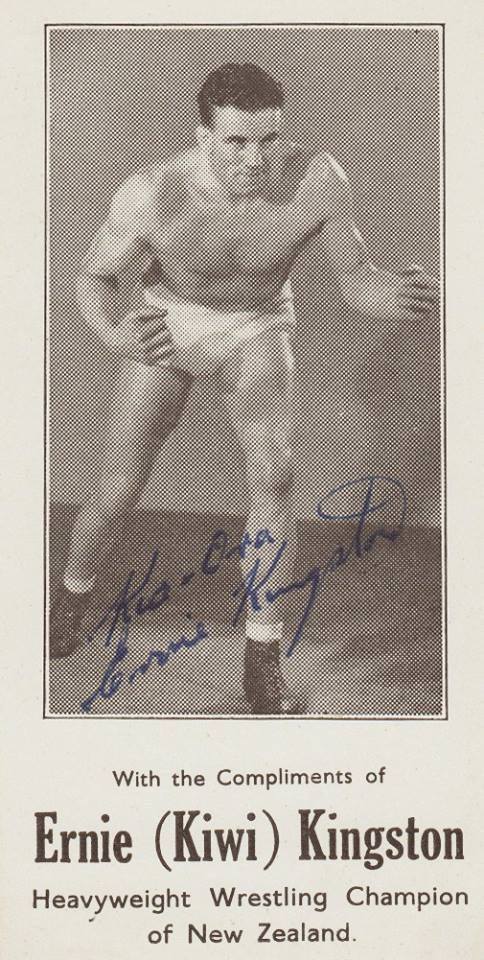
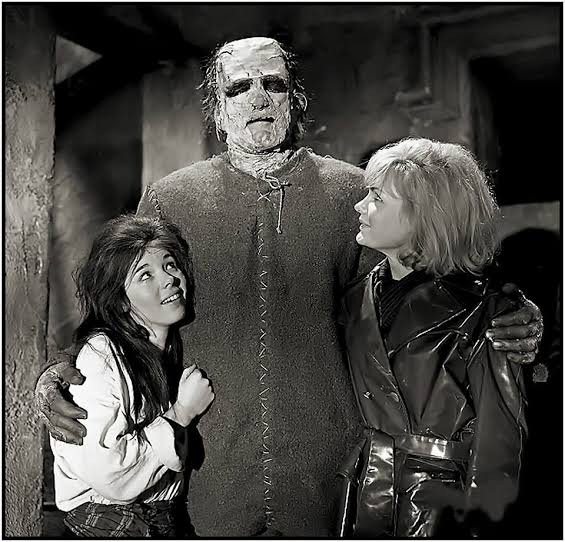
Ernie “Kiwi” Kingston’s turn as the monster in 1964’s The Evil Of Frankensteinby Hammer Films earned him a small but notable place in horror history, but the wrestler’s acting turn is shrouded in obscurity, nearly 60 years on. It was pretty much the only film he performed in.
The Hammer Frankenstein cycle of movies from 1957-1974 still hold up well as a colourful Gothic series of chilling tales about man’s desire to play God, led by the inimitable Peter Cushing as Baron Frankenstein. Unlike the earlier Universal Frankenstein films, the focus on these was squarely on the evil doctor himself and his mad obsessions as he creates monster after monster in his quest to unlock the secrets of life and death.
Evil of Frankenstein was the third of six films Cushing starred in, and a kind of weird outlier – the story didn’t seem connected to the two previous movies, and it’s the only one of the series not directed by Hammer maestro Terence Fisher.
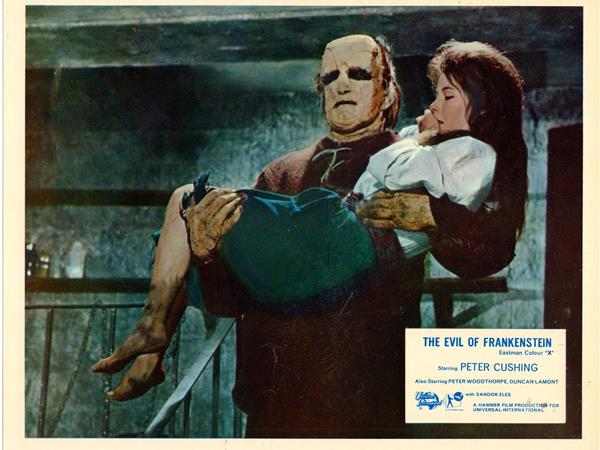
A professional wrestler, 6 foot, 5 inch “Kiwi” Kingston, as he was credited, played a hulking, grotesque version of the monster, freed from frozen ice and abused by a rogue hypnotist (as you do).
“As a person to work with, quite timid, gentle, quite reserved,” costar Katy Wild, who played a mute girl that befriended the monster, in a documentary on the Evil of Frankenstein blu-ray.
Unfortunately for Kingston, his turn as the monster is hampered by what is probably the worst makeup in any major Frankenstein movie I’ve seen. Inspired by Karloff’s iconic look, it’s a sloppy, blocky mask that looks a bit like a grocery bag soaked in papier-mâché. The too-huge brow and lack of mobility prevents much in the way of facial expression. You can just barely see Kingston’s eyes poking out from under all the goop.
It’s a shame because it’s possible less oppressive makeup might have given Kingston more to work with other than lurching around a lot … although he wasn’t exactly a trained actor.
“Kiwi Kingston was actually cast for his hulking frame and not his acting ability,” the documentary on the movie notes.
While he was indeed a Kiwi, he seems to have spent most of his life overseas.
A Christchurch history page says he was “born in 1914, to Ernest John Kingston and Edith Emily (nee) Hammond. As an amateur boxer in New Zealand Ernie had been runner-up in the heavyweight division at the N.Z. champs in 1938. He was also a top rugby player and general all round sportsman.”
He made a name for himself in NZ sport, as seen in a very fit photo from 1940 in the national archives. Like a lot of kiwis, Kingston went on a big OE (overseas experience) but in his case, it sounds like he never really returned. A wrestling blog from 2005 tells a little of his background:
“… Towards the end of the 30’s, a big strong rugby player, boxer, and wrestler, did some service in the air force and ended up in Britain. He was a (wrestler) Anton Koolman pupil in Wellington in the late 30’s, and it is sad that he was almost unknown in his own country. I refer to big Ernie Kingston, who ended up a huge name in Britain and all over Europe. He became known as ‘Kiwi’ Kingston, a big rough diamond from Banks Peninsula.”
He loved horses – “he had a pony field where he collected ponies that had been discarded and looked after them until they died,” his Evil co-star Caron Gardner remembered.
Evil of Frankenstein was just about it in terms of movie stardom for Kingston, who only appeared in a tiny role in another Hammer film, Hysteria. He did apparently later wrestle under the stage name “The Great Karloff” which is a kind of awesome tip of the hat to his Franken-forefather, though.
Ernie Kingston died in 1992, and there’s not much out there on the internet about his life in later years I could find.
But there’s only a handful of people out there who can say they played Frankenstein’s monster in a major Hollywood movie over a century or so of films. Kiwi Kingston’s turn as the monster long before Peter Jackson helped put New Zealand horror movies on the global map is a small but fascinating little piece of film history. Not bad for a lad from the bottom of the world.
They’ve been doing this since the 1970s, and they’re totally old dudes now, but there’s not a lot of music I’m more excited for in 2023 than a new album by Sparks.
Sparks have led a beautifully eclectic career for more than 50 years now, straddling the line between pop, rock and art and becoming popular, but never quite that popular.
Brothers Ron and Russell Mael (Russell sings with an operatic energy, Ron writes the music, mostly) are Californian natives who only really made it big when they went to Europe, and who somehow have kept a career rolling along as the entire music industry has changed several times over in their lifetimes.
I mean, who else makes a great music video I actually care about watching in 2023? There’s something joyfully enigmatic about their video for “The Girl Is Crying In Her Latte” starring Oscar-winner Cate Blanchett, the first single from the album of the same name coming out later in May. It’s an insinuating earworm, but it’s also weirdly sad and funny, making catchy music out of the modern world’s murky, jittery uncertainty. And Cate’s got moves:
In my journalism career, I’ve read a zillion bad press releases from bad bands that started off with some variation of saying “Our sound can’t really be described” or “Our music defies classification, man.” For Sparks, that description is actually true.
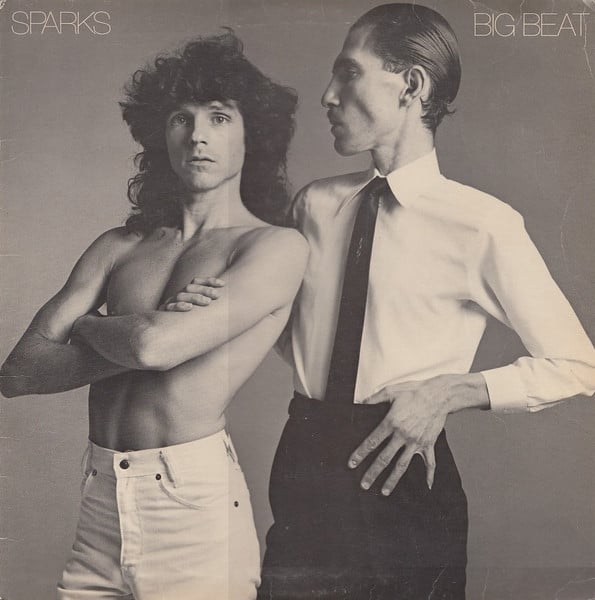
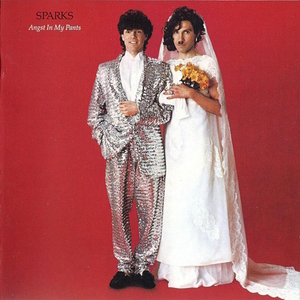
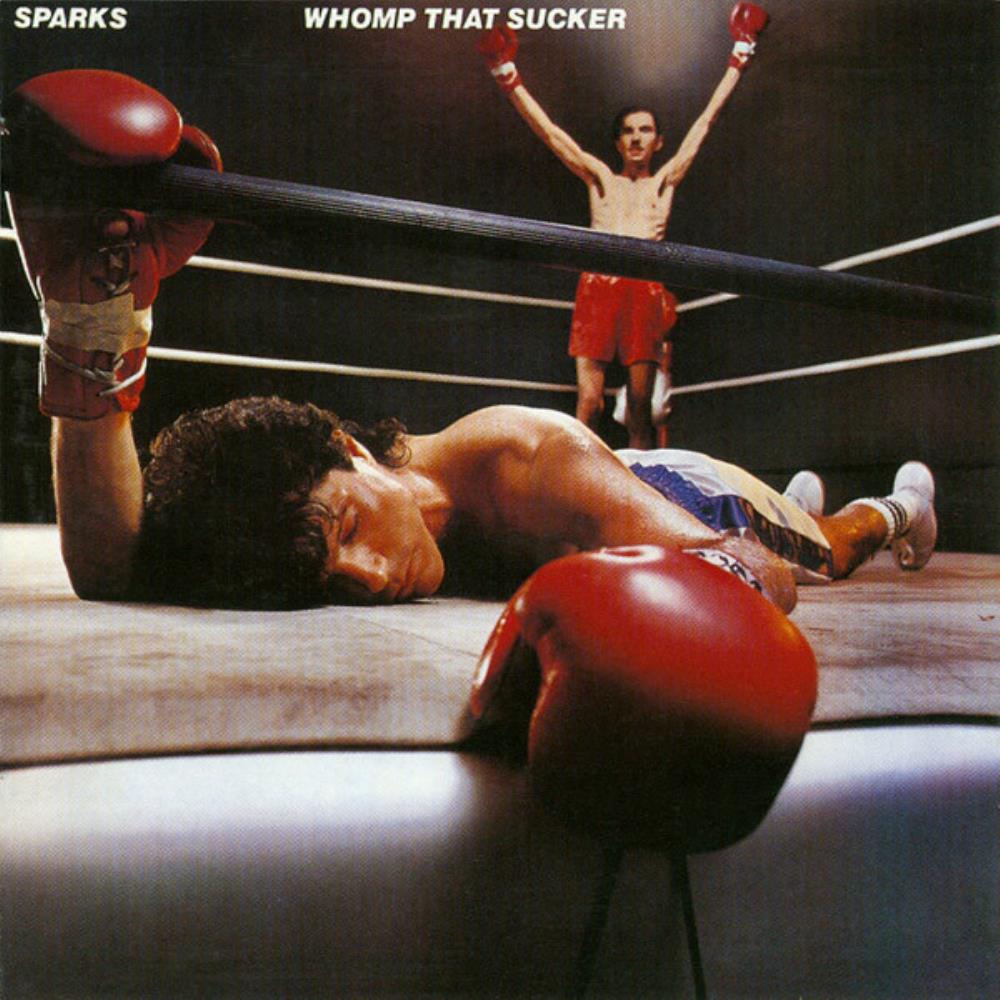
Their song titles alone are often perfectly formed little comic vignettes – “Nothing Is As Good As They Say It Is,” “Edith Piaf (Said It Better Than Me),” “What The Hell Is It This Time?”, “Lighten Up, Morrissey,” “Dancing Is Dangerous” or this gem — “I Can’t Believe That You Would Fall For All The Crap In This Song.” And don’t get me started on their album covers, which frequently are works of genius.
Their peculiar stage presence in the 1970s and ’80s was just oddball enough to seem rather subversive – Russell the long-haired, swinging frontman, Ron the leering, somewhat sinister keyboard presence, with that “Hitler mustache” that gave the whole band a macabre air. Who were they trying to be, anyway?
Their earliest work, 1971’s Sparks album, had a bit of a hippie-pop hangover going on with funkily falsetto singles like “Wonder Girl.” But they refined their sound fully with the dazzling Kimono My House in 1973 and bombastic single “This Town Ain’t Big Enough For Both Of Us.” It’s almost like a Queen song reimagined by aliens who had never actually been to Earth:
Queen, of course, were bombastic too, but in a milder, more crowd-pleasing way. Sparks were defiantly weird, and put the onus on you to go along with them rather than just sit back and be entertained. An unexpected hit, “This Town” led to a series of goofily smart pop tunes all through the ‘70s and ‘80s. At one point, they wrote a song simply about the joys of eating pineapple.
With 1979’s synth-pop electronic collaboration with Giorgio Moroder, No. 1 In Heaven, it feels like they invented the new wave of the 1980s – turning repetitive beats and surging futuristic chords into something almost ecstatic, strange and wonderful.
Periodically, they’d go away and return as an entirely different band, but they never really left, even if their work was more of a cult pleasure than mega-seller. Circa 2000 their work took a more orchestral, elaborate turn on albums like Lil’ Beethoven and Hippopotamus, with a renewed focus on the power of repetition with such mantra-like tracks as “My Baby’s Taking Me Home.”
Yet while the later songs have an older, wiser perspective than some of their earlier work, they’re still shot through with that very Sparks sense of humour. They’ve even written one of the weirdest movie musicals in recent years, the incredibly bizarre story of a murdering comedian and his magical puppet baby (!!!), Annette. I loved it, but it’s about as far from the mainstream as you can get.
Sparks contain the qualities of most of the musicians I admire the most, from the Beatles to Bowie – a determination to always move forward and not keep repeating themselves. Their 26th studio album sounds almost nothing like their first more than 50 years ago, and yet at the same time it’s unmistakably the work of the same vision.
The excellent documentary by Edgar Wright, The Sparks Brothers, which I’ve written about before, has played a big part in the autumnal appreciation for Sparks and is a terrific tour through their idiosyncratic career for beginners.
Witty and weird, Sparks are a band that for 50 years has been boldly nothing but themselves, never chasing fads nor fashion, but sometimes creating it. In a world where everybody seems obsessed with fame and going viral, there’s something comforting in a cult hit favourite band that’s never been anything but themselves.
There are many reasons to miss the late, great Roger Ebert, but one of my favourite things he ever did was introduce me to the idea of “a shot at a time” movie watching session. He’d do this at festivals and universities, pausing films they watched repeatedly to discuss certain images and points, learning whole new ways to consider the art of film: “Perhaps it sounds grueling, but in fact it can be exciting and almost hypnotic.”
In an age where movies are just another distraction, it can be hard to focus on them. You’re tweeting, Googling and hunting for memes on your phone while you watch with one eye on your laptop. (I’m as guilty of anyone at doing this sometimes.)
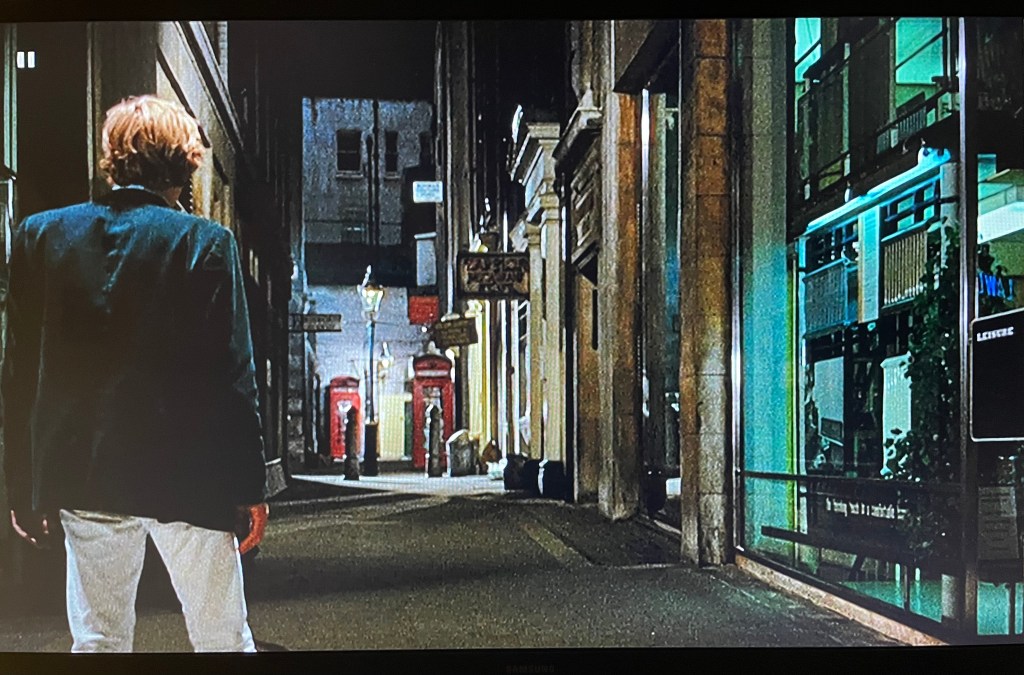
Some films deserve more. Take Blow-Up, Michelangelo Antonioni’s 1966 pop-art masterpiece about an arrogant, disillusioned swinging London fashion photographer (David Hemmings) who accidentally discovers a murder. Enigmatic, beautiful and mesmerising, it’s one of my top 20 films of all time, and I got to see it on the big screen the other night for the first time in years, where Antonioni’s astounding control and vision really dazzles.
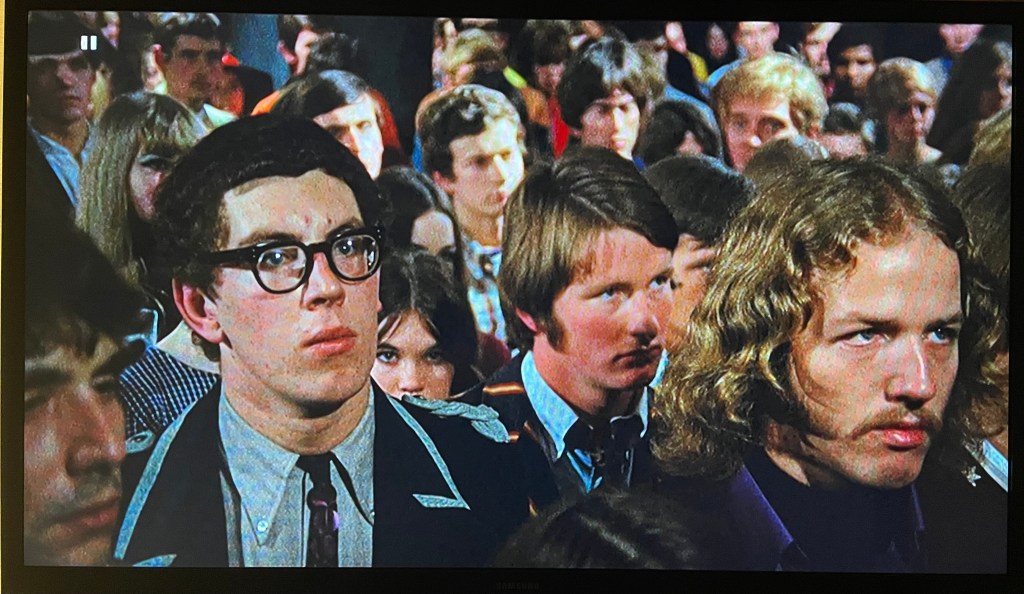
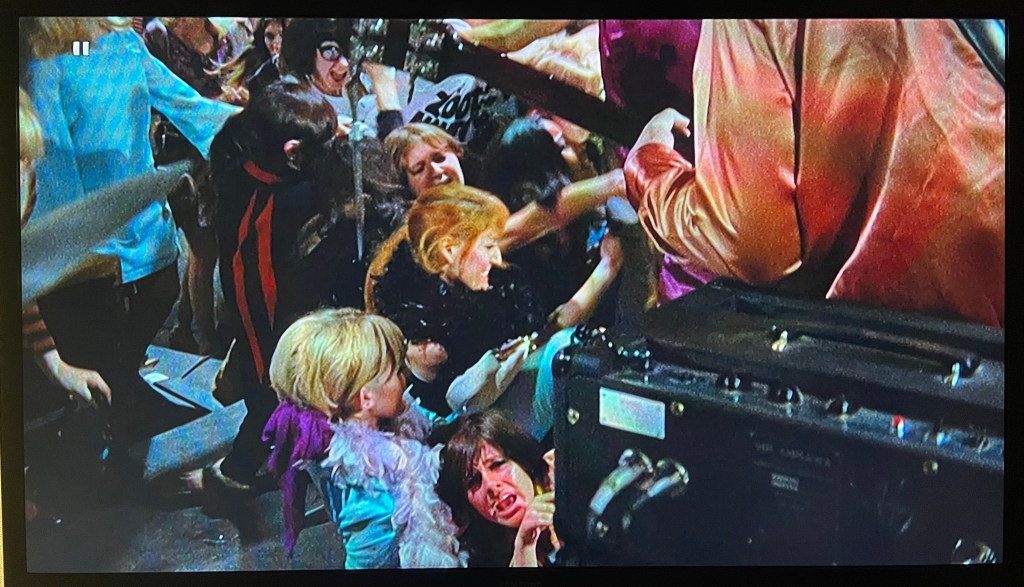
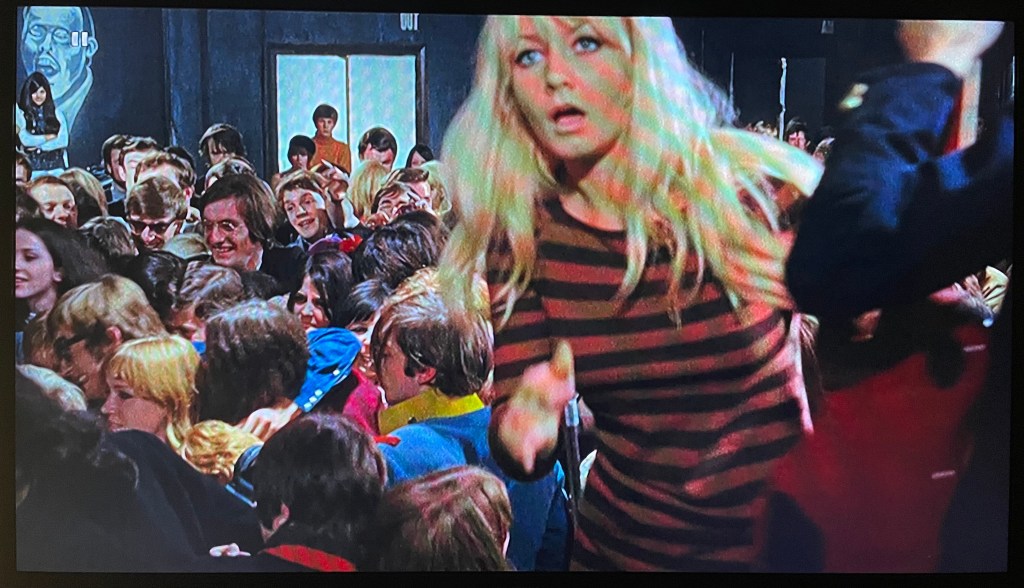
One of the key scenes of the movie comes near the climax, where the photographer stumbles onto a rock concert filled with zombie-like youth, staring placidly at the thrashing band (the Yardbirds with a pre-Led Zep Jimmy Page). At one point, guitarist Jeff Beck smashes his instrument and throws it into the crowd, who suddenly erupt from their passive trance into a frenzy.
It’s a short scene, but it’s always stunned me – Antonioni combines a disaffected view of youth with a kind of controlled horror. Why are these teens here? What set them off? Who is the watcher and who is the audience? Blow-Up blows me away every time I revisit it, because it’s a movie that demands you question it, that you linger on the imagery, that you don’t just haphazardly file it away in your headspace with all the other distractions of the day. It’s still not for everyone. As Ebert, bless his memory, said, “Movies that require you to figure things out for yourself always leave a lot of frustrated customers behind.”
The club encounter in Blow-Up is just about a perfect scene to me, and every frame, with these unforgettable faces and colours, is worth considering. Here’s One Scene, 10 Perfect Shots from Blow-Up:
Bowie left us today, at the age of 15 and a few months.
She was the oldest cat I’ve ever had, and like all cats, a combination of neurosis and neediness and cuteness and ferociousness. She was an unloved, scarred stray when I picked her out and in the end, I like to think she felt loved, however cats feel it.
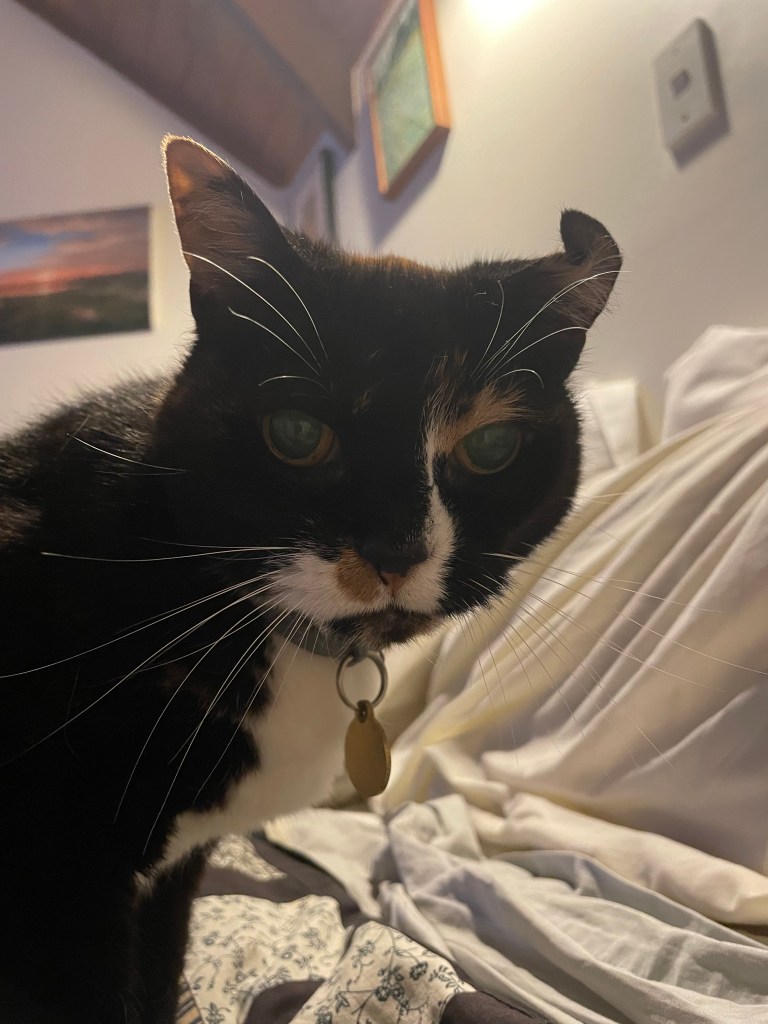
I got her in November 2008 as a birthday present for myself and she was already 8-9 months old when we got her, a thin tortoiseshell with a distinctive bent ear. The animal shelter called her “Twist” after that, but after a few days we decided to call her “Bowie.” She had had a rough time before we got her – the bent ear had been mangled by something, and there was a nasty v-shaped scar on her back caused by something or someone that was still sensitive when touched for years. I liked the idea of giving her something better.
We got her the same week Barack Obama was elected President; she died the same week King Charles III will be crowned.
For a long time, she was a skittish little thing, who didn’t trust humans and was never quite a “lap cat.” We got her when my son was 4 years old and in pre-school; she died with him now 19, a second-year university student, and he loved her very much. He’s known her his entire life.
Bowie had a pensive, cautious expression on her face most of the time; unlike the open amiability of our younger cat Oscar, she was hard to read. But as the years passed, she mellowed out, slept on our son’s bed up until two days before she died. Her favourite spots were warm ones – perhaps they eased the pain on her back scar, but she’d lie in the sun for hours until her fur nearly boiled, and would doze off so close to our fireplace in winter we seriously worried she’d combust a few times.
In her final year or two, she started to lose her vision, which was hard. She became skinnier, got confused a lot and fought with Oscar a lot more. Things declined fast on Monday night, and by Wednesday morning we knew she was ready to go.
We held her at the end, my son and I at the vet. She was barely conscious by then, but I hope and believe she wasn’t in a lot of pain. She was simply done.
I’ve had many cats over the years but for various reasons Bowie was the first we were there with until the very end. I stroked her familiar black and gold and white fur like I had thousands of times the last 15 years and she went quietly, without a fuss, and that was all.
I used to see this guy occasionally when I returned to visit America from New Zealand, and every single time he saw me, he’d unleash a stream of lame dad jokes about hobbits and orcs.
…Because that’s all some Americans know when they think of New Zealand, you see, is Peter Jackson’s admittedly excellent Lord of the Rings movies (and the rather less excellent Hobbit follow-ups).
New Zealand movies are so much more than that, of course, from Oscar-winning director Jane Campion or the askew comedy of Taika Waititi to the awesome talents of Bruno Lawrence, Karl Urban and Sam Neill to some brilliant Māori filmmaking. The now-New Zealand-based James Cameron films his gazillion-dollar Avatar movies here and Wēta Digital’s special effects are all over screens from Marvel superheroes to Cocaine Bear.
But also, New Zealanders are really good at scaring the crap out of you.
A pre-hobbit Peter Jackson made some of the first NZ horror movies to gain notice worldwide with the splatter-horror/comedy low-fi genius of Bad Taste, Brain Deadand Meet The Feebles. Many other great NZ horror movies have followed ever since, including Black Sheep, Deathgasm and Housebound.
But in the last year or so, even more New Zealand-made horror has kind of taken over the world, with four well regarded scare-fests topping the box office or winning critical acclaim – M3GAN, Evil Dead Rise and Ti West’s XandPearl.
These films aren’t generally entirely made by New Zealand directors, actors and writers or explicitly even about New Zealand, but by simply being filmed down here and using a hefty amount of local cast, crew, and behind-the-scenes personnel, they’ve got a heavy kiwi sensibility packed into their DNA – a little alienation, a little finding horror in everyday objects, a little wry black humour.
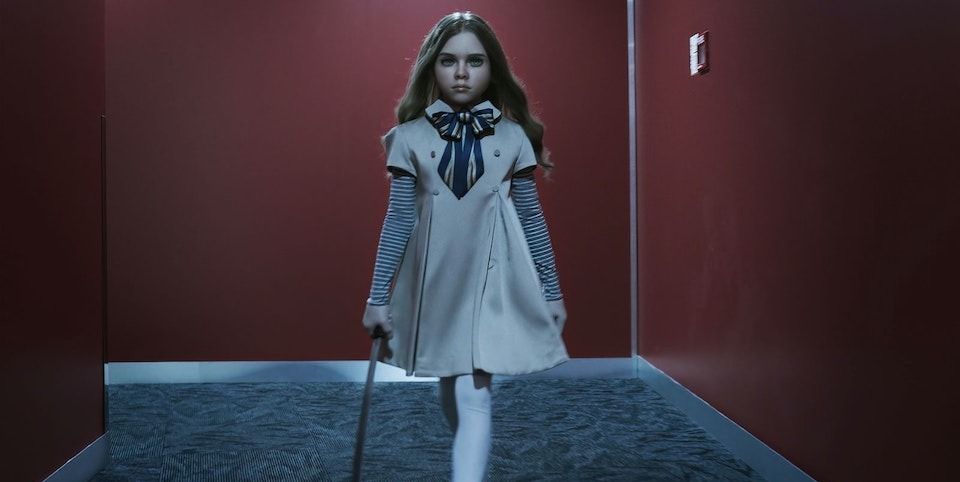
Scary robot doll movie M3GAN is deeply silly but fun spin on the whole “evil technology fears” trope, and while its generic America suburbia and offices setting doesn’t scream New Zealand, big chunks of it were filmed here and NZ director Gerard Johnstone gives the material a nice, creepy edge and added in the viral dance scene that helped make the movie a surprise hit.
I haven’t seen the intensely gory brand new Evil Dead Rise as it looks a little too much for me, to be honest, but I love that a blood-soaked elevator scene prominent in the trailers was filmed near the mall I used to go to all the time. The whole Evil Dead franchise has many ties to New Zealand – producer Rob Tapert has been with Sam Raimi’s goopy undead franchise since the very beginning, co-created ‘90s kiwi TV sensation Xena: Warrior Princess and is married to its star Lucy Lawless, and the excellent Ash Vs. Evil Dead TV series was all filmed down here.
But the best of the lot of recent NZ-shot terror for me are the psychosexual horrors of Ti West’s X and its prequel Pearl, which after many delays is finally being shown in NZ cinemas. Both films were filmed at a spooky Whanganui farm, and feature many familiar NZ acting faces.
X is a proudly sleazy movie about a 1970s porn movie being filmed at a sinister farm that plunges into unexpected depths of emotion amidst its gore and sweat, while the prequel Pearl shifts back in time to tell the story of the elderly woman at the centre of X as a young, hopeful girl with dreams of escaping her stifling family farm. Both movies star Mia Goth, one of the most unique presences on screen in quite a while (without spoilers, she plays multiple roles across the two films).
I think Pearl is the first great movie I’ve seen to take on the COVID pandemic and all the uneasy, awkward feelings of fear and anxiety churned up by it. Set during the 1918 flu pandemic, it’s a world of recovering trauma where young Pearl (Goth) fears she’ll never fulfil her dreams. Much of Pearl was written while West and Goth were in quarantine here in New Zealand, and the script richly evokes how uncertain the world felt in those early pandemic days.
An awful lot of movies are shot in New Zealand these days – we’re a hip, cool place, we’re cheap, got a lot of great screen talent built up here, but really, enough with the hobbit jokes, already.
It’s OK if you want to start thinking of New Zealand as the place you go to get scared, too.























 Nik Dirga