2025 is my year of punk rock, damn it

I haven’t written much of anything about the re-election of You Know Who You Know Where, because, frankly, like an awful lot of people, I’m just (A. exhausted and (B. apathetic about the whole damned thing these days. I’ve said enough about it all the last 8-9 years or so. You do you, Yanks. 

I do know one thing for the strange brave new world of 2025, though – I’m gonna keep listening to a lot of punk. 

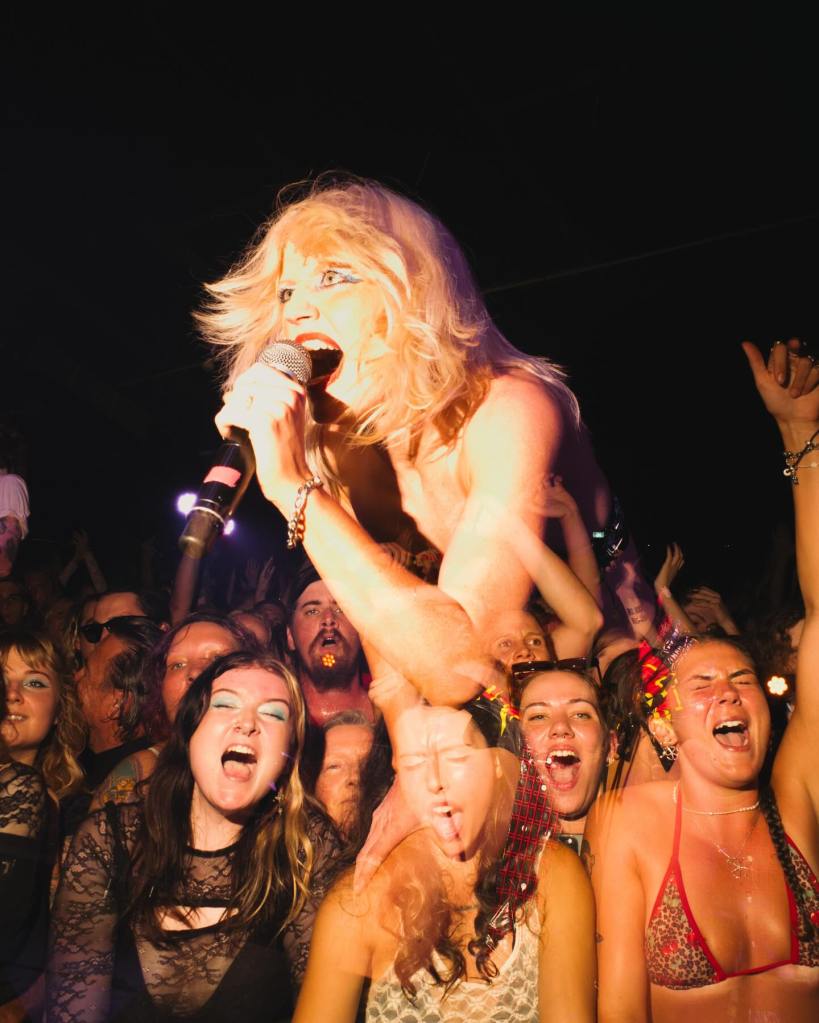
Loud music makes sense when the rest of the world doesn’t and while I’m an increasingly old geezer who doesn’t quite get what the youths are listening to these days, I’ve always got time for something with an echo of that Ramones/Sex Pistols/Bikini Kill vibe of reverb, snarl and rage. Nothing blocks out the crazy like a blast of guitar.

We went and saw Hüsker Dü’s legendary frontman Bob Mould perform a solo show in Auckland the other weekend, and it was a fantastic hurricane of sound – Mould, 64, put to shame kids half his age with his chaotic energy as he ripped apart Dü and his solo songs and put them back together in feedback-drenched blasts. He made a punk band’s worth of noise all by himself.

And meanwhile, I bought a ticket for an up and coming band who weren’t even born when Bob Mould put on a guitar strap, Melbourne’s terrific fun and filthy Amyl & The Sniffers. I know they’ll tear up the joint when they play Auckland in February and while I’m at least 20 years too old for the mosh pit I’ll try to get a good spot to watch the ecstatic release as they blast through their fiercely progressive, f- the Nazis and trolls tunes. Gacked on anger? Baby, we’re all gacked these days:

Punk is old and punk is young and everywhere in between, nearly 50 years after punk broke through.

What even is punk? Back in high school friends of mine wore mohawks and we chanted the chorus of Suicidal Tendencies “Institutionalized” at each other and that was already a good 10 years after punk’s first flames. These days who cares about genre taboos and what’s “proper” and what isn’t, really? “Selling out” is a gone concept in the viral age and if you like the music, good on ya. Sid Vicious is long dead and Johnny Rotten isn’t looking too hot himself. If it feels punk to you, it’s punk. 

So for me listening to the Stooges over and over is punk, but hell, so is Nine Inch Nails banging on that downward spiral. Listen to Joy Division live and they were pretty punk even if they were post-punk. I can’t say I think Taylor Swift is punk, but Chappell Roan with her give-no-fucks attitude is definitely a little bit punk.

But that’s just me. 

Everyone used to go on and on about the dangers of rock music and punk and metal and Satanists hiding in your backyard back in the day, but it turns out the ones to REALLY be afraid of are the dead-eyed compulsive liars, fascists and grifters and hustlers and un-Christian fundamentalists who just keep on coming back over and over again.

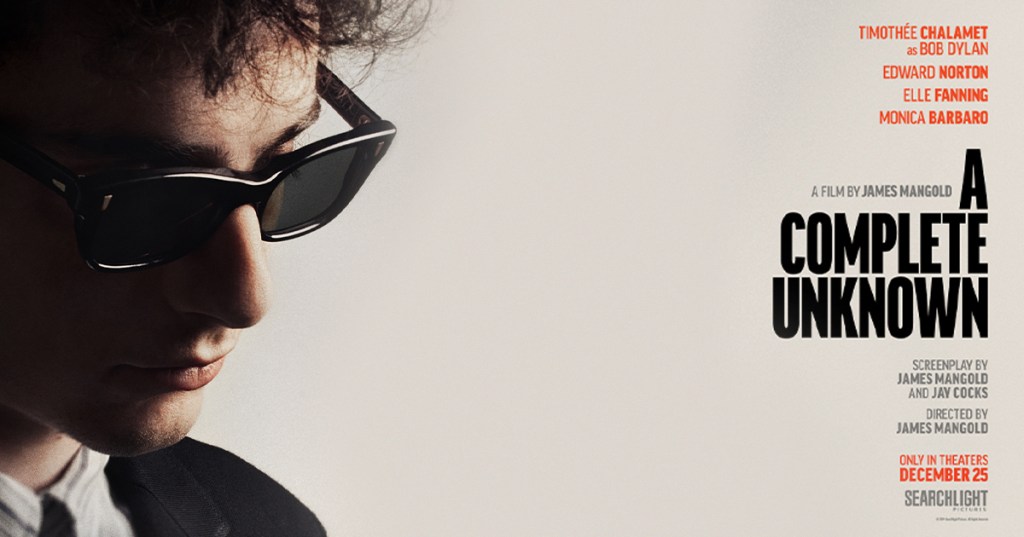
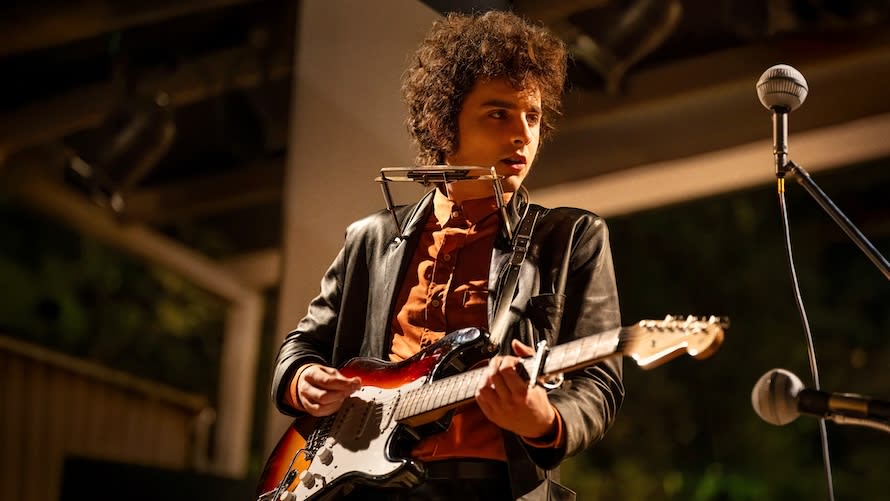
To quote someone most people don’t think of as punk, but whose whole career has been pretty punk as hell, Bob Dylan said it best: “I used to care, but things have changed.”

Stepping back from the situation for a while isn’t giving up forever. There’s still an awful lot of beauty out there away from the doomscrolling and outrage machine, no matter how bad it gets. It’s a pretty frustrating world, but god damn it, we’ll always have music. 

Hey, ho, let’s go!

Why I’ll miss Superman and Lois, the best comics adaptation going 

The best superhero on screens lately hasn’t been anywhere near movie theatres – for me, it’s been Tyler Hoechlin’s firmly joyful, human portrayal of Clark Kent in Superman and Lois, which ended its four-season run this week. (Some mild spoilers ahead!)

I’ve been a big fan of this series since it kicked off and if anything, in its final days it got even better. Unlike the cluttered, overstuffed recent Marvel Cinematic Universe productions, where everything has to lead to the next thing, Superman and Lois has kept its focus relatively intimate, leveraging a smaller budget as best it could to deliver superhero action with a lot of heart. Unlike The Boys or other edgy shows, it’s not about taking apart the superhero idea – it’s about revelling in its simple possibilities. 

The show has been deliberately small in scale, with the Man of Steel and his family moving back to his childhood home of Smallville in order to give his sons a normal life. Previous Superman TV series like the very ’80s Lois and Clark and Smallville never quite worked for me – they were either cheesy or overly padded. Superman and Lois has combined life’s brutal truths with heartfelt optimism, and while your mileage may vary, for me it’s one of the most emotional Superman stories yet. 

This final, fourth season has delivered the one thing earlier seasons lacked – a stunning villain in Michael Cudlitz’s psychotic, jacked-up Lex Luthor, who’s been released from prison after years and consumed with vengeance. For the final 10 episodes, Superman and Lois stuck to the tightening Luthor-Superman feud as it built up, right on up to doing a pretty decent (if slightly too speedy) take on the famous “Death of Superman” comics run. 

Lex Luthor is the yin to Superman’s yang, the over-achieving human who is filled with greedy contempt and the powerful alien who lives his life with humility. 

A real strength of Superman and Lois is it feels like the story has moved forward, rather than circling around and around the same tired plot beats. It’s given us things we’ve never seen in a Superman live action project before – a married Superman with children with their own powers, a Superman whose identity is eventually revealed to the world, a Lex Luthor wearing that groovy ‘80s battle armor and actually throwing down in a fistfight with Superman … and most importantly, it’s given us an ending. 

Superhero stories rarely ever really end, but in its masterful final episode, Superman and Lois firmly draws an ending to this particular story of Superman. Maybe it’s just because 2024 has been kind of a shit year, but it got me all weepy-eyed like a superhero film/TV show hasn’t in a long while. 

I’m quite looking forward to James Gunn’s own Superman movie next year, which promises to also capture some of the hope and awe vibe sorely missing from Zach Snyder’s Superman, but it’s a bit of a shame that Hoechlin’s TV portrayal has never quite broken through to the mainstream. He’s the best Superman in my mind since Christopher Reeve – powerful yet fair, caring yet resolved. 

The moment in one of the final episodes where Superman is forced to reveal his identity in public after years of denial is pitch-perfect, and sums up the quiet power that the best episodes of the show have managed: 

Now, it hasn’t all been perfect – a little too much soap opera with the teenagers, a little too much emphasis on the dull as dishwater Lana Lang’s family – but whenever Hoechlin and Tulloch were on screen, the show felt refreshingly sincere. This Superman radiates hope, no matter the odds.  

It’s easy for something to get lost in the avalanche of superhero content these days but Superman and Lois was a quiet gem of inspiration reminding us why we like superheroes in the first place. 

At its heart, Clark and Lois are decent people trying to live decent lives. Some may call that corny. To me, that’s not the worst thing to look up to, these days. 

Gene Wilder and Richard Pryor – a dynamic duo stuck in mediocre movies 

Richard Pryor and Gene Wilder are one of the great comic movie duos.

But the strange thing is, as much affection as I have for the Wilder/Pryor team, they never truly made a great movie together – instead, they typically livened up fair to mediocre material with their unmistakable chemistry.

It’s a funny thing – other comedy duos like Laurel and Hardy or Jack Lemmon and Walter Matthau paired for piles of movies, many of them classics, but Wilder and Pryor’s legacy is a paltry four films together – with, really, about 1.75 good movies among those.

Yet a lot of us comedy fans love them – Indicator has just put out a great lavish new box set of three of the Pryor-Wilder movies with the full boutique blu-ray treatment, usually reserved for cinematic masterpieces. Long after both men have died, the Pryor/Wilder team have a reputation that outshines their actual accomplishments on screen. 

Maybe it’s because their pairings always felt sincere – they weren’t doing Abbott and Costello or Martin and Lewis-style “bits,” but Wilder and Pryor took their existing quirks and crashed them together, which at its best created something that felt intimate instead of staged. They were better than their material, and maybe that charm is why we still remember them even when few are calling their movies masterpieces. 

1976’s Silver Streak is a movie I fell in love with after its countless TV screenings back in the day. A feisty homage to Alfred Hitchcock thrillers, it’s amusing fluff which abruptly changes gears more than halfway through its runtime when Richard Pryor pops up in the back seat of a cop car and quickly becomes a sidekick to Wilder’s mild-mannered writer caught up in a vast criminal plot. 

Sometimes movies don’t go how you would expect, and Pryor and Wilder had a seamless energy that immediately pushed all the plots of Silver Streak to one side. I dig Silver Streak in the way you still love any movie you adored as a kid, but it’s a bolted-together contraption that isn’t sure whether it’s a romance, comedy, action movie or a disaster movie with its blow-up-the-train climax. 

Pryor loved to improvise and Wilder, to his credit, just went along with it, which gives their interactions a refreshingly candid feel. The rather dated scene where an on-the-lam Wilder goes full blackface with shoe polish to hide from police was tremendously improved by Pryor’s wry asides and Wilder’s child-like innocence. It’s a dumb scene, sure, but 10-year-old me thought it was hilarious and I still see it as making fun of white folks’ preconceptions as much as it relies on Black stereotypes. That one sequence launched the Pryor/Wilder career, and it came out of Pryor deciding to make the rather racist scene his own. Pryor adds an unpredictable feeling to his every scene in Silver Streak that knocks it out of its comedy thriller cliches. 

Gene Wilder’s schtick was often men who appear soft-spoken and shy but who snap, hilariously, when the pressure comes on. Wilder could be unsettlingly calm and slightly menacing – see his terrific underplaying in Blazing Saddles, his unmistakable Willy Wonka – but in movies with Pryor he plays the gentle man with a manic side. 

Their best film together is 1980’s Stir Crazy, where Wilder’s wide-eyed optimist and Pryor’s weary worrier end up wrongfully sent to prison. Like all their films, Stir Crazy is patchy – there’s wayyyyy too much prison rodeo subplot – but when Wilder and Pryor just riff off each other behind bars, it’s comedy heaven. 

Pryor’s characters toyed with racial stereotypes – he’s usually a hustler or a con man, a cynic without any of Wilder’s naive optimism – but the Pryor/Wilder movies only occasionally made race their main focus. In Stir Crazy, the fact a black guy and a white guy are good pals isn’t anything special – it’s just the way it is. 

I loved Silver Streak and Stir Crazy and watched them constantly as a kid, without ever really realising both Pryor and Wilder had already forged legendary careers of their own. Maybe that’s part of why their team still is so adored today despite a thin legacy together – nobody really thinks about Bud Abbott’s career before he met Costello, but Pryor and Wilder were already groundbreaking on their own before they paired up.

Still, their final two films were both box office misses and didn’t offer much new. 1989’s See No Evil, Hear No Evil has a dated concept that probably wouldn’t fly today – Pryor is a blind man, Wilder is a deaf man, with lots of wacky misunderstandings, and they get embroiled in a comic murder plot. While it’s a steep step down from Stir Crazy it’s absurdly funny at several points, until it meanders off into the dull murder storyline too much. 

While their first three movies are flawed, 1991’s slapdash Another You is just generally a fiasco, with a nonsensical plot and both men showing their age. Poor Richard Pryor – barely 50 years old at the time – was thin and frail, showing the effects of his onset of multiple sclerosis, and while Wilder still summons up that great manic energy, he also feels a bit past his use-by date. You know your movie’s bad when it relies on a yodelling scene for laughs. The highlight is a candid little “farewell” moment by the two men at the movie’s end. 

It’s kind of easy to look at Pryor/Wilder movies and lament their missed potential – poor scripts, needlessly complicated stories, too much of their work coming at the raggedy end of their careers. What could’ve been if instead of jamming them into belabored crime and action movie plots, they just riffed on their two very different characters? Imagine what they could’ve done with their versions of The Odd Couple or Planes, Trains and Automobiles, for instance.

Pryor would die at 65 in 2005, after spending his last several years as an invalid, while Wilder lived until 2016, but Another You was the final movie either men starred in, and a bit of a downer ending to their remarkable screen careers.

Pryor and Wilder weren’t particularly close in real life, which makes their unforced charm together on screen even more remarkable. Sometimes, a spark just happens. Comedy fans recognise the peculiar magic of the Pryor-Wilder combo and even if they didn’t leave the loftiest cinematic legacy behind, what they did leave behind in laughs is pure gold. 

Australia, the forever frontier

I moved to New Zealand years and years ago, but secretly, I’ve had a longstanding crush on Australia. 

I just got back from my ninth trip ‘across the ditch,’ which I guess isn’t a lot compared to many Kiwis, and I feel I’ve only begun to scratch the surface of the vast sunburnt expanses of Australia.

As part of my so-called career, I’ve worked for Australian journalism on and off for more than 10 years now from the comforts of NZ. It’s something that would’ve been impossible in the pre-internet age, but I’ve written headlines and copy edited from Sydney to Cairns, Darwin to Melbourne, Shepparton to Townsville, and “worked” remotely in far more of the places in Australia than I’ve ever visited. It does the head in a bit, actually, to think about this too hard. I’ve worked with a lot of Australians and visited scrappy newspaper offices in rural Victoria and deep in the vast Northern Territory, and it’s always kind of cool to realise journos are basically the same no matter where you go. 

Australia has sparked my imagination since I was a kid, bopping along to Men at Work songs and was caught up in the brief weird wave of Australia-mania in the US in the ‘80s, when Olivia Newton-John, Mel Gibson, Crocodile Dundee and Koala Blue took over. Since I moved to New Zealand, I’ve managed to meet both Midnight Oil’s Peter Garrett and Men At Work’s Colin Hay, both totems of my youthful fascination with all things Aussie, and in my stumbling geeky way got to tell them both how much their music helped shape my brain. 

I first made it to Sydney circa 2007 and if it weren’t for a combination of pandemics, expensive trips back to American family, and juggling life, work and school back here in Auckland, I imagine I might have gone a lot more. Some of those things have changed in recent years and the wife and I are hoping to make hops across the ditch a more regular thing. After a mere three hours or so flight, you can explore a whole different world. Australia contains multitudes, from sprawling big cities to rugged bush to staggeringly beautiful wide horizons. 

Australia and NZ are both allies and “frenemies” and while there’s a lot shared between our two countries there’s a lot of differences as well. Australians are a bit brasher, bolder and louder, with more of that American-style frontier spirit combined with a very Aussie informality, sometimes crudeness. It can, like everywhere, be an ugly place at times and has a rough and raggedy history. Unfortunately, like America, Australia’s indigenous culture was largely suppressed and exterminated for decades, but is still alive in the heart of the Dreaming and it’s not quite like anything else in the world. 

But hey, I’m no expert, mate. I just like it there. I like that you can see these huge iguana-sized water dragons in city parks strolling around, hear kookaburras in the trees, towering gum trees everywhere you look, the rocks in the Red Centre that hum with ancient whispers. I like that for now, Australia still has a robust newspaper industry in the cities even if it’s mostly the Murdoch Empire, I love the scrappy sounds of young Australian punk bands and the writing that tries to capture the mysterious meaning of the bush.

There’s so much more I want to see – I’m desperate for another trip to the haunting Red Centre, want to check out the famed Ghan train ride across the desert, still haven’t been to Adelaide or Cairns, or just wandering along the bush and the Outback and heck, maybe even ridiculously far away Perth. I’m curious about the steamy weirdness of Darwin and really want to check out the Mad Max-style badlands of Coober Pedy and Broken Hill. And Tasmania! What about Tasmania? 

Don’t get me wrong – New Zealand is swell, comfortable for us, with a lot cooler temperatures and a whole lot less creatures that can kill you. But the grass is always a little greener on the other side – or perhaps, the dirt is redder. I’m always excited to explore that forever frontier just across the Tasman Sea. 

Hail to the chiefs: 15 presidential movies to watch instead of doomscrolling

I get it. You’re stressed out. This is life in 2024.

But instead of doomscrolling political news all week, how about taking a break with a presidential movie?

The presidency has been the subject of countless movies, good and bad, from lofty biopics to action-packed romps. Here are 15 movies about American presidents and politics that are worth firing up to divert your brain for a few hours as Election Day approaches.

If you want to feel a little bit of optimism:

The American President (1995): A genuinely sweet romantic comedy about a widowed president finding a new love, starring a luminous Michael Douglas and Annette Bening, and written by Aaron Sorkin, who later went on to create The West Wing TV series.

Lincoln (2012): Daniel Day-Lewis’ Oscar-winning performance takes Abraham Lincoln out of the realm of cliche and makes him a complex human being again, wrestling with how to end slavery in an America torn by the Civil War and trying to do the right thing.

Mr Smith Goes To Washington (1939): Jimmy Stewart’s naive young US senator comes up against Washington corruption. The thing that makes Frank Capra’s classic still relevant today is its fierce determination to make politics better.

If you just want to wallow in political intrigue:

Frost/Nixon (2008): There have been a lot of movies about Richard Nixon, but this tightly focused film sticks to one post-presidential interview where the disgraced president tries to redeem himself. Tense dialogue and terrific acting makes the spectacle of two men mostly sitting in chairs talking seem riveting.

All The President’s Men (1976): Nixon never appears in this Oscar-winning Watergate drama, but hovers over it like a malignant ghost as journalists Robert Redford and Dustin Hoffman uncover a labyrinthine scandal that led to America’s first and only presidential resignation.

JFK (1991): Oliver Stone’s mammoth three-hour epic is a twisted knot of conspiracy theory, paranoia and grifters, so it’s a perfect vibe for Election 2024. It’s a complicated, indulgent sprawl of a movie that’s still somehow fascinating, with an all-star cast.

If you think politics is ridiculous:

Election (1999): Strictly speaking, not quite about a president, but this classic story of an American high school student election that goes horribly awry sums up how much the desire to win can eat away at a person. With a never-better Reese Witherspoon and Matthew Broderick.

Don’t Look Up (2021): The US hasn’t had a female president – yet – and they’re pretty thin on the ground in movies, too. (Television is a different story, where women presidents have been seen on Veep, Scandal, Homeland and many other shows.) This hit-or-miss satire about panic over a comet destroying Earth has its amusing moments and features Meryl Streep as the president – unfortunately, she’s a shallow, poll-obsessed fool who bungles the end of the world badly.

Mars Attacks! (1996): Love Beetlejuice? Tim Burton’s underrated comic book epic features a rogue’s gallery of oddball Americans battling Martians, and one of the funniest turns is Jack Nicholson as a vaguely sleazy, cocky and utterly unprepared president.

If you’ve given up all hope on America:

Dr. Strangelove, Or How I Learned To Stop Worrying And Love The Bomb (1964): Stanley Kubrick’s Cold War satire still stings today, with the magnificent Peter Sellers in multiple roles, none quite so indelible as the wishy-washy President Merkin Muffley, who very apologetically starts a nuclear war.

Vice (2018): Christian Bale makes an unlikely Dick Cheney in this biopic of George W. Bush’s vice president, which in a broadly comic way shows just how much ambitious power can be wielded behind the scenes.

Civil War (2024): A movie about a traumatised band of journalists travelling through an America torn by an unspecified civil war, it’s not one to watch if you want to feel cheerful about the possibilities of the USA, with Nick Offerman as a crazed, out-of-his-depth president presiding over the country’s collapse.

If you just want a president to kick butt:

Air Force One (1997): Harrison Ford lives the American dream – that is, the dream of being a take-charge military hero who also happens to be president and fights back against terrorists on his own airplane.

White House Down (2013): Mix Die Hard with Air Force One, shake, stir and settle in for explosions and gunfire at the White House as terrorists attack and only the humble everyday policeman Channing Tatum can save the day.

Abraham Lincoln: Vampire Hunter (2012): Sure, you’ve seen a president fight terrorists, but how about vampires? This very silly alternate-history horror movie takes itself far too seriously, but does provide some ridiculous, bloody laughs as Honest Abe stakes blood-suckers. Considering how bizarre the 2024 election campaign has been so far, this might just not be the strangest thing about American presidents you see this week.

This one also appears in slightly different form over at Radio New Zealand!

G’day, mate, I’ve been a New Zealander for 18 years

Auckland, October 2006.

Kia ora! We moved to New Zealand exactly 18 years ago this weekend, and suddenly my migration is practically an adult in human years. Time doesn’t just fly – sometimes, it leaps. 

When we came here in October 2006, with a 2 1/2 year old, we didn’t really know for sure how long we’d stay here. We came to be closer to my wife’s family, to have our son grow up knowing about the Kiwi side of his heritage. 

And then 18 years flew by. Our kid is in his final weeks of undergraduate university studies. We both have a lot more grey hair. Three of our four parents have left us, now, and we start talking about our own old age less hypothetically than we once did. Life is not perfect here – is it anywhere? – but this is home, now.

Remarkably, I’ve now lived in Auckland longer than I’ve lived anywhere else in my life. The place where you grew up will always stick its hooks in you the hardest, and there’s always a piece of me in the rolling hills of Northern California, but at 18 years I’ve now lived here longer than the 14-15 years I spent in the town I grew up in. I lived in Mississippi seven years, Oregon nearly five years, but I guess I am an Aucklander now, even if I’ll always feel a little foreign here. That American accent isn’t going anywhere, still.

I’ve been in Auckland long enough to watch it changing. It’s a city of 1.6 million people that sometimes feels like a small town and at other times I’m learning about whole new parts of it. A melting pot of Māori, Pasifika and Asian cultures squashed up with lingering remnants of the old British Empire, it’s not quite like anywhere else I’d lived.

October 2006.

I’ve been here long enough to have favourite places that are gone, like the old gigantic Real Groovy Records on Queen Street, the jam-packed and sweaty Kings Arms pub where I saw heaps of great bands play, the labyrinthine original home for Hard to Find Books in Onehunga. 

I regularly say “mate” and “bloody” in conversations but I still don’t understand cricket. I love fish and chips and no bloody health insurance and Parliamentary politics and Flying Nun Records and tui and kererū birds and the kiwi-pop art of Dick Frizzell and Pineapple Lumps and yes, I own a pair of gumboots. 

New Zealand is small, but not tiny, and I kind of like it that way. When we first moved here way back in 2006 I liked to tell Americans that coming to NZ was like going back in time about five years – not a radical shift but enough to notice, a place that felt slightly slower and cozier than wide-open America. 

The internet has changed a lot of that, now – when we moved here my prize tech possession was an iPod that held THOUSANDS of songs, and now I carry the entire internet in my pocket. We don’t take quite so long to follow trends or get the latest pop culture. (Back in 2006, you’d still see popular movies and TV shows premiere here months after they did in America, for instance.)

Social media has kind of destroyed polite society in a lot of ways, I think, but it’s also made the world feel smaller and communication easier. Once upon a time we posted letters to our New Zealand family and sent them across the seas. Now, I can video-call my family in the US instantly. It’s made the distance better, especially in the last couple troubled years as the thing that every expatriate dreads happened – your faraway family gets older, sicker, and they leave you. 

Some other American couples we knew who came about the same time we did ended up going back to the USA within a couple of years. But while there were ups and downs, somehow, we stuck to it. I actually found my so-called journalism career generally went better here than it did back in the US – higher pay, more variety to the work, even if I couldn’t entirely escape the periodic redundancies that plague the industry everywhere and I still sometimes conflate my British and American English (color? colour?). As my day job I help run one of the biggest news websites in the country and that’s not something I could easily do back home. 

But more than that, I found a world so much wider than America alone. These days I often look back at what’s going on in my homeland with confusion and a fair bit of disdain, I admit. I love the place I came from but I don’t really understand a lot of it now, as yet another election season is here and events just don’t make sense to me. We have the same rolling disinformation and post-Covid conspiracies here, too, but again, we’re smaller. Everything is usually a little less dramatic here, I think. 

October 2006.

This will most likely be the place I end up, in the 20, 30 or however many more years I get left. There are worse places to be, and my world is so much bigger than it once was.

An immigrant to another country – whatever their status, whatever their background – probably always feels a little uncertain of where home really is. 

The thing I’ve learned these past 18 years is, you can have more than one. 

This is a public service announcement: Help Max Ink!

My old pal and former Amoeba Adventures creative partner Max Ink has hit some financial tough times is in need of some help to keep their house.

Without Max’s awesome artwork for about a dozen issues of Amoeba Adventures back in the 1990s, my silly little hobby would never have really gone to the next level. And even now, decades later and back to drawing my own comics again, I often look back to Max’s work as guidance for the best ways to draw my own characters – now that’s talent!

Max is a great guy and many of you out there know him, I hope some of you can lend a hand to a very worthy cause: Here’s their GoFund Me right here!

I’ll always take an excuse to show off some of Max’s great covers back in the day:

The Justice Society of America: And justice for all

Comic book fans love their legacies, and there’s no group with more legacy out there than the Justice Society of America. Comics’ first superhero team debuted back in 1940 and 84 years on, they’re still out there, with many of the original members who fought during World War II carrying on fighting crime despite theoretically pushing 100 years old now. 

But hey, kids, it’s comics, and even if the original Flash and Green Lantern might be a little long in the tooth, they’re still out there. The JSA was generally home to the second tier of the early DC heroes – Hawkman, Doctor Fate, Starman and the like. It was literally the first time superhero characters from different stories got together and decided to hang out. They inspired the more famous Justice League that started in the 1960s and have kept coming back, for decades now. The latest JSA revival is about to hit the stands.

I stumbled across a big ol’ pile of All-Star Squadron comics at a yard sale back in the day, which was writer Roy Thomas’ faithful reimagining of the Justice Society’s adventures in World War II, along with pretty much every other vintage comics character of the period thrown in the mix.

I fell in love with Thomas’ amiable, corny comics – nobody is more of a comics history buff than he is, and even if his dialogue can sometimes be embarrassingly uncool, his love for the characters always shines through. The All-Star Squadron’s whole vibe was retro without being childish, and for 70 issues or so in the ‘80s it brought the JSA back to life again. (Heck, I even named my own team of goofy superheroes “The All-Spongy Squadron” in a tip of the hat to ol’ Roy Thomas.) 

What I love about these comics was that there were so MANY heroes, from stalwarts like Superman and Hawkman to second-tier characters like Johnny Quick and Robotman to who-the-hell-are-these-people obscurities like The Jester and The Human Bomb. When we saw the entire All-Star Squadron in one heaving double-page spread, I wanted to know who all these guys were and what their deals were. That’s how comics hook you. 

The thing I’ve always enjoyed about the JSA/All-Star Squadron in all its many incarnations is its sense of family and legacy. Newer heroes came along like Power Girl, a grown-up Robin and Batman’s daughter The Huntress in the excellent 1970s All-Star Comics revival, while Roy Thomas’ spin-offs Infinity Inc and Young All-Stars added even more characters into the mix.

The Justice Society’s 84-year-tenure is a history of the superhero comic itself, with all its ups and downs – the JSA went away in the 1950s as superhero comics dropped in popularity, swung back in the 1960s to inspire the Silver Age of Comics, and got a bit grim and gritty in the modern age just like everything else.  

The biggest and so far best JSA revival was the 1996-2006 one spearheaded by writer Geoff Johns, which took all that hefty legacy and sense of history and stapled it to some ripping good modern action-filled superhero yarns. The Justice League are the big guys, yeah, but the JSA were the ones who started it all, and it was great to see a comic that embraced their legacy in a dynamic fashion. 

You’d think superheroes whose whole existence is tied to being around since World War II would eventually fade, but the JSA just keep ticking along, and so far, nobody has really retconned their deep ties to the 1940s away yet. (Some of the old original JSA have died, but others have had their improbable longevity waved away by magic, science, being lost in limbo, speed forces, et cetera.) 

Big super-teams out there like the Justice League and Avengers are constantly breaking up, reforming, et cetera. But while the JSA has gone dormant at times, their legacy has never quite been rebooted or erased and their core has remained refreshingly the same, with Hawkman, the original Flash or Green Lantern almost always in the mix. 

Unfortunately the most recent 2022-2024 12-issue Justice Society revival by Johns was a disappointment, with an endless procession of new characters being introduced and very little being done with them and none of the pivotal characterisation Johns’ earlier work had.

The JSA and All-Star Squadron have always been crowded with heroes, but this latest Justice Society revival felt more like a list of soup ingredients than a pantheon of icons. It was an endless series of teasers in search of a story, something a little too common in the MCU-ified comics world these days. 

Fortunately, we’ve already got the next JSA reinvention ready to go, with new writer Jeff Lemire taking on the team that won’t die. I’ll be checking it out, of course and always hoping for the best. Superhero teams are everywhere these days, but the one that started the whole thing off is still my club of choice. 

Movies I Have Never Seen #30: Stop Making Sense (1984)

What is it? “The greatest concert movie of all time,” capturing the Talking Heads at their very best during a series of shows in Hollywood in 1983, featuring frontman David Byrne’s jittery pop-funk songs and directed by future Academy Award winner Jonathan Demme early in his career. 

Why I never saw it: Blame laziness, blame cultural overload, blame the fact there’s only so many hours in the day, but finally seeing this one fills in a major gap in my hipster brain. I’m actually a big fan of the Talking Heads and Stop Making Sense has been on my list to see forever, but the talk about the recent 40th anniversary re-release made me realise though I’ve seen excerpts over the years I still had never seen it in full – despite David Byrne’s more recent theatrical show American Utopia being one of my favourite concert movies of recent years, despite playing my favourite Heads classic Remain In Light on repeat for years now, despite having a well-worn copy of Byrne’s great book How Music Works, I somehow missed out on the movie that captures the Heads at their brilliant peak. 

Also, a confession: Concert movies tend to be a little hit or miss for me. There’s no substitute for seeing music live, the thrum of the instruments shaking the little hairs on your arm, the chaotic buzz of the crowd. And while there have been many terrific concert movies – Gimme Shelter, Amazing Grace, The Last Waltz, Summer of Soul, Sign O’ The Times, etc — to me the best way to see them is still in a crowded cinema so you can get close to the communal experience. All that said, Stop Making Sense is the rare exception that breaks that barrier between screen and artist so thoroughly, even if you’re watching it alone in your bedroom you nearly feel as invigorated as you would if you had actually been there to see the Heads live, four decades ago. (Although probably less sweaty, hopefully.) 

Does it measure up to its rep? The marvel of watching Stop Making Sense so many years after it’s been crowned the “best” concert movie is seeing exactly how it earned that trophy. The staging is tremendous – starting out with Byrne, alone on stage, gyrating through the twitchy “Psycho Killer,” but slowly joined in the next numbers by the rest of the band. It builds the spirit of the music from personal into something broad and communal, a circle of friends that make life better than it is. By the time they’re wheeling out elaborate drum sets and keyboards on risers on stage, you’re filled with glorious anticipation over what escalation you’re about to see next. It’s a building of momentum that means Stop Making Sense keeps rising and rising in energy until the cathartic release of “Take Me By The River” explodes forth.

It’s also fascinating to see how the late, great Demme changes the visualisation and energy of each song, the insanely cheerful energy of “Life During Wartime” where Byrne ends up running entire laps around the stage, the brilliant contrasting shadowy close-ups of “What A Day That Was,” the iconic “big suit” dance of “Girlfriend Is Better.” David Byrne is like an animated cartoon come to life in many of these songs, making moves with his body that seem to defy physics but somehow perfectly fit the moment.

And while Byrne’s wired, brilliant energy is the guiding light of Stop Making Sense, it’s also a fantastic showcase for the entire band – Demme doesn’t ignore the rest of the band, the great backup singers and guest performers, with pretty much everyone getting a showcase. Stop Making Sense is filled with great tiny gestures, from bassist Tina Weymouth’s shy smile to the brilliant grins of guitarist Alex Weir. More than any other concert movie, it shows how music builds, how a great band is a team, a series of parts working together in perfect synchronicity. Music is a remarkable thing that we tend to let wash over us without appreciating the talent and precision that goes into it, and without becoming some kind of academic lesson, Stop Making Sense takes us into the sweet, building mystery of sound. 

Worth seeing? Without a doubt, unless you’ve got stone in your heart, Stop Making Sense is one of the great life-affirming slices of musical cinema humanity has to offer.  Some of the movies in this long-running series I’ve watched kind of dutifully to fill in a film history gap. But this one is the kind of movie that just leaves you feeling good about our silly little species on this silly little planet, and of the things we can make when we’re not busy screwing everything up. I can see watching Stop Making Sense once a year for the rest of my life just to get a dopamine buzz and forget all my troubles for 90 glittering minutes. And somehow, that truly makes sense.

Now available – Amoeba Adventures: The Warmth Of The Sun on Amazon

Howdy, folks! Introducing the second collection of my Amoeba Adventures comics this year!

Amoeba Adventures: The Warmth Of The Sun is a brand-new paperback that collects the first six issues of the all-new Amoeba stories written and drawn by me from 2020 to 2023!

Prometheus is a possibly immortal amoeba. Rambunny is a violent, large rabbit. Spif is a genius scientist. Dawn sets things on fire. Ninja Ant is a bug with attitude. Now, we pick up the stars of 1990s small press comics hit Amoeba Adventures in their first new tales in years to find them dealing with detective mysteries, deadly former foes, impending parenthood and occasional nights at the disco. Oh, and coffee. There’s always coffee. Collecting Amoeba Adventures #28-33 as well as behind-the-scenes commentary, extra art and more!

On the fence? Here’s a few quotes from actual humans who I totally didn’t pay to say nice things:

“It’s imaginative, funny, heartfelt and smart. And it evolves, just like Prometheus, the protoplasmic protagonist himself” – Jason DeGroot, Small Press Heroes.com

“I’ve been following Nik for many years and he just keeps putting out great stuff. He’s better than ever!” – Steve Keeter, Talking Small Press on YouTube.

This nifty 150-page paperback is now available for a mere US$12.99 over on Amazon! (For those down under, here’s the Amazon AU link

And if you missed out earlier this year, why not make it a double and pick up THE BEST OF AMOEBA ADVENTURES as well, collecting my favourite of my 1990s small press comics in a huuuuuge 350-page paperback or fancy deluxe hardcover, along with piles of rare art, guest pin-ups by Dave Sim, Sergio Aragones, Matt Feazell and Stan Sakai and a huge 10-page section of notes, gossip and rambling on how these comics came to be! You can get the Best Of Amoeba Adventures over on Amazon as well! 

And hey, if you want to be a totally awesome person, please feel free to leave reviews of both or either of the Amoeba Adventures books on Amazon so I can extend my plans for world domination in a very niche market of comics about amoebas!

IN CASE YOU MISSED IT

The most recent issue, June’s AMOEBA ADVENTURES #34, is still available as a totally free download or ask about the limited print edition!  This time, it’s three separate short stories set in the Amoeba Universe, featuring Prometheus’ most bizarre adventure yet, Rambunny battling it out with the vigilante The Period, and Ninja Ant and Dawn Star’s mellow movie date gone horribly wrong! With guest art by Tony Lorenz and Thomas Ahearn

FOR ALL YOUR AMOEBA UPDATES

Give a like to the Amoeba Adventures by Nik Dirga page on Facebook for updates on future comics, links to my non-comics journalism work and more!