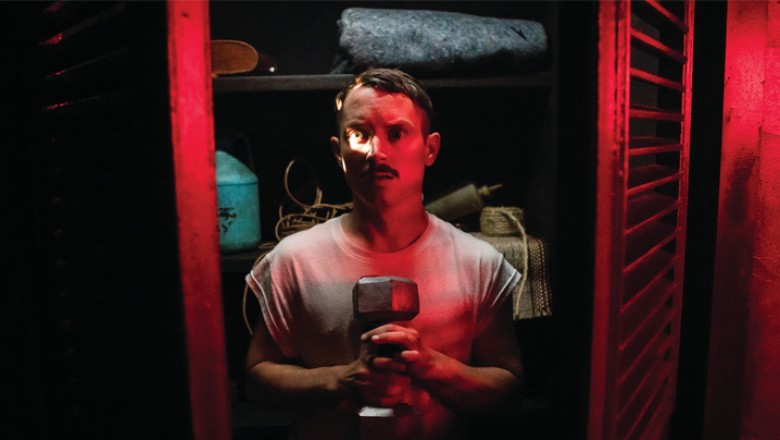
 I joined a crowd of hundreds to cringe, scream and laugh last night at the premiere of NZ filmmaker Ant Timpson’s directorial debut “Come To Daddy” at the New Zealand International Film Festival, always one of my favourite weeks of the year.
Timpson’s a national treasure for NZ film geeks, having run the Incredibly Strange Film Festival for 25 years, the 48Hours film contest and produced such slices of taboo-poking kiwi-fried film strangeness as “Deathgasm,” “Housebound” and “Turbo Kid”. Now he’s finally directed his first film, “Come To Daddy” starring Elijah Wood.
Wood is Norval, a gawky man-child returning to visit his estranged father for the first time in decades. Dad (Stephen McHattie) lives in a surreal house on the edge of the sea, an alcoholic loner who apparently asked his son to visit but then batters and harasses him almost from the moment he arrives. “Come To Daddy” shapes up as an epic, tense battle of the wills between twitchy Norval and loathsome Dad, but then it takes a turn into stranger territory entirely.
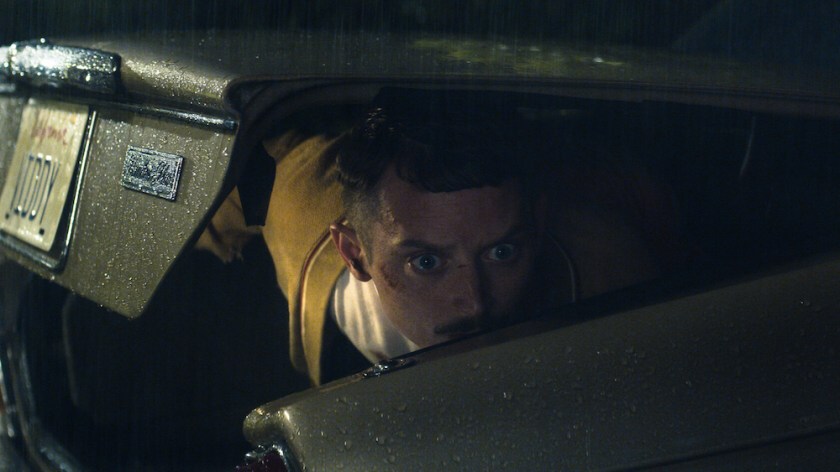
It’s hard to review “Come To Daddy,” a shapeshifter of a movie that boasts wild shifts in tone from melancholy to bitingly nasty wit to grind house horror. This frenzied energy will likely make it a midnight-movie perennial, but it also means it’s the kind of movie that will really appeal most to those who like to get a bit battered by their cinema. The anything-goes craziness reminds me of Peter Jackson’s earliest gorehound work before he settled down to Middle Earth’s tranquil blandness.
Timpson’s got a very confident director’s eye as “Daddy” fluidly shifts its tone. He sets the stage with lots of languid shots of beaches and trees and Wood’s endlessly fascinating face, all rounded curves and rabbity energy. There’s some shots that manage a grotesque beauty out of the ugliest moments. Some of the secondary characters aren’t as well developed as Wood and McHattie’s, and unfortunately a pivotal character introduced halfway through seems more of a sketch than a fully-rounded human being. But amidst all the chaos that unfolds on screen, “Daddy” manages to say something touching and universal about the meaning of fatherhood.
Wood is the MVP of “Daddy” and the entire movie falls apart without his committed performance. This ain’t no Frodo Baggins. His career has been driven by his extraordinarily expressive deer-in-the-headlight eyes, which “Daddy” uses to terrific effects as Norval wrestles with his anger and guilt over his relationship with his father. His Norval is dressed in awkwardly hanging hipster’s clothes, a strangely sculptural haircut and topped off with a scribbly moustache that suggests facial hair hibernating for the winter.
Like a lot of Ant Timpson-produced films there are scenes that will have you going OHMIGODNONONO as you cringe from the screen, guiltily chuckling all the way. There’s no better way to see them than in a crowded theatre with dozens of like-minded twisted souls. It’s the kind of defiantly original movie film festivals are made to celebrate, and I hope Timpson doesn’t wait too long to direct another film.
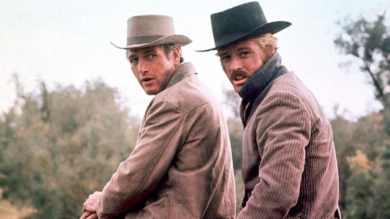
 The movie begins and ends with sepia tones, homaging an imagined western past that America has fetishised for decades. But in between “Butch Cassidy” is a determinedly modern movie, with Joss Whedon-worthy jokes being cracked left and right by Cassidy and the Sundance Kid. Rather than the stoic masculine glares of an Eastwood or John Wayne, you’ve got Paul Newman’s motormouth Butch, whose first act of violence in the film isn’t a grim showdown – it’s kicking someone in the nuts. Meanwhile, Robert Redford’s Sundance Kid is the more traditional hero of the two, but he still shows cracks in his western hero facade.
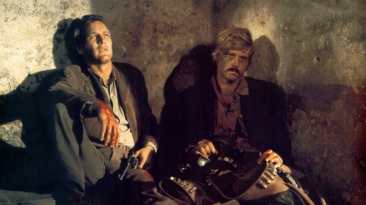 “Butch Cassidy” is one of those pivotal movies of the ‘60s and ‘70s that forever cracked the old of the traditional heroic figure. The reason it still seems so relaxed today is that we’ve been surrounded by Butch and his offspring for years. Long may they ride.
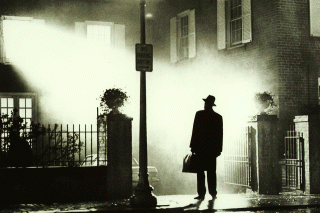 What is it: The world’s most famous demonic possession story, the 1973 horror classic
 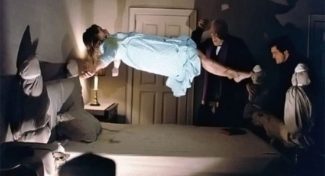 It makes what follows later that much more profane and shocking. And the movie’s most iconic moments – the possession of Regan and her gruesome actions – are still truly horrifying today. Every parent of a teenager has that moment of disconnection when your child suddenly seems like an alien to you, and “The Exorcist” dramatises that perfectly to terrible extremes.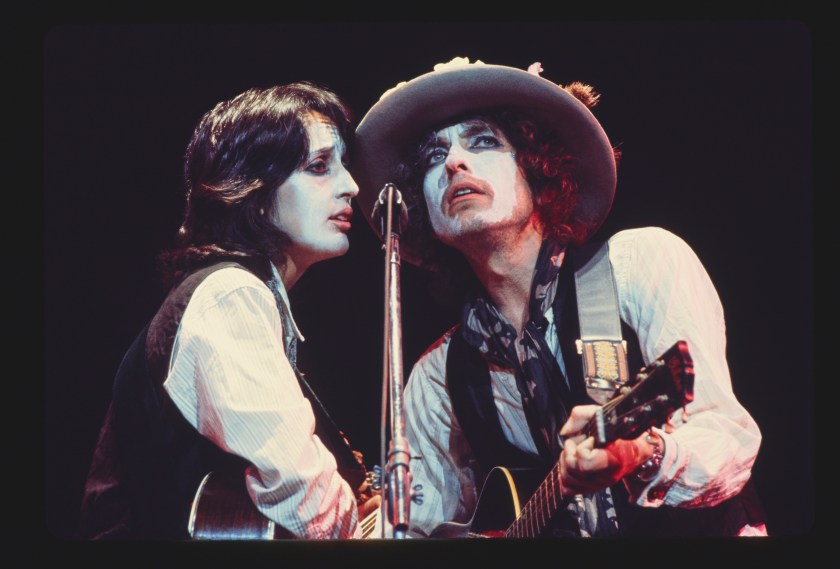
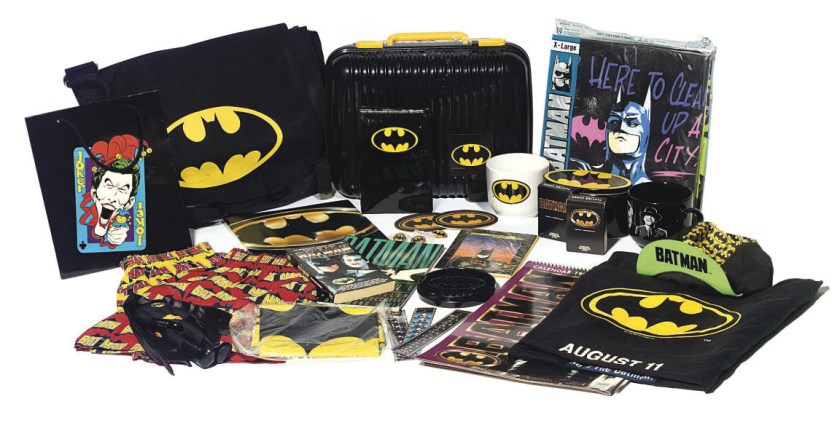 Thirty years ago today, I was standing in a line. A bunch of us were all queued up for what was then the biggest comic book movie of all time, Tim Burton’s Batman.
 It’s hard to explain to fans of today’s slick, streamlined and gorgeous Marvel Universe movies that seeing a comic book movie in the ‘80s and ‘90s was mostly a matter of lowering expectations, of accepting flaws and looking for the bits that worked.
 But Keaton’s Batman has only grown in strength over the years. He never quite has the classic physical profile – seen in a tuxedo in an early scene, his Bruce Wayne’s shoulders would barely fill half the Bat-suit – but acting is often concentrated in the eyes, and Keaton’s eyes hold a balance of resolve and regret. His Bruce Wayne seems closer to the edge than some – look at the scene where he takes on the Joker in his civilian clothes: “You want nuts? Let’s get nuts!” In contrast, his Batman is more of a blank, grim slate, a mask that wipes out Wayne’s humanity and focuses his mission.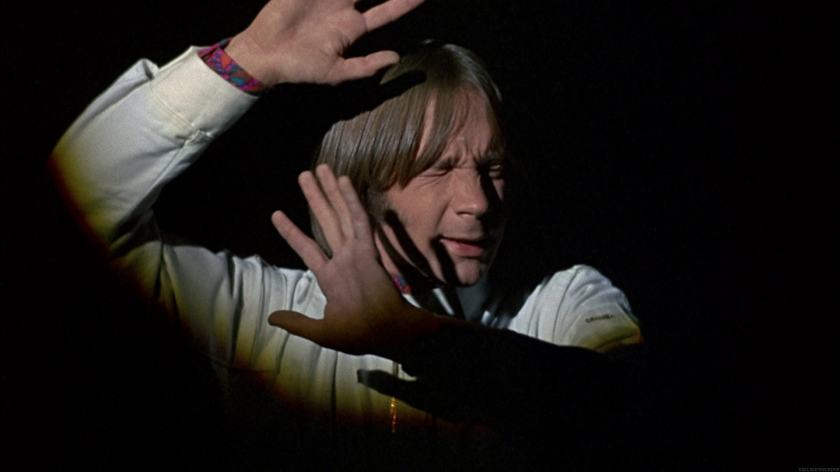
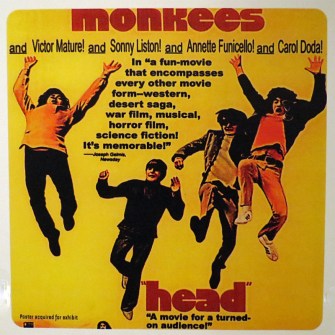 I’ve seen three of the Monkees live now, and I’m happy to have done so. But there was one last Monkee fan hurdle for me to cross: Their mysterious, controversial 1968 movie “Head,” which is either their finest moment or their nadir, depending on who you ask.
 Hey, hey, we are The Monkees / You know we love to please / A manufactured image / With no philosophies.
 I have a bizarre fascination with the bad movies of
  I’ve been making my way as a kind of punishing completist chore through the most obscure of Sellers’ oeuvre, movies that are barely remembered today. Sellers was a difficult, demon-haunted man, whose talent was crippled by bad health and serious psychological issues (there’s the famous quote “There is no me. I do not exist. There used to be a me, but I had it surgically removed,” which more than anything sums up the man).
 And I am absolutely dying to see the new documentary
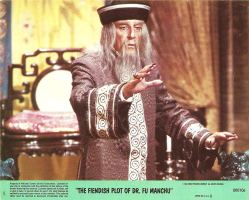 There’s a kernel of something golden in even his worst movies. His Fu Manchu is objectively a racist joke played far too long, but there’s a strange sadness Sellers summons up between the lame puns in his portrayal of an immortal villain.
 I love Godzilla, because when I’m in the mood, you just want to watch a giant lizard smash the hell out of everything around you. Another big-budget Godzilla movie opened this weekend, and it’s gotten the usual mixed reviews from people who don’t really get the point of a Godzilla movie.
 My first Godzilla movie was a battered VHS tape of 1963’s “King Kong Vs. Godzilla”, and to this day it’s one of my desert island flicks. It’s absurd – this Kong looks more like a squashed and mangy grizzly bear than a gorilla, really – but so much damned fun as this duo wrestle and tumble around Japan.
 For those who think the current Godzilla: King of the Monsters is wacky, check out 1991’s utterly unhinged “Godzilla Vs. King Ghidorah,” which features time-travel, a ridiculous “Terminator” riff and the spectacle of Mecha-Ghidorah. For those who want something a little deeper, 2016’s “Shin Godzilla” is a strange satire of Japanese bureaucracy mixed up with some of the most awe-inspiring Godzilla scenes ever. For those who just remember Godzilla wrestling other rubber-suited goofballs on sound stages, 1972’s “Godzilla Vs Gigan” is the kaiju-fest you’ve been hunting for, and Gigan, with his chicken beak, massive talons and inexplicable buzzsaw blade sticking out of the middle of his chest, is peak kaiju craziness.
 I’ve written
  But her biggest claim to glory today is that she designed the epic look of the Creature From The Black Lagoon. The Creature is, I’d argue, the second-best monster design of all time (sorry, but Karloff’s Frankenstein’s monster has to take the top crown). It’s alien, yet human; terrifying, yet captivating.
 In “Lagoon,” O’Meara also shows the hard work that goes into the biography of a somewhat obscure person, hunting down leads and tracing dusty steps in the past. The story is as much about her and her experiences as a young woman in Hollywood as it is about Milicent Patrick. Some of the anecdotes O’Meara tells of her own treatment are truly dismaying, especially because they are all too common. The real monsters are still out there in Hollywood, hiding in broad daylight.
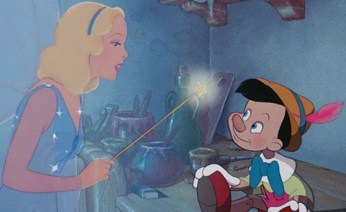 So the first autumn cold of the season hit the household, and I spent most of a day prone on the couch undertaking a surefire cure for the blues: Cartoons.
 I’d forgotten how bloody DARK “Dumbo” and “Pinocchio” are. There’s runaway children sold into slavery, a mother placed in chains, cruelty from the cartooniest of funny animals. (And we won’t even talk about “Bambi.”)
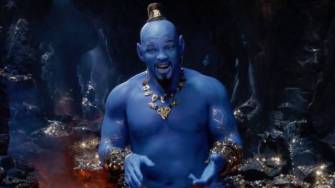 I watched the upcoming “Lion King” trailer and I just felt bored. I don’t hate these remakes, but they seem pointless, just more grist for Scrooge McDuck’s vaults. They’re stretched out (1941 “Dumbo” 64 minutes; 2019 “Dumbo” 112) and excessive elaborations of the gorgeous simple lines of the originals. What’s cute becomes creepy rendered in vivid CGI — blue Will Smith in the also upcoming “Aladdin” remake is something I never really needed to see, and it’s kind of freaking me out.
 There’s nothing I’ve seen yet in a CGI cartoon remake that approaches the stunning surrealism of the original “Pink Elephants on parade” sequence of “Dumbo” or the explosion of colour and passion of “Fantasia.” There have been lots of great original CGI cartoons from Pixar and the like of course, but Disney’s flood of redundant remakes is like a gift nobody really asked for.
 Nik Dirga