Joe Matt and the very last issue of Peepshow

Joe Matt died this week, and he was one of the most fearless and hilarious autobiographical cartoonists of my lifetime. 

He was the first of what I think of as the great indie comics creator class of the 1990s to leave us, a group that included the rubbery Gen-X angst of Peter Bagge, the precise skill of Daniel Clowes, the intense surrealism of Chester Brown, the unblinking female gaze of Roberta Gregory and Julie Doucet, the spiralling weirdness and immense talent of Dave Sim and many more. 

Matt died – reportedly at his drawing board – of what seems to have been a heart attack at just a week or two past his 60th birthday. He was the creator of the comic book Peepshow, but he hadn’t put out a new comic book since 2006. Yet the work he left behind was hugely influential.

Joe Matt was unafraid to make himself look like an utter asshole, to show all his selfishness and cruelty and self-loathing in his immaculately drawn comics. He wrote himself – or “cartoon Joe” – as a porn addict, hopeless miser and misanthrope, yet his clean, crisp cartooning and willingness to mock himself made it all go down smoothly. 

I’ve dabbled in a handful of autobiographical comics and quite a few essays over the years and it’s bloody hard work, to be truly honest, to put that much of yourself on a page.

There were a hundred inferior imitators putting out autobiographical comics in the 1990s and beyond, but Matt, with his bold cartoon lines and comic timing, always stood out. 

But then, Joe stopped. 

He debuted in the late 1980s with a prolific collection of candid diary comics that showed his rapid improvement in style, but there were just 14 issues of his solo comic Peepshow from 1991 to 2006. Since then, other than sketches and brief strips printed elsewhere, nothing. He wasn’t a recluse by any means, but he just kind of receded from the scene. 

That last issue, Peepshow #14, seems hermetic, squalid and a little anguished now. If you zip through all Matt’s unfortunately thin oeuvre, though, it’s a stark change from the friendly but eccentric Joe in his early diary comics to the cranky yet social animal of the early issues to the isolated, obsessed and lonely Joe the final few issues of Peepshow give us, frantically re-editing old pornography tapes into his idea of perfection, obsessing about the girlfriend he broke up with years before, withdrawing more and more into a self-contained shell. 

In the weirdly moving final issues, later collected in the graphic novel Spent, Joe Matt seems to show us how much within oneself a man can shrink. Long before Covid, here’s a man undergoing self-isolation. The final few panels of #14 show Joe Matt caked in cat shit (long story), locking himself into a bathroom. And that was it for Peepshow. 

Of course, no autobiography can ever be truly faithful, as they’re bent and twisted in the very shaping. Us fans like to think “Cartoon Joe” was “Real Joe” – but we can never really know. Matt pokes fun at this himself with a scene in Peepshow #6 where an angry boyfriend and girlfriend confront Joe about being put into his comics. Is “real Joe” “cartoon Joe” at all? We will never quite know, now. 
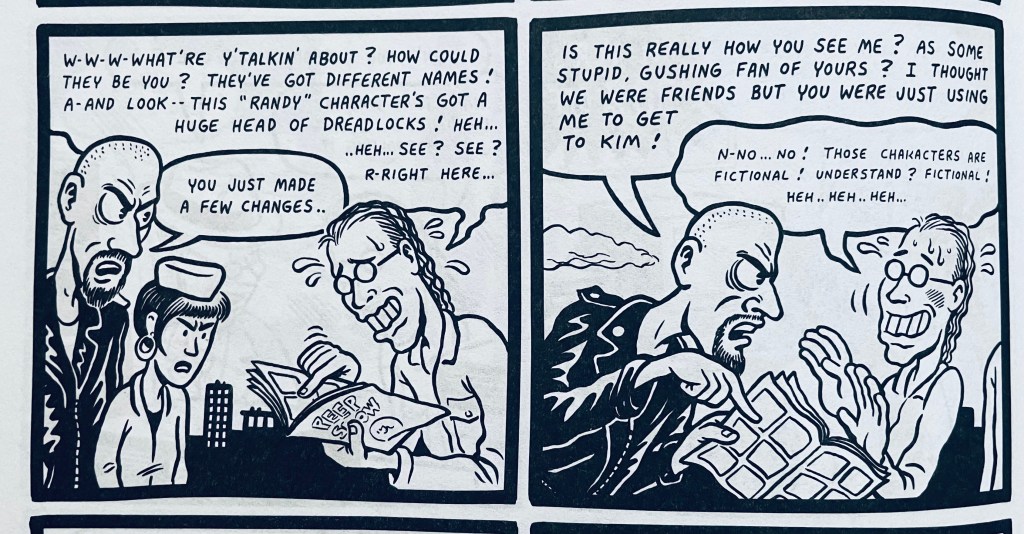
In that final issue, Matt flicks back over the previous 13 issues of Peepshow, admitting that a rather fanciful threesome sex scene in one issue was entirely made up, or that the childhood memories in other issues don’t tell the whole story. We invent our autographies.

Yet, Joe Matt did carry on, like many of us, on social media, where he seemed actually, kind of happy whenever I checked in on him, with his beloved cats and spot cartoon panels. I don’t know if he was really the same freaky weirdo he portrayed himself as in Spent, or if he’d regrouped. He apparently had perfected his life to a narrow point of his interests, like we all tend to at a certain age, and while I’d have liked to see Peepshow #15, and #25, and #50, I can’t begrudge him whatever made him happy in the end. Maybe “Cartoon Joe” was just a cartoon after all. 

In a fascinating interview from 2013,  Matt says of comics, “Consider this: You have 300 pages to work with, and on those pages you can literally depict ANYTHING. You can depict standing in line for a coffee for those entire 300 pages, or you can cover the fictional lives of generations of a small town.” That interview also goes a long way toward explaining why he hadn’t put out anything new in years with his increasing perfectionism. 

Supposedly, for years he’d been working on a graphic novel that told the story of his moving from Canada to California, where he spent his final years. I really hope it’s in a shape where someday, we can see it. For a guy who stripped himself literally naked in his work, I think he would’ve wanted it that way.

For all his comic-strip lust, nastiness and obsessions, I still want to know more of Joe Matt’s story, and 60 was just too damn soon to leave us. 

Sinéad O’Connor, and the voice that could not be ignored

I don’t know no shame / I feel no pain / I can’t see the flame – “Mandinka,” Sinéad O’Connor

We spend most of our lives chasing the music we loved when we were 17.

Sinéad O’Connor came into my sheltered little musical world like a thunderbolt, and she blazed hard and bright through her trouble-plagued, too-short life before dying this week at only 56. 

It’s an embarrassing kind of revelation to make, but I think she was the first female singer-songwriter I ever truly listened to and adored, as I emerged from my adolescent male-dominated world of Guns ’N Roses and Billy Joel music.

She was a pathway for me to discover her influences like Patti Smith and Joni Mitchell and her peers like PJ Harvey and Fiona Apple. I could not fully understand her life – how could I, a small-town California dude? – but I listened to her. 

Her first two albums will always be part of the soundtrack of teenage love to me, of the jittery combination of urgency and anxiety your entire life seems made of at that age. 

For a few months in 1990, the girl from Ireland was inescapable with the striking video for “Nothing Compares 2 U.” There were no women like her then at the top of the pop charts that year. She stared at you in that remarkable video with candour and a sincerity that was startling in a year when MC Hammer, Vanilla Ice and Paula Abdul ruled the airwaves. With that extraordinary voice, she could channel a world of emotions, from bliss to defiance. Unlike far too many pop singers, you never felt her showing off. She simply let out what was inside her. 

I love I Do Not Want What I Haven’t Got, but it’s her debut The Lion And The Cobra I play the most, her rawest and most punk-rock moment. Barely out of her teens, Sinéad blew like a hurricane through an otherworldly mix of anthems, anguish and adoration. She would never sound so carefree as she did on “Mandinka,” or as ominious as she did on “Jackie,” but if I had to take one song by her with me, it would be the triumphant epic “Troy,” which howls and builds with energy. It’s a song that blows me away every time I listen to it, and while it was “Nothing Compares 2 U” used in all the headlines and tributes, it is “Troy” that sums up Sinéad O’Connor’s essence. 

Number-one album I Do Not Want and that unstoppable hit Prince cover song were both her making and unmaking as a hit singer. She followed it up with a criminally underrated album of torch song covers, Am I Not Your Girl, and she bent those songs into her sphere marvellously. 

I always considered myself a fan but realised I had only dipped a little bit into most of Sinéad’s music after 1994’s mellow and contemplative Universal Mother. I kept meaning to catch up because I always had a soft spot for her. I had drifted away from paying attention to her music, and I wish I hadn’t. 

I wish I could say her death was surprising. 

I knew she had a background of terrible abuse and repeated mental health issues, which were surely escalated by the suicide of her teenage son last year. I knew she sometimes said things that were off the wall or offensive and never quite seemed the same after being so rudely scorched by the public eye in the 1990s. She dared to speak out angrily about child abuse by priests and her mainstream career as a musician never really recovered, even though history has proven her defiantly right. She was a woman with opinions, and some people never forgave that. She was not your internet content. 

It’s been bittersweet to see so many people talking about how much Sinéad’s music meant to them in the last day or so. This complicated woman, despite all the troubles and obstacles in her life, touched the lives of many. 

I’ve seen some in the aftermath of her death saying the many controversies of her life never drowned out her music. I’m sorry, it’s a noble thought, but I think unfortunately, and terribly, for the vast majority of the mainstream world that just wasn’t true, and the tabloid clamour over her life swamped coverage of her musical career. 

I wish it hadn’t. I wish she’d found a little more peace in this life. She changed me, just a little bit, by the very act of listening to her, and I wish somehow all of us who felt that way could have helped this beautiful woman make a different way in this hard old world. 

I am not like I was before / I thought that nothing would change me / I was not listening anymore / Still you continued to affect me – “Feel So Different”, Sinéad O’Connor

Where to get help:

Lifeline New Zealand

(United States) Crisis Helpline

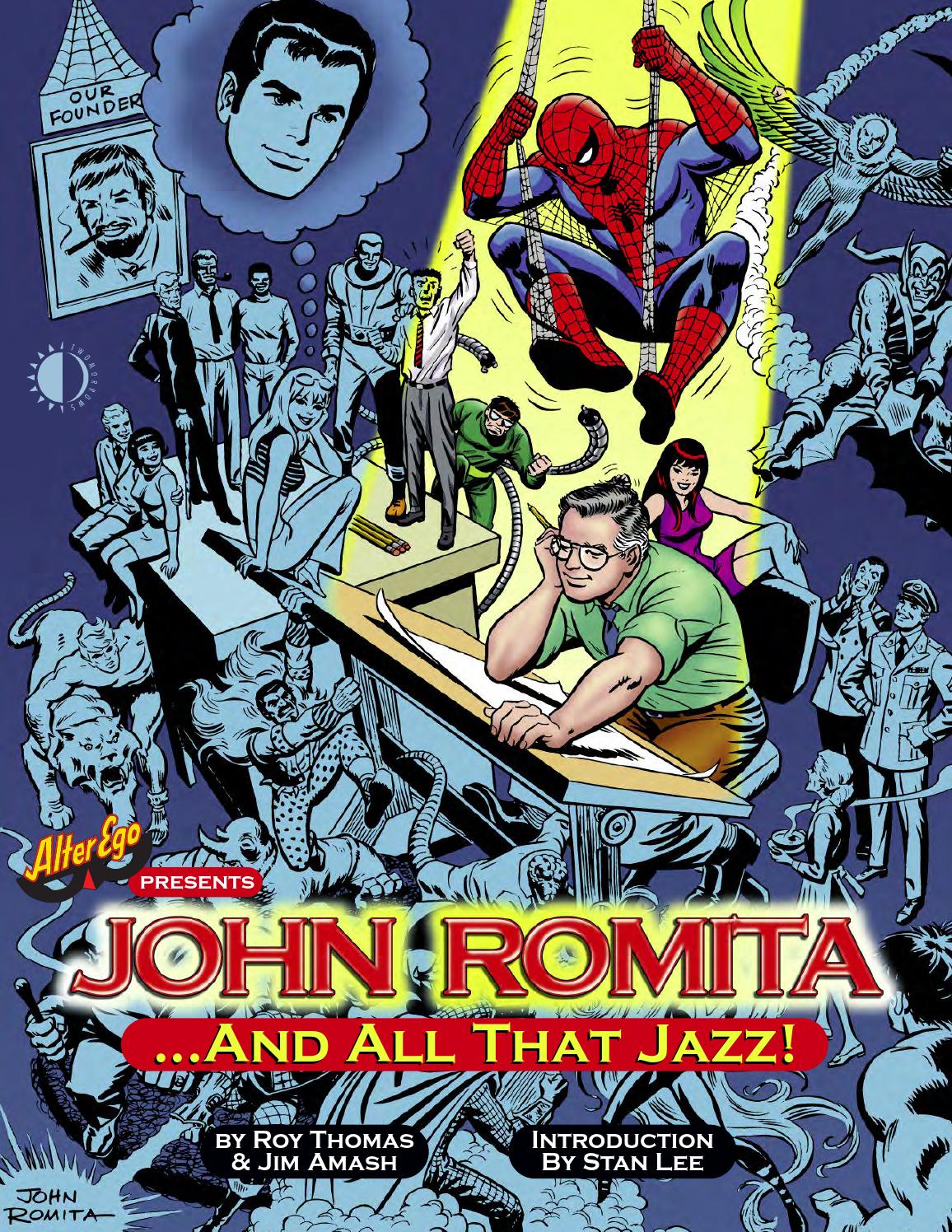
RIP John Romita Sr, the man who drew Marvel Comics

Was he the best Spider-Man artist of all time? I think so. Was he quite possibly the greatest Marvel Comics artist of all time? Maybe so.

John Romita, Sr. has left us at the age of 93, with a career that spanned all the way from the golden age of the late 1940s well into the 2000s. Boy, he was good.

I wrote just last year about how for me, Romita and his immensely talented son John Romita Jr. have defined Spider-Man. His art was crisp, bold and clear. Yes, there have been many other great Spider-Man artists, from the inimitable co-creator Steve Ditko to the wiry revolutionary Todd McFarlane.

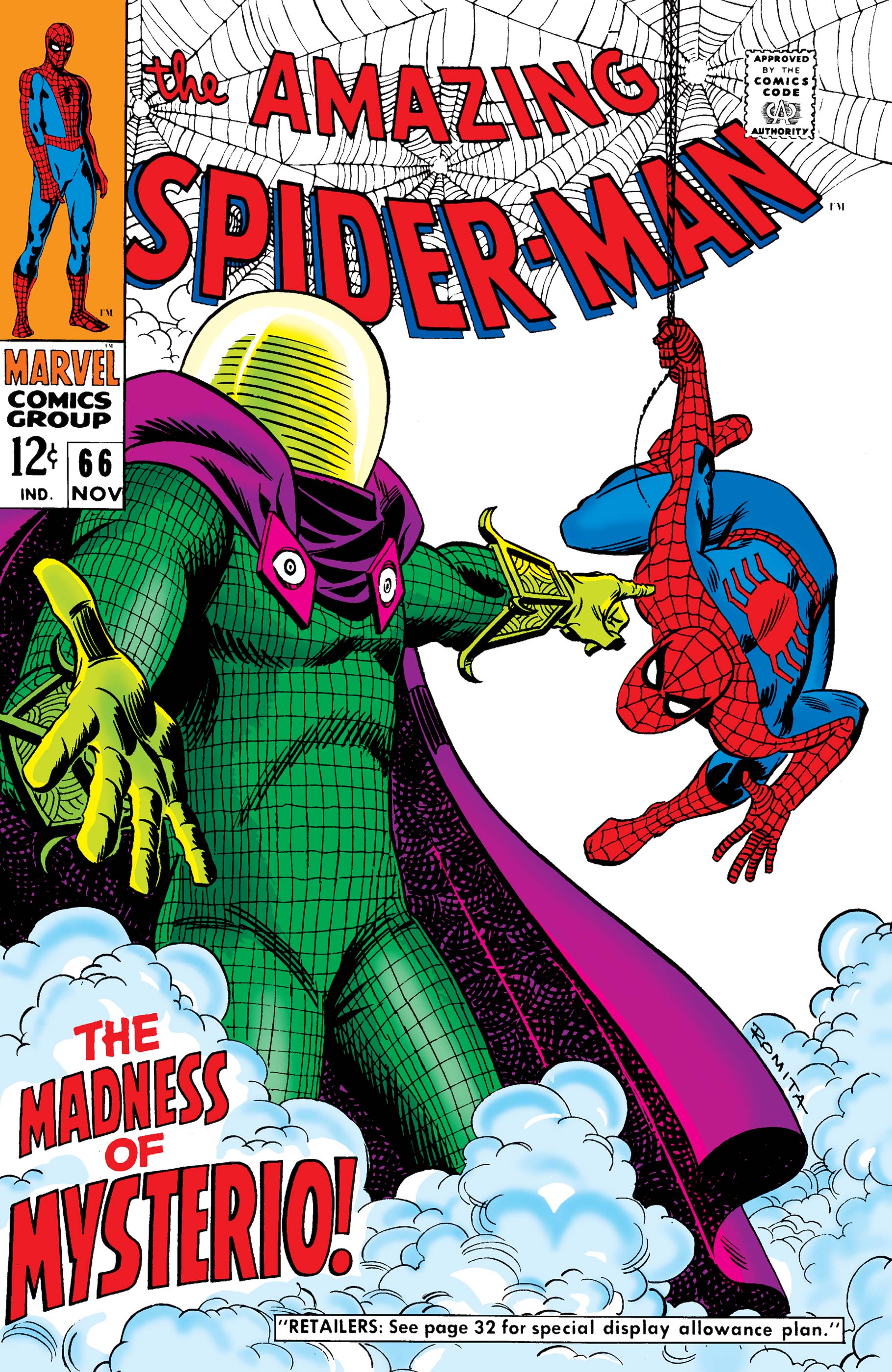
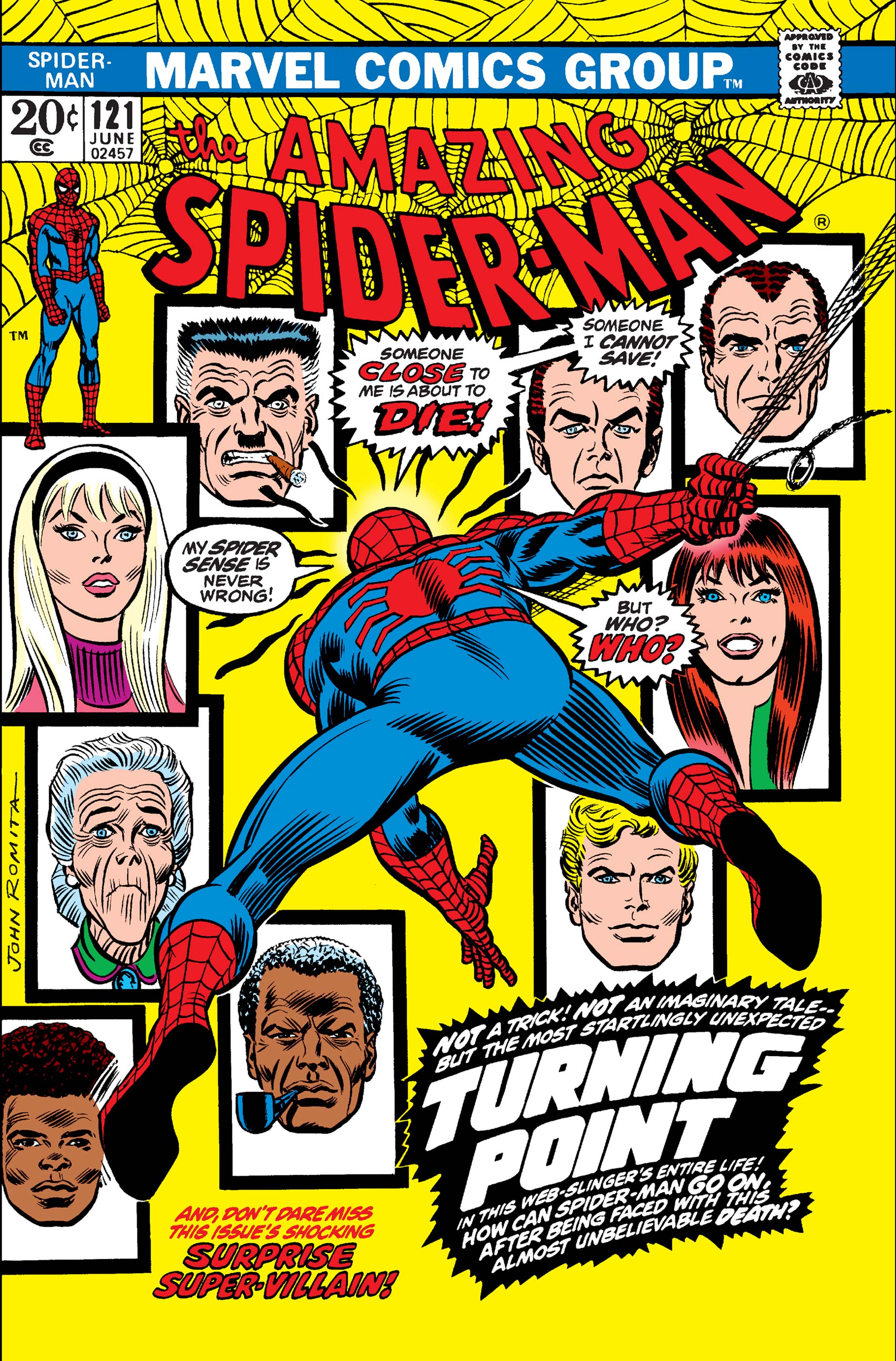
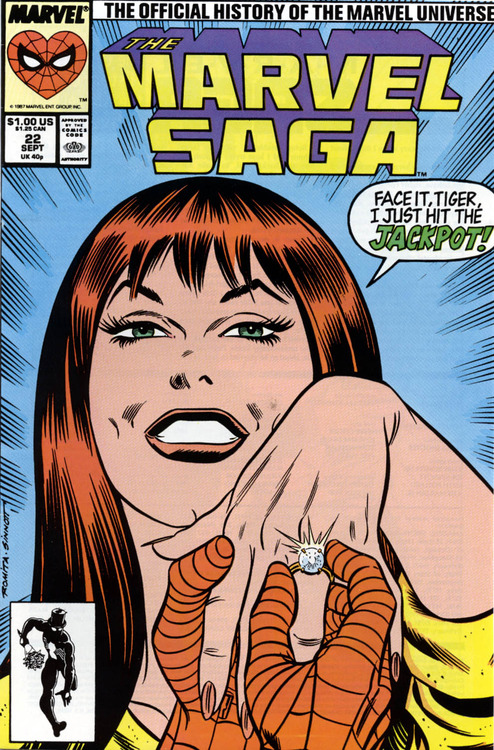
But here’s the thing. If I close my eyes and just think, “Spider-Man,” I see a John Romita Sr. drawing. Maybe I see Amazing Spider-Man #66 from 1967 starring the evil Mysterio – I picked up a beater copy back in the 1980s and for years and years it was the “oldest” comic I ever owned, filled with that timeless Romita cool style. Maybe I see his gorgeous Mary Jane, or his sneering Green Goblin.

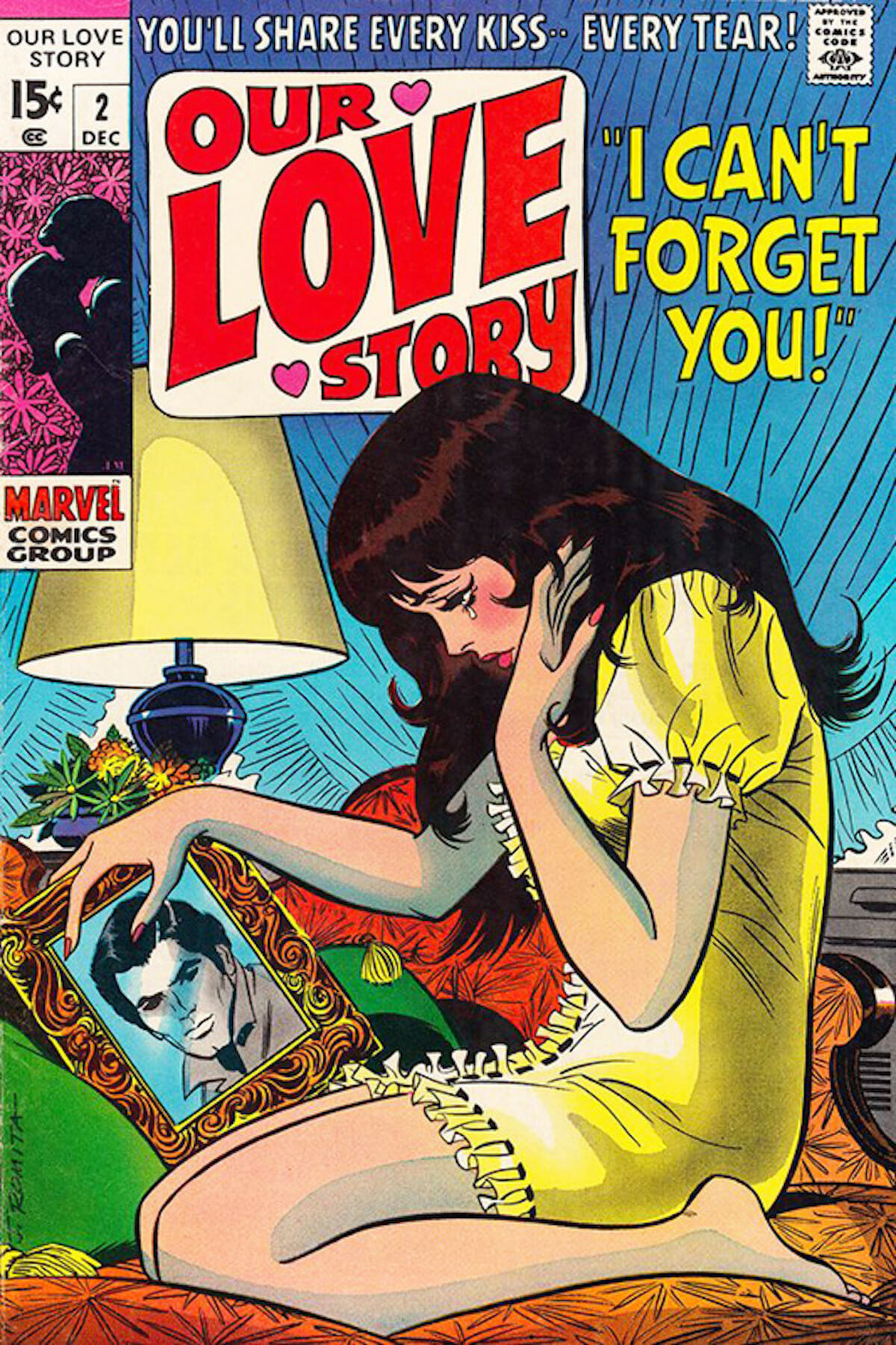
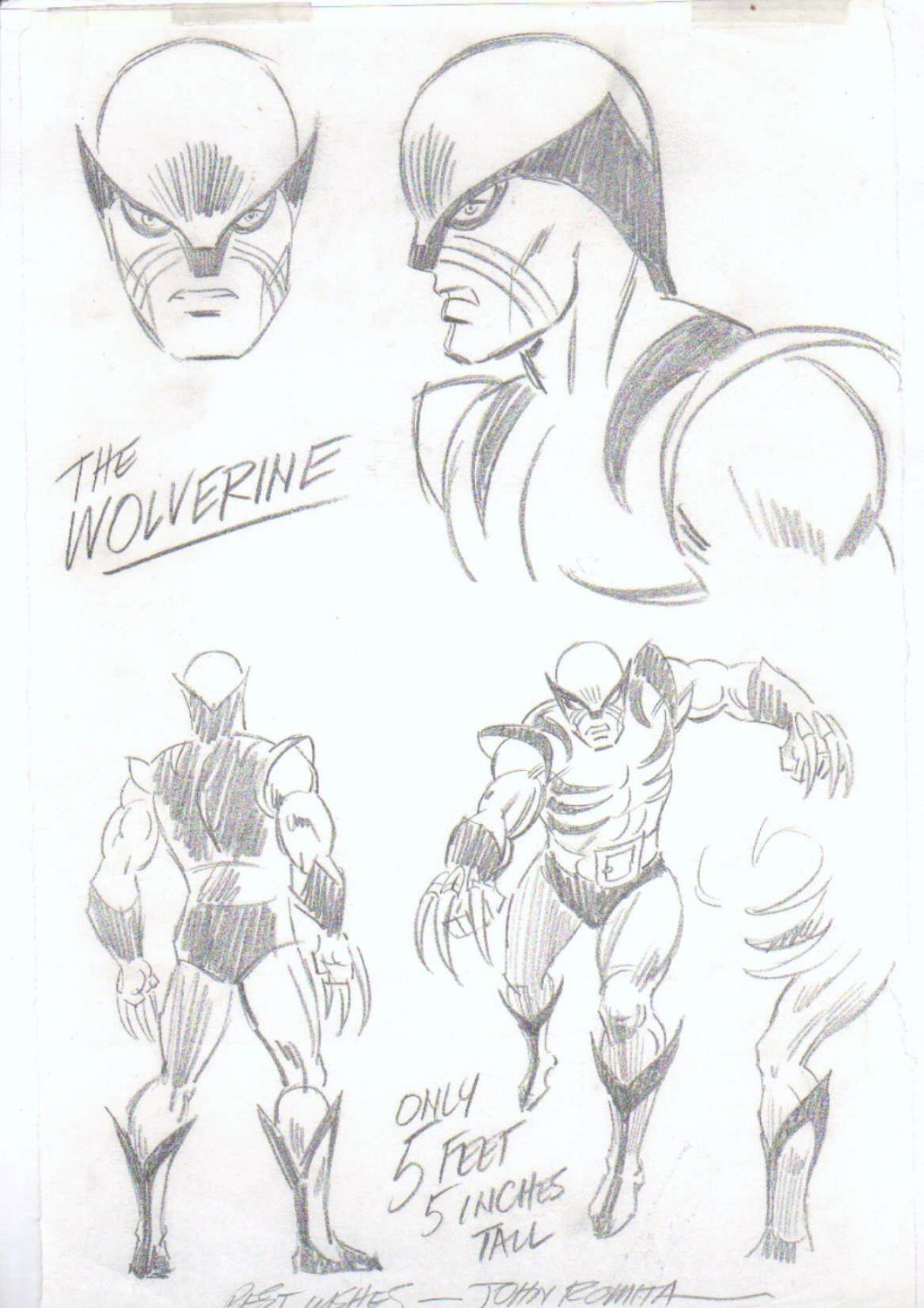
And to be honest, if I close my eyes and just summon up the words “Marvel Comics,” I tend to think of a Romita Sr drawing too. He was the public face of the company for years thanks to becoming Marvel’s art director and doing countless merchandising and house ad illos. More than Spider-Man, he co-created or summoned up dynamic classic looks for characters like Wolverine, The Kingpin, The Punisher and Luke Cage who have all gone on to become movie and TV series stars. To me, his art kind of was Marvel Comics.

Thanks for the art, John.

Farewell Ricou Browning, the last of the Universal Classic Monsters

He was the last of the monsters, the creatures who stalked the screen in vivid black and white, the horror icons of an age before blood ran red on the screens. Ricou Browning, who died this week at age 93, was the last living person who played one of the classic Universal Movie Monsters. 

The Universal monstersBoris Karloff’s Frankenstein, Bela Lugosi’s Dracula, The Mummy, The Invisible Man, Lon Chaney Jr.’s Wolfman and more – lit up the screens in the 1930s through 1956 and helped define what we think of when we think of movie monsters. You think of Frankenstein’s monster, you think of Karloff’s looming golem, you think of Dracula, you probably think of Lugosi’s slick old-world menace. I fell in love with the Universal movies as a kid during afterschool TV marathons when I first watched flicks like Ghost of Frankenstein and The Mummy’s Hand. 

But my favourite was 1954’s The Creature From The Black Lagoon, which I taped on a battered VHS cassette that I watched over and over periodically for years. It’s still a succinct, chilling little fable about man meddling with nature and the uncanny allure of how beauty killed the beast. The monster was one of the best movie designs of the era – perhaps only second to Jack Pierce’s Frankenstein makeup – and recently Mallory O’Meara’s book The Lady From The Black Lagoon delves into the fascinating, contentious story of how it came to be.

The Gill-Man creature of the title was played by several people, Ben Chapman on land, and Browning, a lifeguard and excellent swimmer who at age 23 was recruited to play the monster in the film’s iconic underwater scenes.

Browning played the Gill-Man in the underwater scenes in the first Creature and the sequels Revenge of the Creature and The Creature Walks Among Us, a role which technically didn’t require a lot of acting – I’d imagine most of his attention was taken up by actually trying to swim in that monster gear. Yet, those scenes in the first movie particularly where the Gill-Man drifts, ominously, beneath the grey waters and stalks the gorgeous Julie Adams are indelible landmarks in creepy horror. Adams, the object of the Creature’s affections, died herself a couple years back

The few minutes where the Gill Man and Adams do a kind of underwater duet, the monster mirroring his unaware obsession, are among the finest in Universal Horror history.

The silent way the Creature stalks Adams, nearly touching her drifting toes, made an impression on Young Nik watching on TV reruns, and the influence of a scene like that – where horror is implied, rather than splashed and splattered – can be seen everywhere from Jaws to John Carpenter’s original Halloween all the way on up to the modern day in your better horror movies. 

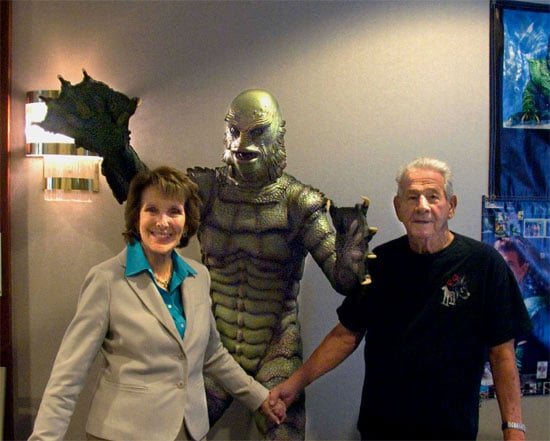
Browning, who was just a kid when he first donned that gill man suit 70 years ago, outlived his fellow Universal monster actors by more than 50 years – Karloff, Lugosi and Chaney Jr. were all gone by 1973 – and for years he enjoyed his peculiar fame on the convention circuit among the still quite active world of classic horror fans. Unlike Chaney Jr and Lugosi, who died neglected addicts, he lived a long, fulfilling life (among his other movie underwater credits were Flipper and James Bond’s Thunderball). 

Julie Adams and Ricou Browning in 2014 (Photo: Monster Bash News)

Still, Ricou Browning was the last of his kind – the unforgettable monster from the deep who swam beneath your feet, always in black and white, terrifying and yet slightly sympathetic like the best of monsters. Universal’s Classic Monster greats are all gone now, but they still lurk on, flickering away every time I rewatch one of the classic scares. 

Well, at least Liz Truss will go down in history

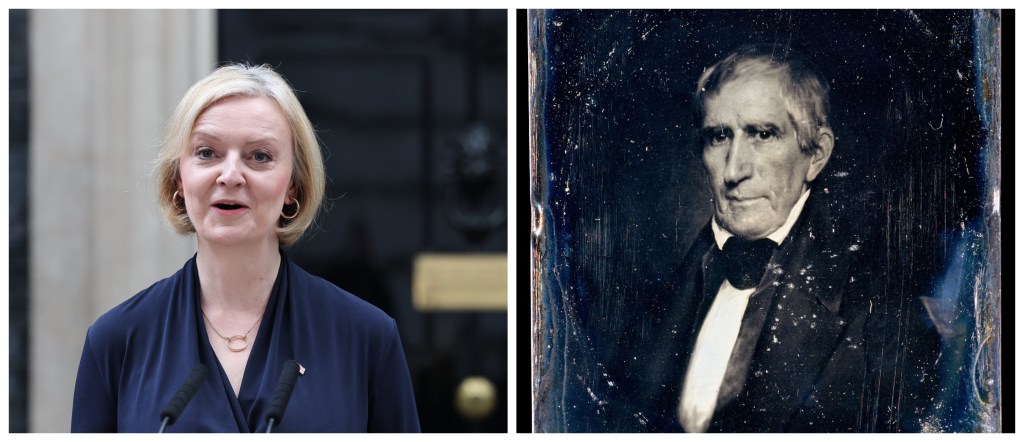
Watching British Prime Minister Liz Truss’s brief tenure go down in flames has been an exciting spectator sport. After a mere 45 days in office, she’s resigned, and while the debates over her car-crash of a tenure will be going on for some time, eventually, she’ll be a footnote – the shortest serving UK Prime Minister ever. At least she’ll have company, in that weird world of history’s short-timers.

In fact, Truss is not anywhere near the record set in other countries for the shortest leadership – the briefest US President lasted a mere 31 days, while in New Zealand, our shortest-serving Prime Minister was only 13 days. In Australia, it was just eight!

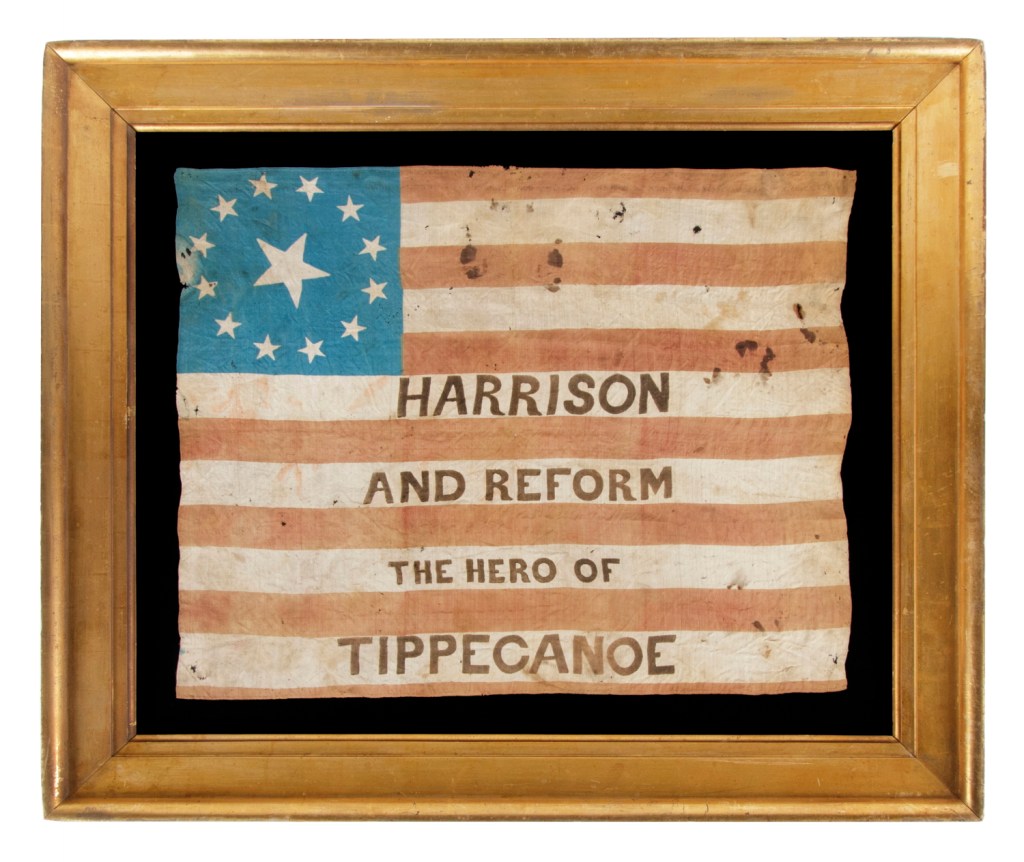
US President William Henry Harrison is a footnote in Trivial Pursuit games. He died a mere month after his inauguration, the then-oldest US president at the age of 68, after giving a nearly two-hour inauguration speech in the freezing cold. His health declined over his short term, not helped by a habit of going for long walks without a coat or hat in wintry March weather. Because it was 1841, his treatment during his illness consisted of fun things like enemas, “cupping,” castor oil, opium, and a lovely cocktail of camphor, wine and brandy. It didn’t help. He lingered until April 4, 1841, only his 31st day in office. He gets points for what is perhaps the most “I love my job” deathbed speech of all time – “Sir, I wish you to understand the true principles of government; I wish them carried out, I ask nothing more.” 

Harrison’s death has long been attributed to pneumonia, but more recent research has found it might have been some kind of enteric fever, spawned by Washington’s then literal swamps. He didn’t leave a whole lot of accomplishments other than running what might be considered the first “modern” campaign, yet his death, the first of a US President in office, did help establish the precedent of the Vice-President becoming President. Many thought John Tyler should only become an “acting President” but he simply assumed the full office, which is how it’s worked ever since. 

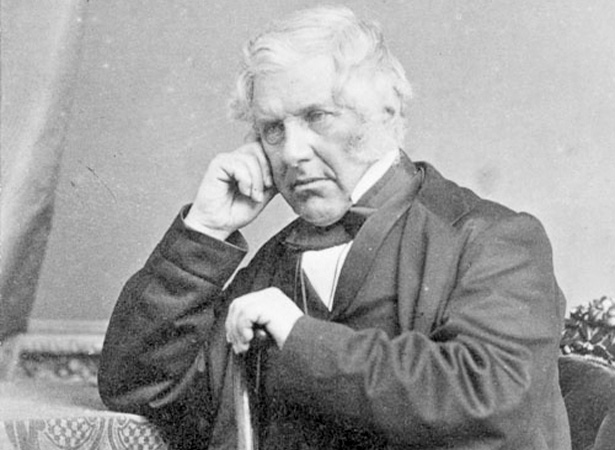
Henry Sewell, considering career options.

Here in New Zealand our shortest serving leaders have mostly been during the earlier days of British colonial government. Henry Sewell was New Zealand’s first premier, Prime Minister or “colonial secretary” from May 7 to 20, 1856, during the very earliest days of our colonial government – “he was too reserved and elitist for the rough and tumble of colonial politics, as the brevity of his premiership showed.” Other earlier PMs had pretty short terms as well. In modern times, the late Mike Moore served for only 59 days in 1990 before his Labour Party was voted out of office. Despite his short term, he went on to have a pretty solid career in world politics and was given that crowning kiwi accolade when he died at age 71 – “an everyday bloke.”

Across the ditch, there’s certainly been a lot of turnover in Australia’s Prime Ministers, including what I believe is the only Prime Minister ever lost at sea, but they’ve got work to do to catch up with poor Frank Forde, who only lasted 8 days in 1945. He became Prime Minister when John Curtin died suddenly, but a week later his Labor Party picked someone else to lead, and well, it was farewell, Forde. 

Few will mourn Liz Truss’s brief term as Prime Minister, but its mere brevity indicates she’ll go down in history for one thing, at least – just maybe not the way she wanted. 

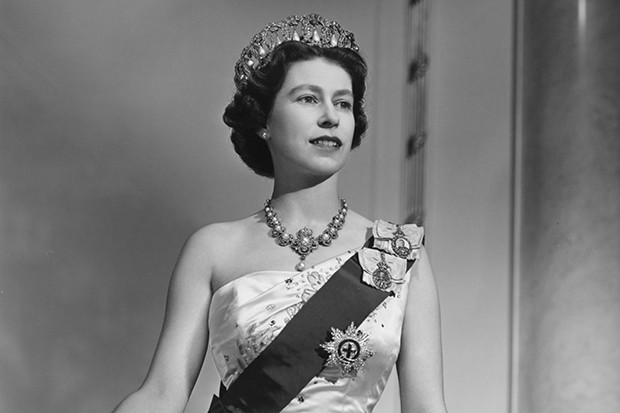
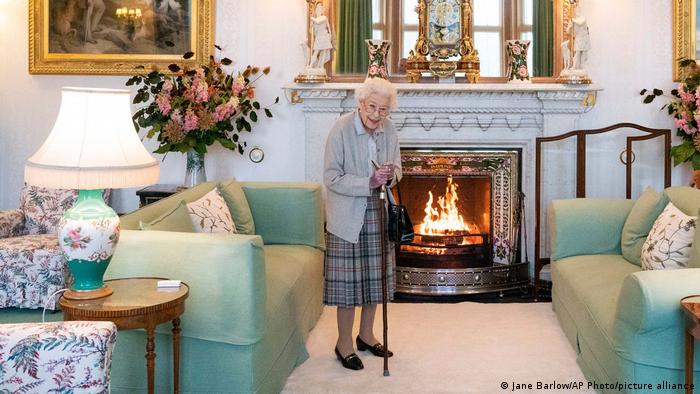
Queen Elizabeth II 1926-2022: My time under the monarchy

Queen Elizabeth II poses for a portrait at home in Buckingham Palace in December 1958.

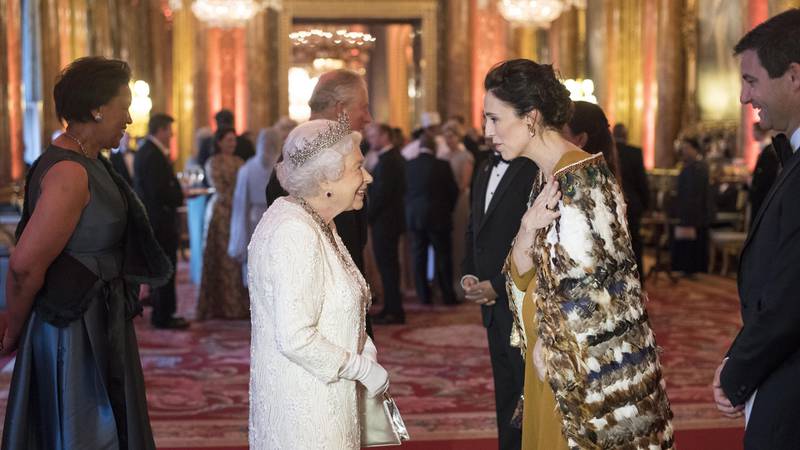
For almost 16 years now, I’ve been a subject of the Queen. 

It’s kind of weird whenever I think about it — that a kid who was born in Alaska, grew up in the hills of California and went to university and started his career in Mississippi, would end up a subject of the British monarchy. 

But ever since I moved here to New Zealand in 2006, that’s exactly what I’ve been, and since becoming a New Zealand citizen around 10 years back, I even swore allegiance to her majesty.

Although we all knew it was coming, it’s a strange thing indeed to wake up and learn that Queen Elizabeth II is dead.

I’ve always been a bit neutral about the queen, neither a rabid royalist nor a fanatical republican. I guess I’ve mostly just been interested in the workings of a centuries-old system of royal hereditary rulership, having grown up pledging allegiance to a different flag, to myths and legends about George Washington and Abe Lincoln. I liked the novelty of being part of a monarchy when I moved here, of having the Queen on our coins and cash and all the little finicky bits of royal protocol I’ve had to learn in my work as a journalist. 

New Zealand is my home these days, quite possibly for the rest of my days, and King Charles III is now my head of state. Hearing the words “God save the king” this morning for the first time felt bloody, bloody weird, I’ll tell you that. 

The last couple of years, there’s certainly been a part of me that’s kind of appreciated the kind of cultural stability the Queen’s presence brought, when you look at the chaotic upheaval among flailing political parties in my homeland, where a creeping authoritarian fascism seems to be more and more accepted.

And after 16 years here, I firmly think some parliamentary system of government – where party leaders are more accountable, where minor parties have a larger voice – is essentially superior to the creaky, unfair US system of antiquated electoral colleges and deeply unequal representation, states with 500,000 people having the same Senate spots as states with 50 million. 

Sure, there’s lots of questions to raise about the legacy of the monarchy and its relevance in the future, about the bad things that have happened under kings and queens, the idea of being “born to rule” and the often horrific impacts of colonialism.

But today, I’m just kind of sticking to my number one rule about engaging with the internet in 2022: Don’t be a jerk. 

Ninety-six years, 70 of them in one job, is a good run. The sheer longevity of her reign – she ascended the throne when my 80-something parents were teenagers – is remarkable. She spanned from the age of silent movies and Prime Minister Stanley Baldwin to streaming TikToks and Prime Minister Liz Truss.

History is happening now, today, and tomorrow. We’ll all go back to arguing about everything in a few hours, I’m sure, but today, I’m watching the great gears of history turn and one era ending, forever.


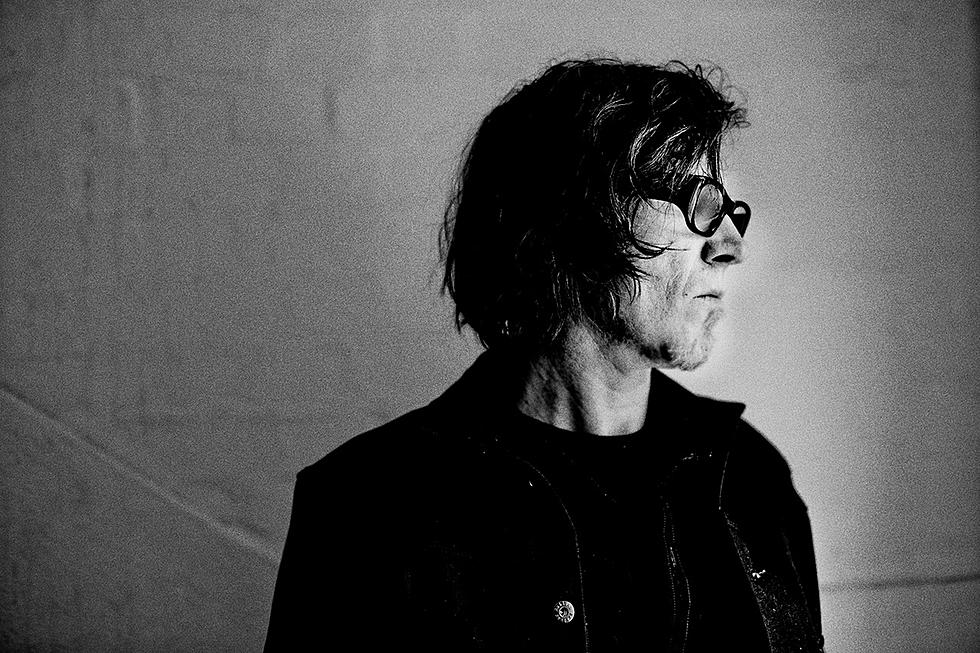
Mark Lanegan, grunge, and the gone generation

Photo Steve Gullick

Mark Lanegan was not a household name. But when I think of grunge – that Seattle sound, that briefly hip ‘90s trend – I often think first of Lanegan’s husky baritone with the Screaming Trees, and all the ache and strength it conveyed.

Lanegan died suddenly at 57 this week, and for a certain brand of music lover, it was a painful blow to lose this troubled, damaged yet powerful figure.

Lanegan showed a way out of just being a grunge star. The bands that are left intact are mostly ones like Pearl Jam or Mudhoney, who’ve settled into amiable patterns where their music isn’t a heck of a lot different in 2022 than it was in 1992.

When Kurt Cobain died, half my lifetime ago, the thing that struck me hardest was that we’d never know what he might have done next, never follow up on the intriguing directions things like In Utero and MTV Unplugged hinted at. Lanegan, more than any other musician in the grunge era, picked up his longtime friend Cobain’s challenge and continued exploring and innovating until the day he died. 

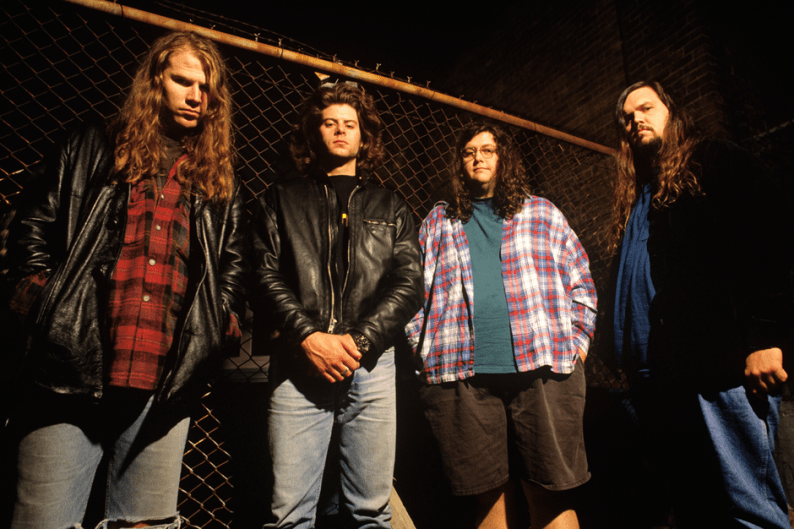
I loved Screaming Trees, who bubbled under the superstar level of bands like Nirvana. Their single “Nearly Lost You” was their biggest popular hit, but the band – all towering, lumberjack like characters who seemed as ominious as their cartoony threat of a name – were a powerful machine that were driven by Lanegan’s urge to be more than just a screamer. Like TAD, another band a bit too raw to make it big, they felt like whispers and ghosts of the Northwest backwoods, sasquatch with guitars. 

The Trees combusted, and Lanegan was different when he branched out into underrated, heavily diverse solo work. Always a looming, dangerous figure, haunted by addictions and violence he wrote compellingly about in recent memoirs, Lanegan’s very voice let you know he had seen the darkness and stared deep. Many obituaries focused on how with the punishment he inflicted on himself, Lanegan should’ve been dead years ago.

As he aged, he became a kind of Seattle fusion of Nick Cave and Johnny Cash, charged with Old Testament authority and willing to experiment, collaborate and cast his sound far outside a narrow grunge template. He swerved from the dusty country-fried songwriting of Whiskey For The Holy Ghost to the sweet-and-sour collaborations with Isobel Campbell, the ‘70s hard rock stomp of his work with Queens Of The Stone Age, to dabbling in dark synth-pop in Blues Funeral. His final album, Straight Songs of Sorrow, seemed to amalgamate all of his interests to craft a dark, autobiographical mini-masterpiece. 

It was also reminded me of how so many of the great voices of his peers have left far too early, turning grunge – a term many couldn’t stand, but it’s stuck like glue – into kind of a lost generation. There will be no big the-whole-band-gets-back-together reunion tours for Soundgarden, Nirvana, Alice in Chains or Screaming Trees. 

The list is long – Kurt Cobain, of course (suicide, 27), Stone Temple Pilots’ Scott Weiland (drugs, 48), Chris Cornell (suicide, 52), pre-grunge/glam act Mother Love Bone’s singer Andrew Patrick Wood (heroin, just 24), Gits singer Mia Zapata (murdered, 27); Alice in Chains’ Layne Staley (heroin/cocaine, 34) and Mike Starr (prescription overdose, 44), Hole’s Kristin Pfaff (overdose, 27); poppier act Blind Melon’s lead singer Shannon Hoon (cocaine, 28). 

Music and young death are no strangers, of course, and there’s been “lost generations” before, from the deaths of Janis, Jimi and Jim (you don’t even need to say their last names, do you?) to the rap slayings of Tupac Shakur and the Notorious B.I.G. to the present, in the deaths of those like XXXTentacion and Lil Peep. 

But grunge was my soundtrack to an age where you listen to music more obsessively than other, and nobody wants to watch their own generation slowly be washed away.

I lived a boring, drama-free 1990s compared to the antics of Lanegan, Cobain and their peers – rare binges of tequila and vodka were my peak indulgence – but the appeal of grunge to me was that the yearning of singers like Lanegan felt universal. We all ache in different ways. We all have addictions. I realised a long time ago that I’d easily get hooked on some of the temptations of the world given half a chance. I was an amateur at addiction, but something in me responded to Lanegan’s deep, groaning voice. 

Friend Bob got to see him in his elemental power a few years back, and I’m very jealous. Lanegan overcame his demons and was clean for years, but a bout with COVID-19 last year nearly killed him and I wouldn’t surprised if it led directly to his early death. 

Once upon a time, I would’ve said that making it to 57 was a decent run. But it doesn’t seem that way when you get close to it. Mark Lanegan was a guide through some of the darkness of life, wrapped heavily in all its shadows himself. He might have been the last lingering reminder of the power of grunge behind the hype and sadness, and that generation is gone and never coming back. 

Movies I Have Never Seen #14/15: What’s Up, Doc? (1972) and Paper Moon (1973)

What they are: We’ve lost quite a few silver screen legends lately, but behind the camera, one of the biggest curators and creators of cinema history also left us last month – director Peter Bogdanovich. His death may have been overlooked a bit in the never-ending 24-hour news cycle, but for a certain breed of movie hound, at a certain period of time, Bogdanovich was the great hope for the Future of Cinema. His breakthrough movie, 1971’s ode to a vanished idea of small town Texas life, The Last Picture Show, was nominated for eight Oscars and won several. Bogdanovich followed that drama up with two big genre swerves – the goofy comedy What’s Up, Doc? with Barbra Streisand and con-man comedy/drama Paper Moon, which saw Tatum O’Neal become the still-youngest competitive Oscar winner by nabbing Best Supporting Actress at just 10 years old. When Bogdanovich died last month, I realised I needed to finally get around to watching Doc and Moon and fill in some big gaps in my film knowledge. 

Why I never saw them. The theme of many of his obituaries was that Bogdanovich came into movies like a comet, burning brightly and then flaming out. He loved classic Hollywood, and his best movies are all homages to the 1930s and 1940s. His debut, 1968’s Targets, is a fond love letter to horror icon Boris Karloff combined with a still-shocking look at a mass shooting. The Last Picture Show is one of my favourites, a monochrome gem of nostalgia and bittersweet romance that manages to both romanticise and demonise the American dream, with an utterly luminous young Cybill Shepherd and Jeff Bridges. Next, What’s Up, Doc? and Paper Moon were both popular and critical hits.

But then Bogdanovich steered Shepherd into two notorious flops, Daisy Miller and At Long Last Love, and his career for the rest of his life alternated between moderate successes and mild failure, as well as grim personal tragedy. A keeper of the flame for cinema history, he wrote some excellent books on the many classic Hollywood stars and directors he befriended over the years (he was notably close to the great Orson Welles, and his final film was a documentary on Buster Keaton), but when he died, many of the Bogdanovich obituaries cast him as a kind of example of lost potential. I don’t quite think that’s a fair way to measure a life. 

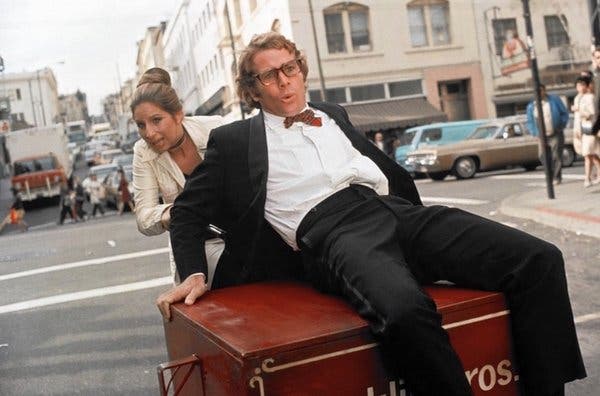
Do they measure up to their rep: Let’s take each film separately. What’s Up, Doc? is essentially a colourful homage to screwball comedies of the 1930s, with Streisand and Ryan O’Neal filling the Katherine Hepburn and Cary Gran-type roles. Streisand is someone I’ve never always warmed to, but she’s a fiery, wisecracking delight here, a predecessor of the oft-maligned “manic pixie dream girl” archetype. She splashes into O’Neal’s stiff academic’s life almost at random and upsets the dull order of his world. In one light, her character’s stalking of O’Neal and his intense fiancee (a great Madeline Kahn) may be annoying, but if you ride with Doc’s giddy vibe, you’ll get caught up in Barbra’s freewheeling spirit. While I don’t think it quite beats the heights of Grant and Hepburn in Bringing Up Baby, Bogdanovich’s homage is a light and hilarious ride. 

Paper Moon isn’t quite so loose and frivolous, although it’s also very funny. Bogdanovich went back to a gorgeous black-and-white for this caper starring real-life father and daughter Ryan and Tatum O’Neal. Ryan is a con man who shows up at the funeral of 9-year-old Addie’s mother. He might be Addie’s father, or he might not. O’Neal agrees to take Addie on a road trip to the rest of her family, but along the way also drags her into his complicated cons, scheming his way across Depression America. Bogdanovich expertly balances Paper Moon between comic and tugging the heartstrings, but is just cynical enough not to make this feel like a Disney movie. He’s helped by Tatum O’Neal, who’s utterly amazing as Addie – her character develops and expands throughout the movie and manages the almost impossible task of feeling like a real, chaotic and somewhat unpredictable child instead of just an actor.  

Ryan O’Neal anchors both these movies, although he’s upstaged by his female co-stars. He’s an interesting case of an actor who was a big star but also tends to blend into the scenery, I find. As a slippery con man in Paper Moon and a stuttering geek in Doc, he never entirely convinces, but he’s also oddly enjoyable to watch playing off the stunning Streisand and the remarkable Tatum. But both of these movies are far more about the women than they are the ostensible main character. Bogdanovich was a spectacular director for women – Cloris Leachman’s Oscar-winning turn in The Last Picture Show is a perfect example – and whatever the ups and downs of his career, he created some of the most indelible roles for women of the 1970s. 

Worth seeing? Viewed 50 years on, Bogdanovich’s great trilogy of films is about his love for the history and form of cinema itself, and that great American theme of the desire to better oneself, whether in money, love or location. The Last Picture Show is stark and sharp as a knife, while What’s Up, Doc? is a silly blast nearly as manic as the Bugs Bunny cartoons it got its name from, and Paper Moon combines elements of both of them to create a satirical yet heartfelt tale of a con man’s mild redemption.

Bogdanovich might have been a comet in that he never really bettered these three films in his career, but he certainly left a lot of great work behind and was one of the last men who knew and worked with the golden stars of Hollywood’s peak years, and worked to keep their names alive. That’s not a bad legacy to have at all. 

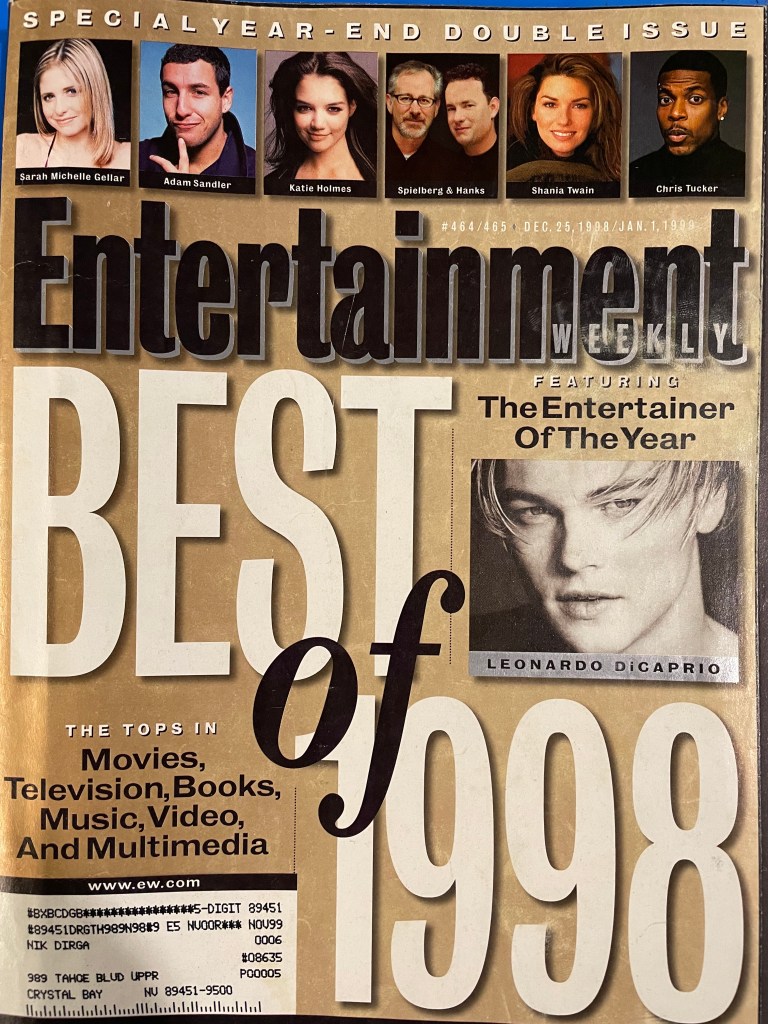
RIP to Entertainment Weekly, my pop-culture guide to the 1990s and beyond

I knew the patient was in critical condition for some time, but it’s still hard to say goodbye. The patient wasn’t a person, but a cultural moment, a blip of journalistic history – a magazine that has finally breathed its last.

Entertainment Weekly, a magazine that I read from its very first issue 32 years ago, is folding its print edition, it was announced this week in another one of those ice-cold corporate downsizing memos so familiar to journalism.

The world is too big and fractured now for a general-interest entertainment magazine now I guess, but I’ll still miss it. (It will continue as digital only, but honestly, that’s not the same at all.)

It’s a death among many in the media world and one I knew was coming ever since a couple of years ago when the magazine switched from weekly to monthly publication (and yet bizarrely, kept the name Entertainment Weekly). In a world of digital bits and unending social media outrages and whines, I miss the fading humble magazine. I still subscribe to some of the best – The New Yorker, The Atlantic, NZ’s Listener and North & South – but it’s a battle for eyeballs in a world filled with scrolling distractions.

I guess I’m a bit sad about Entertainment Weekly because I was there from the very, very start in 1990, and carried on my subscription for a good 20 years or so until moving to New Zealand made the cost unfeasible. I was a “charter subscriber” because I saw an advert somewhere and got the first few issues free. I bought my final issue on my trip back to the US just a few weeks ago of the now “Monthly Weekly,” their year-end issue with a seemingly immortal Keanu Reeves on the cover flogging the latest Matrix movie. 

In between, I read thousands of the damn things. Back in the 1990s, as a twenty-something in the pre-internet world, magazines like EW were my guide to the wider shared universe. It was never too fringe or counter-cultural, but for much of its time EW was still pretty egalitarian in its coverage. I learned about movies, books, music and more I’d never heard of, some I came to love. In a pre-Google world, magazines like EW, Spin, Rolling Stone and Premiere were my pop culture tutors. I held on to many of the 1990s issues forever – Brad and Jen forever! – but eventually, they went off to the recycler.  

But I’ve still got a decent pile of old ones in our musty basement decades on – I kept pretty much every “Year In Review” issue with its top ten lists of bests and worsts from 1990 through the mid-2010s or so. I’ve still got their encyclopaedic issues devoted to “Seinfeld” and “Star Trek: The Next Generation” and they’re still pretty cool. As glossy time capsules do, you could do worse.

I’ve still got the somewhat battered very first issue of Entertainment Weekly, somehow, decades on – dated almost exactly 32 years ago, February 16, 1990, with k.d. lang and Neneh Cherry on the cover (hello, 1990s!). It’s a marvellous little time capsule of that vanished world, with cigarette advertisements galore and an offer to get the ENTIRE James Bond series on shiny VHS tapes from Time-Life Video. (Pay a mere $1 for the first tape and others will follow about one every month.) 

In his opening-issue editorial, Jeff Jarvis sets out a manifesto – entertaining, but honest, no “long, pompous articles,” but also “a voice for quality in a business that needs one.” I wouldn’t argue that EW was high culture, but it introduced me to an awful lot of it along the way.

That first issue touches all the early 1990s icons – Murphy Brown, Fox’s Married With Children, how to install a newfangled car CD changer, or the latest album by some colourful rapper named M.C. Hammer (which gets an “A-,” and “tells important truths,” according to the review).

But it’s also got a lot of strong, in-depth coverage – several pages devoted to thoughtful book reviews, or a look at how the then-recent fall of the Berlin Wall was helped along by repressed artists. EW always balanced on the wire between fluff and substance, but it was a hell of a smarter read than things like People or Us magazine were. There were frequent long, deep reads into pop culture history that made up for the gossipy stuff. 

Like many things, it declined, though, pivoting an awful lot to try and figure out how to beat the internet. In 1990, a weekly magazine was fresh and current. In 2022, a now-monthly magazine was endlessly behind the pop culture beat. 

Yet even in that final January 2022 issue I picked up, there was still plenty worth reading in Entertainment ‘Weekly.’ A solid oral history of Francis Ford Coppola’s The Outsiders sits next to an interview with a Booker Prize-winning author and lists of the year’s best movies (Licorice Pizza and Power of The Dog, yes please). It was struggling, but there were still glimpses of its glory days. 

We’re in a world now where a magazine like Entertainment Weekly, with a name that no longer even fit, couldn’t help but seem dated within days of its release. I find that kind of sad, and while I’m still a nut for pop culture and always looking for good books to read, movies to see and music to hear, I tip my cap to the magazine that guided me through so much of the 1990s. We won’t see anything like it again. 

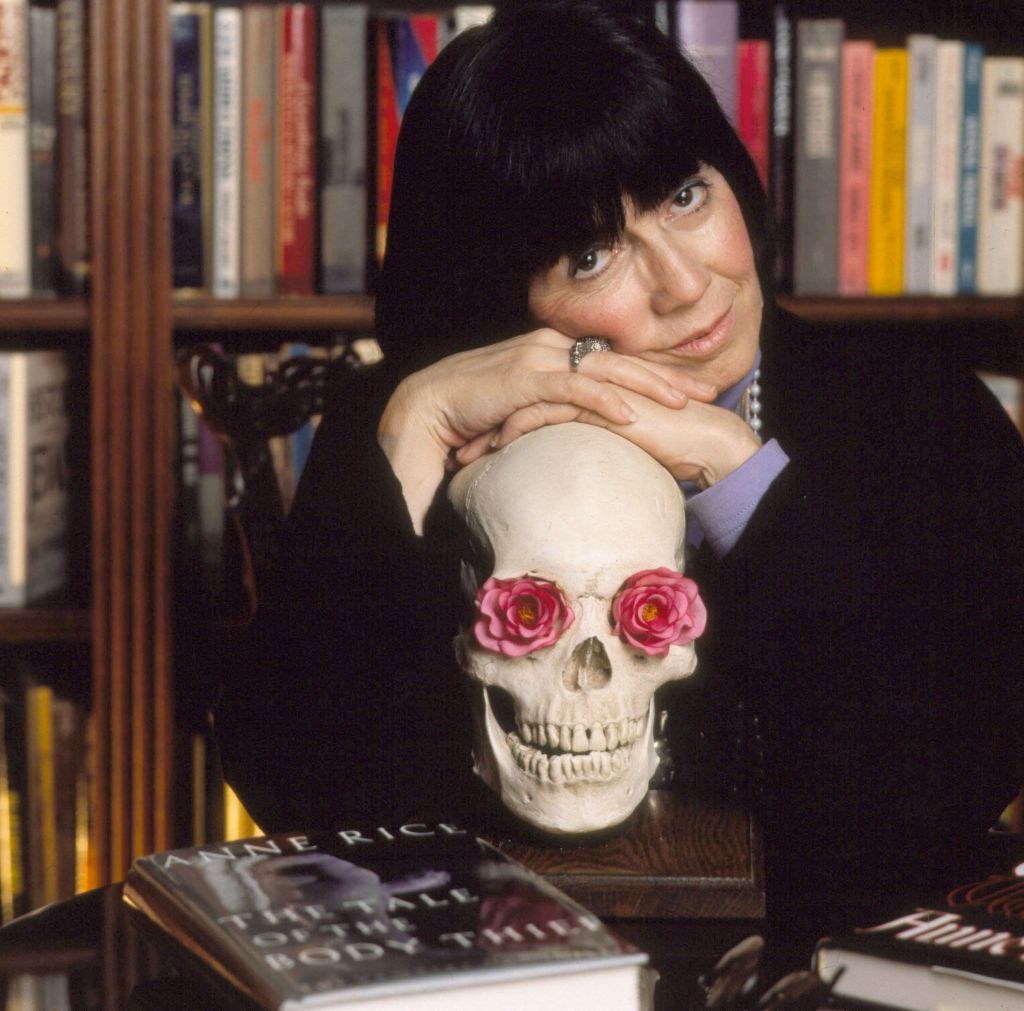
Remembering Anne Rice, who brought death to life

If you could live forever, would you want to? And what would it be like?

That question is at the heart of the legacy of Anne Rice, who died at 80 last month. I grew up reading many of her Vampire Chronicles, and — a bit belatedly due to Christmas and weather chaos — I wanted to think about why her work meant so much to young Nik.

Nobody was more influential in vampire fiction since Bram Stoker dragged Dracula out of the coffin back in the 1890s. Rice’s vision of blood-suckers can be seen in the DNA of everything from The Vampire Diaries to True Blood to Buffy to Twilight — some good, some not.

When we think of vampires today, you’re likely thinking of them less as Bela Lugosi and more as passionate, creepy and eternally conflicted lovers, a template Anne Rice built up more than anyone.

Anne Rice’s Interview With A Vampire and The Vampire Lestat were passed-around, beloved talismans of my wayward youth. The glittering paperbacks with their gothic lettering were read, and re-read.

It was The Vampire Lestat that particularly grabbed me, with Lestat narrating the centuries of his life in first person. He was bratty, impetuous, cruel and, sometimes, kind. He may have been hundreds of years old, but Lestat kind of felt like a teenager.

Evocative and passionate, gothy as any Cure song, filled with blood and lust and long lonely meditations on what it’s all about, they were perfect reading for confused teenagers trying to figure out the world. She quietly was a progressive voice for gay equality in the ’80s, and later depicted trans characters and gender fluidity in a way that seemed groundbreaking and yet completely unforced. In her world, love is love.

Rice created a sprawling narrative filled with rich characters, many of whom went on to star in their own books after debuting in the original trilogy, and she was deft at bringing her historic settings to life. Her strength was not so much in plot or her almost Victorian prose, but in character. She made you feel the weight of immortality and what that might actually be like. Her vampires – dour Louis, insecure Armand, bold Marius or terrifying Akasha – were far more complex than the spooky boogeymen of Stoker’s Dracula. Dead, they still carried with them all the baggage of their living lives. Her vampires talked, and talked, and talked, sometimes to the point of self-parody, but in their lengthy soliloquies were all about digging into what makes us human – or inhuman.

The Vampire Chronicles did become a case of diminishing returns as it sprawled on to more than a dozen books, and Rice’s later work never quite surpassed the original books, but I’d argue everything up until Memnoch the Devil is pretty golden. As the series goes along, Lestat becomes a bit too powerful and loses some of the charming rogue vibe he has in the earlier books, and the constant adoration other characters always seem to have for him gets a bit much.

Yet there’s still a lot to like in later volumes if you’re not turned off by Rice’s endless expansion of her shared universe to include witches, Atlantis, demons and more. But in the end, the stories always circle back to Lestat, her greatest character and always, always the centre of attention.

In Lestat, Rice created a monster who constantly tries not to be one, often failing. Rice wrote other books, of course – erotic fiction, meditations on the life of Christ and more – but ultimately, it’s the vampires that make her immortal.