Like all of us, I go through phases. One week I’ll be super-into the films of Billy Wilder, or I’ll be reading all of Percival Everett’s novels I can find or all of the Daniel Warren Johnson comics I can hoover up, and the next week I’ll be all about exploring the discography of Hüsker Dü.
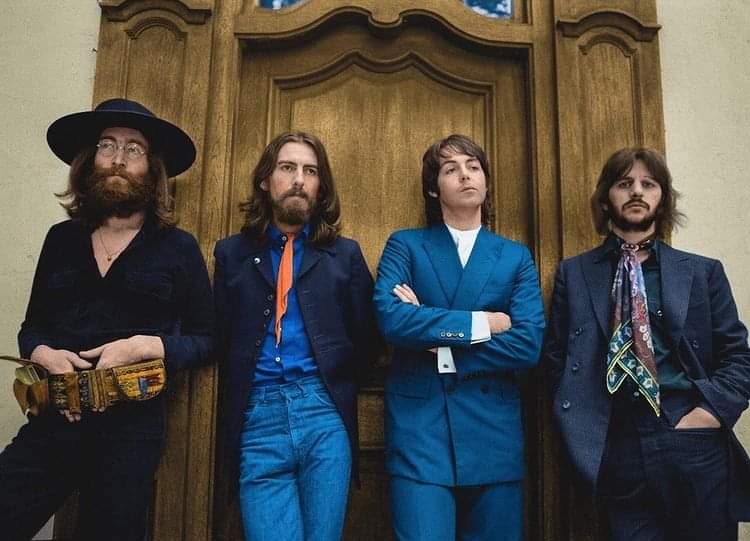
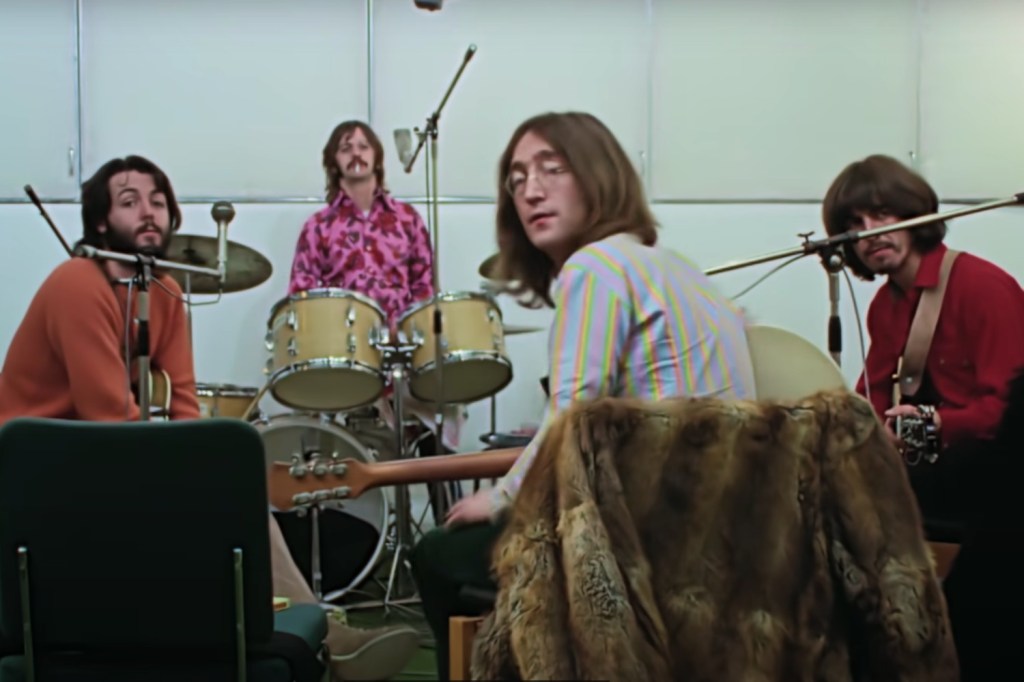
But one phase that never really ends for me? That Beatles phase. Sure, it waxes and wanes, I might go a few weeks without listening to or thinking about the Beatles, but in the end, as the man said, I get back, get back to where I once belonged and dive back into figuring out the Beatles.
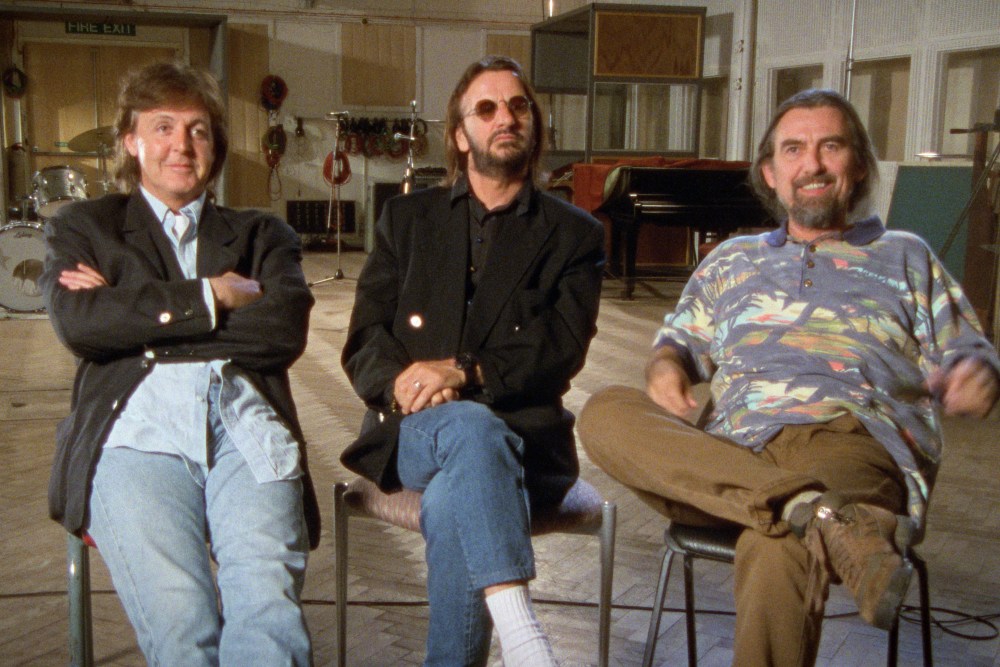
There’s been a flood of Beatles content lately, so I’ve been heavy in a Beatles phase the last week or two again – rewatching the terrific 1995 Anthology documentary for the first time in ages now that it’s made its way to streaming, and listening to the latest grab bag of odds ’n’ ends, Anthology 4, all while reading a very enjoyable new deep dive into the great Lennon-McCartney partnership, John & Paul: A Love Story In Songs by Ian Leslie.
The thing about the Beatles is, like anything that starts to pass into the realms of mythology, you never really get to the bottom of it all. I consider myself a 7 out of 10 on the scale of Beatlemania – I’m not one of those guys who can tell you who Stuart Sutcliffe’s grandparents were or what John Lennon had for breakfast the day they recorded “Penny Lane.”
There’s 213 or so “official Beatles songs” plus all the infinite demos, jams and alternate takes that have been pouring out the last few years in super fancy special editions. Recently I came back to the mildly obscure track “Hey Bulldog,” and really listened to it – the thumping piano intro, McCartney’s sturdy bass line, the giddy sneer Lennon gives the lines “What makes you think you’re something special when you smile?” It felt like a whole new song suddenly bloomed to me even thought I’m sure I heard it dozens of times before. How did this happen?
My parents weren’t big music listeners – about all I can recall in the way of “rock” music in the small vinyl collection was some Peter, Paul and Mary – so I didn’t really start hearing the Beatles in childhood, but I was the perfect age to discover them when their albums first started coming out on CD during high school and Generation X got Beatlemania. The Past Masters collections in particular cracked my head open navigating the band’s stunning evolution from poppy singalongs to psychedelic freak-outs. I still can’t quite fathom how they went from singing “Love Me Do” in the Cavern to recording “Tomorrow Never Knows” in less than four years.
There’s a spark of joy that ignites in me whenever I truly listen to the Beatles, and I think the central mystery at the heart of it all is how these people, these scruffy rough kids from Liverpool, exploded to change pop culture in their decade or so of existence. We want to get inside these songs, to find how creativity itself works. The magic of creation remains the greatest magical mystery tour of all, and in an age where we’re increasingly served up algorithmic bait, fluff and trivia, the rough-hewn analog invention of Paul, John, George and Ringo still feels bottomlessly appealing to me.
This is why I never really end my Beatles education, because even a bit of a cash grab like the fourth Anthology collection, with its surplus of pretty rote instrumental tracks, can grab me by digging up the gloriously unhinged take 17 on “Helter Skelter.” I sucked up the unabashed nostalgia of “Now And Then” and I dug the rhythmic hypnotic excess of Peter Jackson’s sprawling Get Back miniseries.
I’ve listened to Abbey Road or Revolver a hundred times a hundred times over the years and yet I can still find tiny new scraps of newness in those well-worn grooves. Yep, like everything else, the Beatles have become a content-churning factory in 2025, and, that new “final” ninth episode of Beatles Anthology probably wasn’t truly necessary, yet the little fragments we get of 50-something Paul, George and Ringo (30 years ago!) jamming and messing about with John’s sketchy demos on “Free As A Bird” still feel true despite the glossy sheen of Disney’s content farming.
And so it’s gone, over the years – I keep coming back to the Beatles, and discovering how much I still haven’t really paid attention to before.
The very last words Ringo sweetly says as the nine-hour journey of Anthology winds down are, “I like hanging out with you guys.” Me too, mates.
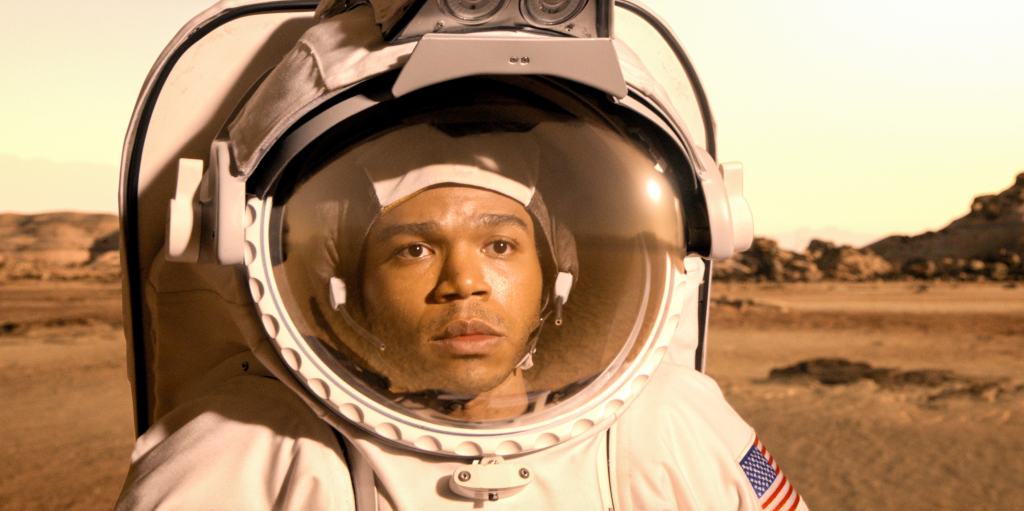
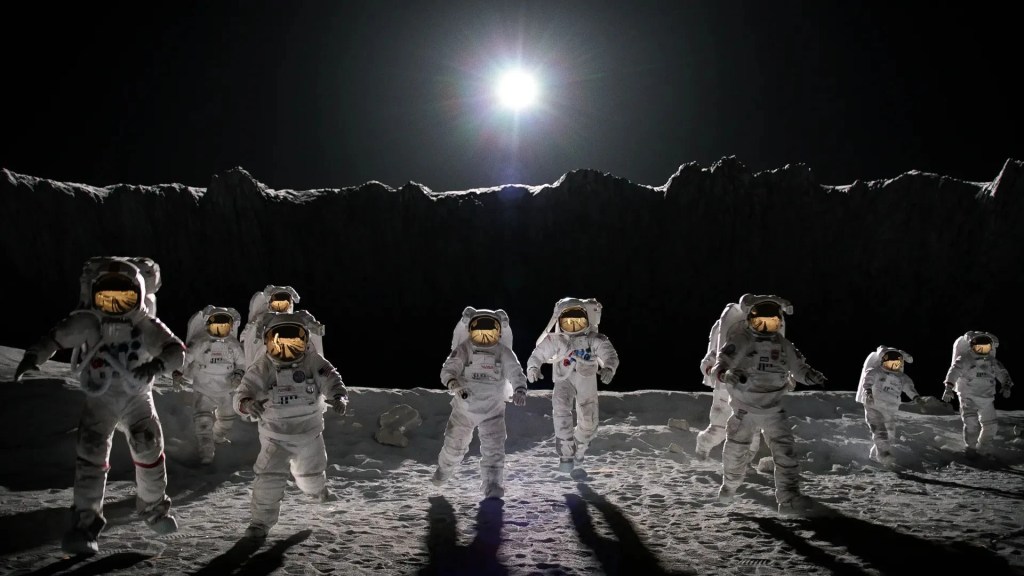
I’ve been feverishly catching up with the four seasons to date of Apple TV’s For All Mankind, after putting it off for ages. One of the things that appeals to me about it is the insistence in this space exploration epic of dreaming big, daring big, in a way that our somehow smaller world doesn’t feel like it does any more.
I’m a sucker for alternate histories, and For All Mankind paints a compellingly fascinating picture where the Soviets landing on the Moon before America does has a ripple effect on global history.
It’s a world where there’s no Watergate, 9/11 attack or assassination of John Lennon. Instead, Margaret Thatcher and Pope John Paul were both killed!
It’s a world where Presidents Ted Kennedy, Gary Hart and Al Gore all end up in the mix of history with Reagan and Nixon. Oh, and there’s no public internet or social media, which actually might not be a bad thing when you think about it.
This alternate reality also proves itself to be somewhat more progressive than the real one, although not without its speed bumps. After Russia lands a woman on the Moon, a spooked NASA assembles a crew of women astronauts to one-up their rivals, decades before women actually went into space. For All Mankind also dips into race and sexual equality – in this world, the Equal Rights Amendment passes, one of the top astronauts is a Black woman (an excellent Krys Marshall), and gay equality unspools in startlingly different ways than it has here.
The real-world President Kennedy’s famous quote – “We choose to go to the Moon in this decade and do the other things, not because they are easy, but because they are hard” – sums up the vibe of For All Mankind, of the hopeful engineers still beavering away in real-life space programs, and in a hundred other wide-eyed speculative fictions about man in space. It shows a world where striving to do the hard thing fundamentally changes the course of history.
Like many of us, I’m drawn to the idea of man out amongst the stars, even if in reality it seems as far away as ever. I read Kim Stanley Robinson’s terrific Mars trilogy a few years back, and recently just devoured the excellent non-fiction Space Race: The Epic Battle Between America and the Soviet Union for Dominion of Space by Deborah Cadbury, which sheds a lot of light on the early years of the space programme and particularly the terrible price Soviet citizens paid to try and stay in the game.
There’s a lot of dark, bleak science fiction out there, of course, and there’s certainly a place for it, but at the moment, give me some optimism things might get better. Good science fiction, at its best, gives us something to dream about – as in the endearingly dorky future of Star Trek, or the colourful chaos of Guardians of the Galaxy. I like watching aliens eat people’s faces as much as anyone but also, I like the idea of boldly going where no one has gone before.
Idealism seems pretty passé in 2025, where even lofty talk of utopian futures is usually tempered with a healthy dose of talk of vengeance on your enemies and crushing dissent. In a world that feels like it’s getting a little more unhinged by the week, I like to imagine missions to Mars and cruising amongst the asteroids.
We haven’t been to the moon since 1972, before many people today were even born, and only four men who walked on the moon are still alive. In amongst all the stunning incompetence of American politics at the moment, it looks like another mission may finally come soon, more than 50 years later — which would be something to see, wouldn’t it?
For All Mankind isn’t a rose-coloured look at the future – its alternate history is drenched in plenty of blood and horror, terrorism and distrust, where man (spoilers ahead!) does make it to the Moon and even Mars but constantly comes up against the same conflicts that keep screwing us all up on Earth. But through it all, even at the worst moments, there is the desire to dream big, and do big, hard things.
For All Mankind does get a bit goofy and far-fetched the further ahead into its alt-history it goes, with some of the more daring episodes approaching Star Trek levels. Some of the characters become annoyingly soap opera-ish over time. Lead actors Marshall, Joel Kinneman and Wrenn Schmidt are generally terrific, even as their characters get slathered in awkward makeup as decades pass on the show, but some of the other actors play with a broad bluntness that verges on the cartoonish.
None of that really matters, though, when the space race kicks in and For All Mankind’s vision of a different, more adventurous world kicks in — when the doing hard things is just what’s expected. Go hard, go big, just go there.
…I really don’t write much about America these days, and the way the place I called home for 35 or so years no longer makes sense to me.
I don’t have the spleen to be filled with outrage 24 hours a day any more, only a deep kind of sadness and the quote from the R.E.M. song (via the Linklater classic Slacker, of course) perpetually pinballing around my brain: “to withdraw in disgust is not the same as apathy.” I find my peace in a bit of grim distance from following every dismal development, and appreciating all the other ways life is still pretty darned good away from the bad news machine.
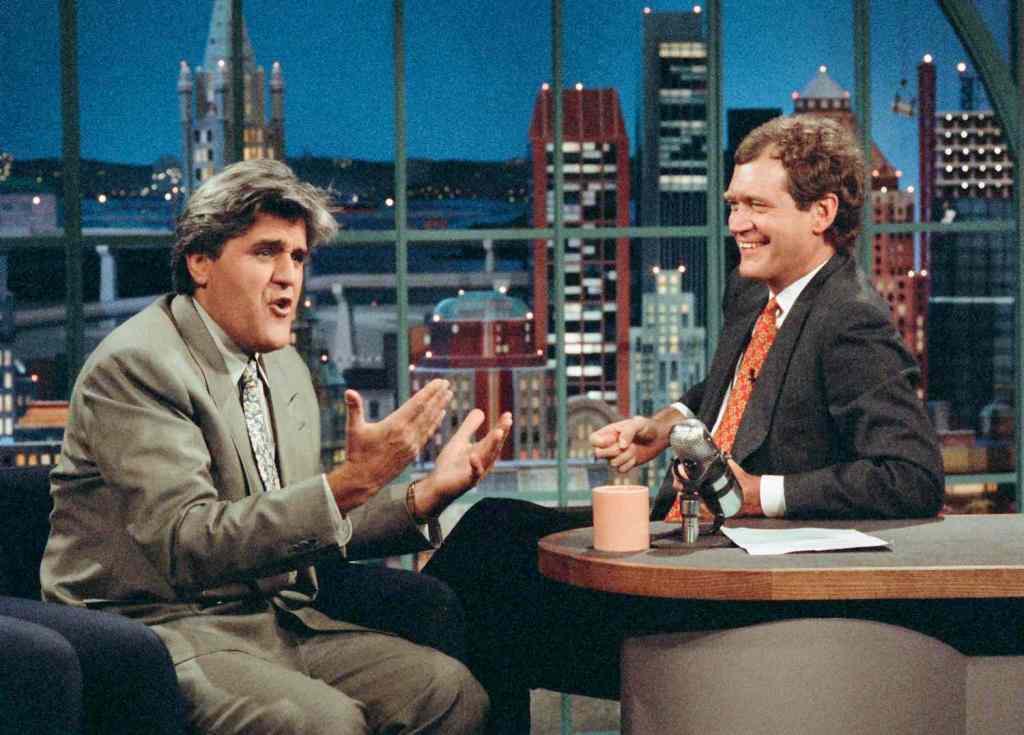
For decades, the late-night TV show hosts, the Carsons and Lettermans and Lenos and kindred spirit Saturday Night Live, they were the court jesters on the American political scene. They would mock mercilessly Ford, Reagan, Bushes and Clintons and the like, for their real failings and their merely human missteps. They were a central part of the culture, with entire books written about their doings and in-fighting, or one of my favourite TV shows being set entirely in the world of late night.
I caught the very tail end of Johnny Carson’s everyman years, and was a faithful watcher of David Letterman in his heyday, of SNL many years ago. I’ve watched a fair bit of Colbert and The Daily Show although I honestly don’t think I’ve watched more than a few minutes of Jimmy Kimmel, Seth Meyers or Jimmy Fallon, the current crop of hosts.
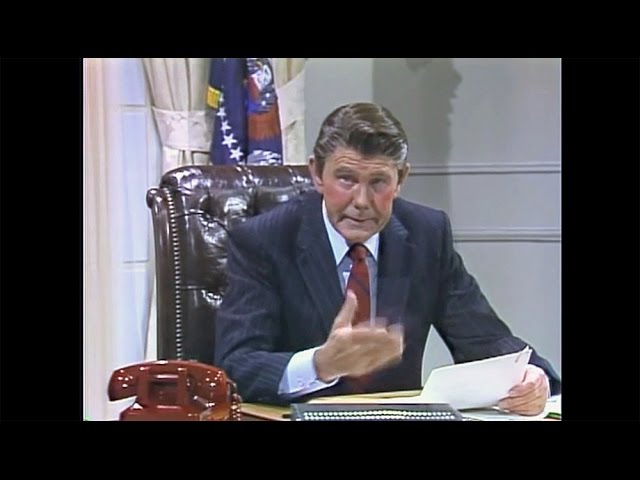
Dave could make fun of George H.W. Bush vomiting at a state dinner or Johnny could dress up as a fumbling Ronald Reagan. It was taken as a kind of point of pride that in America where the right to free speech is the very first amendment to the Constitution that you could mock the dear leader of the day, without fear of being forced off the airwaves by a carefully orchestrated tsunami of outrage.
Let’s be clear – they weren’t always actually that funny, to be honest. Political humour of the day has a perhaps 25 percent hit rate that fades quickly over time, and Jay Leno’s Lewinsky ‘jokes’ had a shelf life of about .005 nanoseconds.
Letterman and Conan and the like were always a lot funnier when they followed their own weird muses rather than the headlines, but that wasn’t the point – the point was that they could make lame jokes about the man in the White House and the American political scene without fears the President himself would start screeching for their cancellation or calling the very idea of criticism against him “illegal.”
The center did not hold, and the culture now revolves around a million very different siloed off entertainments and satirists than it once did when Johnny, Dave and Jay strode around on network television, the very height of celebrity in a world where nobody knew what an influencer was. Their time is fading, not entirely due to the current US administration, but they’re sure helping shove the stragglers out the door.
Instead of court jesters, we’re getting satire only tailored to existing beliefs or dizzyingly insular memes as the world drowns in a sea of doomscrolling and performative outage. In all the old sci-fi films, we imagined the end coming in a million ways, but few of them imagined a culture subsiding into the sea as we were all off inhaling TikToks and YouTube videos whilst sucking on cherry vapes with an Ozempic chaser.
I’ve got absolutely no good ideas, no hot takes about where all this goes from here.
But when you clear out the court jesters, it usually turns all you can hear is the king chortling to himself, self-satisfied, in a court where the only other sound is his laughter being echoed right back to him by a room full of sycophants.
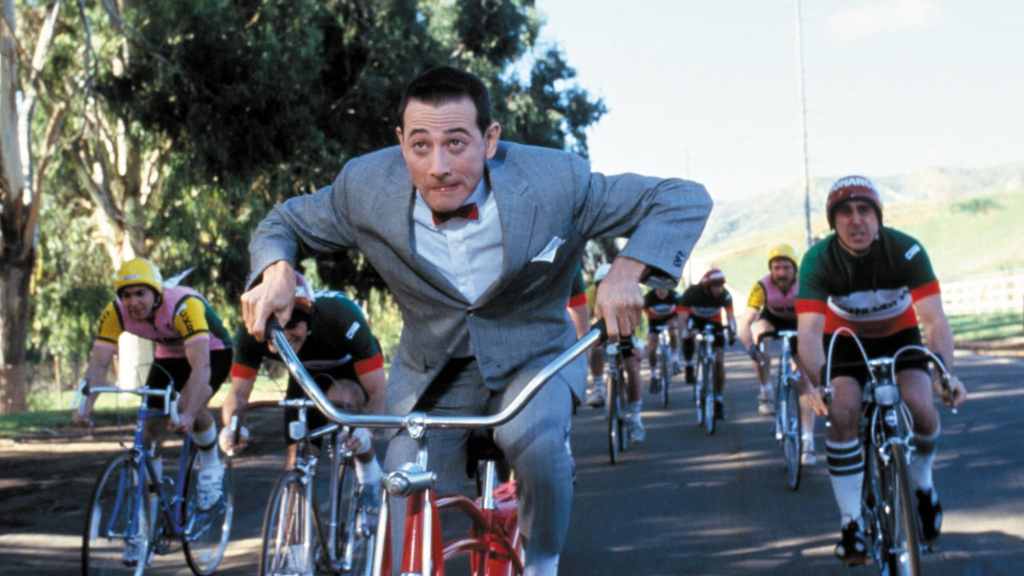
Watching Pee-wee’s Big Adventure in 1985, it felt like nothing I’d quite seen before – a colourful, free-spirited adventure of a peculiar man-boy who was searching for his lost bicycle. It kicked off Tim Burton’s career, and for a while, it and his popular children’s TV show made Pee-wee a superstar. Of course, it all fell apart a bit in the end.
Up until his sudden death from cancer in 2023, Reubens wrestled with Pee-wee’s legacy – was the character eating him alive? It surely felt so at times.
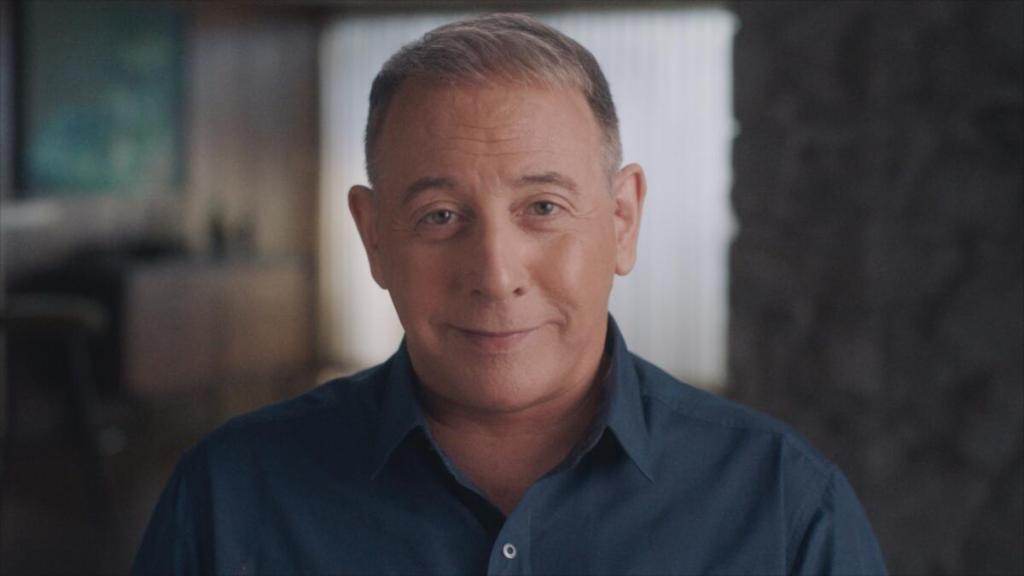
The fascinating new 3 1/2 hour documentary Pee-wee As Himself reveals Reubens as never before, in a posthumous tribute and confession from this remarkable, furiously independent man.
I was one of the weirdos at age 13 when Pee-wee hit the big screen. Gawky, shrimpy and obsessed with comic books and action figures and all that jazz, I didn’t know who I was or wanted to be. Was I the good church-going Presbyterian my folks raised me as, or was I an artsy innovator – or was I both? I got picked on and called “strange” a lot in adolescence and to me, Pee-wee Herman was a revelation. He showed you didn’t have to fit in some “cool” box. Some found him annoying. I found him liberating.
Even in the ‘80s, a decade filled with eccentric superstars from Mr T to Boy George to Michael Jackson, Pee-wee stood out. Almost never breaking character, Reubens created a kind of Peter Pan for the MTV generation. Pee-wee would never grow up (in his final appearance in the genial 2016 film Pee-wee’s Big Holiday, Reubens was 64 years old, but you’d barely know it).
Pee-wee, freaky as he was, was a signal for many of us misfits and those struggling with their identity that it was cool to be just who you are. Both in his movies and the kid-friendly Pee-wee’s Playhouse, the ultimate message was acceptance – a vibe which feels more precious and precarious than ever here in 2025.
What elevates this lengthy documentary is Reubens’ very vocal, opinionated participation, in 40 hours of interviews done shortly before his death. He spars with the director several times over whether he should be taking part at all, whether the documentary would be better if he directed it, and over just how much he wants to reveal. Reubens’ endearingly cranky debating feels like a discussion on the merits and failings of celebrity documentary as a whole, and somehow his tense reluctance makes Pee-wee As Himself feel richer and more multi-dimensional.
Reubens hid his homosexuality for much of his career and a particularly heartbreaking revelation in the documentary is what that cost him. He abandoned one long-term relationship as a young man for his career, he bluntly admits, and he knew that in 1980s America he could never come out of that closet.
Of course, Pee-wee As Himself hits on the scandals – his 1992 arrest at an adult cinema, the very dodgy attempt to drag him over his collection of erotica in the early 2000s. Seen today when corruption and malice are everywhere, those so-called “scandals” seem pettier than ever and carry a large whiff of homophobia.
It’s hard to fathom now just how omnipresent Pee Wee was in US culture after Pee-wee’s Big Adventure came out. He’d appear in rock videos and magazine covers and had toy dolls made of him, but he was always slightly, cheekily subversive. (Rewatching Pee-wee’s Playhouse episodes today as a creaky adult, you realise how much he played with the very idea of a kids’ show, and never, ever gave up on pushing those envelopes.)
Pee-wee As Himself spends a lot of time exploring how Reubens came to create the character, and how the freeform experimentation of art school, performance art and the Groundlings improv troupe formed him. Reubens wanted to become a superstar, and embraced Pee-wee, who subsumed all the other character creations Reubens had been playing with and took over.
Pee-wee went mainstream for a while, but was firmly a creature of the alternative underground tweaked just enough to “pass”. In today’s culture wars-infested world I don’t think Pee-wee Herman would’ve made it past the workshopping stage, although you can see hints of his wonderful surreal imagination in things like Adventure Time.
I admit to choking up a little hearing what Reubens recorded the day before he died – even the filmmakers didn’t know about his cancer battle – and his last message: “I wanted somehow for people to understand that my whole career, everything I did and wrote, was based in love.”
None of us like to go to the hospital, right? I mean, I spent a few nights in one several years back over some health issues and to be honest, florescent lights and hospital gowns still give me the willies.
So it’s weird, then, that my favourite TV programme of 2025 so far is a white-knuckle ride through 15 hours or so in a heaving hospital emergency room.
The Pitt caught me off guard, because I’m not really a hospital-TV show guy. Sure, I watched ER a fair bit back in the day, along with everyone else, but gave up somewhere before season 28 or however long it ran. I’ve seen a handful of episodes of House but never watched a single Grey’s Anatomy or Shortland Street or The Good Doctor.
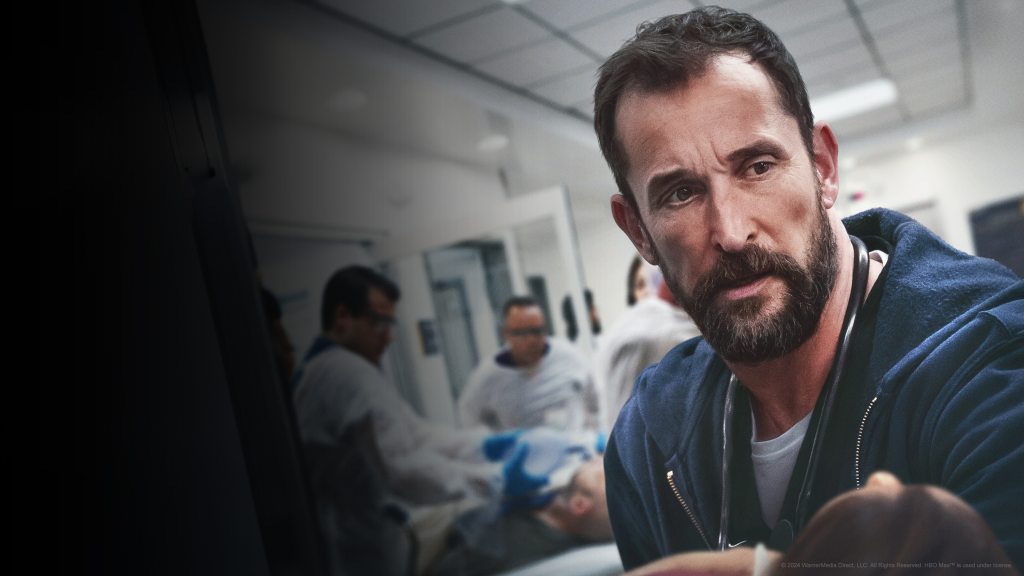
Yet The Pitt is addictive, anchored by a charismatic performance by ER veteran Noah Wyle as a scruffy and exhausted attending physician at a bustling Pittsburgh trauma hospital.
The central conceit is that The Pitt is set in one incredibly busy day at the hospital, told over a series of episodes set from 7am to 10pm. It instantly gives The Pitt a propulsive energy that means you immediately want to know what’s going to happen next and helps damp down the soap-opera sappiness that muddles many medical shows. Brought to you by many of the people behind 1990s ER, it’s dense with an impressive medical detail that never distracts from the fundamental work – saving lives.
Hospitals are busy, overworked and understaffed places, in New Zealand and everywhere else, and in a single day The Pitt deals with accidents, traumas, overdoses, pregnancies, shootings and worse. Everyone here is having a bad day, and yet despite how dark it gets The Pitt summons up a lightness of spirit echoed by its workers – the only possible way to get through a day at the hospital.
The Pitt feels like a microcosm of America in 2025 – broken, hurting, but still hunting for that essential decency despite unfortunate events constantly crashing our way. Without being overly preachy about it, it hits on hot-button issues like abortion, opiate abuse, gun violence, pandemic trauma and anti-vaxxers.
Wyle, who once upon a time was the fresh-faced newbie in ER, brings years of experience being a ‘pretend doctor’ to his role, and anchors the series with his battered idealism. But there’s a lot of great acting here, including Isa Briones as a cocky intern, Katherine LaNasa as the charge nurse and Fiona Dourif as a harried resident with a troubled past.
I’m constantly awed by people who give their lives to the medical profession, enduring hard hours and traumatic experiences. By taking a single day and showing how chaotic and important work in the ER is, The Pitt is vastly entertaining and harrowing at the same time. It’s extraordinary.
So it’s been ten years this month since Netflix streaming came to New Zealand, the tipping point that changed how we watch so-called “TV” forever down here at the bottom of the world. New by me over at Radio New Zealand, a look at how life’s changed in the streaming wave – go read here!
Greetings! I wrote a book. Well, I’ve actually been writing it for about 30 years, believe it or not. Introducing Clippings: Collected Journalism 1994-2024, a hefty compendium of my columns, essays, feature profiles and much more over the course of my so-called career!
I’ve written an awful lot of words over the years, but I wanted to put together something that was a little more permanent than a bunch of yellowing newspapers and broken website links. Clippings is, much like many journalism careers, an eclectic mix, from long features to blog posts to deeply personal essays to in-depth pop culture criticism, spanning from Mississippi to California to New York City to New Zealand.
From interviewing governors and rock stars to climbing active volcanos and adjusting to life on the other side of the world, this book is me saying, “Hey, I was here, and this is some of what I did along the way.” Doesn’t everyone want to say that at some point about their life’s work, whatever it is? Throw it all together, and it’s probably as close to a sort of autobiography as I’ll ever get.
It’s got many of my works from long-ago newspapers and magazines, websites and even some fine pieces from this very website in a handsome curated form sure to be adored by your family for generations.
I hope you’ll consider grabbing a copy, now available on Amazon as a paperback for a mere US$14.99, or as an e-book download for just US$2.99!
Let’s get negative! There is, admittedly, far too much complaining on the internet, but sometimes you gotta vent. Following up my 10 favourite pop culture moments, here’s a handful of things that I found most disappointing about the year almost gone:
Maybe that Rocky XXXVIII was a bad idea after all: The top 10 movies at the US box office of 2024 were all sequels (or prequels). That doesn’t necessarily mean they all sucked – I enjoyed Beetlejuice Beetlejuice a lot and Dune: Part Two was great, but while last year had a brief blip of creative hope when movies like Oppenheimer broke records, this year it just feels like we’re wringing the intellectual property towels out until they are stone dry. When you have sequels that nobody demanded revisiting flicks like 1996’s Twister or 2000’s Gladiator or yet another Alien movie, or when you put out another ‘meh’ Ghostbusters sequel that’s almost immediately forgotten – it’s a sign you’re running out of properties to revive again and again. Remembering how chaotic and alive Bill Murray seemed 40 years ago in Ghostbusters, seeing him drag it all out again for a few scenes in 2024 for a fifth instalment in a franchise just felt… tired.
The Bear spins its wheels: I’ll admit it. I haven’t finished The Bear Season 3 yet. The tale of a talented but troubled Chicago restaurant chef and his crew has been gripping, but it’s sliding quickly over into prestige fatigue. I quite liked Season 1 and 2 even when the show pushed the limits of how tense and angry you could make things, but the first half of Season 3 is repetitive and dull. It’s a very bad sign when the first episode of Season 3 is a largely wordless, drifting swamp of self-indulgence that felt like a never-ending 30 minutes opening credits sequence. It sets up a season which barely advances the overall plot so far and which seems high on its own supply, hitting the same beats – yelling, repetitive flashbacks, emotional breakdowns, kitchen disasters – we’ve already seen. The Bear has been as much drama as comedy but this season the balance tipped. There are good moments, and I’m sure I’ll finish it… eventually … but what a comedown from the first two binge-worthy seasons for me.
MaXXXine doesn’t mark the spot: Speaking of sequels, I really enjoyed director Ti West’s creepy, generational horror mood pieces with Mia Goth, X and Pearl. But the trilogy “capper” MaXXXine, featuring Goth’s hopeful movie star Maxine trying to make her way in Hollywood after the violent events of X, was a big confused miss. Set in the day-glo ‘80s, a distracting cast of “spot that star” cameos like Kevin Bacon and a bizarre plot twist that made the first two movies seem sane left this sequel feeling like a tired cash-in, the exact sort of movie I think it was trying to make fun of. Even Goth, so good in the first two, seemed bored by it all.
The “return” of EC Comics. EC Comics dazzled and shocked the industry with top-notch art and edgy storytelling back in the 1950s. Periodically, someone tries to bring the IP back, and so it is with this year’s Oni Press revival. Technically, they’re not horrible comics – just highly mediocre product. They look great – boasting a cool retro design with some of the best covers out there. But where they really fell down is the dull and cliche-ridden writing, which felt like ham-handed cosplay of the original EC. The stories either have facile modern-day attempts at limp satire, dumb gory twists or uninspired morality tales. Yeah, the original EC had a lot of that too, but somehow it’s not the same in 2024, and the talents here are no Wally Wood, Harvey Kurtzman or Will Elder. The art is often good but lacks that cohesive feeling the EC Comics “house style” had. I get what they were trying for here, but maybe you can’t go home again.
The rise of AI slop: I work in media, and am probably more worried about the future of this industry than I’ve ever been. The endless plague of misinformation is bad, but the AI “slop” – never has a phrase been more apt – starting to seep in on every corner of the internet feels like it’s just getting started, whether it’s shit fake trailers for movies or “pink slime” viral crap or sleazy grifters out to make a viral buck. This year saw it being shoved at us all over the show without any chance to opt out – Google front-loading AI-juiced searches at us, Facebook saying I can “imagine” a new profile photo, the Washington Post giving us “AI generated highlights” or LinkedIn telling me, a writer for 30+ years, that I can use AI to write an amazing post – it’s all crap to me, and I don’t care if that makes me a gosh-danged Luddite. We all feel like much of the internet has turned into garbage the last few years. The slop is speeding up the techpocalypse. Every word of this website was actually written by me, a human. I wish that didn’t have to be said.
So I’ll join the chorus – 2024 really did kind of suck, eh? For me, by far, the biggest blow was the death of my father in May, and I guess nothing has truly felt the same since. There’s been a lot of lousy things happening in the wider world as well, of course, and the general sense that everything is just careening out of control in the cosmos.
Pop culture – be it book, comics, movies or music – is one of the few saving graces we’re left with when nothing else makes sense. Thus, in a burst of optimism, here’s my 10 favourite culture moments of the year:
Now is now – Perfect Days by Wim Wenders: An awful lot of the ‘best movies of 2024’ haven’t screened in New Zealand yet, and a lot of the 2024 movies I have seen have been hit or miss. But of the new-ish films I saw this year, the beautiful tone poem Perfect Days by Wim Wenders about a humble Japanese toilet cleaner lingers the most. It’s a movie about taking the pauses, about accepting what happens and enjoying every sandwich. And it felt like the most human thing I saw on a screen this year. (Runner-up nods for movies seen in 2024: the supremely creepy Longlegs which was right in my wheelhouse, heartfelt and hilarious The Holdovers [technically a 2023 holdover itself], the utterly unclassifiable no-budget slapstickHundreds of Beavers, and Furiosa, which confirms George Miller’s Mad Max is the only extended cinematic universe which really matters.)
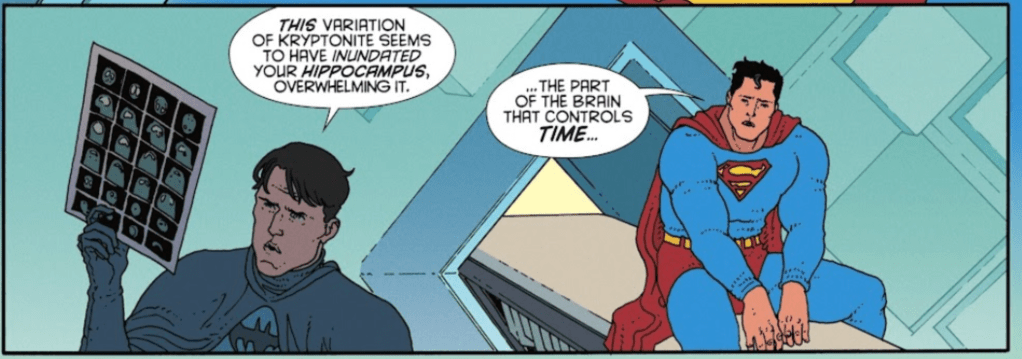
Absolute ultimate totally comics, dude: I’m on the record that I’m not generally a fan of the endless reinventions and multiversal takes on superheroes that are a sign of comics eating themselves. Ohhh, a dark alternate Superman? How daring! Yet… I’ve been generally rather enjoying DC’s latest “Absolute” line of comics starring the hyperbolic Absolute Batman, Absolute Superman and Absolute Wonder Woman. Yes, yes, it’s yet another reimagining but the actual comics have been pretty … good? Absolute Wonder Woman is the gem so far with stunning art and myth-inspired epic storytelling, and Absolute Batman not far behind with its mysterious ultra-jacked Bruce Wayne stripped of money and privilege. I don’t know how long I’ll stick with them – these “new universe” stories far too often end up tangled in the continuity of existing comics and giant crossovers and the like, but so far, it’s a pretty electric and novel take on some very well known heroes.
You’re never too old to make rock music: I’m old and getting older, but a lot of the guys I grew up listening to are somehow even older. Massive applause, then, for near-geezers like Nick Cave and Robert Smith staying true to themselves – The Cure’s comeback Songs From The Lost World is just as moody and epic as any classic Cure album, touched even more by the unsparing grip of mortality. At 65 (!!) Smith still sounds exactly like he always has, and that’s a wonderful thing. Meanwhile, Nick Cave’s slow turn into a kind of confessional high priest continued with the excellent Bad Seeds album Wild God. At 67, Cave has suffered unbearable loss in his life and will always seem heroic for unsparingly turning it into such cathartic art. In contrast, The White Stripes’ Jack White is a mere child at age 49, but he blew me away just a few weeks ago in Auckland and his No Name feels like the rock album of the year to me. Not bad for a bunch of old guys who are all getting older.
Just asking questions – the books of Percival Everett: Percival Everett is one of those cult authors one keeps hearing about and meaning to read, but his astonishing Huckleberry Finn reinventionJames truly broke him through into the mainstream this year. Every Everett book I’ve read this year is quite different and excellent in its own way – the existential spy satire Doctor No, the haunting Mississippi lynching black comedy of The Trees, the wry literary racial spoof Erasure (which was also turned into an excellent movie, American Fiction). Everett doesn’t fit any easy box but I’ve been so impressed by his eclectic invention that I’ll be happily catching up on his prolific bibliography well into 2025.
Sticking the landing on the small screen: I can’t keep up with all the streaming things these days, but bidding farewell to a few longtime favourites reminded me of how tricky it is to end things on the perfect note, and how good it feels when it does. These favourites of mine all said goodbye in a pretty perfect fashion – Superman and Loiswith perhaps the most bittersweet and beautiful ending to a superhero screen adventure yet, the kooky What We Do In The Shadowsmanaging to make its insane vampire spin-off parody far funnier and longer lasting than seemed possible saying goodbye after 6 seasons, Larry David at long last ending Curb Your Enthusiasm after 20+ years with a perfectly wonderful lack of remorse. (Bonus point to the much-missed Our Flag Means DeathNew Zealand-filmed gay pirate comedy, which ended its second season in ’23 but we didn’t know for sure it was gone for good until this year.)
Charles Burns still haunts us all: Charles Burns is the patron saint comics artist of Gen-X, and his stark tales of teenage alienation have been blowing me away since his Curse of the Molemen days in the 1980s. As he ages, Burns has constantly kept to the same tight themes he always has – teenage alienation, romantic yearning and spooky surreal horror – but gosh, does he do them well. This year’s Final Cut is one of his finest works, ostensibly about a group of teenagers shooting a no-budget movie, but it’s also about love, choice and regret and told with his unforgettable intense style.
The films of Samuel Fuller: Like I said, I’m behind on the newer films of 2024. But film history stretches back over a century now, and there’s always time to fill in the gaps. A big hole in my cinema knowledge was the pulpy movies of Samuel Fuller. I can’t believe I hadn’t seen fierce noir gems like Pickup On South Street, Naked Kiss, Shock Corridor and Park Row until the past year, and I keep discovering new Fuller to catch up on. His bold movies bucked convention and still feel starkly modern decades on. Bonus point: His memoir, A Third Face, is an absolutely great chronicle of Fuller’s days as a spunky young New York journalist, harrowing World War II heroics and his dive into Hollywood.
Cindy Lee’s Diamond Jubilee: There’s precious little mystery in pop culture these days, so every little bit of it counts. Cindy Lee is a cross-dressing Canadian musician named Patrick Flegel whose drifting, sultry songs have really gotten into my brain. Not on Spotify, not on Tidal, the sprawling double album Diamond Jubilee is only available as a single file on YouTube and soon, a physical release. Anointed by the hipsters, it’s got the gorgeous low-fi wistfulness of early Guided By Voices meets Roy Orbison, like the soundtrack to the most lonesome-hearted David Lynch movie that never was. It’s two hours of mysterious bliss and while its stealth release style might be a bit of a marketing technique there’s enough talent in Diamond Jubilee to make it feel like far more than a stunt. Diamond Lee feels like 2024 in musical form to me.
The Mary Tyler Moore Show, because love is really all around: Yes, I’m the guy who’s picking a 50-year-old sitcom as one of his favourite pop culture moments of 2024. But I picked up a cheap DVD of the complete series on a trip to Reno earlier this year, and it reminded me exactly why I love this classic sitcom so much. It’s got Moore at her loveable screwball peak, Ed Asner is one of the best editors of all time, Ted Knight’s pompous doofus act which never gets old, in a seven-season run of absurdity, crack timing, sitcom pratfalls and journalistic dilemmas that still stands up with the best of ‘peak TV’. Sometimes all you want out of life is a 20-minute playlet of banter and Lou Grant and Ted Baxter, and in this weird, wicked year, bingeing The Mary Tyler MooreShow made me feel like we might just make it after all.
Selfishly, the Year of the Amoeba: Yeah, I’m putting myself on the list – not because I think I’m the best small press comics geek out there by any means but because I ended up putting out a heck of a lot of Amoeba Adventures stuff this year and it gave me a peculiar kind of inner satisfaction that nothing else really matches. I published two ‘regular’ issues of Amoeba Adventures this year, getting up to #35 of the series I somehow started way the hell back in 1990 (!!!), and I finally decided to embrace Amazon’s print on demand as a cost-effective way to bring my comics back to a wider world (yeah, I know, evil empire, etc, but this KDP stuff has been very good for my needs). A big old 350-page collection of The Best Of Amoeba Adventures that I started over the last holidays came out in February and presents my favourites of my 1990s work, while the smaller Amoeba Adventures: The Warmth Of The Sun book presents the first six of the “new” Amoeba Adventures stories I started telling in 2020. I’m not going to get rich doing this stuff, I accepted long ago, but I’m really grateful to get this stuff out in the world and out of the dusty small press past, and hey, if you like it, I’m just grateful I got the chance to tell you a story.
Next: My top pop culture disappointments of the year!
The best superhero on screens lately hasn’t been anywhere near movie theatres – for me, it’s been Tyler Hoechlin’s firmly joyful, human portrayal of Clark Kent in Superman and Lois, which ended its four-season run this week. (Some mild spoilers ahead!)
I’ve been a big fan of this series since it kicked off and if anything, in its final days it got even better. Unlike the cluttered, overstuffed recent Marvel Cinematic Universe productions, where everything has to lead to the next thing, Superman and Lois has kept its focus relatively intimate, leveraging a smaller budget as best it could to deliver superhero action with a lot of heart. Unlike The Boys or other edgy shows, it’s not about taking apart the superhero idea – it’s about revelling in its simple possibilities.
The show has been deliberately small in scale, with the Man of Steel and his family moving back to his childhood home of Smallville in order to give his sons a normal life. Previous Superman TV series like the very ’80s Lois and Clark and Smallville never quite worked for me – they were either cheesy or overly padded. Superman and Lois has combined life’s brutal truths with heartfelt optimism, and while your mileage may vary, for me it’s one of the most emotional Superman stories yet.
This final, fourth season has delivered the one thing earlier seasons lacked – a stunning villain in Michael Cudlitz’s psychotic, jacked-up Lex Luthor, who’s been released from prison after years and consumed with vengeance. For the final 10 episodes, Superman and Lois stuck to the tightening Luthor-Superman feud as it built up, right on up to doing a pretty decent (if slightly too speedy) take on the famous “Death of Superman” comics run.
Lex Luthor is the yin to Superman’s yang, the over-achieving human who is filled with greedy contempt and the powerful alien who lives his life with humility.
A real strength of Superman and Lois is it feels like the story has moved forward, rather than circling around and around the same tired plot beats. It’s given us things we’ve never seen in a Superman live action project before – a married Superman with children with their own powers, a Superman whose identity is eventually revealed to the world, a Lex Luthor wearing that groovy ‘80s battle armor and actually throwing down in a fistfight with Superman … and most importantly, it’s given us an ending.
Superhero stories rarely ever really end, but in its masterful final episode, Superman and Lois firmly draws an ending to this particular story of Superman. Maybe it’s just because 2024 has been kind of a shit year, but it got me all weepy-eyed like a superhero film/TV show hasn’t in a long while.
I’m quite looking forward to James Gunn’s own Superman movie next year, which promises to also capture some of the hope and awe vibe sorely missing from Zach Snyder’s Superman, but it’s a bit of a shame that Hoechlin’s TV portrayal has never quite broken through to the mainstream. He’s the best Superman in my mind since Christopher Reeve – powerful yet fair, caring yet resolved.
The moment in one of the final episodes where Superman is forced to reveal his identity in public after years of denial is pitch-perfect, and sums up the quiet power that the best episodes of the show have managed:
Now, it hasn’t all been perfect – a little too much soap opera with the teenagers, a little too much emphasis on the dull as dishwater Lana Lang’s family – but whenever Hoechlin and Tulloch were on screen, the show felt refreshingly sincere. This Superman radiates hope, no matter the odds.
It’s easy for something to get lost in the avalanche of superhero content these days but Superman and Lois was a quiet gem of inspiration reminding us why we like superheroes in the first place.
At its heart, Clark and Lois are decent people trying to live decent lives. Some may call that corny. To me, that’s not the worst thing to look up to, these days.