Detective Kenneth Branagh is here to solve all of life’s mysteries

Every actor has a face that fits certain roles better than others. 

Kenneth Branagh is lots of things – an acclaimed Shakespearean whose film Henry V helped seal my lifelong love for the bard, a director of Marvel movies and action franchises, an Oscar-winning writer, an actor who slots nicely into big-budget productions from Oppenheimer to Harry Potter films to give them a touch of class. 

But my favourite Branagh as an actor (or Sir Kenneth, if you like) is when he’s solving a mystery or two. He’s an actor who feels born to mull over and solve crimes, to be the bloke at the end of the picture who tells the cast of characters who done it and why. 

He’s played two pretty iconic detectives – Agatha Christie’s Hercule Poirot in three movies, and the late Henning Mankell’s Scandi-noir police investigator Kurt Wallander in a series of excellent English-language TV adaptations. 

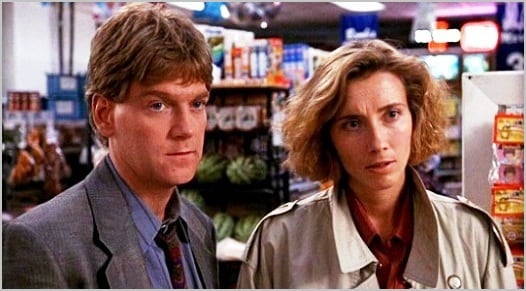
Heck, at the very start of his career 30+ years ago a baby-faced Branagh also served up a fine Hitchcockian noir homage with the twisty Dead Again, where he plays a detective who’s not quite what he seems. 

I enjoy watching him in all of them, for even when the material itself is a bit tatty, Branagh remains a cool, elegant centre, whether he’s the magnificently mustached Belgian Poirot or the tense, stressed Swede Wallander. Sir Kenneth excels at showing the mind at work solving whatever cases life throws at him. 

Branagh’s Agatha Christie adaptations of Murder On The Orient Express, Death on the Nile and A Haunting In Venice became a bit of an unlikely low-key franchise the past few years. The star-studded let’s-solve-a-murder thrillers throw back to similar movies of the 1970s. They are more popcorn diversions than timeless classics, really, but I have fun watching every one of them. (Death On The Nile, hampered by very obvious pandemic shooting restrictions and a miscast Gal Gadot proving she really can only play Wonder Woman, is the weakest, while moody quasi-horror movie Haunting In Venice, which quietly slipped into release earlier this year, is quite solid.) Poirot is a classic character that Branagh brings a nice bit of haunted depth to, traumatised by his World War I experiences but animated by a firm sense of justice. 

The Wallander series introduced me to Mankell’s compulsively readable, dour novels, and the Swedish TV productions of them too. Set in an endlessly windswept, grim small-town Sweden, they’re dark but addictive like the best crime fiction. Branagh’s performance as the jittery Wallander, who never quite seems to get enough sleep, always holds my attention as he works his way to a haggard justice for crime’s victims. There’s a mood of exhaustion that hangs over Wallander which could be depressing, but somehow, it works for me, anchored by Branagh. 

However, for a man who’s tackled many British icons from Shakespeare on down, there’s one role I’d still love to see Sir Kenneth step into – give us a Sherlock Holmes, with, say, Alfred Molina as an excellent choice for his Watson. It doesn’t need to be some meta reinvention like Benedict Cumberbatch’s fine series.

Plonk us in Victorian England, give us a mystery or two to solve, and watch Sir Kenneth’s face go to work. As a filmmaking triple-threat, surely Sir Kenneth could write, direct and star in a Sherlock Holmes movie to add to his detective’s kit. 

Life is full of mysteries, after all, and we still need great detectives to solve it. 

Link-blogging away like it was 2009: What other people are writing

…I’m bogged down in a pre-Christmas pile of actual money for my words work, so content here is a little sparse lately, but that doesn’t mean other people I know aren’t writing away!

Way back in the Paleozoic era of blogging, we used to link to each other all the time. These days, with social media becoming a bigger dumpster era fire than ever, it doesn’t seem like a bad idea to cut out the middle man again. Here’s what some friends and colleagues have been doing online lately that floats my boat:

* I’ve beavered away on the edges of music journalism for most of my career, and it’s grim times for it at the moment in New Zealand. My mate Chris Schulz has had a far bigger music writing career than I ever did, and he’s rightfully been on a bit of a crusade lately about how arts journalism is dying in Aotearoa. Case in point, when I moved here 15+ years ago there were still several magazines regularly covering NZ music and reviewing it. That’s all gone now. Can the internet save us, or something else? Schulz spoke to RNZ and others recently trying to draw attention to this problem and has been regularly banging the drum for music journalism on his own Substack – all well worth a read!

* I watched the first Doctor Who 60th Anniversary Special on the weekend and it was a delightfully silly romp, with David Tennant and Catherine Tate back for a run after an unfortunately kind of dire period for Who. Jodie Whittaker being the first female Doctor should’ve been a groundbreaking moment, but her performance was swamped by a lot of truly terrible writing, insanely convoluted plots and overacting, to the point where I only watched about half her episodes. (I also never want to hear the phrase “fam” again.) I thought about writing about why even though I didn’t grow up with the Doctor, I’ve grown to dig him ever since wonderfully eccentric Christopher Eccleston came along as Doctor Number Nine in 2005. But I realised one of my best pals is not only the biggest Doctor Who fan I know, but quite possibly the biggest Doctor fan in all of New Zealand. Let friend Bob tell you 101 reasons why Doctor Who still rules after all these years. I’m hoping that the excellent-looking Ncuti Gatwa coming up as the Fifteenth (!) Doctor leads to a bold new era for the good doctor. 

* I’ve worked a bit with Asia Martusia King (NZ journalism is a small place, dontcha know) and just have to point out what an utterly terrific essay she wrote for The Spinoff last weekend about quite possibly the most macabre teenage job I’ve ever heard of. I won’t spoil it, but read the first sentence and tell me you don’t want to dive into the rest: “My first corpse was on a soft and honeysuckle Tuesday, a lovely afternoon to die. I did it for four bucks.”

* So New Zealand had an election about six weeks back, and it’s taken that long for coalition negotiations to settle on the new government, which looks to be the most conservative we’ve had in well over 20 years. You’ll find hot takes, angry takes, gloating takes all over the place about that, but I want to single out Susie Ferguson’s fantastic analysis piece at RNZ that zooms in on one Auckland electorate won by a libertarian/centre right third-party candidate, and why it actually proved that America-style bible-thumping theocratic conservatism has yet to really work in New Zealand (which, IMHO, is a very good thing). Go read: The meaning of Tāmaki – the most fascinating election race

Keeping It Short Week, Day 4: Matthew Perry and the spiky heart of ‘Friends’

It’s still Keeping It Short Week, with every post 250 words or less:

I wouldn’t say I was a huge Friends fan … and yet, I watched nearly all of its 236 episodes.

It was in the air in the 1990s, a candy-coloured fantasy of twentysomething life. It began in 1994 just a few weeks after I spent a pinched, impoverished summer living in New York City, and its sitcom world of waitresses and unemployed actors living in luxurious lofts was not reality to me. 

Still, Friends was diverting and served up an image of life as breezy comic fun, and honestly, the main reason I ended up watching as much as I did was always Matthew Perry’s sarcastic Chandler Bing, the prickly joker in the deck of shiny gorgeous faces. When Perry died this weekend at just 54, it stung. He was my favourite Friend, the one I could most imagine having a beer with, in many ways the most human of the lot. 

The wisecracking guy was already a well-worn sitcom trope when Perry came along, but he added a bit of Gen-X irreverence to Chandler. Sure, he had the same romantic misadventures as the rest of the Friends, but Perry added a slight wink to the role. “Could this be any more cliched,” you could almost hear him saying. 

In real life Perry was battling addiction for years and maybe, just maybe, those inner turmoils gave him a little more weight in the role of Chandler. The joker jokes to keep the tears from coming, you see. 

Our Flag Means Death, and how gay pirate love made for one of TV’s best shows

One of the best kinds of voyage is one where you never quite know where you’re going to end up.

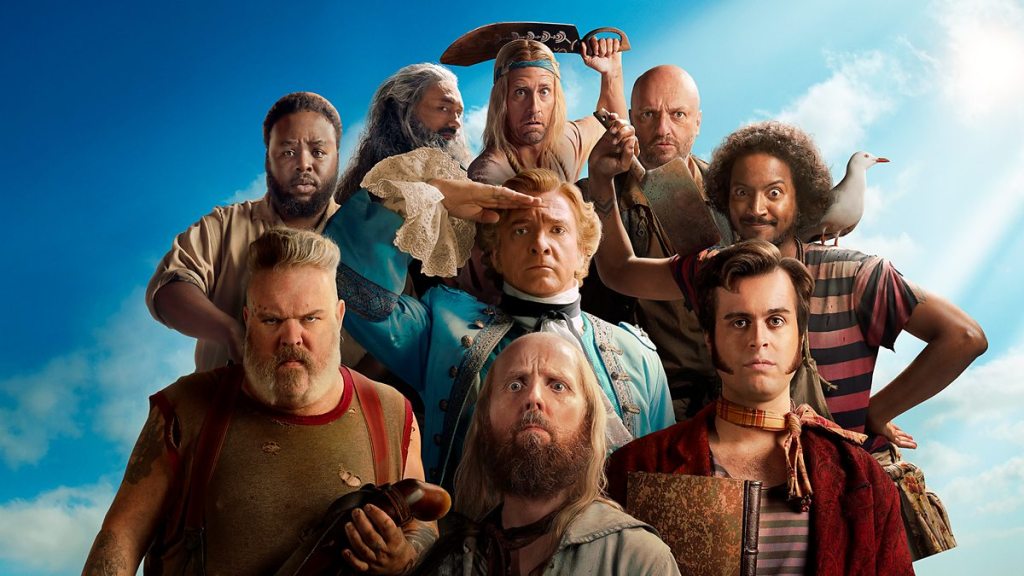
So it is with Our Flag Means Death, which kicked off last year as what seemed to be a goofy send-up of pirate adventures starring NZ comedian Rhys Darby as a foppish “gentleman pirate” and a cast of oddball crew members.

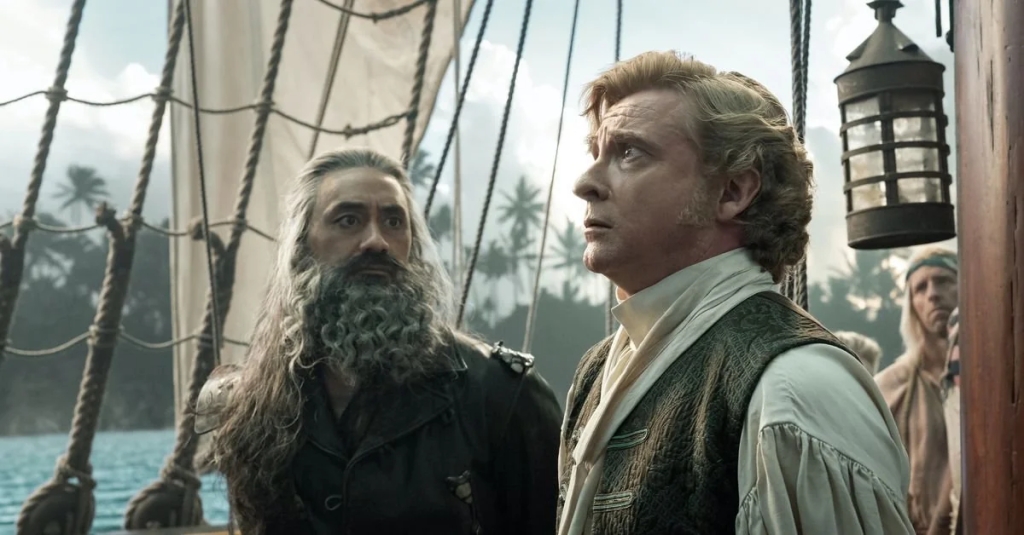
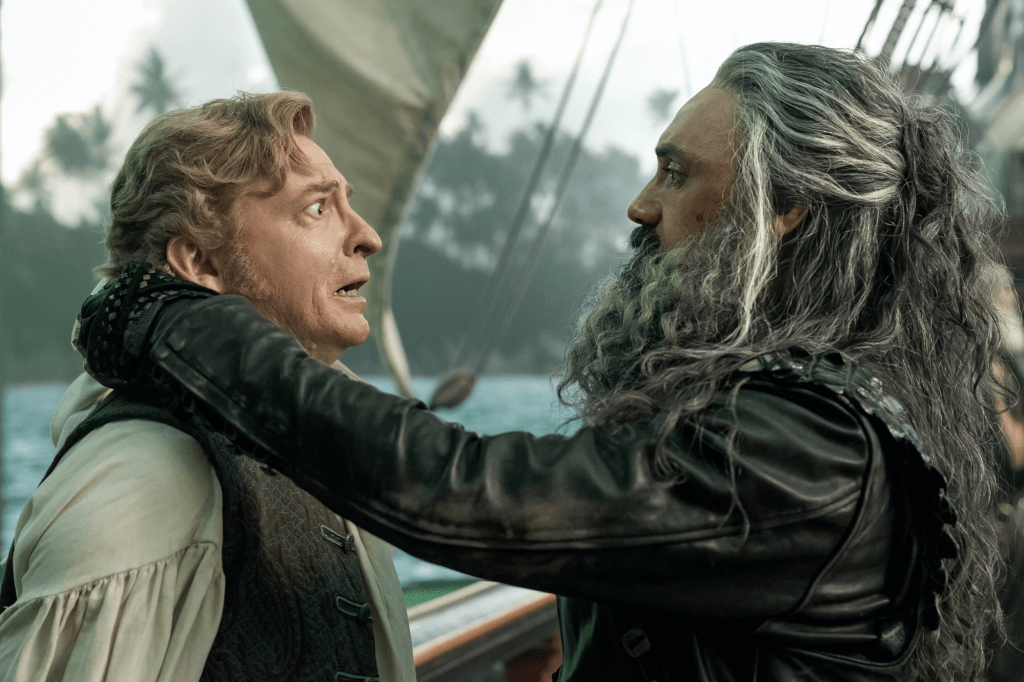
Yet Flag quickly changed course, developing into, of all things, a sweetly understated and respectful gay romance between Darby’s Stede Bonnet and show producer Taika Waititi as a sultry take on the legendary pirate Blackbeard.

In its second season now, it’s become one of the most LGBTQ-friendly mainstream shows out there and while often hilariously funny, it’s also turned out to have a heart as deep as the Sargasso Sea. 

Flag moved to New Zealand to film season two, and it’s great to see the local creative influence, from familiar faces and crew to showcasing gorgeous locations I’ve been to many a time. 

In its dense, witty second season, Flag has come into its own once it wrapped up the will-they-or-won’t-they arc of Stede and Blackbeard and let them settle into their own distinct kind of couplehood. Stede’s a wildly optimistic, extroverted and yet insecure pirate while Blackbeard is a tangled mess of rage, regret and self-destructive tendencies. Somehow, Darby and Waititi make it all work.

In its second season, a lot of the focus on Our Flag Means Death is coping with trauma – not the lightest of topics for a pirate comedy, but nobody ever said pirating was a gentle life. Everyone, from Stede to Blackbeard to the crew members, seem to be, bluntly, working out their shit this season, dealing with mutinies, injuries and painful memories. Despite all this, Flag has kept a mostly light touch. I mean, it’s got Rhys Darby as a mermaid in one memorable dream sequence. 

Darby’s been great fun ever since he made it into the public eye with Flight of the Concords, but Stede is by far his best performance, still keeping his eager-to-please hangdog charm while adding welcome soul to his character’s coming out. And while yes, we all felt like things got a bit too peak Taika for a while there and some of his recent projects have been a bit mixed, he’s terrific as Blackbeard. It’s his best performance since his cad of a deadbeat Dad in his own movie Boy, and perhaps that’s because both roles come from a slightly wounded place, instead of the more flippant kiwi joker he often plays. The sweet-and-sour, dark-and-light pairing of Blackbeard and Stede makes for a terrific comic team you can’t help but root for. 

But the rest of the cast, who include several New Zealand actors like the awesome Dave Fane, Rachel House and Madeline Sami, have all also stretched out to fill in their own sketchy parody characters as Flag has gone on. What was a kind of stock crew of madcap weirdos has turned into a group of distinct individuals, many of whom have their own queer romance stories brewing in the background.

Yet the show never goes for lame stereotyped punchlines, or treats its queer characters as jokes, no matter how silly everything around them.

It’s a voyage all about love, and when you get down to it, that’s the only treasure in the world really worth sailing the seven seas for, isn’t it? Our Flag Means Death certainly isn’t the show it seemed to be when it started to set sail, but somehow, it’s all the better for that. It’s worth dropping an anchor for.

The triumph of Stephen Root, or, The Raven spreads his wings

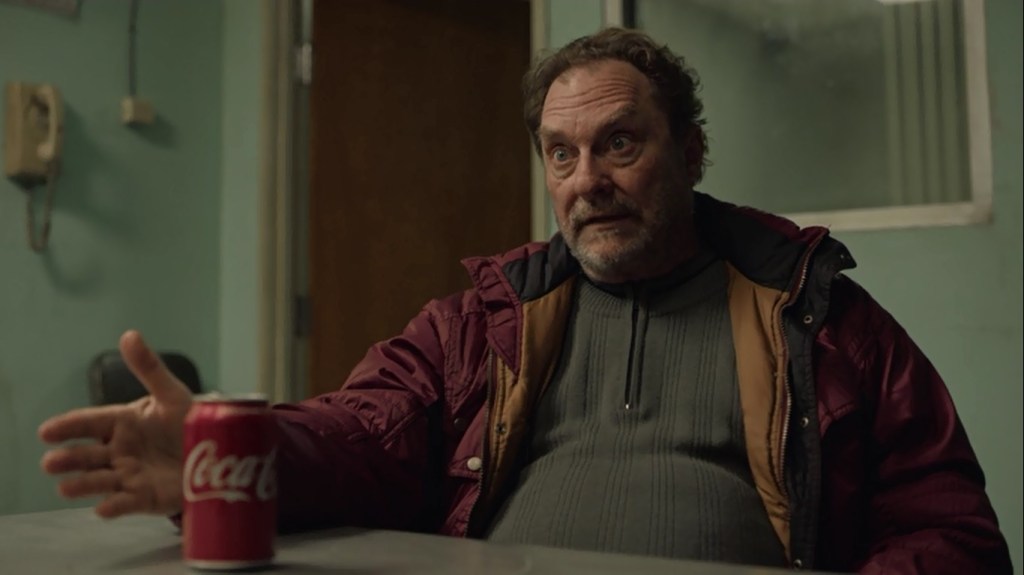
I love a good character actor, and one of the best in the business is Stephen Root, who’s been kicking around for ages but really took his work to the next level with the recently completed pitch-black comedy Barry

For a glorious episode or two, the supporting character actually became more interesting than the show’s star. 

Root is a key “hey, I know that guy!” actor. In his career he’s racked up nearly 300 acting credits, and in many of them, he’s outright stolen the show from bigger stars. 

I first became a Root fanboy with his hilarious work on the classic ‘90s sitcom NewsRadio as arrogant, distracted millionaire station owner Jimmy James. Root was surrounded by terrific talent like Dave Foley and the late, sorely missed Phil Hartman (and another guy who obnoxiously became the most famous member of the show’s cast by hosting reactionary podcasts, but forget about him). 

Root’s James was a great comic creation, a kind of easy caricature of rich bluster animated by quirky little moments, and provided many of NewsRadio’s best scenes. I can never quite make it without laughing through the bit where Jimmy James hosts a reading from his memoirs, which were accidentally translated into Japanese and then back into English again, somewhat mangling the text:

Just listen to the perfect cadence Root gives lines like, “But Jimmy has fancy plans – and pants to match!”  

In the 1999 cult classic comedy Office Space, Root plays the opposite of Jimmy, the mumbling office drone Milton, obsessed with his red stapler, turning a pathetic geek into something indelible. 

Root has the knack for standing out even in the smallest roles, whether he’s popping up as a creepy blind predator in Get Out, on TV on Succession, Justified, The Book of Boba Fett or in one of his many Coen brothers movie roles. 

But he’s never quite been the star of the show, like most character actors. That’s why I loved so much what we saw in the final few episodes of Barry, where he played the shady mentor and handler of Bill Hader’s disturbed assassin Barry Berkman. 

In the series, Fuches is another one of Root’s great cowardly losers, always looking like he just rolled out of bed and constantly nearly getting killed. He’s a boastful manipulator who never quite rises out of the gutter, until toward the end of the series when he’s jailed and the series jumps forward in time several years.

When Fuches is thrown in prison, he demands other prisoners call him the “Raven,” another one of his bombastic fantasy projections of himself. He’s promptly beaten nearly to death, and that’s the last we see of him until the story picks up years on. 

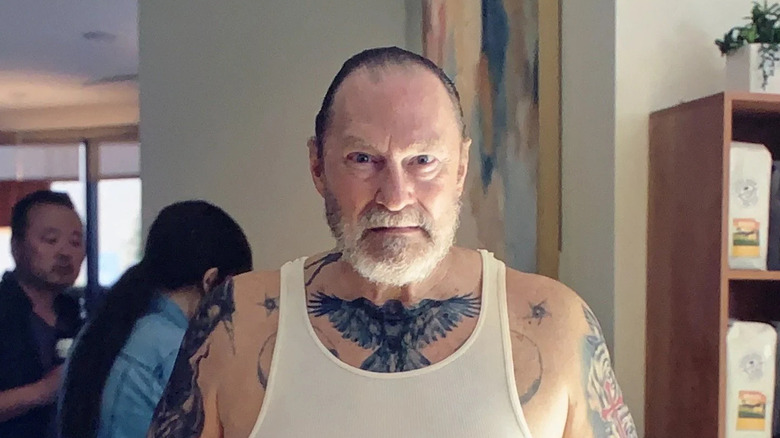
In that time, Fuches has actually transformed himself into The Raven, a tattooed mob boss terror with his own gang of cutthroats. Released into the world, The Raven is suddenly a real threat instead of the bumbling poser Fuches was. The small, dumpy guy everyone has underestimated is now the most dangerous man in the room.

Barry was a fascinating series – sometimes its reach exceeded its grasp, I felt – but the few episodes where Root flies as the Raven are among the series’ peaks. Everything about The Raven is different from Fuches – his body language, his swaggering self-assurance, the murderous glint in his eye. 

After years of side roles and small parts, it’s a damned pleasure to see Stephen Root suddenly take the centre stage. It’s kind of like watching a wallflower turn into the life of the party, to see the skill he’s built up as a character actor over the years turned outwards. 

The Raven felt like the apotheosis of Stephen Root to date, a high point in a career filled with vivid sketches and gags. Take a moment to appreciate the little guy, the battler who in the end takes control of his own story. You never know when they might spread their wings … or stick a knife in your back. 

Why I’ll always be a Sylvester Stallone stan

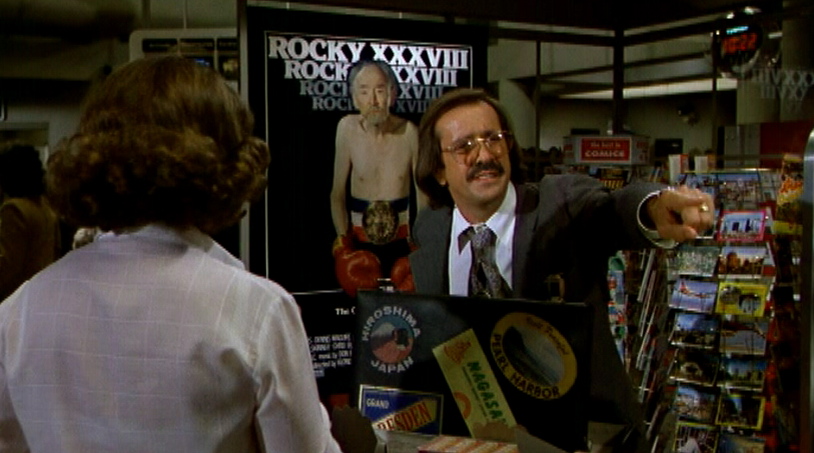
The joke in 1982’s Airplane II: The Sequel flashes by briefly in a movie crammed full of them. There’s a scene early on with Sonny Bono in an airport terminal shop. In the background, you’ll get a brief glimpse of a movie poster – an aging bald man slumped in a poster advertising Rocky XXXVIII

At the time, Rocky III had just come out and the idea that Sylvester Stallone’s boxer would be punching away for years to come seemed hiiiiii-larious

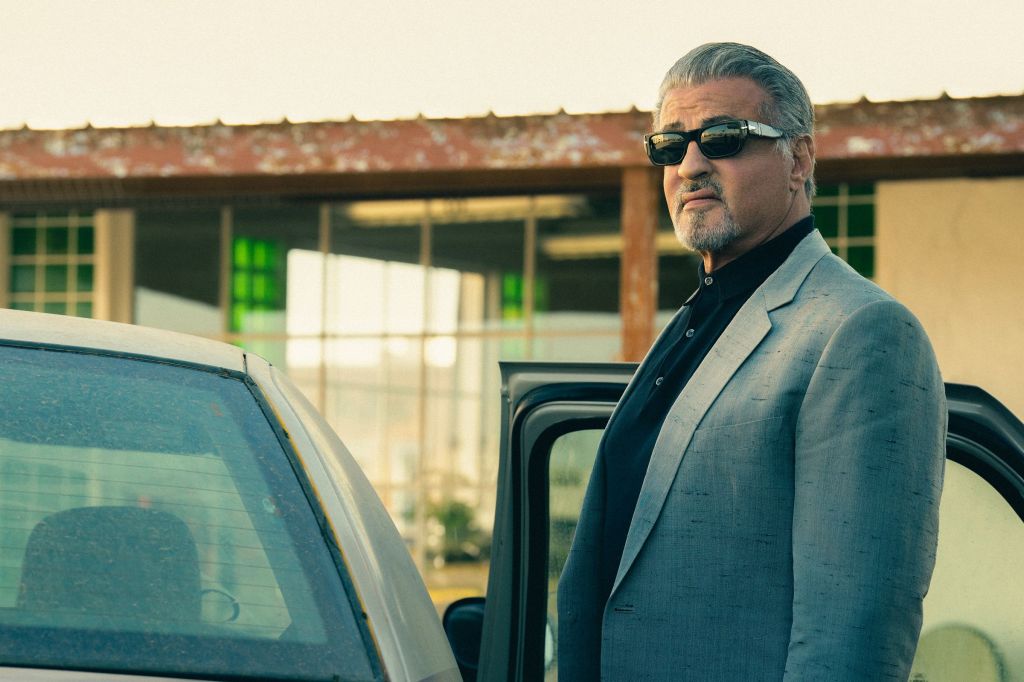
That joke was made four decades ago, and there hasn’t been another Airplane movie since. But the butt of the joke, Sylvester Stallone, is still sneering and punching across the screens, in Rocky movies and more, with his latest project the enjoyably retro gangster TV series Tulsa King

It’s weird to say that one of the biggest movie stars of all time is underrated, but that’s how I’ve always felt about Stallone. Stallone has been a little bit of a joke in many circles. He’s easy to parody. Who hasn’t imitated a punch-drunk boxer yelling “Yo, Adrian” or Rambo’s monosyllabic grunts? 

But he’s also been a massive success, and despite how uncool it sometimes felt to admit, I can’t help but like the guy. 

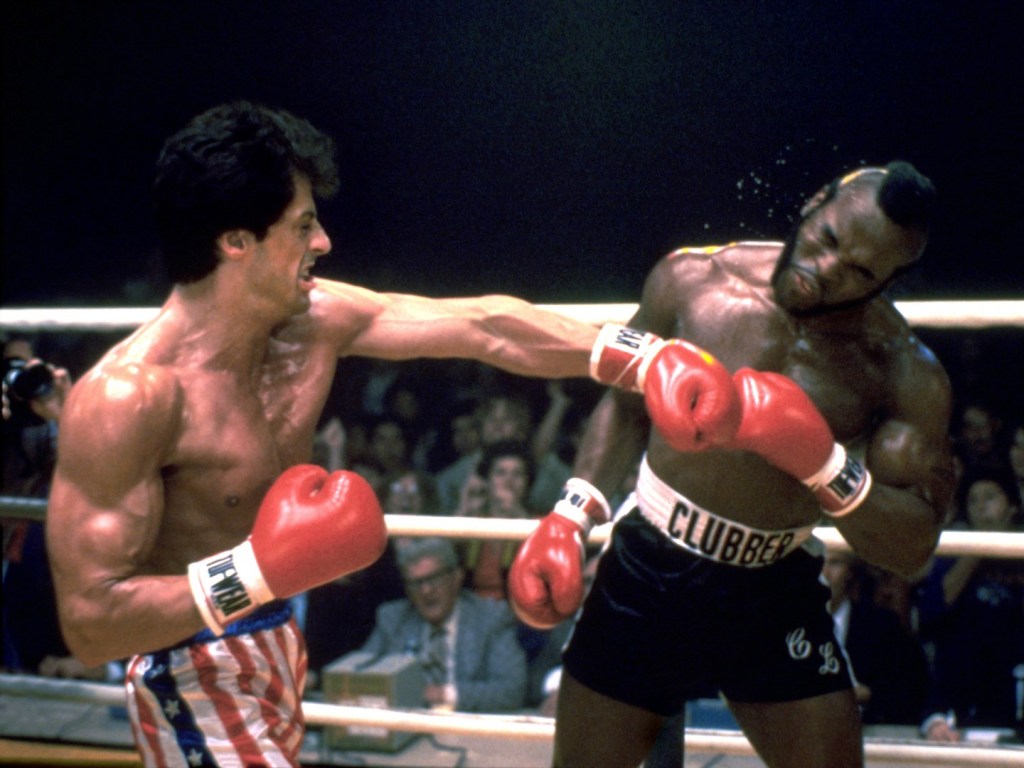
I grew up as part of the Rocky III generation – the first of the franchise I ever saw and the one where it exploded into true ’80s excess. I got the wits scared out of me by Mr. T’s Clubber Lang, felt sad for Mickey, and pumped my pubescent fists along with Survivor’s “Eye of the Tiger,” which 40 years on I still listen to whenever I want a jolt of pop-tastic rock anthem inspiration. 

I’ve always been more of a Rocky man than a Rambo man – while in the right mood I dig the heaving gung-ho machismo of John Rambo, his movies always felt a little more tangled up in right-wing politics and America-first jingoism. Few of Stallone’s movies are really subtle, of course. (The man did make an action movie about arm-wrestling called Over The Top, after all). 

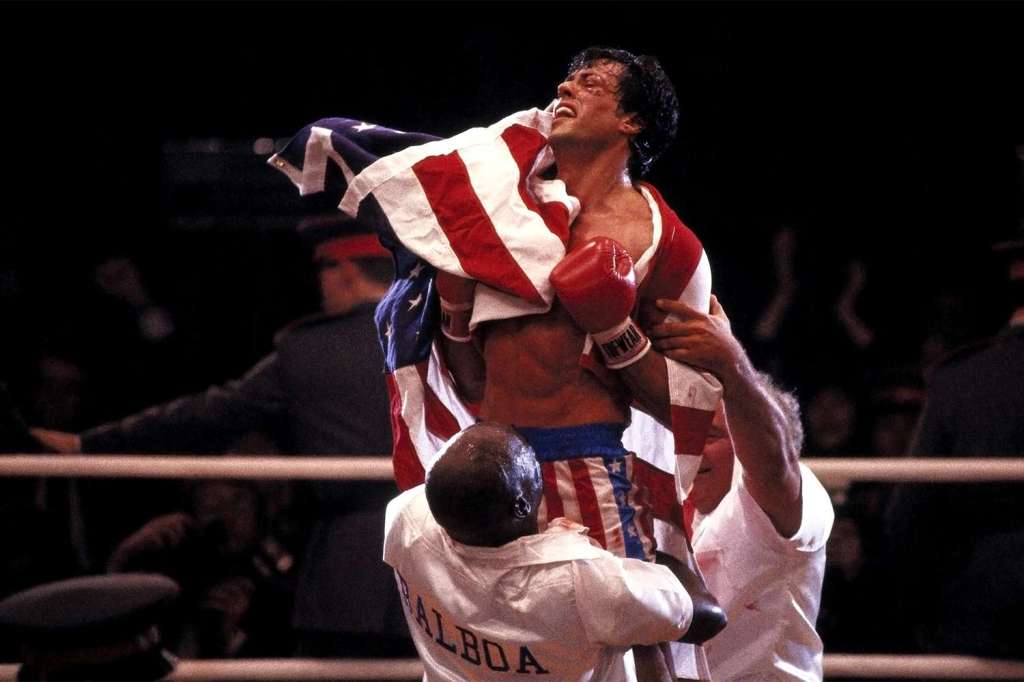
Rocky, though, I’ll go to the grave defending, even Rocky IV, one of the most gloriously absurd ‘80s action movies. The series went from gritty uplifting realism with the first movie to steroid-pumped cheese and right back to some combination of the two with the excellent Creed sequels. Rocky, it turns out, contains multitudes. There’s a reason Airplane II made a joke about Rocky XXXVIII and not, say, Conan The Barbarian Part 33. Sometimes it seems he’d go on forever.

Of that ‘80s action hero pantheon of Schwarzenegger, Bruce Willis, Chuck Norris and the like, Stallone is the only one who’s been nominated for Academy Awards.  His acting isn’t broad in scope, but darned if it isn’t effective when he works at it, such as his terrific performance in 1997’s Cop Land or the Oscar-nominated return of Rocky Balboa in Creed.

Looking back now at Rocky winning Best Picture over Network, Taxi Driver and All The Presidents’ Men in 1977, it perhaps wasn’t the most durable choice – I admit the other three are all objectively better movies – but still, I kind of love the underdog glory of Stallone winning Oscars for Rocky, a character who’d slowly move from realistic to cartoon and then back again. 

He’s also made a lot of terrible movies – Stallone’s worst movies are pretty darned bad, but often oddly fun to watch. The 1986 franchise non-starter Cobra (which originally began life as Beverly Hills Cop starring Stallone, of all things) is like a template for all the over-the-top bad-assery one things of when they think ‘80s action movies. A cascade of one-word thrillers starring Stallone dot the 1990s – Daylight, Cliffhanger, Assassins, The Specialist. They blur together, and many are dire, but then you get a gem like Demolition Man or the blunt, testosterone-filled throwback fun of the recent Expendables series. Still, whoever thought of casting Stallone as Judge Dredd is hopefully working at an IHOP today.  

Decades into his durable career, Stallone knows his strengths. In Tulsa King, his first TV series, the 76-year-old Italian stallion still dominates the screen, looking more and more like some kind of ancient Greek statue come back to life, or a still-hulking figure carved out of ancient oak. This antihero drama from the creators of Yellowstone is not groundbreaking television but it is a hell of a lot of fun watching Stallone’s take on a classic fish-out-of-water tale as an aging ex-con Mafioso from New York starts over again in Oklahoma.

There’s something curiously life-affirming about a senior citizen Stallone, beating the crap out of anyone who gives him lip, gurgling lines in a voice now so deep and craggy that it seems to emanate from the bottom of the sea.  

The joke was that Rocky 38 would feature a withered old Stallone gamely defending his title one more time, tapped out and pathetic. The reality is that in the end he’s just about the last man standing of those ‘80s action icons. Stallone at 76 could still kick my ass and most people I know, drop a cheesy one-liner about it and probably go another five rounds. Long live the Italian stallion. 

Year in review: 12 great TV shows you might have missed in 2022

New by me over at Radio New Zealand: 12 TV series you may have missed in the age of peak content, just in time for your post-Christmas lying around groaning with a full stomach and looking for something to watch vibe!

I take a look at a dozen excellent TV shows (do we still call it TV? Stream-TV?) well worth catching up on during the holiday season if you’re so inclined including Sandman, Raised By Refugees, This Is Going To Hurt, The Old Man and much more! (Most excellent graphic above by RNZ’s most excellent graphic artist)

Go read the full article here and happy holidays however you’re celebrating them!

Bonus story: I take a look at how you can become a classic movie expert over the holidays by checking out 10 iconic movies made before 1980 easily available on NZ streaming services: Hoo-ha!

In search of ‘The Slap Maxwell Story’

Back before the internet, nerds like me used to have quests. We’d try to seek out a particular rare Harlan Ellison book or an obscure early R.E.M. cassette single, paging through fanzines and sending off paper money orders. One of my great quests, for years and years, was trying to track down the short-lived 1987-88 Dabney Coleman sitcom, The Slap Maxwell Story.

I was a teenager thinking about becoming a journalist when it aired, and this show – starring Coleman as a middle-aged sports columnist at a failing newspaper, stuck in his old-fashioned ways and struggling to make sense of his life – stuck with me. 

The last thing anyone wants to see these days is another story of a cantankerous middle-aged white dude who’s bitter about the changing world, I know. But, for some reason, The Slap Maxwell Story resonated with a 16-year-old me in a way it probably shouldn’t have.

I’ve always liked Dabney Coleman, who had a great run in the 1980s playing a particular kind of blustery alpha male – everything from sexist bad guys (9 To 5) to unlikely heroes (Cloak and Dagger), but whose finest hours were two TV series by Jay Tarses – 1983-84’s Buffalo Bill, about an egotistical talk show host, and Slap, about a slightly less egotistical journalist. 

Of those two series, Buffalo Bill is a little better remembered – it lasted longer, won a few awards and got a DVD release years ago. The Slap Maxwell Story, however, fell into the memory hole of short-lived “content” that is only remembered by a few.  It never received a DVD or VHS release that I can tell, has never been on streaming platforms.

Still, I remembered Slap Maxwell, and always wanted to see him again. It was a quest, perhaps one of the last ones when Wikipedia and Google are here to show and tell us almost everything.  When you can’t find something, it looms large in the memory.

I remember Slap’s fumbling romance with a woman half his age (a luminous Megan Gallagher, subject of my massive teenage crush), his boozy male bonding with his inept editor and a friendly bartender. I remember him getting fired repeatedly from his job, his rather implausibly winning a major journalism award, him pitching a fit because his editor got rid of his ancient typewriter. Really, his sportswriting and newspaper gig take a back seat to Slap’s crumbling personal life and mid-life crisis of confidence. 

I occasionally trawled the internet over the years looking for any kind of physical release of the old Slap episodes – even looking at a dodgy Pakistani site claiming to sell bootlegs that I highly doubt ever existed. It’d just be something I’d do, sometimes, over the years, bored Google searches for traces of a forgotten TV show. There was proof it existed, but never any actual samples.

Finally, finally, I found Slap again, when some kind soul uploaded big chunks of The Slap Maxwell Story to YouTube a year or so back – sure, a bit choppy and scattered, apparently sourced from VHS tapes of old reruns on the A&E network years ago, but proof of life nonetheless. I tip my hat to this uploader, the magician at the end of the quest. 

Ever since I’ve been diving into reliving these old episodes of a forgotten TV show to see if they lived up to my teenage memory now that I’m almost as old (egad) as Slap himself was in the series. For the most part, it does – I wouldn’t argue it’s the Great Forgotten American Sitcom or anything, but it deserves a bit more than being lost in limbo. It’s wry and witty, bittersweet and charming in a low-key way, far less broad than many sitcoms of the era. Coleman’s Slap is somewhat more nuanced than his nastier turns in Buffalo Bill or 9 To 5 and one of the few accolades the show got him was a deserved Golden Globe for best actor.

There’s no obnoxious laugh track here (thank god). The series is a sitcom based in melancholy – something that’s common now, but was rare then. As it went on Slap’s flailing attempts to be a better man take centre stage. I can see why it didn’t last in the age of The Cosby Show, Alf and Growing Pains, because it’s kind of about a failure. 

Slap Maxwell is grumpy but gentle, and his story is one of constantly screwing up, ruining his relationships and sometimes failing upwards. He gets it wrong a lot. It’s the story of a lot of life, to be honest. I’m still hoping one day we might get a fancy physical release of these shows – increasingly less likely, I know – but even in a grainy YouTube video, Slap Maxwell’s story is one I’m happy to revisit. 

Cobra Kai: Get teenage kicks right through the night

The only reason Cobra Kai exists is because of nostalgia, of course. 

And yet, it’s proven over five seasons now to be a campy, fist-pumping time capsule of ‘80s excess, mixing teen pathos that wouldn’t be out of place on Beverly Hills 90210 and Melrose Place with butt-kicking kung-fu frenzies. 

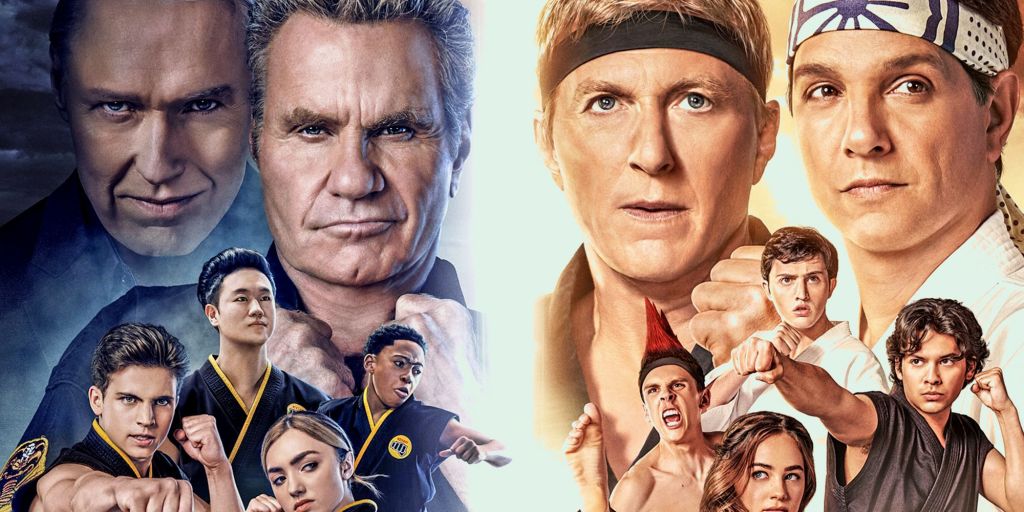
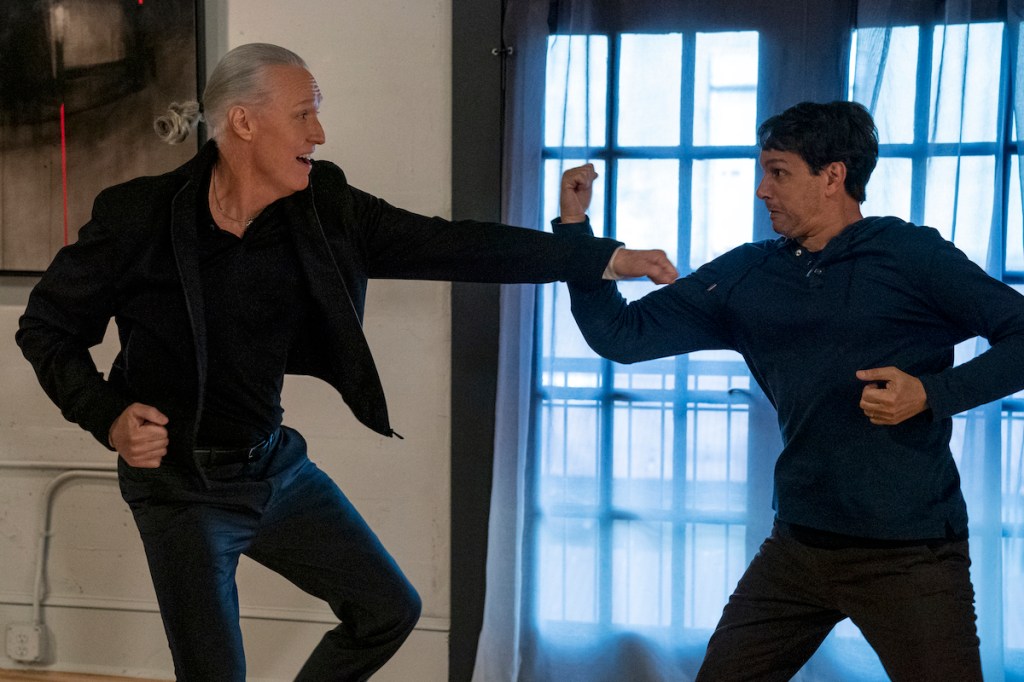
I’ve long gotten rather jaded and tired of the endless revivals, reboots and prequels of my childhood obsessions, but somehow I just can’t get enough of Cobra Kai, the continuation of the long-ago ‘80s Karate Kid franchise starring Ralph Macchio. I inhaled the brand new season 5 over just a few days (which for me, with my dislike of “binging” TV, is damned fast). 

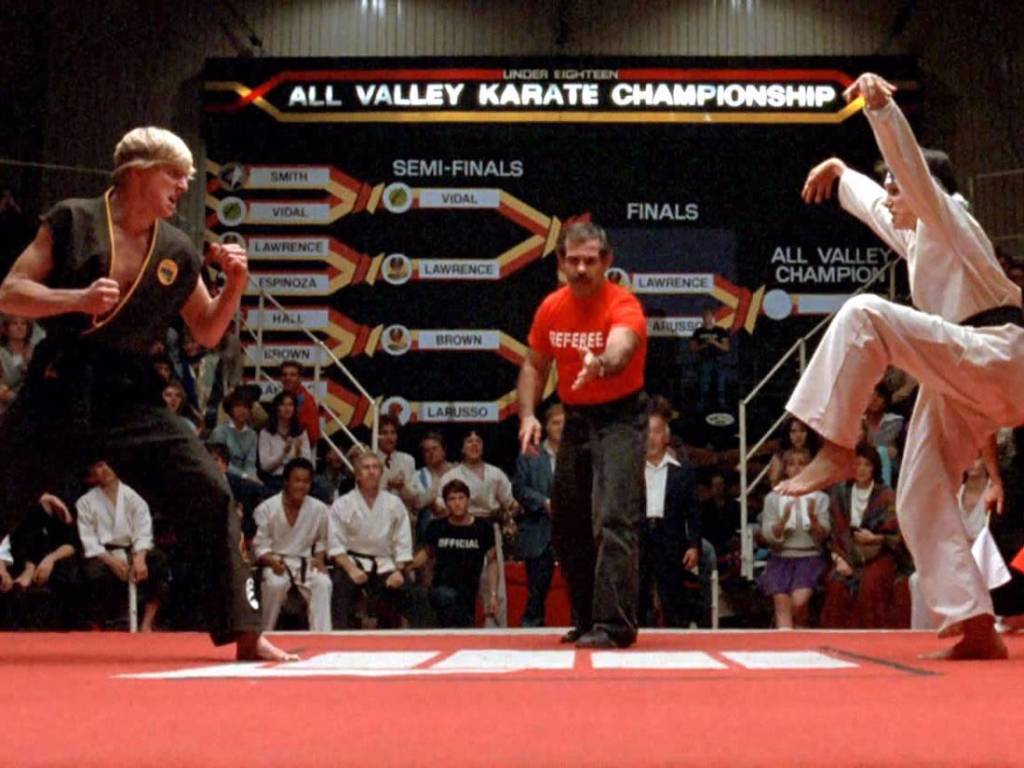
The characters in season 5 of Cobra Kai are nowhere near as “realistic” as they felt in Season 1, where you truly empathised with Johnny Lawrence’s downbeat life (the great William Zabka) and rooted for his quixotic struggles. Cobra Kai’s genius was focusing on the bullying “loser” of the first Karate Kid and giving him real emotional depth. There’s something uniquely pathetic about the vain teenage jock brought down to earth, fumbling his way through life, and Cobra Kai’s first seasons were interesting because they also made us question whether Macchio’s Daniel LaRusso was the “good guy” after all in The Karate Kid

Over five seasons now, Cobra Kai has far exceeded in runtime the three ‘80s movies it’s based on. It’s widened its cast to include the children of the original stars, various other nerds and bullies and hangers-on in the endless karate battles of the San Fernando Valley, and enough teenage angst to fill the entire CW network. It’s utterly unsubtle, the characters make stupid mistakes and yeah, the roller-coaster of teenage love affairs and constant emotional reversals can get a bit old, but they’re always broken up by another entertainingly silly karate bout before too long. 

As it goes on, Cobra Kai really embraces that ‘80s junk-food aesthetic where a somewhat grounded movie becomes increasingly over-the-top and extreme as the franchise goes on (see also: Rocky, Rambo, Lethal Weapon, etc.) Season 5 of Cobra Kai feels like the Rocky IV of the franchise to date – broad, swaggering and confident in its own ridiculousness. 

Part of the pleasure of the latest series is Thomas Ian Griffith’s scenery-chewing turn as Terry Silver, who struts around sneering and smirking like a Bond villain from a Roger Moore movie. Griffith was the villain in the overwrought Karate Kid Part III, nobody’s favourite KK film, and yet his Gordon Gekko meets Bruce Lee antagonist gives the last few seasons of Cobra Kai a punchy energy. 

The bombastic emotional music and rising stakes (it’s not just a battle for one karate dojo now – it’s a battle for the future of karate in the world!) are pure cheese, but I don’t mind. There’s a lingering pomposity in much of “peak TV” that turns me off at times, and there’s something about Cobra Kai’s economical 30-35 minute episodes and brisk 10-part seasons that aren’t quite as daunting as some shows. 

There is very little Jackie Chan-style elegance or invention in Cobra Kai’s kung fu fighting. It’s blunt and rarely pretty brawling, and despite the gentle teachings of sensei Miyagi (the late Pat Morita) hanging over the series, it’s almost always fighting in anger, with emotion running hot. Despite all their skills, the characters in Cobra Kai are constantly falling short of their lofty ideals.

Perhaps I love Cobra Kai because it’s pitched directly at me, the fumbling teenager who watched the original movie in cinemas and is now a 50-something striver just like Danny LaRusso and Johnny Lawrence. We all want to make something more out of our lives and are vaguely astonished when we get to the midpoint. There’s also something optimistic in how old foes mellow out and become weathered allies – season 5 features the “villains” from Karate Kid 1, 2 and 3 all teaming up to fight the big bad. Gosh darn it if I didn’t almost want to cheer. There’s hope for everybody in the world of Cobra Kai. (Except Terry Silver, boo, hiss.)

I wouldn’t call Cobra Kai the finest show on TV or anything, but somehow its open-hearted eagerness to please and throwback absurdity suits me a lot more than sitting through more games of thrones and lords and their rings. Forget your hobbits and dragons – a good old crane kick will leave me satisfied almost every time. Teenage kicks, they’re hard to beat. 

*And yes, that’s a lyric by the Undertones quoted in this post title, from the late John Peel’s favourite song of all time.

The art of adaptation: Neil Gaiman’s Sandman

I first read Neil Gaiman’s Sandman comic beginning with #8, more than 30 years ago now. It was pitched as an introductory issue for new readers, a catching of breath after a hectic opening storyline for the series, and simply featured the godlike Dream, the lord of the night, catching up with his sister, Death, as she goes about her duties. It’s also one of the best things Gaiman’s ever written, humane and heartbreaking. 

It’s exactly the sort of story I’d worry about seeing turned into Netflix “content” in this age of comics being adapted for everything.

I shouldn’t have worried. 

Episode 6 of the new Gaiman-endorsed Sandman series, “The Sound of Her Wings,” which adapts that eighth issue and another classic story, is one of the best bits of TV this year and greatest feats of comics adaptation I’ve seen. (I’m not alone in this slightly hyperbolic verdict.)  

“The Sound of Her Wings” walks the tricky line between rote recitation and making the story come to life. Pairing it with a take on Sandman #13, a stand-alone story of a man who’s granted immortality by Death and his once-a-century meetings with Dream, is a masterstroke. “The Sound of Her Wings” episode becomes a sweeping meditation on what gives life and death meaning, even if you’re an immortal being, on the little triumphs and failures that make up the time we get. 

Even though I’ve read these two comics so many times I practically had them memorised, the gorgeous adaptations still left me a choked-up sentimental fool at the end. 

Adaptations are funny things in comics. I still remember the giddy thrill of simply seeing Batman fight the Joker on the big screen in 1989, or of watching Spider-Man swing past actual skyscrapers. Us comics nerds were famished for any recognition in those long-ago pre-extended universe times, for any hint of seeing characters come to life. (This is probably why I actually saw the Howard The Duck movie in cinemas.) These days, dozens and dozens of comics are being adapted to different mediums, and novelty alone isn’t enough. 

But not every adaptation works. The 2009 Watchmen movie felt spot-on in a few ways, yet strangely hollow in others. It felt a bit like a cover version of the graphic novel, never quite capturing what makes Alan Moore and Dave Gibbons’ story soar. 

Often you’ll get a mix-and-match of great comic book stories into film – Avengers: Infinity War takes elements from Jim Starlin’s Infinity Gauntlet miniseries, and weaves a different tale around them. The Winter Soldier took a lot from Ed Brubaker’s excellent Captain America comics, but was a fairly loose actual adaptation of them. 

We’re starting to see more and more comics movies and films going beyond superheroes – which can only be a good thing. Some of them swing and miss – that Preacher series didn’t do a thing for me – but we still get gems like Sandman, Paper Girls, Resident Alien and Sweet Tooth. 

“The Sound of Her Wings” immediately had me running back to re-read the comics for the 500th time or so. In the end, I feel like an adaptation should be a guide, a pointer towards the source, rather than seen as an attempt to improve on it. 

I’d never say Sandman the series supersedes the comics it faithfully adapts, but it certainly complements them in ways I’d never … well, dreamed.