New by me over at Radio New Zealand: 12 TV series you may have missed in the age of peak content, just in time for your post-Christmas lying around groaning with a full stomach and looking for something to watch vibe!
I take a look at a dozen excellent TV shows (do we still call it TV? Stream-TV?) well worth catching up on during the holiday season if you’re so inclined including Sandman, Raised By Refugees, This Is Going To Hurt, The Old Man and much more! (Most excellent graphic above by RNZ’s most excellent graphic artist)
Good god, mid-December! How did this happen? Who’s responsible?
One saving grace of the end of the year is lists! I love lists of people’s favourite movies and music and books and such. For the second year in a row, I was invited to take part in the New Zealand Listener magazine’s Best Books issue, picking a handful of books to go in the big ol’ pile of recommendations they publish.
The Best Books of 2022 issue of Nov. 27 came and went while I was running around in America and getting Covid and such, but if you’re in New Zealand you might still be able to find it in scattered newsstands and libraries, and it’s always worth a read.
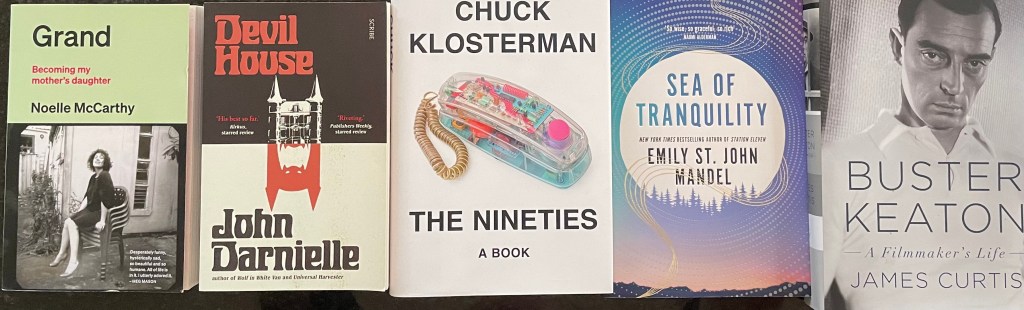
For posterity’s sake, here’s the books I sent in as my own picks for the year’s best reading!
FICTION:Sea of Tranquility, Emily St. John Mandel – The first great COVID-19 novel as well as an unforgettable meditation on life, time and fate.
Devil House, John Darnielle – A novel that starts as an investigation into occult murders that becomes something deeper and stranger. The movie Zodiac meets Lovecraft.
Heat 2 – Michael Mann and Meg Gardiner – A written sequel and prequel to a 30-year old crime epic movie shouldn’t work, but this does, exceedingly well. A cracking thriller.
NONFICTION: Grand, Noelle McCarthy – This comic and pained Irish kiwi’s memoir about battling alcoholism, family demons and moving to the other side of the world feels just right in a time when so many of us are mourning the changes and loss in the last few years.
The Nineties, Chuck Klosterman – A snarky, critical examination of a decade that you can both agree with and argue about. I’ve actually warmed to this more than my initially ambivalent review may have made it seem, and it’s truly peak Klosterman, witty and amusingly scattered.
Buster Keaton – A Filmmaker’s Life, James Curtis – The greatest of silent film stars gets the epic biography he richly deserves. Thorough, revelatory and a fascinating look at cinema from a century ago.
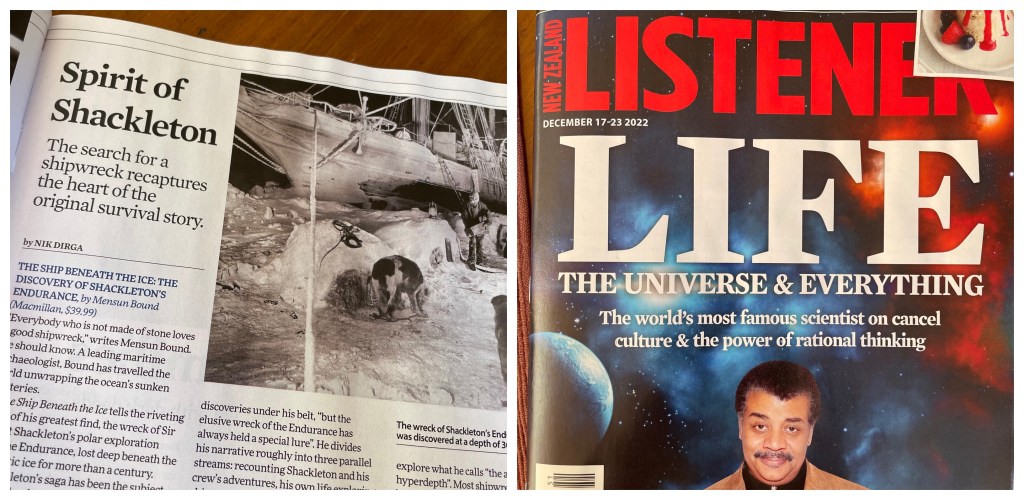
Plus! Bonus book! A bit too late for me to include on that list is a book I’ve written a review of for this week’s Listener magazine (Dec. 17-23 2022), maritime archaeologist Mensun Bound’s book The Ship Beneath The Ice. It’s the fascinating account of his discovery earlier this year of the wreck of Ernest Shackleton’s Endurance deep beneath the Antarctic ice a century after the doomed South Pole expedition. It’s a darn good read and if you’re lucky enough to be in NZ, you can still find the issue my review is in at all the usual places.
…Continuing year in review list week before this newfangled 2022 gets too darned far along for everyone, here’s my favourite books I read in 2021, restricted to just those books published in 2021 (and maybe just one or two that came out at the very end of 2020 but maybe came out in paperback this year).
Once again my reading tends to be heavier on the nonfiction than the fiction, although I’m hoping to be more egalitarian in 2022.
In alphabetical order:
Fiction
Klara and the Sun, by Kazuo Ishiguro
No One Is Talking About This, by Patricia Lockwood
Nonfiction
A Swim In A Pond in the Rain: In Which Four Russians Give A Master Class on Writing, Reading, And Life, by George Saunders
Boy On Fire: The Young Nick Cave, by Mark Mordue
His Very Best: Jimmy Carter, A Life, by Jonathan Alter
I Alone Can Fix It: Donald J. Trump’s Catastrophic Final Year, by Carol Leonning and Philip Rucker
Mike Nichols: A Life, by Mark Harris
Pulp Empire: The Secret History of Comic Book Imperialism, by Paul S. Hirsch
Times Like These: On Grief, Hope and Remarkable Love, by Michelle Langstone
Wildland: The Making of America’s Fury, by Evan Osnos
It’s year in review list week before this new year gets a little too old, and here’s my 10 favourite movies of 2021 in alphabetical order, ranging from critical favourites like Jane Campion’s sublime Power Of The Dog to movies that might not be on a lot of other critical lists like Godzilla Vs Kong, because, again, monkey punching lizard!
Annette
The Beatles: Get Back
The French Dispatch
Godzilla Vs Kong
Licorice Pizza
Pig
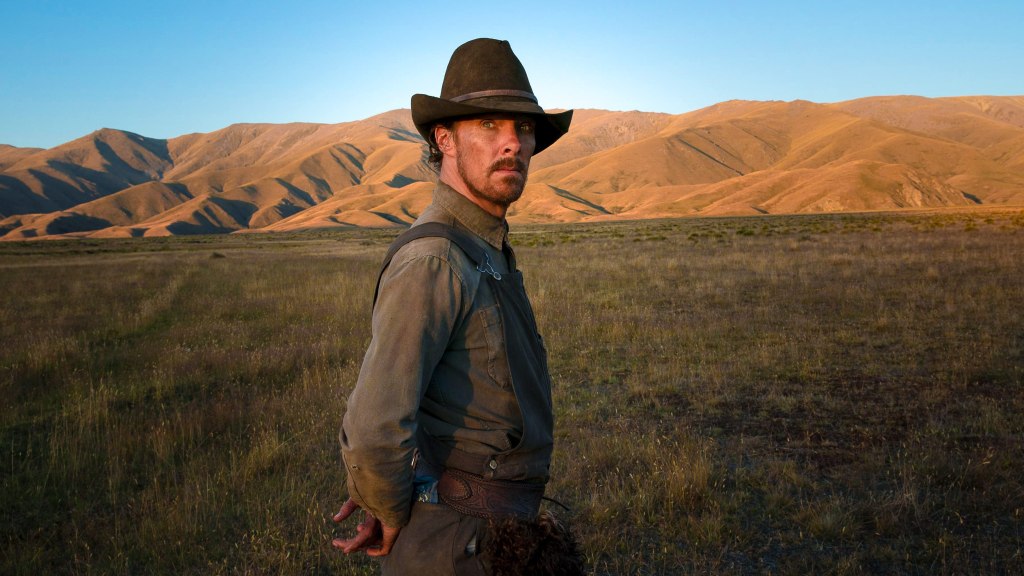
The Power of the Dog
The Sparks Brothers
Spider-Man: No Way Home
Summer of Soul
Very much tied up for No. 11: Dune, The Green Knight, Nobody, No Time To Die, The Velvet Underground
And so, the curtain drops on 2021, a sequel that somehow managed to perform even worse than the blockbuster year 2020 did. Still, despite the grimness on personal fronts and the continuing stupidity of life in general, there were a few halfway decent moments. So, in the spirit of looking on the bright side, here’s my top pop-culture moments of 2021, with links back to some of the original posts about them.
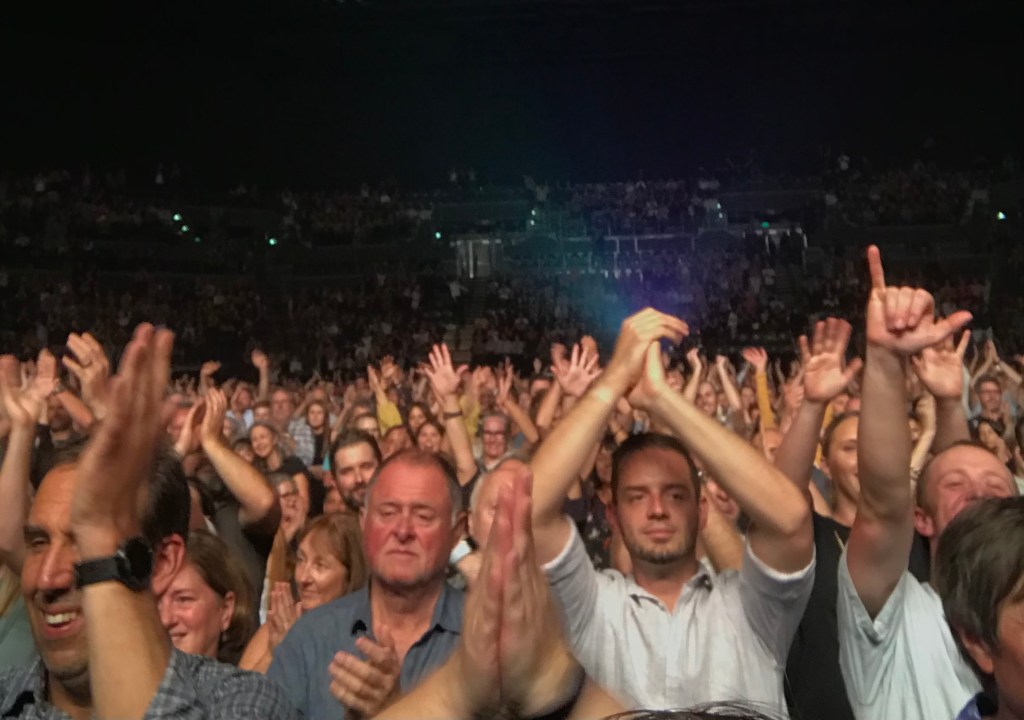
Filling a Crowded House, in a brief pandemic oasis – My experience seeing Crowded House playing a packed Auckland arena back in March happened in New Zealand’s several blissful months of Covid-free life, before the Delta outbreak in August. It also was a life-affirming blast of a show, with Neil Finn and company delivering a celebratory concert of hits and new songs that just made you feel glad to still be here, alive and appreciative of all the things we took for granted pre-2020. There’s been a lot of times I’ve lost faith in humans the past two years, but at that one concert, a big crowd of us all singing and smiling felt kinda sorta all right. Here’s hoping going to big concerts again becomes normal soon.
I feel pretty darned grateful to be in New Zealand today where an entire arena can fill to watch the immortal Crowded House play a hometown gig. Thanks, team of 5 million. pic.twitter.com/KymEBKRRyK
The open-throated passion of John Cassavetes – A ‘discovery’ for me this year was the work of the late filmmaker John Cassavetes, who I’ve long been meaning to delve into. His work dating back from the late 1950s sparked much of independent film, and Cassavetes was determined to present life in its messy, often unexplainable complexity. In movies like Faces, A Woman Under The Influence and Husbands, people behave madly, inconsistently, and irrationally – like they often do in real life. His movies are a challenge, to be sure – the loose-limbed Husbands at times feels like a drunken TikTok video starring Peter Falk might – but even while they push and prod you, you find yourself thinking of them constantly the next day.
When big franchises take a few chances – I’m a fanboy, but I’ve admittedly burned out a bit on the assembly line of superhero movies and childhood classics being regurgitated over and over (did anyone really want another Ghostbusters?). So I was pleasantly surprised by two venerable franchises that didn’t play it entirely safe – James Bond in the long-delayed No Time To Die, and Spider-Man: No Way Home. Without spoiling either, they took risks – ones that might not have satisfied every fan. James Bond faces challenges he never had before in No Time To Die and the ending was a disturbing but effective shocker. And the idea of a multiverse-straddling take on Spider-Man could easily have gotten overstuffed and absurd (I’ve ranted about the overuse of multiverses before), but instead, we got a story that embraces the idea of the shared cinematic history of franchises and characters who just keep coming back in a heartfelt, dignified way. There’s a reason it’s smashing box office records.
The Magicians by Lev Grossman – I had been meaning to read this series of books by Grossman for a while now, which could be broadly described as “Narnia/Harry Potter, but for grownups.” They tell a somewhat familiar story of a young magician, Quentin Coldwater, and his ups and downs learning magic and having brilliant, frightening adventures in fantastic lands. The Magicians books were perfect escapist reading during the dregs of Auckland’s lengthy lockdown, brisk and darkly enjoyable, with the imaginative flair of C.S. Lewis’ Narnia and the solid characters of Harry Potter, but aimed at a slightly older audience who might like a bit of drinking and sex to spice things up. I read better books objectively this year, but these ones were among the most fun.
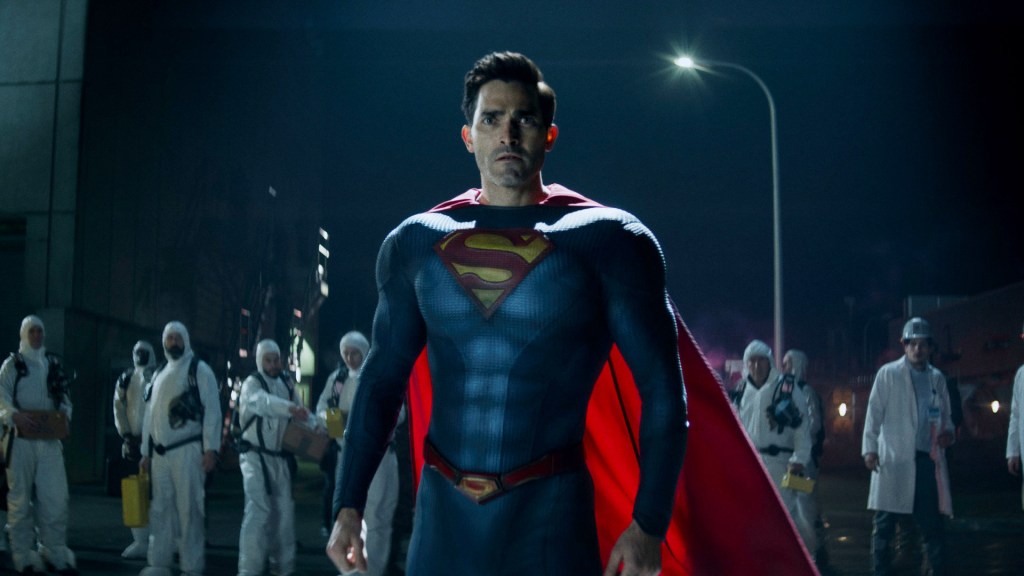
Superman, still the best superhero – It’s been a good time to be a fan of the man of steel. One of the best decisions the corporate overlords made a few years back is to let Superman finally marry Lois Lane, and to let them have a kid together. It’s allowed Superman to mature as a character into everybody’s ideal dad, and unlike some big changes to the status quo for comics characters, for now, this one seems to stick. On TV, I praised the superbly entertaining Superman and Lois, which combines spot-on casting with great Super-action and a show that’s not afraid to get emotional. In the comics, writer Brian Bendis finished up a suprisingly cool run that felt modern and daring yet true to the character, while the anthology series Superman: Red And Blue was an ideal summation of the character’s appeal with a variety of mostly excellent short stories starring Kal-El. Superman’s son, Jonathan Kent, who’s now a young adult, got his own title and it’s turned out to be one of the best new superhero comics of the year – a young, progressive and caring superhero (who’s also bisexual, which has gotten the usual suspects outraged). All in all, from the perspective of a rather troubled real world, Superman and his son seem more relevant than ever.
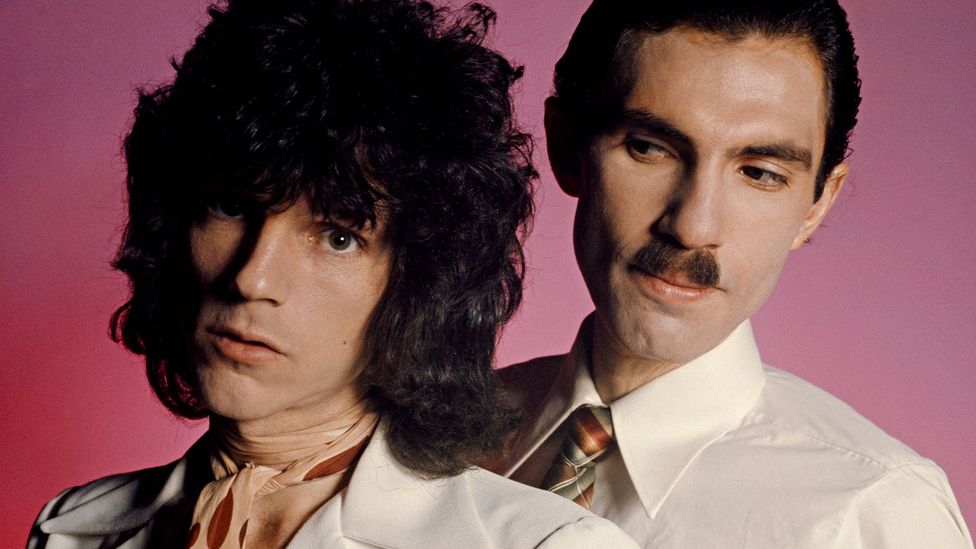
Lighting a Sparks – I admit I’m losing my touch with current pop culture as I settle into extreme middle age, but part of that is because there’s so darned much OLD pop culture to still enjoy. I was aware of Sparks and liked some of their work, butEdgar Wright‘s excellent documentary The Sparks Brotherstriggered one of my famed full-fledged obsessive binges, as it spurred me to dig into the art-pop band’s hefty 50-year discography. It’s a delight to find a band you like and then find out that they’ve got literal mountains of material for you to enjoy.
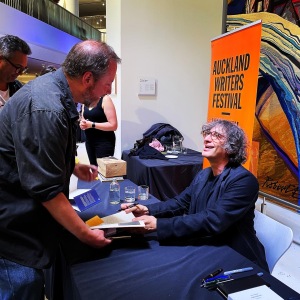
Meeting Neil Gaiman, in strange days – I’ve always loved the Auckland Writers Festival, and like many things I loved it’s had rocky days during the Covid era. Fortunately, this year’s festival went off just fine in May, and a big highlight was getting a chance to meet one of the world’s biggest writers, Neil Gaiman, who’s been a bit of a New Zealand resident himself with his wife Amanda Palmerduring the pandemic. I waited an hour or so to briefly meet Neil and have him sign a few of my favourite books after listening to some excellent talks he gave, but that was nothing compared to some who waited up to six hours. Neil was apparently as much a gentleman with the last person in line as he was with the first. They say never meet your idols, but getting a chance to tell them how much their work means to you is sometimes worth the wait.
Godzilla smashes up King Kong – Look, I know, it’s a big dumb old monster movie. But Godzilla Vs. Kong was, in my deep critical analysis, very, very good at being a big dumb old monster movie. Maybe it’s because I grew up with a well-played VHS tape of the 1962 King Kong Vs Godzilla that I unironically love. Maybe it’s because I saw it on a booming IMAX screen, just at the start of NZ’s pandemic-free idyll mentioned above, and because I could watch King Kong and Godzilla wrestle on aircraft carriers nearly life-size. I’m not saying it will win any Oscars. I’m not saying that it always makes sense or that most of the human characters are memorable. But you know, most of the classic Toho Godzilla movies are pretty wacky, too. With magnificent modern special effects and plenty of monster action, this heavyweight bout was worth the wait. Sometimes, you just want to see Godzilla punch through a building. Indeed, after a year like this one, who doesn’t want to do that themselves sometimes?
Well, one thing you can say about 2020 is that there was a lot of time to catch up on one’s reading. The ones below are among the best I read, and are all “recent-ish” books, released in the last 2-3 years or so – and very much worth your time. Here’s eight I loved in 2020:
The Absolute Book, by Elizabeth Knox– This sprawling fantasy epic by New Zealand’s own Knox is a dense, glittering exploration into the very meaning of stories themselves. A writer’s sister dies and it launches her on a journey between the world we know and one of demons and magic. With lots of Tolkien and Gaiman in its its DNA but distinctively in Knox’s own voice and grounded in a tense realism, it’s full of fascinating ideas – almost overstuffed – but holds together to be one of the best imaginative reads I had in a year where reality literally felt as strange as fiction.
Antkind, by Charlie Kaufman. This first novel by the screenwriter behind Being John Malkovich is a marvel, like one of his twisting films unspooled into print. Loosely the tale of an unbelievably creative “lost film” and one man’s quest for it, it’s sprawling, chaotic and surreal, and often hilariously funny, like Thomas Pynchon meets David Foster Wallace. It may be a tad overlong and I’m still not entirely sure I understand all of it, but it it took me on a wild ride more than any other novel I read this year.
Becoming, by Michelle Obama. I read President Obama’s memoir A Promised Land and it’s very good, but it suffers the syndrome that affects most political biographies – turning into an endless cascade of names and meetings. There’s some dazzlingly good prose in it, and it’s well worth reading, but I have to admit, Michelle Obama’s memoir moved me even more with its candour and ease. She tells her story with heartfelt emotion but also a sense of wonder, as a young Black girl in Chicago grows up to become First Lady of the United States. Twelve years on after Obama’s inauguration day, it’s still pretty cool to type those words. Sometimes, history works out OK.
Beowulf: A New Translation by Maria Dahvana Headley. I’m fascinated by the oldest of stories, the Beowulfs and the Gilgameshes. I’ve got two other translations of Beowulf, the 1000-year-old-epic, and the idea of a “modern”, more feminist translation at first sounds like a very very bad idea. But Headley’s edgy reimagining is faithful to the misty ancient past of the poem, while giving it a death-metal spin of passion that makes the story feel more alive. Her version starts out: “Bro! Tell me we still know how to talk about kings!” Modern slang and ancient protocols wrestle in the text, giving it a heaving urgency. Now, that may sound silly, but once you get into her rhythms, Headley’s Beowulf rocks and boasts like a hair-metal epic, while never losing sight of what it is. It’s pretty hardcore, bro.
Demagogue: The Life And Long Shadow of Senator Joe McCarthy, by Larry Tye. We all know what “McCarthyism” means, but I only knew about the Wisconsin Senator and his grim legacy in broad strokes. This biography does an excellent job of filling in the story and bringing the Senator to life with all his flaws, hubris and arrogance, and putting his frightening anti-communist crusade in a broader context in American history. There’s so many echoes in the current US political scene that it’s almost disorienting to see the same things happening again. As Faulkner put it, “the past isn’t dead. It isn’t even past.” Imagine what might have happened if someone like McCarthy became President. Oh, wait…
Entangled Life: How Fungi Make Our Worlds, Change Our Minds & Shape Our Futures, by Merlin Sheldrake.Who doesn’t love a mushroom? The kingdom of fungi is a vast, strange place, stretching its tendrils into almost every part of our lives and yet mostly unknown. Sheldrake’s excellent guide takes a tour through the world of fungi, filled with fascinating facts and discoveries explained in clear, evocative prose. The future might very well be in fungi, and this is one of those cool books that leaves you looking at the natural world around you with different eyes.
Killing Commendatore, by Haruki Murakami. I know not everyone is a fan of Murakami’s very mannered, particular storytelling, but I quite enjoyed his latest, a long, meditative read about a painter whose lonely exile on top of a mountain is interrupted by mystery and obsession. I read this during the heart of NZ’s first and longest lockdown this year, and somehow its isolation spoke to me clearly in that suspended moment in time. Killing Commendatore is a meandering journey with few firm conclusions – kind of like 2020 itself often felt – but sometimes the journey itself is the point.
Shakespeare in a Divided America, by James Shapiro. Shapiro has written a host of really fascinating Shakespeare scholarship books, but this one seems particularly relevant in 2020, looking at the complex relationship the Bard’s plays have had with American history. Did you know that 22 people died in a riot in New York in 1849 that was sparked by a performance of “MacBeth”? Shapiro draws history and literature together to create a fascinating read, culminating in the controversy of a Trump look-a-like being assassinated on stage in New York in 2017 – no fatal riots then, but it shows that the play’s still the thing, 150+ years on.
Also worth noting: “Oscar: A Life”, Matthew Sturgis; “The Overstory,” Richard Powers; “The Nickel Boys,” Colson Whitehead; “All Who Live On Islands,” Rose Lu; “It’s Garry Shandling’s Book,” Judd Apatow; “2000ft Above Worry Level,” Eamonn Marra.
However, due to the troubling times we live in, I only saw maybe six of these movies in the actual cinema. So it goes.
We all wanted distractions this year from doomscrolling and darkthinking. And social media rarely made me feel anything but anxious or mad, so to the movies it was. With new films in short supply this year, it gave me time to dig back into cinema history and either fill in some gaps or revisit old favourites.
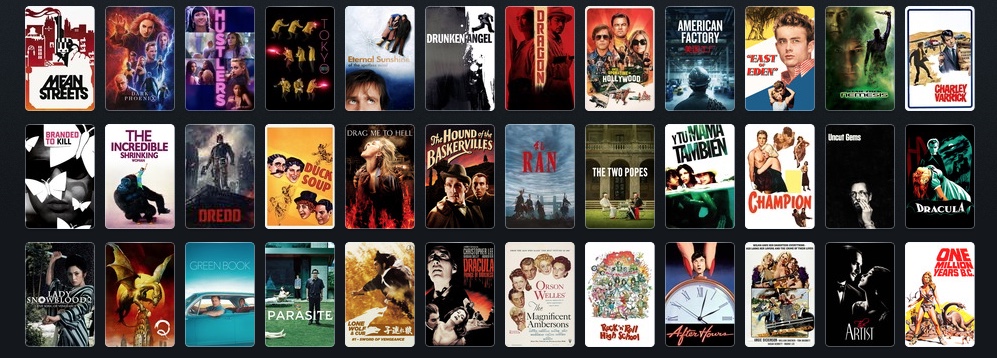
I started using the nifty website Letterboxd this year to keep track of my viewing habits. Turns out it’s actually a New Zealand creation which I didn’t realise at first, and it’s pretty swell – I don’t review the movies I watch on there, because then I’d spend the entire time watching a film trying to decide if it’s three or four stars … and besides, I spent years writing video and movie reviews for newspapers back in the day, so I’ve done my rankings time.
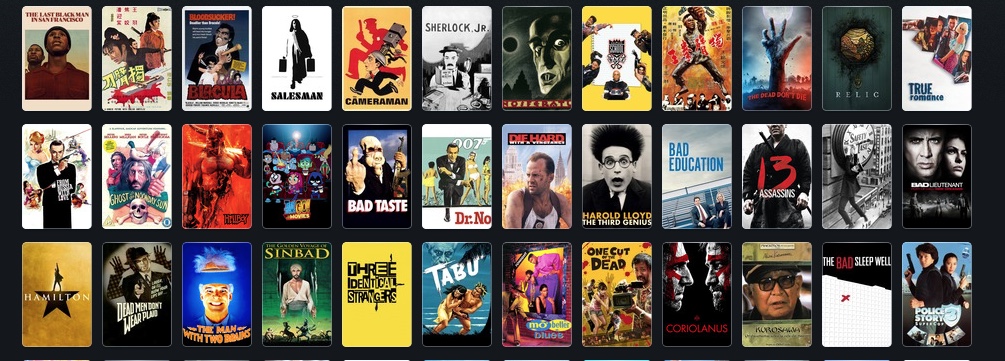
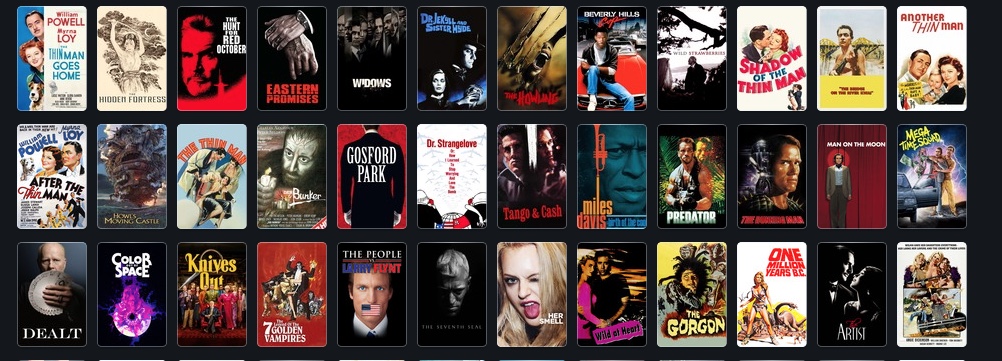
As of Dec. 23, I’d clocked 237 films on Letterboxd since Jan. 1. The oldest movie I watched was 1922’s Nosferatu. The newest the superb Ma Rainey’s Black Bottom, which came out just last week.
I’m fairly egalitarian in my habits. I watched a lot of the wonderful works of Akira Kurosawa and Robert Altman, but also trashy fun like Blacula, The Toxic Avenger and Flash Gordon. Sometimes you want an escape, like revisiting all three Karate Kid movies, and sometimes you want to be deeply moved by a film like Ozu’s Tokyo Story.
During the depths of New Zealand’s long initial lockdown, I watched all six of William Powell and Myrna Loy’s effervescent Thin Man comedies and dreamed of martinis and solving crimes. During the heart of the Black Lives Matter protests I watched Do The Right Thing again, with my son. Around American election night I re-watched Warren Beatty’s Bulworth, about a politician who loses his mind.
There were great movies I’d never seen before – Michael Caine’s Get Carter, Brian De Palma’s Blow Out, Dario Argento’s Suspiria, western Rio Bravo and fantastic more recent films like Midsommar, Portrait of a Lady on Fire and The Last Black Man in San Francisco. There was a dive into revisiting the always welcoming works of Chaplin, Keaton and Harold Lloyd. I got very into digging into the careers of Hal Ashby, Angie Dickinson, Michael Caine and Warren Beatty. The movies are an endless maze, with many exits.
I don’t mind watching movies at home, but the cinema experience is the real deal. As the curtain falls on 2020 and rises on 2021, I hope the big changes in how we view movies don’t take away their magic, and that I can still find ways to sit in a big room with strangers, popcorn in hand, and enter another world.
“We live in a box of space and time. Movies are windows in its walls.” – Roger Ebert
Music helps keep us sane. I listened to a lot more music than usual this year, between lockdowns and working from home, and a couple dozen songs saw me through some of the tumult and craziness.
I alternated between comfort songs and raging at the void screaming songs, probably swinging like most of our moods did this year. Isolation, political carnage in my home country, sickness and worry… The soundtrack of 2020 is a schizophrenic thing.
Admittedly, I skewed heavily towards older songs this year, returning to the comforts of the familiar; also, I’m an old dude. A song can reassure you, like the still-fiery Bob Dylan and Elvis Costello’s latest works, it can lift you, like the looney chaos of TheCramps or the hypnotic rhythms of Alice Coltrane, or it can fire you up, like Lou Reed’s still-incandescent rage in 1987’s “Strawman,” or Pylon’s jittery “Stop It.”
This isn’t my “best of the year” list – but here’s a playlist of the 25 songs that helped me survive 2020:
* The internet and toxic fandom. Wayyy back in the early 2000s I found the net a welcoming place to discuss my geeky afflictions, to find like minds and hunt down rare information. These days, it’s more like a toxic waste dump filled with fetid landmines, with occasional patches of grace you have to contort yourself to find. Picking up blogging again for me has become a hell of a lot more positive action than making random nasty tweets and posts. I gave up entirely trying to be a Star Wars fan online, for example, keeping it to myself like a secret fetish rather than engaging with a world where too many fans think fandom is about hate rather than love. I don’t even want to TALK about Rise of Skywalker online because it’s like a magnet for the worst of us, and I actually more or less liked it.
* Terrible comic book “events.” I’m a sucker for hype but I’ve gotten a lot more judicious about buying into overwrought, dull comic book apocalypses these days. This year I got suckered by a few – the ponderous, pretentious and unnecessary Heroes In Crisis by Tom King, a writer whom I generally like; Doomsday Clock, the never-ending Watchmen sequel/crossover that read like bad Alan Moore fan fiction and I only read out of a kind of misguided curious masochism; or DC’s endless “dark” versions of their existing heroes like The Batman Who Laughs. I’ve seen enough twisted evil versions of superheroes or dystopian alternate realities to last a million multiverses, thanks. Resolution for 2020: Don’t believe the hype.
* Cari Mora by Thomas Harris. Look, I always go into a book *hoping* it will be good. And I am a fan of Harris’ pulpy, compulsively readable Hannibal Lecter series. But this reads like Harris scribbled a few notes for a bad episode of CSI: Miami on a cocktail napkin and handed it in. It’s his first non-Lecter novel since the 1970s and was definitely not worth the wait. Predictable and stale with no characters as indelible as Lecter or Clarice Starling, and typeset in a 15-point or so font that makes this brief read seem longer than it is, Cari Mora is the worst book I read in 2019. Glad I only borrowed it from a library!
* Death, in general and specific. Grand, doom-pop singer Scott Walker. Creature of the Black Lagoon muse Julie Adams. Pioneering gay cartoonist Howard Cruse. Psychedelic legend Roky Erickson. Comics journalists Tom Spurgeon and Bill Schelly. Terrific character actor Robert Forster. Pop magician Ric Ocasek. Monkee man Peter Tork. Two stars of Star Trek: Deep Space Nine, Rene Auberjonois and Aron Eisenberg. Easy ridin’ Peter Fonda. So many more. The year also saw the loss of old friends and family too soon like Oxford, Mississippi’s great bohemian cultural envoy Ron Shapiro; my uncle James House, who I wish I’d known better, and my ’90s small press pal and seriously underrated weird fiction writer Sam Gafford who died at just 56 years old. RIP to all and many more. Let’s hope 2020 is kinder.
It’s 2020, and I’m still getting used to that fact. While I’m recovering from three weeks in California and a return to New Zealand summer, let’s hit my 12 favourite pop-culture moments of 2019!
* It’s an obvious pick, but … Avengers: Endgame, Captain America and that hammer. Marvel fanboy bliss in a movie full of great moments and the culmination of an act of movie world-building this comic book geek couldn’t have imagined possible back in 1984.
* Exploring the bizarre world of China Mieville’s Bas-Lag with his novels The Scar and The Iron Council. Superb reads and a doorway to exploring the whole remarkable “new weird” genre for me (latest obsession, Jeff Vandermeer’s Borne and Area X trilogy).
* Accepting middle-aged manhood with a newfound appreciation for jazz and sax men, mainlining Miles Davis and Coltrane riffs, and catching an awesome Auckland show by Kamasi Washington. The wails of a saxophone soothes the savage breast of a middle-aged dude.
* The Chills are some of the greatest pop musicians New Zealand has ever spawned, and a fantastic documentary on the ups and downs of their mastermind Martin Philipps is a great look at their career. Seeing it at a special showing with Philipps himself in attendance and singing a few songs was fantastic. More reading: Martin Phillipps and the endless cool of The Chills
* The Hulk can be anything, and Al Ewing’s Immortal Hulk continues to be the best comic book Marvel’s done in ages, combining horror, heroics and awe as we discover there’s life galore in the gamma giant yet. This is the only entry to repeat from last year’s list, which tells you how good it is.
* Watching The Rocky Horror Picture Show in a cinema for the first time in years on Halloween night in a benefit hosted by creator, songwriter and actor Richard “Riff Raff” O’Brien. Go-go dancers, flying toilet paper and profanity, spooky, hilarious fun and sweet transvestites galore.
* The Mandalorian and finally seeing an IG droid do its thing nearly 40 years after The Empire Strikes Back. I can’t tell you how geeked out IG-11 made me feel. More reading: The Star Wars scene I’ve wanted for 38 years.
* Rediscovering Akira Kurosawa. Even though I love Seven Samurai, Ikuru and the Yojimbo series, my knowledge of Kurosawa’s deeper filmography has been sadly lacking, until now. High And Low, Stray Dog, Red Beard, The Bad Sleep Well and so much more are like full-course meals for the head and heart.
* Volunteering at the Pop-Up Globe for a third season this year and, particularly, seeing their fine version of Hamlet at least 8 or 9 times, each time the performances and bottomless wisdom of the play getting deeper and deeper for me. More reading: Hamlet, the play that never ends
* Superheroes are everywhere, and it’s impossible to see every movie and TV show, but a real highlight this year was DC’s quirky, foul-mouthed Doom Patrol series, which captured the surrealism and horror of Grant Morrison’s epic run nicely. More reading: It’s the end of the world and I like it
* Bong Joon-Ho’s astounding Parasite and those stairs. Best movie of the year in a year with a whole lot of great movies? I have to suspect it is.
* The opening of the heartfelt and gorgeous Tongan/New Zealand documentary For My Father’s Kingdom at the NZ International Film Festival, in a colourful gala packed with Tongan spirit, music and pride. Tongans are among my favourite of New Zealand’s rich tapestry of diversity, and in a year that also brought us the horror of the Christchurch attacks, this night at the movies was an inspiration of what this country is really all about. It was a privilege to witness this. More reading: Film festivals are the best-ivals
Next time, I’ll get negative with a look back at a few cultural lowlights of 2019!









 Nik Dirga