Paul Chadwick’s Concrete: The best comic book you may have never heard of

There were a lot of fantastic comics that launched in the 1980s – your Dark Knights and Watchmen, your Maus and Love and Rockets – but one of the closest to my heart is Paul Chadwick’s unforgettable Concrete, a series he’s been writing and drawing on and off now for 40 years. 

After far, far too long of a hiatus, the first new Concrete story in 20 years is set to come out this week, Stars Over Sand. It’s pretty much the comic event of the year for me. 

Concrete has always been an unusual animal and while it’s widely loved amongst comic fans, it’s not hard to feel it’s still somewhat overlooked and underappreciated.

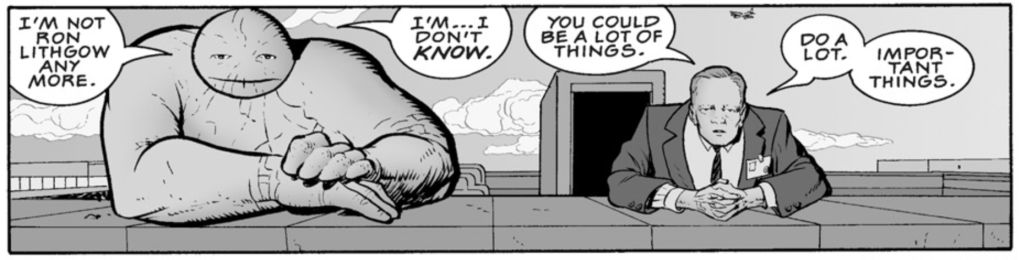
For a series that is steeped in realism, it has its roots in the fantastic – political speechwriter Ron Lithgow is abducted by aliens and his brain transplanted into a hulking stone body, before the aliens vanish from the story forever. Concrete is about a man divorced from his own humanity but gifted with possible immortality trying to find a way to fill up his new life. And it’s not by fighting crime or other superheroic tropes, but by writing, exploring, and using his strange body to wring the most out of existence. 
Chadwick started with a superhero-esque premise, but the fantastical origin story aside, has resolutely kept Concrete a story in human scale, even with a towering golem as its lead. Concrete and his human friends/handlers Larry and Maureen remain some of the best written, nuanced characters in comics – smart and funny but also capable of being vain, conceited, cruel or forgetful. It’s quite possible the most humane comic out there. 
Chadwick’s stories are deeply researched – Concrete’s visit to Nepal has the realism of Chadwick’s own visit there, for example – but he has an eye for the little bits of character or distraction that help make his work so authentic – Concrete’s occasional inexplicable outbursts of temper, or Larry being distracted by the need to urinate during a harrowing hostage scenario.

Concrete is a gloriously ruminative, verbose figure, given to imaginative flights of fancy or philosophical meanderings that make him all the more relatable. He’s a writer, and Chadwick makes him feel like a writer, always testing out ideas and questioning. Chadwick’s art has got a classical elegance that shows in his quirky page designs, which sometimes leap right into surrealism, and his clean, expressive style that carries his wordy, thoughtful stories well. 

I re-read the entire Concrete series of stories every few years and I keep finding new layers in them each time.
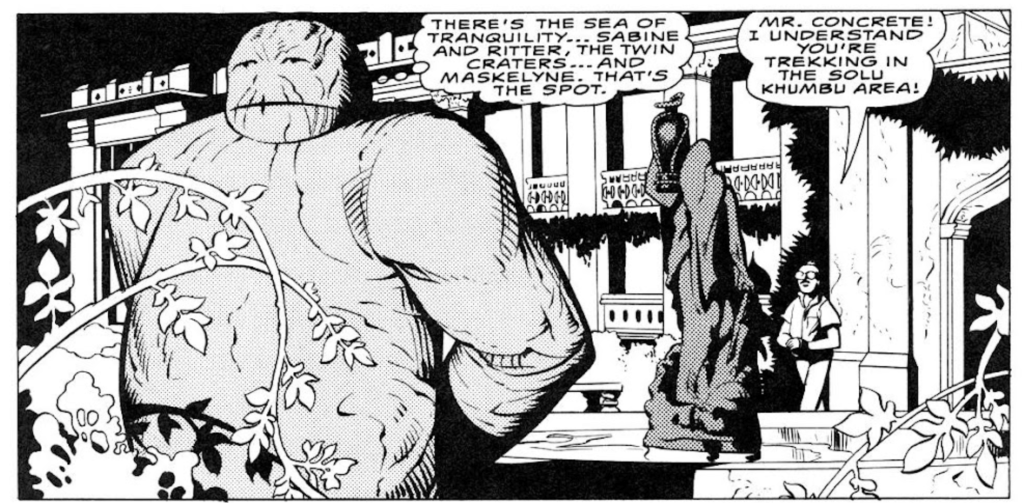
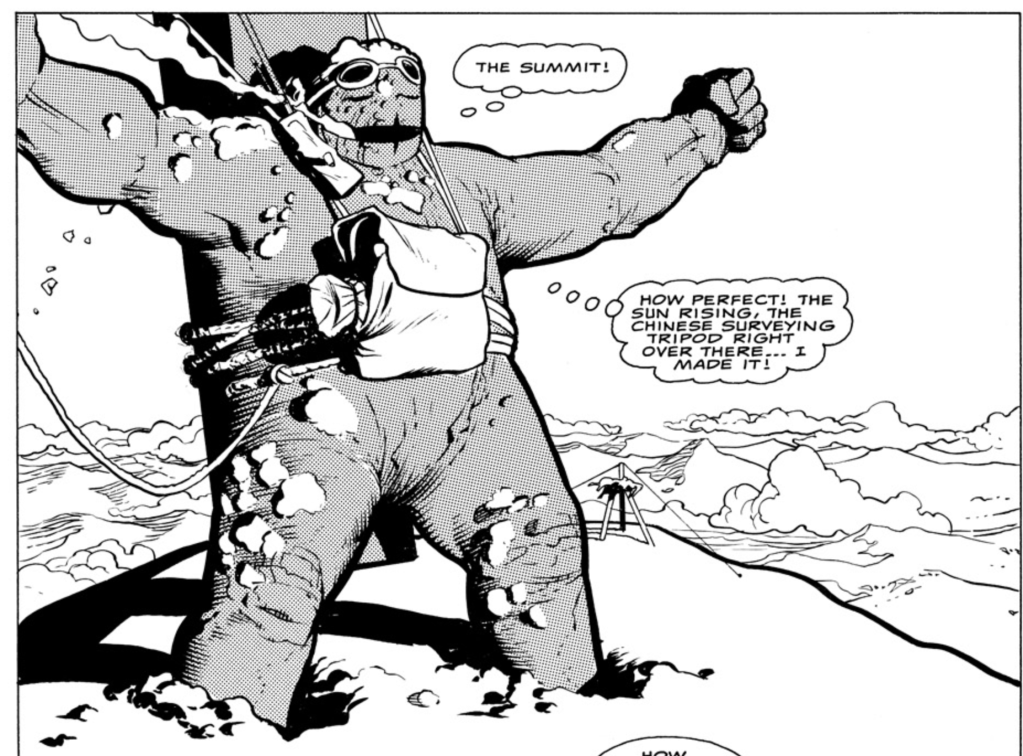
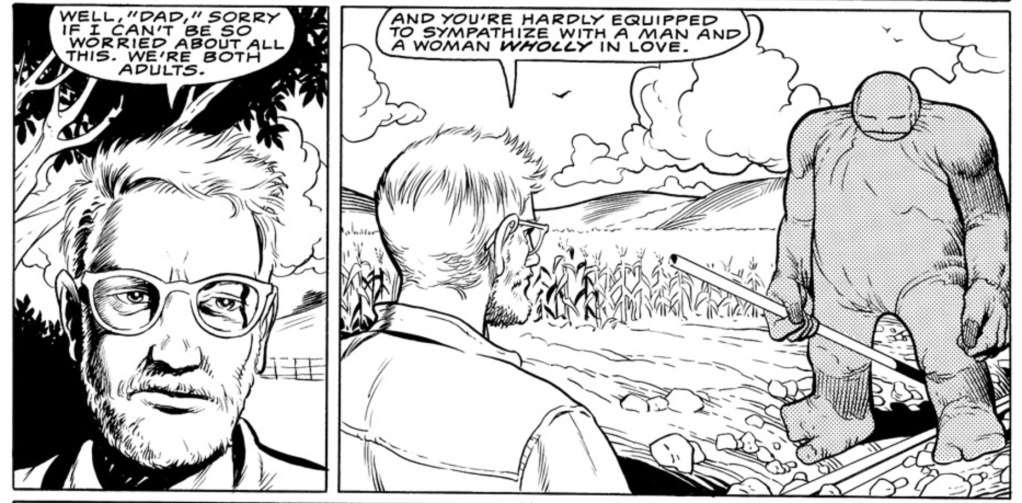
The original 10-issue Concrete series of the 1980s is only dated by its fashion and technology – the underlying stories, whether it’s Concrete’s daring exploration of Mount Everest or a Gothic-flavoured tale of love and pain on a small family farm – hold up beautifully. Chadwick has gotten more ambitious with time, tackling contentious topics like how far environmental activism can or should go and whether or not humanity should aggressively work to lower the world’s population. Yet even with the knottiest of subjects, his love for his characters shines through. 
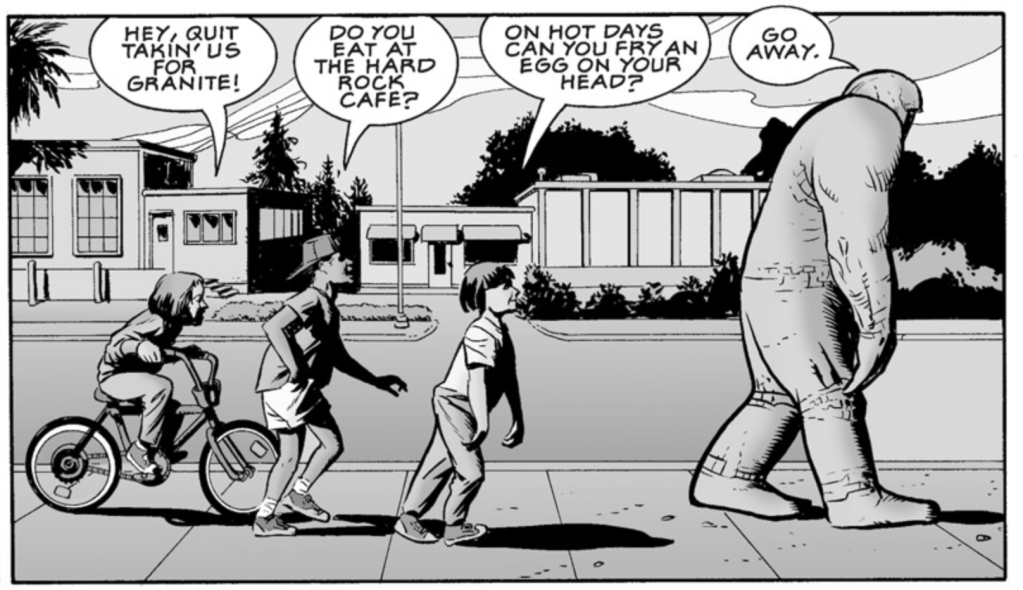
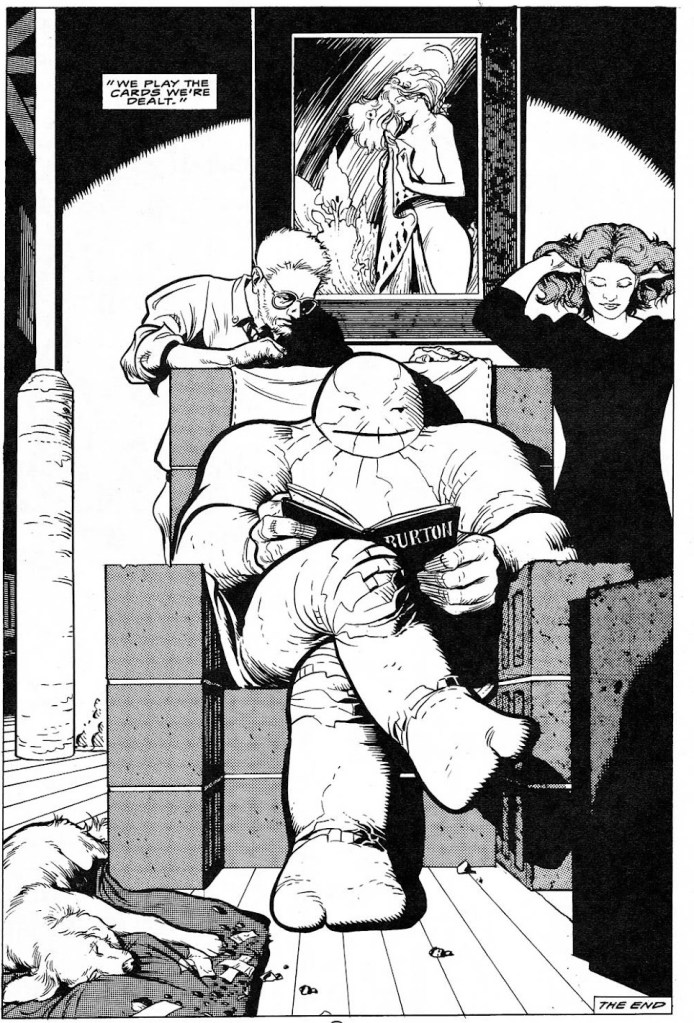
A series of miniseries and piles of wonderful short stories have tackled everything from suspenseful action movie to comic catastrophe to unlikely love story, but for those of us who love the rocky old dude, Concrete stories have been few and far between, and 2006’s The Human Dilemma was the last gasp for now – leaving us with a rather shocking cliffhanger change in status quo for the character I’ve been often thinking about ever since. 
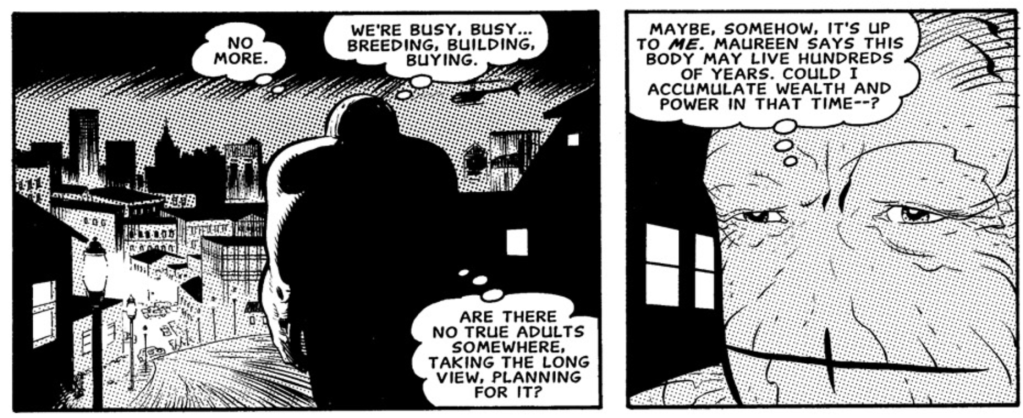
I’ve missed seeing new stories with Concrete, who feels like a fond friend after so many years. I imagine it’s been hard for Paul Chadwick to make a good living doing Concrete alone – he’s dabbled in film, other comics and more, but this is ultimately his magnum opus. In a perfect world we’d be up to like Concrete #300 by now, I guess, but the 40 or so comics and dozens of short stories are still a fine legacy to have. 

Concrete has never quite broken through to the mass public – there’s been talk of movies (Chadwick turned his own movie experience working on the 1987 Masters of the Universe movie into the hilarious satire miniseries Concrete: Fragile Creature), but perhaps Concrete is a character who works best on the printed page. Chadwick has said he’ll turn to prose novels as a way of continuing Concrete stories, which isn’t quite the same, but I’d be keen to see how he makes that happen.

Whatever the future holds, Chadwick’s work on Concrete, forged these last four decades, is still some of the best comics I’ve ever read, and I can’t wait to see, finally, finally, where he’s taking his hero next, and hope there isn’t quite so long a wait until the next time. 
Laugh? I thought I’d cry – The best comedian documentaries do a little bit of both

Mel Brooks from the film “Mel Brooks: The 99-Year-Old Man!” (HBO Max via AP)

The lives of comedians are a funny subject for documentaries, but I find I can’t get enough of them. 

Right now is a golden age for those of us who like long (sometimes very long) documentaries about classic ‘70s and ‘80s comedians. Just in the last year or two, films about Mel Brooks, Steve Martin, John Candy, Eddie Murphy, Chevy Chase, Martin Short, Pee Wee Herman and probably a heap of others I’m missing have all stumbled onto centre stage. 

Other great documentaries in the past several years have taken apart the careers of Robin Williams, Garry Shandling, George Carlin, Gilda Radner, Gene Wilder and so many more. Honestly, it’s easier to make a list of ‘70s/80s comedians who haven’t gotten a sprawling documentary look at their lives yet. 

There’s a theory out there that explaining comedy ruins it, but I have always been weirdly interested in dissecting what exactly makes something funny.

Sometimes, these documentaries are about reinforcing what we already know – everybody loves plucky Martin Short, everyone has a story about what a jerk Chevy Chase can be, Steve Martin is so much more than a wild and crazy guy and Garry Shandling may have been the most neurotic man alive. 

Yeah, there is sometimes too much reverence and not enough bite in these films. Comedy should sting a little bit, and so should documentaries about its makers.

And yet, I’m kind of here for them all. 

I’ve grown to appreciate Martin Short’s guileless energetic charm more and more over time, and Marty: Life Is Short is the textbook example of showing us how comedians often come from the saddest possible circumstances but can turn that pain into a sword and shield. Short lost his parents and a brother before he was 20 years old – and later, his wife to cancer – and yet he’s forged a career being one of the most likeable men in show biz. “There were laughs,” he says at one point, reflecting on the darkest times in his life. “That’s the point.” 

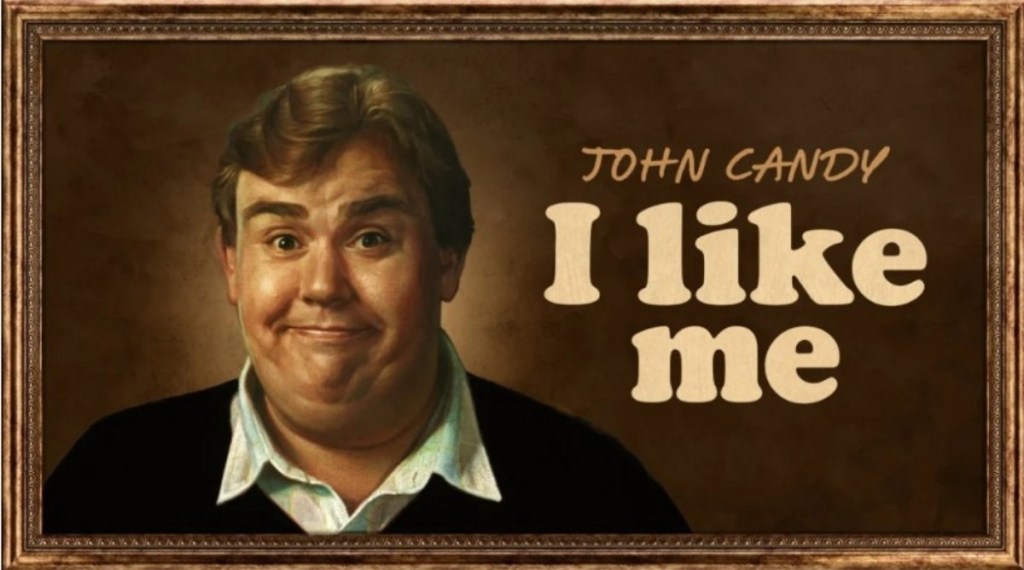
The recent John Candy documentary I Like Me is haunted by Candy’s ridiculously sad early death at age 43, and often falls into the trap of telling, not showing, with maudlin footage of Candy’s funeral and sappy strings dominating until it loosens up and starts to show us exactly why Candy was so funny and loved. It’s a tricky thing – you want to show the ups and downs but if you tip too far into the sadness, your comedian documentary starts to feel more like a wake. 

Still, a little bit of self-congratulatory backslapping also goes a long way, like the recent Being Eddie that fails to ask the hard questions about Murphy’s career. I don’t want a documentary that just feels like a tribute special. I want to know how these folks work. By far the best comedian documentaries are the ones which really rip away the public image to give you an idea how these people tick and how they think. 

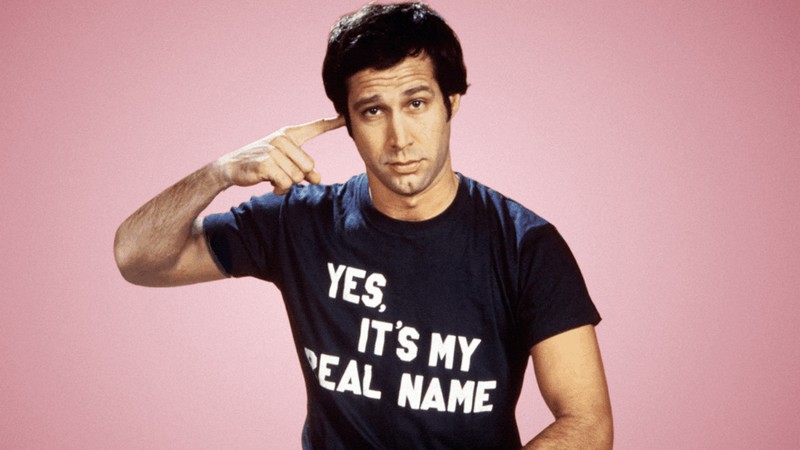
I’m Chevy Chase And You’re Not is actually one of the more effective documentaries I’ve seen lately, because it doesn’t hold back in examining Chase’s longstanding reputation as, well, a massive asshole. It features several brutal clips and stories that show Chase insulting peers, crossing the line between comedy and cruelty without actually being funny – but it also digs into the abusive childhood he lived through, and makes us realise nobody is truly 100 percent villain or hero, success or failure. It’s a canny look at an often off-putting, self-sabotaging man who still has made me laugh a lot over the years. 

Documentaries have all their cliches – the random talking heads, the jittery home movie flashbacks and the standup performance videos. Sometimes they get too formulaic. Why do we need to have Ryan Reynolds’ opinion on Chevy Chase, for instance?

Several of them go very long, giving the creator of Spaceballs the same treatment you might give the American Civil War. Mel Brooks, Steve Martin, George Carlin and Pee Wee Herman all got two-part, nearly four-hour long deep dives. It may be excessive, but done right, I could watch this stuff all day. 

Mel Brooks is a living treasure, turning 100 in a few weeks time, and The 99-Year-Old Man! is a loving tribute to a man who shaped comedy for me ever since I saw Blazing Saddles and Young Frankenstein flickering away on TV reruns. Nobody expected Brooks to last this long, but the 216-minute documentary shows us why he matters and is still vital, even if at times it feels sad to watch a man who one day won’t be with us, knowing when we lose Mel we’ll lose a lot. But we’ll always have the laughs. 

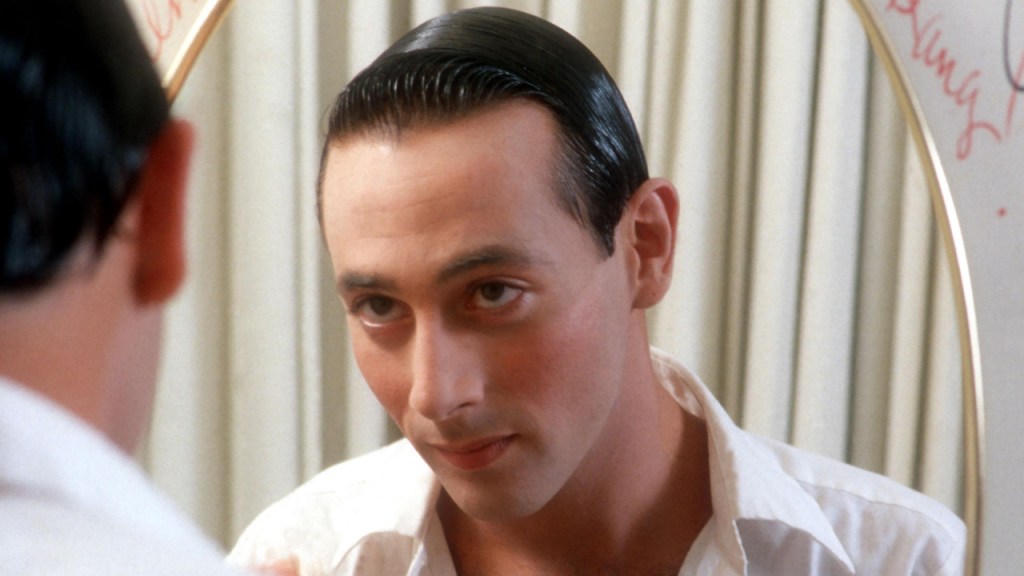
Paul Reubens, aka Pee Wee Herman, didn’t make it past 70 years old, but as I’ve written before, Pee Wee As Himself is one of the best documentaries I’ve seen in recent years. It reveals a lot about Paul Reubens’ art background and experimental work before Pee Wee became a blockbuster and patron saint for oddballs, and fills in the gaps on the private comedian’s personal life and loves.

There’s a fine balance to comedian documentaries. I mean, everyone’s story has the same sad end – people leave your life, then eventually you do, too – but comedians can show how you cope with that and even find the sprinkles of wit in the worst days. Comedian documentaries often tend to be tearjerkers in their final act despite all the funny clips – John Candy’s potential sadly cut short, Robin Williams’ tragic mental health struggles, or the images of aged, shrunken Mel Brooks at nearly a century, smiling away and cracking wise even as he becomes the last man standing from his friends and loves. 

A good comedian documentary should make me laugh… but I don’t mind if it makes me choke back a tear or two as well, as long as it’s got a little of both, sugar and salt. Life is a funny thing, and it’s sometimes a sad thing. And a lot of the time, it’s everything all at once. 

Can Doctor Doom be funny?

Doctor Doom is, of course, the greatest comic book villain of all time. 

Forget the Joker or Darkseid – both way too overexposed – or figures like Catwoman, Magneto and Loki, who’ve all been turned into vaguely redeemed antiheroes too often. Villains are often one-note sadists, like the Green Goblin (who should’ve stayed dead decades ago) or Bullseye, or gimmicky like the Riddler and Captain Cold. Lex Luthor is probably comics’ second-greatest villain, but he’s still ultimately a bald tech bro with envy issues. 

Victor Von Doom is an imposing monarch, an egotistical perfectionist and would-be ruler of the universe who’s been battling the Fantastic Four for more than 60 years now. He’s a rich enough character that writers are constantly finding new depths in him. 

But should he be funny

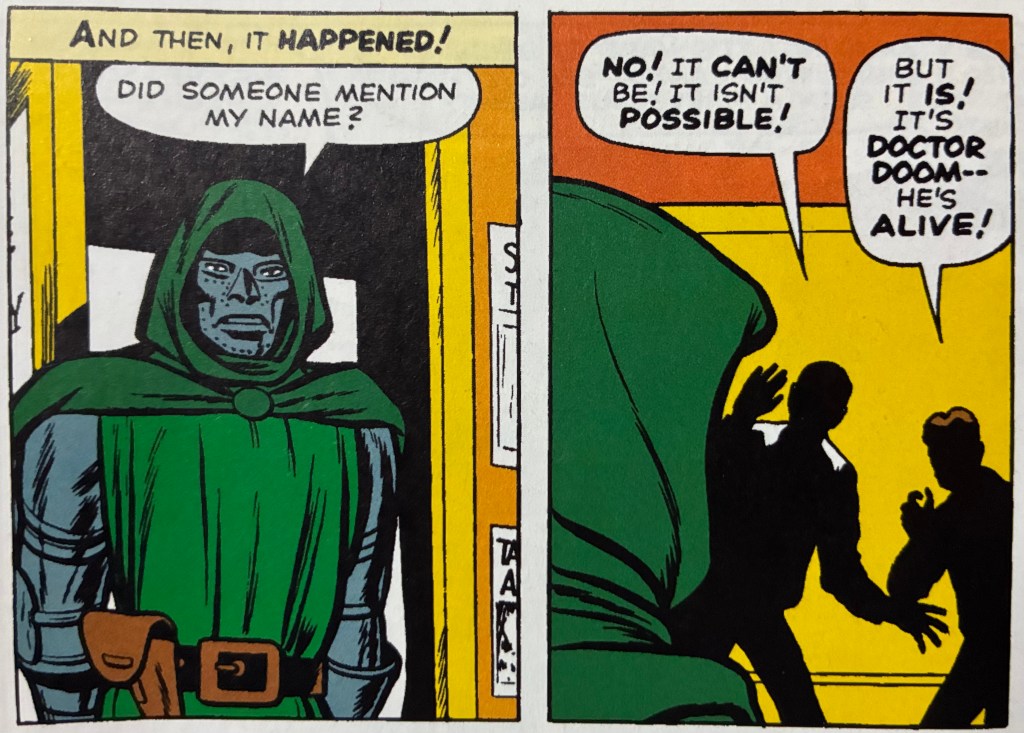
I’ve been reading the Doctor Doom epic collections Marvel has recently put out which collect all Doom’s early ’60s appearances across Fantastic Four, Avengers, Amazing Spider-Man and more, and it’s interesting to observe the gradual evolution of Doom. It took a while for Doctor Doom to truly become “Doom” – in his first appearance, of all things, he’s ordering the Fantastic Four to make a time heist to steal the pirate Blackbeard’s treasure! 

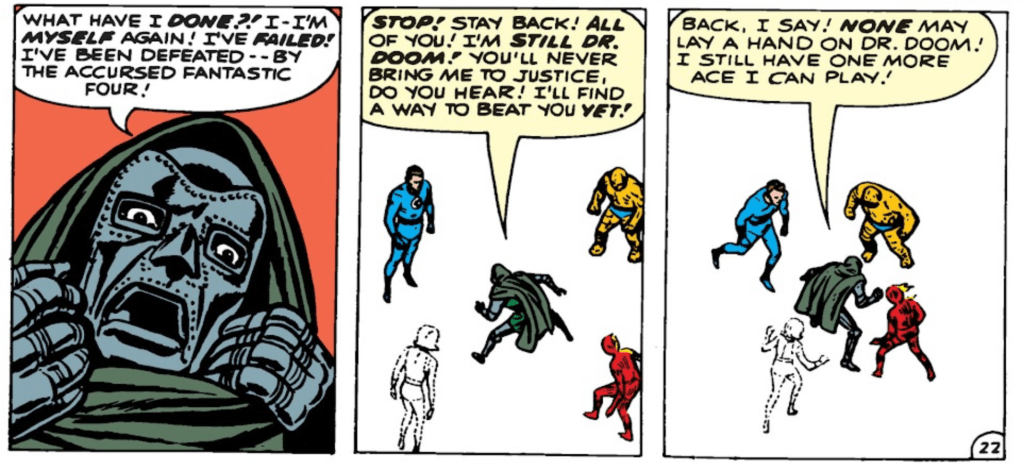
In the early years, Doom was often your standard-issue bad guy, turning up with wild plans and wacky weapons only to be defeated for another day. His haughty monologues and occasional wails of defeat could be funny, but he was a little less self-assured than he eventually became.

Gradually Stan Lee and Jack Kirby realised they had the ultimate Fantastic Four villain in Doom, whose tortured backstory – his youth as a poor, abused Romani child, the death of his mother, a face disfigured by scientific meddling, et cetera – was slowly filled out. Once his side hustle as the ruler of European nation Latveria was brought in, it gave a whole new side to Doom – beloved and feared world leader, as well as calculating supervillain. 

Under a series of great writers including John Byrne, Ryan North, Mark Waid and Jonathan Hickman, Doom’s complexity has gradually been unpacked over the years. I don’t envy writing Doom – it’s a hard line to make him a figure of some dignity while also keeping him consistent as a power-mad villain. I mean, he’s done stuff like kill his childhood ex-girlfriend and turn her skin into magical armour and sent Reed Richards’ young son to Hell. Yet he’s not an utter psychopath like the Joker, who at this point will murder you because it’s a Tuesday.

Doctor Doom is going to have a big year as the centre of the upcoming Avengers: Doomsday. I’m nervous – Doom has already been messed up in four live action movies and counting, and the stunt casting of Robert Downey Jr is a worry. If Doom shows up and immediately turns out to be some multiversal dopplegänger of Tony Stark, they’ve done it wrong and don’t even understand Doom’s appeal. 

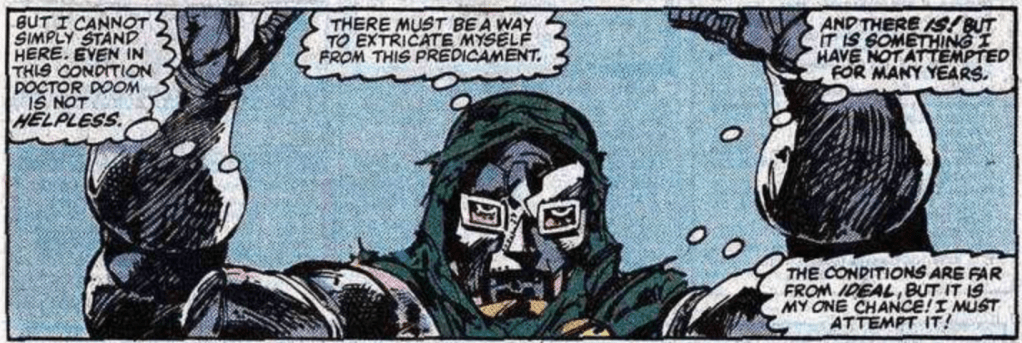
Doom is a figure that demands respect in his best stories, and like any comic book villain, he’s got infinite potential if written well – I can’t count how many times his evil plans have been thwarted or he’s been just outright killed, but Doom always comes back. In the stories where he does briefly end up ruling the world, he usually is defeated by his own demons. 

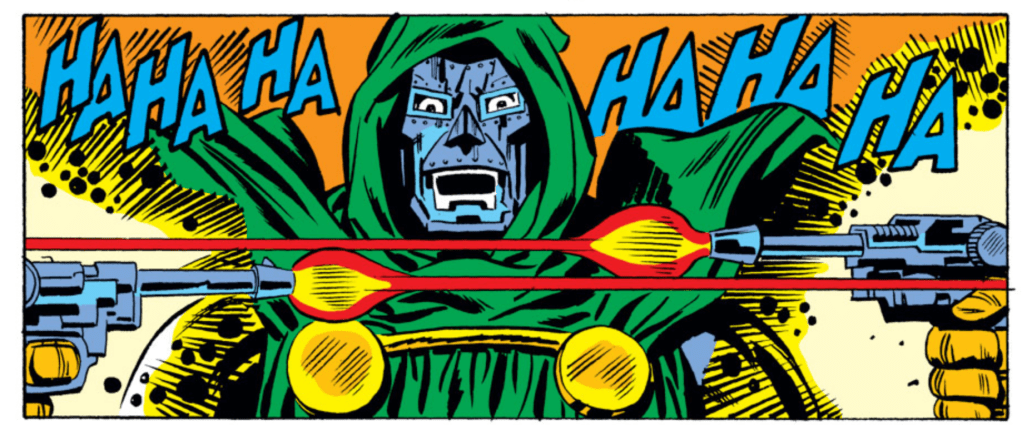
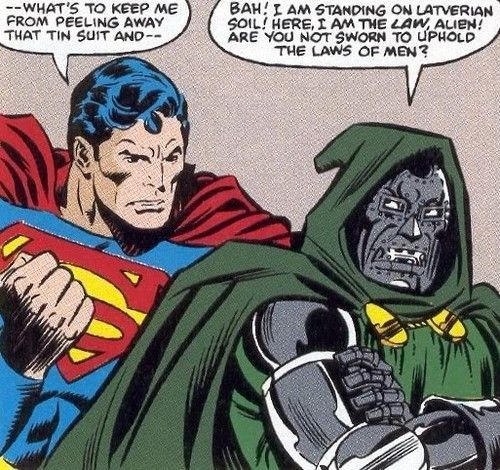
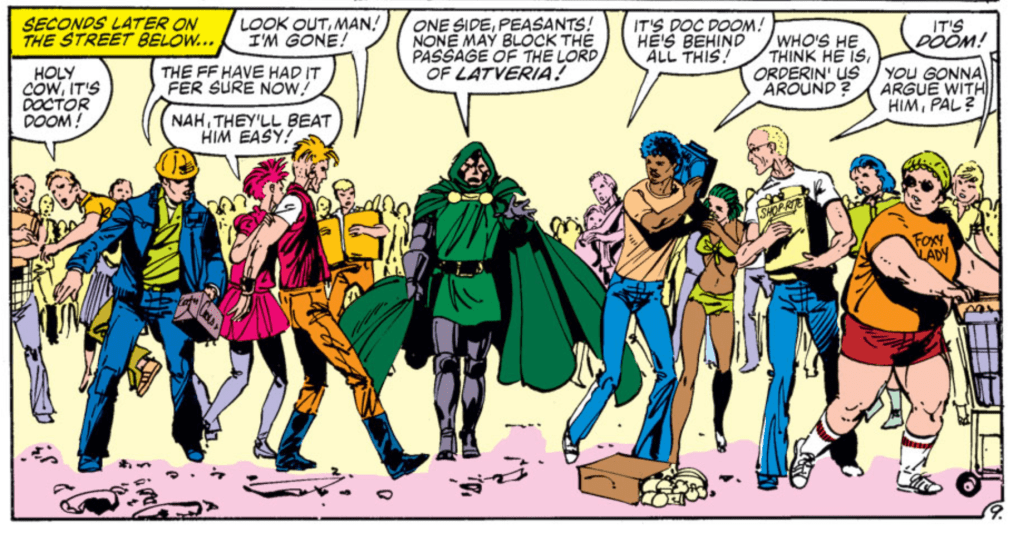
And Dr Doom can be funny – but strictly on his terms. Good Doom humour (‘Doom-mour?’) stems directly from his overwhelming ego and confidence that he is the greatest man there ever was. Heck, he’s even smack-talked Superman!

A big ego can be funny. I’ve got zero regard for the man in the White House these days, but I will admit one thing about him – he has, at times, been funny, and that’s usually a direct result of his grotesquely swollen ego. And so it is with Doom.

There have been plenty of funny moments in stories featuring Dr Doom in the past 60 years, although an awful lot of them make him the butt of the joke.

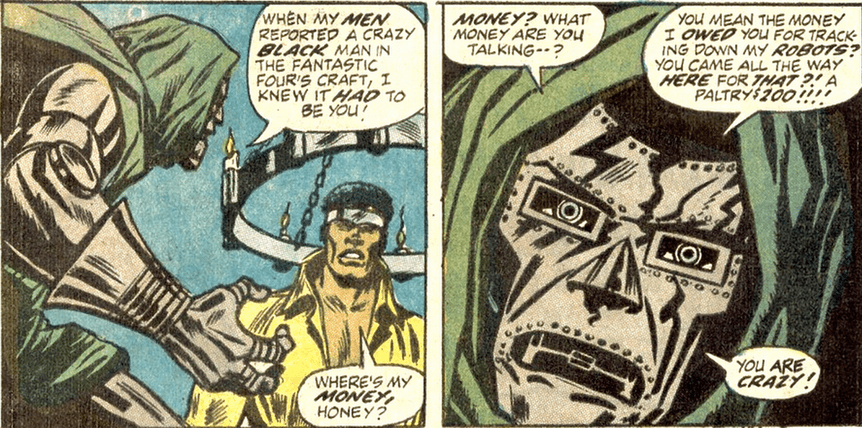
These days you probably won’t see Doom engaging in slightly problematic smack talk with Luke Cage… 

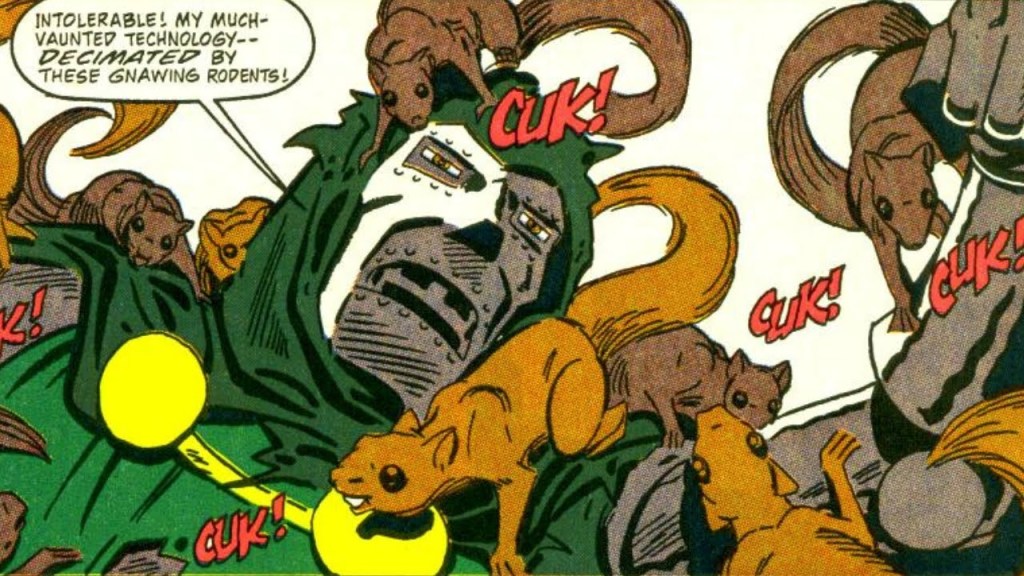
Or fighting super-powered squirrels … 

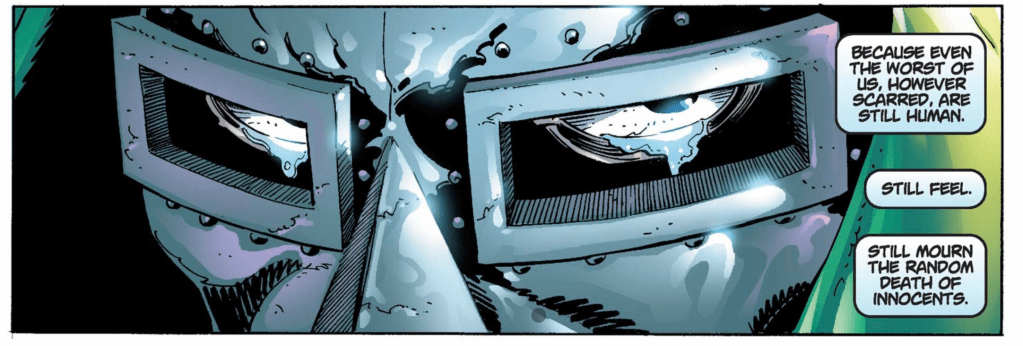
Sometimes portrayals could be unintentionally funny, like the time Dr Doom was shown shedding a few tears in a mawkish Spider-Man memorial comic after 9/11. No matter how sentimental you’re trying to make your story, Dr Doom does not cry.  

It took a while for Dr Doom to evolve into comics’ greatest villain. Doom being plonked into funny situations, like fighting Squirrel Girl, doesn’t quite sit right for the character anymore.

Doom can indeed be funny, but really, only on Doom’s own terms. Disobey him at your peril.