 I hadn’t been to Christchurch in 10 years, and I’m not quite sure how that happened.
I’ve been out of the country nearly a dozen times in that span, but the South Island of New Zealand always seems further away. If you don’t have family or friends on ‘the mainland,’ it seems another country sometimes despite it just being an hour flight away.
Christchurch is flatter and more British in feel than melting pot Auckland, with lots of gorgeous old stone churches and a sky full of billowing, demonstrative clouds far different than the ones up north. You can feel the cold blue influence of Antarctica, a mere few thousand kilometres south.
Christchurch also has a regrettable reputation as New Zealand’s unluckiest place to live. The terrible events of March 15 are high in everyone’s memory, of course, but Christchurch has also had fires and earthquakes, including the deadly February 22, 2011 quake that killed 185 people. This was the first time we’d been down there since then.
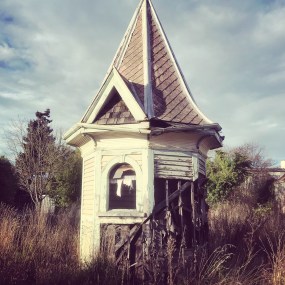 The signs of the 2011 earthquakes are everywhere, far more prevalent than I’d imagined they’d be almost a decade on. Downtown is dotted with vacant lots, cranes constructing new buildings, and the cracked and battered abandoned remains of those structures that haven’t been torn down yet. For every building that seems fine, there’s another that’s a dust-covered shell that looks like something from Chernobyl. The gorgeous old Christchurch Cathedral is a broken and gaping maw, like a dollhouse cross-section where you can see inside a building. Dozens of pigeons still nest in the rafters, visible to all.
Terribly movingly, there’s a humble memorial across the street from the site of the CTV building collapse which claimed 115 victims that February day. It’s a gathering of 115 white chairs, all various types and styles, across the street from the site of the collapsed building, bearing silent witness. There is a baby’s car seat there, spray-painted white, full of silent grief. There is a list of names of people of all ages and from all over the world (the building housed a language school where a lot of the victims were killed).
You read a fair bit about all the delays that have plagued Christchurch’s recovery since 2011. It’s another thing to actually see a city, one of New Zealand’s largest, still battered and scarred from a catastrophe nearly a decade ago.
It’s also a reminder that yesterday’s news isn’t forgotten by the people at the heart of the storm – that long after the world’s attention moves on from something, there’s building to do, homes to relocate and towers to rebuild.

 What, me sorry? The rumours are flying fast and furious that
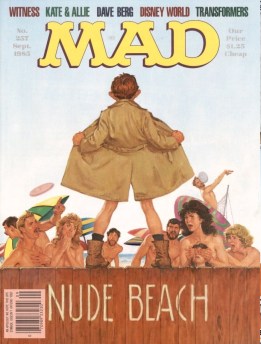
  Soon I also discovered “classic” MAD, the Harvey Kurtzman-edited comic book that the magazine originally began as in 1952. It remained the last gasp of EC Comics itself after the great comics-will-warp-you scare of the ‘50s shut the rest of the line down. I got a massive volume collecting #1-6 of the series, packed with Kurtzman wit, Will Elder’s insanely detailed art, Wally Wood’s gorgeous spacemen and girls, and much more. I still have that somewhat battered gorgeous big volume of MAD’s first 6 issues, along with several other volumes collecting the original series, plus scattered around the house a battered stack of issues dating back to the ‘70s, all well-read and mangled as they should properly be.
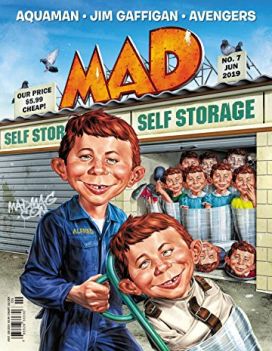 MAD ended its 550-issue run and “relaunched” like pretty much every other long-running comic book publication about a year ago, and the writing was on the wall then. But to be honest, in the age of Trump, isn’t everything feeling a little satirical? When Trump himself made fun of presidential candidate Pete Buttigieg by saying he ‘looked like Alfred E. Neuman,” nobody under 40 really seemed to get the the joke, including the candidate himself.
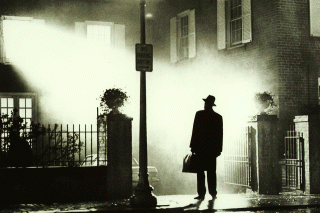 What is it: The world’s most famous demonic possession story, the 1973 horror classic
 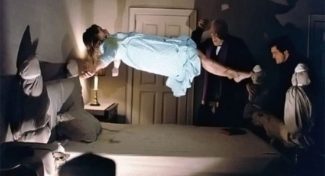 It makes what follows later that much more profane and shocking. And the movie’s most iconic moments – the possession of Regan and her gruesome actions – are still truly horrifying today. Every parent of a teenager has that moment of disconnection when your child suddenly seems like an alien to you, and “The Exorcist” dramatises that perfectly to terrible extremes.
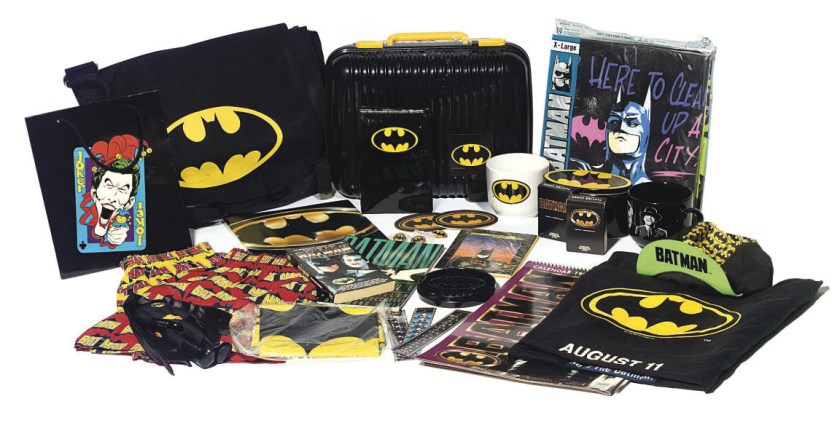 Thirty years ago today, I was standing in a line. A bunch of us were all queued up for what was then the biggest comic book movie of all time, Tim Burton’s Batman.
 It’s hard to explain to fans of today’s slick, streamlined and gorgeous Marvel Universe movies that seeing a comic book movie in the ‘80s and ‘90s was mostly a matter of lowering expectations, of accepting flaws and looking for the bits that worked.
 But Keaton’s Batman has only grown in strength over the years. He never quite has the classic physical profile – seen in a tuxedo in an early scene, his Bruce Wayne’s shoulders would barely fill half the Bat-suit – but acting is often concentrated in the eyes, and Keaton’s eyes hold a balance of resolve and regret. His Bruce Wayne seems closer to the edge than some – look at the scene where he takes on the Joker in his civilian clothes: “You want nuts? Let’s get nuts!” In contrast, his Batman is more of a blank, grim slate, a mask that wipes out Wayne’s humanity and focuses his mission.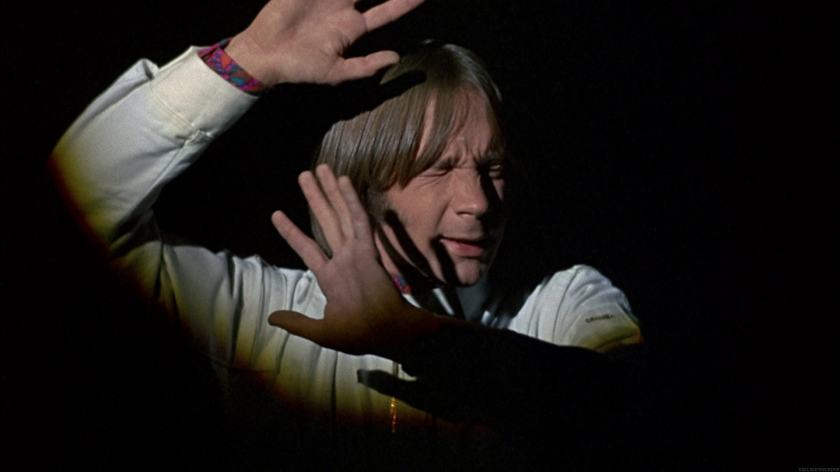
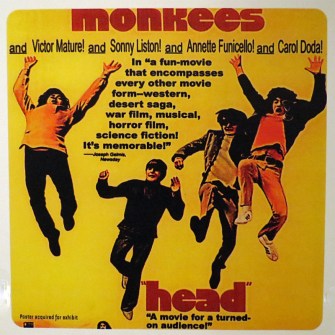 I’ve seen three of the Monkees live now, and I’m happy to have done so. But there was one last Monkee fan hurdle for me to cross: Their mysterious, controversial 1968 movie “Head,” which is either their finest moment or their nadir, depending on who you ask.
 Hey, hey, we are The Monkees / You know we love to please / A manufactured image / With no philosophies.
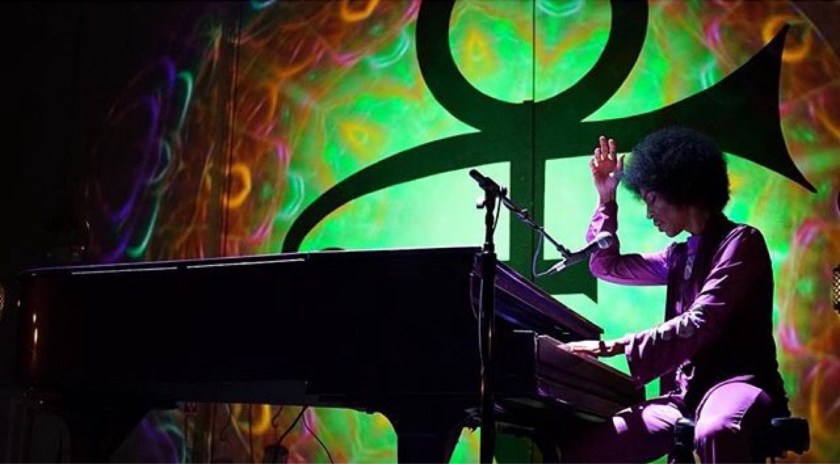 Prince would’ve turned 61 today. I saw him for the first and only time just two months before he died in 2016. I wrote this back then, the morning Prince died, mostly for myself:
 When I heard the Auckland show was Prince solo with a piano and a microphone I was a bit worried – none of those screeching, thunderous guitar solos, no dynamic interplay with the backing band. An “unplugged” Prince conjured up worrying images of a Las Vegas-style revue with the Purple One sipping on sparkling water and turning every song into a Liberace number.
 The Prince on stage at Aotea Centre was at the top of his game, a master at playing the crowd. But he was having FUN as well, something that’s hard to find at that lofty level of fame. He threw a dash of “Charlie Brown” theme music into “Little Red Corvette,” and it was like watching a master painter at work, scribbling tiny doodles in the margins. He recast all the classics, turning “Purple Rain” into a gospel revival, “Kiss” into a funky dance party. More than 30 years into his career, it felt like a victory lap.
 I have a bizarre fascination with the bad movies of
 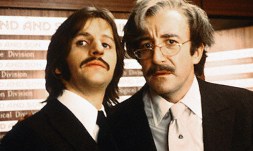 I’ve been making my way as a kind of punishing completist chore through the most obscure of Sellers’ oeuvre, movies that are barely remembered today. Sellers was a difficult, demon-haunted man, whose talent was crippled by bad health and serious psychological issues (there’s the famous quote “There is no me. I do not exist. There used to be a me, but I had it surgically removed,” which more than anything sums up the man).
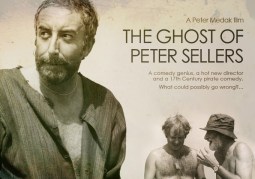 And I am absolutely dying to see the new documentary
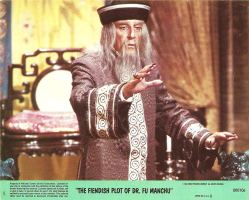 There’s a kernel of something golden in even his worst movies. His Fu Manchu is objectively a racist joke played far too long, but there’s a strange sadness Sellers summons up between the lame puns in his portrayal of an immortal villain.
 I love Godzilla, because when I’m in the mood, you just want to watch a giant lizard smash the hell out of everything around you. Another big-budget Godzilla movie opened this weekend, and it’s gotten the usual mixed reviews from people who don’t really get the point of a Godzilla movie.
 My first Godzilla movie was a battered VHS tape of 1963’s “King Kong Vs. Godzilla”, and to this day it’s one of my desert island flicks. It’s absurd – this Kong looks more like a squashed and mangy grizzly bear than a gorilla, really – but so much damned fun as this duo wrestle and tumble around Japan.
 For those who think the current Godzilla: King of the Monsters is wacky, check out 1991’s utterly unhinged “Godzilla Vs. King Ghidorah,” which features time-travel, a ridiculous “Terminator” riff and the spectacle of Mecha-Ghidorah. For those who want something a little deeper, 2016’s “Shin Godzilla” is a strange satire of Japanese bureaucracy mixed up with some of the most awe-inspiring Godzilla scenes ever. For those who just remember Godzilla wrestling other rubber-suited goofballs on sound stages, 1972’s “Godzilla Vs Gigan” is the kaiju-fest you’ve been hunting for, and Gigan, with his chicken beak, massive talons and inexplicable buzzsaw blade sticking out of the middle of his chest, is peak kaiju craziness.
 Nik Dirga