 I’ve been hunting for the Batman issue above for a long time. It’s perhaps one of the best comic book covers ever – how can you NOT want to read the story inside? (Spoiler: It’s not actually all that great, but how could it measure up to that cover?) As a comic book cover alone, it’s a work of art.
 We live in weird times, when comic books dominate pop culture and box office receipts, yet the humble printed item itself still struggles for sales. They’re still out there, and I hope they’ll be out there a long time, but we’re a long way from when an X-Men comic sold 8 million issues in the ‘90s. But great comic book covers have pretty much died as an art form, despite their still being a lot of very good comic books published. It’s like everyone stopped caring about the covers. Maybe I’m just a design nut, but to me the cover is an integral part of the whole comics package.
Comic book covers slowly changed around the turn of the century, when kids stopped buying comic books at grocery store spinner racks and the art of selling comics rested less on a dynamic cover image and more on short-lived gimmicks (ah, for the chromium foil covers of the 1990s) or story-telling events (Crisis that, Crisis this, Marvel relaunching their comic titles over at #1 about every 15 minutes). Comics sell now to a fairly entrenched group of older fans like me, and the covers stopped trying to be about grabbing your attention.
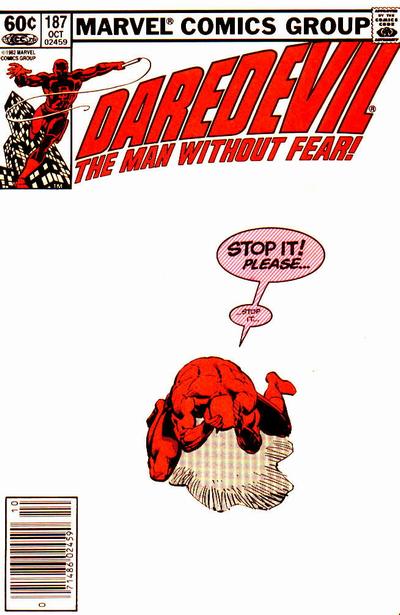
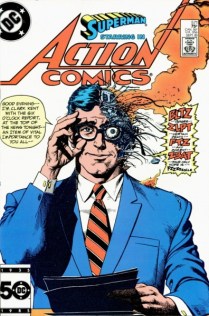 I don’t know why comic book covers have gotten so boring, really, but Christ almighty they sure have. Instead the kind of dazzling images you see here from the 1960s-1980s, sometime around 1999 comic book companies settled into publishing bland generic pin-up shots and chaotic battle scenes which vanish from your mind soon as you see them.
Marvel’s Amazing Spider-Man comic was so bad at this for a while in the early 2000s that I honestly could never tell whether I’d read an issue or not from its cover, usually yet another generic shot of Spider-Man swinging through the city. The Alex Ross school of lush, artsy painted comic book covers also took over – and I like Alex Ross’s work, but painted comic covers in general don’t grab the eye like they first did.
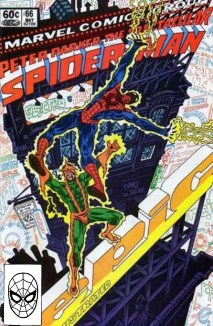 Comic books are at their heart a unique form of storytelling that combines words and pictures and have created some of the greatest fiction of the last century. There’s a reason Avengers movies and Aquaman movies rake in the big bucks, because there’s an iconic, mythological heft to these characters.
Yet for some reason the big brains putting out the comics stopped trying to showcase their storytelling on their covers. I don’t want yet another boring pin-up image of Batman.
I want you to tell me a story that makes me want to read that comic book, just like that battered Batman #184 from the 1960s that I finally tracked down a copy of. I’ll never forget that cover, because it told me a story and I had to know what happened next.
 It takes a lot to shush up an Auckland Saturday night crowd with a single look. But
 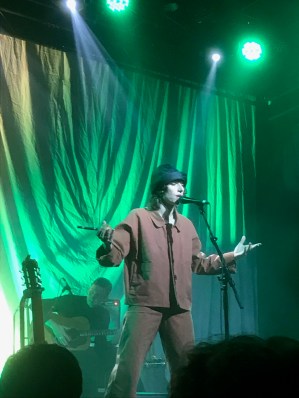 I’ve been to shows at the Powerstation before for similarly stark, intimate shows and left annoyed by the singer being overwhelmed by the crash of beer bottles and the yammering of the audience. That wasn’t a problem tonight. On a cold August night, Harding felt like the hottest thing in town, something new and old at the same time blooming with an energy all its own. She closed with a magnificent, aching cover of Gerry Rafferty’s “Right Down The Line” and terrific new song, “Old Peel,” that left me with no doubt about her future.
 I’m a fan of a lot of things. But “Star Wars” is complicated for me.
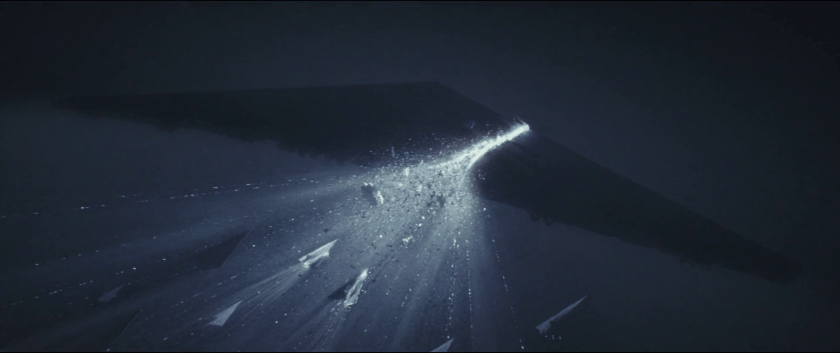 I watched “The Last Jedi” again recently, and it’s the rare post-1983 “Star Wars” movie that actually gets better on each viewing. It goes in hard, unexpected places and objectively speaking is the most beautiful movie of the entire series to date, with director Rian Johnson composing painterly, stunning vistas that remind me of why I fell in love with the alien skies of Tatooine and Bespin in the first place. The cast is great (sorry, keyboard warriors) and it’s honestly the most surprising “Star Wars” movie since “Empire Strikes Back.”

 What is it: It’s not exactly a household name, but in certain circles, it’s the holy bible of cheesy kung-fu schlock.
 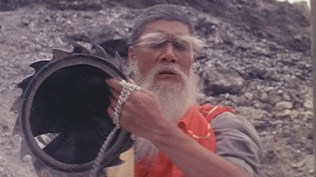 Does it measure up to its rep? This is
  How’s it different than I thought: Unlike the
  Sometime in the next few months, Elvis Presley will have been dead longer than he’s been alive.
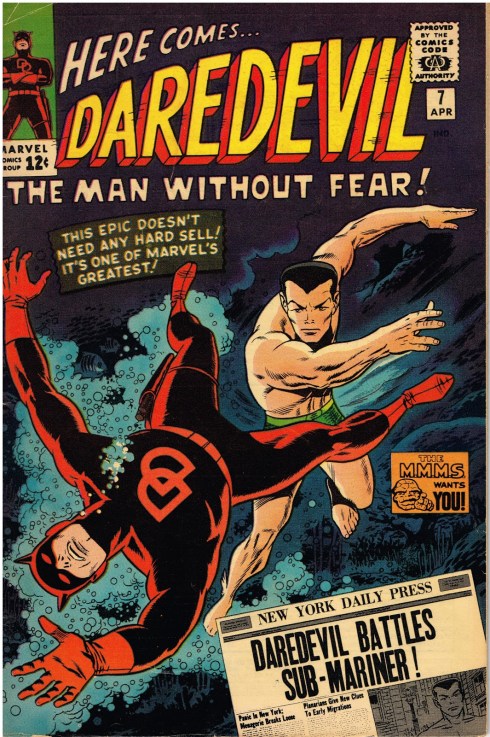
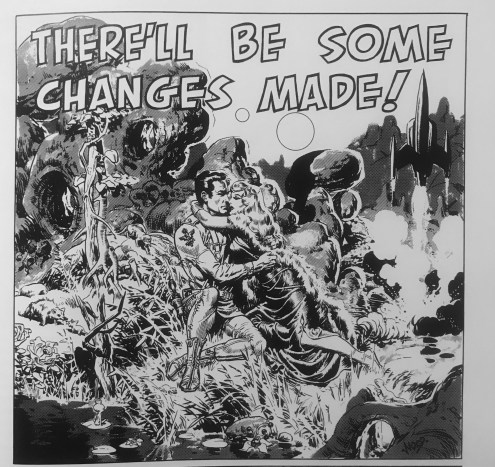
 Who’s my favourite comic book artist of all time?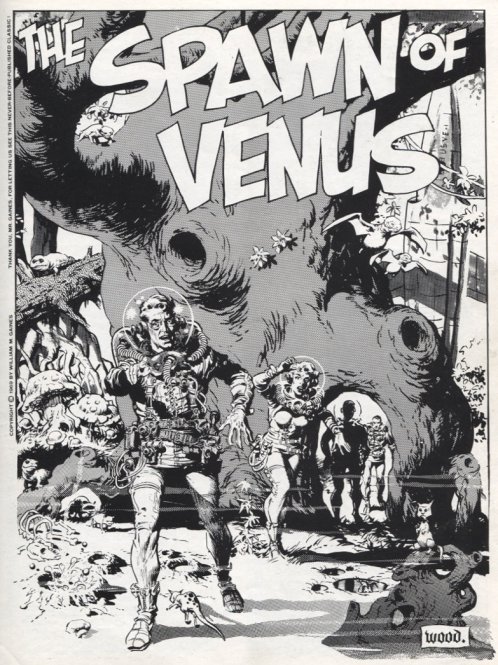

 A good film festival is like a church for its acolytes – a place to find solace and enlightenment, to forget your troubles and to imagine exciting new possibilities in life.
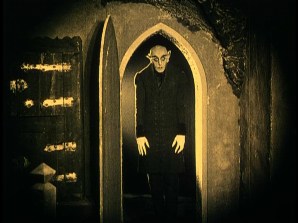 No wonder I can’t stop thinking about movies. It’s a kaleidoscope of cinema every year – in past years I’ve seen grand revivals of Sergio Leone movies, silent classics like “Nosferatu” and Andrei Tarkovsky’s epic, enigmatic Russian epics which demand to be seen on a gaping big screen.
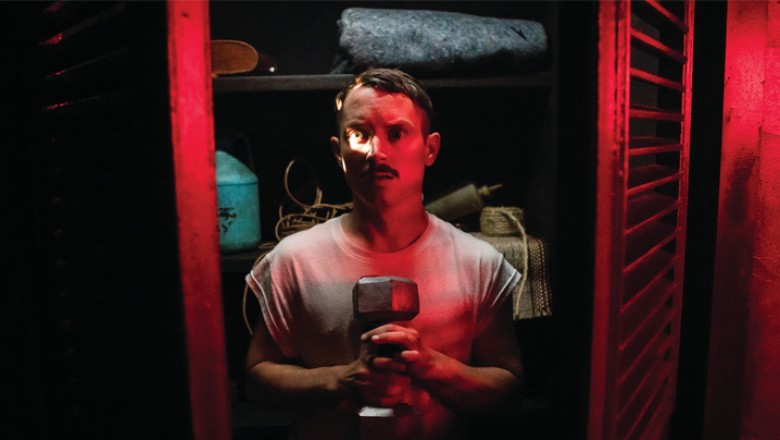 I joined a crowd of hundreds to cringe, scream and laugh last night at the premiere of NZ filmmaker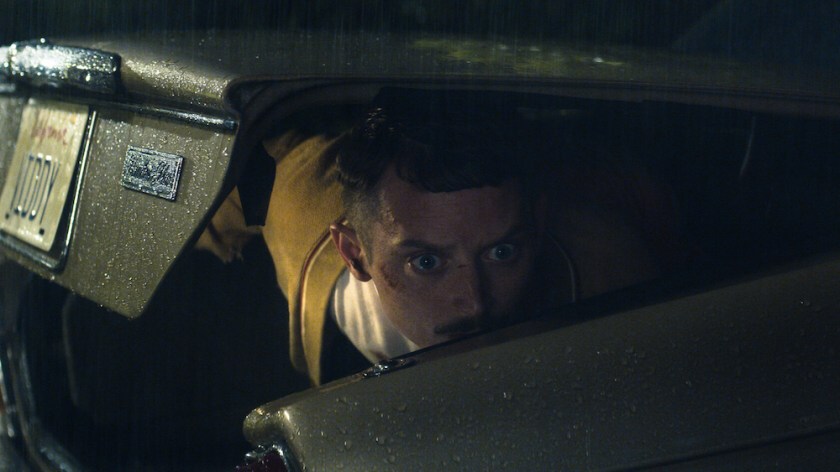
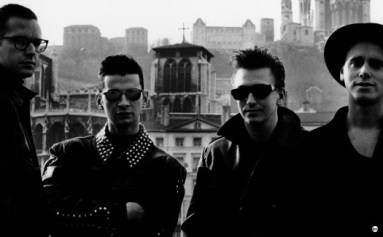 If I ever was to bottle the essence of my late teenage angst circa ages 16-20, it would smell a lot like Depeche Mode.
 Depeche Mode can roughly be broken up into three periods – their lighter “synth pop” phase of the first couple albums, when Erasure’s Vince Clarke was in the band, the “imperial phase” running from roughly “Construction Time Again” to “Ultra” when they pretty much ruled the proto-emo world, and the more muted, less omnipresent latter Mode, after Alan Wilder left the band, which continues pretty much to this day.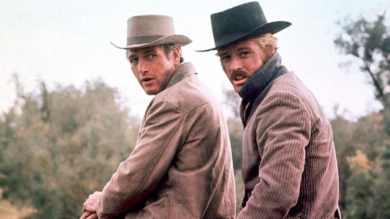
 The movie begins and ends with sepia tones, homaging an imagined western past that America has fetishised for decades. But in between “Butch Cassidy” is a determinedly modern movie, with Joss Whedon-worthy jokes being cracked left and right by Cassidy and the Sundance Kid. Rather than the stoic masculine glares of an Eastwood or John Wayne, you’ve got Paul Newman’s motormouth Butch, whose first act of violence in the film isn’t a grim showdown – it’s kicking someone in the nuts. Meanwhile, Robert Redford’s Sundance Kid is the more traditional hero of the two, but he still shows cracks in his western hero facade.
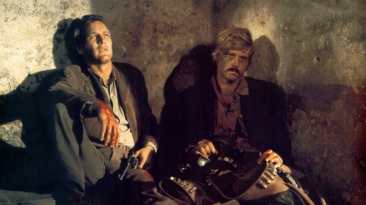 “Butch Cassidy” is one of those pivotal movies of the ‘60s and ‘70s that forever cracked the old of the traditional heroic figure. The reason it still seems so relaxed today is that we’ve been surrounded by Butch and his offspring for years. Long may they ride.
 Nik Dirga