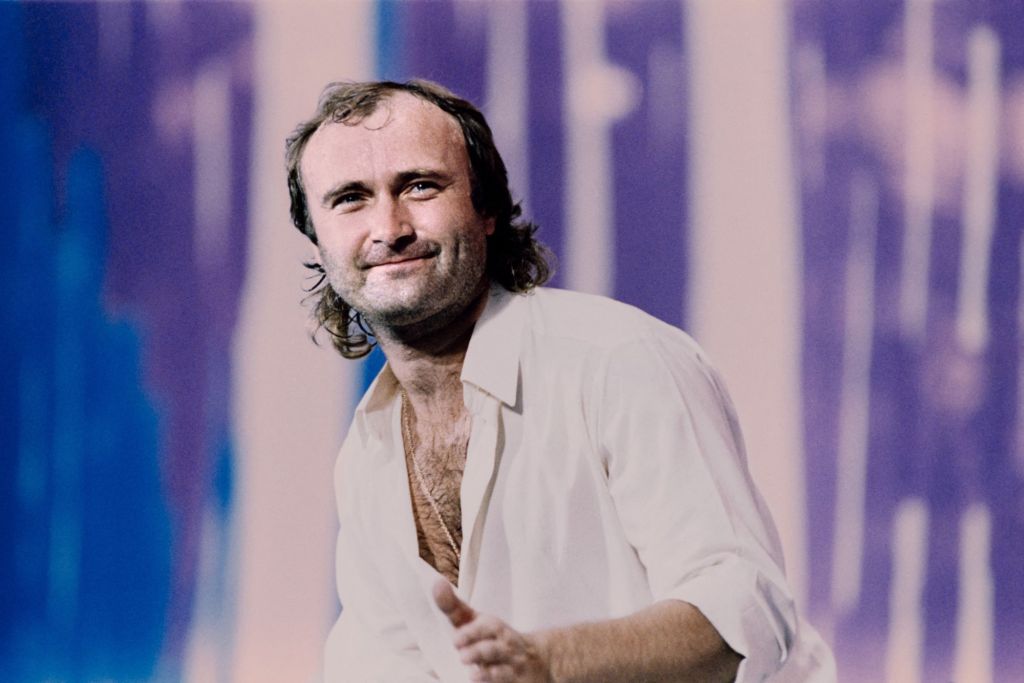
Musical tastes change with age, I get it. But no matter how cool you think you get, the stuff you loved when you were 14 years old will always be your secret love.
So it is with me and Phil Collins, whose best work I’ve always got time for, no matter how much other stuff I listen to.
Phil’s third and best solo album No Jacket Required came out 40 years ago this year, and 1985 really was the peak of Phil-mania or Collins-palooza, whatever you want to call it. The guy was everywhere for a year or so there. And boy, some people hated that. Not me.
In the summer of 1985, I nerdily rocked out to Genesis’ later albums with Phil and company and the gloriously cheesy video to “Don’t Lose My Number.” There was something about the best of Phil’s songs that excited me – perhaps it was the way Phil’s sincere voice always made everything sound so darned dramatic, or his drummer’s sense of rhythm pushing along the tunes.
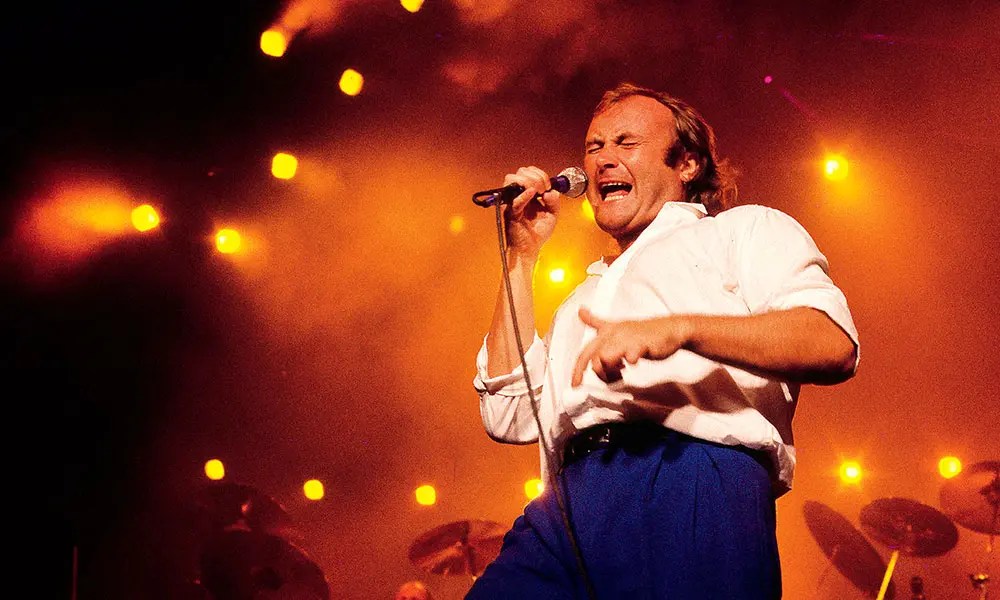
I wouldn’t classify Phil as an innovator, but when it came to pop hooks, the man could cook. That unforgettable drum burst with “In The Air Tonight,” the melodramatic urgency of “Don’t Lose My Number”’s chorus, the soaring keyboard riff that opens the banger Philip Bailey duet “Easy Lover.” Even the annoyingly catchy chorus of “Sussudio,” a song folks love to hate, is a bona fide earworm of amiable gibberish.
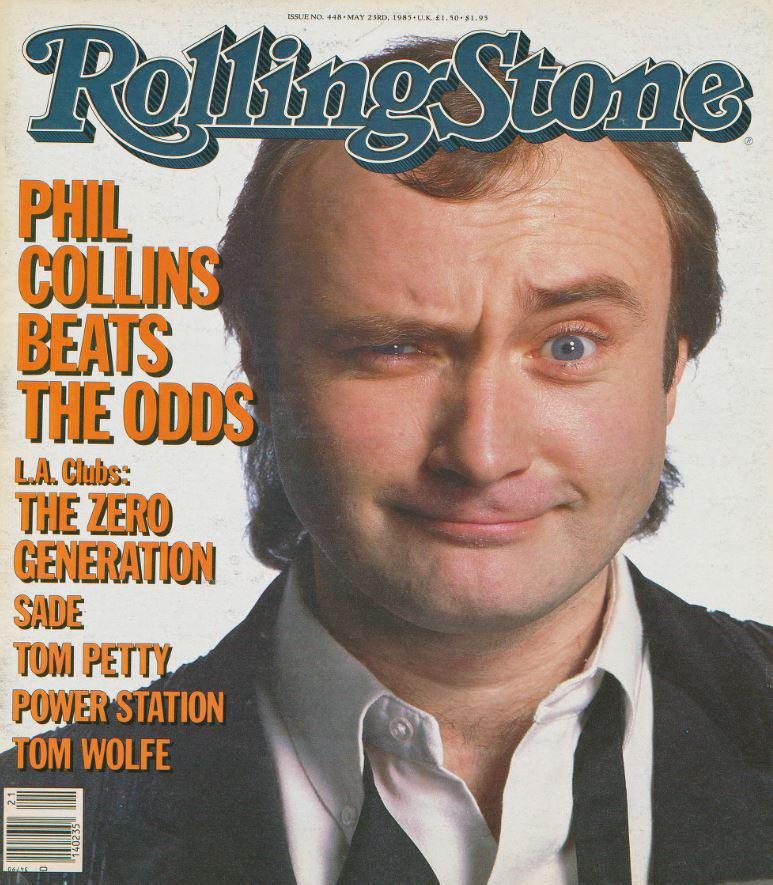
I think what struck me all those years ago on MTV was Collins’ seeming normalcy in the heart of pop stardom. Balding and ordinary, he was the odd man out against flashier, more innovative stars like Prince, Madonna, Michael Jackson or Springsteen. He wore Members Only jackets and had a mullet. He’s a history nerd who collected Alamo relics. He felt relatable. I’d never be a George Michael, but maybe I could be a Phil.
And even though I’m a diehard Peter Gabriel fan until the end, I’ll quietly under my breath admit that when it comes to Genesis, I kind of listen to the radio-friendly Phil years more than I do the proggy Gabriel era. Listening to the vaguely proggy Abacab at a church ski camp felt slightly subversive. And none-more-’80s blockbuster “Invisible Touch” for the win, man.
Unfortunately there’s a kind of weakness in Collins’ work that only increased with age – his tendency for mawkish ballads. His solo albums tended to be a mix of ballads and rockers – some very good ballads too, like “Against All Odds” or “Take Me Home”, but somewhere around the unfortunately foreshadowing album But Seriously… Phil got more sappy and less sassy, singing about poverty and apartheid instead of Sussudios.
By 1993’s Both Sides album he slipped mostly into bland soft-rock territory and the hooks of his grand early solo run faded away. He left Genesis and did Disney movie soundtracks and kind of like Billy Joel, he left the work that made him famous for different territories.
These days he’s basically retired at age 74 – Collins’ health has been notoriously poor the last few years, a lifetime of hardcore drumming catching up with him. Recent reunion tours saw him sitting down the whole show.
Still, from Face Value through that 40-year-old banger No Jacket Required, Phil Collins was an unlikely arena-filling superstar. And I have to admit a little bit of my love for classic Phil is sticking up for the underdog. Collins became a bit of a piñata for critical beatings over the years, even with “In the Air Tonight” becoming a classic across generations. Even in his breezy autobiography Going Back, you get the sense he sees himself as a little unappreciated.
Listening to Phil grounds me and reminds me that sometimes it’s just about whether or not the music moves you, not what the in crowd says. Even though I don’t listen to a lot of today’s pop – sorry, I’m still agnostic on the Taylor Swift question – my Phil-fandom means I try not to sneer at anyone else’s tastes too hard. If you like it, you like it.
Collins’ songs didn’t change the world, but I also can never quite entirely get them out of my head. For a musician, that’s not the worst legacy to leave. I’m too old to care about being cool now, so I’ll listen to Phil Collins sometimes and bang my head to “Easy Lover” like it was 1985 all over again.
And if you don’t like that, you can Sussudio right off, eh?






















 Nik Dirga