One of the wildest superhero narratives in comics is nearing its final act, after 36 years.
Comics legend Rick Veitch has been slowly unfolding his grand statement “The King Hell Heroica” in staggered instalments since 1990, starting with the dark satire Bratpack. The big overall story came to a halt back in the mid-1990s with only part of it done, but for the last few years Veitch has been picking it up and telling it exactly the way he’s always wanted to. There’s nothing else quite like it out there in superhero-land.
I’ve been a fan of Veitch’s work since his collaborations with Alan Moore and solo work on Swamp Thing (now also getting a well-earned revival of sorts). Veitch’s background was in underground comics and his demented, expressive cartooning always carried a rough-hewn, tactile presence.
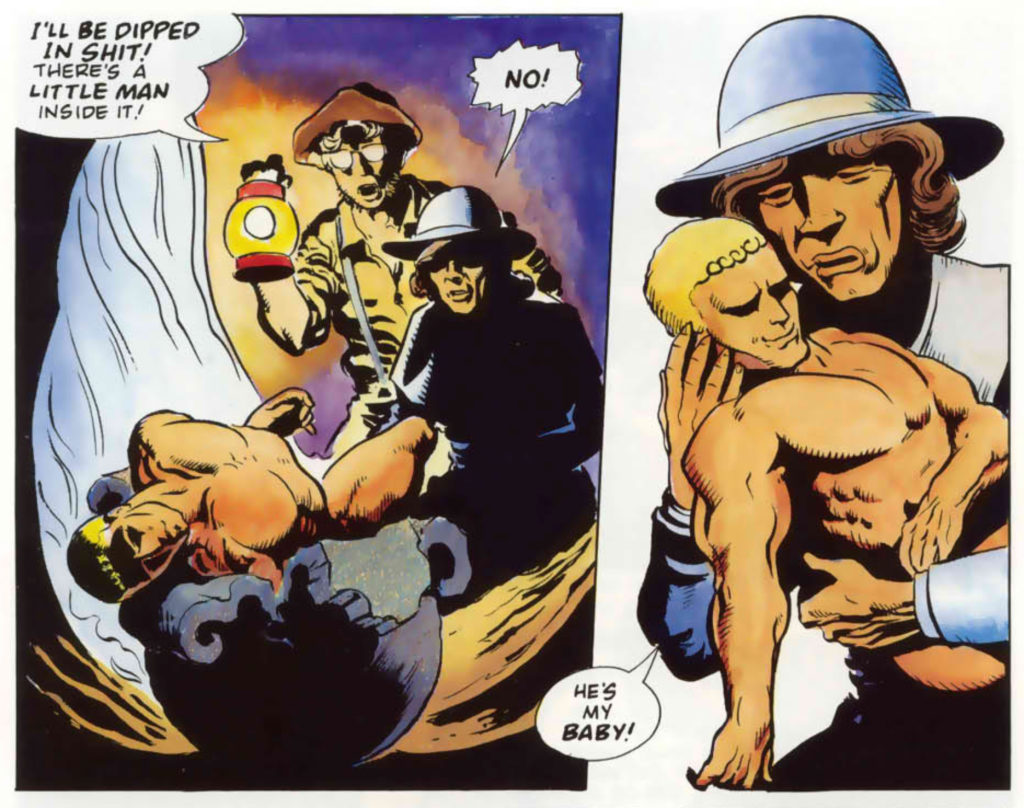
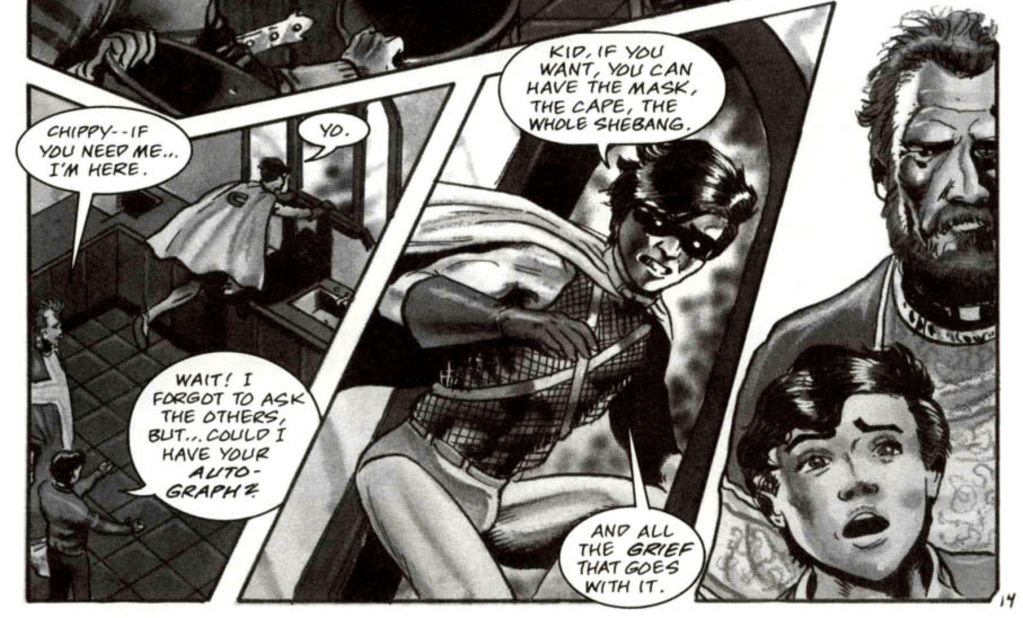
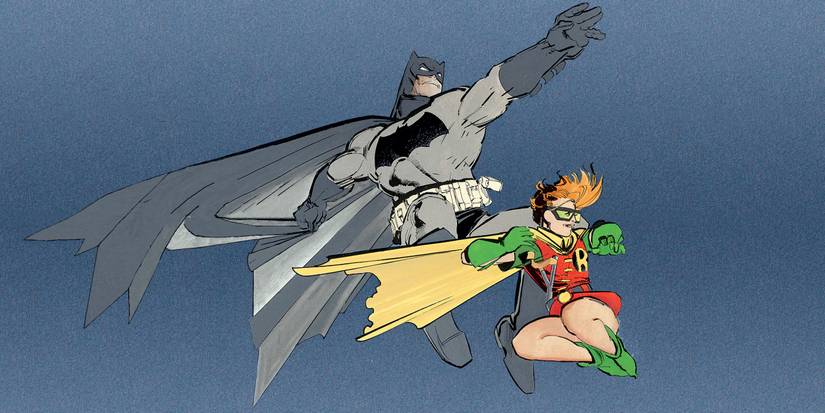
His filthy and funny Cold War superhero apocalypse The Onefor Marvel’s Epic Comics line blew my fragile little mind when it hit stands back in 1985. The One was a warm-up of sorts for the King Hell Heroica, which kicked off when Veitch’s still-boundary pushing miniseries Bratpack emerged in 1990. Bratpack didn’t hold back in its dark portrait of abused, wasted superhero sidekicks, and superheroes who were drug addicts, pedophiles and neo-Nazis. It’s a fantastic read that gets far sleazier and stranger than books like The Dark Knight Returns ever did.
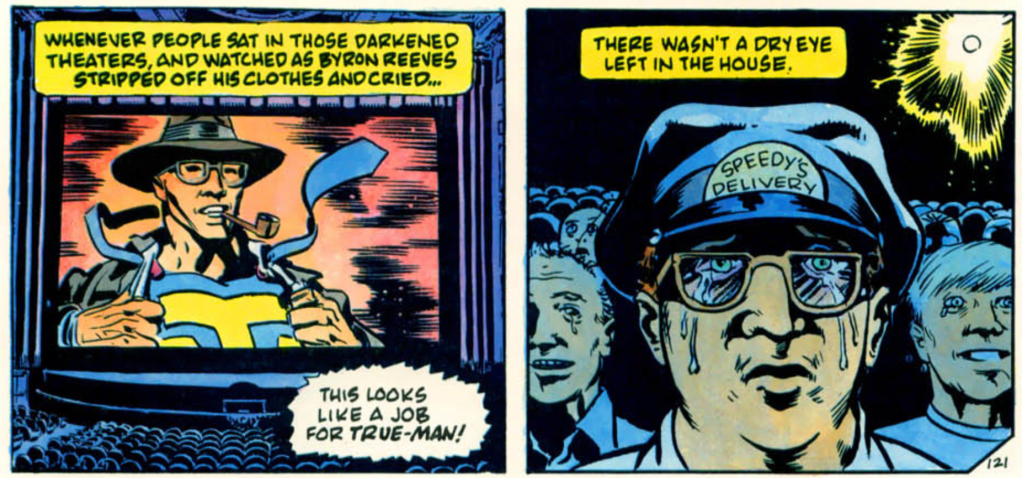
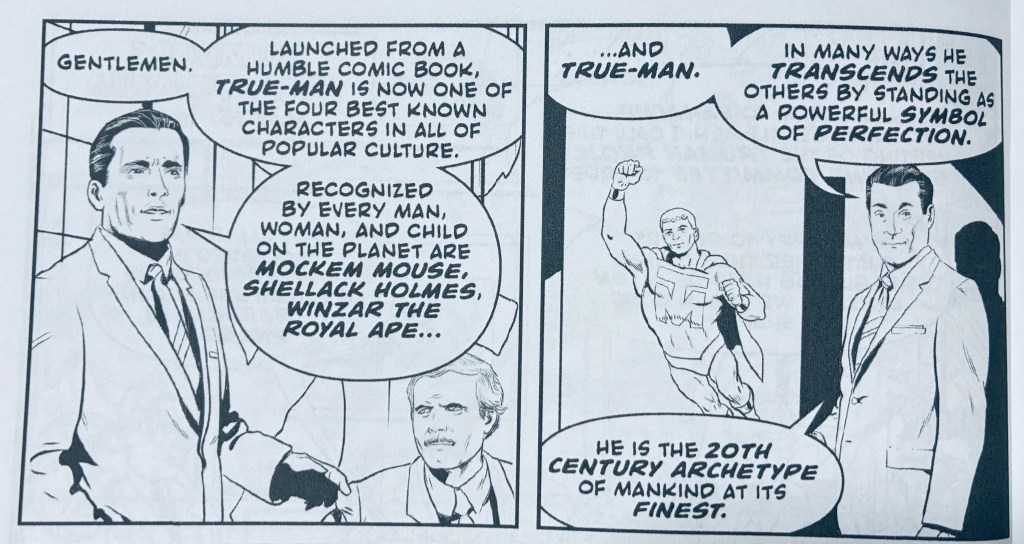
Fittingly, for this eccentric saga, it all started off with Bratpack actually being Volume 4 of 5 (shades of George Lucas!). Veitch first returned to the King Hell Heroica with 1992’s The Maximortal miniseries (which turned out to be Volume 1!), which dove into the Superman-esque mystery hero True-Man whose presence haunted Bratpack. For the first time we really started to see Veitch was doing something bigger than just naughty dark parodies of superheroes.
Unfortunately, The Maximortal miniseries then ended the story for years; even though Veitch laid out a complex 5-book plan, it seemed it would never be finished. But he brought it all back starting in 2017 or so, and it’s been remarkable watching this old narrative turn into something that’s still very relevant in our conspiracy-addled weird modern world.
I can get behind the idea of returning to a comics narrative after a decade-long break myself, and Veitch has been hitting it out the park. He has been releasing chapters from Volumes 2 and 3 in nifty little 100-page annual print-on-demand editions, and is now just one book away from finishing them. Then there’s just the final volume of this long-gestating saga, Volume 5: Death of the Maximortal. In keeping with the timey-wimey weirdness of this tangled project, the first two chapters of Volume 5 were actually released as single comic issues as Bratpack/Maximortal Super Special way back in 1996 – BEFORE books 2 and 3 but after books 1 and 4. Lost yet?
Yeah, it’s confusing, but the cool thing is, as Veitch fills in the gaps of his magnum opus, it’s all starting to make sense – in a wonderfully shaggy-dog fashion, that is.
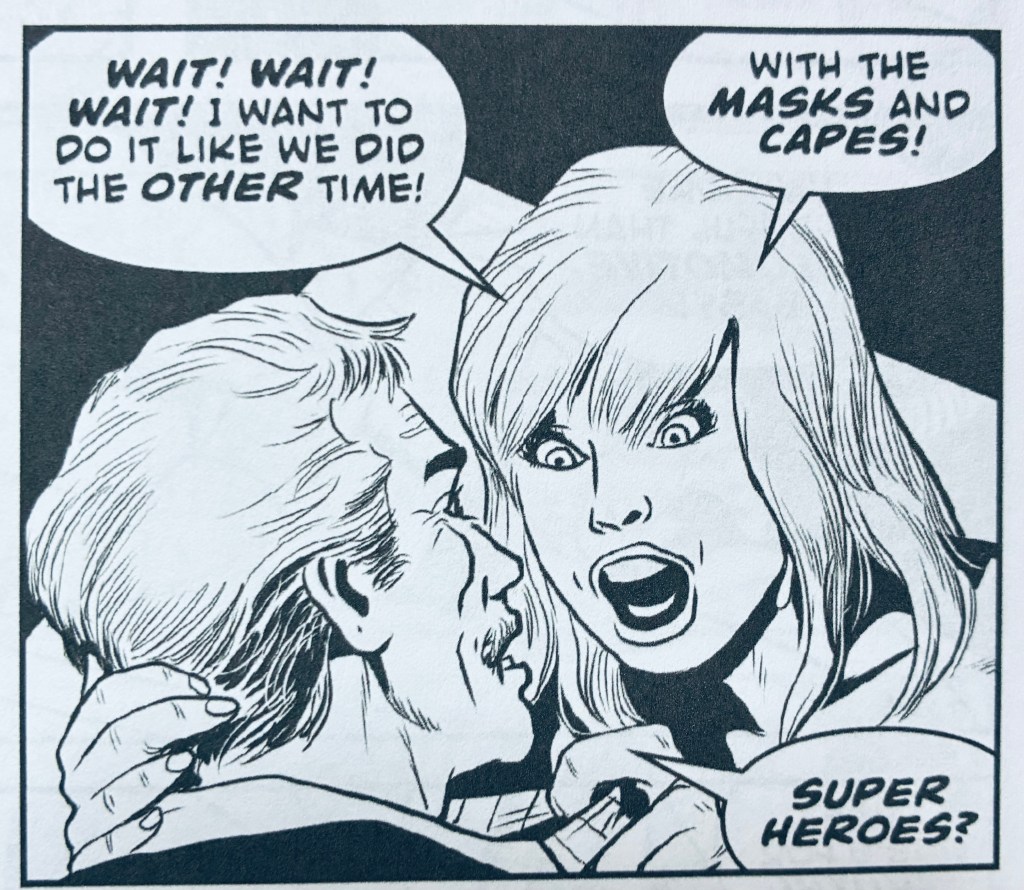
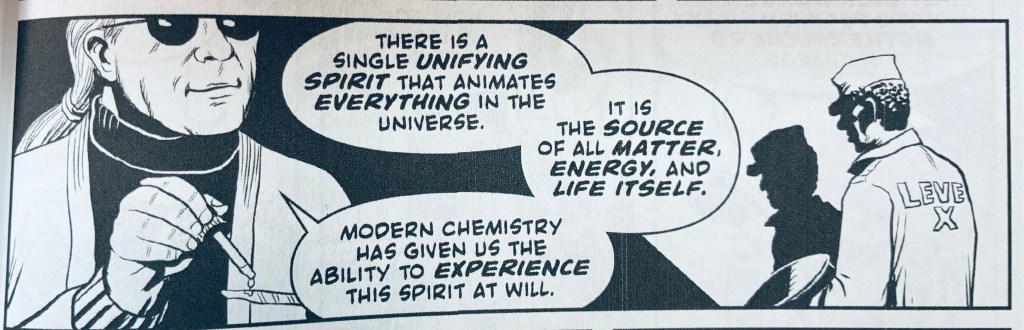
Veitch gladly embraces his underground roots with a bawdy, sometimes X-rated story that outdoes genre touchstones like Watchmen and The Boys in its sheer mad invention – there’s acrobatic sex with supermen, mass-murdering children and a big plotline involving mind-controlling fecal matter (!).
The “new” chapters Veitch has been unfolding have a different feel than Bratpack, with his art – mostly done digitally now – smoother and more polished, and the rawer, more energetic style of his earlier comics is missed a little bit. But the story has also broadened out to include dozens of cameos by actual historical and fictional figures – hello, Mad Men’s Don Draper! – and become a surreal, sustained comic romp.
It’s become a tangled secret history conspiracy story of America’s hidden superhero cold war, and Veitch wraps in everyone from Jack Kirby to Jack Kennedy to Robert Oppenheimer to Muhammad Ali and underground comics legend S. Clay Wilson in his narrative. I’m a sucker for alternative histories and love how he’s tied all kinds of flashpoints in American history to the influence of True-Man.
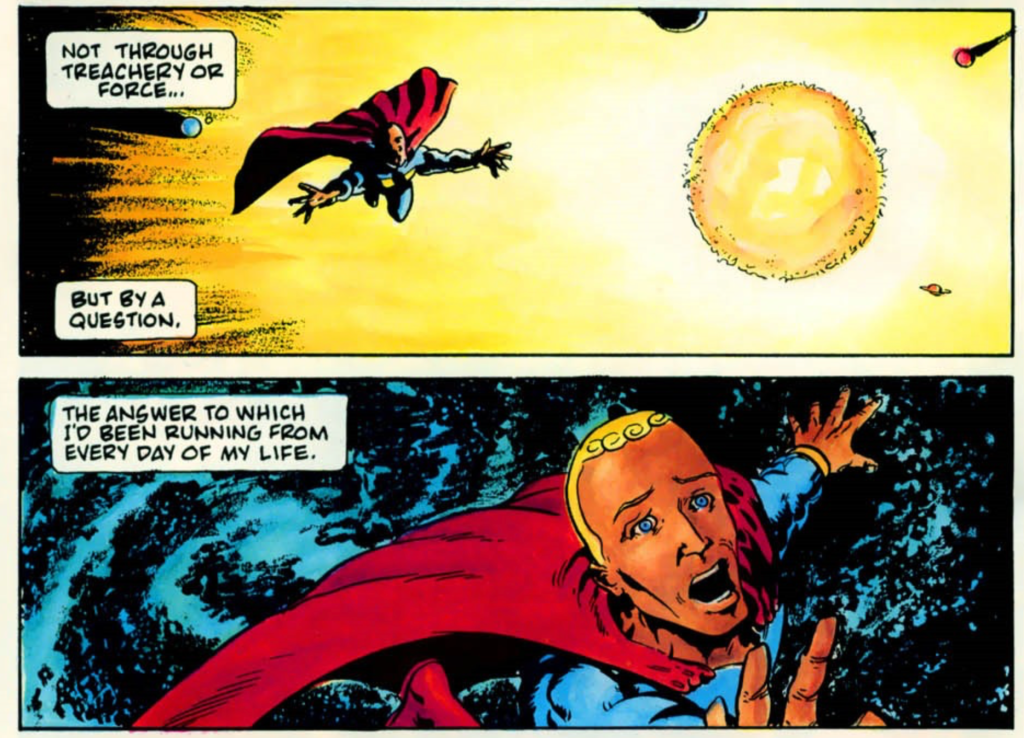
Despite hundreds of pages about him in the nearly completed first four books of the Heroica, True-Man himself remains an alien enigma – a blank slate template manipulated by us messy humans. While the King Hell Heroica narrative is full of ultraviolence and corrupt heroics, Veitch is also striving to say something profound about the spiritual nature of what a superhero might really represent for humanity.
The King Hell Heroica has been an incomplete puzzle for decades now, and I’m sure it’s changed some from what it was originally going to be way back in 1990 – Bratpack was somewhat rewritten and the ending changed after the original comics came out, for instance. “What’s great about print on demand is that it allows me to pursue my muse without having to think about any market at all,” Veitch said in an interview.
There is a risk it may all come apart in the last few hundred pages, of course – we’re just starting to see the seeds of the Bratpack cast of utterly debauched “superheroes” and their sidekicks enter the story, and the mystery of what exactly the aliens that kicked off the whole shebang are remains pretty opaque. It’s likely to get very meta, and very weird, knowing Veitch.
But to be honest, cold hard sense isn’t necessarily what I’m here for with King Hell Heroica. It’s a vibe that marries the irreverent curiosity of underground psychedelia with a thought-provoking exploration into the very idea of what superheroes mean.
Veitch is still an underground cartoonist at heart. Without a big publisher backing him or restricting him and banging away on his life’s work well into his 70s, Veitch is creating something not quite like anything else in the crowded world of edgy superhero deconstructionism.
I hope when it’s all completed and can be read straight through – maybe in the next year or two – comics critics will look back at what Rick Veitch has been trying to say these last 35+ years and give the King Hell Heroica the attention it deserves. It’s a wild, wild ride.
Was 1986 the greatest year for superhero comics? Or the greatest year for comics, period?
It sure feels like that now – Alan Moore’s triumphant Watchmen and Swamp Thing, Frank Miller’s Dark Knight, the rise of independent comics and the end of several eras.
I was a puberty-plagued 14 at the time, and didn’t really get that I was in the middle of a comics revolution. I just thought there were some pretty darned great comics coming out.
Forty years on, it’s clear 1986 was a tipping point – heralding more adult themes and endlessly innovative creators, paving the way for everything from the Marvel Cinematic Universe to a less kid-friendly, more adult-orientated industry. I’m hardly alone on this hot take – the comics internet is full of lengthy essays, podcasts and websites paying tribute to Comics ’86.
It was the end of a lot of things – long-running books like House of Mystery, Sgt. Rock and World’s Finest had been cancelled, Jim Shooter’s New Universe briefly flared into being and the perpetual events era began after the success of Secret Wars and Crisis On Infinite Earths. Comics got darker and a lot less carefree and the over-the-top excesses of the 1990s were heavily foreshadowed, but in 1986, for a little while it really felt like comics were doing something amazing. After 1986, they were never quite the same.
Trying to compose a list of my favourite 12 comics I read in 1986 was daunting. It easily blew past 10, and could’ve hit 25, such were the riches. There’s still an awful lot more I could include – John Byrne’s Man Of Steel, Batman: Year One, Denny O’Neil’s The Question, Rick Veitch’s The One, Dark Horse Presents #1, Wonder Woman by George Perez, DC Comics’ cult classic ‘Mazing Man, the final issue of Marvel Comics’ Star Wars, the conclusion of Mark Gruenwald’s Squadron Supreme, et cetera, et cetera.
This list includes the expected class of ’86 canon – Alan Moore is on here a whopping THREE times and I decided to cut him off there – but also slightly less acclaimed comics that still made a big impact on this comics-obsessed brain of mine. It wasn’t all gold – there were very bad comics that I paid a lot of attention to at the time – Secret Wars II, Adolescent Radioactive Black Belt Hamsters, Mark Hazzard: Merc, etc. But when 1986 soared, it soared hard.
My 12 favourite comics of 1986
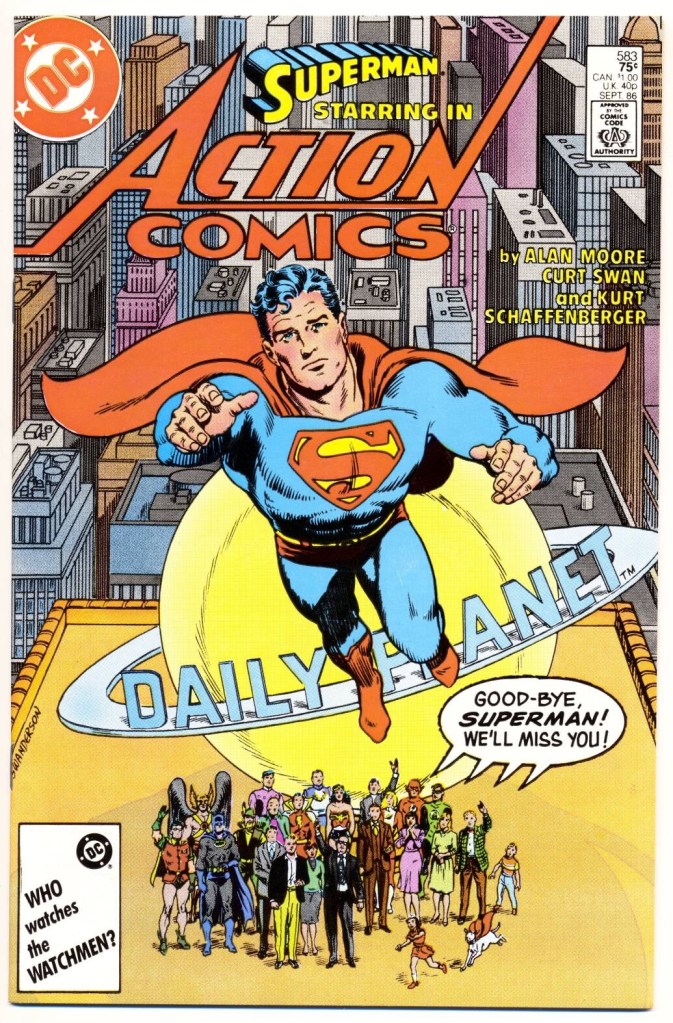
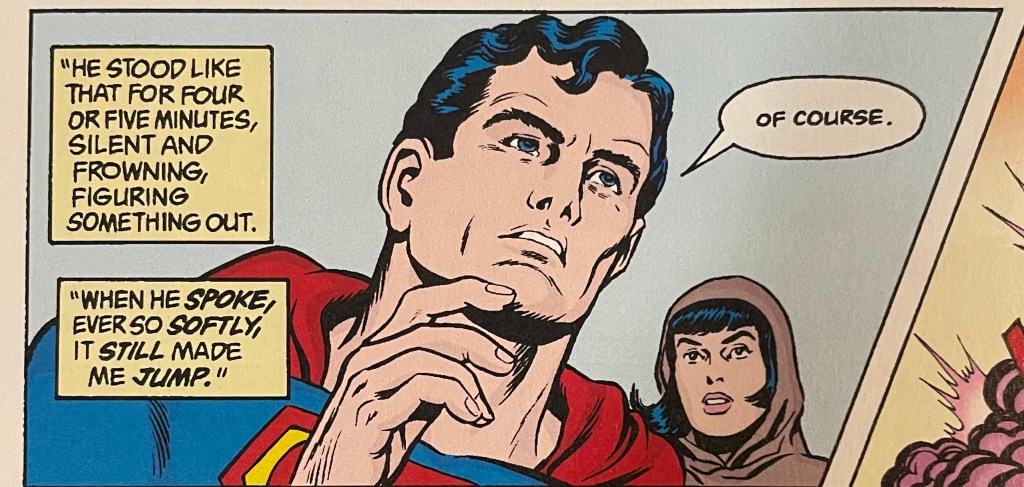
Action Comics #583 – The last Superman story – for a time. The conclusion of a two-part tale bidding farewell to the “silly” Superman to pave the way for John Byrne’s energetic slick reboot, and Alan Moore made it a beautiful, tragic and bittersweet elegy for Krypto, Supergirl, gold Kryptonite, shrunken cities and Elastic Lad. And yet – 40 years on, that “silly” Superman is alive and well, perhaps most recently captured in the great fun of James Gunn’s Superman, while Byrne’s reimagining – as much as I liked it at the time and still am fond of it – now seems as dated as yuppie jokes. A love letter to comics, with elegant Curt Swan art just like all the greatest Superman stories had.
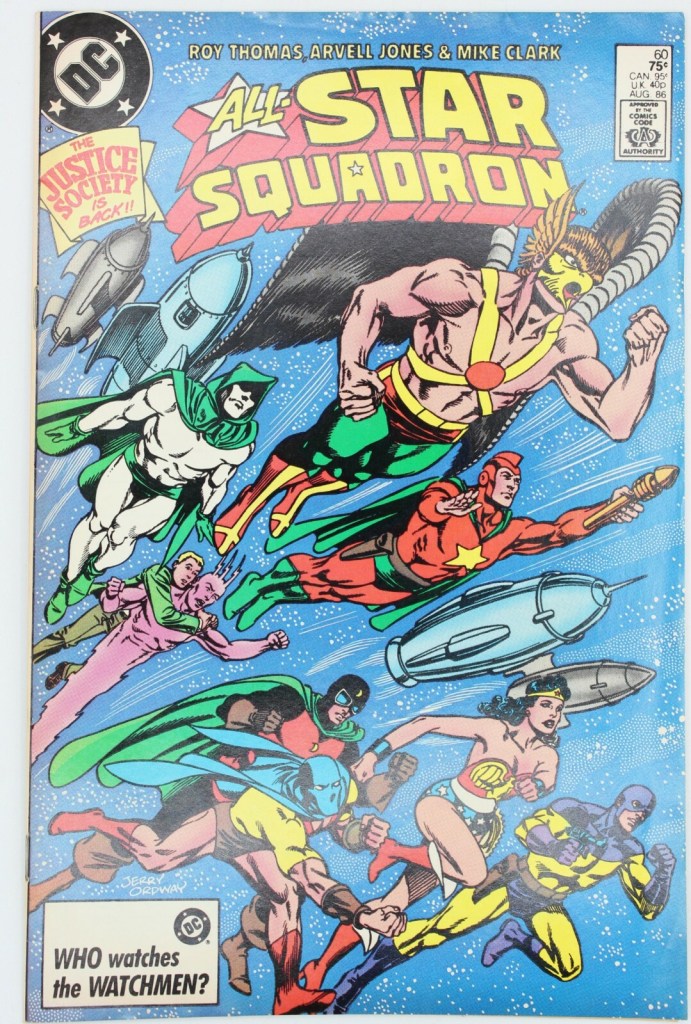
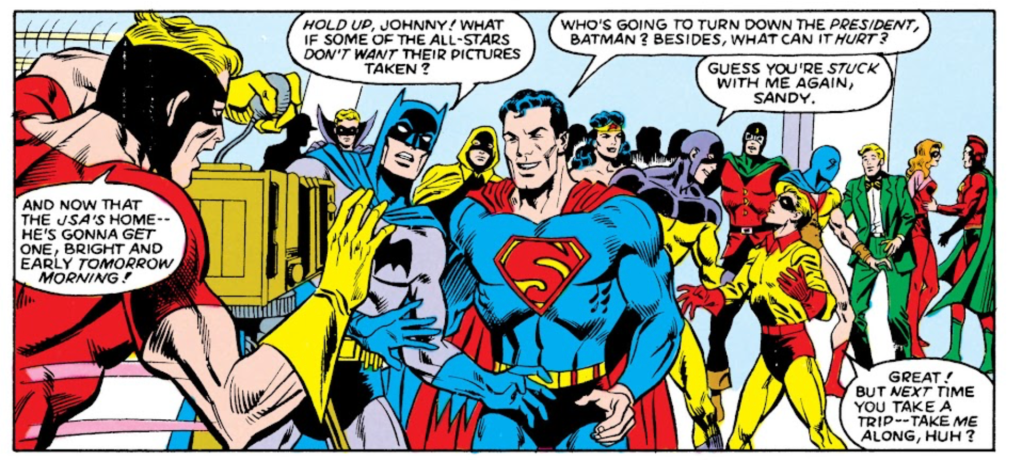
All Star Squadron #60 – Roy Thomas’ endearingly corny World War II superhero series was scuttled by the cosmic reset of Crisis on Infinite Earths, and this issue directly deals with the effects of a shifting continuity by relegating the ‘golden age’ Superman, Batman and others to non-history. A.S.S. (yes, love that acronym) was reliably meat ’n’ potatoes comics, and never flashy, but when I picked up this issue it was my first look at the series, featuring literally dozens of heroes from Liberty Belle to the Whip gathered for a kind of “class photo” image – a scene which piqued my interest at the history of superhero comics and all the colourful characters it held. One of the most appealing things about comics to me is its vast cultural history, and this was my gateway drug into it. All-Star Squadron, which sputtered out at #67, was the end of an era for superhero comics but didn’t mean it was the end of nostalgia for the past, which still drives big chunks of the medium to this day.
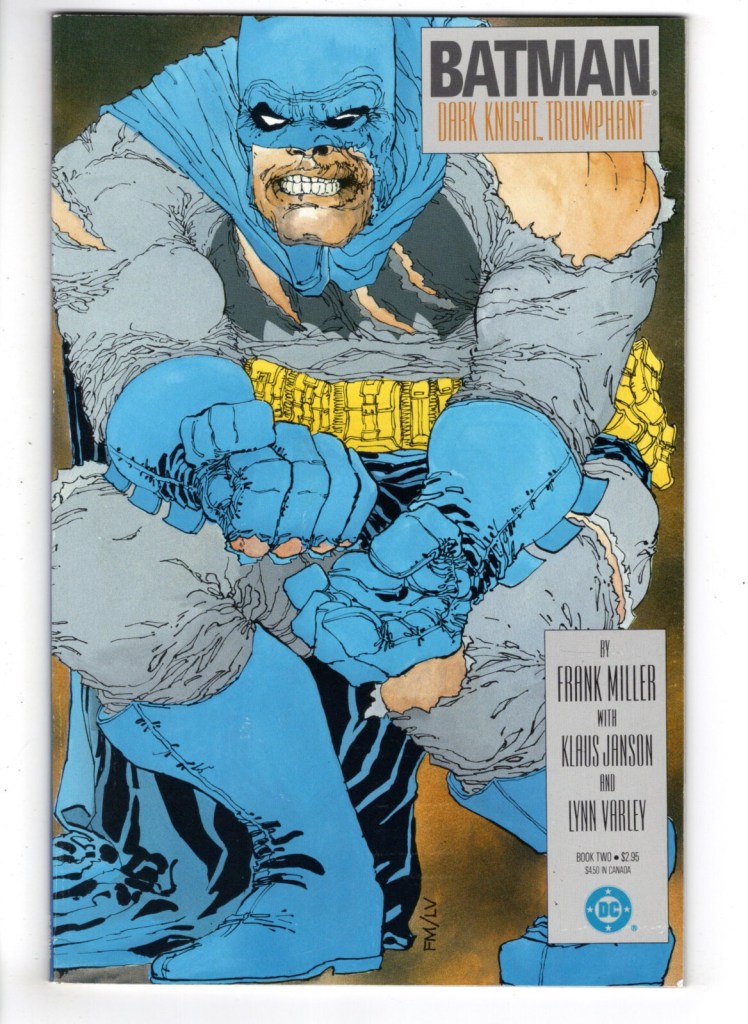
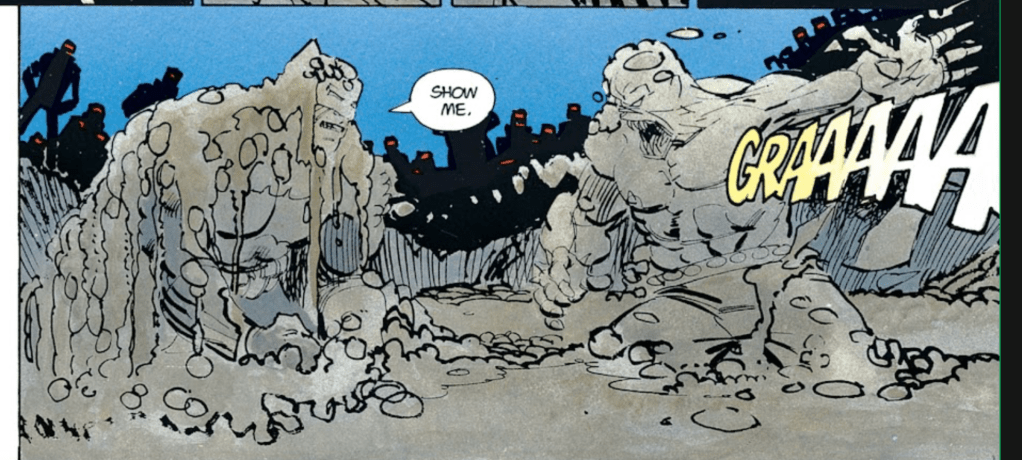
Batman: The Dark Knight Returns #2 – Yes, issue 2! Pre-internet and relying mostly on tattered copies of the Comics Buyer’s Guide newspaper for info about the world, I missed the boat on the first issue of Frank Miller’s iconic Bat-reimagining, so I grabbed the second issue instead. From that snarling, cramped and feral Batman cover image to the savage Mad Max mutants who were scarier than the Penguin and Riddler ever were, Miller stamped a giant footprint on Batman stories that raised him to the level of mythological icon. Paired with his Batman: Year One tale (stunningly, out the same year), 1986 became the year Batman took over superhero comics – which to be honest, he still pretty much rules over today.
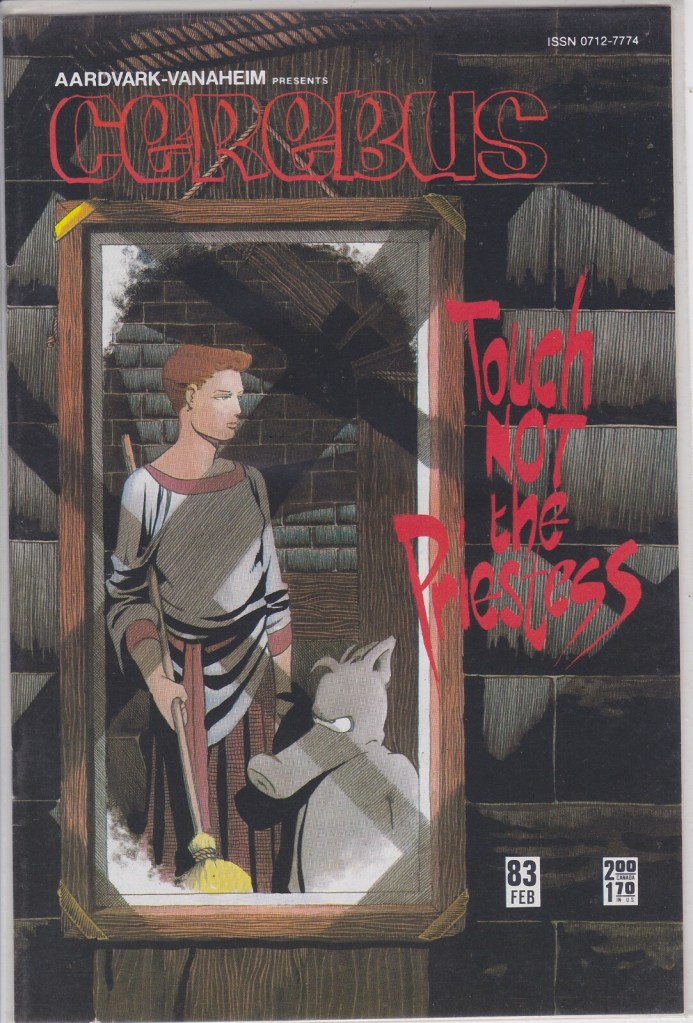
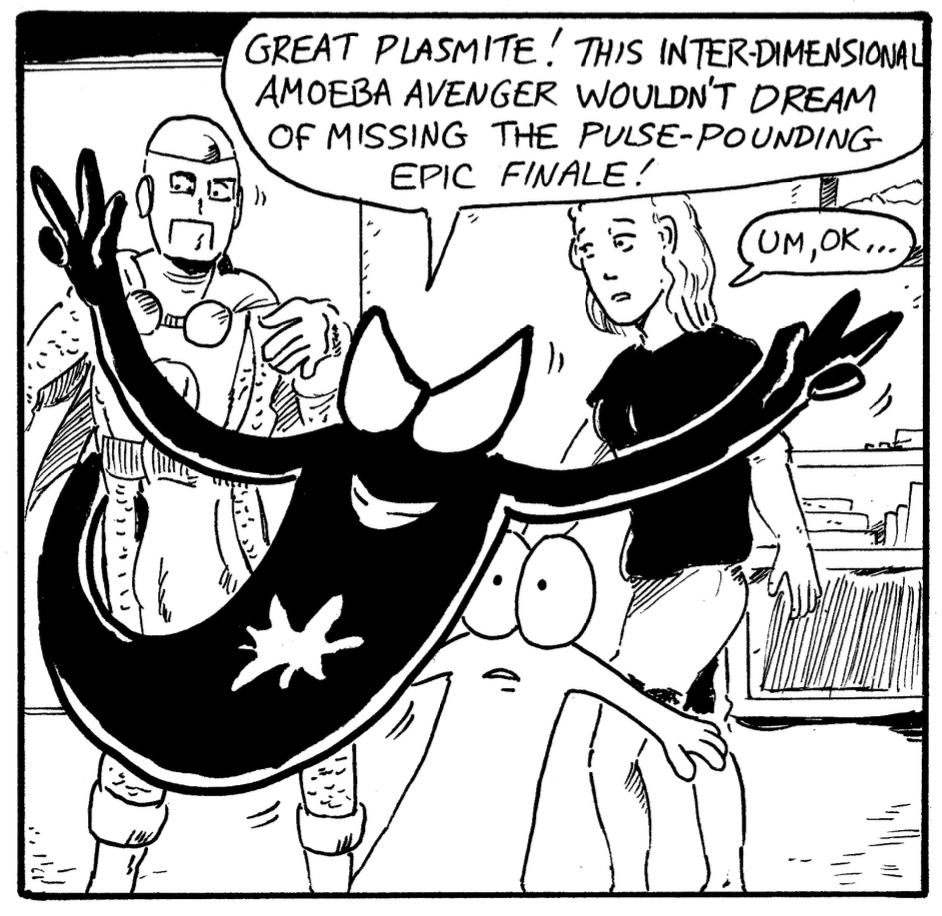
Cerebus #83 – I can’t overstate how important Dave Sim’s quirky Cerebushas been in my life, even if it came completely off the rails in the second half of its 300-issue run and the controversial Sim, to be charitable, went down some strange and unpleasant rabbit holes. This was the first issue I ever sampled and felt almost calibrated to baffle the uninitiated – Cerebus basically spends the entire issue listening to some dowdy housewife talk. It was, to be honest, kind of boring. And yet… I was intrigued, by the gorgeous craft of Sim’s cartooning and Gerhard’s background art, which felt so handmade and sincere compared to superhero comics, and I was fascinated by the much bigger world this comic hinted at. I was soon hooked into the wild ride of the ongoing “Church and State” storyline and the epic saga that unfolded. Even when it got bad – and it got very bad – I hung on until the final 300th issue in 2004. Whatever happened since, Dave Sim’s Cerebus opened up a world of smaller scale, personal comics to me and directly inspired my own attempts at creating my own comic Amoeba Adventures.
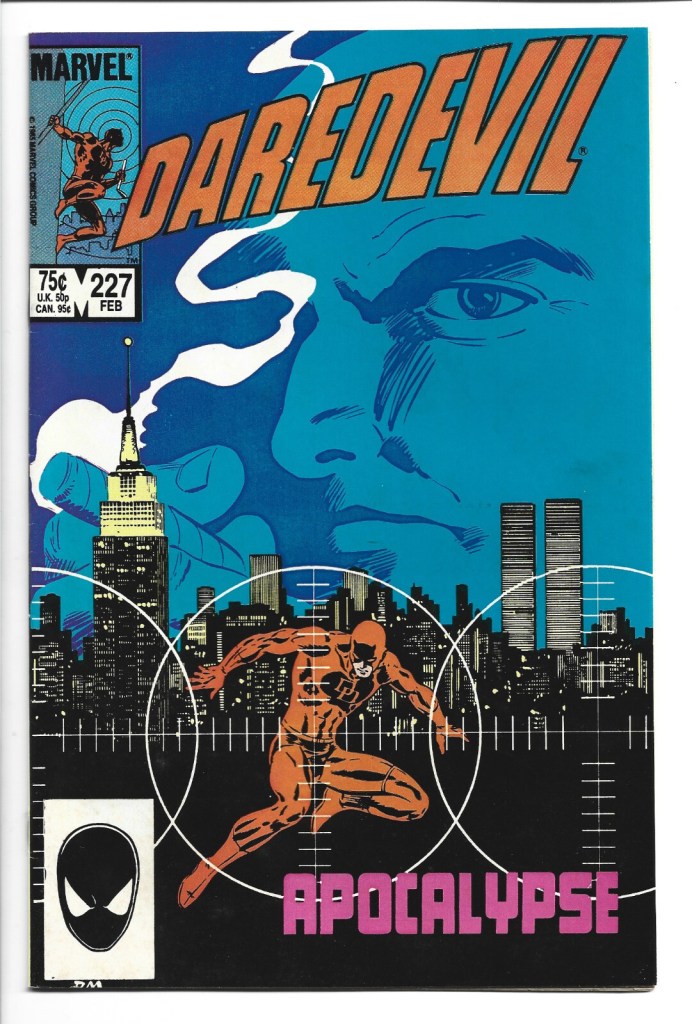
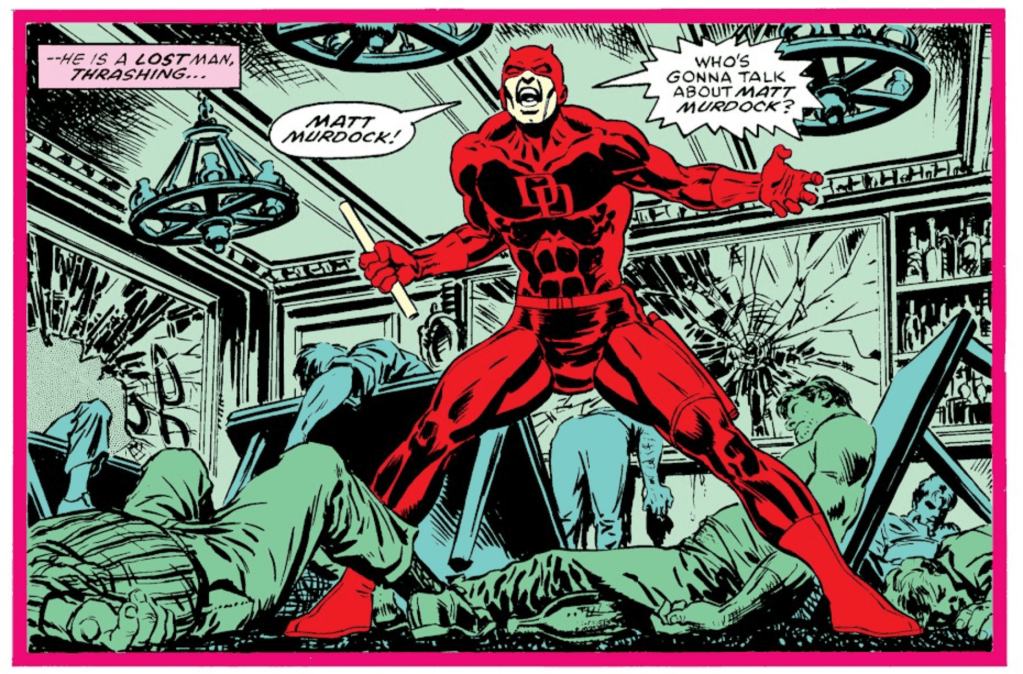
Daredevil #227 – Honestly, how did Frank Miller manage 1986, with the Dark Knight, Batman: Year One and Daredevil all hitting? With this issue’s start of the “Born Again” saga, he kicked open the doors. His return to Daredevil with artist David Mazzucchelli is still a high-water mark for comics noir, a classic tale of collapse and redemption for poor beleaguered Matt Murdock. Miller’s flinty script is hard-boiled before his work started to become self-parody, and Mazzucchelli – whose dazzling brief stint in mainstream comics was like a comet in the night – delivered perfectly-paced cinematic violence and angst that still make this the greatest Daredevil story ever told.
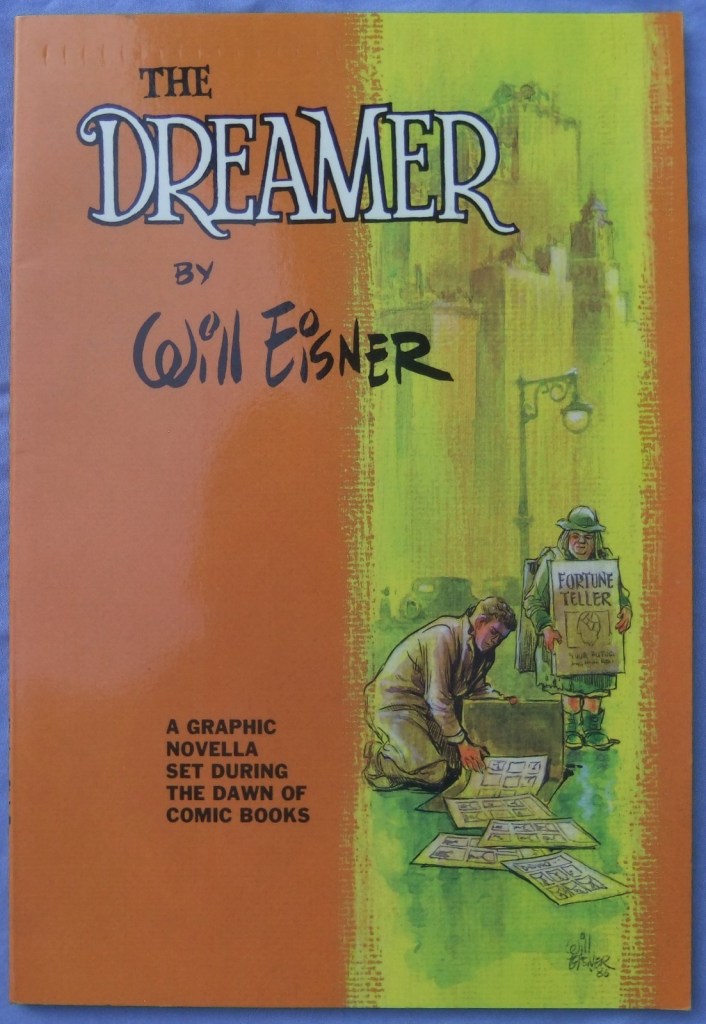
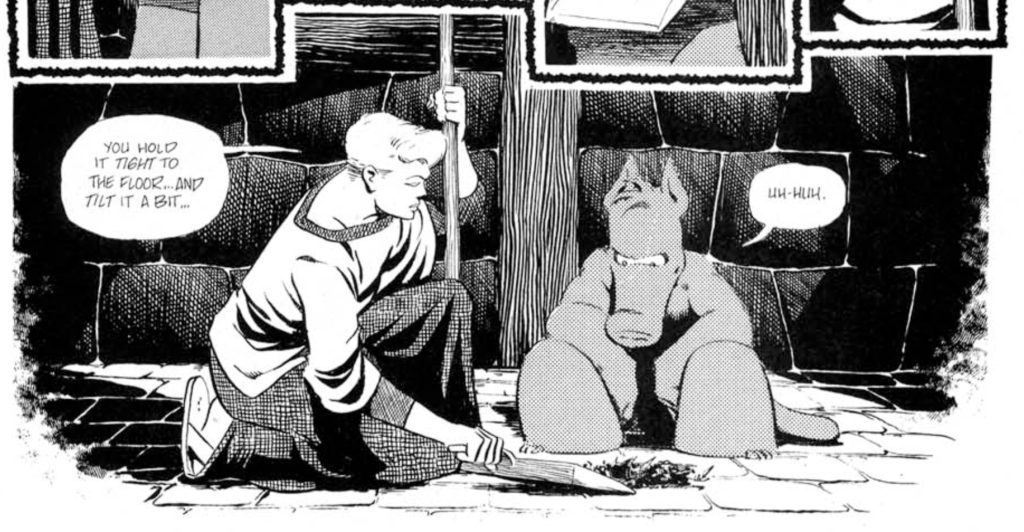
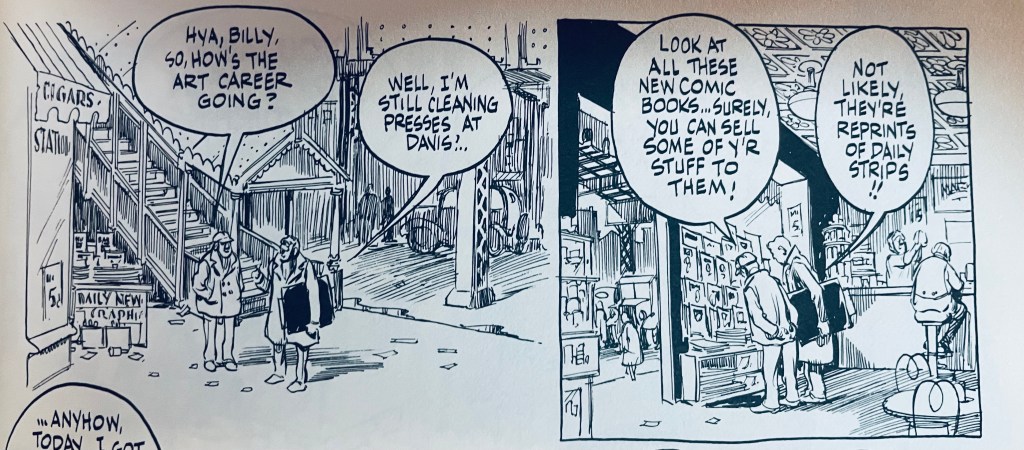
The Dreamer by Will Eisner – I first learned about Will Eisner through Kitchen Sink Press’s Spirit comic reprints, and in 1986 his “graphic novella” The Dreamer came out, an autobiographical tale of the early days of comics filled with hucksters and hypesters and a young kid (an Eisner stand-in) trying to keep some principles in a corrupt world. Graphic novels were still a bit of a novelty then, and Eisner’s fluid, dynamic realism captivated me – he was drawing real people, doing real things! – and I soon got sucked into A Contract With God, and so much more. A letter from Will Eisner offering encouragement for my silly fanzine Amoeba Adventures comics remains one of my prized comics possessions. The man was a dreamer, and we need more of those.
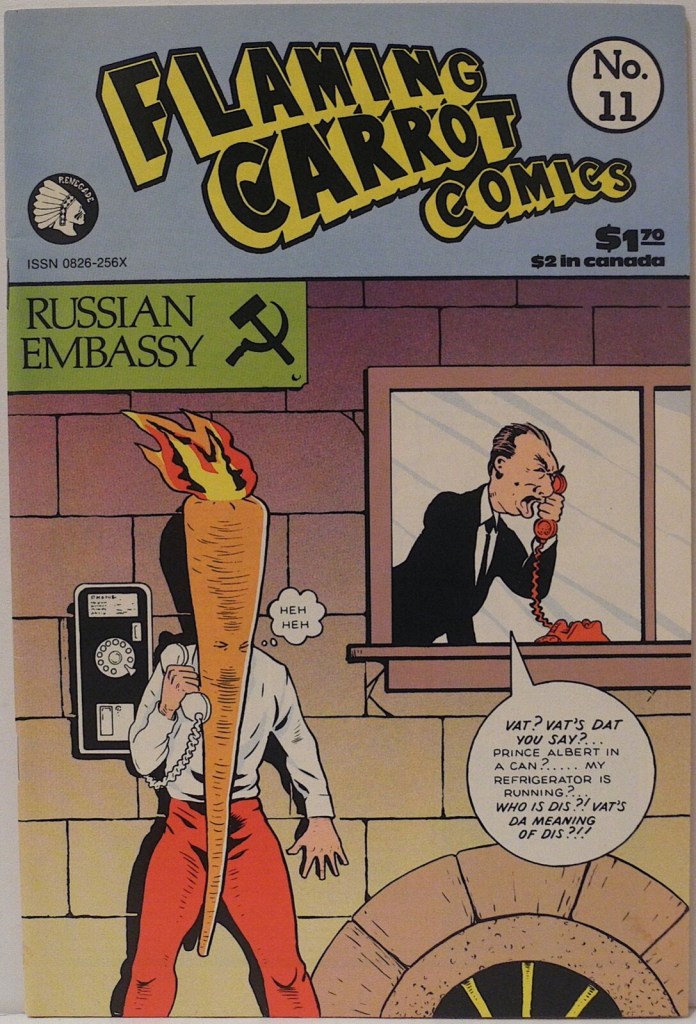
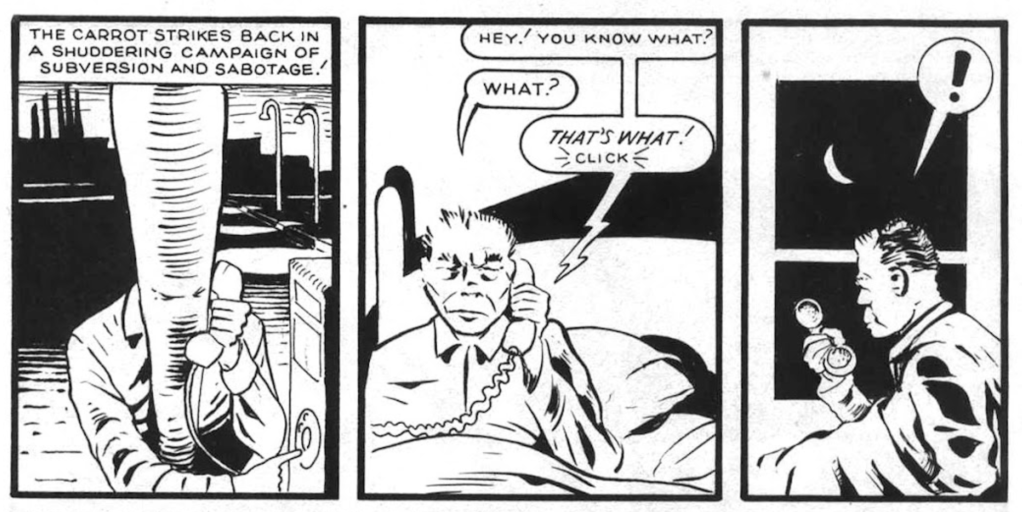
Flaming Carrot Comics #11 – Bob Burden’s surreal sort-of-hero the Flaming Carrot is a true homespun labour of love, with Burden just following his own weird muse wherever it takes him. It was a hard comic to find back in the day – I found #5 somewhere around 1985, and didn’t stumble on a new issue until 1986’s #11, the last part of a goofy saga about dictators, revolution and wacky jokes. What appealed to me was Burden’s comic sensibility and his unpolished but charming art – some of the panels look almost like woodcuts. Like Cerebus, this plucky black and white indie made me feel like anyone could do comics.
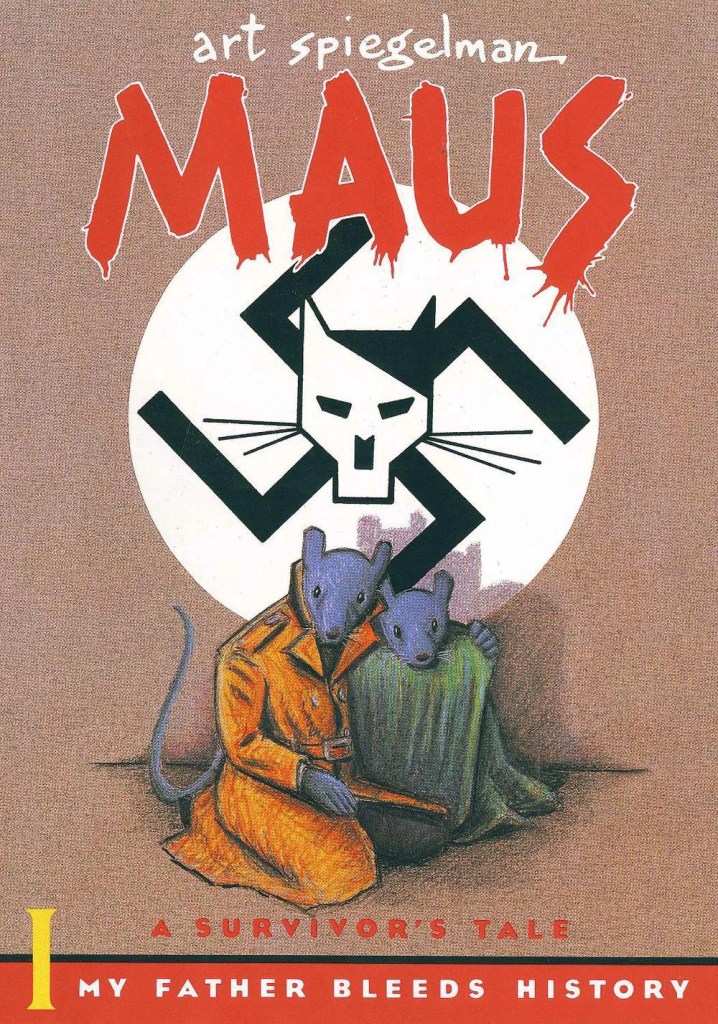
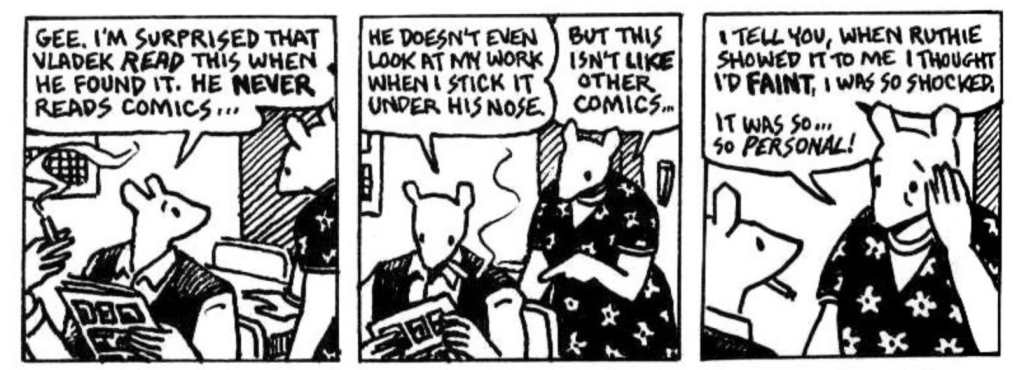
Maus, Part I – I believe I was given this sturdy Pantheon paperback as a gift, because after all, Art Spiegleman’s anthropomorphic Holocaust epic famously won the Pulitzer Prize and all and it was thus “respectable” comics. And I won’t pretend that I was instantly grabbed by it like I would’ve been by an issue of Marvel Team-Up, but this haunting and sad story sticks with you, and it took me a while to mature enough to meet it where it deserves to be. Turning one of history’s darkest eras into a tale of cartoon cats and mice may have made the horror more approachable, but it also made it linger. Yet the pages in Maus Part I that struck me the hardest were Spiegleman’s inclusion of his 4-page 1972 “Prisoner On The Hell Planet” right in the middle of the story – a harrowing scream right from the abyss as he confronted his mother’s suicide head-on, with no mice or cats in sight. I wasn’t quite ready for Maus in 1986, I reckon, but it was ready for me.
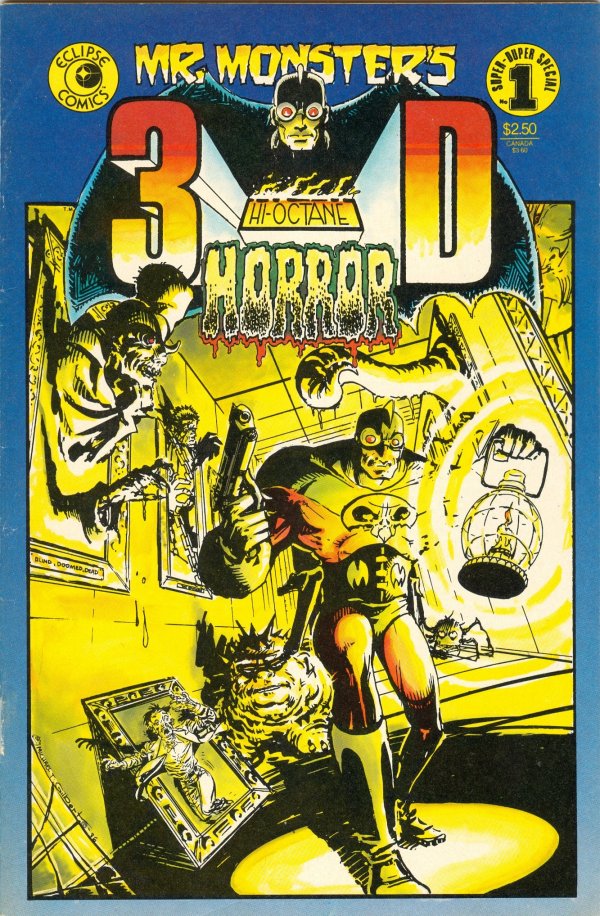
Mr. Monster’s 3-D Hi-Octane Horror #1 – Michael Gilbert’s terrific Mr. Monster is a somewhat forgotten ‘80s series, but I loved it, and this special – a selection of ‘50s horror reprints bookended by Mr. Monster hosting and presented in ripping 3-D – was an eye-opener to me, and a pathway to my love of ‘50s horror comics. I had no clue about the huge impact horror comics had on the industry and this issue – my first 3-D comic (it’s a gimmick, yeah, but the first time you see it it’s pretty amazing), like Roy’s All-Star Squadron, kindled a never-dying interest in the world of comics history.
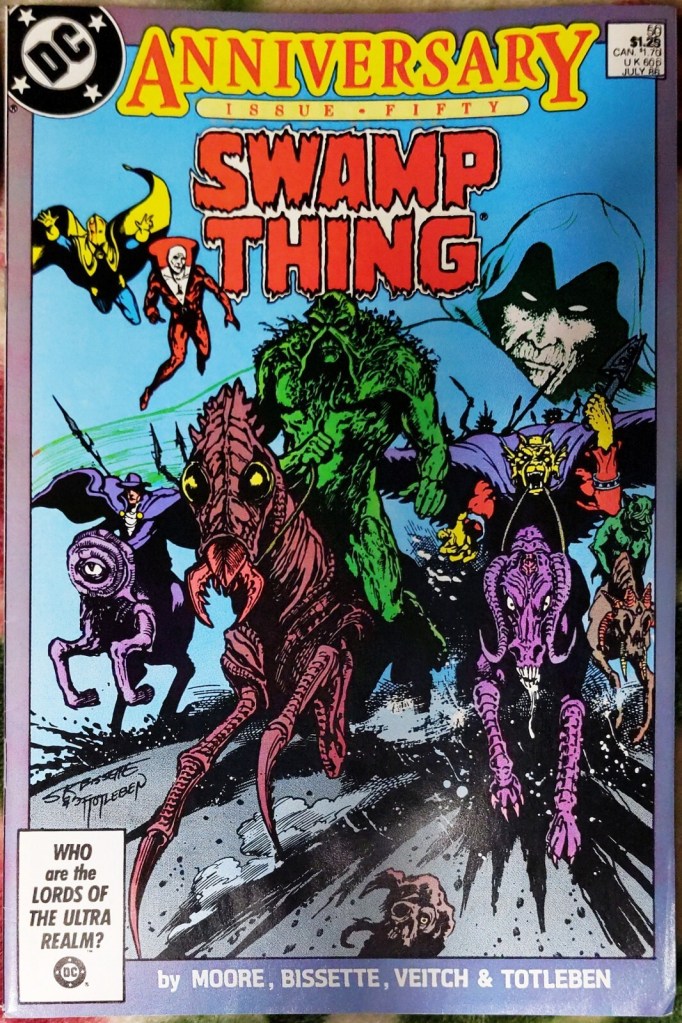
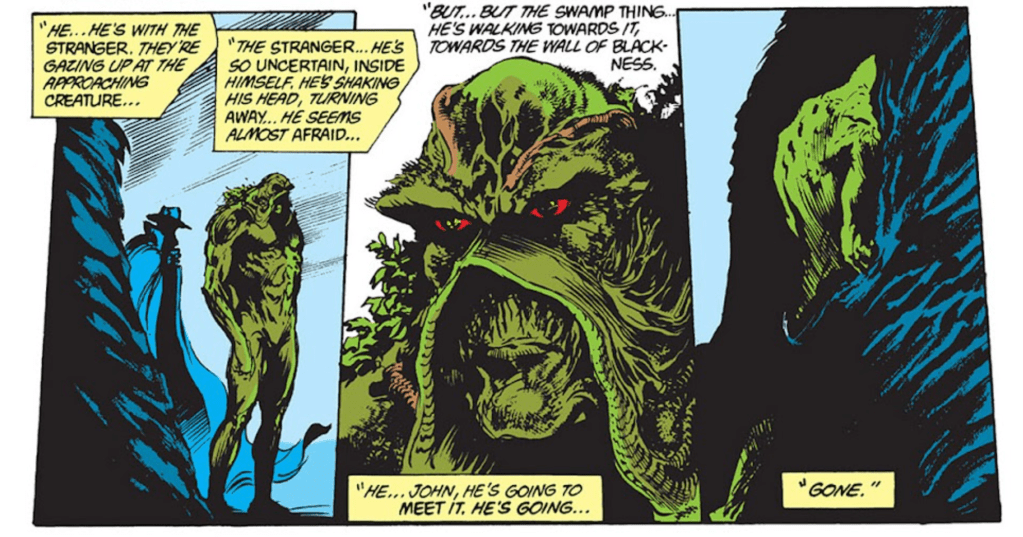
Swamp Thing #50 – Nobody else in mainstream comics was doing the kind of cosmic existential bombast that Swamp Thing #50 hit me with. Picking up this issue cold was a good way to immerse yourself in Alan Moore’s world – the conclusion of the “American Gothic” arc, it featured Swamp Thing and a whole cast of DC’s monster heroes like Phantom Stranger, The Demon and more all gathering on a battlefield in Hell to apparently, view the ultimate clash between good and evil. I had no idea what was going on when I read this comic but it slammed me like my first exposure to a Black Sabbath tune. Between the huge cast, Moore’s ornate prose with its little humane pauses and the symphonic art of Steve Bissette, Rick Veitch and John Totleben which seemed classic yet a tad filthy at the same time, Swamp Thing #50 was a full-course meal of a read. I didn’t know comics could be like this. Yeah, I love Watchmen and From Hell and Promethea and Miracleman and all the rest but in the end, this one issue of Swamp Thing is probably the Alan Moore comic I’d put in the time capsule with me.
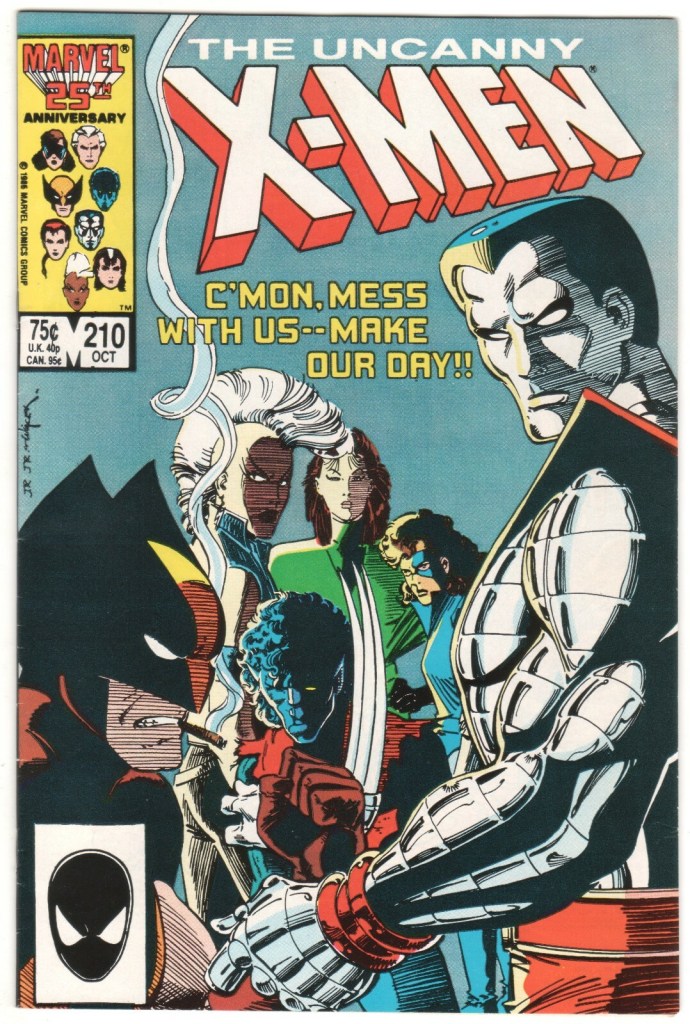
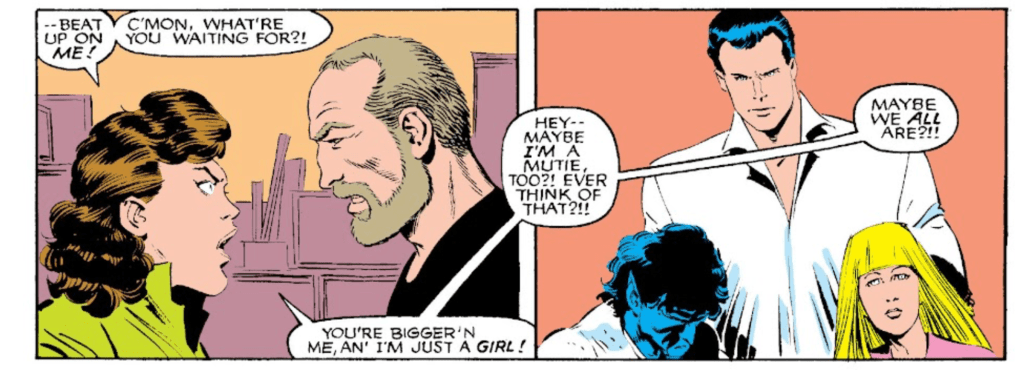
Uncanny X-Men #210 – I was hooked on Chris Claremont’s sprawling X-Men world during the surprisingly intense, gritty Brood saga, and regularly bought it from about #166 on. I loved the family he created from these misfits – in this period shortly before the X-Men became a global brand, a massive comics empire of spinoffs and tangled continuity. It was still a rich, textured soap opera, and I fell for these characters – plucky Nightcrawler, good-hearted Colossus, every boy’s teenage crush Kitty Pryde and yes, even Wolverine before he became utterly overexposed. The Claremont/John Romita run of the mid 1980s will always be my favourite X-Men era. And yet, sadly, as much as I was excited by it at the time, this issue kicked off the beginning of the end of my X-fandom. The “Mutant Massacre” that began here was a big, daring story that brutally nearly killed several of my favourite X-folk and took them off the board – goodbye Kitty, Colossus, Nightcrawler – and began a more urgent, unsettled X-era that, frankly, didn’t speak to me as much as the Claremont/Romita and Paul Smith years. I kept on reading X-Men for a few more years, into that whole Australia thing and B-raters like Dazzler and Longshot joining, Claremont’s stories grew ever more sprawling and the plot threads could fill a room – but I was gone as a regular reader by #250 or so, and while I’ve dipped into following the X-Men over the years several times, I’ve never been quite as hooked by them ever since.
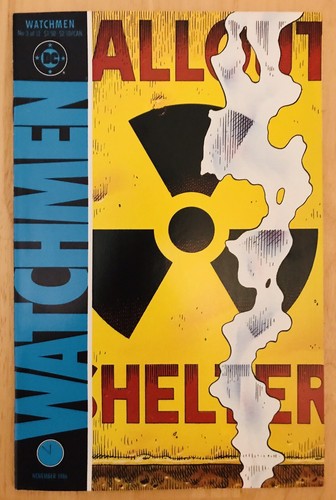
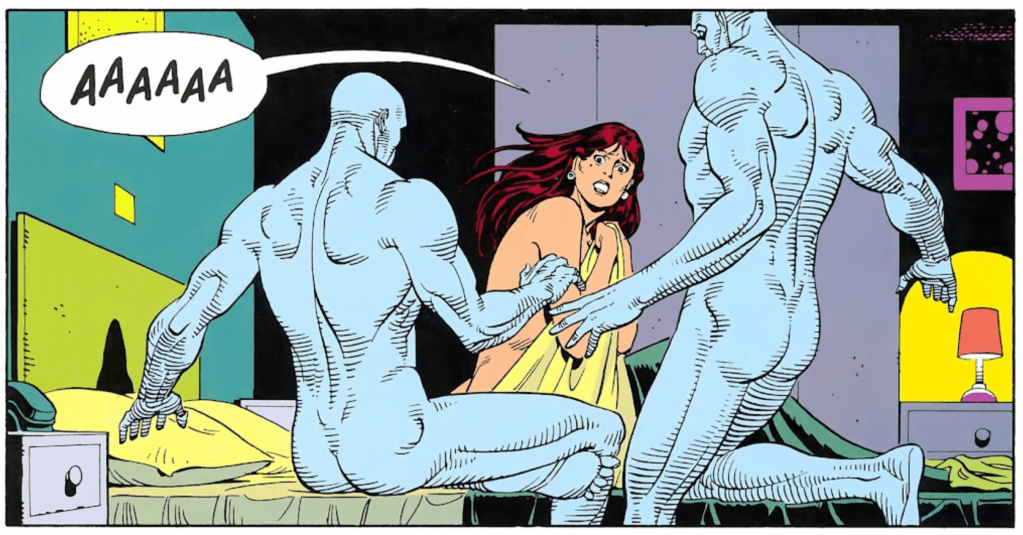
Watchmen #3 – And of course we end our list with the comic that defined 1986 more than any other, Alan Moore and Dave Gibbons’ Watchmen. The years since and miscellaneous attempts at prequels and sequels (I’m going to my grave insisting that the Superman/Watchmen misfire Doomsday Clock never happened) haven’t dulled the original comics for me a jot. Once again, just like Dark Knight, I missed the boat on the original series and first saw it with #3. So to be honest, I had no idea what was going on – what was with this pirate stuff? Is that blue guy naked? Wait, is Richard Nixon in this? But obviously, I got suckered into its charms. It was surprisingly hard to find with the sometimes limited access to comics I had then and I ended up getting some issues and not others, so even years later when I read the complete book parts of it still feel weirdly “new” to me. Like many things that have a massive cultural splash, a lot of the wrong lessons were learned from Watchmen – grim ’n’ gritty, literary pretensions, apocalyptic displays and heroes with blood on their hands still haunt comics. Yet, scrape away all the accumulated barnacles, and the original series still gets me. The characters were frail and fragile and human despite their funky costumes, and their flaws and imperfections are what makes Watchmen great.
It’s a good summation of 1986 as a whole – a year that questioned what comics could be, and realised that really, they could be anything.
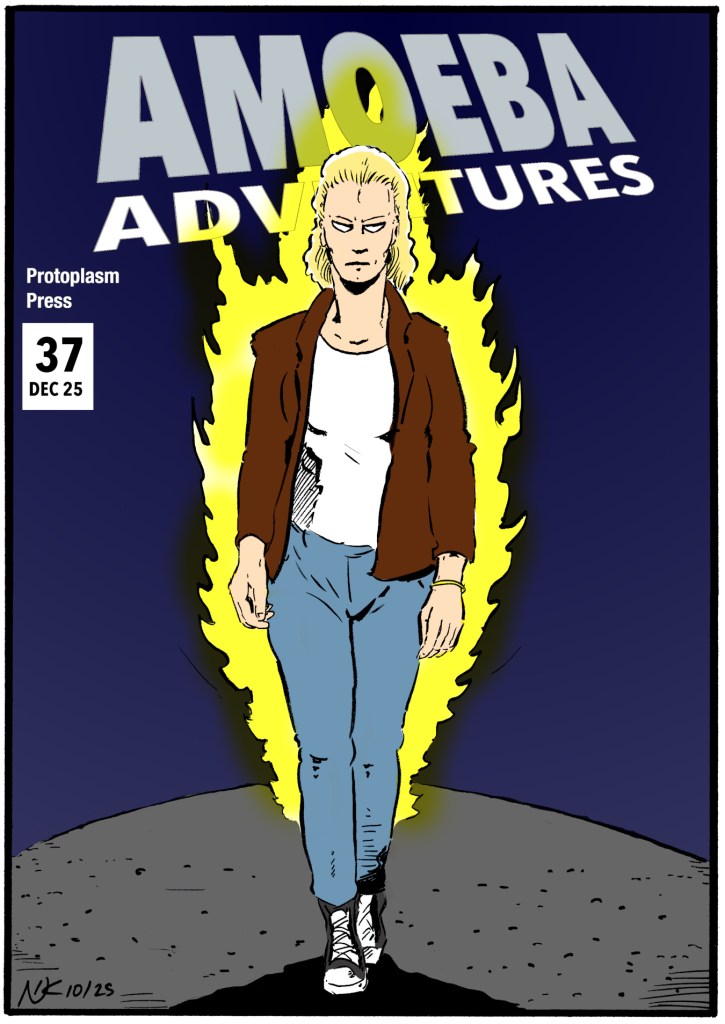
Happy New Year, world, and happy New Issue of Amoeba Adventures! The grand finale of the “The Crane Flies High” trilogy in AMOEBA ADVENTURES #37 is here for you as a FREE PDF download! It’s the latest issue in the wacky comic book I’ve somehow been putting out on and off since 1990!
Everything ends in a big way with this issue. Dr Nigel Baker’s plan is revealed and Dawn Star is out for revenge – but unexpected obstacles are going to get in her way. The All-New All-Spongy Squadron takes on its greatest challenge, and the world is changed forever – and don’t miss that last page!
You can download it right this second totally free to the technological device of your choice via the link below:
Want the limited print edition? They’re a mere US$7.50 to ship anywhere in the world from New Zealand by sending cash to me via PayPal at dirgas@gmail.com. Print copies of Amoeba Adventures #27 and 31-33 are available for $5 each and if you missed an issue, #34-36 are $5 each if you order the new issue as well!
And if you missed the first two parts of this story, they’re all available for FREE download still on the website!
Believe it or not, 2026 marks FORTY YEARS since I drew my very first Prometheus the Protoplasm strip in 1986, just a wee child in a boring science class. Who knew that all these years later I’d still be wasting my time doodling to an extremely niche audience? Look for some fun celebrations later this year as the slimeball celebrates his middle age!
Meanwhile, enjoy this latest issue, and as always thanks for your support – go read it now, and heck, drop me a line sometime and let me know what you think!
At this point, complaining about what a terrible year life has thrown at us is a bit of a cliche, eh? So yeah, bad things happened in 2025, oh boy did they … but if you try to doomscroll less and open your eyes a little more to everyday goodness, sometimes things can feel like they even out.
As always, the soothing balm of pop culture – a good book, a great album, a rad comic or a mind-blowing movie – helps make the world go down a little smoother sometimes. So, at the end of year in review week for me, let’s hopescroll, with the 10 best pop culture moments I had this year!
Amyl and Sniffers live at the Powerstation, February 16: This was not a very big year for live music for me, but I promised 2025 would be my year of punk rock because right now being a punk seems the best way to fight all this enshittification. Australia’s awesome punk rising stars Amyl and the Sniffers delivered a hell of a show, full of joyful rage and a reminder that not everyone has turned evil in 2025. They’ve already played to far bigger crowds this year than the cozy Powerstation, but I’m glad I saw ‘em when I did.
Superman saves squirrel: If you didn’t like this moment in Superman, what can I say? It’s the essence of Superman – he won’t even let a squirrel die if he can help it! and a welcome return to optimism after far too many grimdark Superman tales.
Pluribus: Breaking Bad creator Vince Gilligan’s apocalyptic new epic starring a fantastic Rhea Seehorn might be the year’s best television – full of fascinating worldbuilding and a methodical yet hypnotic pace – a welcome novelty in this era of endless distractions. While some armchair critics called it ‘boring’ because it didn’t feature Walter White blowing up stuff every episode, I don’t think they get Pluribus. It’s a unique vibe that leaves you thinking about what it really means to be human and part of humanity. I only hope it continues to pay off whenever Season 2 comes around.
The Pitt: Old-school and yet up-to-the-minute, this electrifying hospital drama was also a sharp reminder that despite all the endless glut of “content” flooding streamers with meandering plots, sometimes you can just pare everything back to good characters and plot momentum and score one of the best shows of the year.
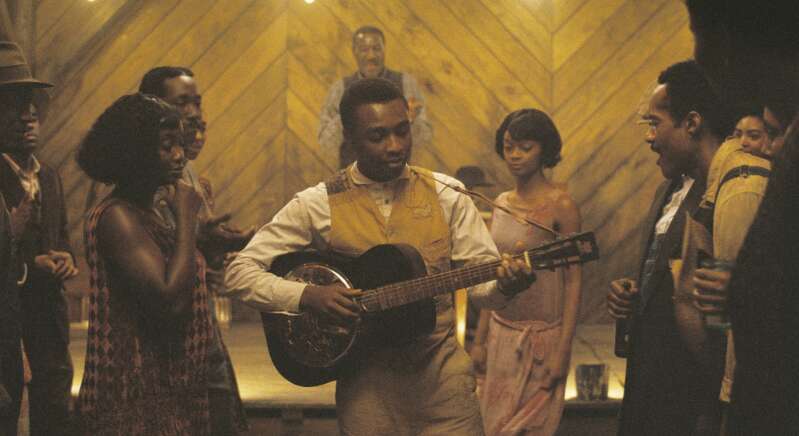
That juke joint scene in Sinners, which floored me with its sheer beautiful audacity and confidence that the audience would keep up: “So true, it can pierce the veil between life and death.”
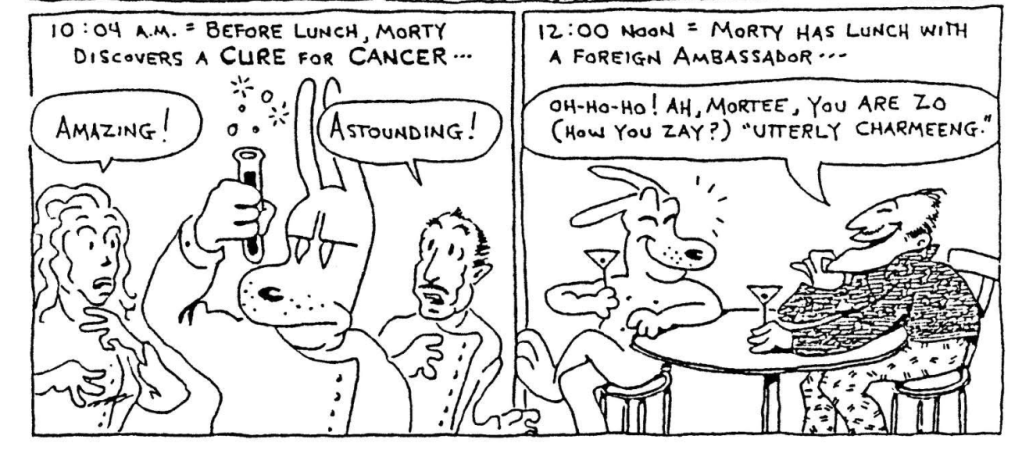
The Collected Cranium Frenzy by Steve Willis: One of the coolest little projects this year was a comprehensive reprinting of Cranium Frenzy, the surreal and hilarious small press comics of the legendary Steve Willis. Never heard of him? You should! As I’ve written in the past, Willis is absolutely one of the greats of the minicomics scene ever since the 1980s, but like most minicomics, it was literally impossible to find his work in print. Phoenix Productions have picked up the ball with five gorgeous little books collecting decades worth of work by Willis all on Amazon, well worth seeking out for the adventures of Morty the Dog and many more!
Wet Leg, moisturizer:I’m an old geezer whom Spotify now tells me is roughly 110 years ancient, but my favourite album by a “new” band this year was Wet Leg’s sprightly, sexy and hook-filled second album, a catchy fusion of alternative rock (does that still exist), post-punk, dance and whatever else you’d like. I’ve been humming along to “liquidize” for months. Be my marshmallow worm!
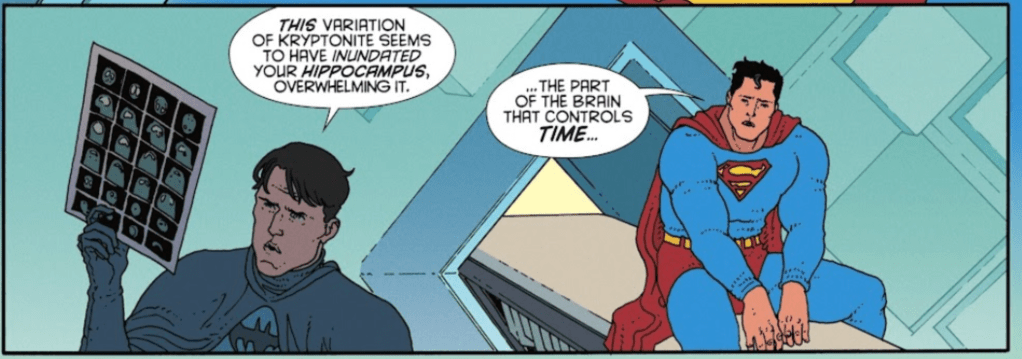
Superman: The Kryptonite Spectrum: A wonderfully quirky miniseries by Ice Cream Man creators W. Maxwell Prince and Martin Morazzo that embraces all the wacky insanity of vintage Superman comics and gives it a surreal spin, kind of like if David Lynch tried to write a Spider-Man comic. I’ve sampled Ice Cream Man and it wasn’t my thing, but this Superman miniseries is such a colourful “elseworlds” delight that I’ll be keeping an eye on these creators from now on.
This one amazing shot in Guillermo Del Toro’s terrific Frankenstein:
Writing a book: I hit 30 years in journalism at the end of 2024 and decided it was time to put together a “greatest hits” of sorts of my columns, essays, articles and more. It’s a total vanity project but I’m really pleased with how Clippings: Collected Journalism 1994-2024came out and the kind words by family, friends and even a few complete strangers who’ve bought it. It’s more than 350 pages of scribbles that somehow sums up my so-called career. Get it now over on Amazon (and you can pick up a few collections of my long running comic series Amoeba Adventures there too)!
How do you write good comics about a being that’s essentially invincible, a force of nature incarnate?
The Spectre is one of those heroes who’s been hanging around DC Comics almost since the beginning. He was introduced in 1940 as hard-as-nails cop Jim Corrigan, who is murdered by criminals but brought back to life given a chance to serve as the “wrath of God,” the Spectre.
His schtick was punishing criminals in gruesomely inventive ways, such as just full on skeletonising one particularly unlucky bad guy in his very second story:
He was made a bit friendlier over time (including a very goofy era when he was basically the sidekick to the dorky “Percival Popp, Super Cop”) and even joined the Justice Society of America, but the Spectre never quite fit in as one of the superhero crowd. He represents something far bigger, more cosmic. When he was brought back in the 1960s, his short-lived solo book had him wrestling bad guys by smacking them in the head with whole planets, because the Spectre always goes hard. But it was hard to make the character relatable when they’re that far beyond humanity, and the run didn’t last long.
I first encountered the Spectre in his brief appearances in Alan Moore’s essential Swamp Thing, where the character was portrayed as an unknowable, awe-inspiring presence, one that reduced your average metahumans to stunned silence.
There was also a great short run by Michael Fleisher and Jim Aparo in the 1970s in Adventure Comics which made the Spectre into a full horror movie villain, punishing the guilty with some insanely creative kills – turning a man into wood and putting him through a woodchipper, or chopping him up with giant cartoon scissors, for instance. There wasn’t a lot more to the stories than “how will the Spectre kill this guy?” but they were a lot of gruesome fun.
The problem with the Spectre is how do you really write such a character? “Embodiment of the wrath of God” doesn’t give you a lot of room for nuance. He’s had comics runs that played up the mystic angles and supporting cast and turned him into a kind of Dr. Strange character, but then he just blends into the wallpaper. Some stories had Jim Corrigan definitely part of the Spectre, others had the Spectre as a separate being hosted by Corrigan.
Enter John Ostrander, who married the gnarly punishments with real character work on the Spectre and Jim Corrigan and their peculiar, never-ending bond. His superb 62-issue writing run in the 1990s was peak Spectre, with a comic that was both bombastic and over the top and yet fiercely humane. It embraced the duality of long-dead angry cop Corrigan and the barely contained rage of the Spectre entity for some absolutely banger stories. It richly expands the history of the Spectre entity and its origins in one of the best underrated comics runs – the first half recently was reprinted in an excellent new omnibus.
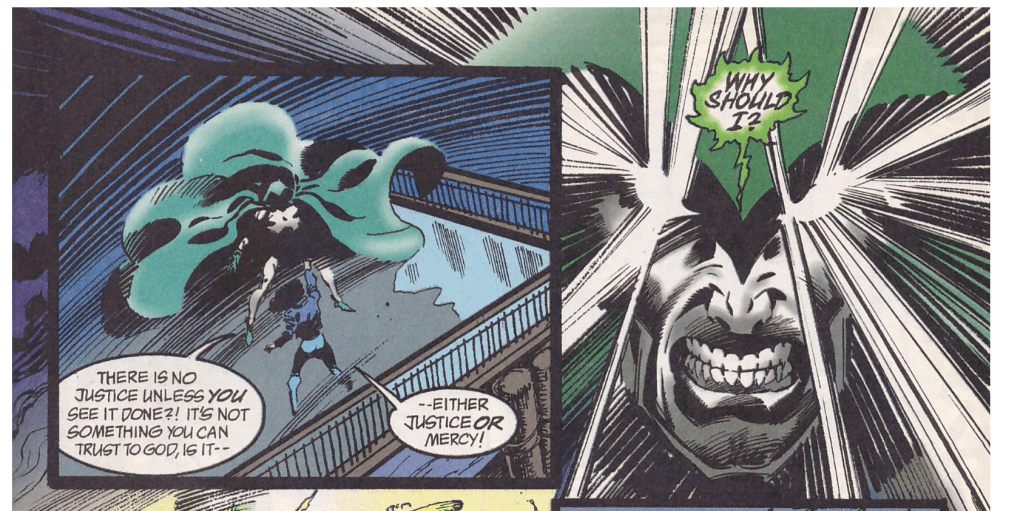
This Spectre run cobbled together all the bits of the character over the years and spun it into a dense, melancholy epic, interrogating again and again what it actually means to be the “wrath of God” and what good vengeance can actually serve. In one story, we see the Spectre brutishly pushing forward to avenge a woman’s murder – in the process driving other innocent people he accuses to suicide.
At one point the Spectre slaughters the population of an entire country torn by civil war – see it as an allegory for the Balkans, or Rwandan genocide – declaring angrily that “no one is innocent!” It’s a key moment that breaks the character free from the giddy righteous cathartic gore of the Fleisher and golden age comics and makes you realise that when you start punishing, it’s pretty hard to stop.
In the end, Ostrander’s Spectre run is about the fluid toxic nature of hate, and how far it can spread and how much it can control even the most cosmic among us.
There’s an operatic excess to Ostrander’s writing, aided by Tom Mandrake’s anguished and dynamic artwork. You can’t go small with the Wrath of God as your lead character. It’s also the rare comics series that actually builds to a firm ending, with Jim Corrigan finally allowed to go on to his reward in the masterpiece last issue. (Of course, being comics, this great ending has been fiddled with a fair bit since that 1998 “last issue,” but it’s still a great story.)
The Spectre hasn’t always been the best fit for good comics and DC is always failing upwards by trying to reinvent the wheel with him (we won’t even talk about that time that, bizarrely, they turned Green Lantern Hal Jordan into a new Spectre for a while), but over the last 85 years, he’s starred in some remarkable stories.
Ostrander’s run is a reminder that you can take a heaven-sent angel of death whose life feels like the chorus to a hundred Black Sabbath songs and still turn it into compelling storytelling. Now, that’s totally metal.
Who doesn’t like ducks? It’s the time of year here in New Zealand when the ducks roam the footpaths, with little baby ducks trailing after them. It reminds me of how versatile the plucky duck is in the world of comics and cartoons. There’s been many a duck star in fiction, but only some of them can be the top ducks. Here’s my 10 favourite fictional ducks!
1. Daffy Duck – There’s nobody more despicable than Daffy Duck, who woo-hoo’ed and bounced his way through the very best of Looney Tunes cartoons – the perfect counterpoint to sly Bugs Bunny or naive Porky Pig, an unrepentant greedy ball of ego and id who will never quite win, but who will amuse the heck out of us while getting there. The platonic ideal of a cartoon duck, and while there’s been a lot of ducks who quack me up, there’s only one Daffy.
2. Uncle Scrooge – Carl Barks turned Uncle Scrooge into one of the most fascinating characters in comics – a tightwad capitalist with a slight warm streak, a daring adventurer at odds with his own selfishness. Sure, he’s a duck, but Uncle Scrooge is also refreshingly human, and starred in some of the best comics of all time.
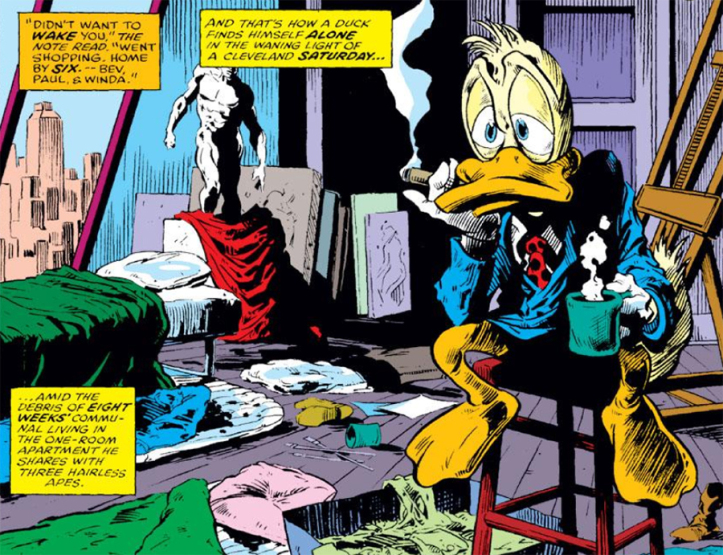
3. Howard The Duck – Steve Gerber’s twisty, wordy and satirical comics were a surprise hit in the late ’70s – Howard even ran for President! – but the duck’s name was long marred by the weirdly sloppy 1986 Howard The Duck movie, which missed most of the comic’s subtlety. The movie has its moments (hellooooo, Lea Thompson) but go back to those original comics and you’ll find a dense, philosophical soup of goofy comic book parodies, existential meandering and always, a simmering sense of anger at an unfair world. They are a product of their time but honestly the yearning at the core of Gerber’s writing still resonates strongly today.
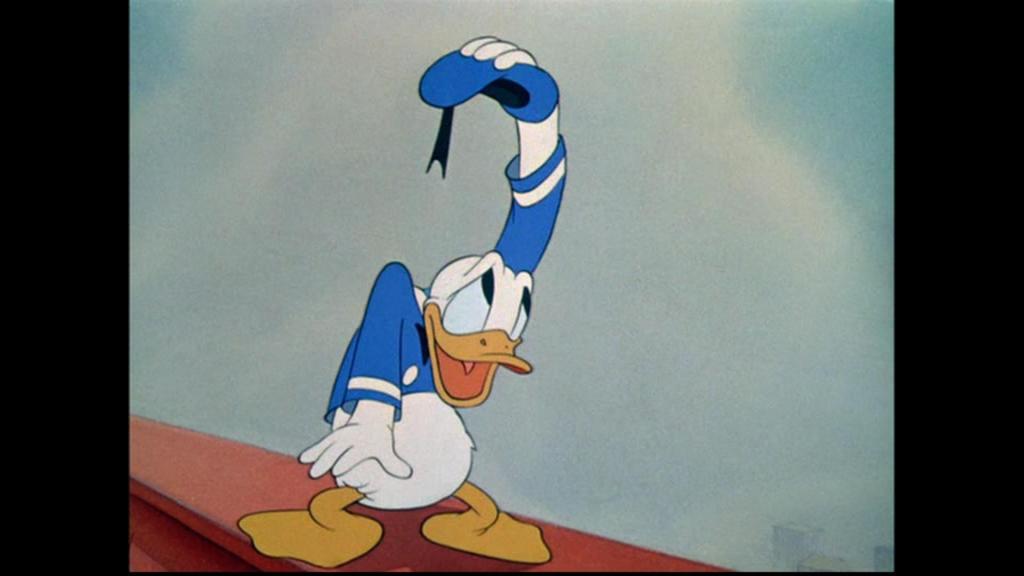
4. Donald Duck – I know, Donald Duck at number four?! But here’s the thing – I just don’t think Donald Duck’s cartoons were anywhere near as good as Daffy’s, and that frickin’ cartoon voice is just annoying. Now, in the comics, Donald Duck is a lot more fun, a short-tempered adventurer whose ego always gets in the way. But… Uncle Scrooge remains an even better character, and as great as Carl Barks’ immortal comics are, they’re ultimately more of an ensemble act that Donald is part of. I do love Donald, don’t get me wrong, but that doesn’t change that there’s a few greater ducks in this here flock. (To avoid a flood of Disney ducks, I’m only listing two here, so sorry, Darkwing Duck, Daisy, Launchpad McQuack, Huey and Dewey and everyone else. Not Louie, though, he sucks.)
5. Destroyer Duck – Born of outrage, Destroyer Duck was created by Steve Gerber and the legendary Jack Kirby in protest over comics creators’ rights and stomped his way through a half-dozen or so issues published by Eclipse Comics in the early ‘80s. It’s an exceedingly bitter comic book with lots of swipes against the industry and Gerber’s satire and Kirby’s dynamic artwork are an interesting combination. However there’s one big flaw – Jack Kirby, godlike as he was, simply could NOT draw a duck bill to save his life. His Destroyer Duck often looks a little too awkward.
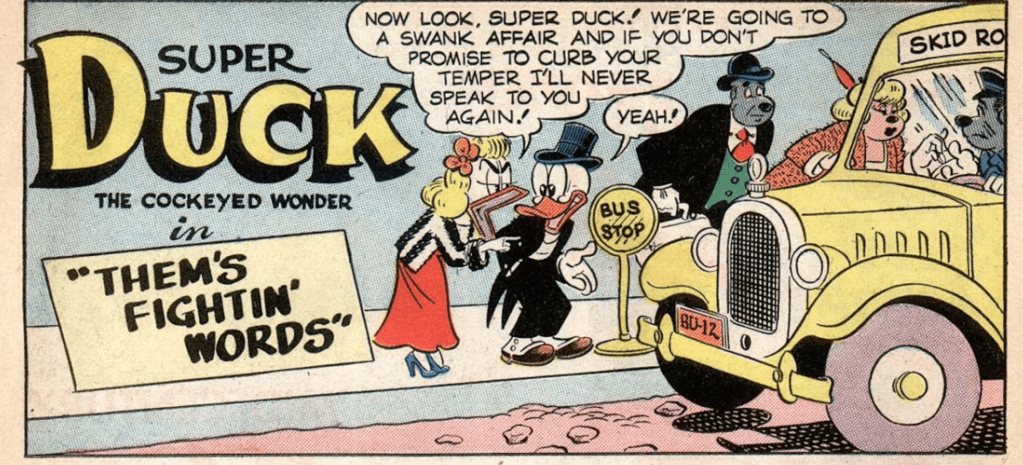
6. Super Duck – This fella was a weird kind of rip-off of Donald and Daffy published by Archie comics for a surprisingly long time. His appearance changed an awful lot over his career but I first came across him in some old Archie reprint digests. He had this strange off-brand Donald Duck look with an insanely big head and “cockeyed” expression that made him look perpetually deranged. Oh, and he often wore lederhosen. But his adventures were pretty funny, for a B-level runner-up kind of waterfowl.
7. Dirty Duck – This nasty fellow was a creation of the great underground comics artist Bobby London of Air Pirates and Popeye fame. Dirty Duck cartoons are scrawly, foul-mouthed countercultural fun in a style that’s heavily influenced by George Herriman’s Krazy Kat cartoons and very much a product of the groovy, acerbic ’70s. Unfortunately they’re hard to find these days other than some scraps online, although London has been promising a collection of the classic strips for some time. I’m down for it, whenever it happens.
8. Duckman – And what about those adult ducks? Jason Alexander voiced Duckman as a kind of rude and crude mallard version of George Costanza filled with outrage and self-loathing in this long-running adult cartoon, which boasted an edgy alt-duck design I’ve always liked. The cartoon was hit or miss for me, but I do like Duckman as a character.
9. Dippy Duck – Yet another dimwitted cartoon duck, but this one boasts the unique pedigree of being created by none other than Stan Lee and the extraordinarily versatile artist Joe Maneely just before Marvel Comics became a thing and Maneely died tragically young. I rather like how this scruffy, silly duck DOESN’T represent the 1000th ripoff of Donald’s design and the unique look old Dippy has. Only one issue was ever published, though.
10. Buck Duck – Oh, we’re in the dregs now. Yeah, this guy kind of sucks, OK? Buck Duck can stand for the flood of generic cartoon ducks that swamped kids’ comics back in the ‘40s and ‘50s, all rote rip-offs hoping to be the next Donald – your Dizzy Duck, Dopey Duck, Lucky Duck, the off-puttingly creepy Baby Huey and all the other wild amuck ducks out there. Not every duck can be a dynamo. But that’s cool – there’s more than enough great ducks for everybody.
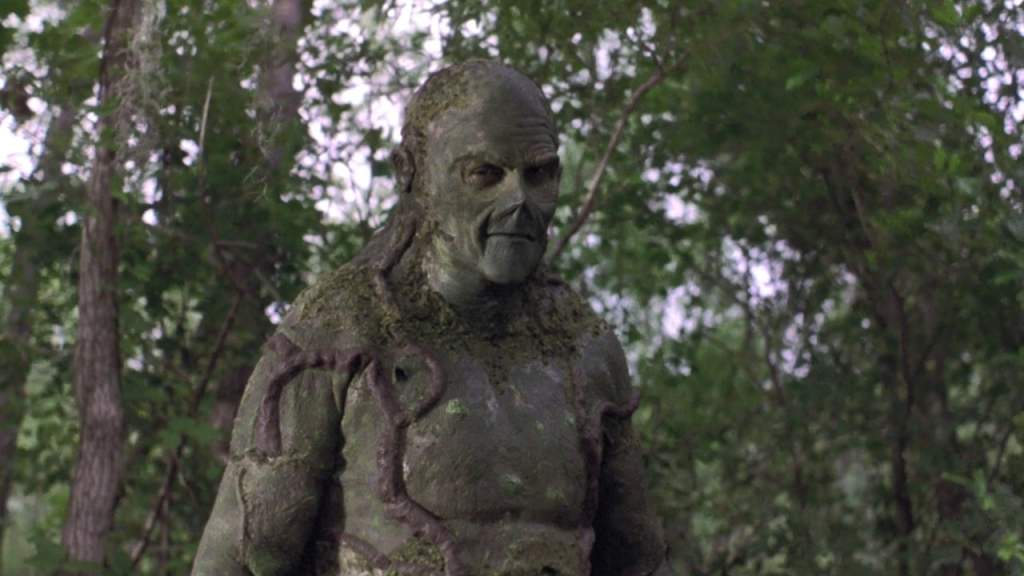
As part of my annual Halloween month monster movie marathon, I went back to the swamp. Swamp Thing, that is, who starred in two almost forgotten comic book movies that oozed their way through the ‘80s. Nobody would ever call them timeless classics, but I’m weirdly fond of them.
Swamp Thing and Return Of The Swamp Thing came in that kind of interregnum in superhero movies through much of the ‘80s, in the period between the last good Christopher Reeve Superman movie Superman II in 1981 and the Tim Burton Batman-palooza of 1989. In that grim limbo we comics geeks made do, dimly, with unsatisfying stuff like Howard The Duck, Supergirl and Sheena: Queen Of The Jungle.
Neither Swamp Thing movie is really great, but there’s something about them I’ve always found cheesily enjoyable, from their campy humour to their amiably low-fi practical effects. Now, Swamp Thing has starred in some of the greatest and most out-there comics of all time, and the basic muck-monster idea has exploded into existential horror, cosmic wonder, time travel, LSD-tinted romance and much more. But on screen, there’s still something loveable about just having a guy in a rubber suit wandering around the swamps.
There was an attempt to make 1982’s Swamp Thing the next Superman, with adverts on the back of every comic and awesome poster art. The movie closely follows the comic plotline about a scientist, Alec Holland, (the great Ray Wise, who I kinda wish had been allowed to suit up as Swamp Thing himself) whose groundbreaking research is targeted by thieves. In one of those only-in-comics accidents Holland is set on fire, doused in his mysterious chemical formulas and thrown into a swamp, where he re-emerges as a half-man, half-man muck monster. With the aid of another researcher (Adrienne Barbeau), the Swamp Thing (played by Dick Durock) seeks revenge on Anton Arcane, the evil mad scientist behind all his troubles (Louis Jourdan).
Swamp Thing is a breezy monster mash of a movie, with a costume where the seams are clearly visible and the steamy swamp setting is one of the film’s biggest assets. Swamp Thing is a monster, but a good guy, and in the end he gets into a classic monster-movie throwdown wrestling match with Arcane, who inexplicably ends up turned into this wild bug-eyed shrew/rat man hybrid when he overdoses on Holland’s formula. It’s a so-bad-it’s-good moment.
Maybe it’s because it was one of the first real “horror” type movies I saw, but I still love Swamp Thing, flaws and rubber costumes and all. Barbeau is a great steely kick-ass heroine, Jourdan is smoothly menacing and Dick Durock gives Swampy a melancholy charm. It’s a movie that just gets to the point, pure popcorn cinema with a dash of sadness over poor Alec Holland’s fate.
The sequel Return Of The Swamp Thing pretty much gives up at being serious at all. It starts off, weirdly, with a credits montage that features lots of glorious art from Alan Moore’s legendary 1980s Saga of The Swamp Thing comics. As these images by Steve Bissette and John Totleben pass across the screen you think whoa, is this movie going to boldly reinvent the whole idea of a swamp monster hero like Moore’s comics did?
But nope, it’s a tease. Return Of The Swamp Thing is a far campier and sillier sequel that feels like it came straight from a USA Up All Night! marathon. It opened up, very briefly, in theatres a month or so before Batman in summer 1989, and it’s a plucky last gasp of the slapdash amateurism most superhero movies had until Tim Burton came along.
This time, Swamp Thing has a much cooler leafy costume that apes the looks of the Alan Moore comics, but that and an eerie scene where Swampy slithers out of a bathtub drain and puts himself back together are about all that this one has in common with the Moore stuff.
In one of the weirdest castings of all time, Heather Locklear plays a hilariously broad valley-girl version of the comics’ goth girl love interest Abby Arcane, while poor old Louis Jourdan looks half-dead in his sleepy return as Anton Arcane, rather inexplicably no longer a shrew-man. The henchmen are ridiculous action movie parodies and the movie features two of the most obnoxious child actors you’ll ever see and a far more talkative Swamp Thing who feels like some chill surfer dude rather than the rumbly monster of the first movie. (Seeing Swamp Thing laugh like a businessman at a cocktail party is one of the most off-model moments of the film.) It’s a ramshackle, small-scale story that basically seems to consist of Arcane doing more goofy evil science stuff, and Swamp Thing defeating the rather physically unimpressive bad guy by… throwing a chair at him. We don’t even get a return of the bizarre shrew-man costume.
…And yet, I don’t know. Perhaps it’s just my love for Swamp Thing as a character and the low-stakes vibe of these movies, but it’s far more entertaining than the plodding, overly serious and dull attempt to bring Swamp Thing back in a very short-lived TV series a couple years back. Word is James Gunn wants to do a new Swamp Thing movie as part of his DC universe empire. I know these days everything is done with CGI and motion-capture but I still kind of hope that if they do a new flick, we still get a guy in a somewhat sloppy rubbery costume stomping about in the muck.
When it comes to Swamp Thing on film, the dirtier, the better.
It took me 46 years, but I finally got my ROM toy.
As young fanboys turn into old geeks, we often fantasise about the childhood toys we once had, or the ones we never had at all.
I’ve written before about how addicting action figures could be and how, despite being a bit more flush of cash than I was when I was 11, I try to be a little more restrained these days. I’ll still buy one here or there, but they have to be special.
Like ROM.
Growing up in the late 1970s I was a vagabond child, and spent much of my eighth year travelling in a campervan in Europe with my family. I’d see comic book ads for things like Micronauts or Shogun Warriors or those new-fangled Star Wars action figures but I sure as heck wasn’t going to find them in Luxembourg or wherever the heck we were that week.
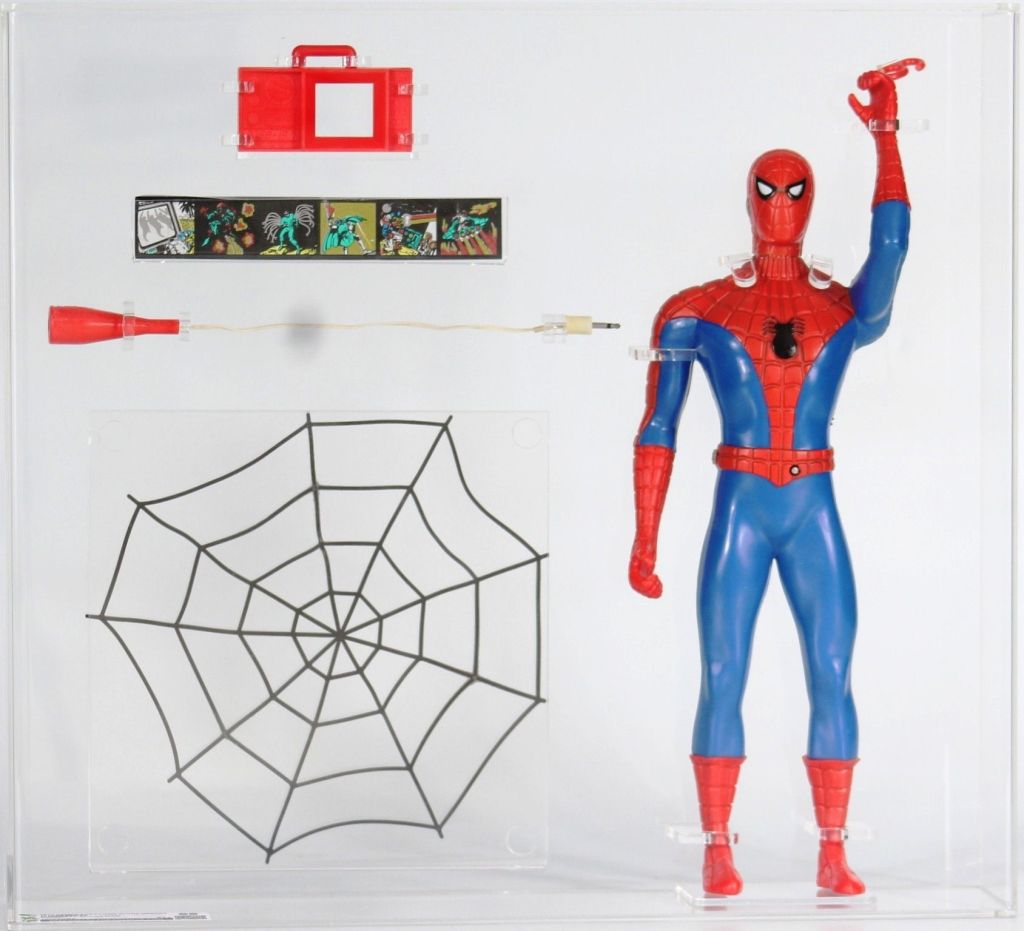
We couldn’t get a lot. One toy my parents got me somewhere in Europe which sounded cool was the Amazing Energized Spider-Man (TM) with web-climbing action, who rather lamely turned out to be an utterly immobile statue of Spidey with a perpetually raised left arm, who would get hoisted up by his little energized web winch thing. It wasn’t terrible, but there wasn’t a lot you could do with a Spider-Man toy who always looked like he was hailing the cross-town bus.
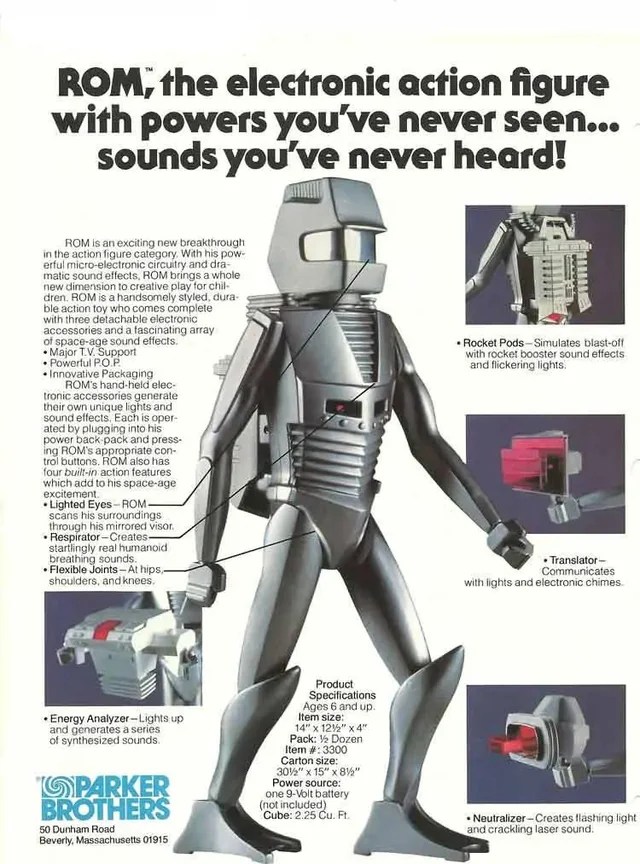
But one enticing toy I kept seeing in the American comic books I foraged from military base PXs in that distant world of 1979 was ROM. The ads blared, “ROM HAS COME … EVIL IS ON THE RUN!”
The ad boasted of “the greatest of all spaceknights”, who was premiering in a cunning case of cross-synergy with an electronic action toy by Parker Brothers and a new Marvel comic book series. Who was ROM? Heck if I knew, but I wanted to know.
Of course, I eventually picked up those ROM comic books, which are still a favourite of mine. Over a 75-issue run well into the ‘80s, ROM’s surprisingly good comic lasted a lot longer than the toy ever did, thanks to the energetic corny delights of Bill Mantlo’s writing and Sal Buscema’s reliably expressive artwork.
Over several years Mantlo spun a story of ROM, who sacrificed his humanity to battle the evil Dire Wraiths. It was never revolutionary comics but it was always good fun, and unlike so many comic book series it actually had an ending, which I really appreciated.
I loved those ROM comics, but I was never able to find myself a vintage ROM Parker Brothers toy. They kind of flopped and you never saw them at yard sales or swap meets and there wasn’t an internet to search then. These days, you could drop a few hundred bucks for one on eBay, but I’m not that dedicated to reliving my childhood fantasies of having all the cool toys.
But then the other day, I saw a new Marvel Legends ROM action figure for a decent price online – sure, it wasn’t the 13-inch tall “electronic action toy” of yore but it was pretty darned shiny with all ROM’s fancy accessories and that glam silver iconic spaceknight sure did look appealing. (And to be totally honest, it’s a much better looking action figure than the somewhat awkward 1979 toy.)
So I bought my ROM.
And gosh darn it, he is still pretty cool, I think.
Maybe next I can find a cheaper modern version of those super cool 24-inch tall Shogun Warriors toys that the kid down the road had. After all, a spaceknight’s work is never done.
One thing I’ve grown to appreciate more and more these last, lo, 40+ years of my comic book obsessions, is the elegance of a good line of artwork.
I’ve watched comics go through phases from the powerful dynamism of John Byrne or Neal Adams to the over-etched details of the Image Comics house style to today’s computer-augmented slick comics art style. Some I like, some I don’t. (I can rarely pick up a Marvel Comic from the mid-1990s without an involuntary shudder at the sub-Liefeldian scratchiness of it all.)
Harvey Kurtzman
But a good line – well, that’s timeless.
In my own feeble comic book scribblings it’s taken me a long time to learn that less can mean more – like many, back in the 1990s I quickly became enamoured of the Image comics “lots and lots of lines” school of art for a while there, and while I love the artists who can do amazing intricate detail – I’m thinking of Barry Windsor-Smith here, or the remarkable Gerhard’s impossibly grandiose cross-hatched background work on Dave Sim’s Cerebus – I also can now see the beauty in a single few flowing and infinite lines.
It took me a while to realise you don’t need to fill every millimetre of a panel with artwork.
Will Eisner
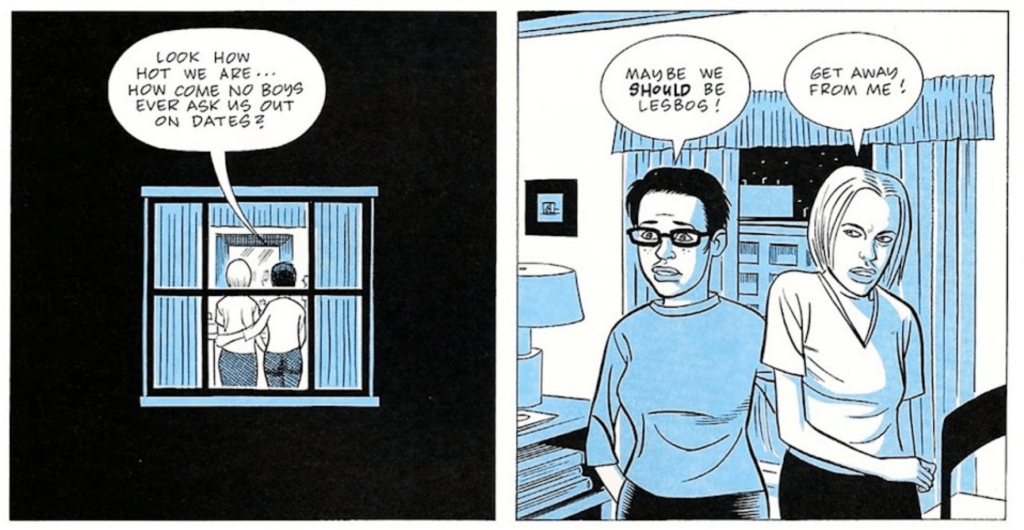
I favour a little minimalism now, whether it’s old or new – the retro cool of Darwyn Cooke, the masterful hand of Will Eisner, Jeff Smith’s dynamic humour in Bone, the cool and elegant indie hipness of Daniel Clowes or Adrian Tomine, the chunky power of Harvey Kurtzman war comics, Frank Miller’s noir slashing brutalism in Sin City (before his artwork got too abstract for its own good), the gorgeous lines swished together with a lot of chiaroscuro shadows in Sean Phillips’ latest excellent crime thriller joint with Ed Brubaker, The Knives.
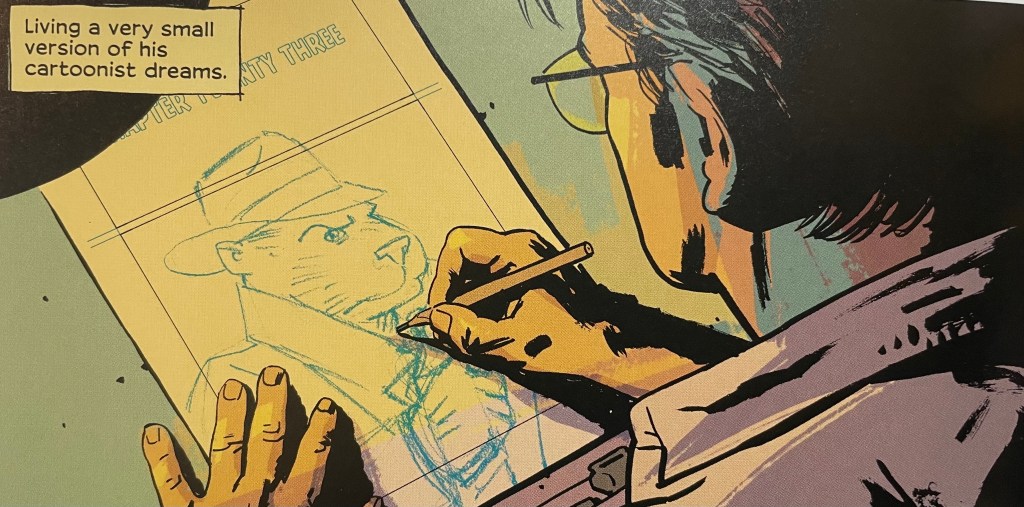
There’s something to be said in just considering the lines in artwork, the way a skilled artist can fluidly widen or shrink his line with a dash of the brush, or sketch out a world of emotion in a few quick strokes. I like to sometimes just marvel at the arc and curve of a good line, and the talent involved in making it bend just so.
Sean PhillipsJeff SmithAdrian TomineDaniel Clowes
And oddly, perhaps in my kind of second (or third) childhood, I’ve become a big fan of “kiddie comics” the last few years and seeing with a new eye the astounding talent that you find in Carl Barks, John Stanley’s Little Lulu, Al Wiseman‘s Dennis the Menace, even Hot Stuff and Richie Rich.
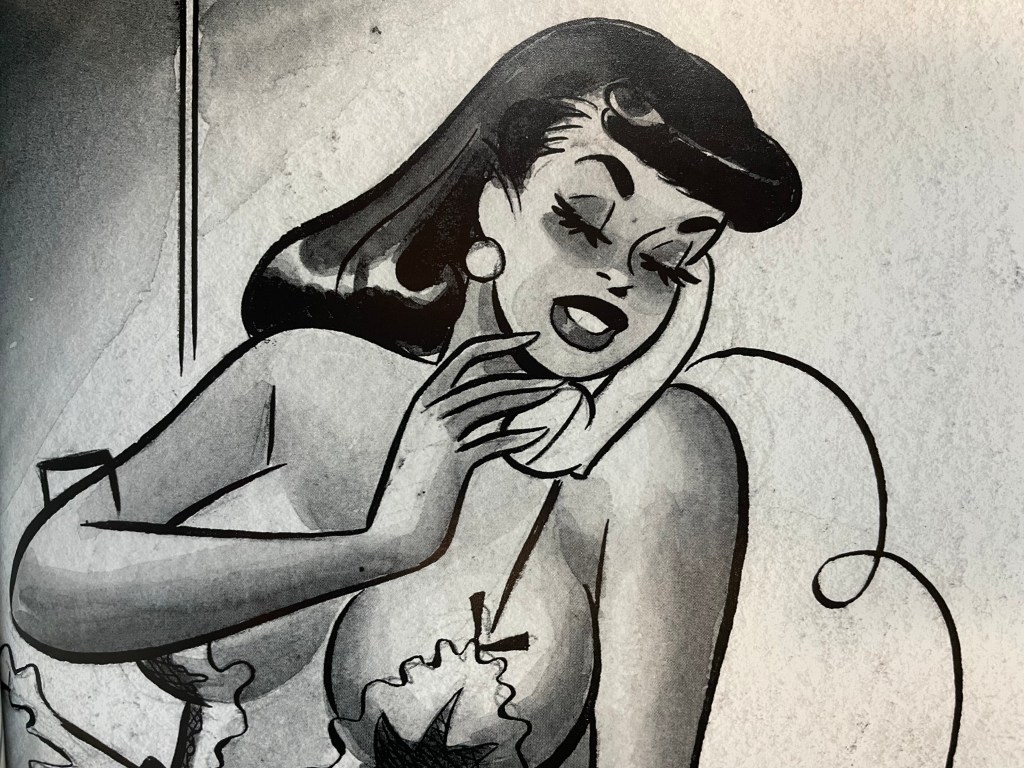
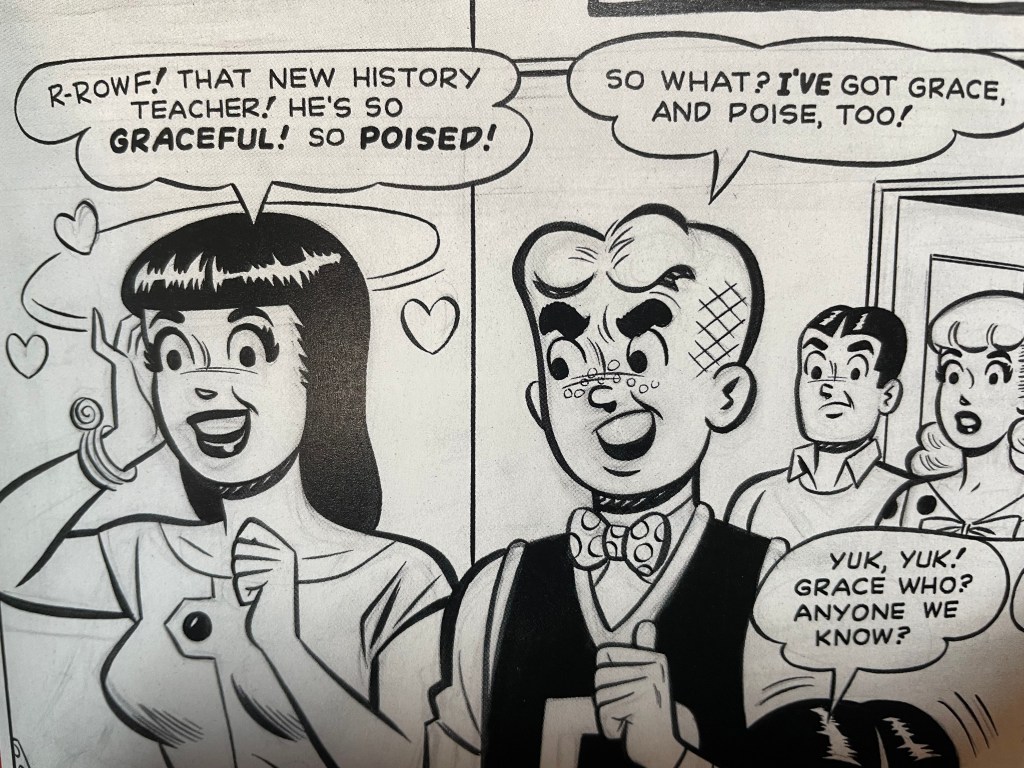
And heck, Archie comics, which have always been looked down a bit by comics snobs, have some of the crispest linework and designs in the business, especially when they were drafted by dazzling Dan DeCarlo. I grabbed a handsome art book of his Archie and other work recently and can pore over it endlessly, admiring all those beautiful, beautiful lines. There’s so much a brush can do, eh?
Dan DeCarloDan DeCarloDan DeCarloErnie Colon – I think
Comic art can take a million different forms and that’s cool – I can still handle a Jim Lee Batman drawing with all those fiddly little lines delineated for every muscle in Bruce Wayne’s face, but sometimes, you just want to soak up a good, bold line.
In his white-hot comics run through the 1970s into the 1990s, John Byrne was always one of my favourite writer/artists – his bold dynamic style felt to me like the platonic ideal of what good old-fashioned superhero comics could be. And I’ve got a special place in my heart for his run on Alpha Flight, a Canadian superhero team who debuted fighting fellow Canadian Wolverine in an issue of X-Men and were spun off by Canadian-raised Byrne into their own book.
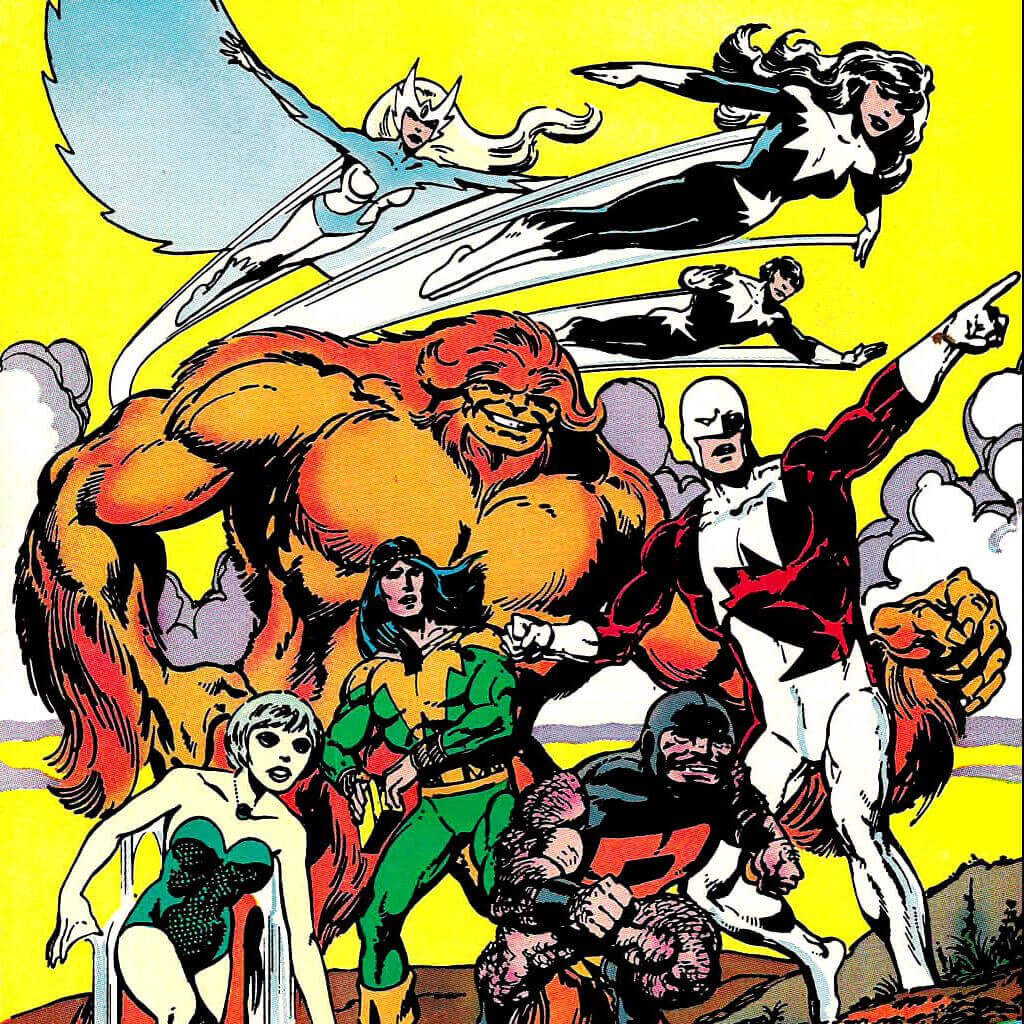
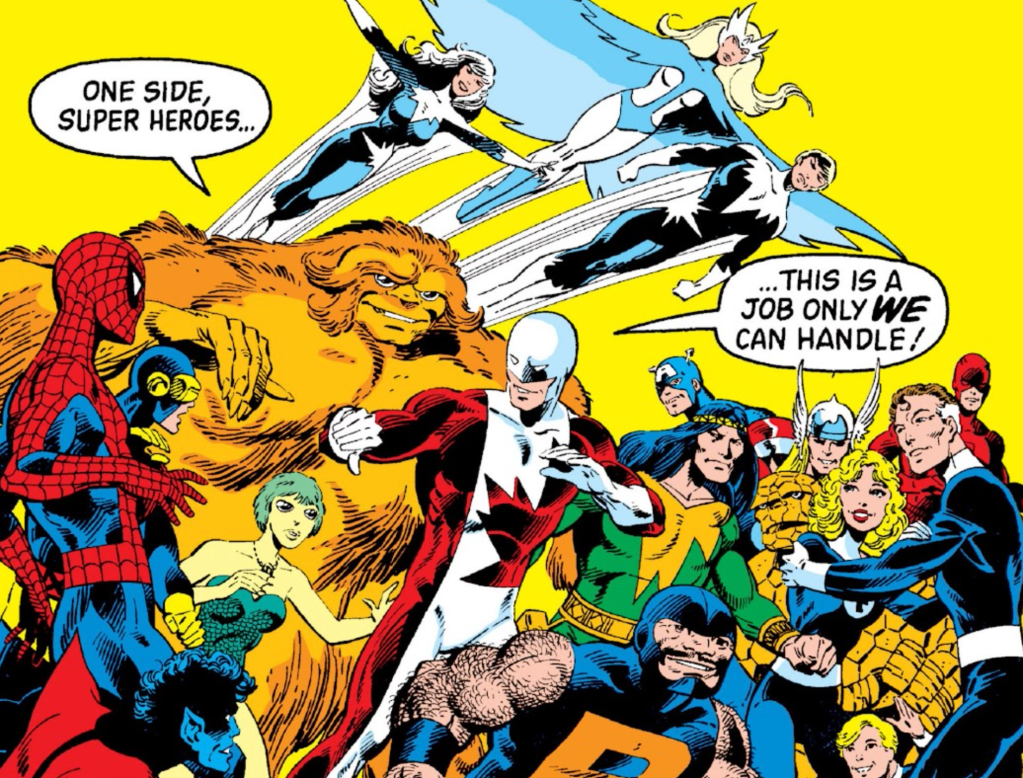
I loved Byrne’s classic takes on Fantastic Four, Superman, X-Men and the like, but there was a rather raw edge to his Alpha Flight run that holds up well. Byrne fielded an oddball group of Canadian stereotypes, with Captain America fill-in Guardian, hulking Sasquatch, French-Canadian twins Aurora and Northstar, Native American Shaman and wilderness spirit Snowbird, the dwarf Puck and aquatic Marrina.
Alpha Flight was a curious book about a team that wasn’t really ever a team. Marvel’s The Defenders tagged itself as the “non-team,” but for most of Byrne’s run, the entire team of Alpha Flight was rarely assembled together, and the book focused on a series of solo tales or small pairings of team members. It felt a bit exotic to me with its name-drops for Winnipeg and Quebec and glimpses of a culture alien to this small-town California kid.
Canada was an unusual setting for superhero stories, and Alpha Flight was a superhero series that seemed unpredictable and energetic. It was no Watchmen or Dark Knight, of course, it didn’t deconstruct the medium – but it stood out on the comic racks to me in 1983 when it premiered. Byrne himself doesn’t think much of his Alpha Flight run and calls the characters two-dimensional, but I think he cuts himself short.
(SPOILERS for 40-year-old comic books follow)
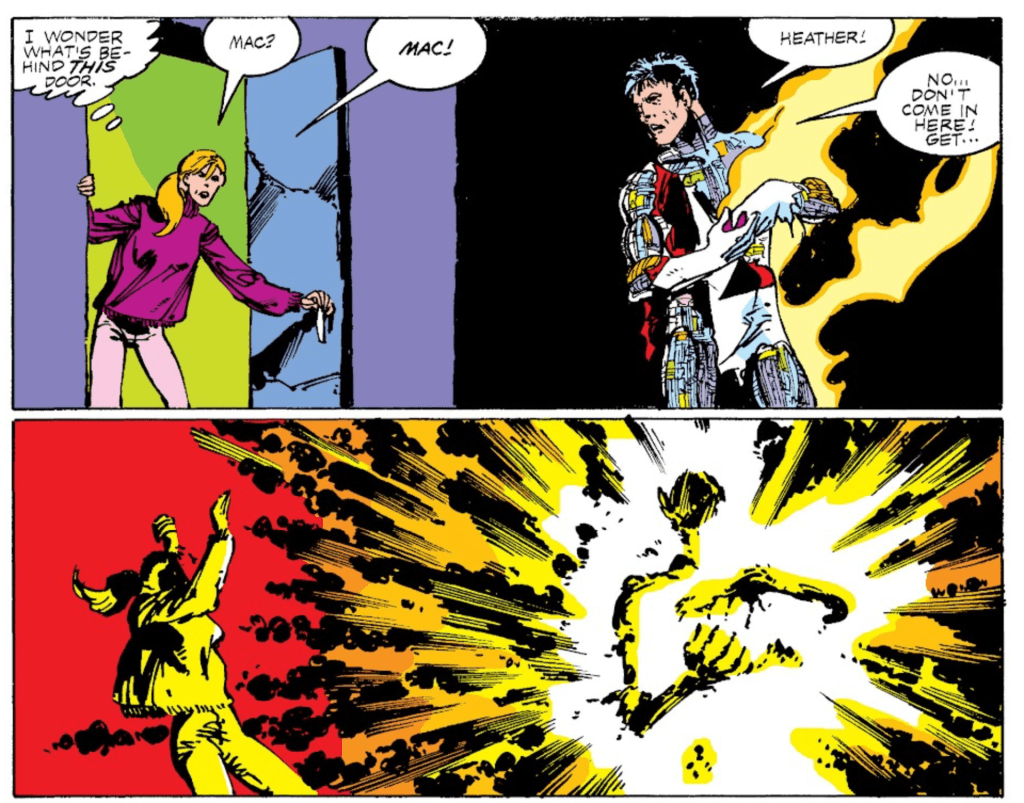
Because Alpha Flight were hardly top-tier characters, there was a real sense that anything could happen during Byrne’s run. The most notable was the still-shocking death of team leader Guardian in #12, which came as an accidental tragedy – Guardian’s damaged battle suit explodes when he’s distracted at a critical moment by his wife Heather Hudson. It was cruel and sudden, no heroic death but just one of those terrible things that sometimes happen.
In the pre-internet age where nothing was spoiled, Alpha Flight #12 was stunning, and left teenage comic reader Nik feeling like the world was suddenly a far more shaky place. If you could kill off the leader of a superhero team, was anyone safe?
Byrne’s run constantly rocked the boat on the idea of a “Canadian Avengers” team. In the very first issue the team has been defunded by the Canadian government and broken up, and while they briefly reunite, in the first two dozen or so issues of Alpha Flight there’s only a few times all the members are together at once. In the second issue, the sprite-like aquatic member Marrina turns out to be an alien invader and nearly kills Puck. A few issues later, the sibling team of Northstar and Aurora have a brutal feud and break up. The burly Sasquatch loses control of himself constantly. There’s always a sense in Alpha Flight that everything is about to fall apart. Is there such a concept as an “anti-team” superhero comic?
John Byrne’s work has often had a bit of a dark side and it is fully unleashed in some storylines that felt very brutal at the time – the villainous Master recounts being tortured and dissected alive by alien machines for thousands of years, the creepy Gilded Lily is basically a dessicated corpse kept alive by machines and sorcery, Sasquatch’s battle with Super-Skrull leaves a group of innocent scientists brutally murdered. Aurora battles a multiple-personality disorder, Puck is wracked with chronic pain and most of the team don’t seem to actually like each other that much. It feels like Alpha Flight rarely save anybody and it’s a real surprise late in Byrne’s run when the team battles a run-of-the-mill hostage-taking supervillain for the first time rather than malicious gods and murderous aliens.
Byrne has a long history of leaving series abruptly, sometimes in mid-storyline, but his Alpha Flight feels more or less complete. It did end in a cliffhanger handed off to new writer Bill Mantlo after #28, but that was intentional.
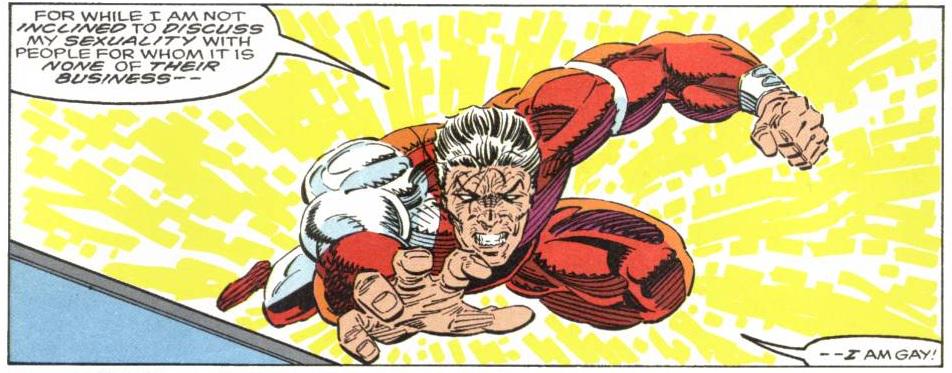
Byrne’s work kind of peaked by the late 1980s and hasn’t really felt as fresh for a long time. Alpha Flight carried on for a good hundred issues after Byrne left and I periodically checked in, but the book was really never very good again. The non-team was quickly turned into yet another standard superhero team, Wolverine kept showing up, and the inspiringly “normal” Heather Hudson immediately became a superhero wearing her dead husband’s costume. (The worst was Bill Mantlo turning Puck from a fascinating dwarf character into the subject of some inane ancient curse that made him a dwarf, although the gay character Northstar’s legendarily ham-fisted coming out story with some of the worst most 1990s comic art ever is a close second.)
They even brought Guardian back to life a couple of times, negating the stunning power of Alpha Flight #12. So it goes.
I guess Alpha Flight are pretty much C-list Marvel characters these days and I couldn’t even tell you who’s dead or alive or resurrected or whatever. They haven’t shown up in the MCU yet and nobody is rocking Sasquatch T-shirts (although really, they should). But for a couple dozen issues before Byrne wandered off, they felt like one of the more exciting books in Marvel Comics – where anyone could die at any time, and where the bonds of the team itself were constantly breaking apart. In their chaos the comic felt weirdly alive. Not bad for a bunch of Canadians, eh?























 Nik Dirga