
The quest for comic books drove much of my youth. I wrote in Part One about the thrill of the hunt, of trying to find my comics in a small mountain town where shops came and went like the wind. (Big thanks to pal Bob for his very kind words on that essay!) Let’s turn the page now to the late ‘80s.
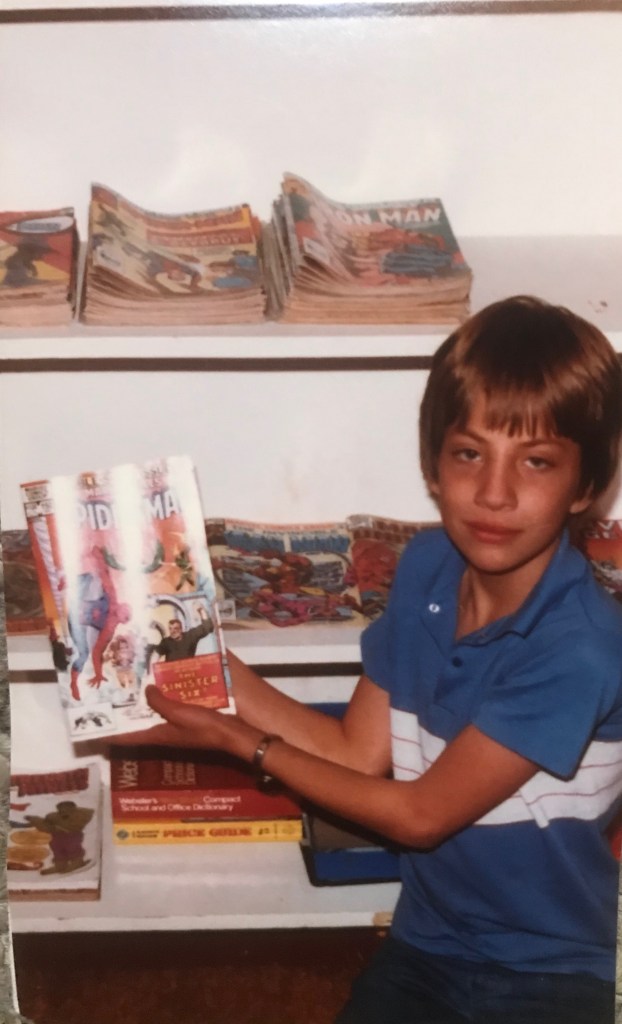
Eventually, I got older, learned to drive, even got jobs so I could buy more comics (notably a rather unsuccessful 6-week stint working at McDonald’s in the summer of ’88). After Kayo closed for the final time, there was a year or so there where the only places I could find new comics was at supermarkets.

Then, in the shiny new shopping mall at the south end of town, a brand new comic store opened around 1989. It was a glorious change from the rather poky, uncertain shops I’d been used to. This was in a MALL, and it was a big, well-lit, clean space, with row after row of comic books. It hit during the peak of Batmania thanks to the ’89 blockbuster, and I recall an entire rack being filled with copies of the multi-coloured first issue of Legends of the Dark Knight.
It was a boom time, comics were cool, and I was old enough to have a part-time job and spent way too much money on Batman and X-Men and Amazing Spider-Man, where this weird artist named Todd McFarlane was making a splash. It was kinetic and expressive but I wasn’t entirely sure I liked it, being a fan of John Romita Jr.’s sturdy Spidey. The art seemed flashy, but lacking in substance. Welcome to the 1990s.

That mall comic shop – whose name I can’t even recall – was blandly professional but it did lack a certain style that the McNeil’s and Kayo’s of my youth had. Maybe I was just older, and less easily dazzled. But it was gone by the time I finished high school and moved across the country to little ol’ Mississippi to go to college.
My transient state and lack of a car led me to sign up for Westfield Comics, a thoroughly cool mail-order comics service I used on and off for many years until I moved overseas – they were great, but I’ll admit, I mainly used them because I didn’t have a comic shop within walking distance for long periods of my life. There’s nothing quite like discovering a new comics shop, with its hidden treasures and quirks.

And I found a great one in Memphis, an hour or so away, that I made frequent trips to for years – Comics & Collectibles. This was now the mid-1990s, when I became less and less interested in Marvel and DC as the “Image Comics” art style became prevalent and stories and artwork became contorted, incomprehensible messes for too many years.
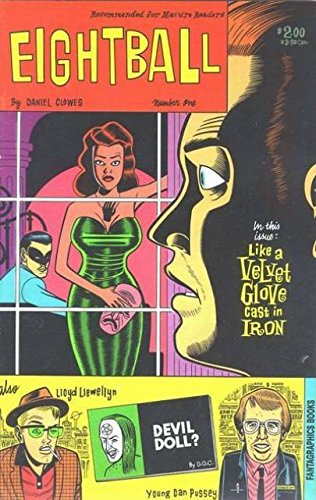
Fortunately at the same time there was a golden age in great independent comics, and I would regularly hit up C&C for my fix of Hate, Eightball, Dork, Naughty Bits, Yummy Fur, Cerebus and more. Those creators kept me going through what I still consider the direst years of mainstream comics, the naughty ‘90s.
I don’t collect quite as many titles today as I once did – maybe 6-8, and a handful of miniseries and specials. I don’t do digital comics – they’re fine for some, but not for me. I’ve got two very good comic shops in my current city, which I dig.
I do still trawl the shops and online an awful lot for the old comics, because the things you grew up with are always the best things. Comics from roughly 1976-1988 hit that sweet spot for me, and always will. Obsessed comics geek for life, yo.




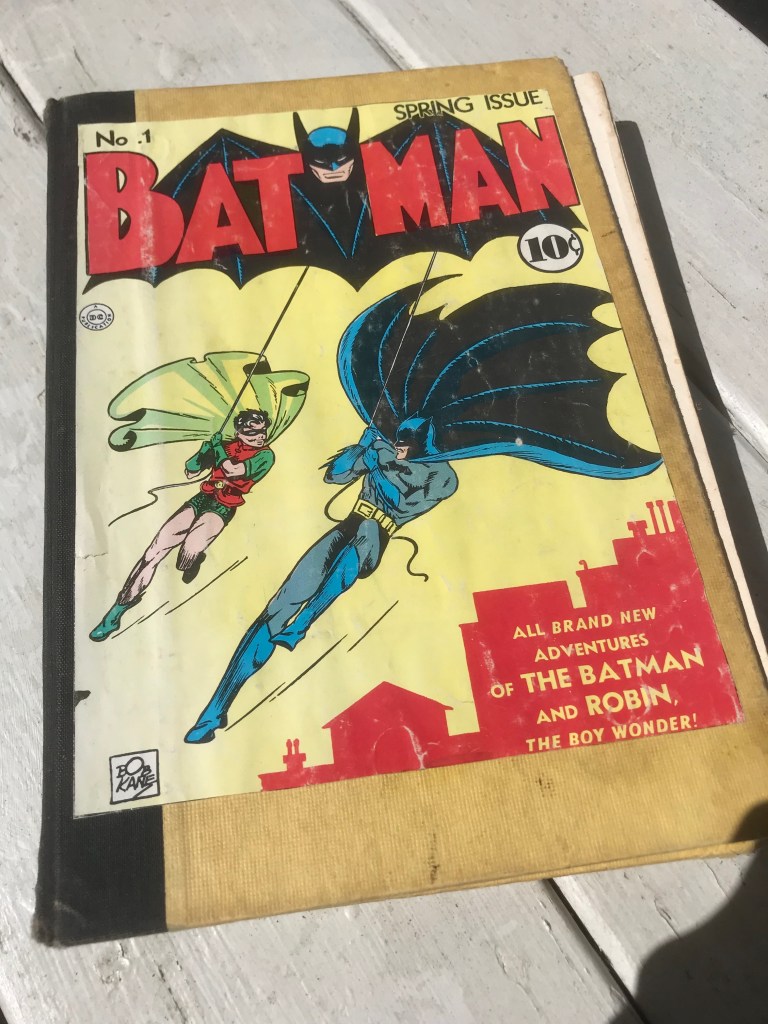
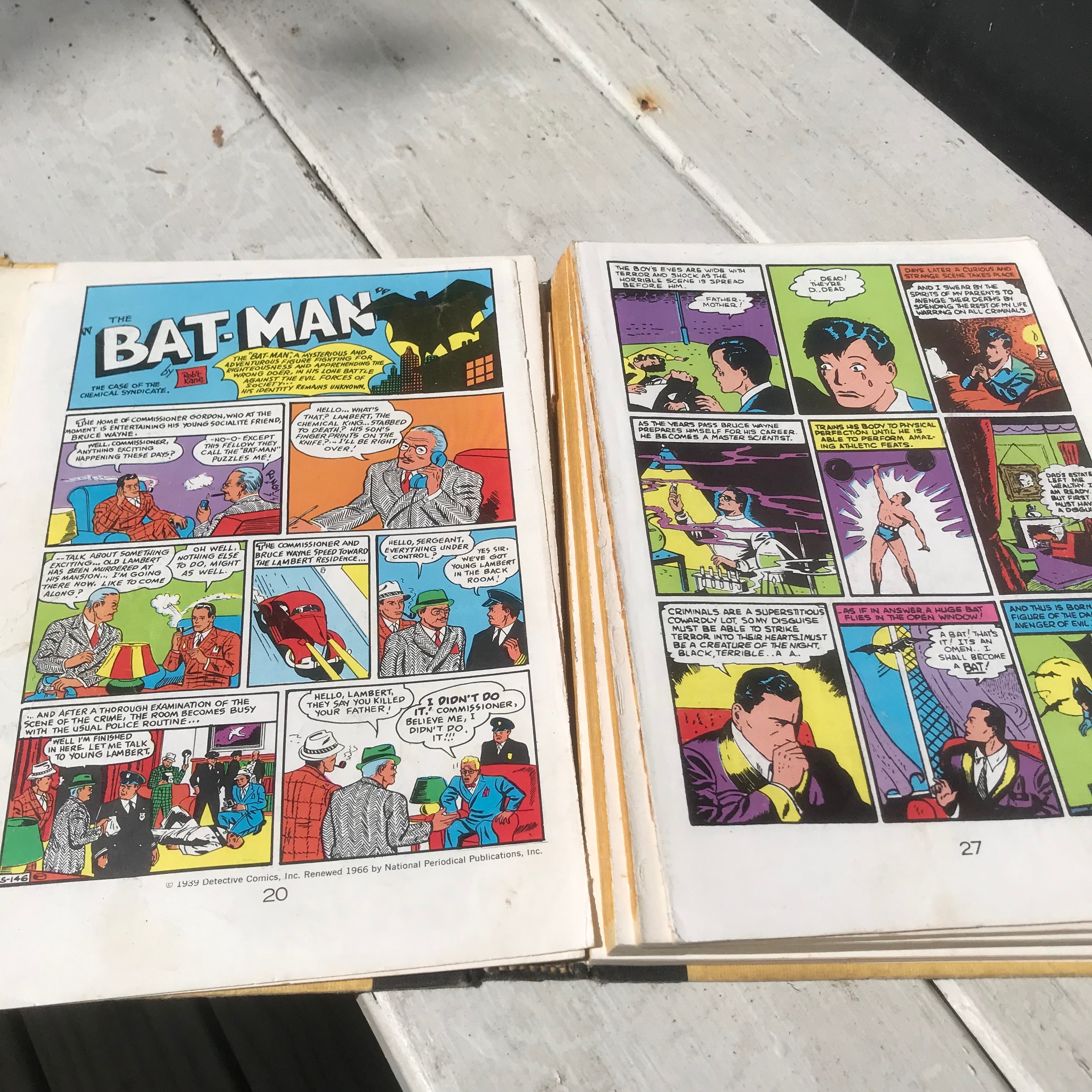

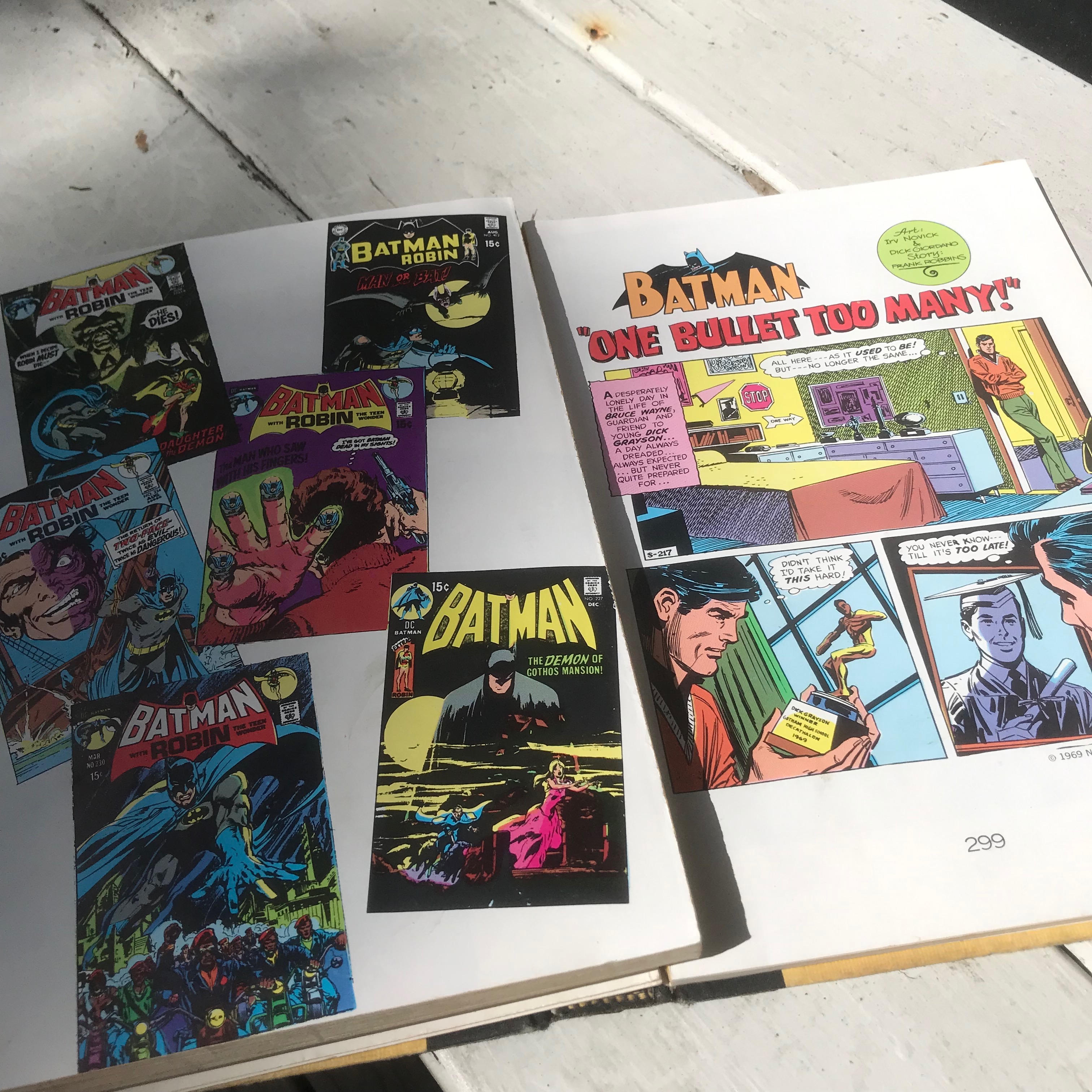
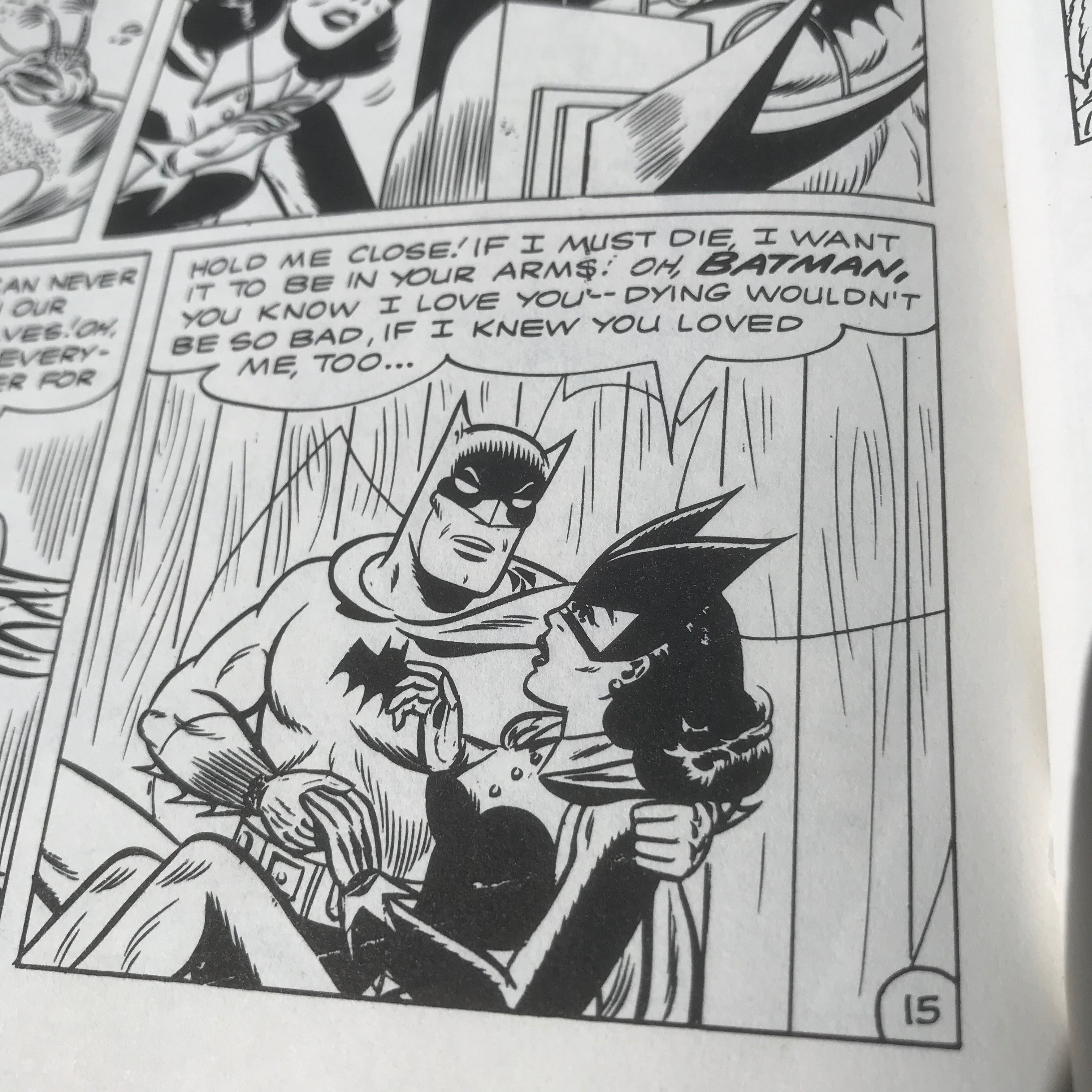
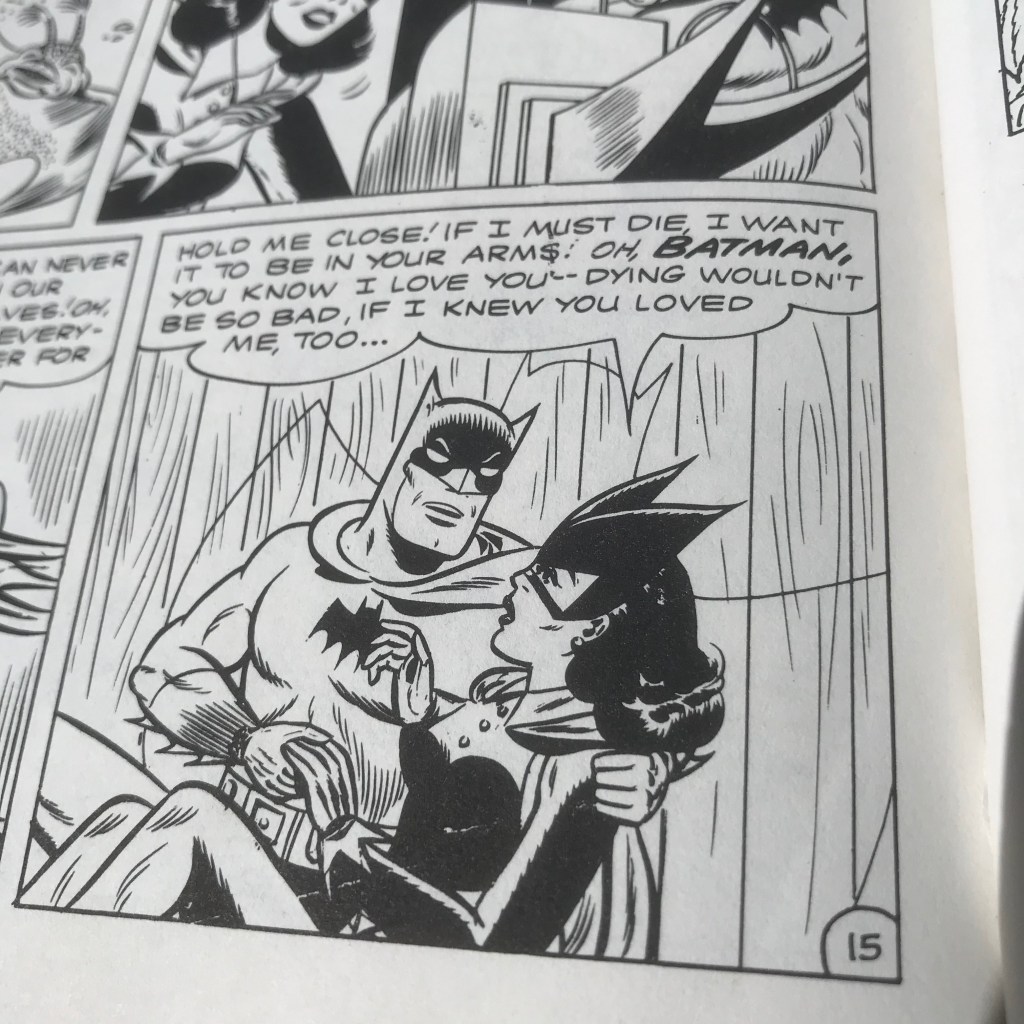
 I’ve been hunting for the Batman issue above for a long time. It’s perhaps one of the best comic book covers ever – how can you NOT want to read the story inside? (Spoiler: It’s not actually all that great, but how could it measure up to that cover?) As a comic book cover alone, it’s a work of art.
 We live in weird times, when comic books dominate pop culture and box office receipts, yet the humble printed item itself still struggles for sales. They’re still out there, and I hope they’ll be out there a long time, but we’re a long way from when an X-Men comic sold 8 million issues in the ‘90s. But great comic book covers have pretty much died as an art form, despite their still being a lot of very good comic books published. It’s like everyone stopped caring about the covers. Maybe I’m just a design nut, but to me the cover is an integral part of the whole comics package.
 I don’t know why comic book covers have gotten so boring, really, but Christ almighty they sure have. Instead the kind of dazzling images you see here from the 1960s-1980s, sometime around 1999 comic book companies settled into publishing bland generic pin-up shots and chaotic battle scenes which vanish from your mind soon as you see them.
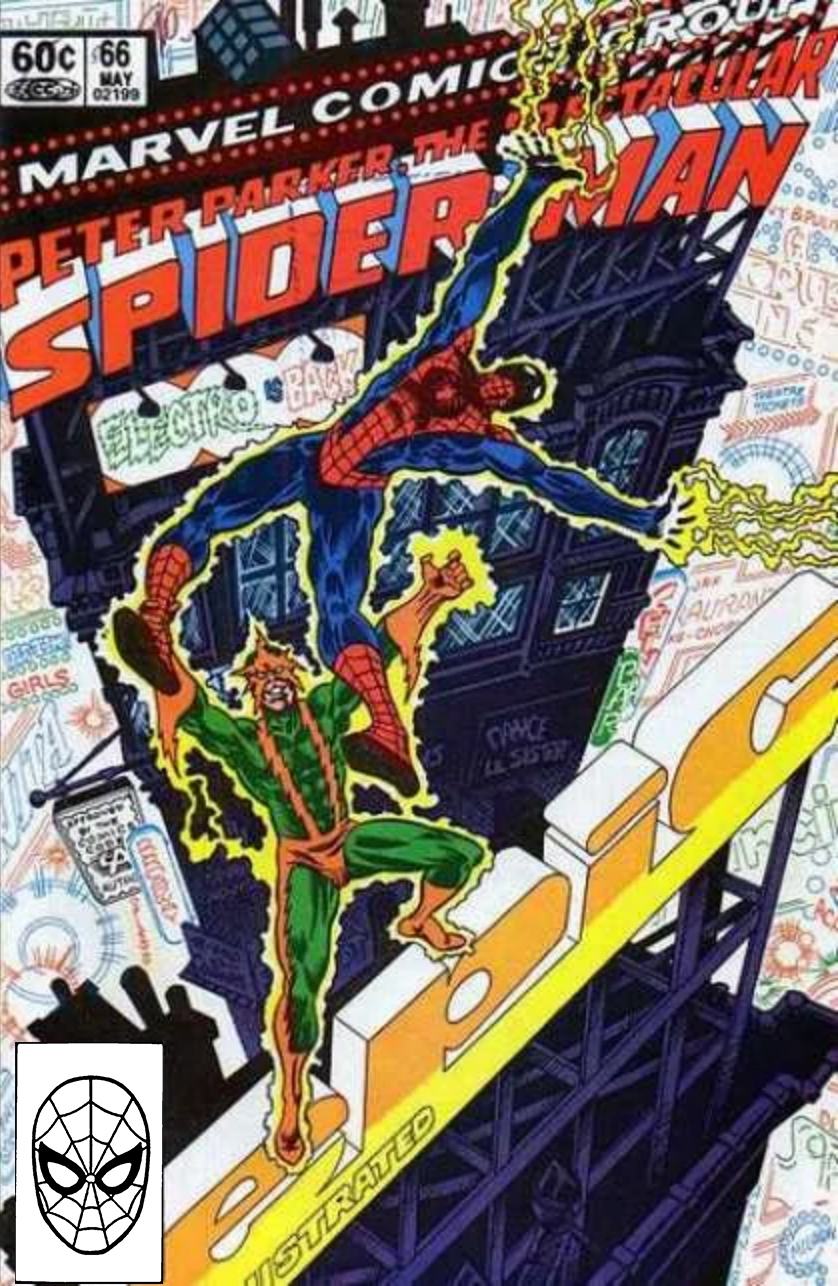 Comic books are at their heart a unique form of storytelling that combines words and pictures and have created some of the greatest fiction of the last century. There’s a reason Avengers movies and Aquaman movies rake in the big bucks, because there’s an iconic, mythological heft to these characters.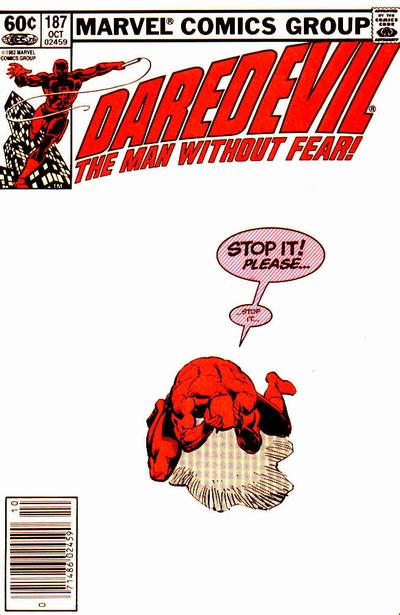
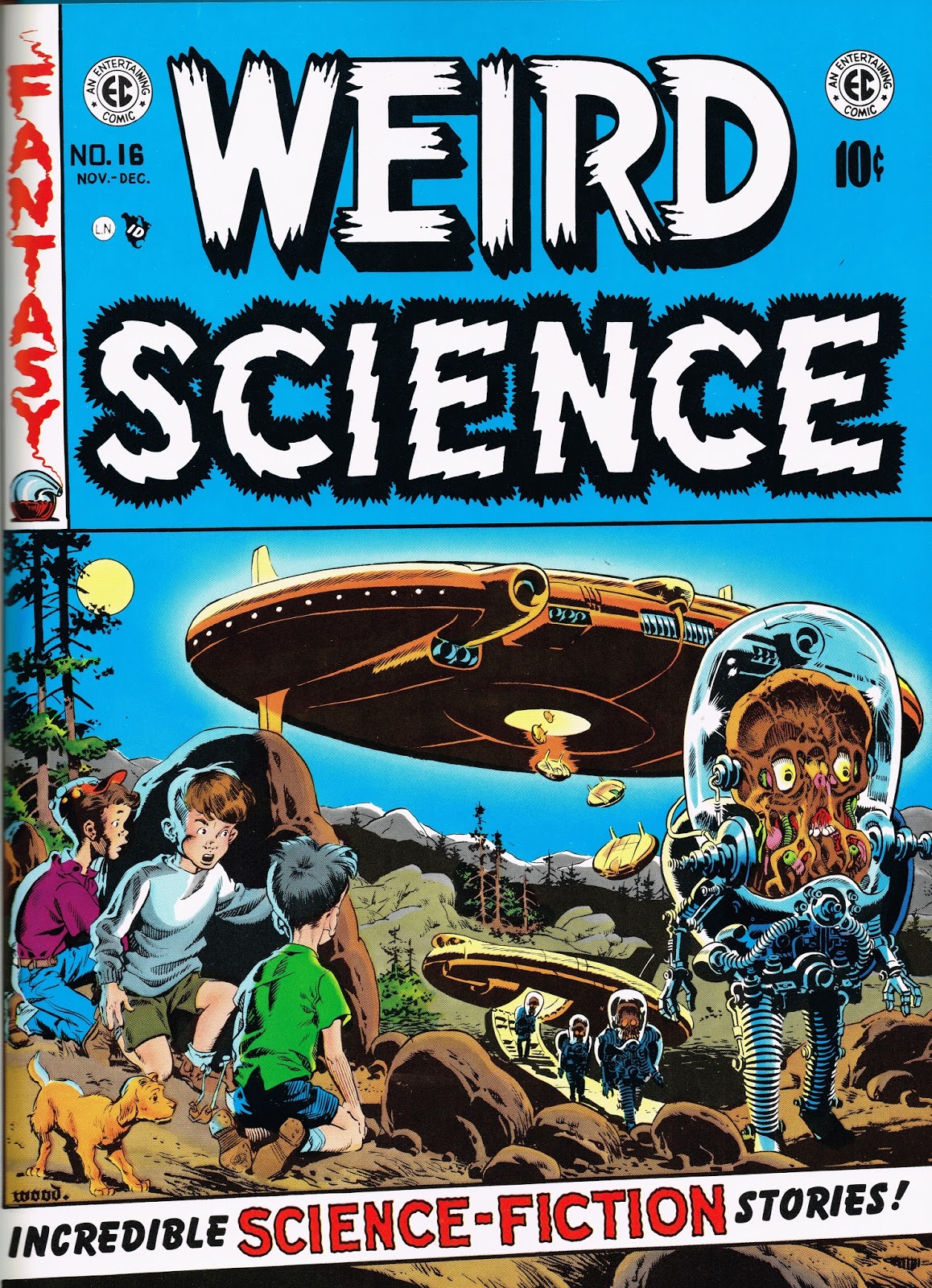 Who’s my favourite comic book artist of all time?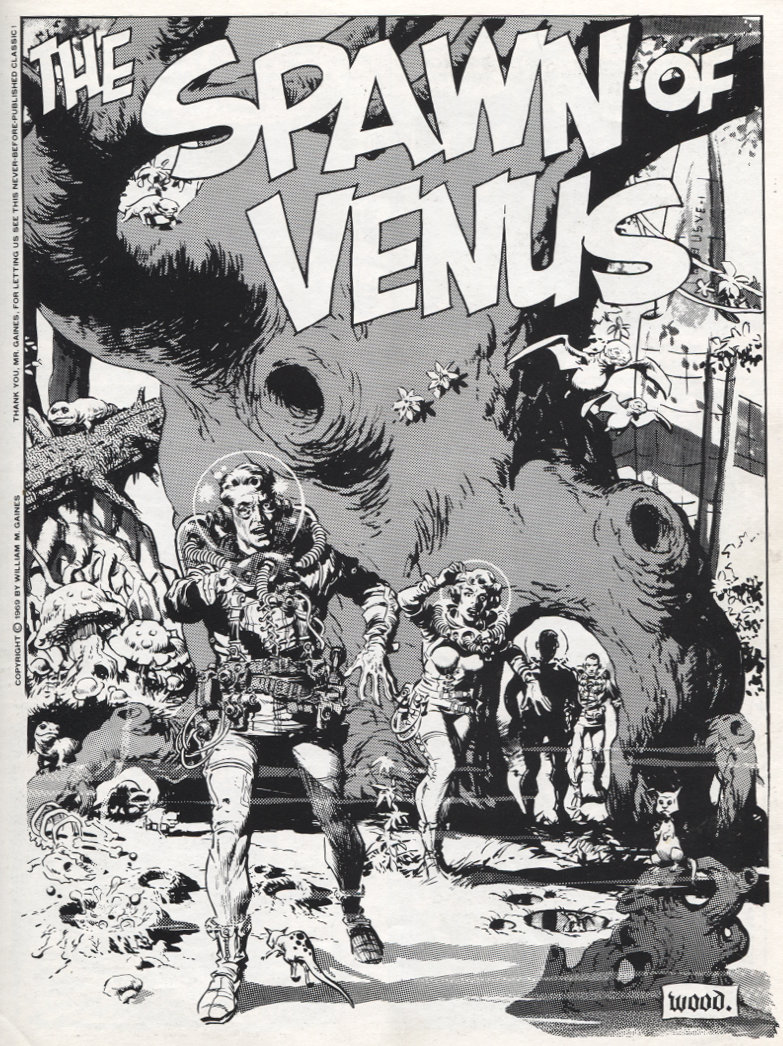


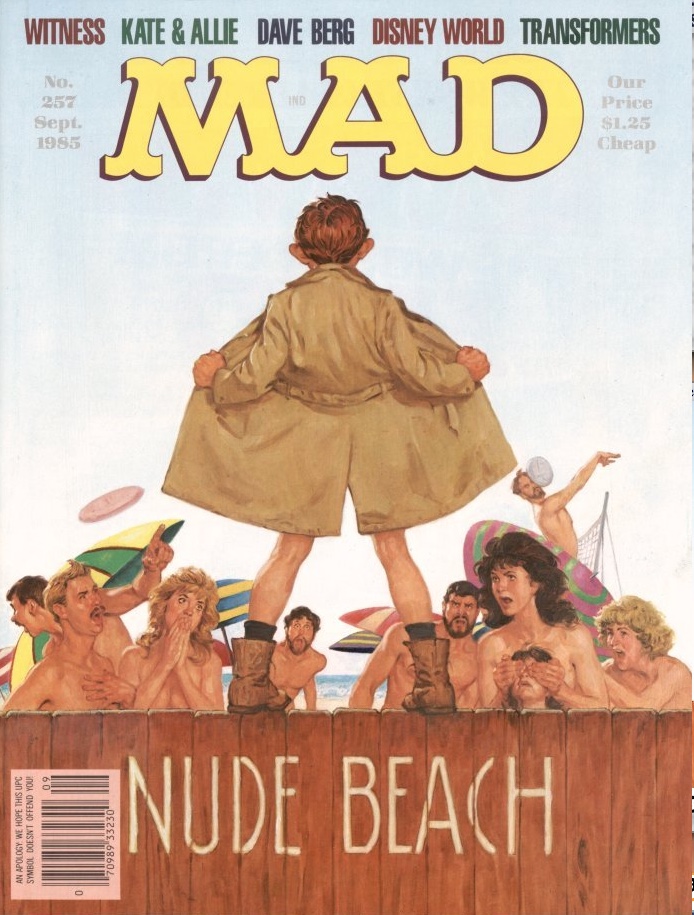 What, me sorry? The rumours are flying fast and furious that
 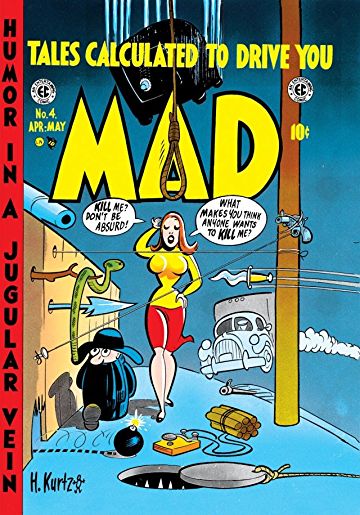 Soon I also discovered “classic” MAD, the Harvey Kurtzman-edited comic book that the magazine originally began as in 1952. It remained the last gasp of EC Comics itself after the great comics-will-warp-you scare of the ‘50s shut the rest of the line down. I got a massive volume collecting #1-6 of the series, packed with Kurtzman wit, Will Elder’s insanely detailed art, Wally Wood’s gorgeous spacemen and girls, and much more. I still have that somewhat battered gorgeous big volume of MAD’s first 6 issues, along with several other volumes collecting the original series, plus scattered around the house a battered stack of issues dating back to the ‘70s, all well-read and mangled as they should properly be.
 MAD ended its 550-issue run and “relaunched” like pretty much every other long-running comic book publication about a year ago, and the writing was on the wall then. But to be honest, in the age of Trump, isn’t everything feeling a little satirical? When Trump himself made fun of presidential candidate Pete Buttigieg by saying he ‘looked like Alfred E. Neuman,” nobody under 40 really seemed to get the the joke, including the candidate himself.
 Thirty years ago today, I was standing in a line. A bunch of us were all queued up for what was then the biggest comic book movie of all time, Tim Burton’s Batman.
 It’s hard to explain to fans of today’s slick, streamlined and gorgeous Marvel Universe movies that seeing a comic book movie in the ‘80s and ‘90s was mostly a matter of lowering expectations, of accepting flaws and looking for the bits that worked.
 But Keaton’s Batman has only grown in strength over the years. He never quite has the classic physical profile – seen in a tuxedo in an early scene, his Bruce Wayne’s shoulders would barely fill half the Bat-suit – but acting is often concentrated in the eyes, and Keaton’s eyes hold a balance of resolve and regret. His Bruce Wayne seems closer to the edge than some – look at the scene where he takes on the Joker in his civilian clothes: “You want nuts? Let’s get nuts!” In contrast, his Batman is more of a blank, grim slate, a mask that wipes out Wayne’s humanity and focuses his mission.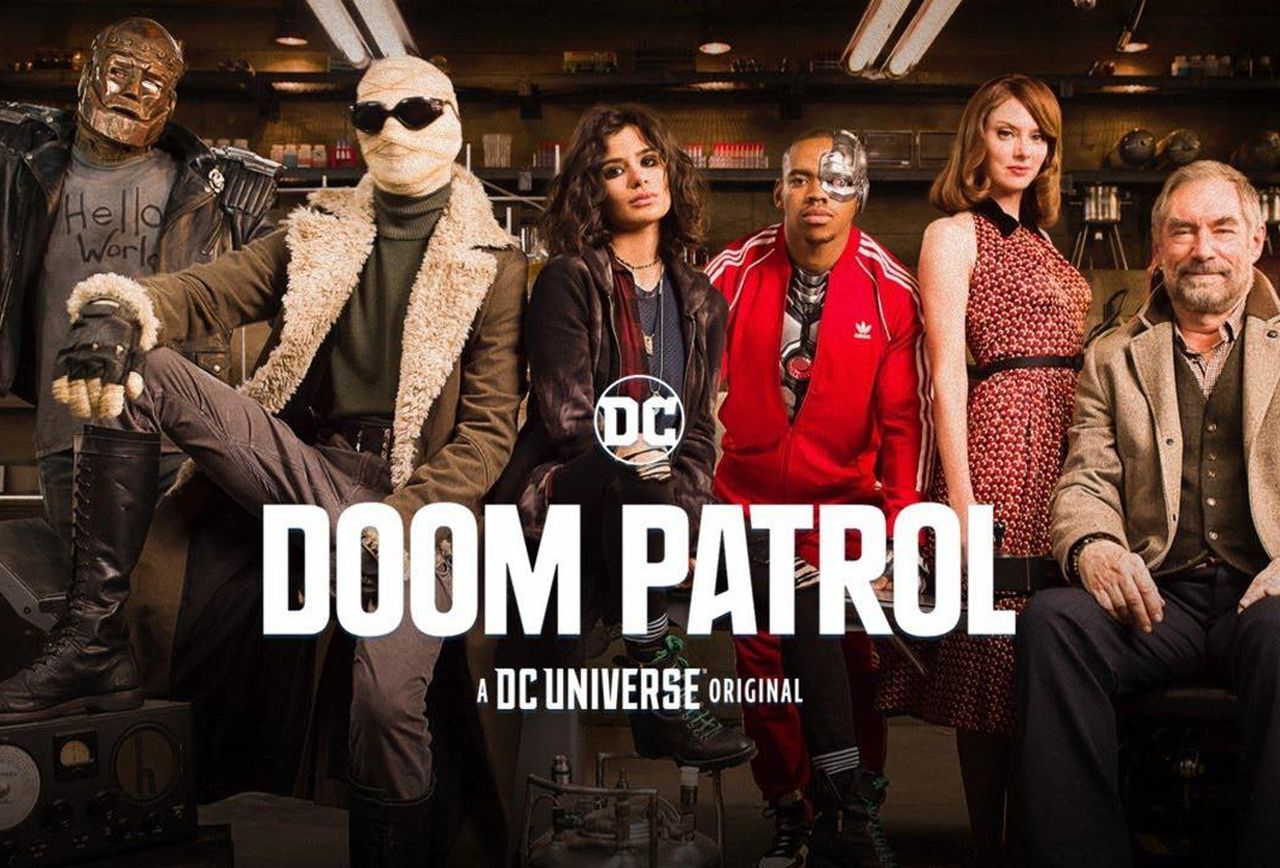
 Doom Patrol have always been weird, a team of misfits and outcasts kind of like the X-Men, but more so. Their original 1960s comic adventures are a bizarro Silver Age blast, but “my” Doom Patrol really burst into being with Grant Morrison’s seminal late 1980s reinvention of the concept. Morrison’s twin masterpieces of Doom Patrol and Animal Man back in the day blew my teenage mind.
 One of the newer of the approximately 419 streaming services out there, DC Universe premiered last year with Titans, which was a mixed success for me – I dug seeing the “Teen Titans” come to life and there were some great parts, but the show had very scattered storytelling and a self-consciously adult tone that felt forced (Unless you really thought we needed to have a blood-soaked Robin muttering “F—- Batman” to make the character work better). Doom Patrol is more adult by nature, so the swearing and mature themes work better (I’ll never get tired of hearing Cliff Steele aka Robotman saying, “What the F—-!?!?” in response to Doom Patrol’s never-ending parade of weirdness).
 Nik Dirga