Why I’ll miss Superman and Lois, the best comics adaptation going 

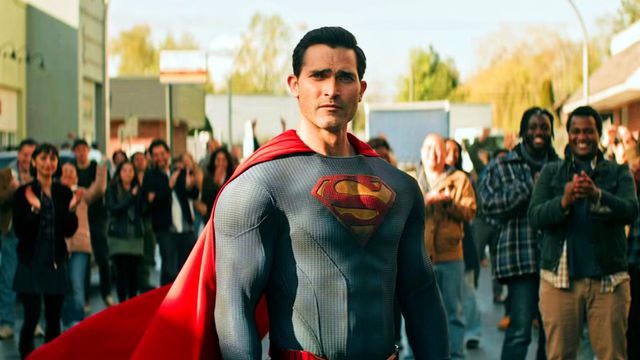
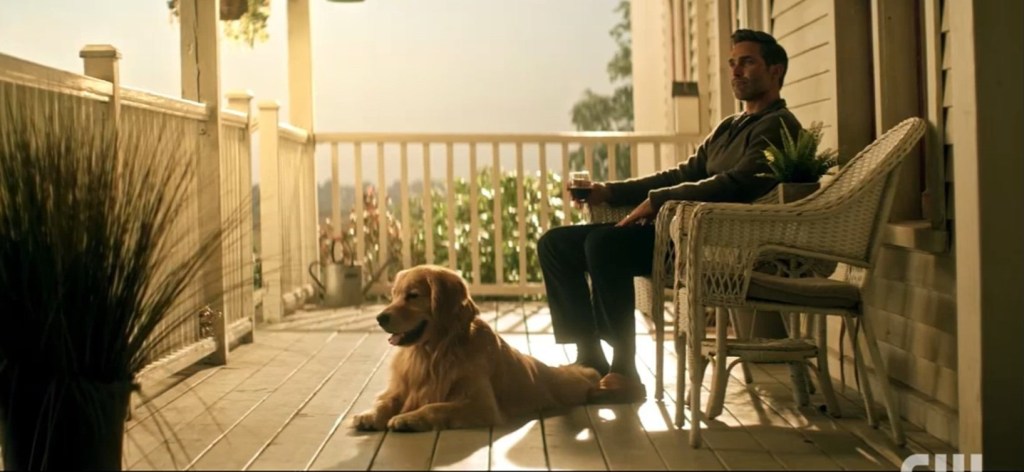
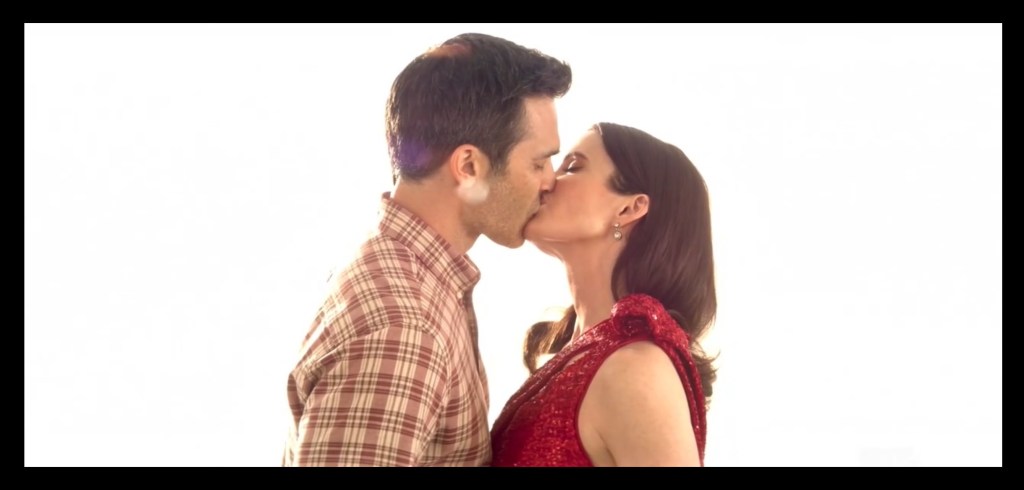
The best superhero on screens lately hasn’t been anywhere near movie theatres – for me, it’s been Tyler Hoechlin’s firmly joyful, human portrayal of Clark Kent in Superman and Lois, which ended its four-season run this week. (Some mild spoilers ahead!)

I’ve been a big fan of this series since it kicked off and if anything, in its final days it got even better. Unlike the cluttered, overstuffed recent Marvel Cinematic Universe productions, where everything has to lead to the next thing, Superman and Lois has kept its focus relatively intimate, leveraging a smaller budget as best it could to deliver superhero action with a lot of heart. Unlike The Boys or other edgy shows, it’s not about taking apart the superhero idea – it’s about revelling in its simple possibilities. 

The show has been deliberately small in scale, with the Man of Steel and his family moving back to his childhood home of Smallville in order to give his sons a normal life. Previous Superman TV series like the very ’80s Lois and Clark and Smallville never quite worked for me – they were either cheesy or overly padded. Superman and Lois has combined life’s brutal truths with heartfelt optimism, and while your mileage may vary, for me it’s one of the most emotional Superman stories yet. 

This final, fourth season has delivered the one thing earlier seasons lacked – a stunning villain in Michael Cudlitz’s psychotic, jacked-up Lex Luthor, who’s been released from prison after years and consumed with vengeance. For the final 10 episodes, Superman and Lois stuck to the tightening Luthor-Superman feud as it built up, right on up to doing a pretty decent (if slightly too speedy) take on the famous “Death of Superman” comics run. 

Lex Luthor is the yin to Superman’s yang, the over-achieving human who is filled with greedy contempt and the powerful alien who lives his life with humility. 

A real strength of Superman and Lois is it feels like the story has moved forward, rather than circling around and around the same tired plot beats. It’s given us things we’ve never seen in a Superman live action project before – a married Superman with children with their own powers, a Superman whose identity is eventually revealed to the world, a Lex Luthor wearing that groovy ‘80s battle armor and actually throwing down in a fistfight with Superman … and most importantly, it’s given us an ending. 

Superhero stories rarely ever really end, but in its masterful final episode, Superman and Lois firmly draws an ending to this particular story of Superman. Maybe it’s just because 2024 has been kind of a shit year, but it got me all weepy-eyed like a superhero film/TV show hasn’t in a long while. 

I’m quite looking forward to James Gunn’s own Superman movie next year, which promises to also capture some of the hope and awe vibe sorely missing from Zach Snyder’s Superman, but it’s a bit of a shame that Hoechlin’s TV portrayal has never quite broken through to the mainstream. He’s the best Superman in my mind since Christopher Reeve – powerful yet fair, caring yet resolved. 

The moment in one of the final episodes where Superman is forced to reveal his identity in public after years of denial is pitch-perfect, and sums up the quiet power that the best episodes of the show have managed: 

Now, it hasn’t all been perfect – a little too much soap opera with the teenagers, a little too much emphasis on the dull as dishwater Lana Lang’s family – but whenever Hoechlin and Tulloch were on screen, the show felt refreshingly sincere. This Superman radiates hope, no matter the odds.  

It’s easy for something to get lost in the avalanche of superhero content these days but Superman and Lois was a quiet gem of inspiration reminding us why we like superheroes in the first place. 

At its heart, Clark and Lois are decent people trying to live decent lives. Some may call that corny. To me, that’s not the worst thing to look up to, these days. 

The Justice Society of America: And justice for all

Comic book fans love their legacies, and there’s no group with more legacy out there than the Justice Society of America. Comics’ first superhero team debuted back in 1940 and 84 years on, they’re still out there, with many of the original members who fought during World War II carrying on fighting crime despite theoretically pushing 100 years old now. 

But hey, kids, it’s comics, and even if the original Flash and Green Lantern might be a little long in the tooth, they’re still out there. The JSA was generally home to the second tier of the early DC heroes – Hawkman, Doctor Fate, Starman and the like. It was literally the first time superhero characters from different stories got together and decided to hang out. They inspired the more famous Justice League that started in the 1960s and have kept coming back, for decades now. The latest JSA revival is about to hit the stands.

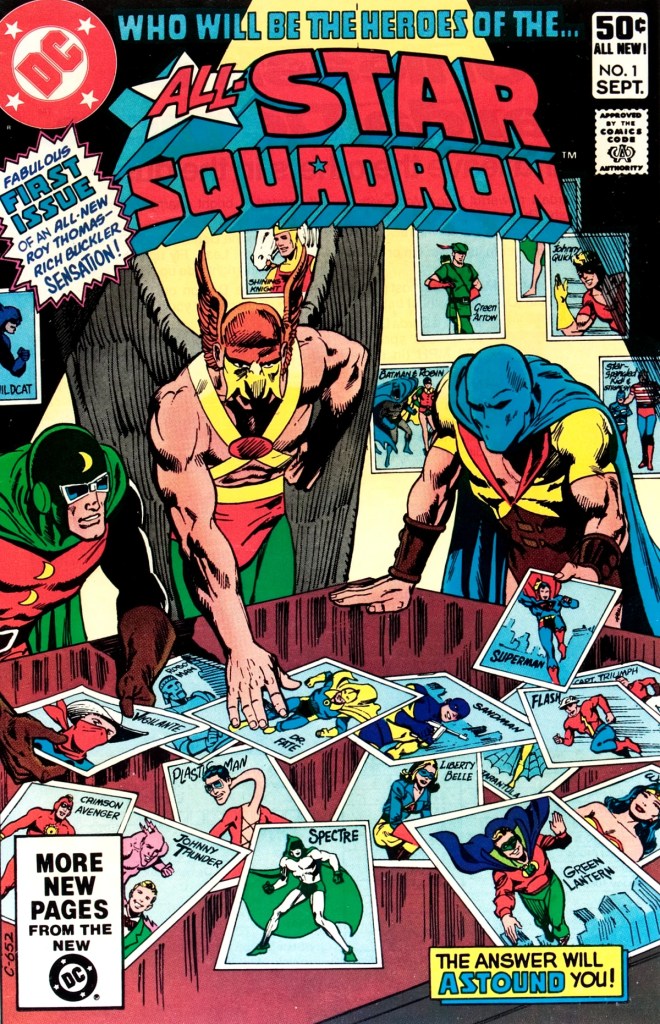
I stumbled across a big ol’ pile of All-Star Squadron comics at a yard sale back in the day, which was writer Roy Thomas’ faithful reimagining of the Justice Society’s adventures in World War II, along with pretty much every other vintage comics character of the period thrown in the mix.

I fell in love with Thomas’ amiable, corny comics – nobody is more of a comics history buff than he is, and even if his dialogue can sometimes be embarrassingly uncool, his love for the characters always shines through. The All-Star Squadron’s whole vibe was retro without being childish, and for 70 issues or so in the ‘80s it brought the JSA back to life again. (Heck, I even named my own team of goofy superheroes “The All-Spongy Squadron” in a tip of the hat to ol’ Roy Thomas.) 

What I love about these comics was that there were so MANY heroes, from stalwarts like Superman and Hawkman to second-tier characters like Johnny Quick and Robotman to who-the-hell-are-these-people obscurities like The Jester and The Human Bomb. When we saw the entire All-Star Squadron in one heaving double-page spread, I wanted to know who all these guys were and what their deals were. That’s how comics hook you. 

The thing I’ve always enjoyed about the JSA/All-Star Squadron in all its many incarnations is its sense of family and legacy. Newer heroes came along like Power Girl, a grown-up Robin and Batman’s daughter The Huntress in the excellent 1970s All-Star Comics revival, while Roy Thomas’ spin-offs Infinity Inc and Young All-Stars added even more characters into the mix.

The Justice Society’s 84-year-tenure is a history of the superhero comic itself, with all its ups and downs – the JSA went away in the 1950s as superhero comics dropped in popularity, swung back in the 1960s to inspire the Silver Age of Comics, and got a bit grim and gritty in the modern age just like everything else.  

The biggest and so far best JSA revival was the 1996-2006 one spearheaded by writer Geoff Johns, which took all that hefty legacy and sense of history and stapled it to some ripping good modern action-filled superhero yarns. The Justice League are the big guys, yeah, but the JSA were the ones who started it all, and it was great to see a comic that embraced their legacy in a dynamic fashion. 

You’d think superheroes whose whole existence is tied to being around since World War II would eventually fade, but the JSA just keep ticking along, and so far, nobody has really retconned their deep ties to the 1940s away yet. (Some of the old original JSA have died, but others have had their improbable longevity waved away by magic, science, being lost in limbo, speed forces, et cetera.) 

Big super-teams out there like the Justice League and Avengers are constantly breaking up, reforming, et cetera. But while the JSA has gone dormant at times, their legacy has never quite been rebooted or erased and their core has remained refreshingly the same, with Hawkman, the original Flash or Green Lantern almost always in the mix. 

Unfortunately the most recent 2022-2024 12-issue Justice Society revival by Johns was a disappointment, with an endless procession of new characters being introduced and very little being done with them and none of the pivotal characterisation Johns’ earlier work had.

The JSA and All-Star Squadron have always been crowded with heroes, but this latest Justice Society revival felt more like a list of soup ingredients than a pantheon of icons. It was an endless series of teasers in search of a story, something a little too common in the MCU-ified comics world these days. 

Fortunately, we’ve already got the next JSA reinvention ready to go, with new writer Jeff Lemire taking on the team that won’t die. I’ll be checking it out, of course and always hoping for the best. Superhero teams are everywhere these days, but the one that started the whole thing off is still my club of choice. 

The Penguin review – Batman’s goofiest villain is no longer a joke

For a bloke who turns 85 years old this year, Batman is holding up pretty well.

The caped crusader has been reinvented countless times since his 1939 debut, and that’s the secret of his longevity.

You want a friendly Batman? Adam West’s day-glo 1960s TV series fits the bill. Bold and epic? There’s plenty of animated series to choose from. Dark and gritty? Pick up Frank Miller’s classic Dark Knight Returns graphic novel. Somewhere in the middle, with lots of Gothic architecture? Tim Burton’s unique 1989 Batman still holds up very well.

Those Bat-villains just keep on going, too. Batman probably has the best rogues’ gallery in comic books – a twisted collection of eccentric obsessives strongly defined enough to take the spotlight in many of their own solo comics and movies. Stars who have played the Joker have now won two Academy Awards for Best Actor. For many, battling the Bat as the Riddler, Catwoman or Clayface is still a feather in the cap.

The world of Batman has proved itself ripe for interpretation, whether it’s Robert Pattinson’s brooding emo turn in 2022’s The Batman or villainous Harley Quinn starring in her own filthily funny and irreverent animated series.

But a new HBO spin-off of that 2022 Batman movie serves up one of the darkest takes yet on Batman’s Gotham City, starring Colin Farrell reprising his role as the scheming gangster Penguin.

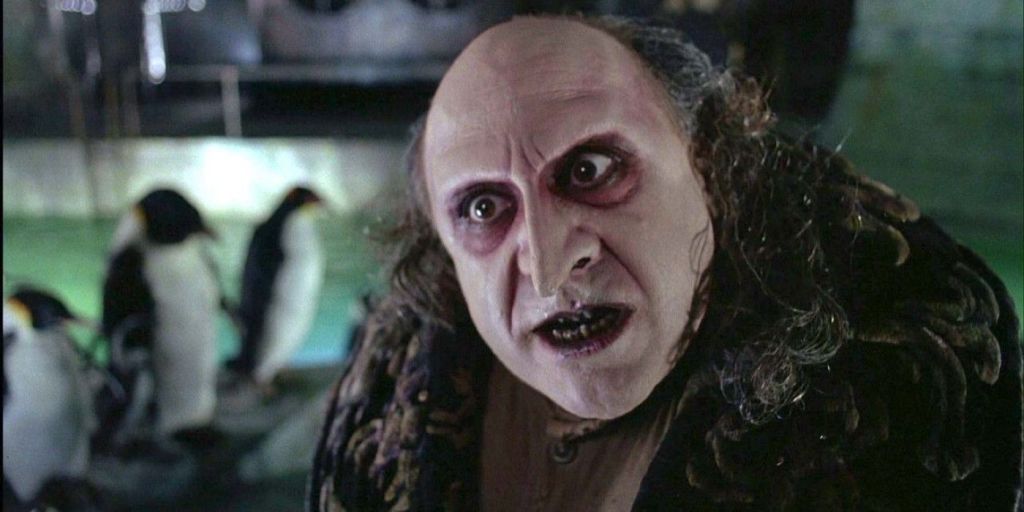
The Penguin has always kind of been the also-ran of Bat-villains, despite hanging about for decades. A pudgy, monocle-wearing bird-obsessed weirdo with trick umbrellas, he was memorably brought to life by a cacklingly campy Burgess Meredith in the 1960s TV series, while Danny DeVito in Tim Burton’s Batman Returns was a waterlogged, creepy outcast.

Wipe all that out of the memory with Farrell’s sinister “Oz” – who loathes the nickname Penguin – a scarred and crippled mobster who nearly stole the show in The Batman. There are no trick umbrellas here.

An unrecognisable Farrell, looking like an overweight Robert DeNiro run through a smudgy photocopier, played Penguin in The Batman film as a seedy Goodfellas-style criminal.

It was a magnetic performance with its visceral sleaze, and over the new eight-part miniseries Farrell’s snarling take on this most ridiculous of Bat-villains makes a good case for why you should never overlook a penguin.
In The Penguin, which picks right up after the near-destruction of Gotham City in The Batman’s climax, Farrell gets a showcase a world away from big budget MCU-style comic adventures.

Farrell feels consistently underrated as an actor, despite some excellent performances in films like After Yang or In Bruges and an Oscar nomination for The Banshees of Inisherin. He gives the oily Penguin a sense of wounded soul despite working under piles of makeup and padding to create the character’s waddling presence.

This isn’t your childhood Batman and definitely isn’t for kids – while the Bat himself is only referred to in passing, The Penguin is a deliciously nasty slice of noir, filled with F-bombs and shockingly violent deaths, far more The Sopranos than Batman Forever.

The Penguin is scrambling to take advantage of the chaos in Gotham’s criminal underworld after the events of The Batman. He’s nowhere near a “supervillain” yet, but he’s got big dreams, and ropes into his labyrinthine plans a conflicted teenager (Rhenzy Feliz) and the disturbed daughter of deceased crimelord Carmine Falcone, Sofia (Cristin Milioti).

The Penguin works best when it focuses on Farrell, but Milioti (Palm Springs, Black Mirror) is also striking channeling that good old Gotham City criminal intensity into an unpredictable performance. A rogue’s gallery of prominent actors like Mark Strong, Shohreh Aghdashloo and House of Cards’ Michael Kelly fill out the cast.

Over The Penguin’s eight episodes (the first five were viewed for review), a tangled web of double-crosses and violent heists unfolds, with Oz the Penguin scrambling over dead bodies as he hopes to make his mark on the world. While it may help set the stage for the 2026 sequel to The Batman, it also very much stands on its own even if you’re not a Bat-fan.

There’s no Batman, no Robin in sight, but you honestly don’t miss the Dark Knight too much with bad guys this watchable.
This review also published over at RNZ!

Why Wally West is the only Flash for me

The Flash probably has one of the three best superhero costume designs of all time. Bold, red and emblazoned with lightning bolts, it’s a killer. And his power – running super-duper fast – is elegantly simple, yet full of possibilities. 

The Flash has been running since the very first Flash hero debuted back in the early 1940s. Because comic books have become all about legacy and rebooting characters, there are now a lot of Flashes out there, but for me, Wally West will always be the best Flash. I just wish the comics world would let him be that.  

Wally West is, basically, the third person to be called the Flash, and somehow, despite having been doing this since 1987, he’s still somewhat treated as the “new” Flash. It’s a shame, because he’s by far the best character of all the Flash folk and one of the only “legacy” superheroes to truly outshine his predecessor. 

West began as a sidekick – “Kid Flash” to Barry Allen’s 1960s Flash – but has since gone on to become a father, husband, and more than worthy successor to Barry Allen, who died – the first time – in 1985’s Crisis On Infinite Earths. 

There are a lot of great stories with the Barry Allen Flash out there – a knotty mix of nerd science and colourful “Rogue” villains – but let’s face it – Barry Allen, to be charitable, was a bore. A straight-laced policeman with a very ‘60s crewcut, Barry Allen in the original comics remained opaque – the powers were cool, the costume was swell, the villains great, but Barry Allen, more than many other DC comics characters like Clark Kent and Bruce Wayne, defied any real depth. He just kind of was there.

Not so Wally West, who started off as a headstrong teenager, then a girl-chasing member of the Teen Titans. When he took over as the Flash after Barry Allen’s death, it was a breath of fresh air. The terrific, underrated Mike Baron and William Messner-Loebs ’80s Flash series radically scaled back his powers, and made Wally kind of an engaging jerk – selfish at times, foolhardy at others, always trying to outrace Barry Allen’s shadow. 

It’s a pet peeve of mine that comics characters aren’t allowed to age but that’s been changing in recent years. West, unlike Allen, has been allowed to grow – under the excellent writing of Mark Waid and Geoff Johns and others, he became his own man – got married, and now has a family and several children. He’s a fun Flash, mostly, and while Flash comics themselves have been good and bad over the years, Wally West has – for more than 35 years now! – been the Flash.

But. He’s still chasing Barry Allen’s shadow. Because comics just can’t let dead be dead, of course Barry Allen was brought back to life back in 2009, and saddled with some new pointlessly grim-dark backstory about his mother being murdered and his father accused of the crime. You can load Barry Allen with all the baggage you like, but perhaps his finest moment was his starkly moving original death back in Crisis On Infinite Earths #8.
Barry Allen was brought back likely at the behest of corporate bean-counters, but DC Comics has never really seemed to know what to do with him. The Barry Allen version of Flash has been in a long-running TV show and a convoluted moderate flop of a movie, but to be honest, neither one of those Barry Allens was very much like the comic version. The CW Network Flash played by Grant Gustin was wide-eyed and perky and had a fair amount of Wally West’s charm grafted on, while the DC movie universe Flash played by controversial Ezra Allen was jittery, annoying and pretty much bore no resemblance to any comics version of the Flash other than perhaps his enthusiasm. 

Ever since Barry Allen was resurrected, the comics have juggled West and Allen back and forth confusingly. West has been treated appallingly badly at times by the comics, with the nadir being the horrible Heroes In Crisis miniseries that somehow made West both a mass murderer and a traumatised victim and killed him off for good measure. West deserved better (don’t worry, he came back, because comic books). 

Meanwhile, pretty much all of the most memorable Flash comics the past 35 years have been Wally West, but for some reason they can’t just kill Barry Allen off once and for all and let Wally be the true Flash. An intriguing current series of Flash comics I’m enjoying by Simon Spurrier are delving into pseudo-science cosmic horror and star Wally West, yet Barry Allen is still, confusingly, running around in the mix as well. Just pick a Flash, DC Comics. 

For years, Flash comics would start off with the line, “My name is Wally West. I’m the fastest man alive.” After doing the main job for the better part of 40 years now, isn’t it time to just give up on trying to make boring Barry happen and acknowledge Wally as the one, true Flash? 

(Just as I was polishing off this post I discovered that coincidentally friend Bob somehow wrote pretty much the same exact thing about Wally West nearly 10 years ago. We Wally West fans are legion in New Zealand! LEGION!)

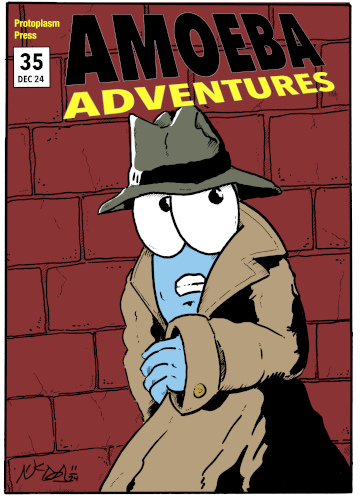
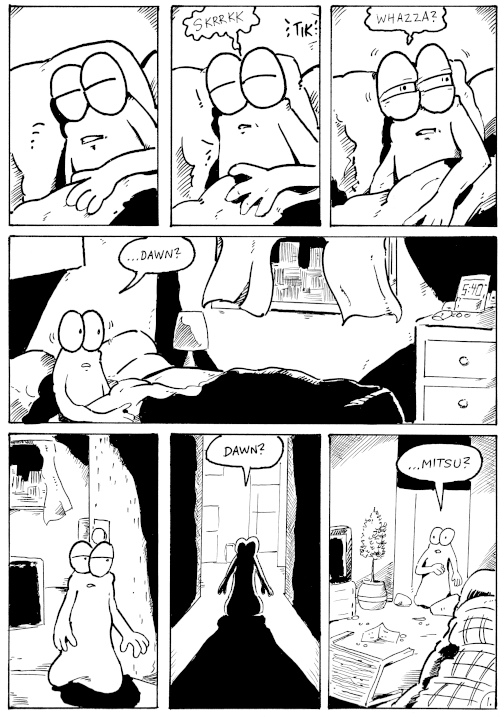
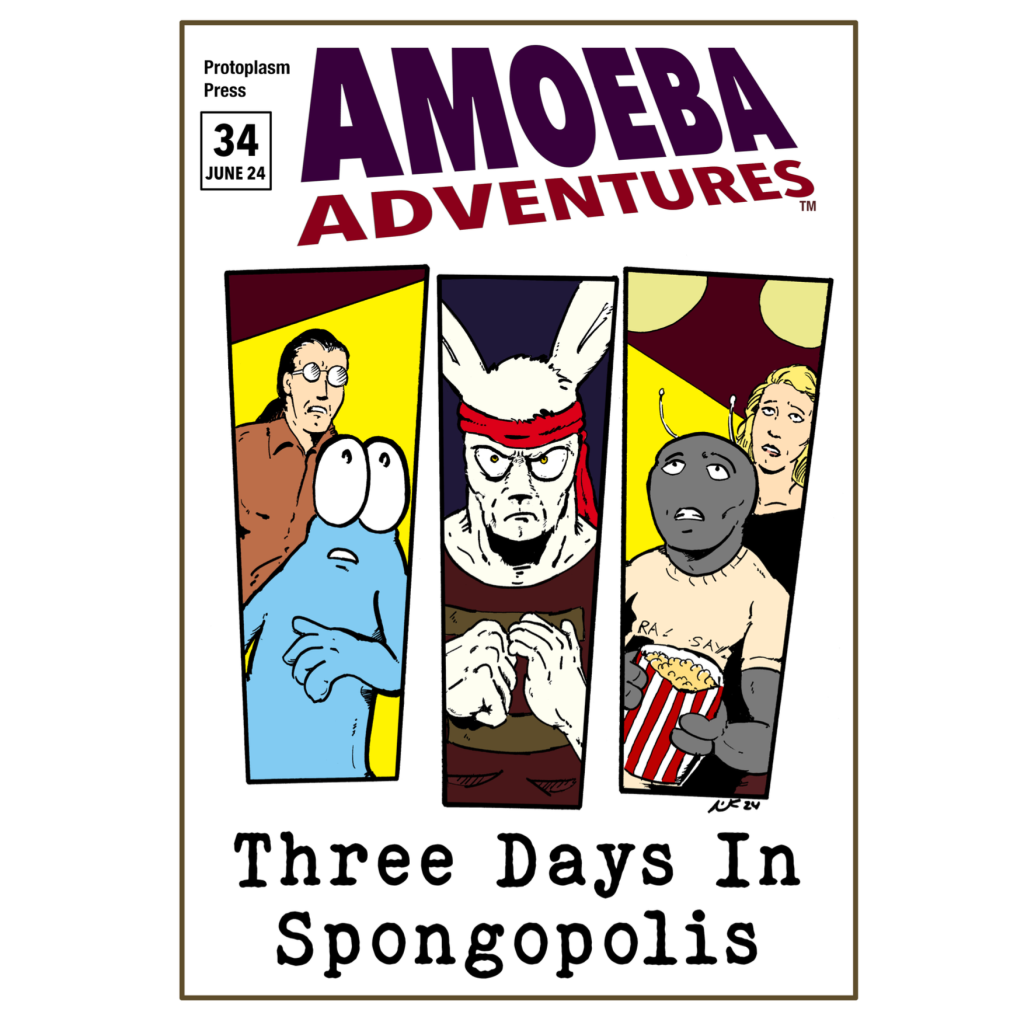
And now, it’s Amoeba Adventures #34!

It’s time for not one, not two, but THREE new Amoeba Adventures stories in the brand new Amoeba Adventures #34, now released digitally FREE to all the people of the internet!

Here we’ve got the latest issue of the comics series I’ve been publishing on and off since (groan) 1990, featuring three adventures starring Prometheus, Ninja Ant, Rambunny and the gang!

Plus, small press superstars Tony Lorenz and Thomas Ahearn provide guest art on one of the tales (the other two, you’re stuck with me, sorry)!

As always, I’m giving it all away for free – click here to download the PDF to the computing machinery of your choice!

Download Amoeba Adventures #34 now, gosh darn it!

But heck, I get it, you want a physical release, too? The print editions have been scaled back a little bit starting with this issue and will be print-on-demand. If you’re down, order one up for a mere US$7.50 to ship anywhere in the world from Hobbit-plagued New Zealand by sending cash to me via PayPal at dirgas@gmail.com. They’ll be sent out in July! Also, I’m clearing out the storeroom a bit and just for the next short while, print copies of Amoeba Adventures #31, 32, 33 and the special anniversary reprint of #27 are a mere $2.00 US each if you order a print copy of the new issue!

And as always, your feedback, applause and condemnations are eagerly requested – I’m not doing this to get rich or famous, but I do always like to hear what you might think of the latest of Prometheus the Protoplasm’s never ending adventures!

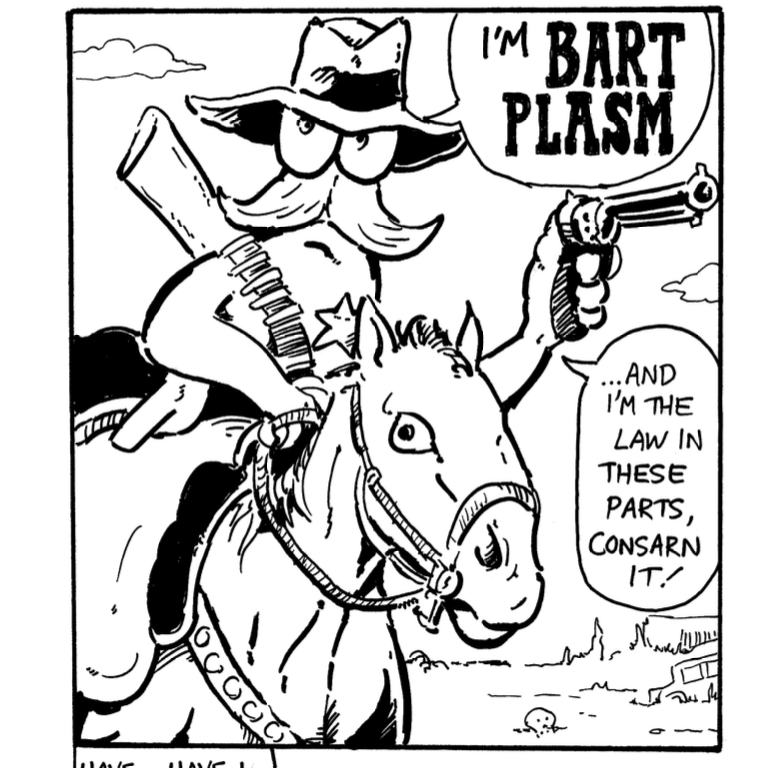
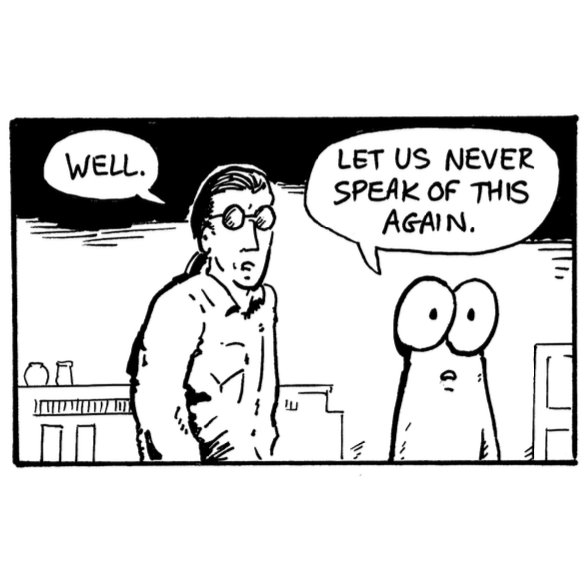
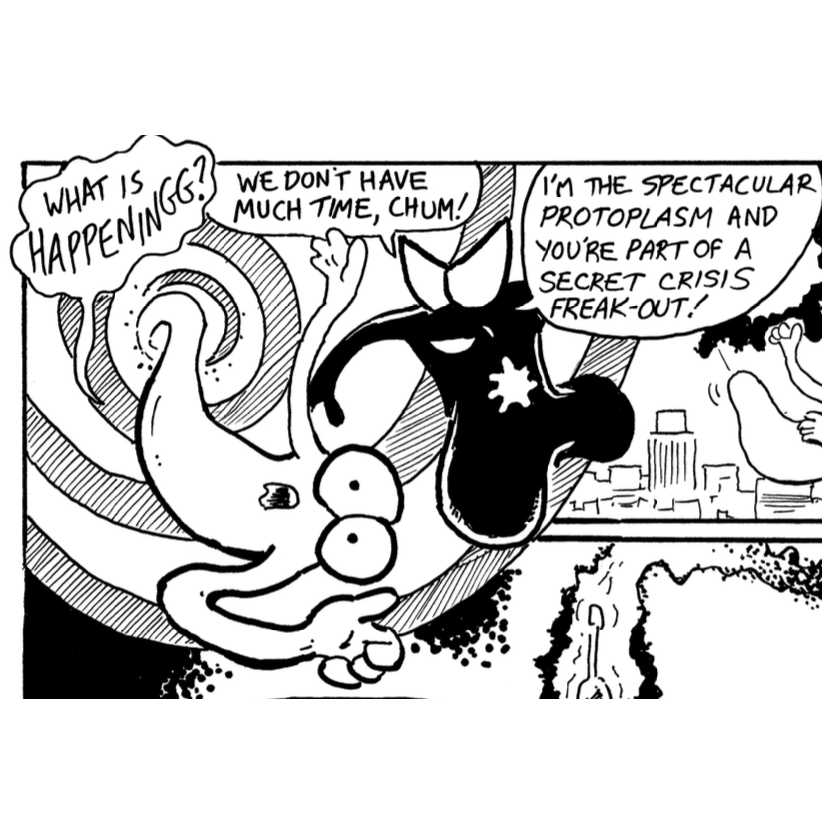
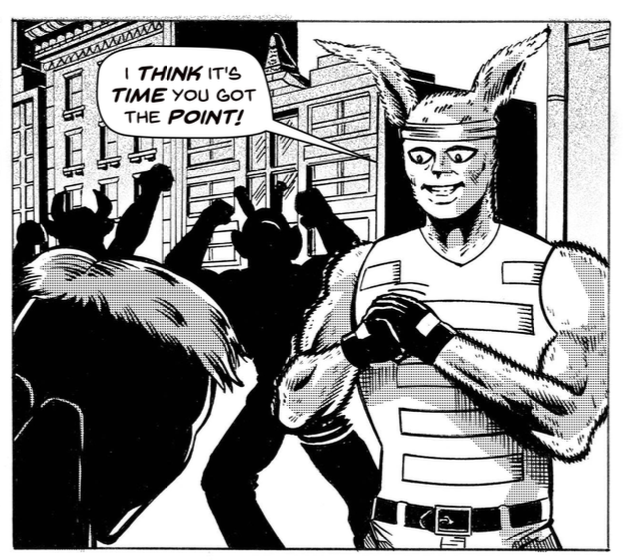
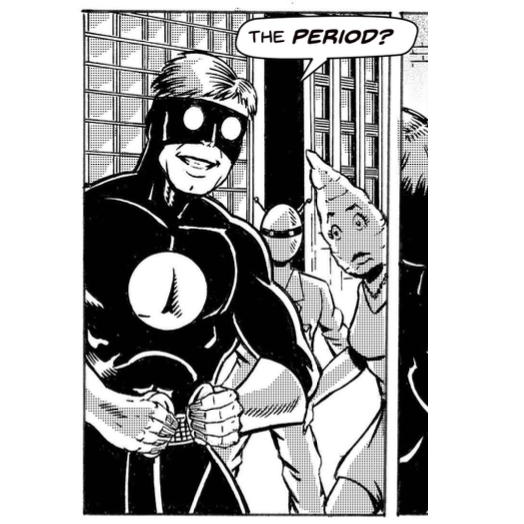
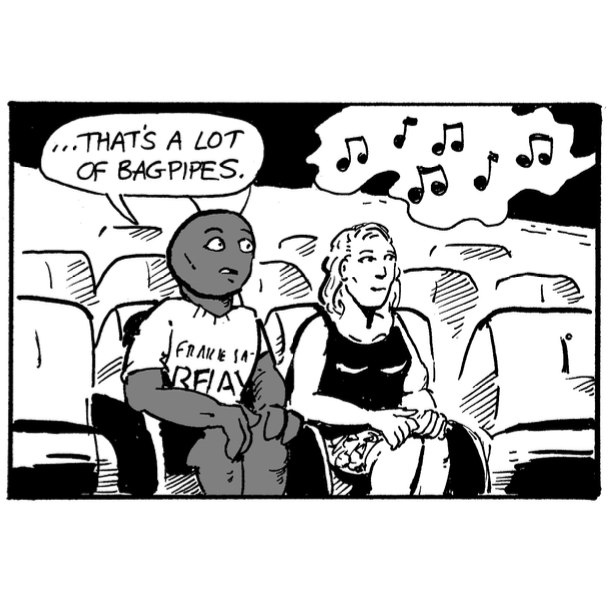
Here’s a wee sample of the weirdness this issue contains: 

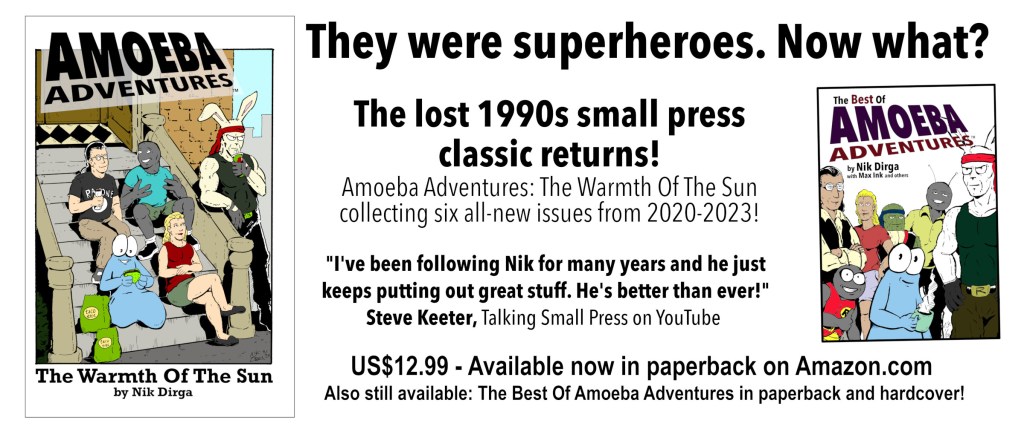
And obligatory plug, if you’re one of the unlucky few who haven’t picked up the hefty archival tome The Best Of Amoeba Adventures over on Amazon, what are you waiting for? This 350-page book collects the best of the original 1987-1998 Amoeba comics written by me with art by me, Max Ink and many more, plus tonnes of bonus essays, rare artwork and cover gallery – it’s available in sultry paperback and decadent hardcover over on Amazon right this second – please buy a copy and save my financial future!

And as always, thanks for reading my goofy comics!

Meanwhile, elsewhere on the internet…

Monty Python voice: I’m not dead!

Regular posting will resume soon after the difficulties of the past six weeks or so. In the meantime, here’s a few things to catch up with by or about me that have been circulating out there elsewhere on the internet:

As part of RNZ‘s occasional “What To Watch” series highlighting the quirky and obscure corners of the streaming cinematic universe, I wrote up a little review of the extremely weird offbeat Korean comedy Chicken Nugget: What To Watch – Chicken Nugget

Over at the New Zealand Listener magazine, I did a review of Everest, Inc., a fascinating new book by Will Cockrell that looks at how the world of daring mountain summiteers has changed since Sir Edmund Hillary and Sherpa Tenzing Norgay first conquered Everest. You can read it over here (paywall).

And elsewhere, friend Bob had a very kind post the other day about my long-running obscure small press comic Amoeba Adventures, in which he compared my timid scribbling to Scott McCloud’s awesome Zot! which is high praise indeed. (And by the way, if you’re one of those folks who haven’t gotten around to ordering my hefty compendium of classic Amoeba comics over on Amazon, go grab yourself The Best Of Amoeba Adventures right now!)

Back with more pop culture rambles soon!

Great Caesar’s ghost! Eight of my favourite journalism editors in fiction

Somehow, I’ve ended up working in journalism an awfully long time. And in that time, I have had many good editors, a great editor or two, and couple of terrible editors. I’ve also been an editor myself many times (I’ll leave it to others to judge where I fell on the scale myself). 

An editor isn’t as glamorous as the headline-chasing feisty street-level reporter, perhaps. But in this age where journalism seems to be constantly under siege from all sides, editors do matter. They guide, they teach, they question, they correct, they set the tone and they can make or break a media outlet. My industry has changed a hell of a lot in the years since I started, but no matter how many apps, algorithms and pivots you throw at it, you need an editor in the mix to make quality journalism. 

So here’s a tribute to the bleary-eyed, coffee-fuelled, rage-filled and yet quietly inspirational editors, with a look at eight editors portrayed in fiction who have always inspired me in my own wayward journalism journey, for good or bad. 

Lou Grant, The Mary Tyler Moore Show (1970-1977) played by Ed Asner. When I think of a newsroom editor, the rumpled face of Ed Asner leaps to mind. No-nonsense, idealistic and gruff but with a heart of gold, Asner’s Lou Grant was the comic anchor of the still-classic Mary Tyler Moore Show. “Spunk? I hate spunk!” he growls at Mary in the very first episode. Asner played a sitcom character who was still a believable editor, and after the delightfully wacky Mary Tyler Moore Show ended its run he went on to play the exact same character in a very different drama that lasted for five seasons. Now that’s adapting your skill set to changing times. 

Perry White, Superman comics: The greatest editor in comic books, even when his newspaper staff appeared to only consist of Clark Kent, Jimmy Olsen and Lois Lane in the glorious Silver Age days.  White is old-school journalism to the max, firmly pushing for truth, justice and the American way, just like the Daily Planet’s office mascot Superman. White is constantly shoving his reporters out the door on wacky circulation-boosting assignments, hunting for that story that will make him shout “Great Caesar’s ghost!” In a world filled with kryptonite, Bizarros, giant alien gorillas, fifth-dimensional imps and more, Perry White is a glorious constant. I would work for Perry White any day of the week. 

Jane Craig, Broadcast News (1987) played by Holly Hunter: I can’t pretend I know what it’s like to be a woman in a newsroom, but in this classic ‘80s romantic comedy, we watch Hunter’s intense and driven Jane Craig rise through the ranks and juggle relationships with two good but flawed journalists (the amazing Albert Brooks and William Hurt) while never giving up on her own goals. Hurt’s vapid pretty face and Brooks’ charisma-challenged newsman represent the two sides of journalism that never quite come together, while Hunter – trying to keep her principles in a constantly changing industry – is the one who really succeeds in the business.

Charles Foster Kane, Citizen Kane (1941) played by Orson Welles: Is he a good editor-publisher? After all, Welles’ masterpiece is about the rise and fall of Charles Foster Kane. Yet while he’s an egotistical, perpetually unsatisfied tyrant, what we see of Kane’s managerial skills in Citizen Kane also shows us that he’s a darned good newspaperman, hustling for scoops, scandals and attention. Yeah, he bends ethical lines a fair bit, but I’m willing to cut him a little slack as he dates back to the peak era of yellow journalism led by Hearst, Pulitzer and the like. I don’t imagine I’d like to work for Kane, but I’d sure as hell read any newspaper he put out. 

Charles Lane, Shattered Glass (2003) played by Peter Sarsgaard: Shattered Glass remains one of my favourite, still rather underrated journalism movies, about the plagiarist liar journalist Stephen Glass and his unravelling. Sarsgaard is fantastic as the unassuming editor who begins to smell a rat in Glass’ fabulist copy, and doggedly purses the loose ends to discover what the real truth is. Calm but determined and intensely offended by Glass’s stream of lies, Sarsgaard’s Lane makes the dull business of factchecking seem like a spy thriller. 

Ben Bradlee, All The President’s Men (1976) played by Jason Robards. Robards is the only one on this list who won an Academy Award for playing an editor, and rightfully so – his inscrutable, steel-eyed Bradlee is the axis around which Dustin Hoffman and Robert Redford’s Watergate investigation revolves in All The President’s Men. Without Bradlee’s guiding hand and consent, the story wouldn’t be told. Like the best editors, he’s kind of terrifying, too. 

Robbie Robertson, Spider-Man comics: Look, Spider-Man’s nemesis J. Jonah Jameson is undeniably entertaining, but firmly belongs on the worst editor list. How worst? He fires Peter Parker about twice a week, lied repeatedly about Spider-Man in print, hired supervillains to kill him, and on several occasions personally piloted giant robots to beat up Spider-Man. That’s a bad editor. But shift your gaze slightly to the side to consider Jameson’s managing editor at The Daily Bugle, Robbie Robertson, who for decades has been a calm, firm but steady presence in the newsroom, frequently dealing with his impulsive boss’s rants and focused far more on truth than agendas. Jameson makes all the noise; Robertson gets the damn paper out. 

Dave Nelson, NewsRadio (1995-1999) played by Dave Foley: As the news director of WNYX, perky Dave Nelson is a sweet-faced rube thrown into a lion’s den of ego, eccentrics and mania. Surrounded by blowhards like Phil Hartman’s anchor Bill McNeal and a variety of other kooks including Stephen Root, Andy Dick and Maura Tierney, Foley as an editor spends almost the entire run of this classic sitcom putting out fires. And you know, that’s often what an editor’s job is – dealing with your staff and juggling all the balls at once. While he occasionally snaps, Dave Nelson simply being able to survive in a radio newsroom bubbling over with complicated personalities is an accomplishment all by itself. 

DC Challenge: The insane comics crossover everybody forgot about

Almost 40 years ago now, the DC Comics universe went through a bit of a crisis. Crisis On Infinite Earths debuted in April 1985 and was one of the first giant “shared universe” crossovers, a sprawling epic that brought together multiple worlds and changed them forever. 

Meanwhile, just about at the same time, another universe-spanning 12-issue all-star miniseries was going on – but decades later it’s nearly forgotten, even though it was kind of the last gasp of that “pre-Crisis” universe. 

DC Challenge is a 12-part miniseries that also debuted in 1985, but instead of some carefully orchestrated event, it was a loose and wacky round robin jam comic where each issue was written and drawn by a different set of creators, bringing together everyone from the big guns like Superman and Batman to the obscure like Viking Prince, Congorilla and Adam Strange. Great comics writers and artists who played a big part in the ‘pre-Crisis’ DC Comics world joined in – Mark Evanier, Gerry Conway, Len Wein, Roy Thomas, Curt Swan, Gil Kane and many more. 

Jam comics by their very nature are probably a little more fun for the creators than the reader, to be honest. They’re a creative exercise that stumbles along from player to player and resist any attempt to smooth out the bumpy transitions. But they’re also kind of fun because literally anything can happen. 

DC Challenge is still an awful lot of goofy fun, maybe because it isn’t trying to change the entire comics universe. Instead, it’s a giant sandbox paying tribute to DC’s then-50-year-old history. Set outside “continuity,” it reads now as a kind of fond farewell to the pre-Crisis DC Universe where you’d regularly have Superman turned into a blimp by red kryptonite. A little less “serious” universe. 

You get such oddities as cowboy Jonah Hex transported to the present day, Deadman teaming up with Plastic Man’s sidekick Woozy Winks, a Batman / Mr. Mxyzptlk encounter, a cameo by Humphrey Bogart, and creators pulling obscurity after obscurity from DC’s vast library of old characters, whether it’s Space Cabby or B’Wana Beast.

Is DC Challenge “good,” exactly? Not quite – it’s nowhere near as emotional or skilled a spectacle as Crisis On Infinite Earths with the late great George Perez’s stunning art, still my gold standard for everything-and-the-kitchen-sink comics storytelling. But it’s an awful lot of loose-limbed fun even when the story threatens to crumble entirely under the weight of a dozen or so authors trying to make sense of each other. 

Sometimes a writer comes along and throws out a bunch of cool bits another threw in (at one point, Albert Einstein becomes an endearing cosmic-powered character in the DC Challenge carnival, only for rollickin’ Roy Thomas to come along in the last few issues and say it was just an alien pretending to be Einstein!). One of the more enjoyable part of the comics is the lengthy afterword essays each issue where the writers critique each others’ plot twists. More so than many comics, here you see the creative process laid bare.

Thirty-nine years on, DC Challenge is really only remembered by oddball comics fans like myself – it’s never been collected, is rarely referenced, whereas Crisis has been collected multiple times, adapted to TV shows and animated films, there’ve been at least a half-dozen “Crisis”-named sequels and it is still in many ways the template for giant comics crossovers to this day where we get swirling invasions from beyond and everybody and their brother teaming up to fight it all. (There was a nifty “Kamandi Challenge” DC put out a few years ago that did homage the round-robin concept, though.) 

DC Challenge wasn’t helped by a kind of goofy catchphrase used to advertise it – “Can You Solve It Before We Do?” The thing is, DC Challenge wasn’t actually some kind of Sherlockian mystery, and the “challenge” really is each creator picking up the pieces after the cliffhangers the previous issue’s writer inserted. “Can You Follow The Insane Plot Twists?” wouldn’t be quite as good a catchphrase, however. 

There’s been about a thousand big comics-universe spanning crossover events ever since Crisis and Marvel’s 1984 Secret Wars kicked the whole modern version of the concept off. Some are still pretty good, most are forgettable, but overall, the concept has been exploited for so much and so long that there’s no real novelty anymore in dozens of heroes gathering together under darkening skies to fight an unbeatable foe. 

On the other hand, the madcap idea of just telling a fun story with your mates and seeing what weird roads it takes you on – well, it may not always be pretty, but it’s rarely ever boring. 

Movies I Have Never Seen #27: Tank Girl (1995)

What is it? A famous bomb that slowly has inched its way back towards being a cult classic in some circles, Tank Girl is one of those comic book movies that came out before comic book movies were everywhere. It’s based on some freewheeling British comics by Alan Martin and Jamie Hewlett (who’d go on to co-create the band Gorillaz). Lori Petty stars as Tank Girl, a spunky punk-rock survivor in a vaguely post-apocalyptic Australian Outback world (in the far, far future of… gulp … 2033) where water is a commodity, ruled over by the corporation of the dictatorial Kesslee (Malcolm McDowell). Tank Girl becomes dragged into an uprising against corporate power, and joins forces with other outcasts and mutant kangaroos to fight evil in a very riot grrll way. While it’s remembered as a flop, it turns out Tank Girl is a gleefully oddball and slightly ahead-of-its-time feminist curio of a world before every comic book movie was envisioned as part of a cinematic universe. 

Why I never saw it: In a sign of increasing senility, I always lumped Tank Girl into the list of movies I had seen at one point and forgot about (I did work for a video store a little back in the 1990s, after all). The back shelves of defunct video stores were littered with movies like The Phantom, Mystery Men, Barb Wire and Spawn that were clunky, low-budget attempts to turn comic books into gold. Most of them were awful, plagued by terrible scripts, dodgy special effects, or both, but at the same time they were often kind of interesting movies. Tank Girl failed at the box office, mystified most critics, and mostly went on to be known as that movie that featured rapper Ice-T under a lot of latex as a mutant kangaroo. 

Does it measure up to its rep? Tank Girl is just original enough to become bizarrely enjoyable as Petty trash-talks her way through a dried-up world. The chaotic production was directed by Rachel Talalay, in an era where a woman directing a big blockbuster attempt was even rarer than it is now. Tank Girl has attitude and style mixed in with gritty practical effects and a little amateurism (those mutant kangaroos won’t win any make-up Oscars, mate). Iggy Pop pops up for about 30 seconds as a pedophile Tank Girl beats down, because why not? There’s also the ever-enjoyable scenery chewing of McDowell and a very young Naomi Watts as Tank Girl’s shy sidekick. The movie combines a smashing ‘90s soundtrack with cool colourful animated sequences styled after the comic strips. The movie isn’t anywhere near as raunchy or anarchic as the more free-wheeling comics, giving Tank Girl a more traditional heroic arc and a family, but it’s got enough of their basic spirit to feel rather fresh even now. 

Worth seeing? Set aside your expectations for machine-tooled perfection and the kind of glossy anonymity too many recent superhero movies have settled for. Still, Tank Girl is a clear forerunner of recent superhero movie starlet Harley Quinn, a kick ass, anarchic female antihero who isn’t afraid to mix it up with any foe. I won’t claim Tank Girl is some lost masterpiece but at its heart, it’s kind of daft fun, with just enough of the punky frenzy of the British comics to make it still feel quietly a little revolutionary. They don’t make ’em like this any more.

Shh, I’m on holiday. But say, have you bought my book?

Technically, I’m on holiday! But here’s an update on a few miscellaneous projects I’ve been involved with to share so I can keep my Social Influencer TM status:

Thanks to everyone so far who has ordered the amazing, spectacular Best Of Amoeba Adventures Book which is now available on Amazon worldwide as a dirt-cheap shiny paperback or a deluxe fancy-pants hardcover! In case you missed my shilling for it before, it’s 350 pages, more than a dozen stories from my 1990s small press comics and a great introduction to the Prometheus the Protoplasm comics I’ve somehow spent almost 38 years (ugh) dabbling in. If you haven’t ordered it yet, give it a shot and help me support my expensive habits. It’s tax deductible!* (*Might not actually be tax deductible.) If you have ordered it, please leave a review or star rating on Amazon to keep the algorithm overlords happy!

Meanwhile, over at the hip website Bored Panda that all the kids are into, I was interviewed for a little piece this week on the aesthetic of one of my fave filmmakers, Wes Anderson – go read it here!

Back to comics, perpetual motion machine Jason DeGroot has been organising a massive jam comic featuring dozens of small press creators, The Sunday Jam! A lot of these projects fizzle out but this one has been barrelling along all year with a new page each week, and I was pleased to take part with a page back around Christmas. Coincidentally mine is the last page in the new Collected Sunday Jam Volume 1 gathering up the first 28 pages of this epic, oddball and sometimes totally insane adventure! You can order the collected Jam for a mere $5 right here, and enjoy a mad sampler of small press talent, or give the project so far a read if you’re jam-curious. Do it!

More regular blog posting will resume in March!