Here’s the Thing – the superhero as working-class stiff

Most superheroes are a little bit stiff, to be honest. They tend to be either godlike and unapproachable like Superman and Thor, or insanely focused like Batman or Dr. Strange. Even a guy like Spider-Man, whose whole schtick is being a friendly-neighbourhood sort, is still an insanely smart multi-tasking genius who started out as a shy teenage outcast. 

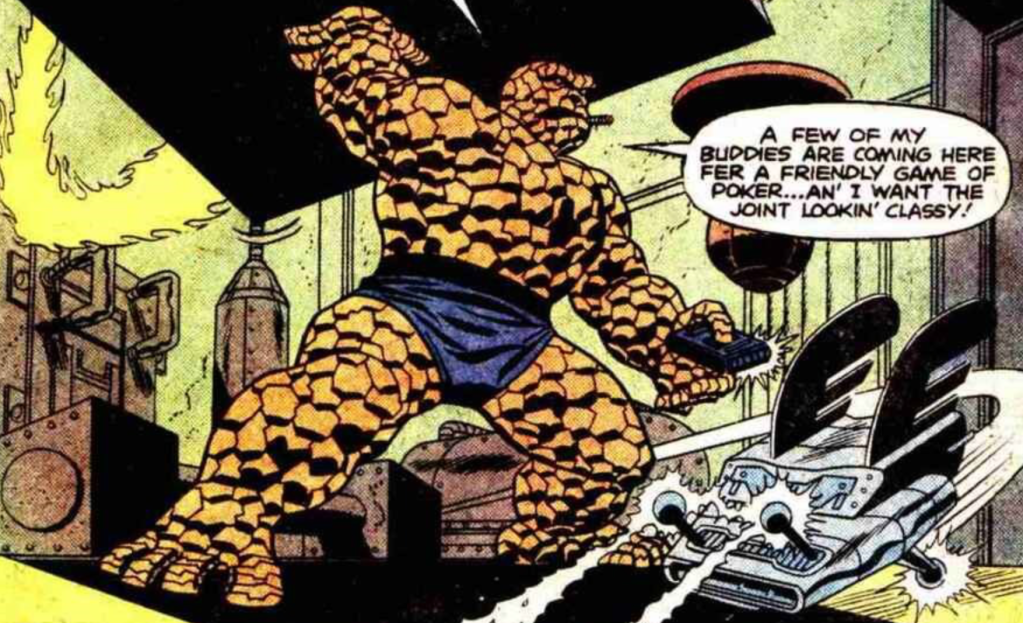
There’s not a lot of superheroes you’d want to have a beer with. Except for Ben Grimm, The Thing, who might just be the most everyman hero in comics. 

The Thing, one-quarter of the Fantastic Four, went through a curious period of solo stardom in the ‘70s and some of the ‘80s, striking out on his own with the classic team-up title Marvel Two-In-One and later, his own solo book for 36 issues. These days, he’s kind of mid-level superhero famous and a series of inadequate Fantastic Four movies haven’t helped his situation, but for a while there, he was an A-list attraction. 

The Thing didn’t start out as an obvious breakout star – in his first appearance in Fantastic Four #1 he still talks in grandiose Silver Age comics tones: “Bah! Everywhere it is the same! I live in a world too small for me!” For a while, he was just another tortured superhero like The Hulk or Iron Man. 

But after a while, although he’d always be a little bit agonised over his rocky curse and cut off from the human race, Ben Grimm seemed to accept his lot. He loosened up, peppering his language with slangy Brooklyn-ese banter, including that great catchphrase – “It’s clobberin’ time!” He drank beer and hosted superhero poker games. He wasn’t a dummy – he was a rocket pilot, after all, and before the comics aged beyond it being plausible, a World War II hero – but he was also very much an everyman. Over time, it was also revealed he was one of the first Jewish superheroes.

By the 1970s, the Thing was this cigar-smoking, wisecracking street poet of a character, grumbling away like Archie Bunker covered in orange rocks. There really wasn’t another voice quite like his. While they both were street-level superheroes from poor backgrounds, Spider-Man or Daredevil still tended to speak with a hint of stiffness, in that faux hipster I’m-down-with-the-kids lingo Stan Lee’s writers turned out reliably.

The Thing was always at home, which is why teaming him up with pretty much every hero in the Marvel Universe went down so well. Who wouldn’t want to have a beer with Ben Grimm?

He wasn’t a logical choice to lead a marquee team-up title, teaming up with everyone from The Man-Thing to The Living Mummy over 100 issues. The ‘70s were the glory day of team-ups (before pretty much every comic was just a team-up on a regular basis), but the big titles were Marvel Team-Up, starring Spider-Man, Brave and Bold starring Batman, and DC Comics Presents starring Superman himself. The Thing wasn’t quite at the same level of fame as these characters, but maybe that’s why the run of Marvel Two-In-One is still such a joy to read years later. The comics were often great little odd-couple gems of character moments, with cantankerous Ben bouncing off guest stars from Ghost Rider to Moon Knight to Captain America, always taking them down a few pegs. 

Despite being covered in orange rocks, Ben Grimm often felt like the most human of Marvel heroes for big chunks of the ‘70s and ‘80s. In one of the great team-up stories of all time, he even sat down for a few beers with longtime foe the Sandman, and by the end of the tale even convinced the villain to reform, with barely a punch thrown. It’s hard to picture Batman doing that. 

Irreverent wit became more common as comics reached the age of Seinfeldian irony – witness the rise of Deadpool, Harley Quinn, Squirrel Girl or She-Hulk. But The Thing was a bit different – he never broke the fourth wall, or did parody riffs on other heroes – he was just, simply and unchangeable, his own irrascible irreverent self, and at his best, made every other hero look like they were in black-and-white next to his orange bricks. 

Superman and Batman and the adventures of trying to be a dad

The illusion of change is one of the big things that keeps comic books going for 800, 900 issues, decades after they started. Pretty much every character in comics has died and come back at least three or four times, so excuse me if I yawn when they say Spider-Man/Batman/Wolverine is going to die, again. Show me something new. Like a superhero being a parent.  

They might die a lot, but one thing superheroes never did for the longest time was grow up, get married and have children of their own. 

That started to change in the 1990s, when they let Spider-Man get married for a while (since wiped away in one of those cosmic hand-wavings) and Superman get hitched to Lois Lane (surprisingly, still going strong years later). With wedding bells ringing, surely children aren’t far behind?

For a while there, when most superheroes had a kid, it meant they would die horribly or be revealed as imaginary or what-if stories or something. Most egregiously, Spider-Man actually had a daughter who vanished mysteriously years ago because Marvel didn’t like the idea of Spider-Man actually having a kid. 

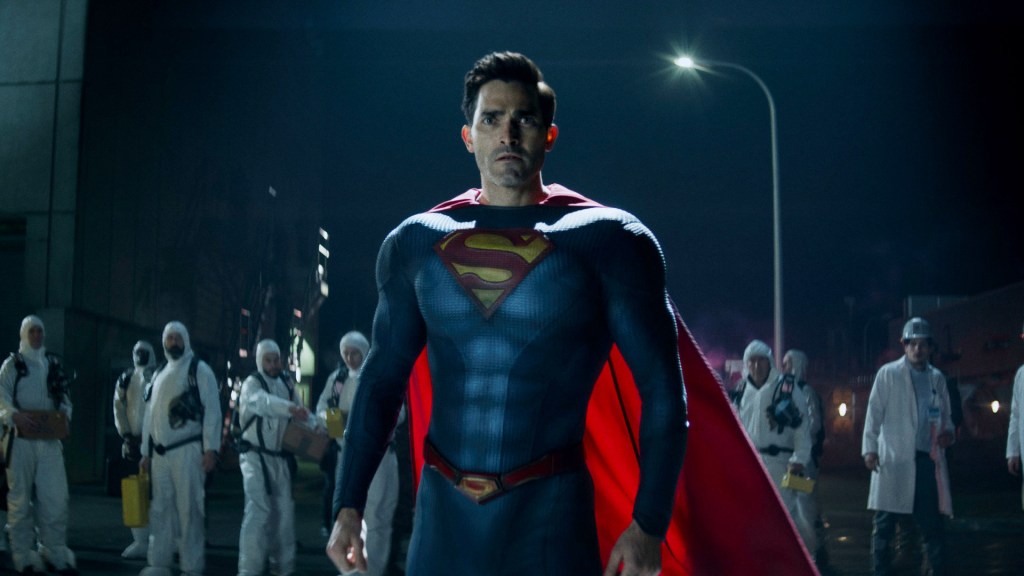
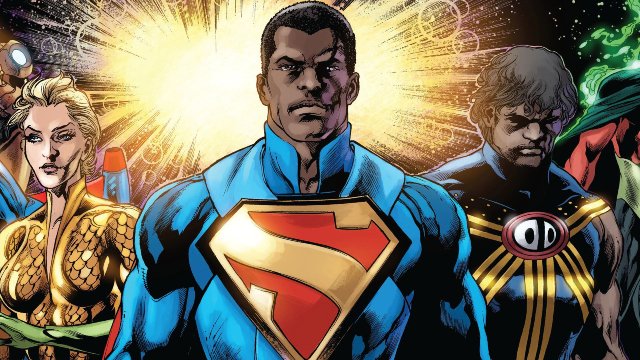
Yet that’s changed. One of the most popular – and genuinely enjoyable – comics of 2021 turned out to be Superman: Son Of Kal-El, starring Jon Kent, the teenage son of Clark Kent, a hip, bisexual millennial who could’ve been an awful “woke” cartoon but has turned out to be a refreshing and empathetic take on the Man of Steel. A slightly different version of this story with Superman and Lois having two sons has become one of my favourite superhero TV shows in recent years. 

And a while back, Batman had a son, Damian Wayne, with his enemy’s daughter Talia al Ghul. This kid was a brutal, dark mirror to Batman, raised by his criminal foes, trained as an assassin and grown into a grim and efficient new Robin. Damian has endured since his introduction in 2006, maturing to become less violent and conceited and an actual hero of sorts. The new Superman and Robin have been an enjoyable double-act in comics too, Jon Kent’s sincerity playing well off Damian’s cynicism. 

The idea of Batman and Superman having sons was a bit of a fantastic what-if for years when they were imagined as rebellious 1970s hipsters, so it’s been surprising to see the idea emerge and stick around in canon. Jon Kent’s been around for 7 years, Damian pushing 16 years. It gives these 80-year-old superheroes a fresh direction to move in, and yet the original Batman and Superman are still allowed to exist too, mentoring and off having their own adventures. I actually find Superman more enjoyable as a character now that he’s a father.

I’m not saying they won’t decide to up and kill Jon Kent sometime soon, but comics creators seem generally content to let a hero’s kids live for now. Some, like Wolverine or Hulk, have ‘evil’ estranged children, or some like the Flash and Green Arrow have children they end up separated from for years. (Being a good parent is far less common than just being a parent in comics.) The Fantastic Four were one of the few characters allowed to have a child back in the old days, although little Franklin Richards was always under threat of death or cosmic disintegration or something. But the FF has a second kid now too, and a whole little blended “family” of assorted young folk that they’re mentoring – a sensible evolution for a comic that’s always been about the idea of family. 

As the print comics fan base ages up and more and more young people are TikTokking or whatever, comics readers maybe are a little less turned off by the idea of Batman having a Bat-spawn. They identify with a Bat-Dad a bit more than they once might have.

One thing you’ll rarely see in comics, though, are superheroes parenting babies or toddlers, or doing the boring hard yards of diapers, late nights and play-dates. In a surprisingly common comics trope, both Jon Kent and Damian Wayne were “accelerated in age” in various oddball comic-book ways so they could run around with their dads, because honestly, super-teenagers are far more interesting than super-babies would be. 

Which is probably the right call. I mean, nobody is really clamouring for the return of Super-Baby, are they? 

How January 1982 changed everything

We can’t always pinpoint the dates that change our lives. Not the big moments, but the little ones, like a hobby that you just can’t shake.

But there’s one date I’m pretty sure about: The date I became hooked for life on comic books.

I grew up reading comic books bought by my parents, but the true pathway to addiction was when I started spending my own money on them. The spinner rack at the long-gone Lucky’s supermarket was where I became hypnotised forevermore.

The comic book that hooked me for life was Marvel’s Star Wars #58, beckoning to me from the spinner rack with an amazing Walt Simonson cover featuring C3PO and R2-D2 floating ominiously in a scarlet sky.

Thanks to beauty of the resources at Mike’s Amazing World of Comics website, I can now pinpoint the exact date that issue of Star Wars went on sale – January 19, 1982. Exactly forty years ago now, ye gods.

Forty years, and I’m still hooked on comics. My library of comics and graphic novels is kind of embarrassing in its scope, but it’s also a big old cape-wearing part of my whole identity now, as a grown man teetering into late middle age.

Comics expanded the world to me, made me want to be a journalist like Clark Kent or Peter Parker, led to me working on my own comics through the years, and introduced me to a kind of secret society of like-minded dreamers and loners.

Forty years on, and comic characters that were obscure in 1982 are the basis of billion-dollar movie blockbusters and TV shows. I love a lot of those gaudy pop-culture successes, but it’s still those musty smelling, ad-festooned and humble physical comic books themselves I love the most, especially the ones I grew up with in the early 1980s.

Thanks to Mike’s website, I can see the issues that I bought back then and that imprinted themselves on me in those early months of 1982 – Spider-Man battling his way against the impossibly powerful Juggernaut in Amazing Spider-Man #230 (part two of a story that took me ages to find the beginning of!); the creepy photo cover of Saga Of The Swamp Thing #2, calculated to scare and entice readers; the Thing grumbling and arguing his way through teaming up with Ant-Man in Marvel Two-In-One #87; Batman facing off against the deliciously divided Two-Face in Batman #346…

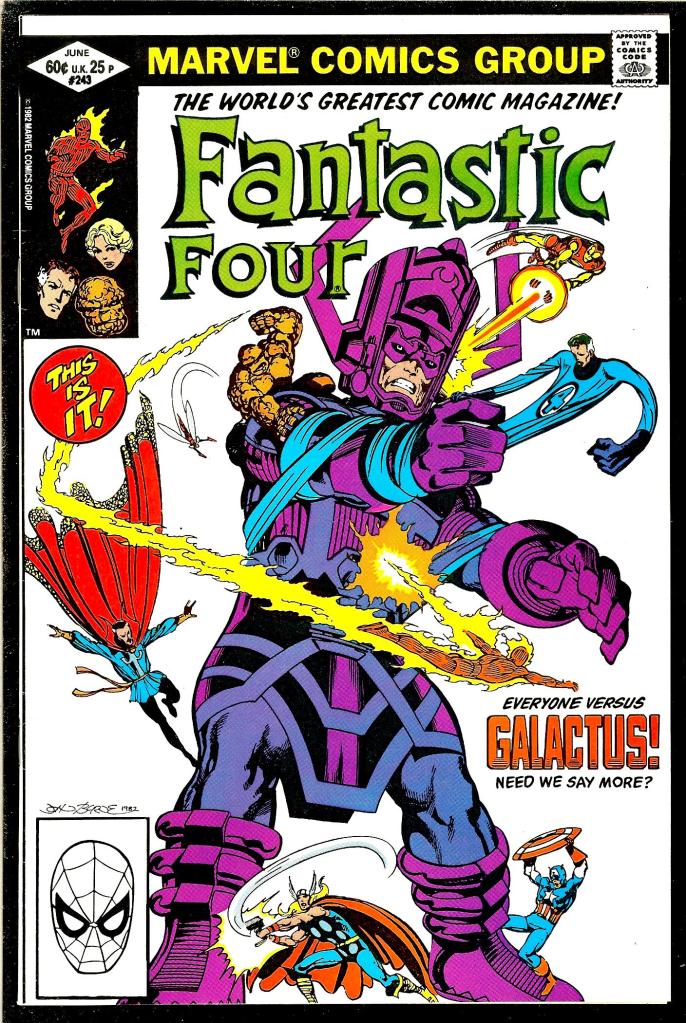
Marvel’s irreverent Hercules, a figure out of myth having merry madcap adventures in outer space in Hercules #1; John Byrne’s operatic and epic clash between the Fantastic Four and Galactus in Fantastic Four #242-244, which seemed as grand as three Star Wars movies put together; the funky disco-esque costume of Firestorm, a hero I’d never even heard of, exploding off the cover of Fury of Firestorm #1; the Justice League of America apparently defeated, near death, at the hands of the Royal Flush Gang in JLA #205… I could go on.

Many of these comics I’ve still got today, a bit well-read and hardly near-mint, but they always carry me back to the winter and spring of 1982. I soon discovered comic book stores (as I’ve written about previously) and well, there’s no going back from that.

Through thick and thin, comings and goings in life and great adventures and sad setbacks, those comics bought starting in January 1982 were friends and inspirations in all their weird, wonderful ways, shaping the person I ended up becoming.

The 10-year-old me of 1982 would never have guessed, turning that rack full of comics in all their gaudy colours, that that spinning rack would change everything. Life can be like that.

The rack spins, and your fortune is forever changed by one simple gesture.

My top pop-culture moments of 2021

And so, the curtain drops on 2021, a sequel that somehow managed to perform even worse than the blockbuster year 2020 did. Still, despite the grimness on personal fronts and the continuing stupidity of life in general, there were a few halfway decent moments. So, in the spirit of looking on the bright side, here’s my top pop-culture moments of 2021, with links back to some of the original posts about them.

Filling a Crowded House, in a brief pandemic oasisMy experience seeing Crowded House playing a packed Auckland arena back in March happened in New Zealand’s several blissful months of Covid-free life, before the Delta outbreak in August. It also was a life-affirming blast of a show, with Neil Finn and company delivering a celebratory concert of hits and new songs that just made you feel glad to still be here, alive and appreciative of all the things we took for granted pre-2020. There’s been a lot of times I’ve lost faith in humans the past two years, but at that one concert, a big crowd of us all singing and smiling felt kinda sorta all right. Here’s hoping going to big concerts again becomes normal soon.

The open-throated passion of John Cassavetes – A ‘discovery’ for me this year was the work of the late filmmaker John Cassavetes, who I’ve long been meaning to delve into. His work dating back from the late 1950s sparked much of independent film, and Cassavetes was determined to present life in its messy, often unexplainable complexity. In movies like Faces, A Woman Under The Influence and Husbands, people behave madly, inconsistently, and irrationally – like they often do in real life. His movies are a challenge, to be sure – the loose-limbed Husbands at times feels like a drunken TikTok video starring Peter Falk might – but even while they push and prod you, you find yourself thinking of them constantly the next day.

When big franchises take a few chances – I’m a fanboy, but I’ve admittedly burned out a bit on the assembly line of superhero movies and childhood classics being regurgitated over and over (did anyone really want another Ghostbusters?). So I was pleasantly surprised by two venerable franchises that didn’t play it entirely safe – James Bond in the long-delayed No Time To Die, and Spider-Man: No Way Home. Without spoiling either, they took risks – ones that might not have satisfied every fan. James Bond faces challenges he never had before in No Time To Die and the ending was a disturbing but effective shocker. And the idea of a multiverse-straddling take on Spider-Man could easily have gotten overstuffed and absurd (I’ve ranted about the overuse of multiverses before), but instead, we got a story that embraces the idea of the shared cinematic history of franchises and characters who just keep coming back in a heartfelt, dignified way. There’s a reason it’s smashing box office records.

The Magicians by Lev Grossman – I had been meaning to read this series of books by Grossman for a while now, which could be broadly described as “Narnia/Harry Potter, but for grownups.” They tell a somewhat familiar story of a young magician, Quentin Coldwater, and his ups and downs learning magic and having brilliant, frightening adventures in fantastic lands. The Magicians books were perfect escapist reading during the dregs of Auckland’s lengthy lockdown, brisk and darkly enjoyable, with the imaginative flair of C.S. Lewis’ Narnia and the solid characters of Harry Potter, but aimed at a slightly older audience who might like a bit of drinking and sex to spice things up. I read better books objectively this year, but these ones were among the most fun.

Superman, still the best superhero – It’s been a good time to be a fan of the man of steel. One of the best decisions the corporate overlords made a few years back is to let Superman finally marry Lois Lane, and to let them have a kid together. It’s allowed Superman to mature as a character into everybody’s ideal dad, and unlike some big changes to the status quo for comics characters, for now, this one seems to stick. On TV, I praised the superbly entertaining Superman and Lois, which combines spot-on casting with great Super-action and a show that’s not afraid to get emotional. In the comics, writer Brian Bendis finished up a suprisingly cool run that felt modern and daring yet true to the character, while the anthology series Superman: Red And Blue was an ideal summation of the character’s appeal with a variety of mostly excellent short stories starring Kal-El. Superman’s son, Jonathan Kent, who’s now a young adult, got his own title and it’s turned out to be one of the best new superhero comics of the year – a young, progressive and caring superhero (who’s also bisexual, which has gotten the usual suspects outraged). All in all, from the perspective of a rather troubled real world, Superman and his son seem more relevant than ever.

Lighting a Sparks – I admit I’m losing my touch with current pop culture as I settle into extreme middle age, but part of that is because there’s so darned much OLD pop culture to still enjoy. I was aware of Sparks and liked some of their work, but Edgar Wright‘s excellent documentary The Sparks Brothers triggered one of my famed full-fledged obsessive binges, as it spurred me to dig into the art-pop band’s hefty 50-year discography. It’s a delight to find a band you like and then find out that they’ve got literal mountains of material for you to enjoy.

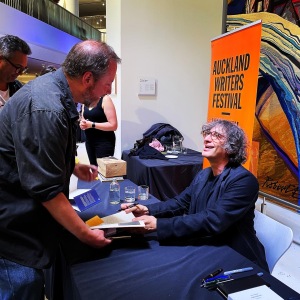
Meeting Neil Gaiman, in strange days – I’ve always loved the Auckland Writers Festival, and like many things I loved it’s had rocky days during the Covid era. Fortunately, this year’s festival went off just fine in May, and a big highlight was getting a chance to meet one of the world’s biggest writers, Neil Gaiman, who’s been a bit of a New Zealand resident himself with his wife Amanda Palmer during the pandemic. I waited an hour or so to briefly meet Neil and have him sign a few of my favourite books after listening to some excellent talks he gave, but that was nothing compared to some who waited up to six hours. Neil was apparently as much a gentleman with the last person in line as he was with the first. They say never meet your idols, but getting a chance to tell them how much their work means to you is sometimes worth the wait.

Godzilla smashes up King Kong – Look, I know, it’s a big dumb old monster movie. But Godzilla Vs. Kong was, in my deep critical analysis, very, very good at being a big dumb old monster movie. Maybe it’s because I grew up with a well-played VHS tape of the 1962 King Kong Vs Godzilla that I unironically love. Maybe it’s because I saw it on a booming IMAX screen, just at the start of NZ’s pandemic-free idyll mentioned above, and because I could watch King Kong and Godzilla wrestle on aircraft carriers nearly life-size. I’m not saying it will win any Oscars. I’m not saying that it always makes sense or that most of the human characters are memorable. But you know, most of the classic Toho Godzilla movies are pretty wacky, too. With magnificent modern special effects and plenty of monster action, this heavyweight bout was worth the wait. Sometimes, you just want to see Godzilla punch through a building. Indeed, after a year like this one, who doesn’t want to do that themselves sometimes?

Access, or how to ruin a cool idea with a terrible superhero

Back in the misty 1990s, what seemed rare and fanciful suddenly started happening all the time – crossovers between the comics characters of the Marvel and DC Universe

There had been crossovers for a while, starting with 1976’s gold standard of a super-meet-up, Superman Vs. The Amazing Spider-Man. There’s still few things better than the goofy charms of this comic, watching the Man of Steel and webhead meet, fight and team up, originally told in a massive tabloid-size edition. 

It was a hit, so others followed – Batman and the Hulk, the Teen Titans and the X-Men, and they were pretty good, too. Then there was a long lull, until in the 1990s we started getting crossovers all the time – Batman/Spawn, Batman/Punisher, Batman/Daredevil, and probably some that didn’t have Batman. They were less inspired than the first few, lacking the thrill of the new, and mired in that same generic gritted-teeth stoicism that marred many 1990s superhero comics. Some were good – John Byrne’s Batman/Captain America totally rules – but nobody was dying for Spider-Man/Gen 13

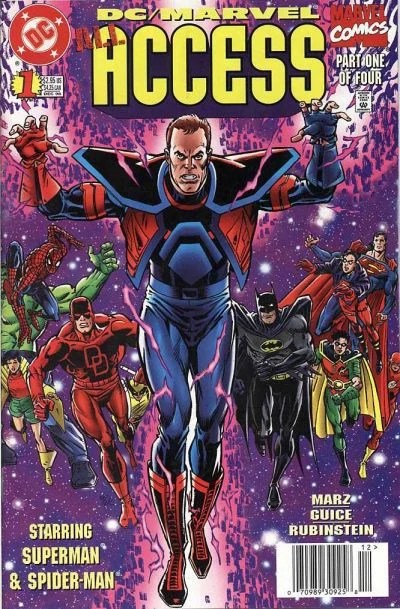
And then in 1996, the fanboy’s dream happened – an entire miniseries devoted to comic culture clashes, DC Vs. Marvel Comics! This would be great! Wouldn’t it?

But no, DC Vs. Marvel (or, Marvel Vs. DC) was … adequate. It’s not a complete failure, but it’s unsatisfying and never lives up to the potential dreamed up by a legion of teenage fanboys. It was a case of trying to do too much, in too little space. Instead of the room to breathe that the original Superman/Spider-Man meeting had, you had every character from two universes jammed together fighting for a couple of panels, tied together with some balderdash about cosmic “brothers” who were avatars of each universe… and then there was Access. 

Meet Access, the superhero whose power is equivalent to that of your standard-issue functioning doorknob. A blandly generic kid named Axel Asher (owch), he gets named the “keeper” between the two universes. Access is meant to provide the balance between worlds, you see. If he doesn’t crazy, cosmic things will happen. 

Of course, Access screws up, and the two universes merge, providing the somewhat cool spectacle of a line of “Amalgam” comics featuring mashup characters like Spider-Boy, Super Soldier and Dr. Strangefate who were the 1990s equivalent of the endless ‘multiverse’ stories we see today. They were fanboy service as comic characters, featured in a series of one-shots ranging from good to terrible before the whole underwhelming DC/Marvel crossover wrapped up.

There were lots of brief fun moments in the DC/Marvel mess – who wouldn’t want to see Superman fight the Hulk? And Dr. Strangefate is pretty cool. But generally, everything is rushed, rushed, rushed, and as a result it’s just a blur of capes and colours. Having a Silver Surfer/Green Lantern matchup dispatched in two pages or an Aquaman/Namor fight treated as a joke is just lazy. And honestly, you could ditch the entire Access/cosmic gateway stuff and just say “the universes crossed over because of a space-time anomaly” to streamline everything.

Access has to be just about the most boring character ever given the spotlight, a generic collection of ordinary-guy tics (he worries about his girlfriend!). So of course the publishers gave us not one but TWO forgettable miniseries focused on Mr. Doorknob and a never-ending parade of DC and Marvel guest stars, All Access and Unlimited Access. (Unfortunately, Access was never seen again after about 1997, sparing us Backstage Access.)

It’s hard not to yawn every time Access steps into a panel. He’s the superhero as plot device – at one point he’s explicitly described as having the power to “create crossovers” by staying in one place too long. His comics simply exist to throw Marvel and DC characters together in a variety of underwritten, overcrowded adventures. Reading the adventures of Access over several miniseries is like a hit of Pop-Rocks in Pepsi – it may give you a momentary buzz, but you’ll pay for it later. There hasn’t been another official DC/Marvel crossover in decades, and probably won’t be anytime soon.

I guess Access might’ve been ahead of his time as we seem rather overwhelmed by combinations and alternate versions of superheroes across the multiverses at the moment. Every fanboy likes to play “what if,” but when there’s no follow-up questions, you have to wonder what the point is. 

That, or maybe Access was a harbinger of how starting in the 1990s superhero comics, in the end, started to eat themselves. No doorway needed. 

Up in the tree, dreaming of comics

Kids do weird stuff. They all do things that seem kind of, well, wacky when you become a boring adult dealing with bills and retirement funds and insurance payments. 

Following up on the release this week of my fiftieth humble little comic book, Amoeba Adventures #30, I kept thinking about a weird habit I had from the age of about age 12 to 15. I was a confused pre-teenager and well, I was kind of a nerd. 

And so many afternoons after school, I’d climb up a tree in the backyard of our family home and perch on a patio cover built up there, and then I’d imagine comic books. 

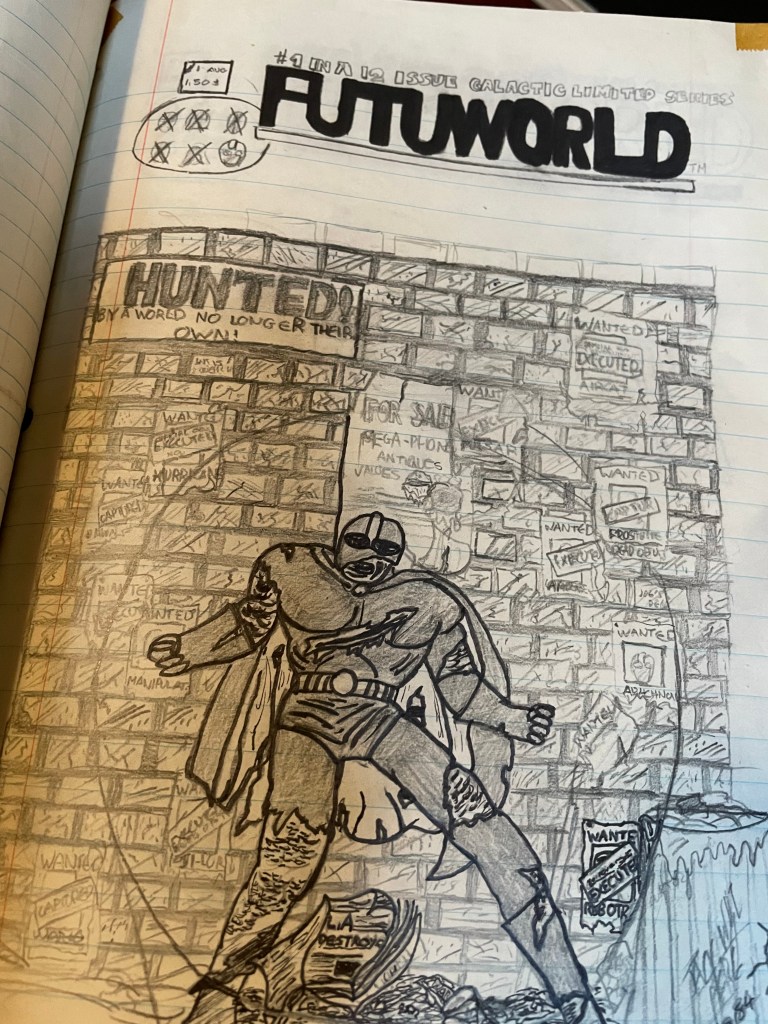
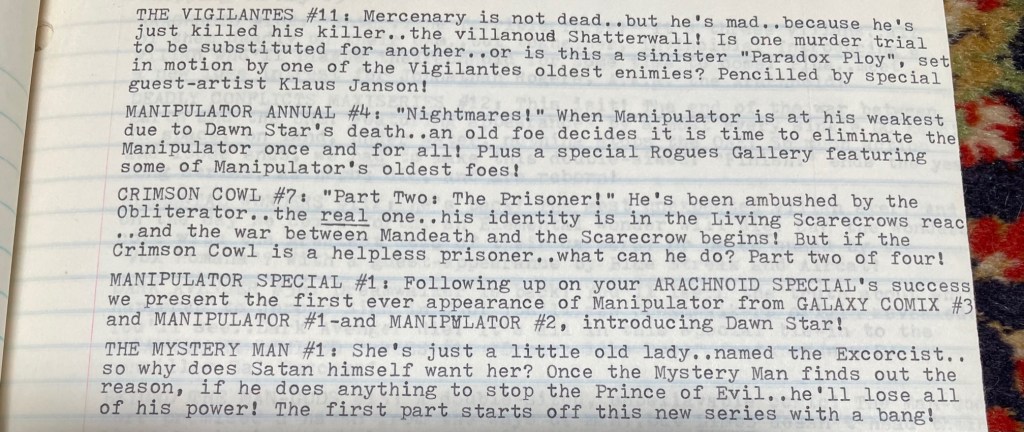
I created an entire imaginary universe of comics in my head – like many comics nerds do. “The Galaxy Comics Universe” (which I played around with on and off with my old friend Chris) was a Marvel Comics photocopy which included a sprawling cosmos of spandex-clad warriors like The Arachnoid, Robotron, Manipulator, El Jaguar and The Dark Avenger. I’d imagine all kinds of adventures for these heroes, who were mostly thinly-veiled rip-offs of existing Marvel and DC comics. 

I’d sit up there in that tree in my parents’ backyard and dream of heroes for hours. 

But I wouldn’t just dream – I’d scribble and sketch, too. I drew bunches of covers for these imagined adventures (but never an actual story, which was kind of weird). And even nerdier, I wrote up Stan Lee-styled hype-filled solicitations for these imaginary comic books, embarrassingly detailed PR in the style of Marvel Age and the like for stories that didn’t exist. 

There’s no obsession quite like that of the 13-year-old. 

I wrote these solicitations for the “Galaxy Comics Universe” for a while there – and I’ve still got them all today, geek über-texts that I bound up along with my awful drawings of the era into little volumes years ago. They are truly absurd treasures to look at now – at one point I got so deluded I started pretending real comics creators like Walt Simonson and Frank Miller were working on my comics. All in all, I wrote hundreds of pages of summaries of comics that didn’t exist – is it any wonder I’m still a comics obsessive decades on? 

But I loved the thrill of imagining a universe, derivative as it surely was, and even as I’m an old man now with what’s left of my hair increasingly grey, that buzzy kick of creation sticks with me. As I get older and the real world seems to get worse, I’m more and more convinced that art keeps us alive. 

I strip-mined those old Galaxy Comics notes and sketches for ideas when, a few years later, I actually started DRAWING comics stories of my own with the first Prometheus the Protoplasm story in 1986.

I became a small press publisher in the early 1990s and hundreds of people actually read some goofy stories I wrote and drew. I took inspiration from some of those characters I dreamt up while sitting in the tree in the backyard and turned them into Amoeba Adventures characters – Dawn Star, Agnus Dei, Manipulator, Macabre and more all came from there. 

The dreams became real, or as real as stories do. Years on, I’m not a kid any more and I spent way, way too many years ignoring the thrilling charge that drawing a comic of your own creates. But I came back to comics in the age of Covid and have to admit, the years melt away a bit when it’s you, a pencil and a blank piece of paper, making up heroes. 

There’s a part of me that never left that tree, there in that backyard of a house I haven’t lived in for 30 years. 

And now, it’s Amoeba Adventures #30

All right, folks, I’ve got a brand-new comic out, Amoeba Adventures #30, and it’s now available 100% free for you to download a digital copy!

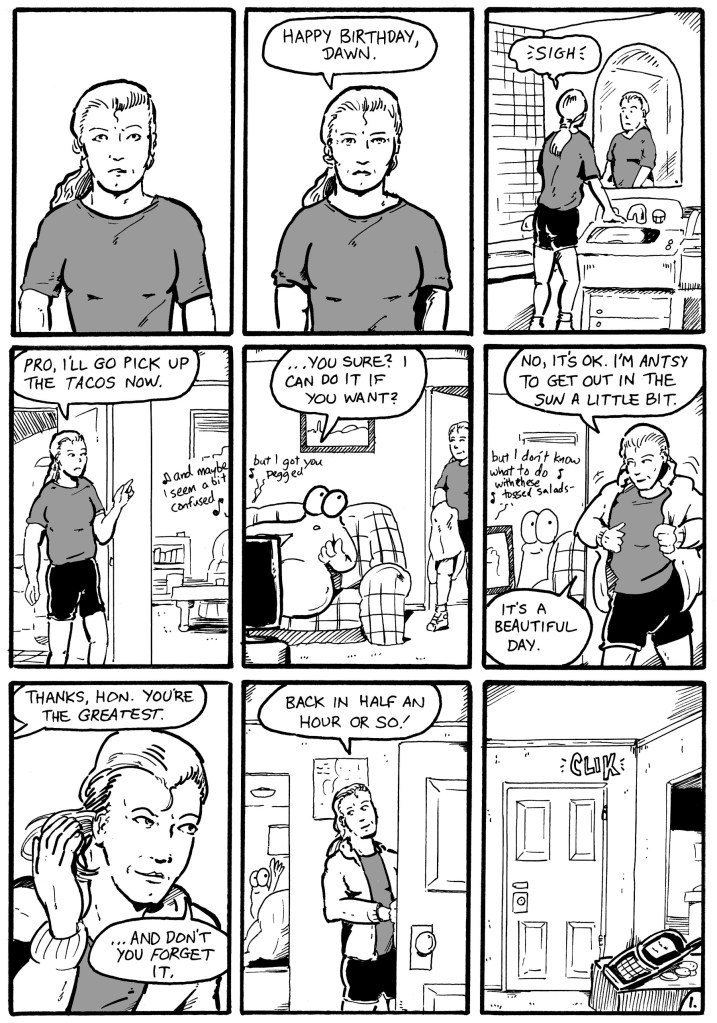
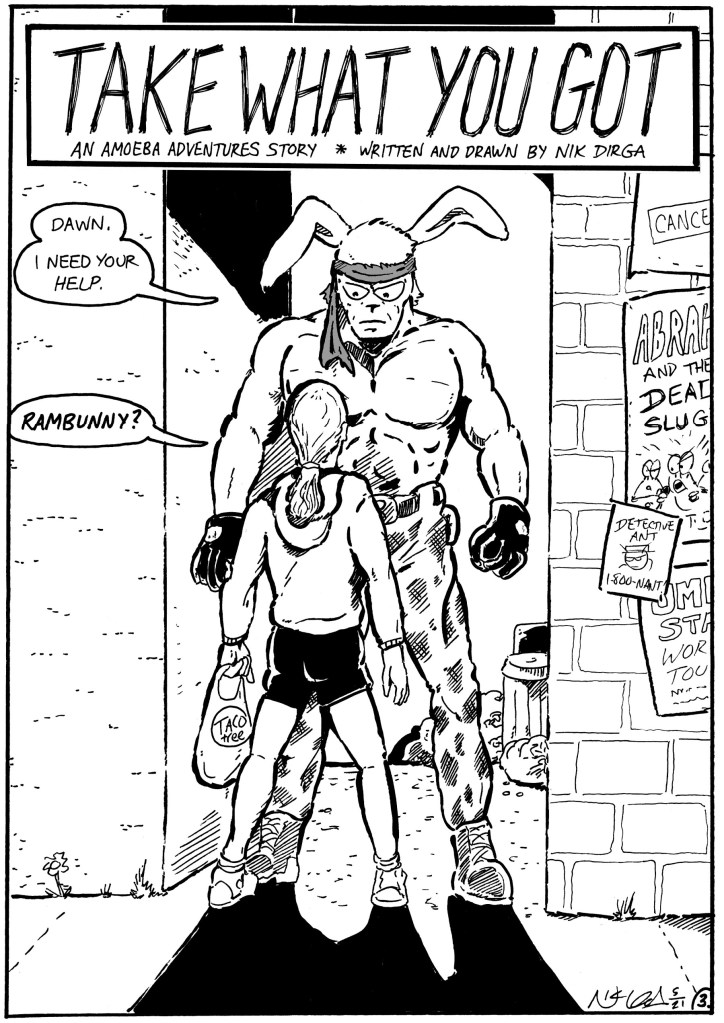
It’s an action-packed ticking clock of a tale this issue, as an ordinary afternoon for Dawn Star turns into a fight to survive when the long-missing Rambunny returns. Two of my favourite Amoeba Adventures characters take the spotlight in a story that I had to call … “Take What You Got.” I’m pretty psyched with this one and hope you like it too! 

And you can download the whole story in its entirety for free right here:

Download Amoeba Adventures #30

You can take a look at the first three pages right now:

And as a reminder, you can read more than 40 other comics published by me including all 29 previous issues of Amoeba Adventures as free PDF downloads right here.

This one also turns out to be the FIFTIETH comic book I’ve published going all the way back to me scribbling Prometheus instead of paying attention in Mr. Moore’s junior high school science classes a lifetime ago. It’s been a long crazy road for me with the Amoeba Adventures gang, and I took way too long off from the drawing table for many years, but still, it’s a pretty cool milestone. In this uncertain world of ours right now, there’s nothing quite like taking a pencil and a blank sheet of paper and making something come to life to take away the pandemic blues and keep me sane. (Well, somewhat sane.) 

Once again I’ll be producing a limited-edition print version which will be available for a mere $7.50 shipped anywhere in the entire world to you in early December. You can pre-order that by paypalling some cash to dirgas@gmail.com with your mailing details.  

One last note – if you’ve been hankering after some physical copies of rare Amoeba Adventures comics from the 1990s, as I know a few of you have asked about, prepare yourself for a special AMOEBARGAIN SALE coming in early December! 

Be sure to give my Amoeba Adventures Facebook page a like to keep in the loop and as always, thanks to those who read and like my little scribbles. 

There’s a Starman, waiting in the sky, and he blew my mind


The 1990s were a grim time for superhero comics. Most DC and Marvel comics descended into an almost-unreadable rabble of overworked poses and chaotic storytelling. But there was a bright star shining amid the dross.

James Robinson’s Starman is my pick for quite possibly the best superhero comic of the 1990s. Only Grant Morrison’s adrenaline-fuelled JLA and Neil Gaiman’s more fantasy-based Sandman are contenders. 

From 1994 to 2001, Robinson told a single story about superheroism as a legacy, and when he was finished, that was it. It’s an approach that feels lacking in superhero tales when you have never-ending adventures of someone like Spider-Man, who’s fighting Doc Ock, again, who’s been replaced by his clone, again. 

The hook for Starman was that he was a legacy character — originally one of DC Comics’ less prominent superheroes from the 1940s, a cool-looking dude who flew around with a “gravity rod” but one that never really had much personality.

Robinson changed all that, by reintroducing the now-senior citizen original Starman Ted Knight and his sons, dutiful David and prickly Jack Knight

In the first issue, son David takes up the Starman mantle, his lifelong dream. He’s shot and killed almost instantly. 

A revenge plot by one of Starman’s old foes leads the reluctant Jack to take up the Starman name himself, but he’s not going to be your average superhero. Hell, he doesn’t even wear a proper costume, but an oh-so-‘90s combo of leather jacket, goggles, occasional goatee and lots of tattoos. 

Robinson’s Jack Knight is a fantastic, multi-faceted creation – an antique-dealing ex-punk rocker who’s spent most of his life fighting with his famous father, who never set out to be Starman. Jack is smart, clever and irreverent, sometimes cruel and sometimes funny. Was he the first true Gen-X superhero? If I were fighting supervillains, would I be thinking of obscure Viewmaster slides and Hawaiian shirts too? At the time, surrounded by gritting Spawns and Wolverines as his peers, he seemed like the most human character in comics to me. 

Robinson paired Jack’s unique character with series artist Tony Harris’ depiction of Starman’s home of Opal City, a baroque, art deco-ish time capsule that’s one of the most gorgeous fictional cities in comics. Starman is as much about Jack’s love for Opal City as it is about his taking up the family name. 

Over 80 issues, Jack Knight battled villains and travelled into outer space, teamed up with Batman and learned more about the Starman legacy, including clever reintroductions of several other obscure DC heroes once called Starmen.

Robinson assembled an all-time great supporting cast, from the reformed villain The Shade to Jack’s homicidal nemesis, The Mist. Every few issues Robinson would detour into “Times Past” tales that dove into Opal City’s history, or the cast’s pasts, dating back into the 1880s. This gave Starman a rich, complex tapestry that made it feel so much more real than its superhero competitors of the era. 

Starman wasn’t perfect, which kind of adds to its charms. Robinson sometimes lacked the machine-tooled storytelling of someone like Alan Moore or Grant Morrison, who put every bit just right. Starman sprawled, heading off into curious little rabbit holes. Robinson’s writing could be overly verbose, especially in early issues (and I’m not a fan of the hard-to-read cursive lettering fonts used a bit too often for narration). The big action-packed series finale storyline “Grand Guignol” tried to bring the many, many story threads and characters together but is a classic case of having a few too many moving parts undermining the simple focus of the story. I still love it. 

For me Starman is about the details – Jack Knight’s compulsive pop-culture trivia monologues as he faces death, the way forgotten characters like The Red Bee and The Jester from DC Comics’ long legacy are given fresh life and personalities, the complicated bond between fathers and sons. 

This works because above all with Starman you feel Robinson’s contagious love for his characters, for the imaginary city he created, for the decades of history in DC Comics, for the act of creation itself. Starman feels personal in a way that by-the-numbers superhero comics rarely do. 

And when Robinson drew his Starman story to a close in 2001 and Jack Knight rode off into the sunset, DC Comics did something that still seems beautifully rare to me – they let Jack rest. Stories rarely ever truly end in superhero comics, but this one did. There have been other Starmen (and of course a great young Stargirl) in the years since, but Jack Knight’s story was done. He might have popped up in a cameo appearance here or there, but there’s been no “Starman Reborn!” storyline. 

I’d hate to see anyone other than James Robinson do one, frankly. His work since Starman has had its ups and downs, but I still feel only he can really tell Jack Knight’s story.

For a while there in the dark comics clutter of the 1990s, his Starman flew high, shining a light on the glorious possibilities of superhero storytelling. 

I’m already a little sick of the multiverse

I’m a comics geek, a mild obsessive who can tell you in detail about the difference between all the Robins or who the best and worst Avengers of all time were. And I love me a good game of “What If” more often than not. But I’ve got to say that I’m already getting pretty sick of the flood of multiverses getting rolled out in both comics and movie adaptations.

“Multiverses” – or alternate versions of existing characters – have a long, strong history in comics, of course, going all the way back to those Superman “imaginary stories” of the ‘50s and ‘60s, on to thinly-veiled spoofs like the Squadron Supreme of the ‘70s and ‘80s. There were so many infinite earths and alternate possibilities that DC had a big ol’ Crisis on them back in the mid-1980s meant to simplify everything. There’s been at least a dozen other crises since then.

I absolutely loved learning about Earth-3 and Earth-X back in the day. But whipping out the Captain Ecuador of Earth-78 or the Victorian Batman of Earth 342 who’s also Sherlock Holmes has diminishing returns after a while. There have been many, many great stories involving alternate or reimagined versions of existing characters – it’s one of the ways that icons like Superman or Batman have proven so durable in nearly a century. 

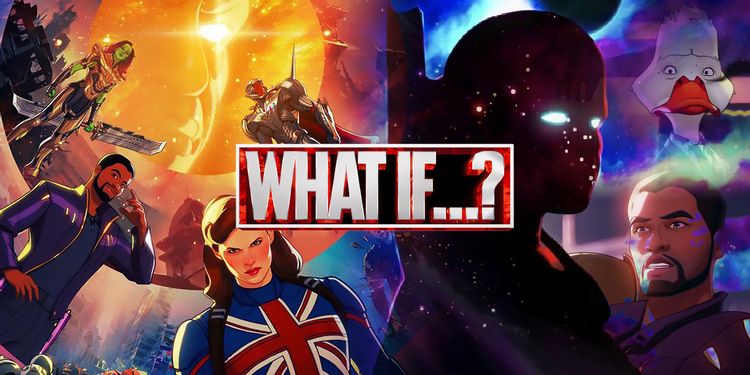
Yet both Marvel and DC now seem determined to not use multiverses sparingly, but to make them the centre of their latest intellectual property strategy. Over in DC Comics, you’ve got Infinite Frontiers and Flashpoints and notions like the idea of seeing Michael Keaton and Ben Affleck’s Batman spread their wings, while Marvel is getting as lost in multiverses as DC did before their ‘80s Crisis, with the kind of underwhelming What If? cartoon show apparently entirely created to give us a shiny team of “Guardians of the Multiverse” versions of the characters we already knew, and the new Dr. Strange and Spider-Man movies set to dive deep into the multiverses of madness. 

I’m still a geek, so I do get a thrill when I see Alfred Molina’s awesome Doctor Octopus from two Spider-Man reboots ago popping up again through some timey-wimey shenanigans. I thought seeing multiple Spider-Men and -Women collide in Into The Spider-Verse was one of the best comic films in recent years. DC’s “President Superman” – a thinly-veiled Barack Obama homage who’s both Superman and the President of the United States – is a cool spin on a shopworn idea. 

But it can get old real fast and becomes the equivalent of a writer just throwing ideas into the air to see what sticks. I dip into DC Comics’ never-ending Crises now and then and it all just becomes a gaudy blur of evil Batman and sideways versions of Flashes. I skipped entirely a recent series of Avengers comics all about yet another evil alternate version of the team.

The multiverse too often becomes all about the colourful over-the-top spectacle of a dozen Batmen together rather than about a good story like Into The Spider-Verse told. It’s all about callbacks and easter eggs rather than forming a solid character arc. It’s fan service turned into plot. A character’s got to have more meaning than “wouldn’t it be cool if Batman, but from Albuquerque?” 

Like I said, the alternate realities of comics have been around a while now, and it used to be, they were a bit of a treat – the bi-monthly issues of What If? in its ‘70s heyday, the goofy stories of Batman and Superman’s sons fighting crime together. But when they start to become the main event all the time, it all just blurs together into an endless stream of writer’s drafts and easy shortcuts to character – what if Wolverine was Aquaman? What if Green Lantern was from apartheid-era South Africa? What if the Hulk was a 6-year-old boy? 

It’s easy for anyone with an imagination to knock off 50 of these multiversal variants in the space of an hour, really. But to make an actual character out of them, that isn’t just a kind of hollow echo of someone else’s creative work? That’s the hard part, and rather than endlessly revisiting the past to riff on it, it’d be great to see all the comics shared universes try a little harder to be new things, rather than new versions of old things. 

The Mighty Marvel Age of Insanely Insular One-Shot Comics

One of the big appeals of Marvel Comics back in their pre-blockbuster movie days was that it seemed like a fun clubhouse, a friendly neighbourhood pub exclusively for comic-loving kids. 

Stan Lee had a salesman’s knack for pumping up his own product starting all the way back in the ‘60s, with his snappy notes to “true believers” peppering every comic, editorial page and story credits. It set Marvel apart from the staid stiffness of DC Comics back then, and that wacky “Marvel Bullpen” idea carried right on through the swingin’ ‘70s, as Marvel started fan clubs and magazines and Stan appeared on the cover of magazines. Marvel was hip, it was cool!

That clubhouse mentality reached a fever pitch in the 1980s, long after Stan moved on to Hollywood, with Marvel’s in-house fanzine Marvel Age and the goofy delights of “Assistant Editor’s Month,” where Marvel pretended that the assistants took charge for a month of especially offbeat comics. Entire insanely comprehensive “official guidebooks” to Marvel’s fictional universe emerged in this time too, manna from heaven for kid geeks like me. 

And then there were a series of early 1980s bizarre one-shot comics cashing in on that whole “ain’t Marvel fun?” mentality that I still kind of love, as silly and reeking of product-placement as they were. They were all experimental and heavily played up the exclusive club feeling Marvel strived so hard to keep going. Mostly forgotten now, these comics curios were peak Marvel gazing into the mirror at itself. 

The Official Marvel No-Prize Book of 1983 was my favourite of the lot, a print version of the “TV bloopers” shows of the time where Marvel looked back at its greatest errors and mistakes. Stan Lee was dressed up as Dr. Doom on the cover and it was a giddy inside-baseball lark, exhuming such mishaps as Peter Parker becoming “Peter Palmer” in one story or the Hulk having only three toes. These were the memes of the pre-meme era, and Marvel was showing us it could laugh at itself with this deep-dive into continuity errors and artist’s gaffes. “It’s like the internet, except with paper cuts,” is the best possible review of this one.

The Marvel Fumetti Book wasn’t quite as successful, mainly because of the utterly dismal print quality of the time. The artists, writers and editors of the Marvel Bullpen took centre stage in this collection of comic ‘fumetti’ photographs with silly captions, with all sorts of crazy hijinks in Marvel’s offices (and of course, mascot Stan Lee on the cover, again). It’s amusingly meta but for me, the dim grey reproduction of the almost illegible photos kind of ruins the idea. But boy, did they make Marvel seem like a fun place to be. 

Last and definitely least of these one-shots was 1984’s insane Generic Comic Book, a parody of the omnipresent fad for “generic” food products. It starred “Super Hero” fighting a “Super Villain” and hitting every by-the-numbers cliche about great power and great responsibility, secret identity dramas and more. Honestly, the best thing about is it the cover. The problem was within a few years an awful lot of comic books would fit this same generic template and the story lacks the go-for-broke spirit of a complete parody. It’s kind of like making a parody of Airplane! You could, but why would you? It’s an amusing curio, but about as essential as all those Teenage Mutant Ninja Turtle parodies that littered the floor of comic shops a year or two later. (And of course, Marvel did one of those, too.)

We know now that much of the happy-go-lucky Marvel bullpen notion was a bit of a fantasy – it was a workplace, after all, and as full of backstabbing and rivalries as anywhere else. Sean Howe’s masterful Marvel Comics: The Untold Story delves into this a lot. While great, late personalities like Mark Gruenwald and Archie Goodwin do sound like they were a lot of fun to work for, there was also a fair share of drama at Marvel in the 1980s too and Jim Shooter – who was in charge when most of these came out – was no Stan Lee. These days, it’s a multi-zillion-dollar moviemaking machine, part of the Disney empire, and while the comics are still going they probably seem a bit ancillary to the MCU. 

But even though I know it was all a bit of a public-relations stunt, I still like the weird society Marvel pushed so hard in those days, the root of so many fan Facebook groups, message boards and channels today. These one-shots hyped the platonic idea of Marvel, and sure, they were selling you, but it felt fun to be sold to. Comics about creators of the comics were kind of a dead-end creatively, but I still like walking through that clubhouse door.