
So a few weeks ago I had a bit of a rant about inessential sequels, the never-ending Terminators and Predators and remakes which plague Hollywood.
But then on the flip side, there are the revivals that bring something new to their franchise, and when it works it’s like the best school reunion ever.
Exhibit A: Forget Tenet, I am so here for Bill And Ted Face The Music. It was the first new movie I’d seen in theatres since March, and the first time the whole family went to a cinema since gosh, maybe Avengers: Endgame.
After nearly 30 years, was the return of Bill and Ted really necessary? Turns out it kinda was. Face The Music is goofy, silly and big-hearted, just like the other two Bill and Ted movies, and even if I kept squinting and seeing John Wick when I looked at Ted now, it was ultimately a mighty fine palate-cleanser for the sour stew that is 2020.
These movies about time-travelling doofuses are not high art – and don’t think too hard about the plot mechanics – but they’re effortlessly charming, thanks to a never-goofier Keanu Reeves and the spunky Alex Winter (who is always fun despite a pretty low-profile acting career). When writing about Terminator: Dark Fate and other encore sequels the other week, I lamented how they just keep repeating the greatest hits. Bill And Ted 3 does a bit of that too, but it still feels scrappy, surprising and less machine-made than Terminator 6 or Predator 4 – and has a great subtext about what it’s like to be a middle-aged dude and still not quite made it. Its message of unity makes Bill and Ted feel weirdly relevant in 2020. It won’t win Oscars, but most of the unashamedly feel-good Bill And Ted 3 left me smiling like seeing a friend I hadn’t seen in years. That’s what any long-in-the-works sequel should do, rather than just straining to keep the intellectual property alive.

Meanwhile, I’d have laughed if you’d told me a decades-on sequel to The Karate Kid would be some of the most enjoyable TV in ages, but Cobra Kai, which recently landed on Netflix, is absolutely a blast. I grew up with Ralph Macchio’s cheesy inspirational Karate Kid series, and even had one of my quasi-first dates at a screening of The Karate Kid Part II. (Peter Cetera’s goopy power ballad The Glory Of Love still slays the memory of pubescent me every time.) Cobra Kai is brilliant because it flips the script to tell us the story of Karate Kid Danny LaRusso’s nemesis from the first film, Johnny Lawrence (a terrific William Zabka), now a washed-up alcoholic trying to make one last go at his dreams. By turning the heel into a troubled antihero and giving returning Karate Kid Macchio (now a car salesman!) some much-needed moral ambiguity of his own, and tossing in the same stirringly motivational karate kicks of the original films, Cobra Kai turns out to be the model for how a franchise can come back from the dead and really have something to say.

Even a once-adapted, beloved novel can have some new life in it, like Hulu’s recent take on Nick Hornby’s High Fidelity. The 2000 film starred John Cusack, but the recent TV series flipped the switch and cast Zoe Kravitz as “Rob” Robin, record store owner and confused romantic. Switching genders doesn’t always improve a story – see the forgettable Ghostbusters remake – but Kravitz’s excellent performance finds new depth in Hornby’s tale, and the grittier, more lived-in feeling of the series elevates it above the movie. It’s a shame the show was cancelled after just one season as it was very promising stuff and moving well beyond just being a cover version of its predecessors.
I still think there’s way too much strip-mining of popular movies of the past in hopes of striking gold twice. But Bill And Ted, Cobra Kai and High Fidelity show that if you’ve still got a good story to tell, there’s still hope for the future in the past.











 “I yearn to rely on a higher will. I fear what I am capable of in its absence.” – E.B. Farnum
 The best science fiction holds up a mirror to the world we live in. “Alien Nation” was never quite a household name, but the brief cult sci-fi franchise of the late ‘80s still holds up today.
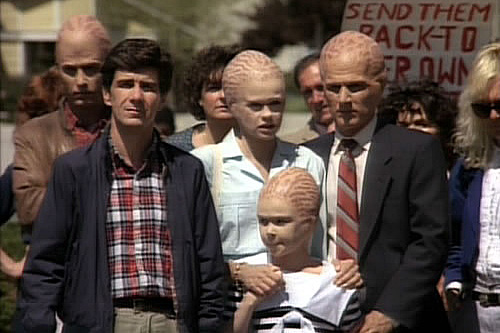 Fortunately, that wasn’t the end for “Alien Nation,” which debuted as a series on Fox TV in September 1989. It’s in the short-lived TV series where “Alien Nation” really blossomed, spearheaded by Kenneth Johnson, creator of another great ’80s cult sci-fi series, “V.”
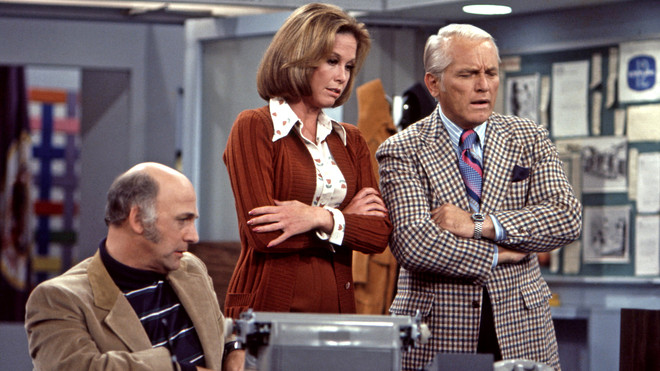
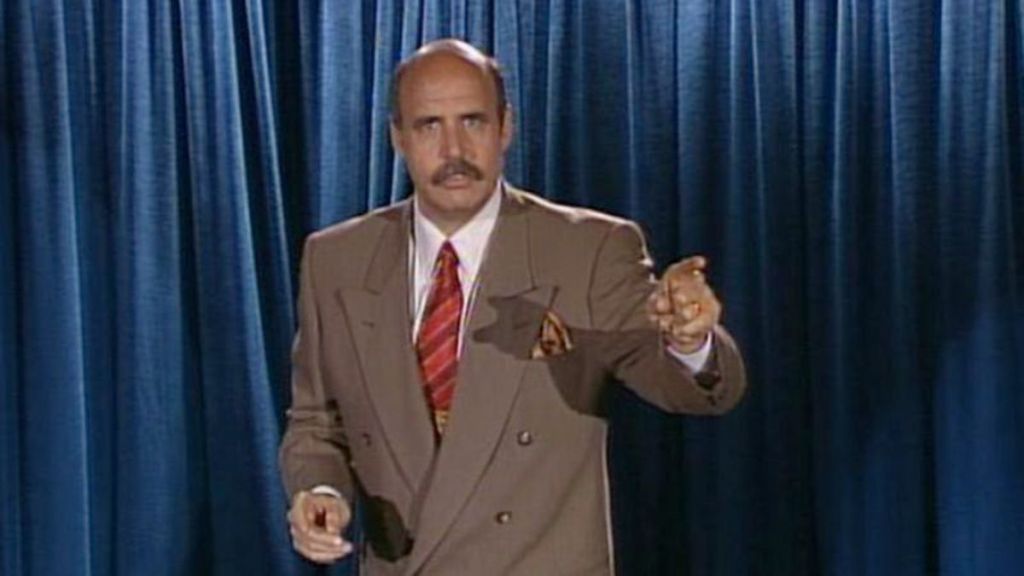
 The story carries on with the same odd-couple detective duo from the movie, but recast and given more satisfying depth. Gary Graham’s Detective Sikes is all ’80s mullet and brash trigger-happy cop cliches at first, but the character becomes convincingly more sympathetic and layered as the series progresses. Eric Pierpoint is excellent as Francisco, who balances personal courage with frequent frustrations over the racism he encounters and the culture he’s left behind. The story of his family trying to fit in – his wife, teenage son and daughter – is often more fascinating than the TV show’s cop mystery of the week storyline.
 Nik Dirga