Bowie left us today, at the age of 15 and a few months.
She was the oldest cat I’ve ever had, and like all cats, a combination of neurosis and neediness and cuteness and ferociousness. She was an unloved, scarred stray when I picked her out and in the end, I like to think she felt loved, however cats feel it.
I got her in November 2008 as a birthday present for myself and she was already 8-9 months old when we got her, a thin tortoiseshell with a distinctive bent ear. The animal shelter called her “Twist” after that, but after a few days we decided to call her “Bowie.” She had had a rough time before we got her – the bent ear had been mangled by something, and there was a nasty v-shaped scar on her back caused by something or someone that was still sensitive when touched for years. I liked the idea of giving her something better.
We got her the same week Barack Obama was elected President; she died the same week King Charles III will be crowned.
For a long time, she was a skittish little thing, who didn’t trust humans and was never quite a “lap cat.” We got her when my son was 4 years old and in pre-school; she died with him now 19, a second-year university student, and he loved her very much. He’s known her his entire life.
Bowie had a pensive, cautious expression on her face most of the time; unlike the open amiability of our younger cat Oscar, she was hard to read. But as the years passed, she mellowed out, slept on our son’s bed up until two days before she died. Her favourite spots were warm ones – perhaps they eased the pain on her back scar, but she’d lie in the sun for hours until her fur nearly boiled, and would doze off so close to our fireplace in winter we seriously worried she’d combust a few times.
In her final year or two, she started to lose her vision, which was hard. She became skinnier, got confused a lot and fought with Oscar a lot more. Things declined fast on Monday night, and by Wednesday morning we knew she was ready to go.
We held her at the end, my son and I at the vet. She was barely conscious by then, but I hope and believe she wasn’t in a lot of pain. She was simply done.
I’ve had many cats over the years but for various reasons Bowie was the first we were there with until the very end. I stroked her familiar black and gold and white fur like I had thousands of times the last 15 years and she went quietly, without a fuss, and that was all.
I used to see this guy occasionally when I returned to visit America from New Zealand, and every single time he saw me, he’d unleash a stream of lame dad jokes about hobbits and orcs.
…Because that’s all some Americans know when they think of New Zealand, you see, is Peter Jackson’s admittedly excellent Lord of the Rings movies (and the rather less excellent Hobbit follow-ups).
New Zealand movies are so much more than that, of course, from Oscar-winning director Jane Campion or the askew comedy of Taika Waititi to the awesome talents of Bruno Lawrence, Karl Urban and Sam Neill to some brilliant Māori filmmaking. The now-New Zealand-based James Cameron films his gazillion-dollar Avatar movies here and Wēta Digital’s special effects are all over screens from Marvel superheroes to Cocaine Bear.
But also, New Zealanders are really good at scaring the crap out of you.
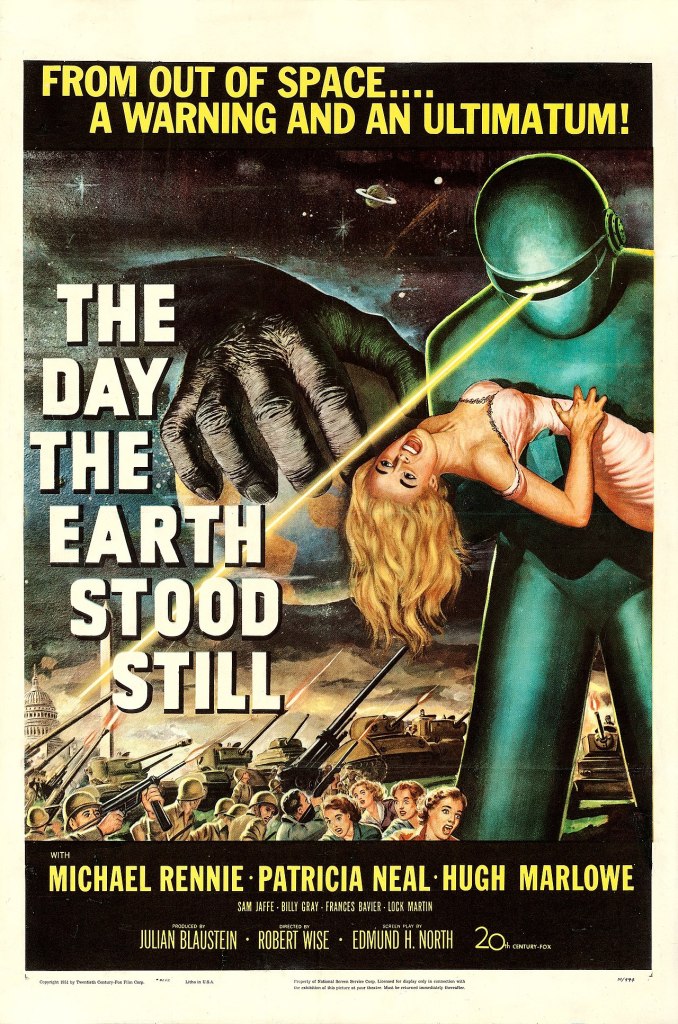
A pre-hobbit Peter Jackson made some of the first NZ horror movies to gain notice worldwide with the splatter-horror/comedy low-fi genius of Bad Taste, Brain Deadand Meet The Feebles. Many other great NZ horror movies have followed ever since, including Black Sheep, Deathgasm and Housebound.
But in the last year or so, even more New Zealand-made horror has kind of taken over the world, with four well regarded scare-fests topping the box office or winning critical acclaim – M3GAN, Evil Dead Rise and Ti West’s XandPearl.
These films aren’t generally entirely made by New Zealand directors, actors and writers or explicitly even about New Zealand, but by simply being filmed down here and using a hefty amount of local cast, crew, and behind-the-scenes personnel, they’ve got a heavy kiwi sensibility packed into their DNA – a little alienation, a little finding horror in everyday objects, a little wry black humour.
Scary robot doll movie M3GAN is deeply silly but fun spin on the whole “evil technology fears” trope, and while its generic America suburbia and offices setting doesn’t scream New Zealand, big chunks of it were filmed here and NZ director Gerard Johnstone gives the material a nice, creepy edge and added in the viral dance scene that helped make the movie a surprise hit.
I haven’t seen the intensely gory brand new Evil Dead Rise as it looks a little too much for me, to be honest, but I love that a blood-soaked elevator scene prominent in the trailers was filmed near the mall I used to go to all the time. The whole Evil Dead franchise has many ties to New Zealand – producer Rob Tapert has been with Sam Raimi’s goopy undead franchise since the very beginning, co-created ‘90s kiwi TV sensation Xena: Warrior Princess and is married to its star Lucy Lawless, and the excellent Ash Vs. Evil Dead TV series was all filmed down here.
But the best of the lot of recent NZ-shot terror for me are the psychosexual horrors of Ti West’s X and its prequel Pearl, which after many delays is finally being shown in NZ cinemas. Both films were filmed at a spooky Whanganui farm, and feature many familiar NZ acting faces.
X is a proudly sleazy movie about a 1970s porn movie being filmed at a sinister farm that plunges into unexpected depths of emotion amidst its gore and sweat, while the prequel Pearl shifts back in time to tell the story of the elderly woman at the centre of X as a young, hopeful girl with dreams of escaping her stifling family farm. Both movies star Mia Goth, one of the most unique presences on screen in quite a while (without spoilers, she plays multiple roles across the two films).
I think Pearl is the first great movie I’ve seen to take on the COVID pandemic and all the uneasy, awkward feelings of fear and anxiety churned up by it. Set during the 1918 flu pandemic, it’s a world of recovering trauma where young Pearl (Goth) fears she’ll never fulfil her dreams. Much of Pearl was written while West and Goth were in quarantine here in New Zealand, and the script richly evokes how uncertain the world felt in those early pandemic days.
An awful lot of movies are shot in New Zealand these days – we’re a hip, cool place, we’re cheap, got a lot of great screen talent built up here, but really, enough with the hobbit jokes, already.
It’s OK if you want to start thinking of New Zealand as the place you go to get scared, too.
What is it? What a time to be alive. The country was riveted by the presidential campaign of Walter Mondale. The plucky cassette Walkman was in everyone’s home. We all woke up each day asking, “Where’s the beef?” And looming above it all, breakdancing fever burned through America like a raging inferno in those halcyon days of 1984, 39 years ago now. Not one, not two, but three movies dedicated to the dance sensation hit the big screens. First came Breakin’ in May, followed by competitor Beat Street in June, culminating in the December 1984 release of the Avengers: Endgame of poppin’ and lockin’, Breakin’ 2: Electric Boogaloo.
Breakin’ and its sequels joined a long line of teen-oriented dance movies from Beach Blanket Bingo to Bring It On to Step Up, all frothy pop culture trend-chasing at its height. The first Breakin’ wraps up all its dance numbers around the story of rich white girl dancer Kelly (Lucinda Dickey) who becomes friends with a couple of streetwise breakdancers, Ozone (“Shabba-Doo” Quinones) and Turbo (“Boogaloo Shrimp” Chambers). For the sequel, the producers at Cannon Films turned to the time-worn concept of “puttin’ on a show,” as a beloved youth centre is being threatened by a cartoonish evil yuppie developer and the only way to save it is… with dance! The awkward yet oddly unforgettable title of Breakin’ 2 ensured it would endure in film history. But as a movie… well…
Why I never saw it: Weirdly, I saw Breakin’ on the preferred medium, VHS tape, sometime during its original 1980s heyday, but about 30 seconds after it was released, Breakin’ 2 and its insane subtitle became a punchline. To see it would have been complicit in its very lameness. It got referred to in the title of a terrific documentary about the ‘80s delights of the parent film company, Electric Boogaloo: The Wild, Untold Story of Cannon Films. More disturbing, because we can’t have nice things in this life, somehow the word ‘boogaloo’ got hijacked by a bunch of racist idiots, too.
Does it measure up to its rep? Look – this is a ridiculous movie. With a title like that, how could it not be? But it’s kind of charming, too in a completely inane way. A gaudy, Hollywood snapshot of early hip-hop culture, it’s not quite as grounded in reality as the first Breakin’ (which was hardly a Bergman film by any means). Like most sequels it’s bigger, brasher and louder, immediately kicking off with a giant dance number where an entire multi-racial neighbourhood gyrates and dances down the streets, from construction workers to old ladies to traffic officers. Truly, Breakin’ 2 kind of defies words. It’s a movie one has to describe in YouTube clips:
It also features an utterly non-violent “breakdance battle” which might just be the greatest thing you’ll ever see:
And that’s not even getting into the stunning ’80s fashions, the compelling bro-mance between its two leading men, the scene where young Boogaloo Shrimp is healed by the very power of dance, the entirely random puppet scene. I can’t pretend it’s a good movie by any means. The actors are all stiff and weirdly aware of the camera. The late “Shabba Doo” is a strangely charismatic awkward presence, eyeballing the camera with Brando-esque intensity, while Lucinda Dickey – who starred in both Breakin’ and the utterly magical Ninja III: The Domination and then vanished from screens – has a perky charm of her own, even if you don’t buy the reality of her “character” for a second. But you watch a movie like Breakin’ 2 for the dance numbers, and they’re elaborate, campy and colourful nonsense, and yet somehow, I smiled at every one of them.
Worth seeing? Breakin’ 2: Electric Boogaloo is cheese through and through, of course. How could it not be? And yet, while it may seem like damning with faint praise, it’s got a good heart. Far more diverse than many movies of the time, it gently teases its very chaste interracial romance and fundamentally has a message of inclusiveness and acceptance, which I dig. There’s a place for this kind of airy escapism in cinema. Sure, you can pop it on the screen of your choice and laugh at it the entire time, at the fashions, the dance moves, the glorious camp of it all, but you know – for all its corporate synergy fad-hopping origins and essentially clumsy filmmaking, it’s weirdly sincere.
Somehow, watching one of these goofy teen movies where all the world’s problems can just be solved with silly dancing is a bit life-affirming. To quote the deeply profound lyrics of the soundtrack song, “When I’m dancin’ / It seems like everything’s all right / Everything’s all right / I believe in the beat.” There are worse things to believe in.
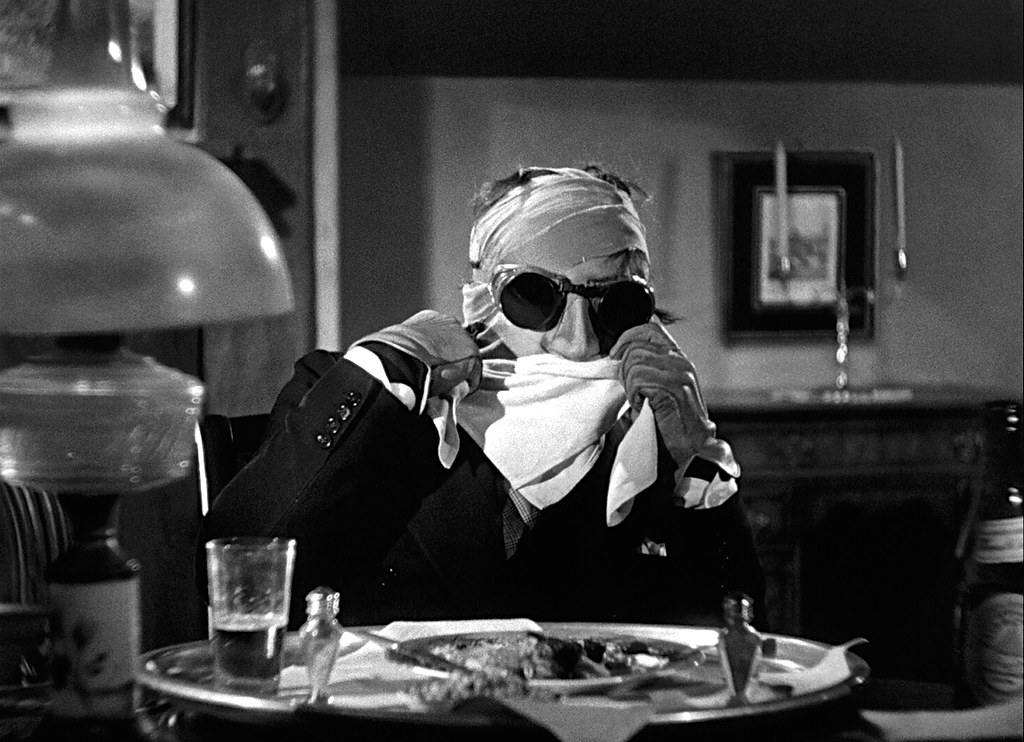
Mummy monster movies have always fascinated me, even if there’s never been a truly great mummy movie like there have been for Frankenstein’s monster or Dracula. The very visual idea of a corpse wrapped in bandages touches on some kind of universal terror. They’re not zombies – they’re something kind of worse, caught forever in a sort of half-life. I dressed up as a mummy one year for Halloween wearing yellow pajamas that were draped in toilet paper. The paper unraveled after a few blocks, but I didn’t care. Mummies are cool, man.
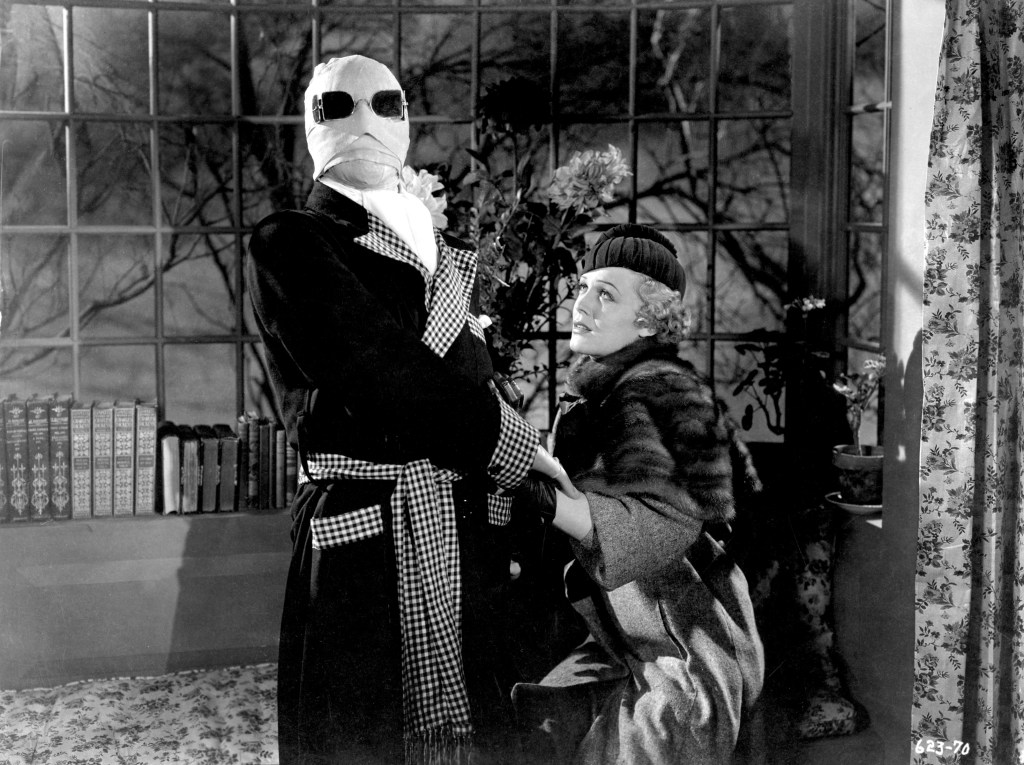
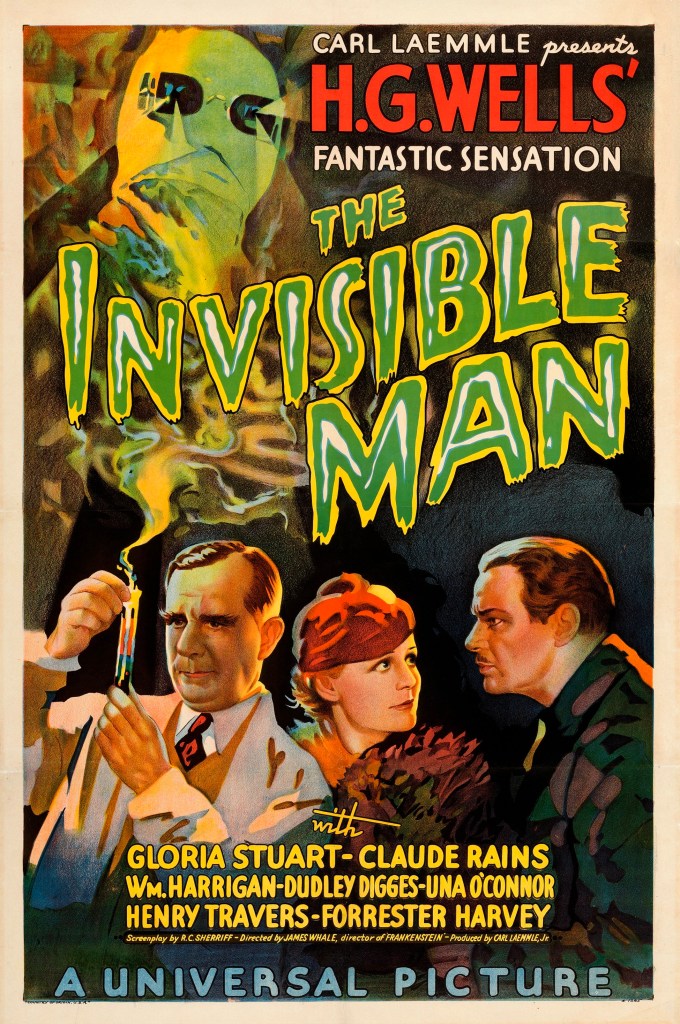
Universal Pictures brought the first mummy movies to the cinema, not too many years after the discovery of King Tut’s tomb created a kind of Egypt-mania. But while Universal churned out five Mummy movies in the ’30s and ‘40s, they’ve never quite been regarded as classics like Bride of Frankenstein or The Invisible Man. Still, the first time I saw these movies years ago, there was something about them I liked.
As a “character,” the Mummy in the Universal movies is generally lacking, especially after the first Boris Karloff film. He’s mute, he shambles and lurches and somehow still manages to kill a lot of people despite only having one working arm and leg. But darn it, he just LOOKS great, with the iconic makeup by Frankenstein’s monster magician Jack Pierce, and there’s something I like about the idea of an ancient horror coming to life in modern America. While the Mummy is a somewhat blank canvas compared to flashier movie monsters, you can see a lot of his relentless stalking and silent menace in later killers like Halloween’s Michael Myers and Friday The 13th’s Jason Voorhees.
Most of the 1940s Mummy series is formulaic to a fault, and increasingly cheap, each one barely over an hour long. Yet I still enjoy them for what they are – pulpy monster stories that don’t demand too much of you, but you’ll be guaranteed to see some murderin’ mummy action and just enough moments to remind you of why the very idea of a mummy still creeps us out.
The Mummy (1932)
The one that started it all, but if you’ve never seen it, it’s very different than you might think. On a high from Frankenstein, Boris Karloff stars as Egyptian high priest Imhotep, the “mummy” of the title, but he only actually appears wrapped up in linen for one brief scene. For the rest of the movie, the revived Imhotep is an eccentric yet apparently ordinary man, working as an Egyptian historian. Imhotep’s secret is that he’s searching for the reincarnation of his lost love, and hatching a millennia-old plot of revenge and lust. The Mummy is far more of a kind of Gothic horror than a monster movie, a gorgeously filmed slow burn with Karloff delivering one of his best performances as the creepy stalker Imhotep. It’s more of a ghost story, really. There’s only that brief proper mummy scene but throughout the film makeup mastermind Pierce gives Karloff a withered, haunting look. The Mummy is not quite scary, but genuinely disturbing and bitterly sad, the story of an eternal lost love. Karloff’s haunting eyes tell a story better than even the best makeup could, really.
Rating: Four and a half pyramids (out of five)
The Mummy’s Hand (1940)
The idea of movie “reboots” didn’t exist in 1940, really, but for all intents and purposes, Mummy’s Hand starts an entire new series of Mummy movies, introducing the ancient Kharis (Tom Tyler). The shuffling “mummy stereotype” that most of us first think of when we think of mummies begins here, in a gaudy B-movie that, while inferior to the arty drama of The Mummy, was actually lot more influential on the mummy image over the years. Thousands of years ago, Kharis attempted to bring his dead lover Princess Ananka back to life, but was caught by the temple priests and mummified alive for his crimes. Centuries later, a group of adventurers discover his tomb in Egypt and accidentally free him, and thus the murdery hijinks ensue. Much of the plot that animates the entire series starts here – an ancient order of cultish priests have guarded the mummy’s secrets for centuries and Kharis is kept alive by “tanna leaves” that rejuvenate him from his hibernation. Unfortunately the cool ideas at the heart of Mummy’s Hand are buried in sloppy execution, a slow plot, dated racial condescension towards the Egyptian people and far too much lame Abbott-and-Costello style comic relief with the highly annoying sidekick “Babe” (Wallace Ford). I rarely wanted a supporting character to be strangled by a mummy as much as I did “Babe.” While this one sets the template for the franchise, with an ever-returning Kharis wreaking vengeance in various ways, it’s a pretty dull monster movie, with sub-par Indiana Jones-style antics and no mummy action until well over halfway through. While Tyler’s reptilian Mummy is very creepy – with vivid blacked-out eyes, he’s a lot scarier than his successor Lon Chaney Jr would be – he gets very little screen time.
Rating: Three pyramids
The Mummy’s Tomb (1942)
Arguably, the best of the movies after the Karloff original, once you get past the pointlessly long 10-minute recap of the last movie at the beginning. For one thing, annoying Babe returns and is quickly killed off by the Mummy, who goes on a major revenge murder spree here. The story picks up 30 years after Mummy’s Hand, with the returned Mummy and his Egyptian sidekick (an excellent, feline Turhan Bey) now in America. They’re hanging out in a New England college town hunting down members of the expedition from Mummy’s Hand and wiping them out without mercy. I actually quite like them bringing the Mummy to America, where his old-world menace seems somehow more terrifying and disorienting. Having the Mummy stalk suburban streets is highly creepy. Nobody escapes the Mummy’s curse, these movies constantly remind us, and they actually live up to that claim by wiping out any survivors from previous movies quickly. It’s Lon Chaney Jr’s debut as the Mummy he would go on to play for three movies, but it’s hard to imagine a less thankless role for an actor. He’s mostly played as an unthinking weapon. Even Frankenstein’s monster could emote more, and Chaney reportedly hated the job (fun fact – the alcoholic Chaney reportedly gimmicked the mummy costume up so he could sip vodka all the day long). Despite its flaws, this feels like the platonic ideal of a Universal Mummy movie, and it’s got far more Mummy action than the first two in the series, and a spectacular fiery climax which is probably the best “boss battle” we get in these Mummy movies.
Rating: Four pyramids
The Mummy’s Ghost (1944)
By Mummy No. 4, Universal’s mummy-mania started to unravel a bit. The by-now mandatory “ancient Egyptian priest passes on his duties” features the priest who died at the beginning of The Mummy’s Tomb! The best and most interesting bit is the idea of Kharis’ doomed lover Princess Ananka being reincarnated into the modern day, an idea first introduced in the Karloff Mummy and later used in the Hammer and Brendan Fraser Mummy franchises. Ever since The Mummy’s Ghost resurrected (sorry) the idea, if you’re doing a mummy story, you’ll probably fit reincarnation in there somewhere. Unfortunately, that plot is introduced in a movie that feels almost like a step-by-step remake of Mummy’s Tomb, with Kharis once again murdering his way around New England. The cast are uniformly forgettable except for John Carradine (in a bit of unfortunate brown-face) as the latest sinister Egyptian cult handler for Kharis, but Lon Chaney gets to emote a little bit more in the stifling Mummy makeup than usual. Also, there’s a cute dog. What lifts Ghost from total mediocrity is the bleakest ending of the entire series, where for once, the monster basically wins. The Mummy movies are all pulpy silliness, but the final scene where the monster and his doomed reincarnated love sink into quicksand always haunted me a little. Unfortunately, dead never means dead when you’re a mummy and there was one more to go…
Rating: Three and a half pyramids
The Mummy’s Curse (1944)
Churned out less than six months after Ghost, which has to be some kind of record. The Mummy’s Curse immediately gets off on the wrong foot by picking up 25 years after the last movie with the Mummy still lost in a swamp, except for some inexplicable reason instead of New England the setting is now a hackneyed cajun Louisiana filled with cringeworthy Black stereotypes. (A character actually says, twice, “The devil’s on the loose and he’s dancing with the mummy!”) A kind of hacky laziness dominates Curse, which with the slippery flexible timelines of the series should logically be set sometime around the year 1995. In addition to Kharis coming back, the reincarnated Princess Ananka also gets to rise from the dead in this one as an amnesiac – the best scene in the movie is when she rises, eerily, from the swamps. It’s one way the otherwise rote Curse breaks a bit from the formula. The leading man here is so colourless he’s almost transparent, and the entire movie feels like a rerun – once again, we get a lengthy exposition scene and flashback by those pesky inept Egyptian priests and once again we hear about the magic of tanna leaves, and for the third movie in a row a priest betrays the Mummy because he gets the hots for a girl. Poor Lon Chaney doesn’t even get to appear unmasked as Kharis in the flashback scene, because as part of the general cheapness old Tom Tyler footage from Mummy’s Hand is used again. Universal’s Mummy series was never Shakespeare, but by instalment number five all the life had been squeezed out of the premise, which actually ended pretty definitively in Mummy’s Ghost. It’s amazing how this one-armed, one-legged slow Mummy managed to strangle quite so many people during his run, though.
Rating: Two pyramids
Was this the final blessed peace of the grave for the mummy? Well, Kharis was done, but mummies would return again and again, next in the rather daft Abbott and Costello Meet The Mummy in 1955, and then with Hammer’s quite good Christopher Lee-starring The Mummy in 1959 and many other mummies in the years since. You can’t keep a good dead man down.
I reckon if you’re living your best life, you never really outgrow the need for the occasional action figure.
Let’s be clear at the start – I’m talking ACTION figures, which in my mind generally need to be anywhere from 3 to 12 inches tall, with moveable arms and legs, some cool accessories and colourful artwork on the packaging. I basically consider those hideous Funko Pop things an abomination of cutesy rubber-stamped design that’s eating up the toy aisle like some mutant blob, glutting the market to the point they’re an environmental disaster. I’m an action figure man, darn it, not a gaudy statue figure man.
I was, of course, a part of the Star Wars generation, hoovering up those Kenner action figures from the moment I first got an allowance, buying random Rebel Commanders and Snowtroopers and Ewoks and having epic battles with them in trenches dug in the back yard. As I became a teenager, in a moment of utter insanity I sold most of my 40 or so vintage Star Wars figures at a family yard sale, hypnotised by the idea of getting money for my possessions without ever realising the possessions were kind of emotionally priceless treasures. I still miss my Rebel Commander with his limp little dangling scarf that looked like a piece of bacon.
I dabbled in other lines, even if Star Wars was my jam and I was kind of ageing out of some of the popular figure lines of the 80s. I really dug the DC Super Powers (and still have my Dr. Fate figure!) but didn’t care for the Marvel Secret Wars line with their dumb ‘secret shields’. I enjoyed the militaristic fantasy of G.I. Joe and the earliest Transformers toys (still wish I had that Soundwave, man) but was never into the cheap looking Masters of the Universe and too old for the Teenage Mutant Ninja Turtles.
Like most dudes, I grew older and action figures seemed uncool for a time; like most dudes, I got older still and became keen on recapturing my past by buying vintage action figures or ones that reminded me of them when I had a chance.
Decades on, there’s a tiny little dusty closet in the back of my brain that still idly dreams about the action figures I never had – the gold Cylon Commander from Battlestar: Galactica, the Clash of the Titansgiant Kraken; the Super Powers Hawkman; the Return of the JediSy Snootles and Rebo Band set I really wanted.
When my son was little, it was the perfect excuse for me to buy action figures more regularly – ones from Star Wars movies I never imagined would be released way back in the misty haze of the 1980s, ones from Marvel Universe movies I only dreamed about actually happening. (We still have a massive pile somewhere of Iron Man figures from Iron Man 2, when Hasbro released an insane flood of iron armor from Stealth Iron Man to Uber Driver Iron Man to Pizza Delivery Iron Man.)
Then my son got older too and into his own things, but I still pick up the occasional action figure that we both enjoy looking at, and I often pop my head into the toy aisle at the store pretending I’m buying a birthday present or something for some kid instead of just eyeballing what’s new.
You can easily go too far with these obsessions (or, as Elvis Costello put it, “in time you can turn these obsessions into careers”).
I’m not the guy with an entire room full of action figures in neat boxes. I’m an eclectic action figure collector, because I know a 50-something old man shouldn’t really be spending his mortgage money on dozens of action figures, so I’m a connoisseur. While I grew up on the smaller 3 3/4” figures, I do like the advances in action figure technology that have given us superbly elaborate and poseable 6” figures as a matter of course. I buy a few Marvel Legends figures with their excellent detail and obscure characters and a few of the Star Wars “black” series. I was obsessed with recreating the Empire Strikes Back bounty hunter scene and couldn’t find Zuckuss and 4-LOM for the longest of time, which is quite possibly the nerdiest sentence I’ve ever typed.
You can spend an insane amount of money on action figures but I generally like to just buy on an occasional impulse; the most I’ve ever spent was $60 on a Marvel Legends Ghost Rider with flaming motorcycle figure that was just too damned cool to let some 10-year-old with sticky fingers at the Warehouse have it. I’m slowly collecting the great new Universal Monsters figures which are packed with accessories and detail; among my closet of regrets is that I never bought any of a brief 1980s line of Universal horror movie action figures by Remco so I’m determined to make up for lost time.
A couple of dozen action figures are gathered on shelves around my office, frozen forever in the act of fighting supervillains or waging rebellions. A set of nifty Tintin figurines; a Flaming Carrot action figure I’ve had for decades; a cheap lot of the excellent Playmates Star Trek: The Next Generation line I got the boy for Christmas years ago.
I never dig trenches in the back yard with my action figures these days, but neither do I obsess over keeping them “mint on card.” I curate my little collection of plastic icons, probably as a way of reminding myself of the kid I once was, saving pennies for a Snowtrooper.
But also, I still just think they look kind of cool.
There’s nothing quite like the weird world of Basil Wolverton.
One of the great cartoonists of the 20th century, Wolverton’s distinctive vision is pretty unique. He could be silly and he could be scary, but most of all, his whole aesthetic vibe was vaguely disturbing. The New York Times called him “the Van Gogh of the gross-out.”
Wolverton did slapstick surreal humour and gritty, unsettling horror, as well as his oddball series of “heads” – staggeringly ugly, creepy little portraits that were like David Cronenberg nightmares. Some of them famously ended up on the covers of MAD and Plop.
Yet this strange, exotic draftsman was actually a pretty conventional person in real life, quite religious and married to his high school sweetheart. It’s almost as if he was exorcising some hidden inner demons with some of his most distorted work.
Whether it was sci-fi, horror or humour comics, you’d never mistake a Basil Wolverton comic for someone else’s work. A couple of marvellous thick coffee table books by Greg Sadowski a few years back looked at Wolverton’s career and reprinted lots of his rare comics.
He was never “typical.” Even his earliest work like the Buck Rogers-esque Spacehawk felt like outsider art. On the surface they’re pretty standard 1940s spaceman adventures, but there’s a visceral weight to the drawings that makes them feel truly alien. A lot of golden age comics were hastily drawn, rough work, but Spacehawk still shines with its gruff leading man facing a never-ending horde of endlessly imaginative, goopy monsters.
Wolverton also spent years doing screwball slapstick comics, packed with groan-worthy puns and wordplay and rubbery hijinks. I recently picked up a old reprint of some of his Powerhouse Pepper stuff, which is fantastic fun. Powerhouse is a kind of kinder, gentler version of Popeye who fumbles his way through a world of bullies and hucksters with an oblivious charm. There’s lots of silly wordplay and a general looseness (I’d love to see more of this rare work reprinted!) but there’s also some of Wolverton’s trademark shock such as this great sequence below (don’t worry, I’m sure that guy was OK). He brings the rubbery antic energy of Tex Avery cartoons to the still comics page.
Horror comics were overflowing from the newsstands in the ‘50s but Wolverton’s works in the genre still have an in-your-face freaky quality that makes them stand out. On his covers for Weird Tales of the Future, boldly drawn monsters leap off the page with an intimate menace – if I was a kid reading these in 1953, I’d have had nightmares for years. The especially terrifying “Brain Bats of Venus” haunted entire generations of comic readers back then, I imagine.
Later in his career, Wolverton actually became an ordained minister, and he combined his religious life and his comics life in very idiosyncratic drawings from the Bible which took all the fire and brimstone apocalyptic imagery usually smoothed out of biblical comics and rolls with it for all it’s worth. His portraits of the Book of Revelation and the foretold biblical apocalypse have a terrifying immediacy.
And his famous “heads” portraits, which are just snarled, twisted and blackly humourous masses of fluid flesh – well, they’re still freaky today, the most deformed almost pornographic somehow, yet weirdly innocent, too. The heads were Wolverton “playing,” making flesh his medium. This mild, churchgoing man could haunt you with his dreams.
The key to a lot of Wolverton’s visual style is the thick weight of his lines, I think, bold outlines and vivid shadows, combined with a painstakingly intense amount of stippled or speckled details. There’s an almost woodcut quality to his finest work. It doesn’t feel sketched on a page so much as it seems to be forged, raw, from some hidden universe just beneath our own. Wolverton’s distinctive comics DNA is hard to duplicate, although you can see some of his influence in the work of ‘Rat Fink’ Ed Roth, Peter Bagge or John Kricfalusi’s Ren and Stimpy.
While comics boasted a lot of great artists in the classic era like Jack Kirby and Will Eisner and Steve Ditko, Basil Wolverton is the only one who seemed somehow haunted to me.
These things he drew were in him, rubbery and weird and sometimes holy and sometimes hellish, but he just had to get them out. Decades after his death, there’s still nobody quite like him in comics history.
… I started to scribble a post about the first criminal indictment of an American President in history, about the seamy grifting, decades of corruption and braggart arrogance that brought everything to this point, but honestly, I’m sick to death of that idiot, and you probably are, too, and at this point I am utterly baffled, to the point of incoherence, at the notion that any sentient human being on the planet actually wants this undead ghoul, this endlessly returning shambling mass of all America’s worst and darkest instincts, this craven sack of nihilistic empty ego, to ever come anywhere near public office again.
Like, haven’t we all had enough?
I started to write something, anyway, and then realised that pretty much everything I wrote back in late 2020 is still very much true today, only perhaps more so. So read that instead:
Getting old, as most people realise eventually, is weird. You go seemingly overnight from being the youngest guy in the office to a balding, withered spectre who doesn’t understand TikToks.
But one thing that still makes me feel curiously young is my favourite newer action movies, where the folks I enjoy watching the most still are older than me by nearly a decade.
Watching Keanu Reeves shoot, stab and kick his way through an unceasing army of bad dudes in the wonderfully over-the-top new John Wick: Chapter 4, one thing kept coming into my mind as the high-octane carnage unfolded:
This dude is 58 years old.
Keanu Reeves is 58 years old, yet still mowing down bodies by the dozens in the Wick franchise. Donnie Yen, who might just be one of the few people on Earth even cooler than Keanu, is fantastic in John Wick 4 as his blind frenemy, is 59 years old and still kicks amazing ass.
Tom Cruise is 60 years old, yet he blew the box office away by piloting the surprisingly decent Top Gun: Maverick to record numbers last year. I’m among the Ethan Hunt stans eagerly awaiting his Mission Impossible 7 later this year, as it’s been the most reliable James Bond-style franchise in decades.
Michelle Yeoh, also 60, kicked ass and won an Oscar in Everything Everywhere All At Once; Bob Odenkirk, also 60, was a surprise action star in the grittily fun Nobody.
Sylvester Stallone has probably retired from the Rambo and Rocky franchises but is still smacking meatheads about in the delightfully silly Tulsa King at 76 years old. Harrison Ford is freakin’ 80 years old, but he’s still saddling up for one more Indiana Jones movie later this year, and even if my heart has been broken in the past, you know I’ll be there for it.
Sure, a good chunk of what we see on screen now is probably stunt doubles and clever CGI, but even so, it’s hard not to watch John Wick 4 and think that 58-year-old Keanu must have been pretty damned sore after some of those filming days. Put me in Wick’s stylish shoes and I’d be crumbled into a gelatinous heap after the first two scenes.
Yeah, I know young folk still star in action movies, although even some of the Marvel Universe stars are showing their age (Ant-Man Paul Rudd, 53, for instance). But honestly, the action movies I get excited about these days seem to star those old, familiar faces.
Is it because Tom and Keanu have been around in movies since I was a teenager myself that I enjoy watching them grow increasingly weathered and yet still capable of punching ninjas and flying jet planes? Do the lines on their faces give them a little more authority on screen?
Or do they bring the weight of me seeing their baby faces in Cocktail and Point Break a lifetime ago to their modern-day adventures and that somehow makes their action movies resonate more for me than watching some young dude in his 30s who just makes me think, jeezus, when didI stop being 30?
Possibly so. Then again, maybe it’s just because Keanu, Tom, Michelle and company have been doing this for so long that they just do it really, really bloody well.
All the cool pop stars are half my age now and authors who win Booker Prizes here in New Zealand are more than a decade younger than me, but gosh darn it, my action movie heroes are still older than me, and I hope they’ve got a few more big-screen punches left in them yet.
Small press comics! Where no story is too small to tell, hence the name! Here’s part four of my ongoing occasional look at The Lost World Of Small Press and obscure and famous zines, comics and mimeographed gems from the 1990s.
One of the most popular forms of small press comics is the autobiographical comic – stories, big or small, about ordinary lives. The late great Harvey Pekar’s American Splendor was the godfather to this genre, and it’s in some ways one of the easiest ways to get going on a comic – just tell your story. Sure, there’s a hundred mediocre autobio comics for every good one, but there’s a lot of greatness in this genre. Here’s random samples from my collection of five creators who excelled at it!
King-Cat Comics and Stories #70, 2009, John Porcellino – Porcellino is another legend in small press and autobio comics – he’s been running his series King-Cat Comics since 1989 and still going strong. He has a simple, spare yet amiable style, slowly polished to perfection over the years. Like the best autobio comics, he doesn’t do sprawling epics, but instead picks up on the little beauties of life.
This sample issue from a few years back tells about getting his wisdom teeth out and the hunt for a local folk artist in brief comic stories, but it also includes some of Porcellino’s gentle abstract “tone poems” which are barely stories at all – just moments, glimpsed in memory, turned into a few vivid words and drawings and yet somehow, encapsulating a little bit of everything. (Porcellino’s early zines have also been collected in some hefty books which are worth seeking out.)
Dishwasher #12, 1994, Pete Jordan – I’ve written about Dishwasher Pete before, and his quixotic quest to wash dishes in all 50 states and publishing zines about it along the way. There’s something so totally ‘90s about Pete’s semi-slacker lifestyle, and becoming a bit of a cult hero along the way with his erratic zine with dishwashing stories, cartoons and more. This is the only issue of the zine I ever picked up and one of the final ones, but packed with fun stuff. It’s a great mix of Pete’s journal style entries of gigs in Mississippi and Arkansas, an excerpt from a 1930s dishwasher’s account, tips for proper dishwashing and amusing cartoon anecdotes and letters from other dishwashers. These days, shudder to think, Pete would probably have to be some kind of TikTok dish influencer to get noticed, but back then, a handmade zine felt, well, just more real, man. Fortunately for Dishwasher Pete fans, after hanging up his scrubs he later wrote a very entertaining memoir of his “dish dog” days that’s worth seeking out.
Southern Fried #3, 1998, Jerry Smith – Jerry drew a series of chilled-out autobio comics about life and growing up in the South that had a lot of heart and debunked a lot of the lazier broad stereotypes about the South, even as he’s writing about hunting turtles or the local good ol’ boys. In this sample issue, he also drew some quietly devastating work about his relationship with his dad or the memories of his grandmother. Jerry’s work always felt to me the epitome of the “everyone’s got a story inside them” mantra – and everyone’s life is just as interesting as your own, examined the right way. I always liked Jerry’s art in these comics, a kind of rubbery realism which kind of skirts right at the line of being “ugly art” – that’s not a putdown, but there’s a kind of intense texture which makes his characters feel very lived-in. He’s still out there doing comics and art which is worth hunting for.
Destined #3, 1997, Jeff Zenick – Back before you followed people on social media, you might follow their lives through zines. Jeff Zenick put out a lot of whimsical, candid “travel journal” type zines of his bicycle wanderings around the U.S. back in the day and I’ve always enjoyed their insightful, gentle charms. This issue of Destined tells of Jeff’s adventures in Oregon in a series of diary entries, illustrated with these finely detailed little landscape pen and ink drawings. There’s no real “plot” here, only a guy wandering around, visiting diners and coffee joints, taking on odd jobs and simply enjoying the pleasure of being, in a way that feels utterly present now – perhaps that’s just the nostalgia talking. (The only down side I find about some of these old zines when I re-read them now is that the sometimes tiny handwritten text is way harder to read for these ageing eyes.) These days Zenick does a lot of great portraitsand art which can be sought out online too.
Tales From The Petro-Canada Man #4, 1994, Jason Marcy – Jay and I became pals back in the 1990s and we’re still pals today, so I’m biased as heck about him, but he is one of the great unsung autobiographical cartoonists around, doing brutally honest work for more than 30 (!) years now. He started out with his superhero parody “Powerwus,” but really found his calling with a series of tales about his life and work. The six-part Tales From The Petro-Canada Man comic, loosely organised around his late-night job at a petrol station and meeting the woman he’d go on to marry, are still fantastic work, scrappy and raw but sincere. Jay’s one, two or three-page strips were heavily influenced by the cartoonist Joe Matt (who was big in the 1990s, but Jay has actually gone on to be far more productive than Joe ever was). He’s unafraid to reveal all, from his mental health struggles to his, um, bodily functions (I still have nightmares about a few of his toilet strips) but there’s always a real humility and openness to his work that keeps it from ever feeling too exhibitionistic. A lot of autobio comics also tend to get whiny and maudlin but Jay’s work is often side-splittingly funny. Jay has gone on to do graphic novels and web toons and is still doing great autobio comics today, check out his Patreon!
What is it? I’m a movie-loving goof, and I’m still on my post-Oscars coverage high this week. And as a movie goof, I sometimes find myself staring off into space mulling the big questions – such as, who was the greatest movie star of all time? And the answer almost always is, Cary Grant, of course.
“We had faces,” goes the famous line from Sunset Boulevard, and iron-chinned Grant perhaps had the greatest movie face of all. Less rugged than Bogart, more confident than Jimmy Stewart, a bit harder than Marilyn Monroe, Cary Grant could do broad comedy or bold adventure and rarely did a star make it all seem so effortless. Much of the DNA you find in Tom Cruise today comes straight from the Cary Grant foundation.
Arsenic and Old Lace is a classic stage farce which still gets rolled out for local theatre productions on a regular basis, where two charming little old ladies are revealed to be disarmingly genial serial killers – plus, there’s a criminal on the run, a befuddled newlywed, fumbling cops and a confused fellow who thinks he’s Teddy Roosevelt. It’s a farce with a staggeringly high body count (13 bodies in the basement!) that somehow remains charmingly light on its feet. Frank Capra’s 1944 adaptation of the beloved play was originally going to star Bob Hope, and believe me, we’d barely remember it today if that bland hambone starred in it. Instead, Cary Grant signed on to play critic and playwright Mortimer Brewster (that name!) and it became one of his sweatiest, most frenetic performances. Turns out there’s few things funnier than watching smooth, smooth Cary Grant slowly come apart over the course of two hours.
Why I never saw it: I’ve loved Cary Grant for decades, from his iconic Hitchcock roles to the early screwball stuff – The Philadelphia Story might be the single most starpower-packed comedy of all time, and surely Bringing Up Baby is the awkward height of the “meet cute” romance trope? His Girl Friday, still one of the best journalism movies of all time? But Arsenic and Old Lace somehow slipped through the cracks for me. Grant’s been gone for coming up on 40 years now, but there’s still gold in that there filmography to be mined for a movie goof.
Does it measure up to its rep? I’ll make a slight confession – unlike other movies in this occasional series, I actually watched Arsenic and Old Lace twice before writing this up, a month or so apart. Partly that’s because of the bombastic pace of these witty old comedies, where the jokes and puns fly so fast that you barely absorb them all (seriously, if you’ve never watched His Girl Friday some time, it’s like a machine gun barrage of witty verbiage). So on the first viewing Arsenic is an energetic slap to the face, but it’s on a second viewing that the sheer craft of Capra’s stagecraft shows, with Grant’s immaculate comic timing, Raymond Massey’s jarringly sinister calm, Peter Lorre’s invaluable pop-eyed sidekick anxiety and the utterly hilarious Josephine Hull (who looks disarmingly like the late Rip Torn in drag) and Jean Adair as Grant’s dotty, murderous aunties. They’re quite convinced they’re doing the lord’s work by poisoning lonely old men, you see.
Like most farces, it’s all a jumble of moving parts that somehow barely holds together. There are a few dated and strained comic gags (the Teddy Roosevelt stuff gets a bit much), but most of it still works beautifully. Filmed more than 80 years ago, it’s still stagey and broad (it never really lets you forget it was originally a play) but it’s also a masterpiece of comic chaos with a twisted, dark underbelly that lets it hold up better than some other farces of the era – a scene where Mortimer is about to be tortured by his sinister brother goes into some pretty darned dark places before the comedy kicks in again.
Worth seeing? The thing with a broad farce is you absolutely have to be on its wavelength and roll with it. The densely silly farces of yesteryear with their rat-a-tat pace aren’t meant to be watched while also scrolling through Twitter and checking your emails. If you abandon distraction and go with the flow, Arsenic and Old Lace is a goofy blast of anarchy, with Cary Grant at his loosest and silliest.
In a week where Hollywood once again lined up to celebrate its stars and stories, it’s not a bad time to take a moment to salute the king, who shockingly never won a competitive Oscar. There was only one Cary Grant, after all.